1 free read left. Create a free account for unlimited reading + AI research.
Create free accountWhitepaper International Journal of Serious Games
1 free read left. Create a free account for unlimited reading + AI research.
Create free accountWhitepaperInternational Journal of Serious Games
Distilling the key insights…
Gamification serves as a critical strategic management tool designed to align human behavior with organizational objectives through the integration of game design elements such as points, badges, and leaderboards. By synthesizing data from 203 academic studies, the analysis establishes that the primary drivers for implementing these systems are engagement, which accounts for 33.5 percent of applications, followed by motivation at 23.6 percent and participation at 10.3 percent. The research confirms that when effectively deployed, these mechanics significantly enhance productivity and performance across diverse sectors, including human resources, marketing, finance, logistics, and healthcare.
Success in this domain relies on a sophisticated balance between intrinsic and extrinsic motivations rather than the superficial application of game mechanics. Organizations must tailor their strategies to specific cultural contexts and stakeholder needs to avoid the perception of mandatory gamification as a coercive management tactic. The findings emphasize that a strategic, user-centered design is essential for transforming digital engagement into measurable business outcomes, particularly as companies navigate the complexities of digital transformation.
Despite the potential for innovation, the integration of gamified systems introduces significant challenges regarding data privacy, security, and ethical implementation. Future organizational efforts must prioritize the structured management of these systems to ensure they remain transparent and secure. Ongoing research is encouraged to explore the long-term impacts of gamification on team effectiveness and sustainability, as well as the necessity of cross-cultural personalization to maintain efficacy in a globalized business environment.
International Journal of Serious Games · 2023
International Journal of Serious Games · 2022

International Journal of Serious Games · 2020
International Journal of Serious Games · 2020

International Journal of Serious Games · 2020
International Journal of Serious Games · 2020
International Journal of Serious Games · 2020
International Journal of Serious Games · 2020
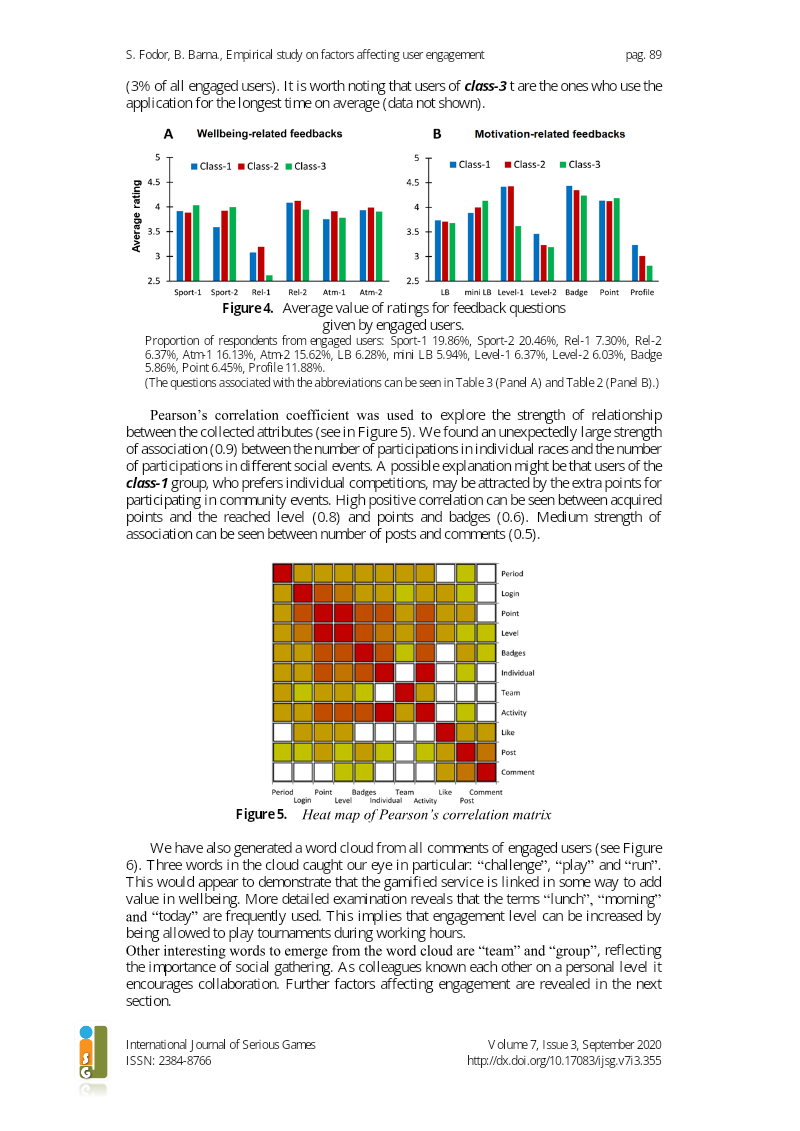

International Journal of Serious Games · 2020
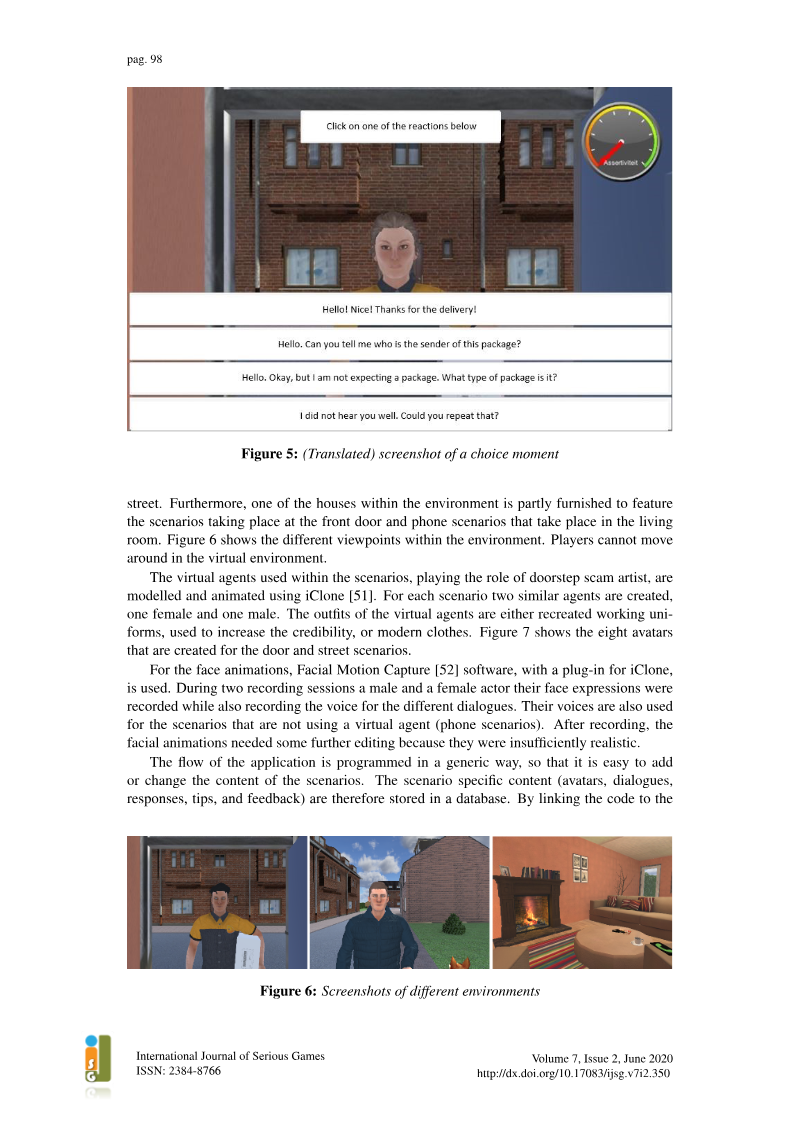
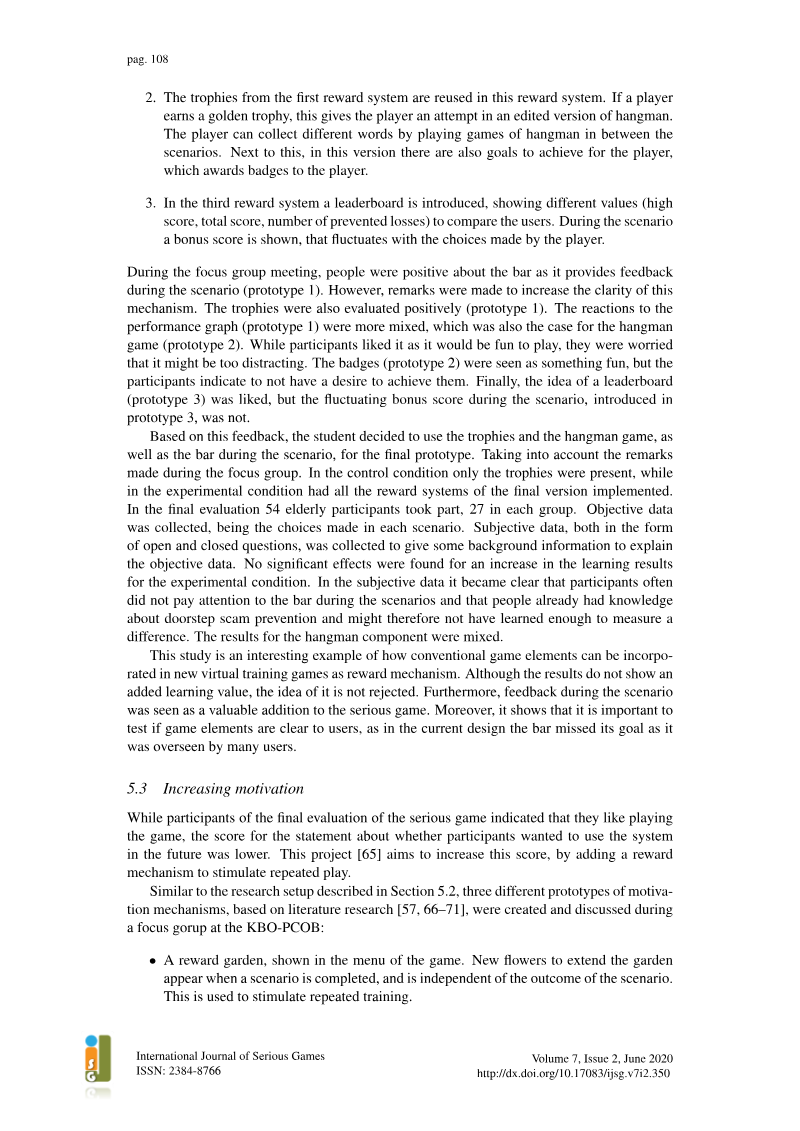
International Journal of Serious Games · 2020

International Journal of Serious Games · 2020
Air Force Institute of Technology · 2020
European Conference on Games Based Learning (ECGBL) · 2025