1 free read left. Create a free account for unlimited reading + AI research.
Create free accountWhitepaper International Journal of Serious Games
1 free read left. Create a free account for unlimited reading + AI research.
Create free accountWhitepaperInternational Journal of Serious Games
Distilling the key insights…
Integrating computational thinking into the Italian primary school curriculum through collaborative game-making in Scratch serves as a vital pedagogical strategy for fostering algorithmic proficiency and student engagement. By utilizing a multi-method evaluation approach—including student diaries, interviews, and performance assessments—the research demonstrates that game-based learning effectively motivates students and enhances social dynamics within the classroom. Participants consistently report high levels of enjoyment, reflecting the potential of creative coding to transform technical education into an interactive and collaborative experience.
Despite these successes, the implementation of a one-year, 20-session learning path reveals significant limitations regarding long-term skill acquisition. Data indicate that while students can achieve success on standardized assessments, a disconnect often persists between theoretical knowledge and practical problem-solving autonomy. Challenges such as group conflict, a reliance on constant teacher intervention, and difficulties in adopting a player-centric design perspective suggest that short-term interventions are insufficient for true mastery. Students require extended periods of practice to navigate the complexities of social coding environments and to develop the self-confidence necessary for independent project execution.
To address these gaps, the pedagogical model has shifted toward a multi-year framework that emphasizes incremental autonomy, pair programming, and consistent peer feedback. This longitudinal approach recognizes that computational thinking is a developmental process rather than a discrete skill set. By extending the learning path across the final years of primary school, educators can better manage group dynamics and provide the sustained guidance required for students to bridge the gap between basic coding tasks and sophisticated, user-focused game design. Ultimately, the transition to a three-year model confirms that comprehensive teacher training and a long-term commitment to curriculum integration are essential for fostering durable computational literacy.
International Journal of Serious Games · 2023
International Journal of Serious Games · 2022
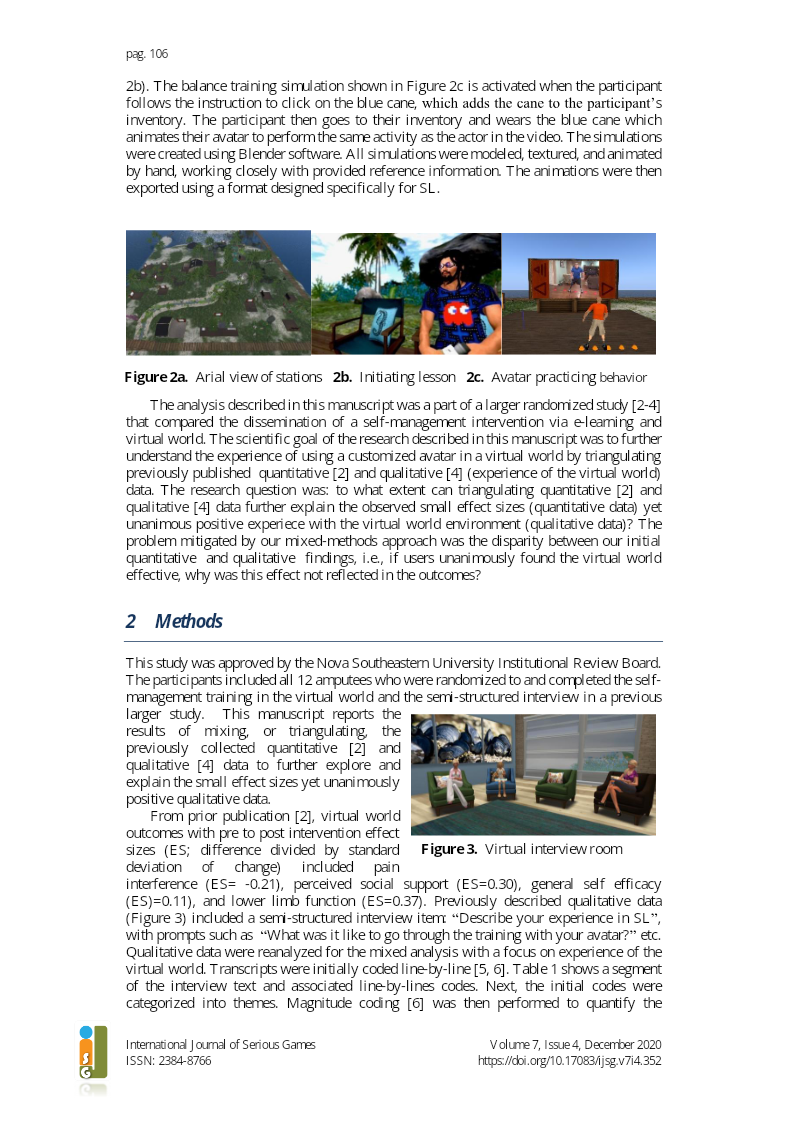
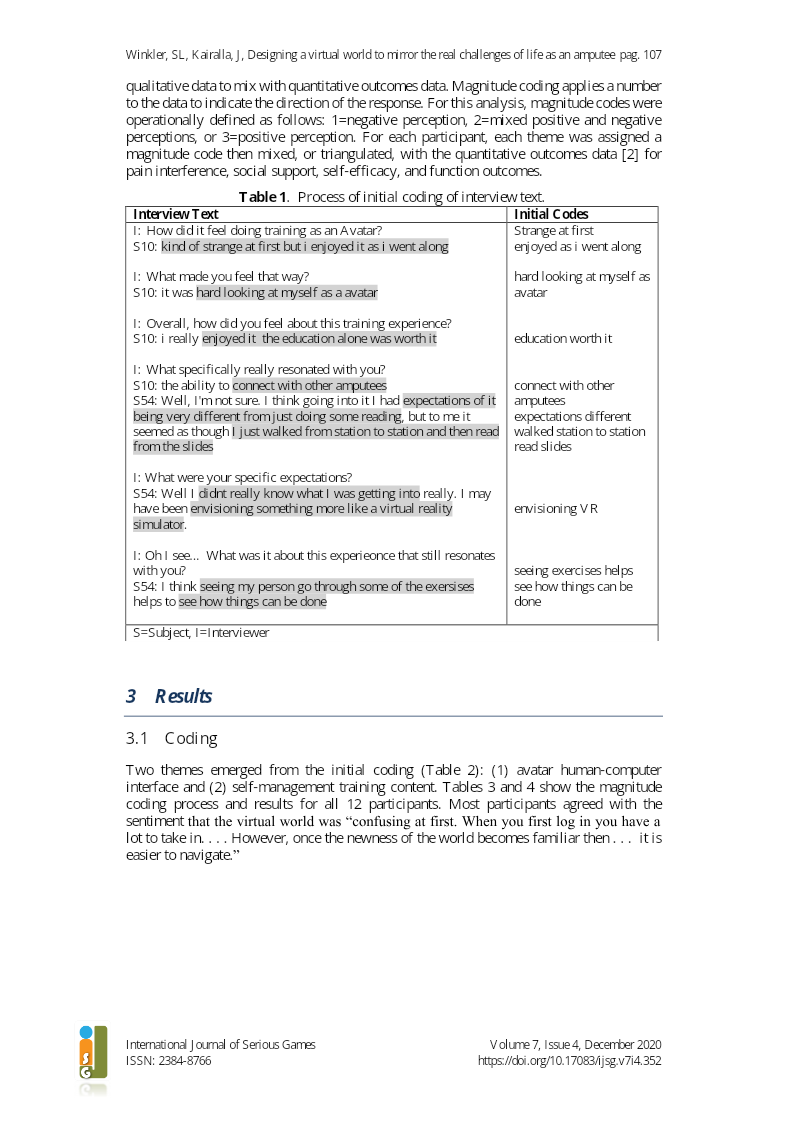
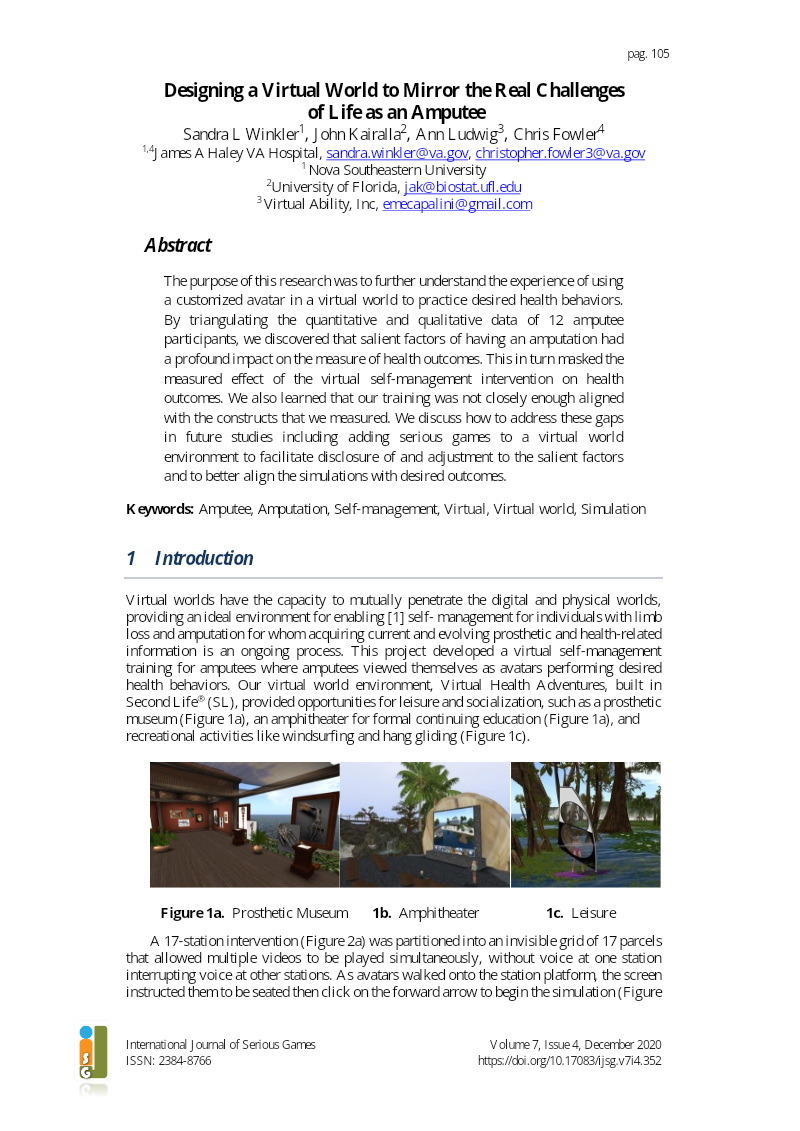
International Journal of Serious Games · 2020
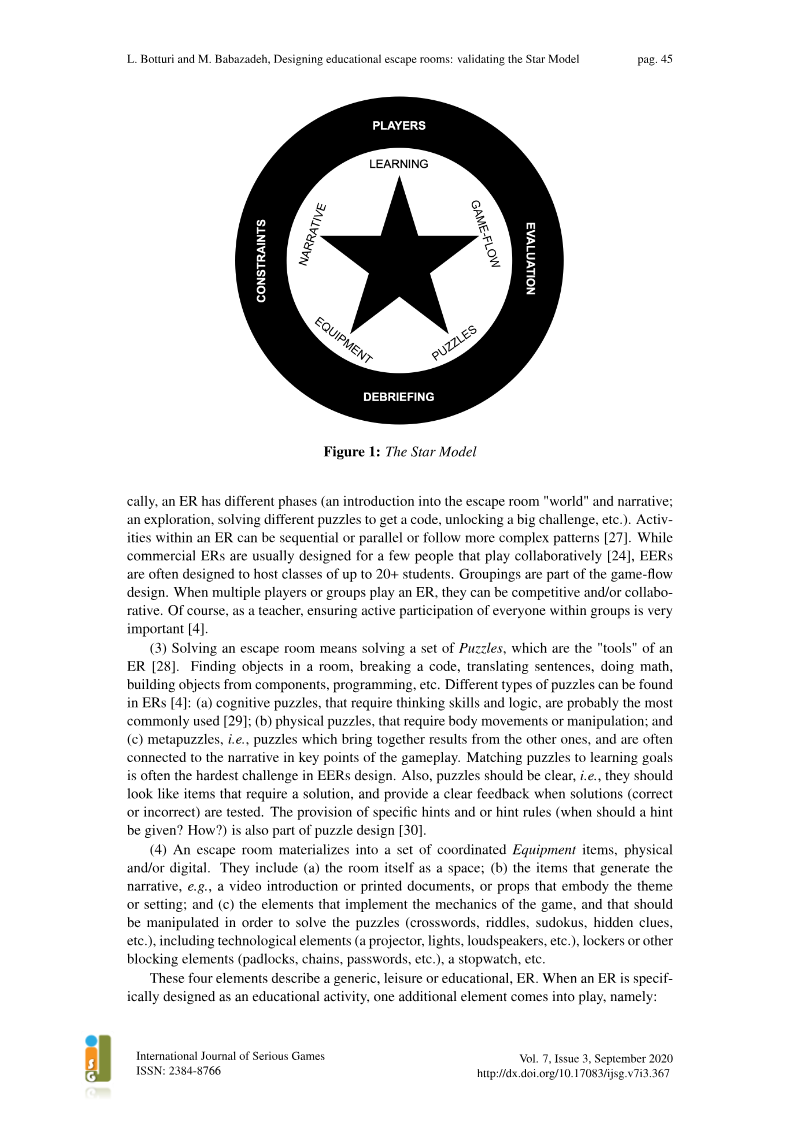
International Journal of Serious Games · 2020
International Journal of Serious Games · 2020
International Journal of Serious Games · 2020
International Journal of Serious Games · 2020
International Journal of Serious Games · 2020
International Journal of Serious Games · 2020
International Journal of Serious Games · 2020
International Journal of Serious Games · 2020
Air Force Institute of Technology · 2020
GAMEHEARTS · 2025