
GameMakers
F2P product management, game design, and monetization strategy by Joseph Kim.
Documents
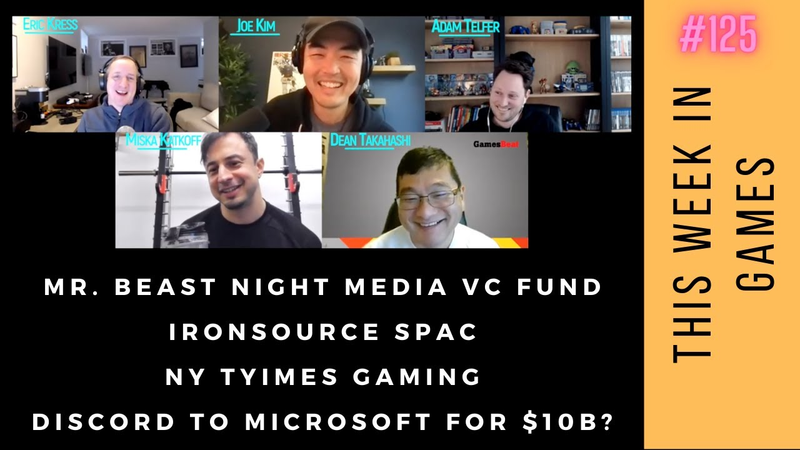
TWIG 125: Mr. Beast Night Media VC Fund, Ironsource SPAC, NY Times Gaming, Discord for $10B?
The gaming industry is currently defined by a rapid acceleration of consolidation, strategic shifts toward the creator economy, and a complex interplay between privacy regulations and valuation models.
- Tech giants are aggressively pursuing platform and IP consolidation, exemplified by ByteDance’s acquisition of Moonton and Microsoft’s potential $10 billion purchase of Discord.
- Discord faces significant investor skepticism regarding its long-term viability due to high burn rates and the absence of a clear, sustainable monetization strategy.
- Ad-tech firms like ironSource and AppLovin are rebranding as high-margin software platforms to maintain aggressive valuation multiples following the deprecation of IDFA and the implementation of App Tracking Transparency.
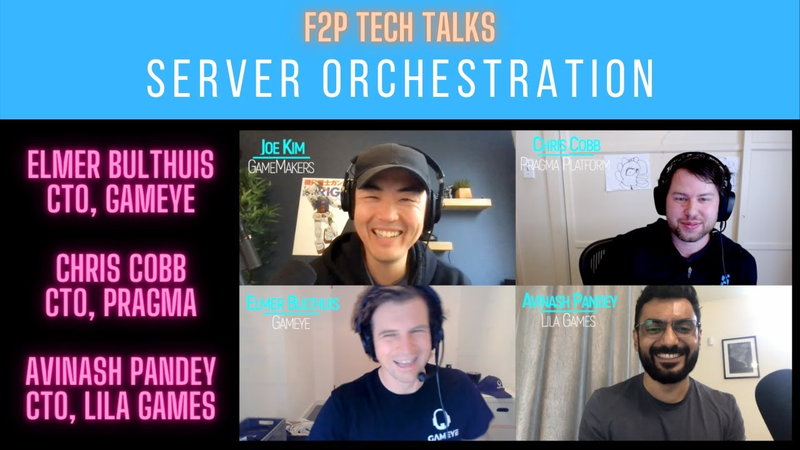
F2P Tech Talks: Server Orchestration
Server orchestration serves as a critical foundation for modern live-service games, ensuring that players receive low-latency experiences through the efficient deployment and maintenance of dedicated server instances.
- Outsourcing server orchestration to specialized providers mitigates the operational risks of global bare-metal management and allows studios to focus resources on core gameplay and matchmaking logic.
- Server-authoritative architecture is a mandatory requirement for live-service games to prevent fraud and protect the integrity of the in-game economy.
- Dynamic scaling capabilities are essential for preventing player attrition caused by launch-day failures, as player demand remains inherently difficult to predict.
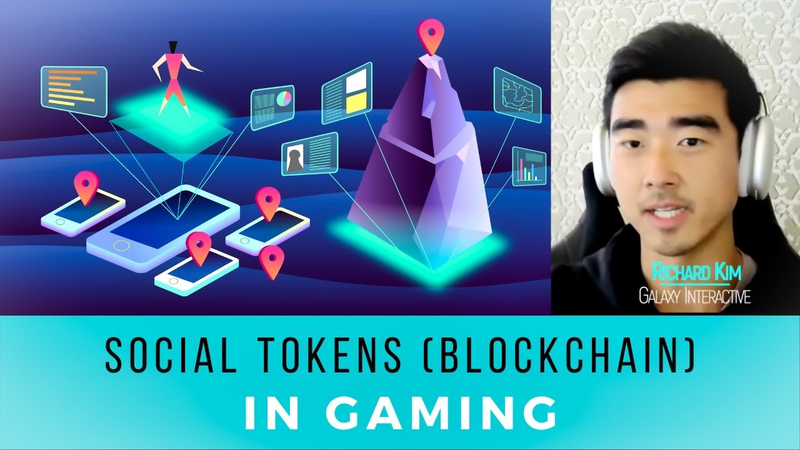
Social Tokens (Blockchain) in Gaming | Richard Kim, Galaxy Interactive
Blockchain technology is fundamentally reshaping the relationship between game developers and their audiences by transitioning from extractive monetization models toward community-owned, user-governed economies.
- Blockchain technology shifts gaming monetization from extractive models toward community-owned economies where players act as active stakeholders rather than passive consumers.
- Social tokens and NFTs enable creators to bypass traditional intermediaries, transforming digital assets into both social identity markers and sustainable economic instruments.
- The current industry standard involves a phased approach where developers place only cosmetic items on the blockchain to leverage secondary markets while keeping core game balance and internal economies centralized.
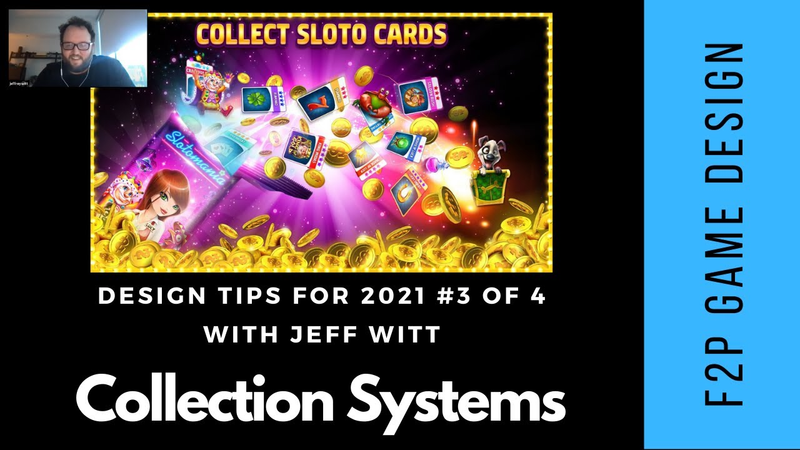
F2P Design Tips for 2021, Collections FTW (3 of 4) Ft. Jeff Witt
Collections represent a highly versatile and effective design feature for free-to-play games, capable of integration across diverse genres ranging from RPGs and strategy titles to social casino and farming games.
- Collections function as a versatile, low-risk engagement tool that provides short-term, achievable milestones to break the monotony of core gameplay loops across genres like RPGs, strategy, and casual games.
- Designers should integrate collection systems early in the development cycle rather than as post-launch additions to ensure they effectively bolster player retention and provide consistent objectives.
- To maximize effectiveness, developers must tie the acquisition of collection pieces to specific, thematic in-game actions, which helps educate players on progression while providing secondary goals.
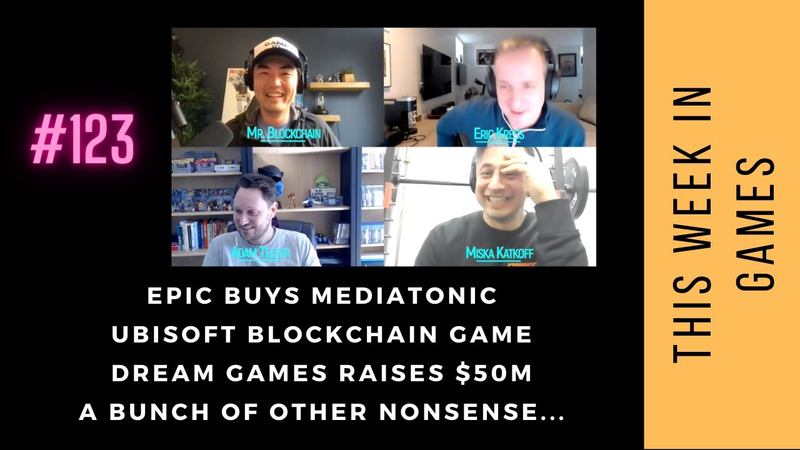
TWIG 123 | Fortnite Maker Epic Buys Mediatonic, Ubisoft with Ethereum NFT Game, Dream Games $50M
The gaming industry is currently undergoing a period of rapid consolidation and strategic investment, characterized by high-profile acquisitions and significant venture capital inflows.
- Epic Games acquired Mediatonic to integrate the popular Fall Guys title into its broader metaverse development strategy.
- Dream Games raised $50 million in Series A funding to compete in the $3.7 billion mobile puzzle game market.
- Blockchain and NFT integration requires game design to be built around the technology from inception rather than retrofitting existing titles to achieve mass adoption.

Game Biz #1: Game Industry M&A [EA, Zynga, Glu, and More]
The gaming industry is currently undergoing a period of aggressive consolidation, characterized by a strategic shift toward vertical integration and the pursuit of mobile market dominance.
- Major publishers like Electronic Arts are acquiring mobile-focused entities such as Glu Mobile to address dormant mobile portfolios and satisfy investor growth demands.
- The deprecation of IDFA (Identifier for Advertisers) is forcing companies to internalize ad tech and user acquisition data to maintain control in a constrained privacy landscape.
- Industry M&A strategy is split between Zynga’s centralized, synergistic model and Embracer Group’s decentralized approach, with analysts questioning the long-term viability of the latter without centralized support.

Designing Games for Female Audiences | Renata Caldani, Maryna Iaremenko, & Joana Marques
The female gaming demographic represents a significant and rapidly expanding segment of the global market, currently comprising over 50 percent of mobile players across a broad age range of 10 to 65.
- Women now represent over 50 percent of the global mobile gaming market, spanning a broad age range from 10 to 65.
- Female players are increasingly moving away from simplistic casual titles in favor of mid-core and hardcore gaming experiences, such as Genshin Impact and Minecraft.
- To effectively capture this demographic, developers must abandon gendered marketing tropes and one-size-fits-all design philosophies in favor of data-driven, inclusive strategies.
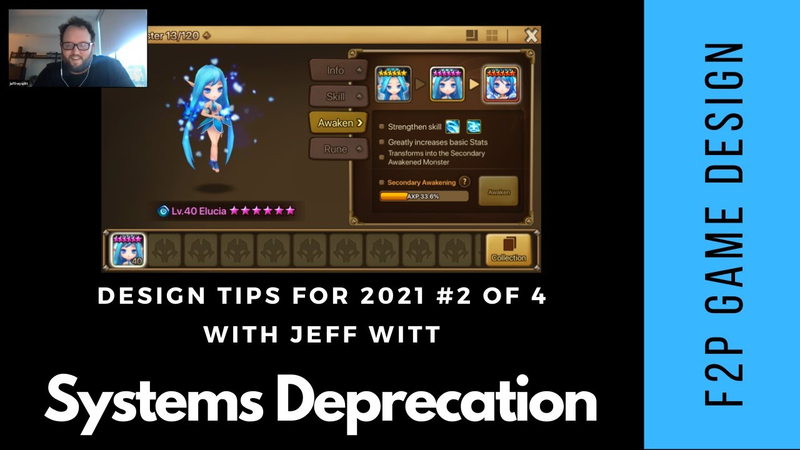
F2P Design Tips for 2021, Embrace System Deprecation (2 of 4) Ft. Jeff Witt
For developers managing long-running free-to-play games, the strategy of system deprecation is essential for maintaining economic health and player engagement.
- Developers of long-running free-to-play games should use system deprecation to reset economic balance when veteran players accumulate resource stockpiles that render original progression systems ineffective.
- Instead of inflating costs or adding incremental tiers, developers should introduce entirely new currencies or inputs to regain control over the game economy and reset player expectations.
- The mobile title Summoners War successfully implemented this strategy by introducing a 'second awakening' system that required new energy and boss-fight materials, bypassing the obsolete resources held by long-term players.
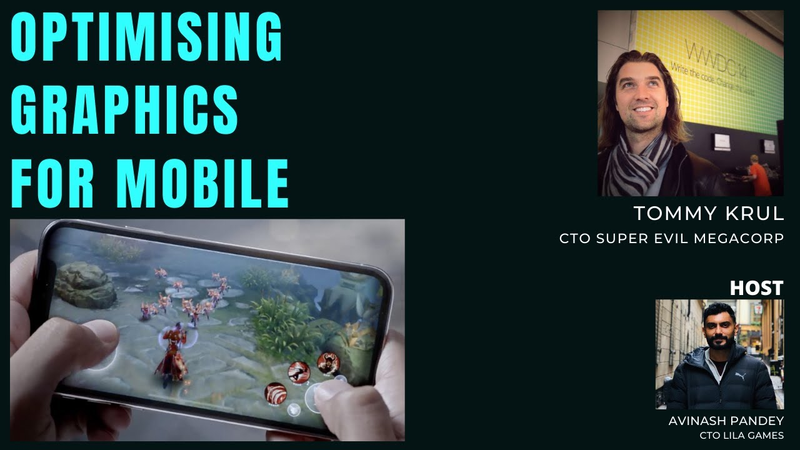
Optimizing Graphics for Low-end Mobile Devices | Tommy Krul
Mobile game development requires a sophisticated approach to performance optimization due to extreme hardware fragmentation, regional device variations, and the unpredictable impact of thermal throttling.
- Optimize for low-end mobile hardware by categorizing devices based on specific GPU and CPU combinations rather than relying on generic performance metrics.
- Maintain visual fidelity across fragmented hardware by implementing dynamic performance scaling, automated shader levels of detail, and adjustable post-processing effects.
- Utilize proprietary engines to build performance into the architectural design from the start, avoiding the need for late-stage fixes and reducing technical debt.
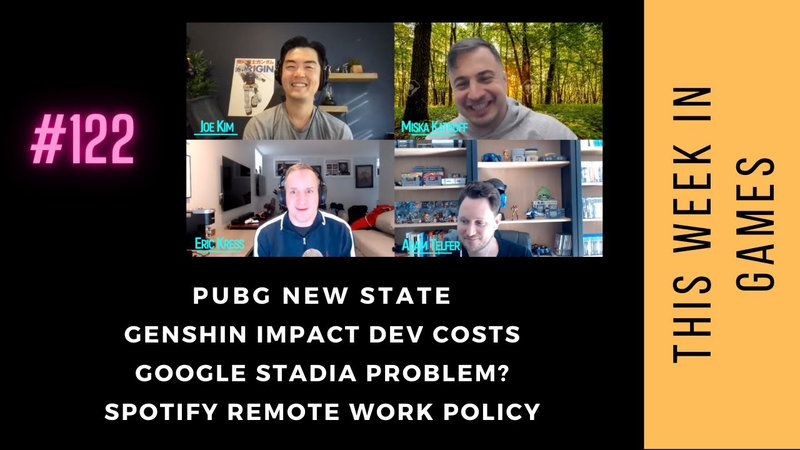
TWIG 122: PUBG New State, Genshin Impact Dev Costs, Google Stadia Problem, Spotify Remote Work
The gaming industry is currently undergoing a significant strategic recalibration, characterized by a retreat from forced live-service models toward more sustainable, premium-focused development.
- Modern AAA gaming dominance requires massive capital, exemplified by Genshin Impact’s $100 million initial development cost and $200 million in annual maintenance.
- Major publishers are shifting away from forced live-service models toward sustainable, premium-focused development to mitigate the financial risks of project failures.
- The gaming market is experiencing extreme saturation, creating high barriers to entry that favor established studios with significant capital reserves over mid-sized competitors.
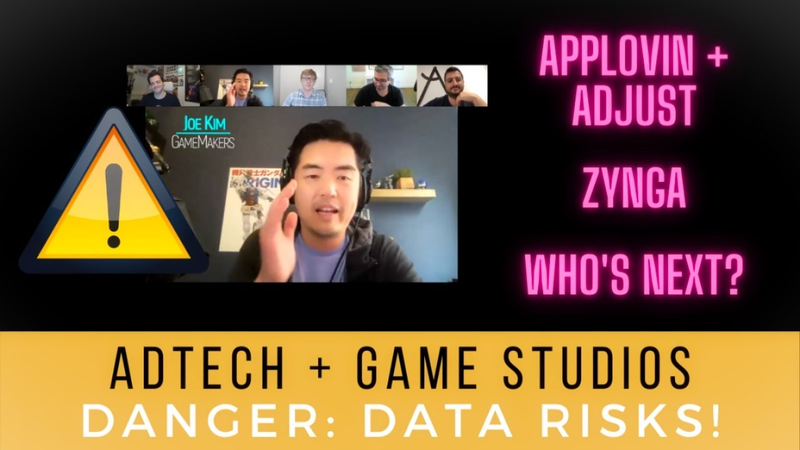
Ad Tech + Game Studios | The BIG Dangers from AppLovin, Zynga, and More Coming!
The mobile gaming industry is undergoing a profound structural shift driven by the vertical integration of ad networks, game studios, and measurement platforms.
- Vertically integrated firms like AppLovin and Zynga are consolidating ad mediation, network infrastructure, and attribution data, creating a conflict of interest where they act as both service providers and direct competitors to the studios they serve.
- These integrated entities leverage granular performance data from their partners to gain proprietary insights into user behavior and revenue margins, potentially disadvantaging independent developers who rely on their platforms.
- Despite the risks of platform bias and data exposure, studios remain locked into these ecosystems because the immediate necessity for high-performance user acquisition outweighs the difficulty of scaling through alternative channels.
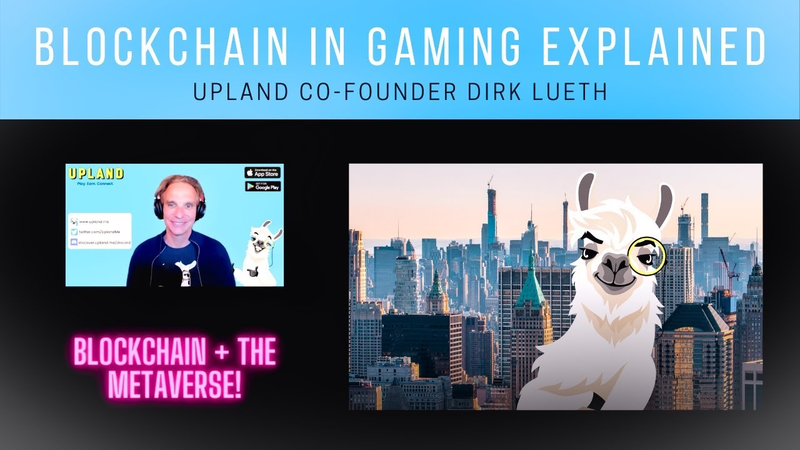
Blockchain Basics In Gaming Explained | Upland's Dirk Lueth
Blockchain technology serves as a foundational layer for the next generation of gaming by providing a transparent, immutable, and distributed ledger that facilitates true digital ownership.
- Blockchain technology enables true digital ownership by providing a transparent, immutable ledger that allows players to extract tangible monetary value from their gaming activities.
- The transition from closed entertainment loops to open, user-driven economies is facilitated by the integration of non-fungible tokens, social tokens, and decentralized finance.
- Mass adoption of blockchain gaming is currently hindered by high technical friction, specifically the complexity of managing digital wallets, private keys, and security protocols.