
Game Studio Unlocked
Studio-building, leadership, and indie operations, by Sebastian Cardoso.
Documents
Profit-sharing for Indie Game Studios
Profit-sharing serves as a critical mechanism for indie game studios to formalize implicit promises of compensation, thereby fostering trust and long-term retention.
- Formalize profit-sharing in legally binding contracts to replace vague, implicit promises that erode trust when a game succeeds.
- Define profit as actual net income received by the studio after platform cuts (e.g., 30% for Steam) and publisher recoupment are fully settled.
- Implement a 5–15% profit-sharing pool for staff, ensuring the studio retains the majority of revenue to account for the financial risk of development.

Project Helix and the Xbox Identity Crisis
Project Helix represents a significant strategic pivot for Microsoft’s Xbox division, characterized by the development of a new console architecture that functions as a Windows-based PC.
- Project Helix is a proposed $1,000–$1,200 console running a Windows-based architecture with a controller-optimized 'Xbox Mode,' expected to launch no earlier than late 2027.
- Xbox has faced a significant structural disadvantage in the console market, with the PS4 outselling the Xbox One 117 million to 58 million and the PS5 currently leading the Xbox Series consoles 86 million to 34 million.
- Game Pass subscriber growth has stalled, reaching approximately 36 million by mid-2025, falling well short of the 100 million target set for 2030.
Creative Spikes: How to Explore Ideas Without Derailing Your Game
The primary purpose of this analysis is to provide indie game studios with a structured framework for evaluating and testing new creative ideas during the production phase without compromising project timelines or scope.
- A creative spike is a time-boxed investigation—typically lasting one to two weeks—used to answer specific technical or design questions without derailing production.
- To prevent scope creep, a spike must have a clearly defined hypothesis, explicit pass/fail criteria, and a pre-agreed decision framework established before work begins.
- When evaluating if a spike is affordable, teams must identify exactly which existing tasks will be sacrificed or delayed, rather than relying on vague promises to shift work.
A Guide to Game Project Planning
Successful game development requires a structured, multi-layered planning framework that bridges high-level creative vision with granular daily execution.
- Effective game project planning requires a multi-layered approach using the 'Agile Planning Onion' model, which spans from high-level vision and roadmaps down to individual daily tasks.
- Project goals must be specific, measurable, and grounded in actual constraints, such as team size and budget, to ensure they drive decision-making rather than serving as mere expressions of hope.
- Milestones should function as formal 'Go/No-Go' gates defined by explicit completion criteria and target dates, allowing teams to verify project health before proceeding to the next phase.
Culture and Values in Indie Game Studios
The primary thesis of this analysis is that organizational culture in indie game studios is defined not by written mission statements or values documents, but by the specific behaviors that are consistently rewarded, tolerated, or punished.
- Studio culture is defined by behavior and consequences—such as who gets promoted or fired—rather than written values or mission statements.
- Psychological safety is the primary predictor of team effectiveness, as it allows problems to surface quickly and ensures the team receives accurate information.
- Founders act as the 'cultural weather system' for small studios, meaning their personal moods and reactions directly dictate the team's willingness to report bad news or admit mistakes.

How to Analyze a Video Game: A Five-Layer Framework
A rigorous five-layer framework provides a structured methodology for evaluating video games by examining context, positioning, business strategy, creative experience, and synthesis.
- A successful game analysis requires a five-layer framework: context (market/studio), monetization, creative experience, execution, and actionable takeaways.
- Development context is often the most explanatory factor for indie success; for example, Playdead’s six-year development of Inside was only possible due to the financial runway and brand equity established by their previous hit, Limbo.
- In crowded genres, a distinctive visual identity is often more critical for discoverability than gameplay depth, as players decide whether to engage with a title based on its aesthetic before experiencing its mechanics.

Mini-MBA for Indie Game Studios
Indie game studios frequently struggle to achieve long-term financial viability because creative development often lacks the support of rigorous business frameworks.
- Indie studios often fail because they lack a systematic business framework for market positioning, customer behavior, and sustainable growth, treating business as an afterthought rather than a core discipline.
- Porter’s Five Forces analysis is essential for evaluating market viability; it requires assessing buyer power, substitute products, supplier dependencies, price sensitivity, and the intensity of rivalry within a specific genre.
- Competitive strategy for indie studios should focus on differentiation or niche specialization, as most lack the economies of scale required to compete on cost leadership.
QA for Indie Game Studios: A Practical Guide
Quality assurance functions as a foundational pillar of indie game development rather than a terminal phase of production.
- Bugs identified during the same sprint they are introduced are significantly cheaper to fix than those discovered months later, as late-stage repairs often require refactoring multiple dependent systems.
- Development plans should integrate testing into every sprint rather than treating it as a final phase, with a recommended resource allocation of 70% for implementation and 30% for testing and bug fixing.
- Effective bug reports must include specific reproduction steps, frequency, expected versus actual behavior, environment details, and a clear distinction between severity (impact) and priority (urgency).
What Makes a Great Game Director
The role of a game director is defined not by unilateral creative control, but by the ability to orchestrate a cohesive vision while managing the complex human and technical dynamics of game development.
- A great game director’s primary role is leading people rather than just designing mechanics, as their ability to align and rally the team is the ultimate constraint on the project's success.
- Effective directors possess cross-disciplinary fluency, allowing them to mediate between art, engineering, and design to make informed trade-off decisions without needing to be an expert in every field.
- Great directors prioritize ruthlessly by cutting features that do not serve the core vision, even when those features are popular with the team or were previously championed by the director themselves.
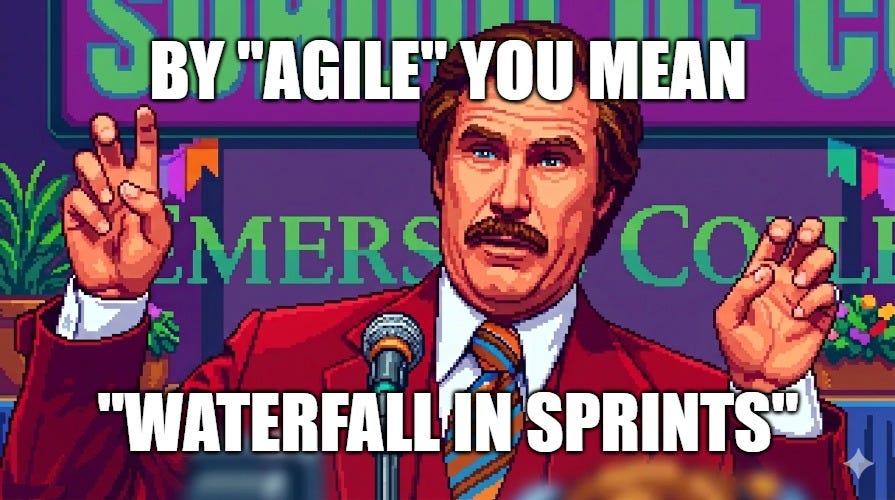
Agile Game Development: Where It Breaks and How to Fix It
Agile methodologies often fail in game development because studios frequently adopt performative, rigid adherence to frameworks like Scrum rather than embracing the underlying philosophy of empirical, iterative delivery.
- Agile frameworks in game development often fail because teams prioritize 'performative' ceremony compliance over actual communication, turning daily standups into status reporting rather than collaborative triage.
- The Scrum Master role is frequently conflated with the producer role, leading to significant overhead and project mismanagement; these are distinct functions that must be clearly defined and resourced.
- Forcing creative discovery and prototyping into two-week sprints with rigid deliverables is counterproductive, as the success criteria for exploratory work should be learning and decision-making rather than shipping features.
The Complete Publisher Relationship Guide
This guide provides a strategic framework for indie game studios navigating the publisher relationship, from initial outreach to contract management and potential exit strategies.
- Before signing a publishing deal, verify a publisher's marketing effectiveness by checking if their recent catalog titles have achieved over 100 Steam reviews, as this is a reliable proxy for actual sales performance.
- Avoid vague contract language like 'commercially reasonable efforts' for marketing; instead, demand specific, enforceable commitments regarding minimum spend, timing, and channels.
- Always retain a specialized games industry lawyer to review contracts, as rushing to sign or skipping legal counsel can lead to long-term financial and creative traps.
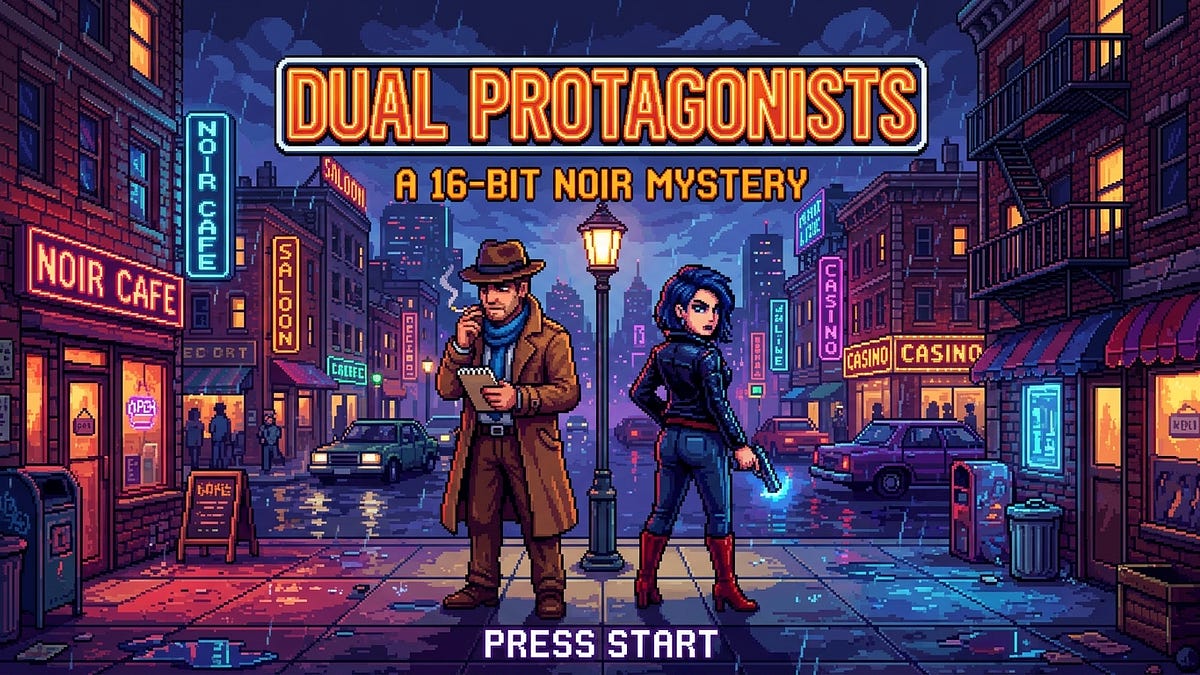
When the Founder Is Also the Game Director
The dual role of founder and game director in indie game studios often creates a structural environment that stifles honest feedback and leads to team disengagement.
- When a studio founder also serves as the game director, the concentration of power often creates a structural barrier that prevents honest upward feedback, leading to team disengagement and turnover.
- Founders frequently struggle with feedback because they lack the experience to have their assumptions challenged or mistakenly believe their general creative taste translates directly into effective game design.
- A common failure pattern occurs when founders are absent from daily development and make sweeping creative decisions without understanding the context or the second-order effects of their changes.