1 free read left. Create a free account for unlimited reading + AI research.
Create free accountArticle Game Studio Unlocked
1 free read left. Create a free account for unlimited reading + AI research.
Create free accountArticleGame Studio Unlocked
The ability to align and rally the team is the ultimate constraint on a project's success.
Like a conductor, a director ensures all sections play in harmony, rather than just writing the music.
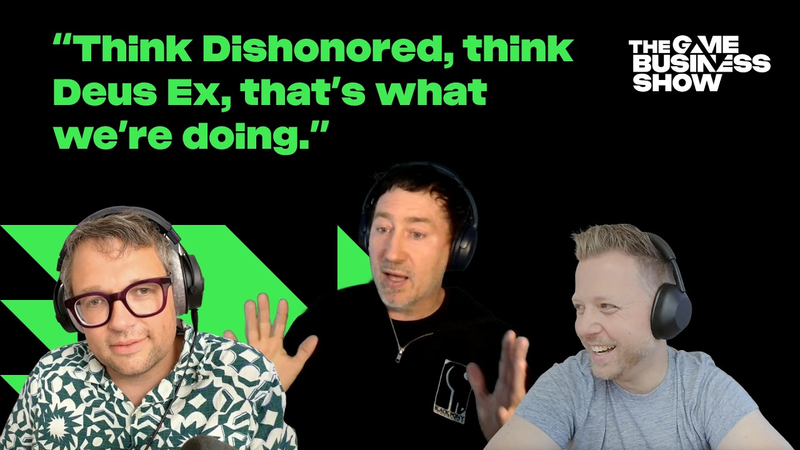
The role of a game director is defined not by unilateral creative control, but by the ability to orchestrate a cohesive vision while managing the complex human and technical dynamics of game development. Drawing on twenty years of industry experience across both indie and large-scale studios, the analysis posits that effective direction is fundamentally a leadership discipline rather than a purely creative one. Success in this role requires balancing artistic intent with product-minded pragmatism, ensuring that the final output resonates with a specific market while maintaining team autonomy.
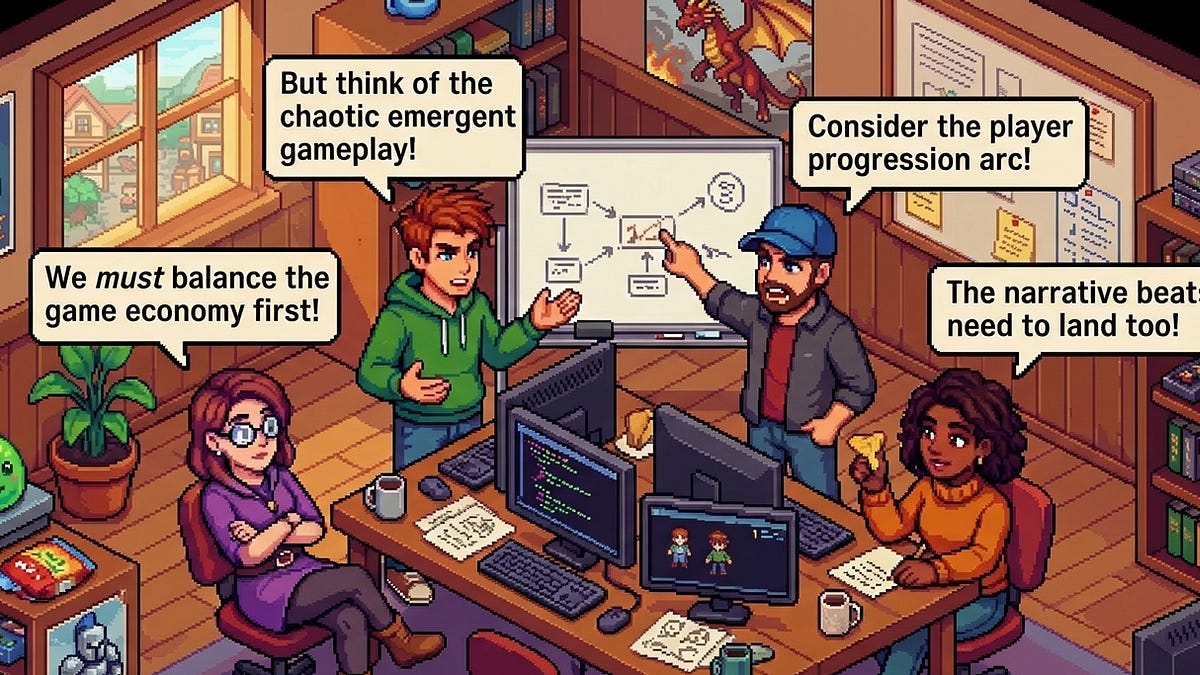
Key findings emphasize that great directors prioritize people over individual design contributions. By fostering an environment where team members feel empowered to solve problems, directors avoid the common pitfall of micromanagement, which often leads to bottlenecked production and diluted creative agency. Furthermore, successful directors possess cross-disciplinary fluency, allowing them to navigate trade-offs between art, engineering, and narrative without needing to be an expert in every field. This ability to synthesize diverse inputs into a unified, coherent experience is what distinguishes top-tier leadership.
Strategic prioritization serves as a critical pillar of the role. Because game development is inherently constrained by time and resources, directors must be willing to make difficult, sometimes unpopular decisions to cut features that do not serve the core vision. This requires a combination of market awareness and emotional intelligence, as the director must maintain team morale while ruthlessly protecting the project’s scope. Ultimately, the most effective directors are those who provide clarity in the face of ambiguity, creating the necessary conditions for their teams to execute high-quality work consistently.

Game Studio Unlocked · 2026
Game Studio Unlocked · 2026
Game Studio Unlocked · 2026
Game Studio Unlocked · 2026

Game Studio Unlocked · 2026
Game Studio Unlocked · 2026
Game Studio Unlocked · 2026
Game Studio Unlocked · 2026
Game Studio Unlocked · 2026
Game Studio Unlocked · 2026
Game Studio Unlocked · 2026
Game Studio Unlocked · 2026