
Game Studio Unlocked
Studio-building, leadership, and indie operations, by Sebastian Cardoso.
Documents
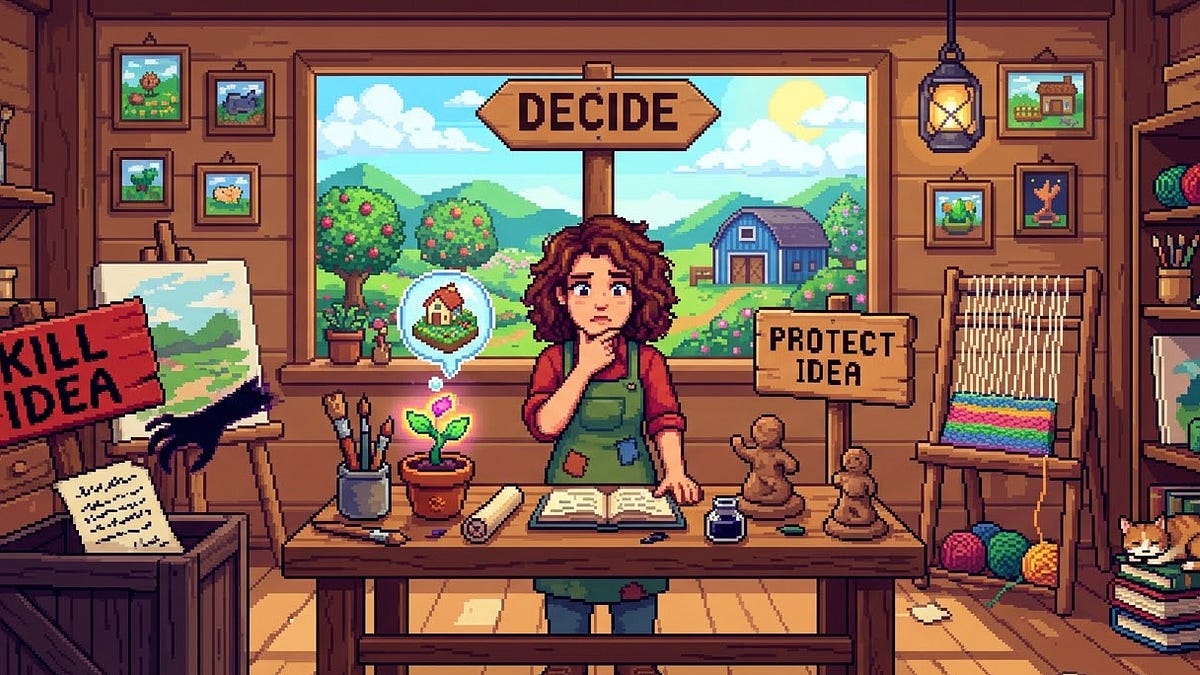
Killing and Protecting Ideas in Indie Studios: A Field Guide
Indie game studios frequently face project failure not due to a lack of execution capability, but because of an inability to make deliberate decisions regarding which ideas to pursue and which to abandon.
- Indie studios often fail due to a lack of deliberate decision-making processes, leading to a slow accumulation of un-cut features or constant, disruptive pivots.
- Evaluate new ideas using a cost-impact matrix: prioritize low-cost/high-impact items, while consistently killing high-cost/low-impact features.
- Implement 'change gates' at specific production milestones like vertical slices or MVPs to protect project stability and prevent constant scope creep.
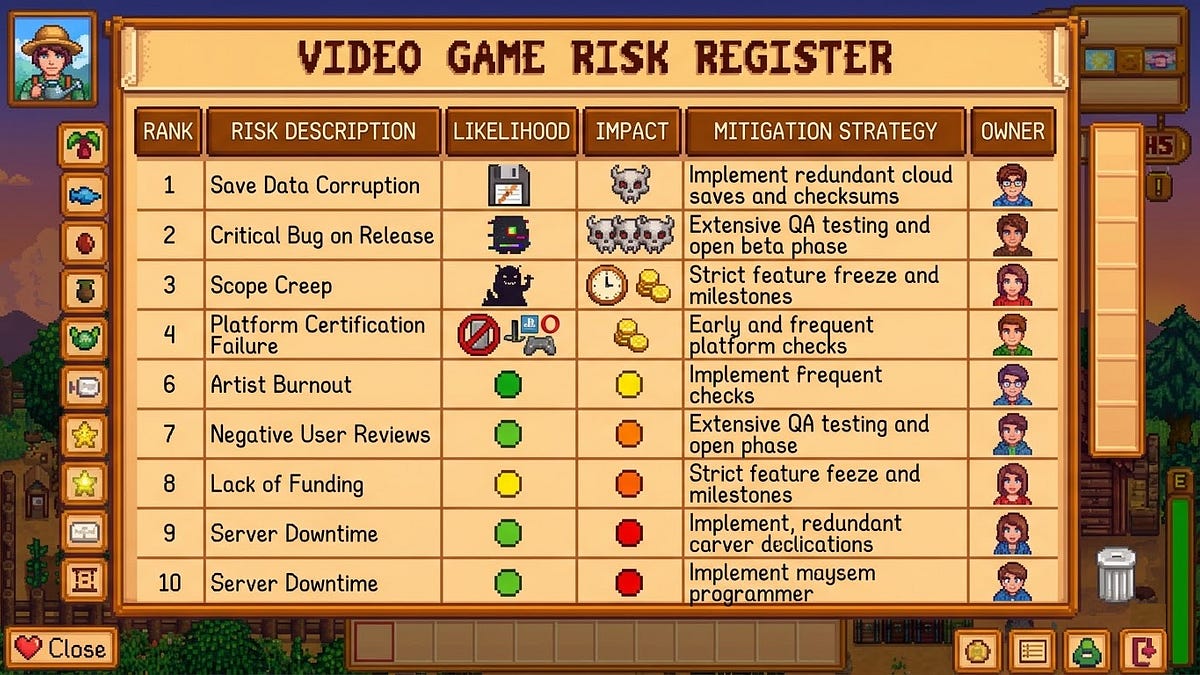
Risk Registers for Indie Game Studios
Small indie game studios often struggle with unmanaged risks that manifest as missed milestones, burnout, and project failure.
- A risk register is a simple, shared document that forces clarity on project uncertainties, preventing them from becoming unmanaged, expensive surprises like missed milestones or burnout.
- To be effective, each risk entry must define five elements: the risk description, likelihood, potential impact, mitigation strategy, and the specific team member assigned as owner.
- Studios should limit their register to five to ten well-defined risks, as an inability to identify the top five is itself a sign of poor project visibility.
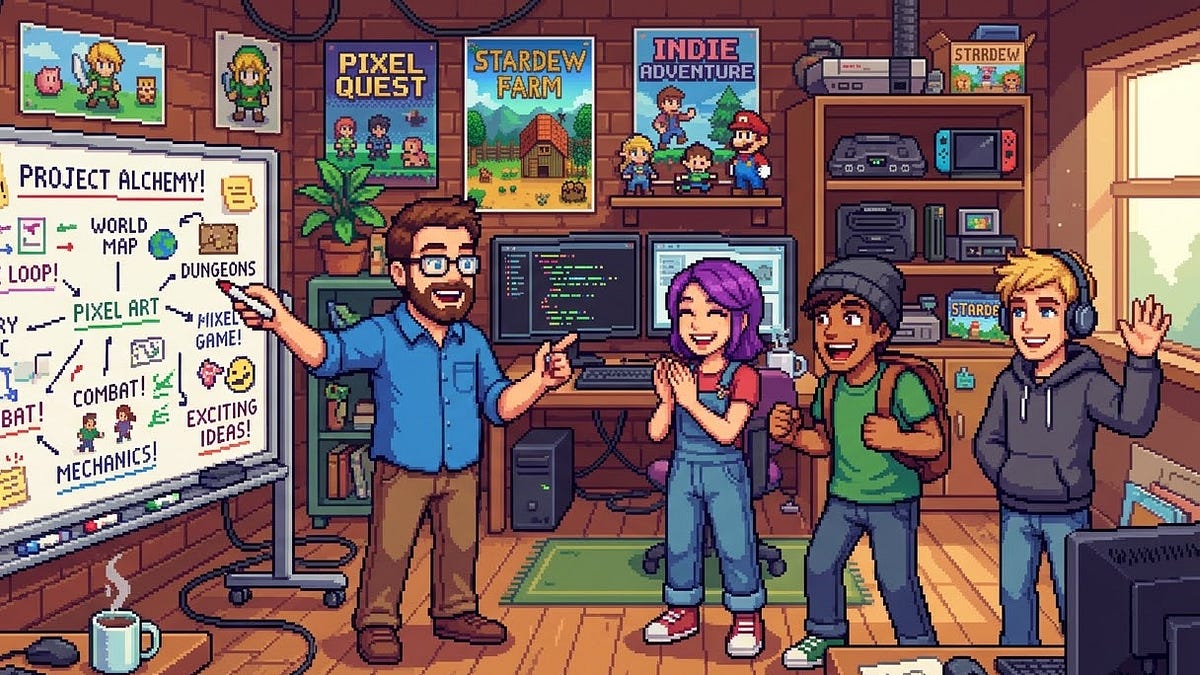
Why a Clear Vision Is Your Game’s Secret Weapon
A clear, shared vision serves as the primary operational foundation for indie game studios, preventing the common pitfalls of scope creep, aimless pivoting, and fragmented development.
- A clear game vision is an operational necessity that prevents scope creep, constant pivoting, and morale decline by providing a 'north star' for decision-making.
- Vision should be defined as a concrete, written document covering five areas: the game description, target audience, unique value proposition, creative pillars, and explicit exclusions.
- Founders must distinguish between the intent of the vision, which should be defended, and the execution, which should be adjusted based on playtest feedback.
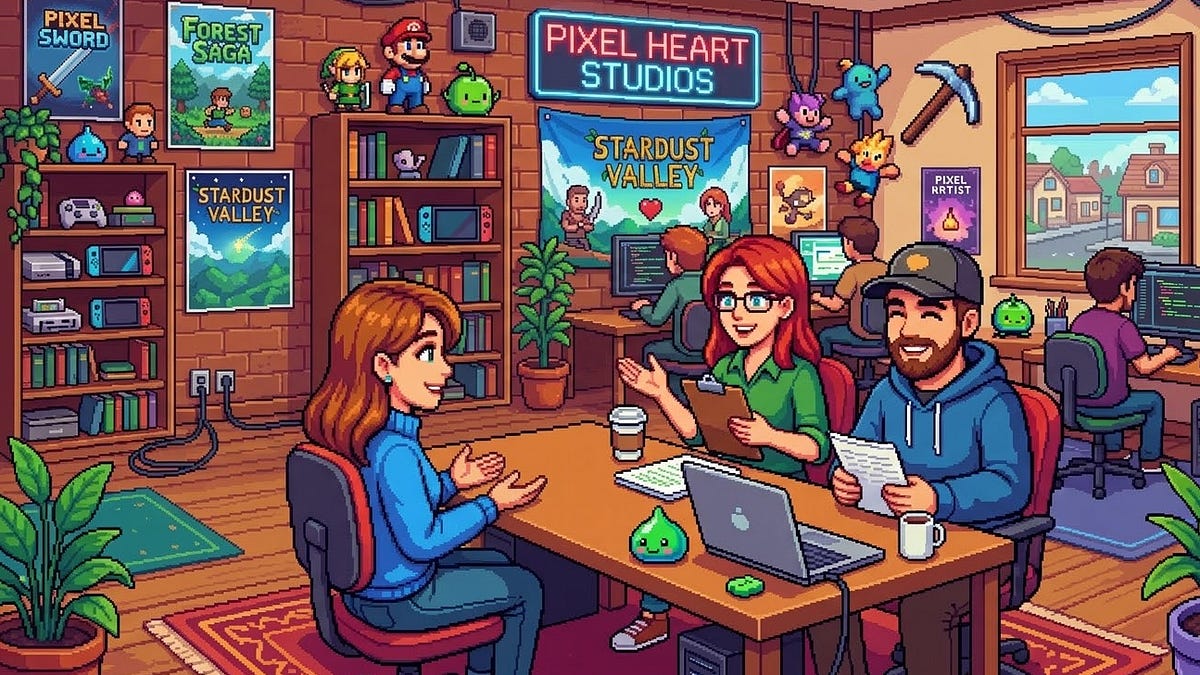
Hiring for Indie Game Studios: Why Skill Isn't Enough
Small indie game studios often struggle when hiring because they prioritize technical skill over interpersonal and behavioral traits.
- Small indie studios often fail by hiring exclusively for visible technical skills, neglecting the critical need for adaptability and team alignment in high-pressure, ambiguous environments.
- Hiring for 'attitude' should be defined by measurable traits: ownership of outcomes, adaptability to changing project scopes, and high learning velocity, rather than subjective 'culture fit'.
- In teams of 5 to 15 people, individual interpersonal behavior is magnified, making it dangerous to retain high-skill contributors who erode team trust or exhibit toxic behavior.
Why You Started Your Indie Studio Matters More Than You Think
The primary purpose of this analysis is to emphasize the critical importance of identifying intrinsic motivations when founding an independent game studio.
- Founders must define their intrinsic motivation for starting a studio early, as this 'why' acts as a critical decision-making filter for high-stakes choices like funding, partnerships, and project selection.
- Failing to align on individual motivations often leads to later-stage friction, where founders may find themselves trapped in business models or partnerships that conflict with their original, unstated goals.
- Founders should independently document their personal motivations—specifically what they want to gain, what would make the effort worthwhile, and what would cause regret—before discussing them with partners to ensure compatibility.