1 free read left. Create a free account for unlimited reading + AI research.
Create free accountArticle Game Studio Unlocked
1 free read left. Create a free account for unlimited reading + AI research.
Create free accountArticleGame Studio Unlocked
Legally binding contracts are needed to replace these vague promises.
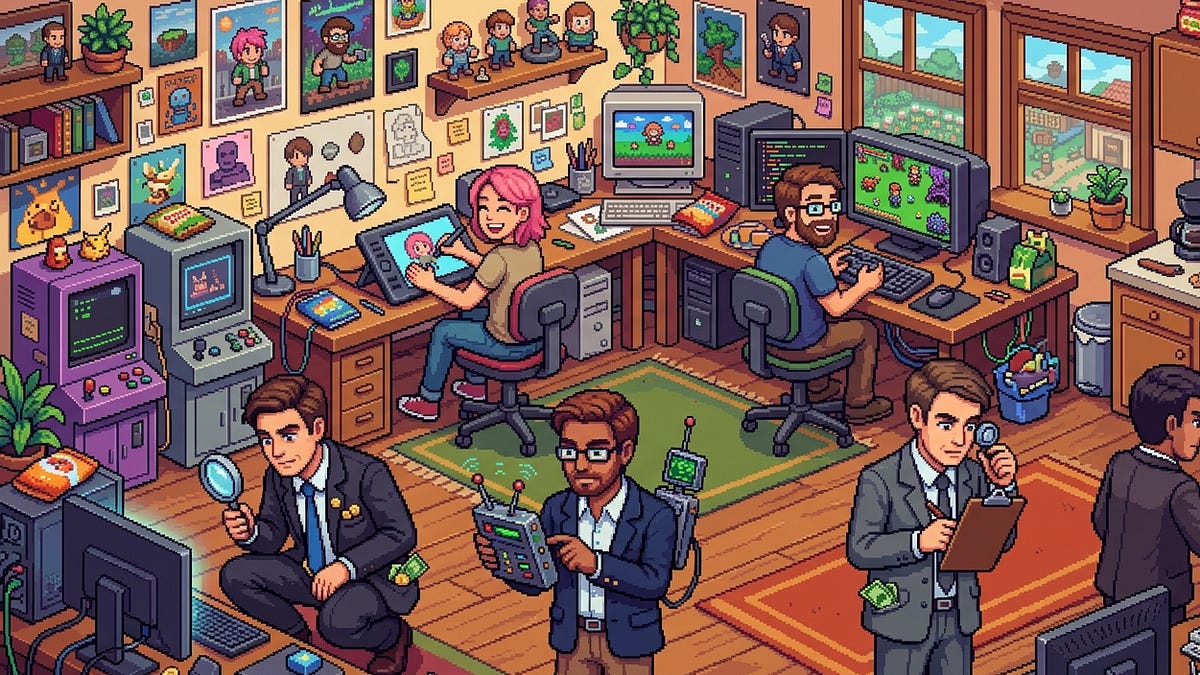
It's like promising a bonus without ever writing it down; when the company does well, people feel cheated if they don't get…
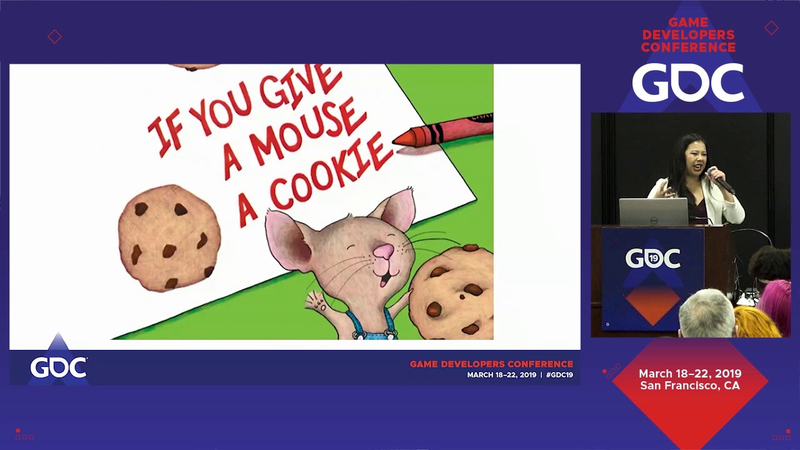
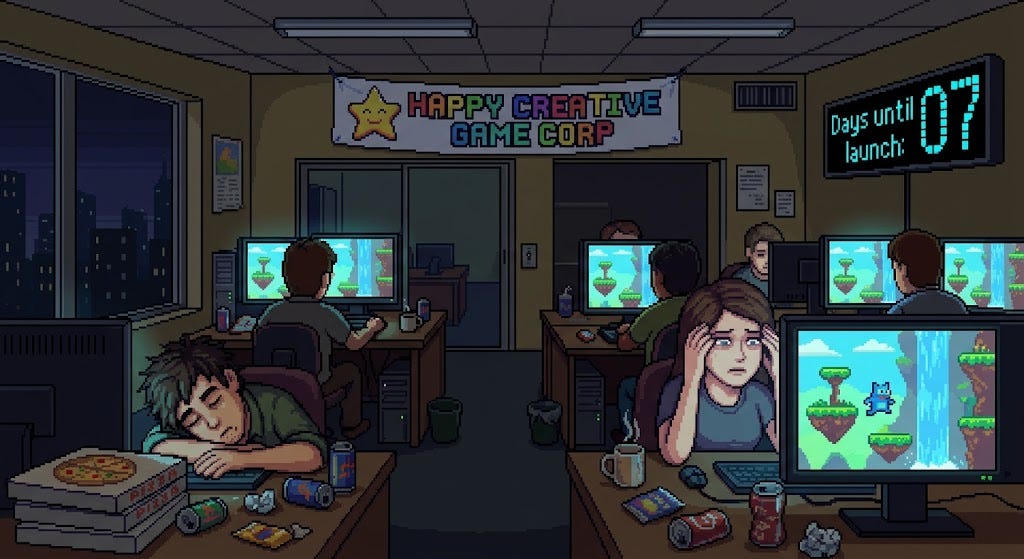
Key problem. Implicit promises of compensation erode trust when a game succeeds.
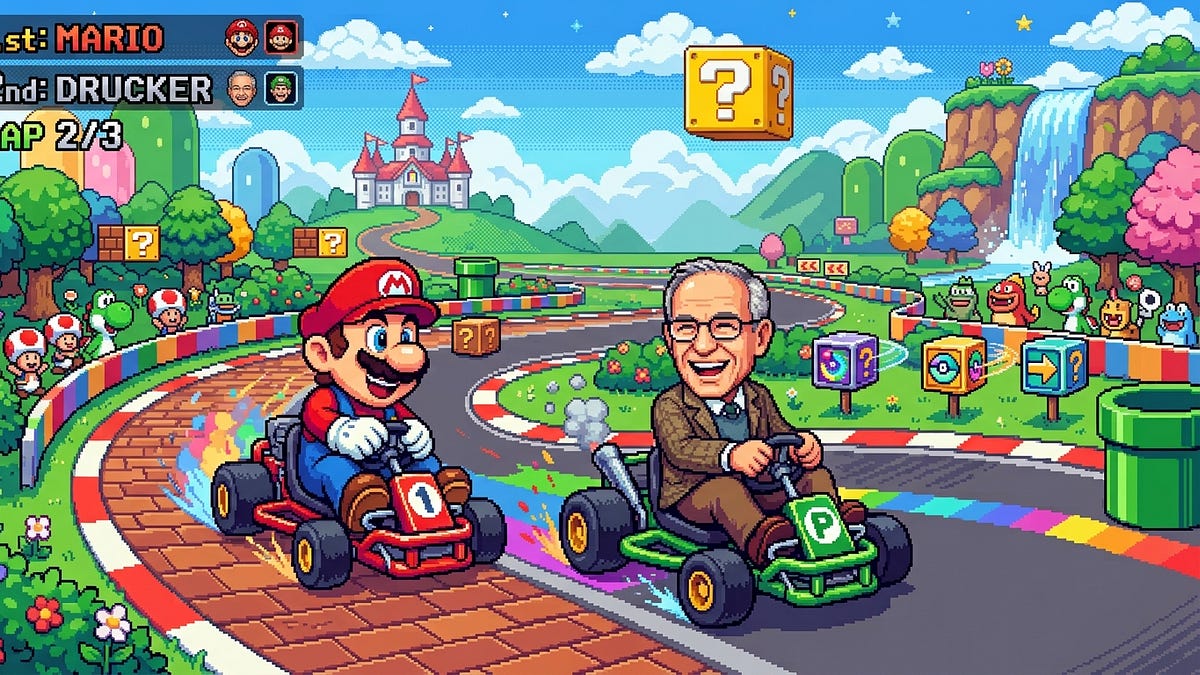
Profit-sharing serves as a critical mechanism for indie game studios to formalize implicit promises of compensation, thereby fostering trust and long-term retention. The primary thesis is that studios must transition from vague, informal assurances of rewards to structured, legally binding profit-sharing agreements. This approach ensures that developers, who are integral to the creative success of a project, receive tangible financial benefits when a game performs well, distinguishing a studio’s stated values from its actual practices.
The proposed framework defines profit as net income remaining after platform fees, taxes, and publisher recoupment, specifically excluding development costs from the calculation to ensure the plan remains viable. A recommended scaling model suggests allocating 5% to 10% of profits to a pool, with the percentage increasing as profit thresholds are met. Eligibility is generally extended to full-time employees and long-term contractors with at least one year of tenure. Distribution is determined by a weighted scoring system—accounting for company performance (40%), individual performance (25%), role impact (20%), and seniority (15%)—to ensure transparency and equity.
This model is intended for independent studios that are not structured for traditional equity-based compensation. It is explicitly framed as a supplement to, not a replacement for, fair base salaries. By codifying these terms in employment contracts, studio leaders can manage expectations, align incentives, and create a culture where team members feel genuinely invested in the studio's financial outcomes. The approach emphasizes that clear, documented structures are essential to maintaining morale and professional integrity within the volatile indie game development landscape.

Game Studio Unlocked · 2026
Game Studio Unlocked · 2026
Game Studio Unlocked · 2026

Game Studio Unlocked · 2026
Game Studio Unlocked · 2026
Game Studio Unlocked · 2026
Game Studio Unlocked · 2026
Game Studio Unlocked · 2026
Game Studio Unlocked · 2026
Game Studio Unlocked · 2026
Game Studio Unlocked · 2026
Game Studio Unlocked · 2026