
European Conference on Games Based Learning (ECGBL)
Annual European conference on game-based learning and serious games; its proceedings are published open access (CC BY) by Academic Conferences International.
Documents
Refurbishing the Educational Escape Room for Programming: Lowering the Threshold and Raising the Ceiling
This paper presents the design, development, and evaluation of a web-based educational escape room game teaching basic Python programming concepts to K-12 students, with the aim of making programming more accessible ("lowering the threshold") while still supporting meaningful learning and engagement ("raising the ceiling").
- Escape with Python is a web-based educational escape room with ten rooms teaching five Python concepts (variables, sequences, conditions, iterations, functions), designed to lower the entry barrier to programming while still supporting meaningful learning.
- Closed-ended ratings of programming knowledge and interest (1–10 scale) averaged about 4.6 both before and after play, showing no meaningful overall shift across the 32 students tested.
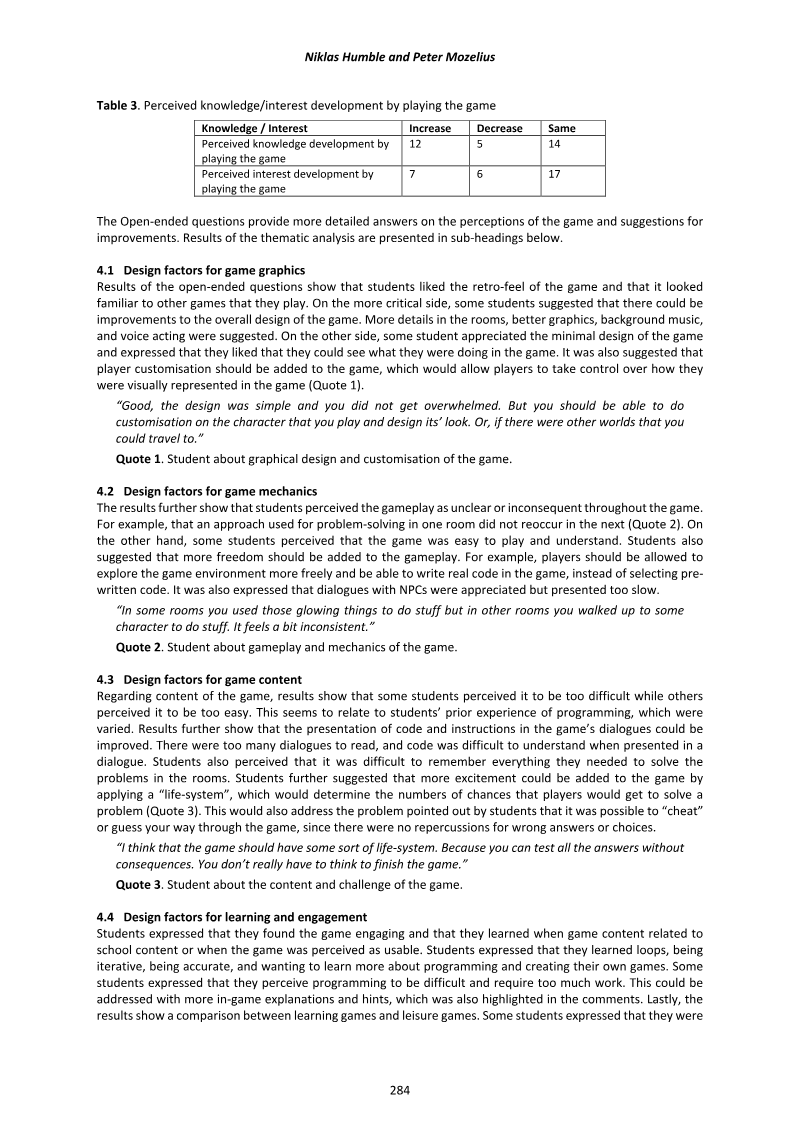
- Individual-level counts were more positive: 12 students reported increased knowledge versus 5 reporting a decrease, and 7 reported increased interest versus 6 reporting a decrease.
Modelling Core Personality Traits Behaviours in a Gamified Escape Room Environment
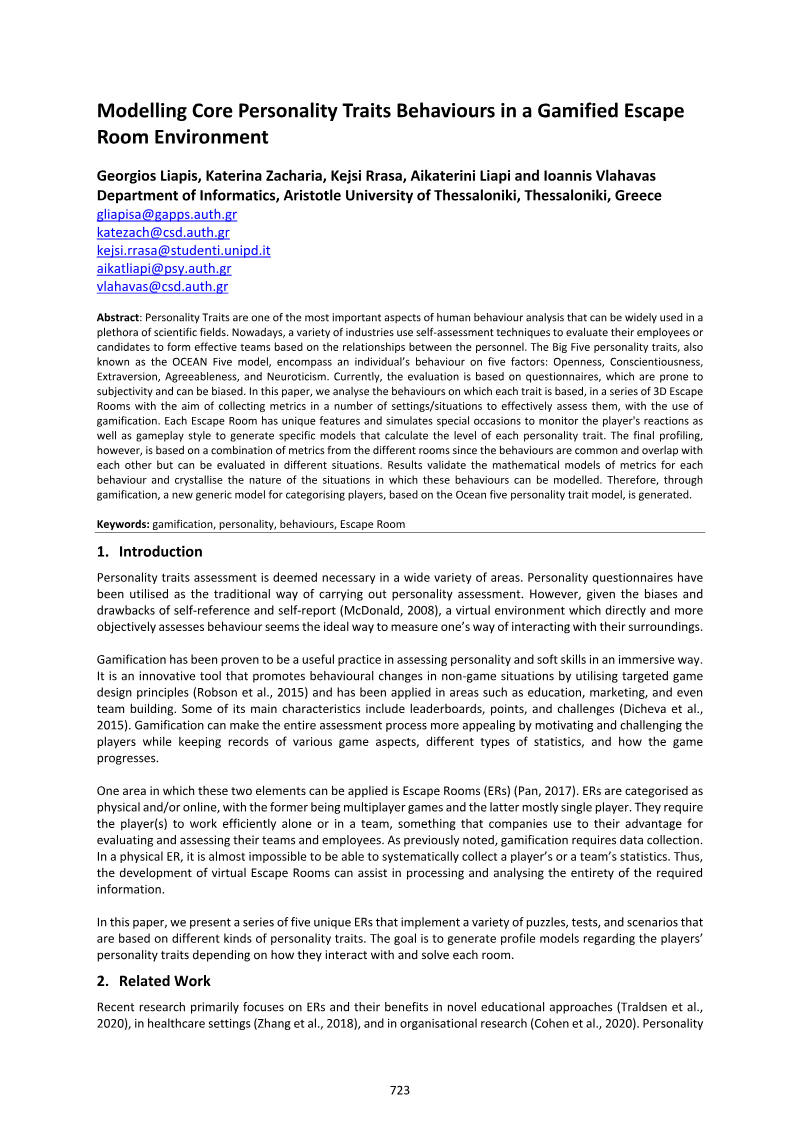
This paper proposes using a series of five 3D escape rooms, built in the Unity engine, to assess the Big Five (OCEAN) personality traits through observed in-game behaviour rather than self-report questionnaires.
- The paper proposes five Unity-built 3D escape rooms, each themed around one Big Five (OCEAN) trait, to assess personality through observed in-game behaviour instead of self-report questionnaires.
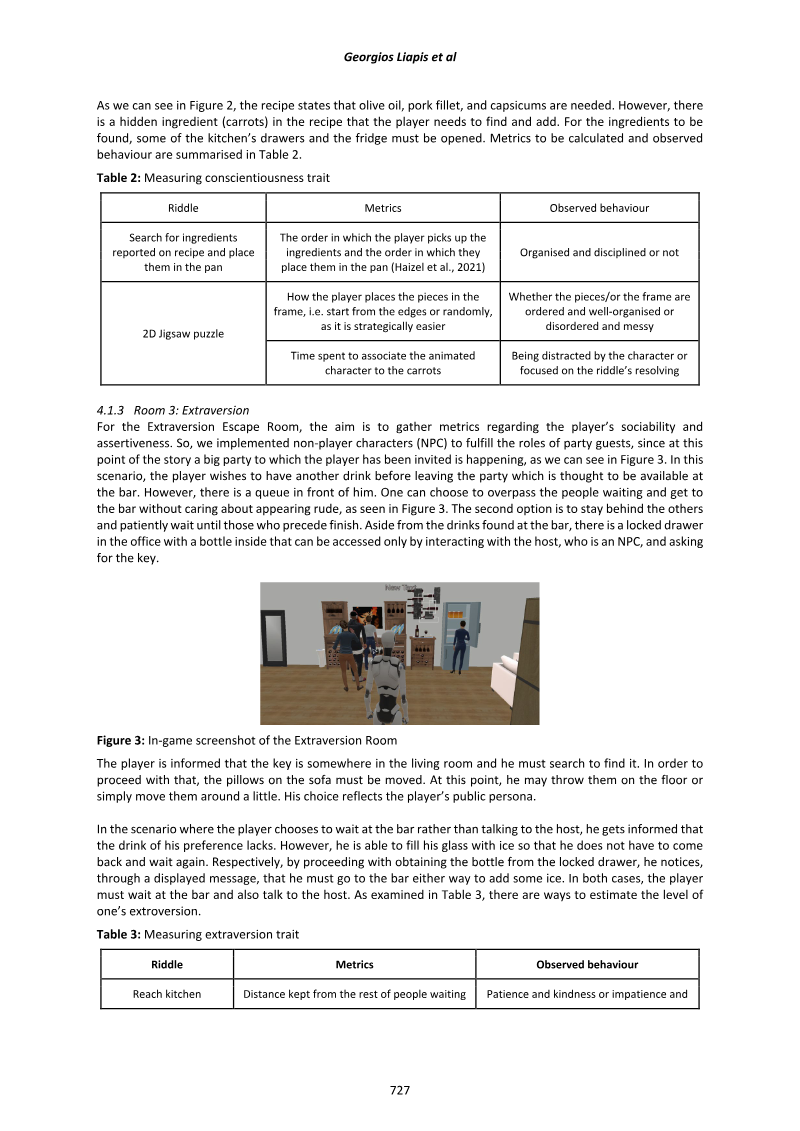
- Proposed objective metrics include mouse clicks, time to solve puzzles, walking speed, patience while waiting, and the order in which players collect and place items.
- Behavioural mappings were derived from bibliographic analysis of Five-Factor Model literature and prior virtual personal-space research, not validated against participant data.

Narrative Games in BioAnalytic Forensics
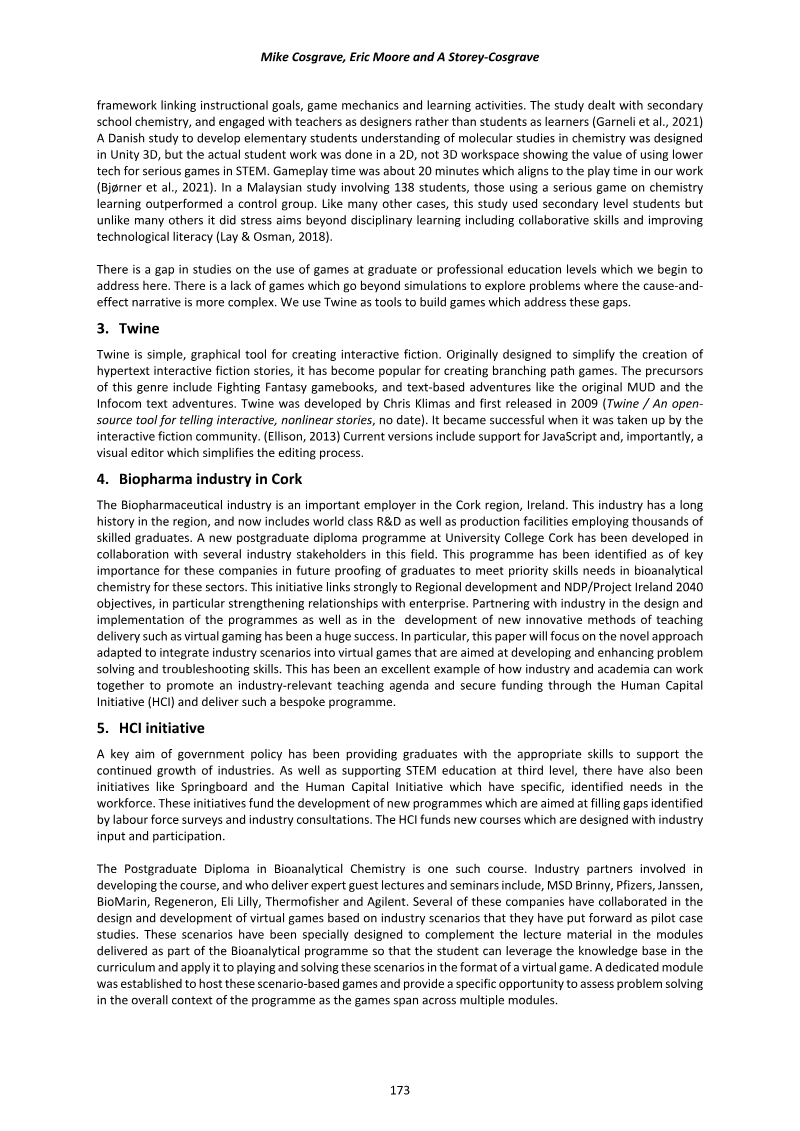
This paper describes the design and use of branching-path narrative games, built in the Twine authoring tool, within a graduate Bioanalytical Chemistry module at University College Cork.
- The paper describes branching-path narrative games built in the Twine authoring tool for a graduate Bioanalytical Chemistry module at University College Cork, based on real industrial problems supplied by biopharmaceutical partners.
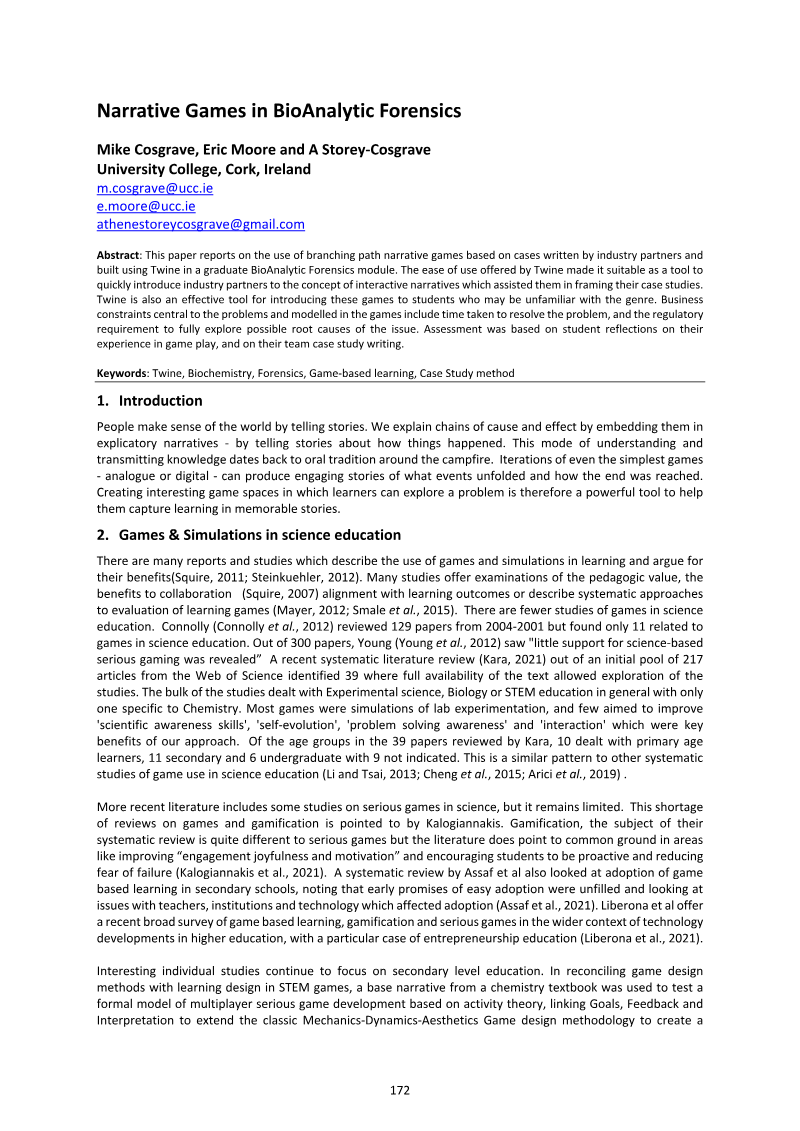
- The authors argue narrative games can capture complex cause-and-effect reasoning better than lab simulations, which they describe as scarce in graduate and professional game-based science education research.
- Games were published as self-contained offline HTML files, using a day-counter variable to enforce time limits and a fishbone variable to ensure players explored enough potential causes before concluding.
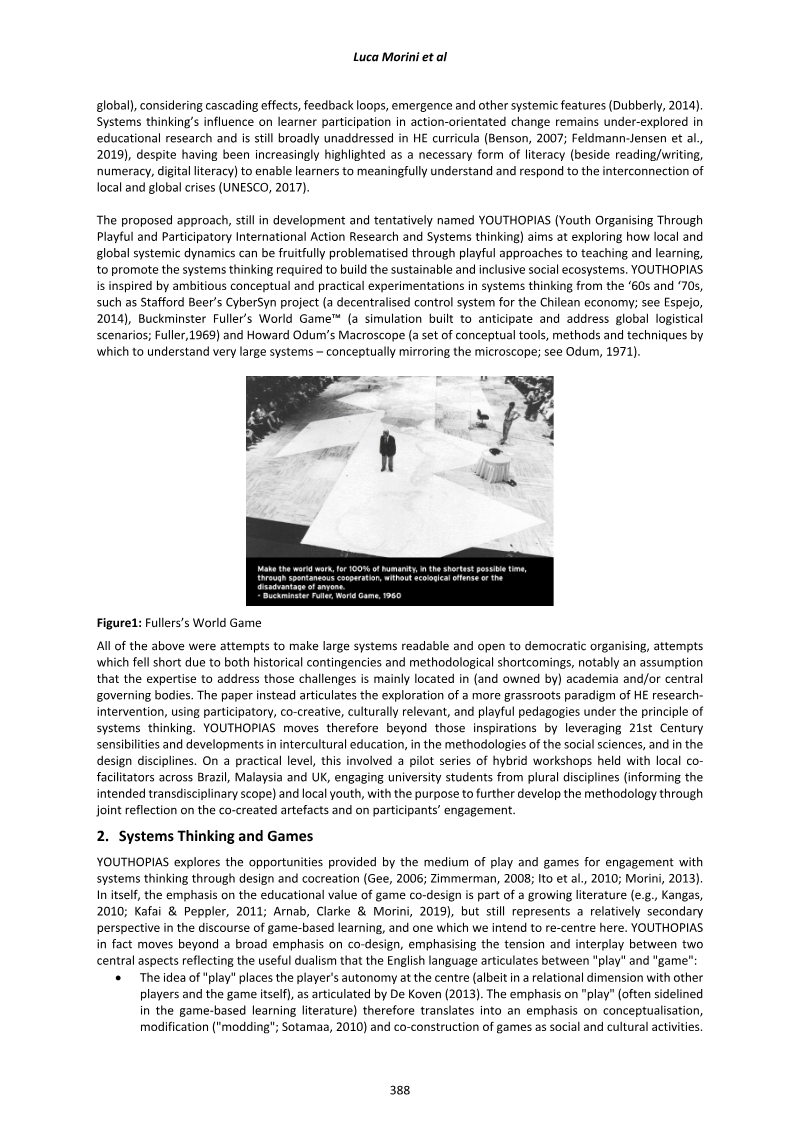
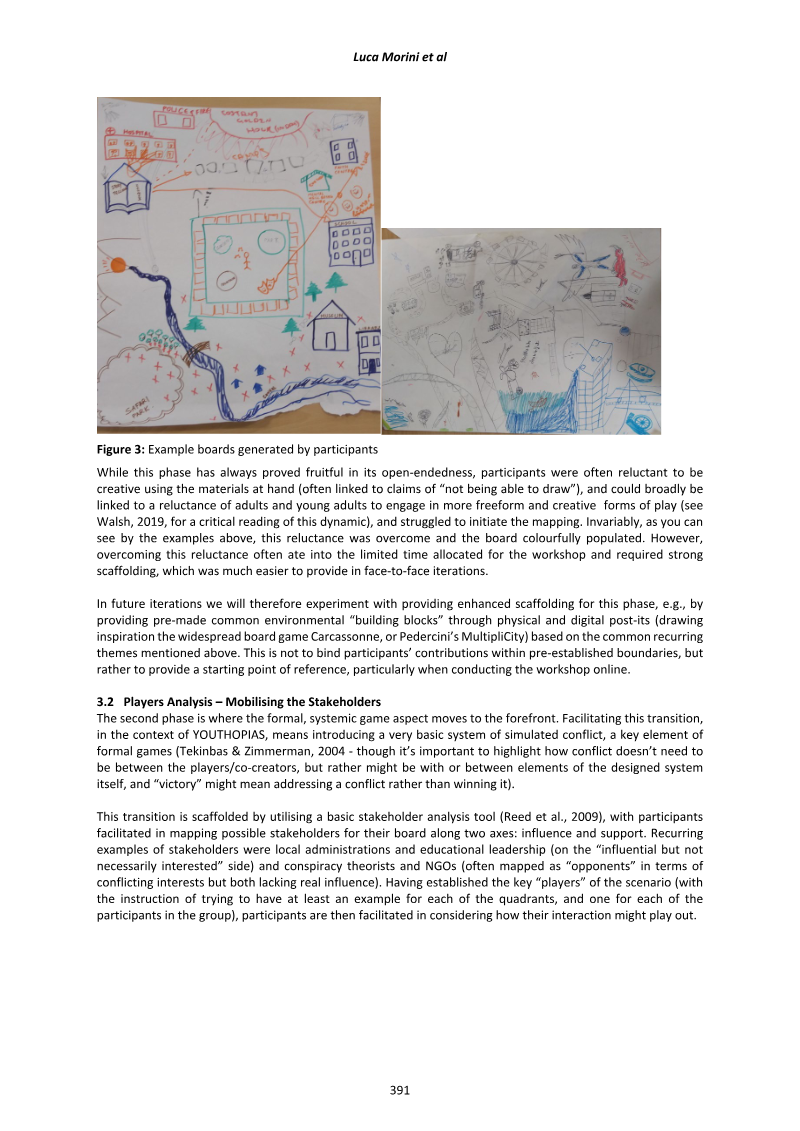
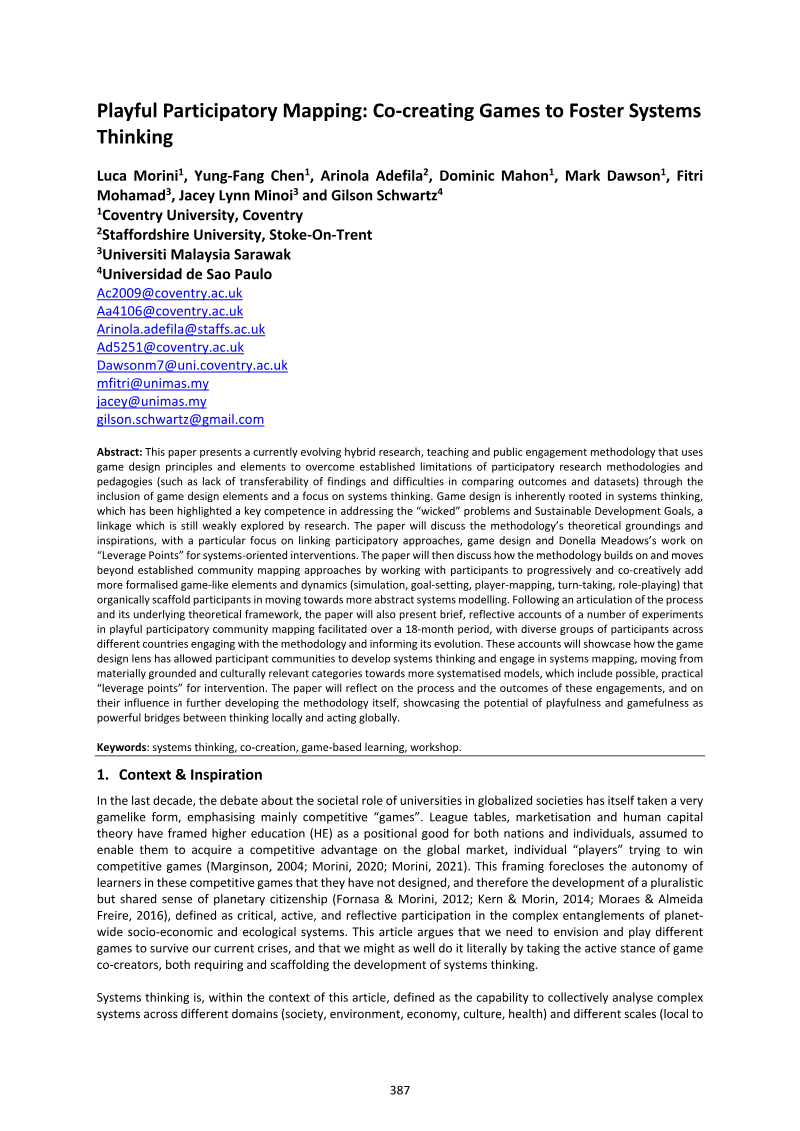
Playful Participatory Mapping: Co-creating Games to Foster Systems Thinking
The paper introduces YOUTHOPIAS, an evolving hybrid methodology for research, teaching, and community engagement that applies game design principles, particularly Donella Meadows's leverage points, to help communities develop systems thinking through playful participatory mapping.
- The paper introduces YOUTHOPIAS, a hybrid research, teaching, and community methodology that applies game design principles, particularly Donella Meadows's leverage points, to build systems thinking through playful participatory mapping.
- Its central argument is that co-creating games scaffolds a progression from culturally grounded community maps toward more abstract systems models that can identify practical points for intervention.
- Evidence comes from pilot workshops run over eighteen months across the United Kingdom, Malaysia, and Brazil, spanning diverse urban and rural community contexts.
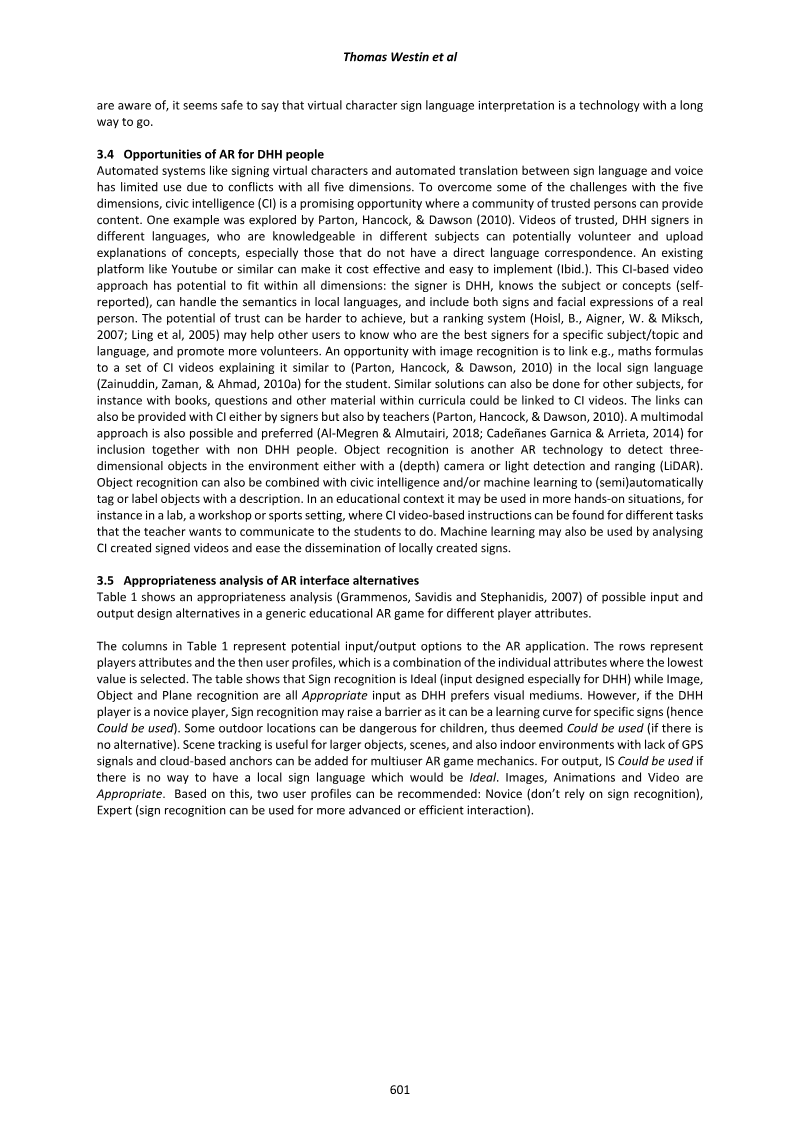
Inclusive AR-Games for Education of Deaf Children: Challenges and Opportunities
This paper examines the opportunities and challenges of designing inclusive augmented reality (AR) games for educating deaf and hard-of-hearing (DHH) children, a topic the authors identify as under-researched relative to AR learning games more broadly.
- The paper argues that inclusive AR games for deaf and hard-of-hearing children should be built on visual, sign-language-centred design and developed through international, multi-expert collaboration, grounded in the principle "nothing about us without us."
- Five dimensions shape inclusion for deaf people: cultural, educational, psychosocial, semantic, and multimodal.
- The authors contend that automated signing avatars and automated sign-to-speech translation conflict with several of these inclusion dimensions, and instead propose a civic intelligence approach in which trusted, qualified deaf signers and teachers contribute signed video explanations of concepts.
Fighting Against Fake News Using the Card Game "Follow Me"
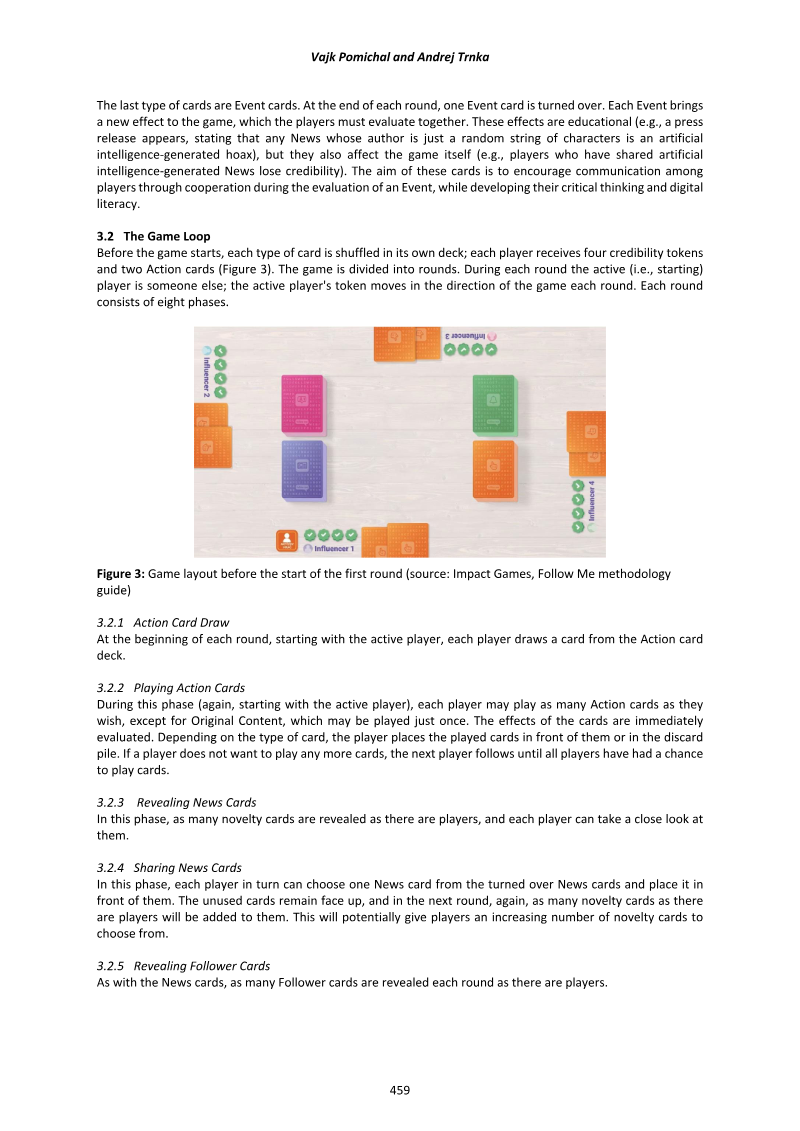
The paper presents Follow Me, a Slovak card game developed by Impact Games for secondary school students, designed to build critical thinking and resistance to fake news through simulated social media dynamics.
- Follow Me is a Slovak card game developed by Impact Games for secondary school students to build critical thinking and resistance to fake news through simulated social media dynamics.
- The authors argue that fact-checking alone is insufficient against misinformation, and that educational games grounded in inoculation theory are a flexible, engaging complement to traditional instruction, especially as COVID-19 intensified the infodemic.
- The analysis is a qualitative review of the game's mechanics, not an empirical test; players share factual or hoax news cards across health, science, geopolitics, and society to gain followers while maintaining credibility.
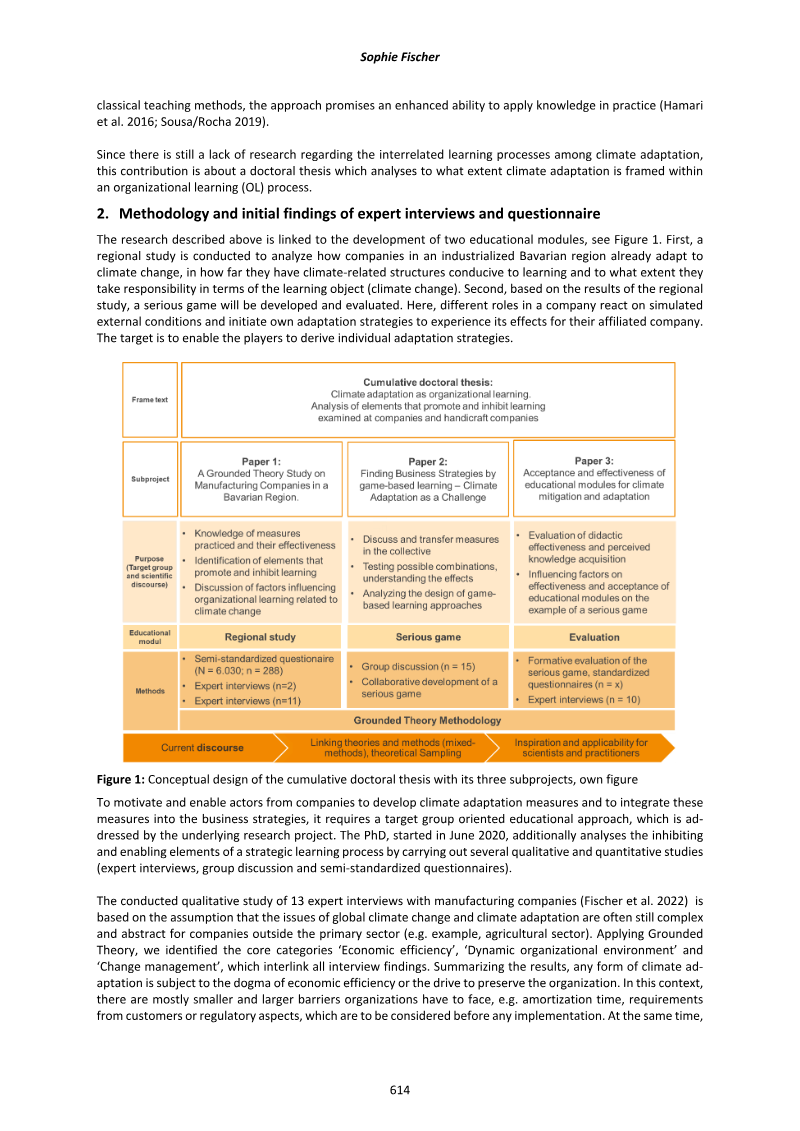
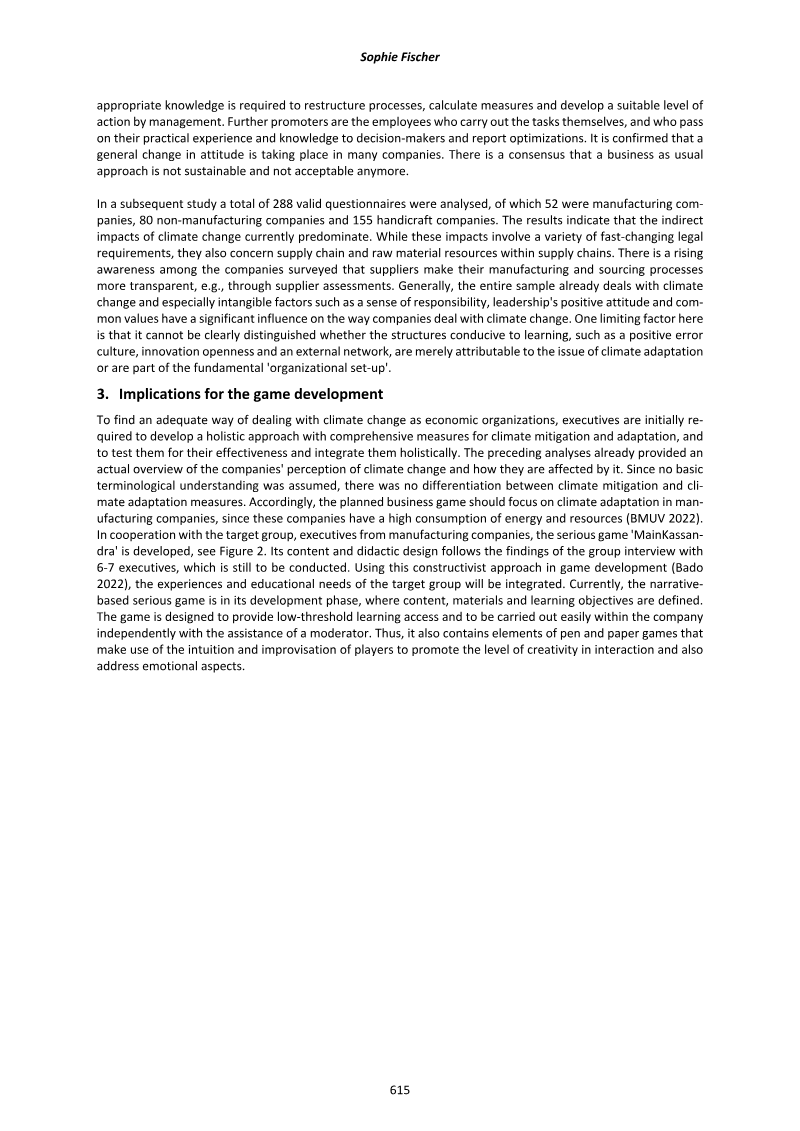
Climate Adaptation as an Economic Challenge: Finding Business Strategies by Game-based Learning
This doctoral research examines how companies adapt to climate change and whether their organizational structures support the strategic learning needed to do so.
- Companies that recognize climate-related risks and opportunities early, and that have learning-conducive organizational structures, are argued to become more climate-resilient and less vulnerable to negative impacts.
- A grounded theory analysis of 13 expert interviews with manufacturing firms in an industrialized Bavarian region identified three core categories: economic efficiency, a dynamic organizational environment, and change management.
- A survey of 288 valid questionnaires (52 manufacturing, 80 non-manufacturing, and 155 handicraft companies) found that indirect impacts, such as shifting legal requirements and supply-chain transparency, currently dominate firms' climate concerns.
Evaluation of Empirically Collected Feedback from a Simulation Game for Digitalised Production
This study evaluates feedback from a game-based simulation developed by Fraunhofer IPA in Stuttgart to help manufacturing employees transition from lean production to digitalised production.
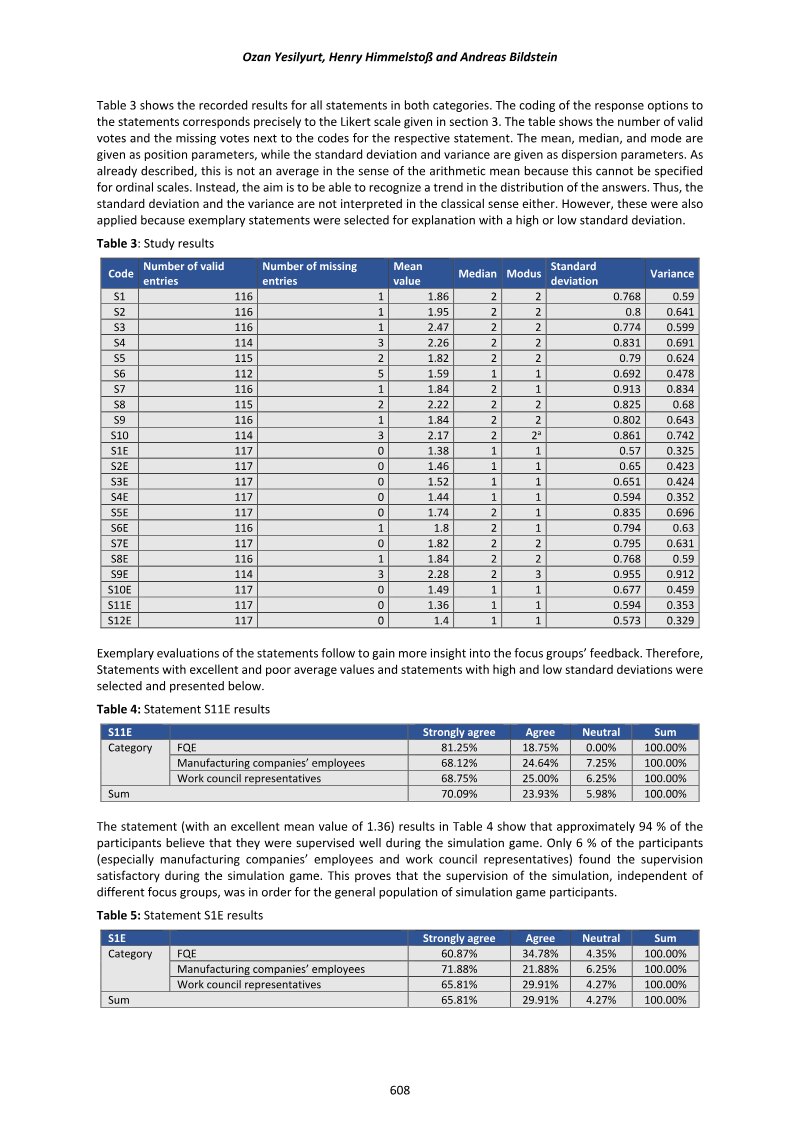
- The study surveyed 117 participants across three self-selected focus groups (59% manufacturing employees, 27% works council representatives, 14% students) after workshops held between December 2018 and October 2021, and the authors explicitly caution that the non-random sample means findings cannot be generalised beyond the respondents.
- Overall feedback on the Fraunhofer IPA simulation game was favourable: about 96% reported interest in the topic, roughly 94% felt adequately supervised, and over 95% would recommend the game to others.
- Participants broadly agreed the game clarified what Industry 4.0 means and where its impact lies, but agreement was weaker on whether it prepared them for future challenges, with only about half of manufacturing employees and works council representatives expressing satisfaction.
Finding Appropriate Serious Games in Vocational Education and Training: A Conceptual Approach
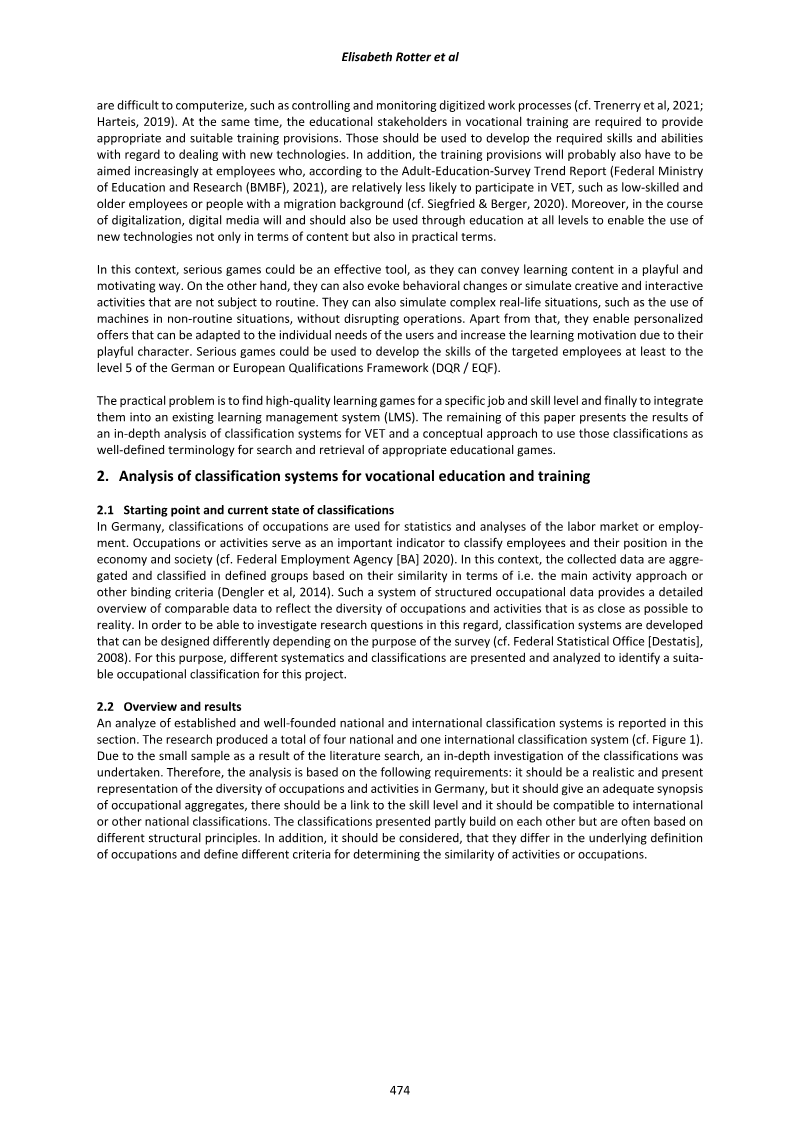
This paper addresses how to match serious games to vocational education and training (VET) needs, a challenge made more urgent by technological change that is reshaping jobs and skill requirements, particularly for low-skilled and older workers.
- The authors evaluated five occupational classification systems (ISCO-08, KldB 2010, the occupational segments/sectors model, BIBB occupational fields, and WZ 2008) and recommend the BIBB occupational fields classification as the best fit, citing empirical validation, grounding in current labor-market data, an explicit skill-level dimension, and compatibility with ISCO-08.
- KldB 2010 is named as a strong alternative due to its practical relevance and international compatibility, though it is organized mainly by occupational specialization rather than main activity.
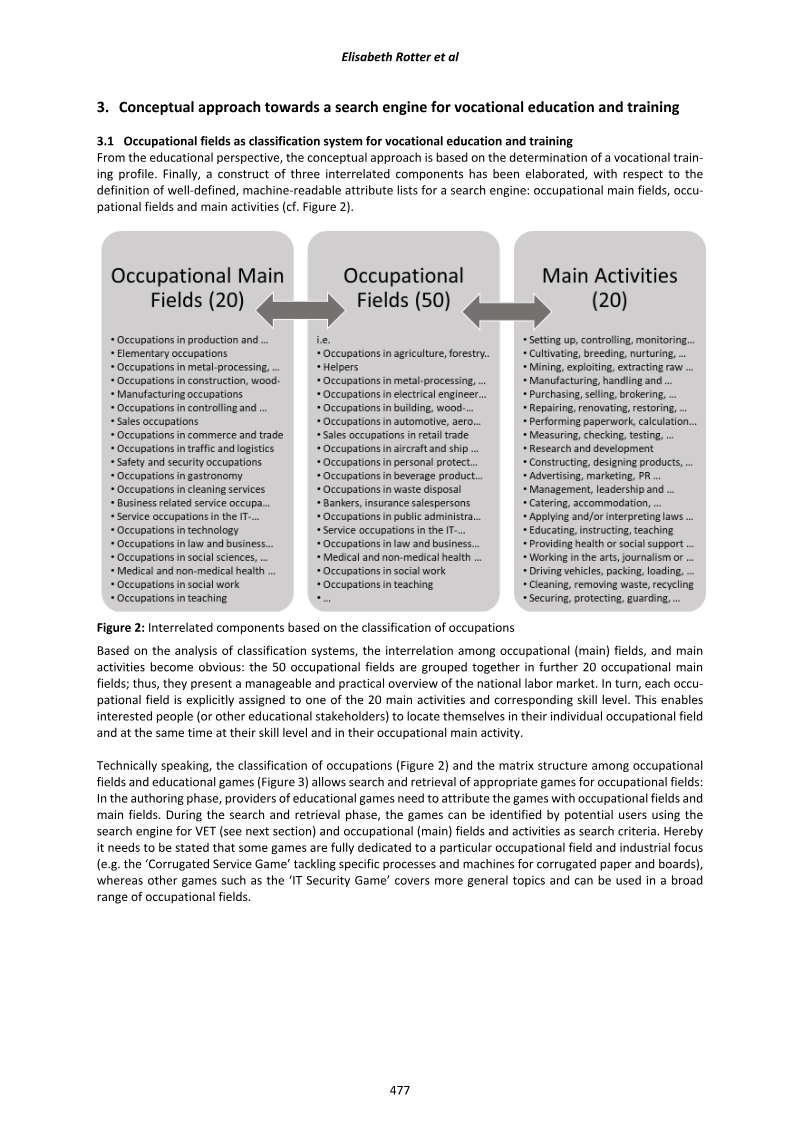
- The proposed three-tier classification for matching serious games to vocational training comprises 20 occupational main fields, 50 occupational fields, and 20 main activities, derived from KldB 2010 and aligned with the BIBB/QuBe framework while preserving skill-level information.
Hack the Map 3D Video Game: Escaping Your Destiny Through Rigas' Charta
In 2020, the Onassis Library and partner institutions ran digital workshops in which student teams transformed Rigas Velestinlis' 1796–1797 Charta of Greece into "Hack the Map," a three-dimensional puzzle video game in which players solve twelve riddles to collect and reassemble the map's twelve sheets.
- The 'Hack the Map' project, run by the Onassis Library and partners in 2020, had student teams turn Rigas Velestinlis' 1796–1797 Charta of Greece into a 3D puzzle video game in which players solve twelve riddles to collect and reassemble the map's twelve sheets.
- Four school teams totaling 65 students aged 13 to 17 completed twelve hours of training across four sessions, using accessible tools such as 3ds Max and Unity delivered over three three-hour workshops.
- Evaluation relied on anonymous questionnaires and observation; students reported high satisfaction and valued the originality, collaboration, and technical skills gained, though they also found the project time-consuming and demanding.
A Game-Based Approach for Open Data in Education: A Systematic Mapping Review
This systematic mapping review examines the intersection of Open Data, education, and educational games, drawing on 28 studies organized into eight thematic categories.
- The review synthesizes 28 studies organized into eight thematic categories, with the central aim of laying groundwork for an Open Data Gamified Education Framework that promotes authentic, real-world problem-solving learning.
- A clear research gap exists: studies on Open Data in education mainly point to a shortage of tools and methods for embedding Open Data into classroom designs.
- Research combining Open Data with gamification shows clear strengths in building data literacy, encouraging civic participation, and constructing realistic narratives.

Games for Teaching and Learning History: A Systematic Literature Review
Games for Teaching and Learning History: A Systematic Literature Review examines how games have been used to teach history and geography in secondary education, with the aim of mapping the academic landscape and identifying gaps in research.
- The review screened 255 Scopus records from a March 2022 search and retained 78 works for its main analysis, with 11 studies focused on commercial off-the-shelf (COTS) games.
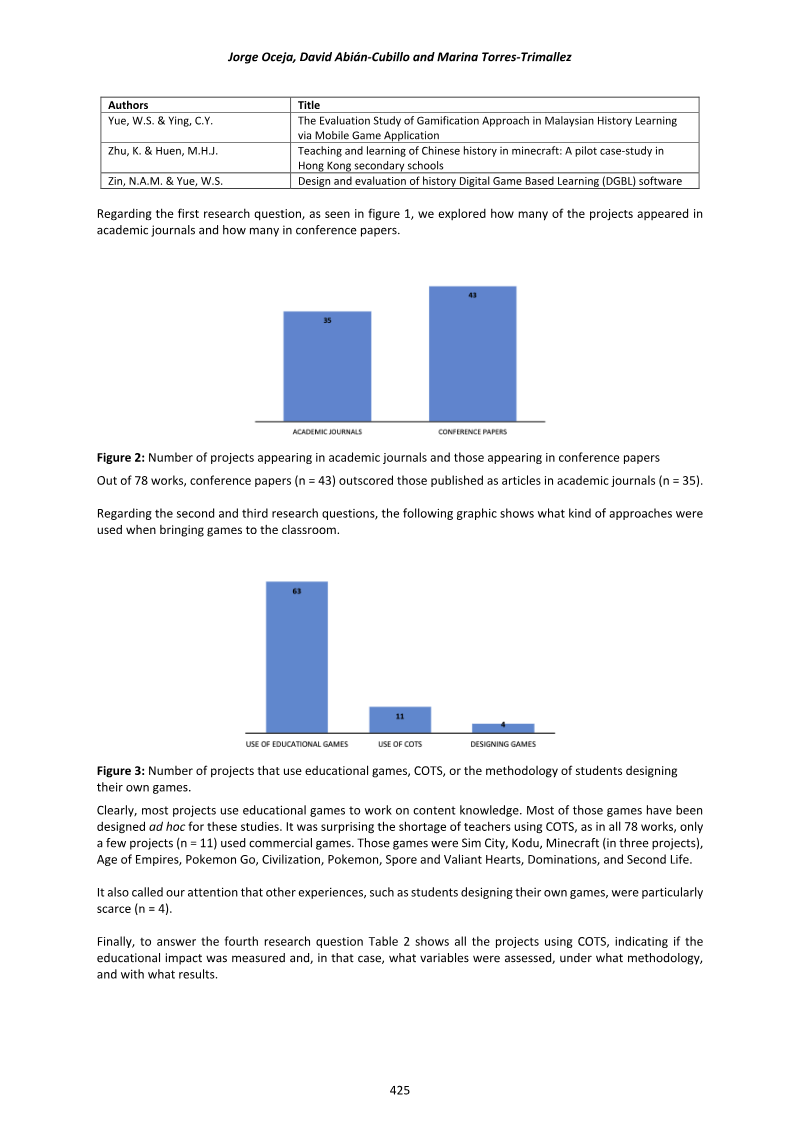
- The field is dominated by conference papers (43) over journal articles (35), suggesting an emerging and often preliminary body of literature.
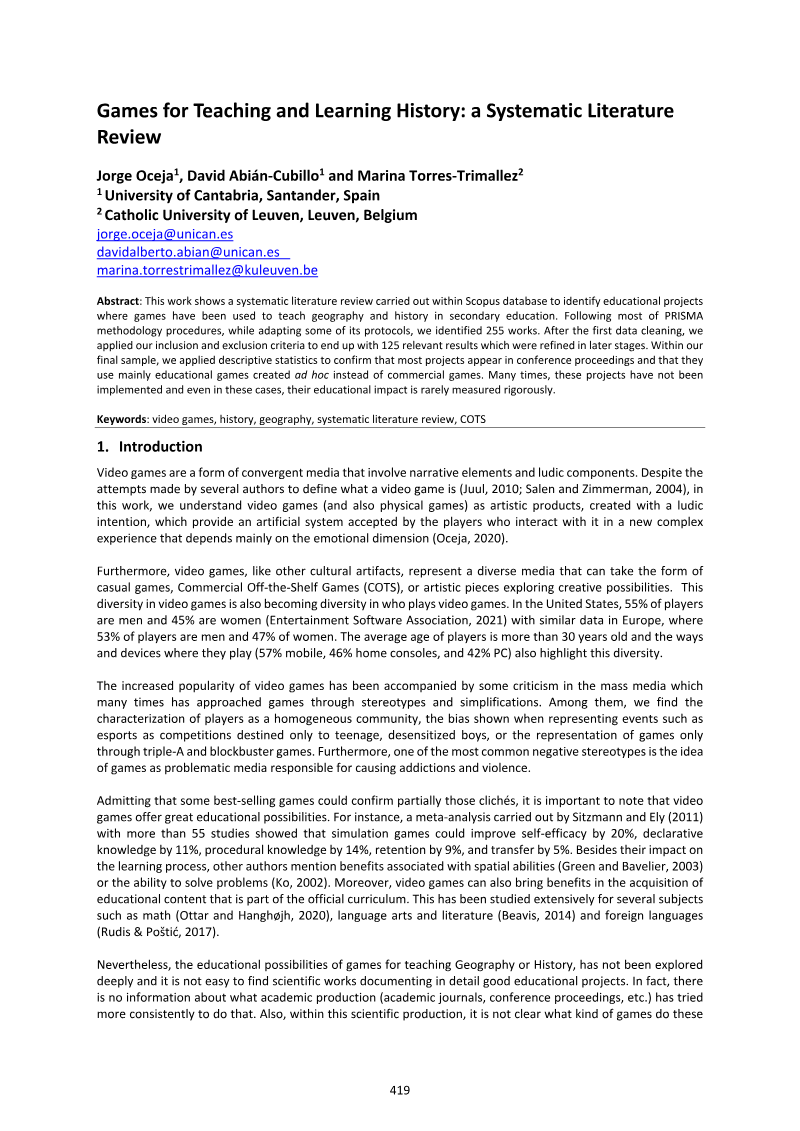
- Most projects used custom-designed educational games, while only 11 used commercial games and just 4 involved students designing games themselves.