
European Conference on Games Based Learning (ECGBL)
Annual European conference on game-based learning and serious games; its proceedings are published open access (CC BY) by Academic Conferences International.
Documents
Mind the Gap: The 4M Bridge Between 4E-Cognition and Movement-Based Design
This concept paper proposes the 4M framework, a movement-based design model intended to bridge the gap between the abstract theory of embodied cognition (specifically the 4E perspectives of embodied, embedded, enactive, and extended cognition) and concrete practices for designing with and of movement.
- The 4M framework is a movement-based design model that aims to bridge abstract 4E embodied cognition theory (embodied, embedded, enactive, extended) and practical design with and of movement, placing the moving body at the core of the design process.
- The framework's authors, a sports science group at the University of Southern Denmark, argue that no existing framework places the moving body at the core of design, and they target designers, engineers, and sports or movement professionals who are not movement experts.
- The 4M model comprises four independent constituents: Mood-setters (warm-up-like activities), Movement methods (design techniques using movement as a medium), Movement concepts (multi-disciplinary research knowledge presented as cards, e.g., motor learning and sports psychology), and Modifiers (physical and conceptual prompts that tweak or disrupt design practice).
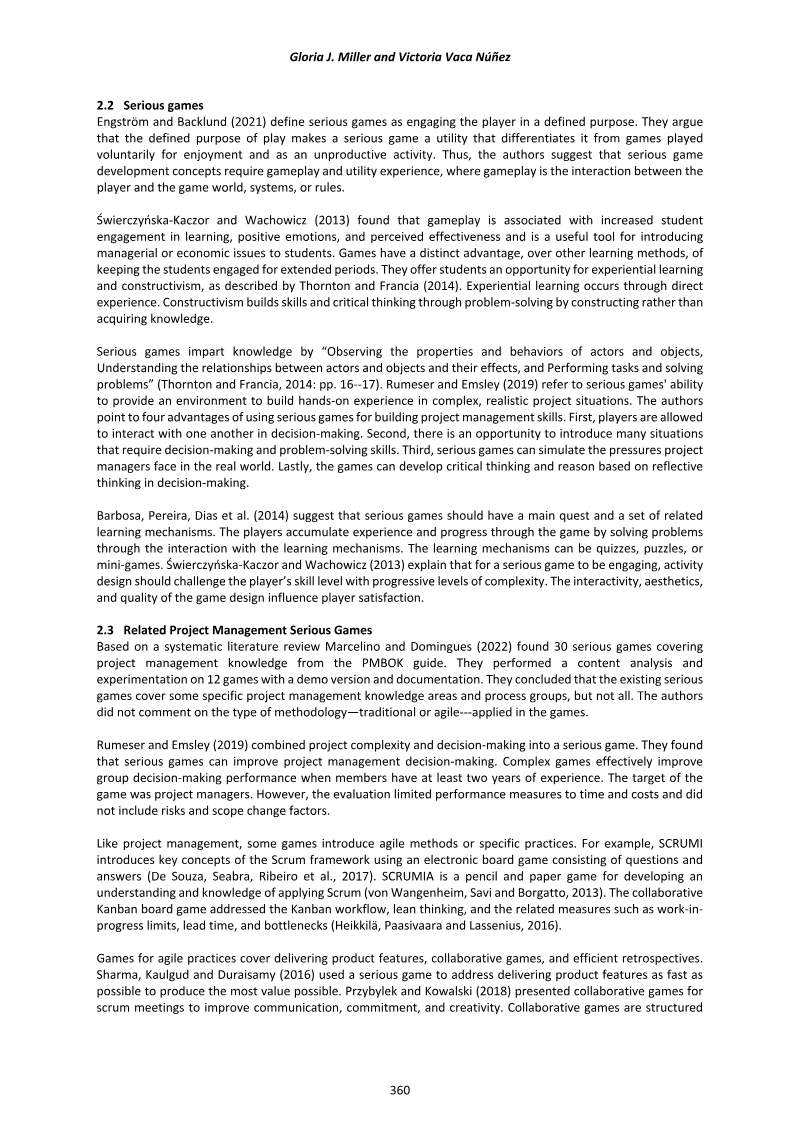
The Project Win Game: A Serious Game for Project Management Simulation
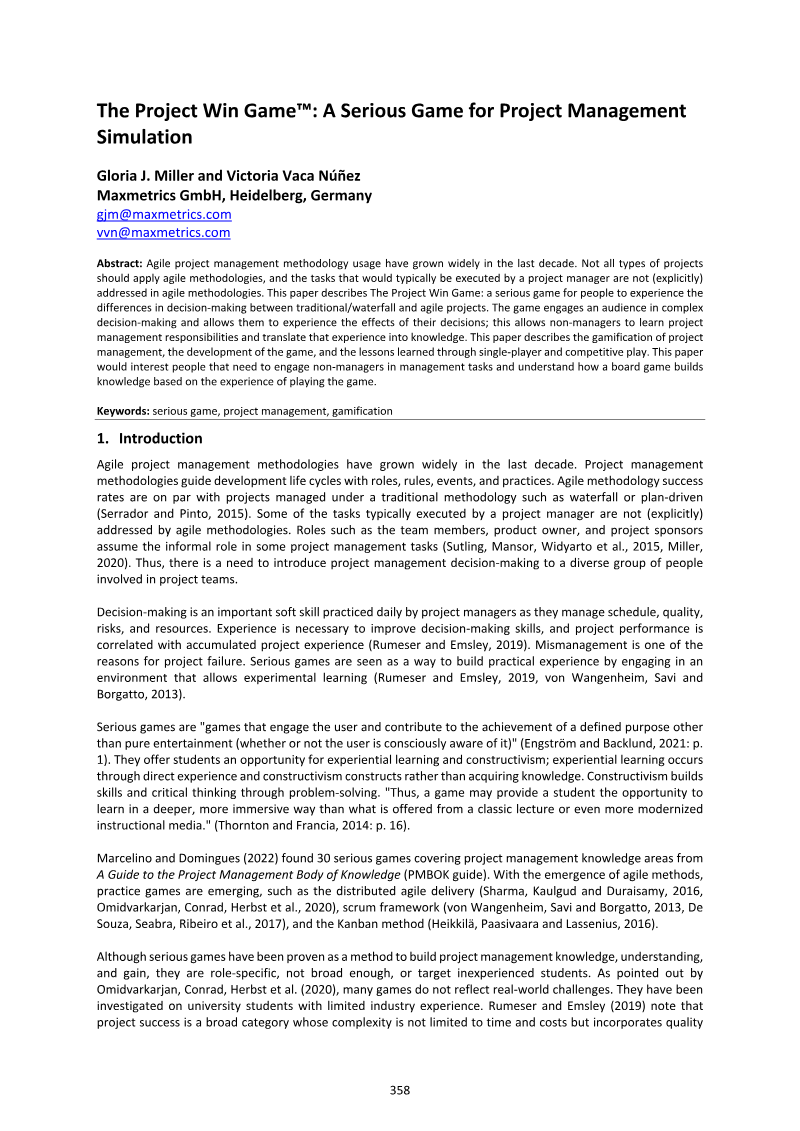
"The Project Win Game" presents a board game developed by Maxmetrics GmbH to teach project management decision-making, with particular attention to the consequences of choosing between traditional waterfall and agile methodologies.
- The Project Win Game is a board game by Maxmetrics GmbH that simulates a 33-week smartphone development project, where the chosen methodology (waterfall or agile) shapes later decisions and players compete on accumulated value credits.
- The authors argue existing serious games in this area are limited to a single role, target inexperienced students, or are disconnected from real-world conditions, and few examine how methodology selection affects project outcomes.
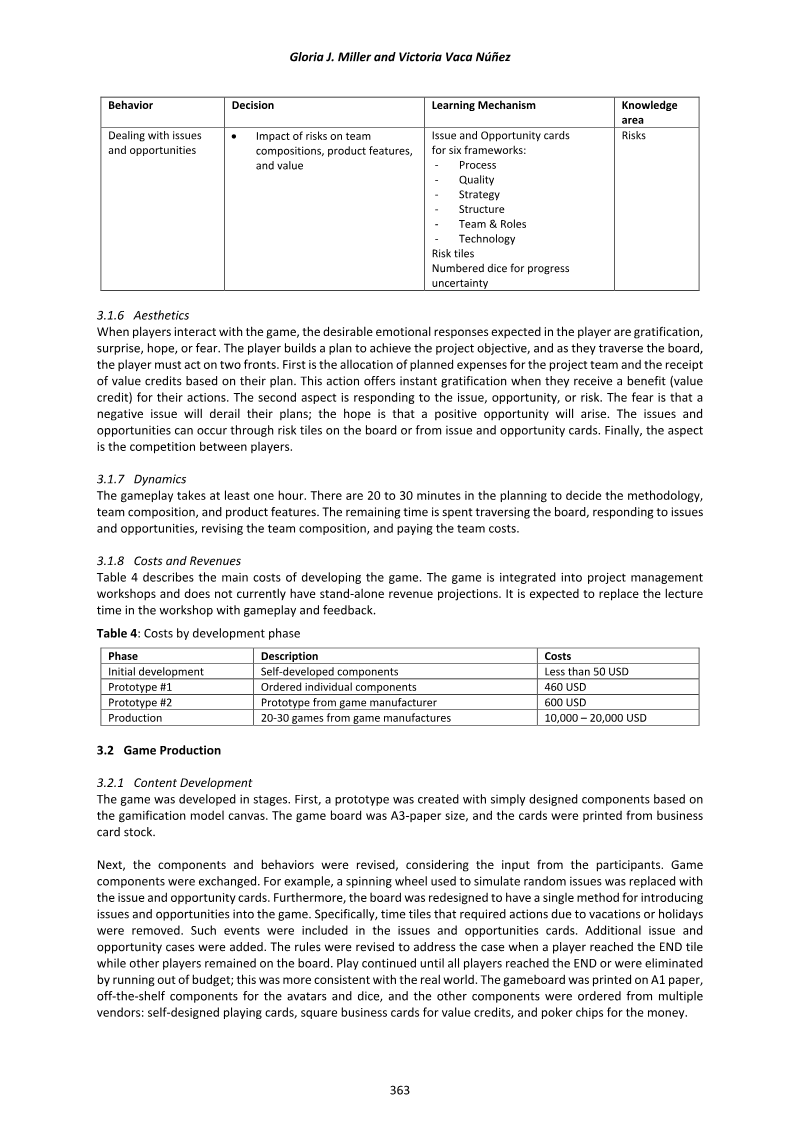
- Eight validation sessions with practitioners informed the design, and a prototype costs roughly $460 to $600 per unit, with production runs of 20 to 30 units estimated at $10,000 to $20,000.
How to Get the Girls Gaming: A Literature Study on Inclusive Design
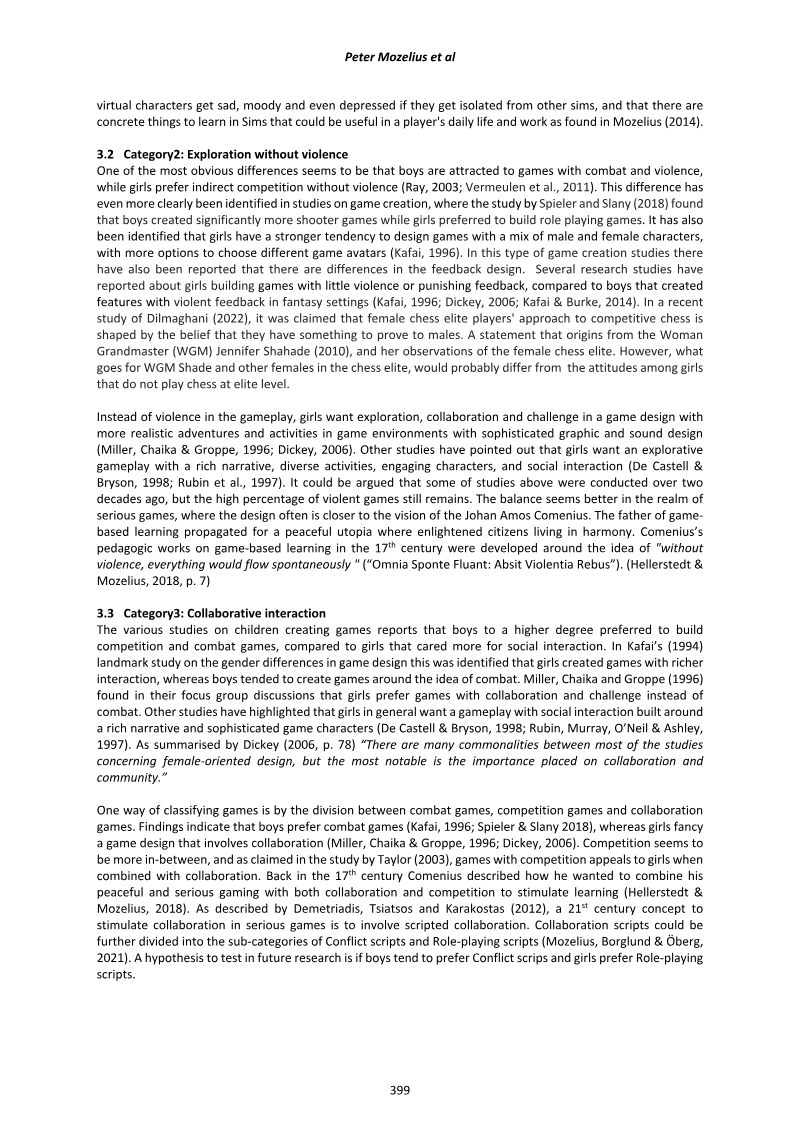
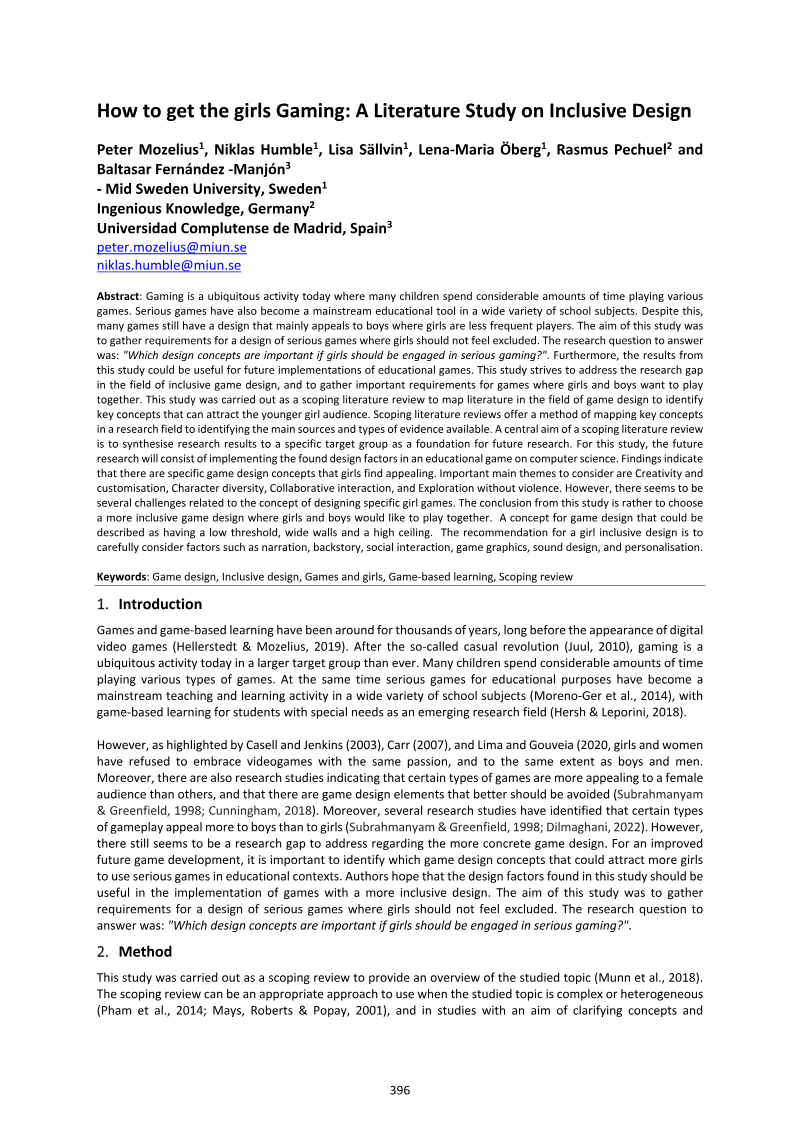
This scoping literature review examines which game design concepts are important for engaging girls in serious games, with the aim of gathering requirements for educational games where girls do not feel excluded.
- The review maps 23 papers (1994–2021) and identifies four design themes that appeal to girls: creativity and customisation, exploration without violence, collaborative interaction, and character diversity.
- Across the cited studies, girls consistently favour modifying characters, creating artwork, and self-expression, while boys more often gravitate toward combat and violent feedback.
- One cited study found that including female protagonists increased interest in technical subjects, and girls value rich narratives, social interaction, and characters of both genders.
Understanding the Elements of Challenge and Skills in Educational Games
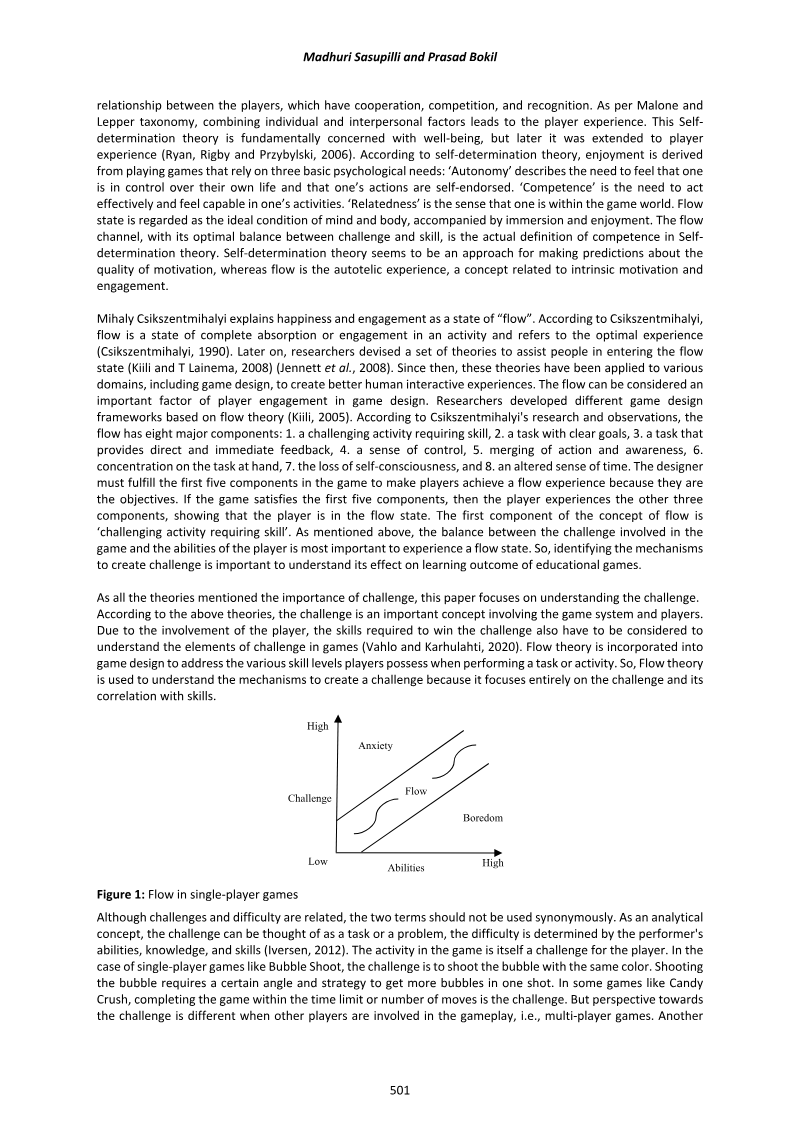
This paper examines how challenge and player abilities shape flow experience and learning outcomes in educational games, arguing that the research base has largely examined motivation and engagement without specifying which game mechanics drive learning.
- Challenge in educational games arises from competition and conflict, and must be balanced against player skills to produce flow; the authors argue the research base has neglected to specify which mechanics actually drive learning.
- Conflict is classified as endogenous (arising from within gameplay) and competition as exogenous (tied to external constraints such as timers, scores, and move limits).
- The paper divides the abilities games demand into physical (motor) skills, intellectual skills such as strategy and memory, and knowledge, treating chance as a separate element rather than a skill.
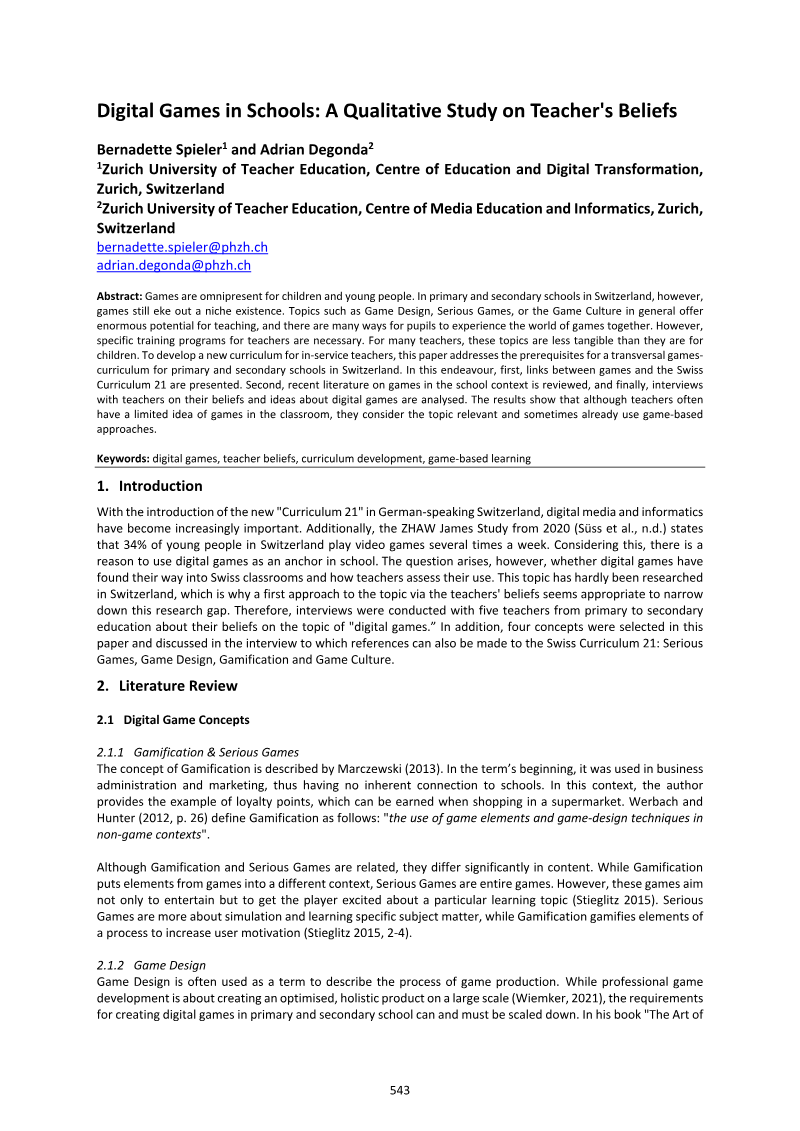
Digital Games in Schools: A Qualitative Study on Teacher's Beliefs
Swiss teachers' beliefs about digital games in primary and secondary education form the focus of this qualitative study, which responds to a notable gap: games are widely played by young people, with 34 percent of Swiss youth reporting playing several times a week according to the 2020 JAMES study, yet they remain marginal in…
- Swiss youth play games frequently, with 34 percent reporting playing several times a week according to the 2020 JAMES study, yet games remain marginal in Swiss classrooms.
- The study examines teachers' beliefs through interviews with five teachers, whose initial views of games ranged from educational tools and rewards to time-wasters or inappropriate content for school.
- Teachers recognized benefits of games for motivation, individualized learning, and social skills, but their willingness to use them was conditional on games being simple, thematically relevant, low-effort, and carefully vetted.
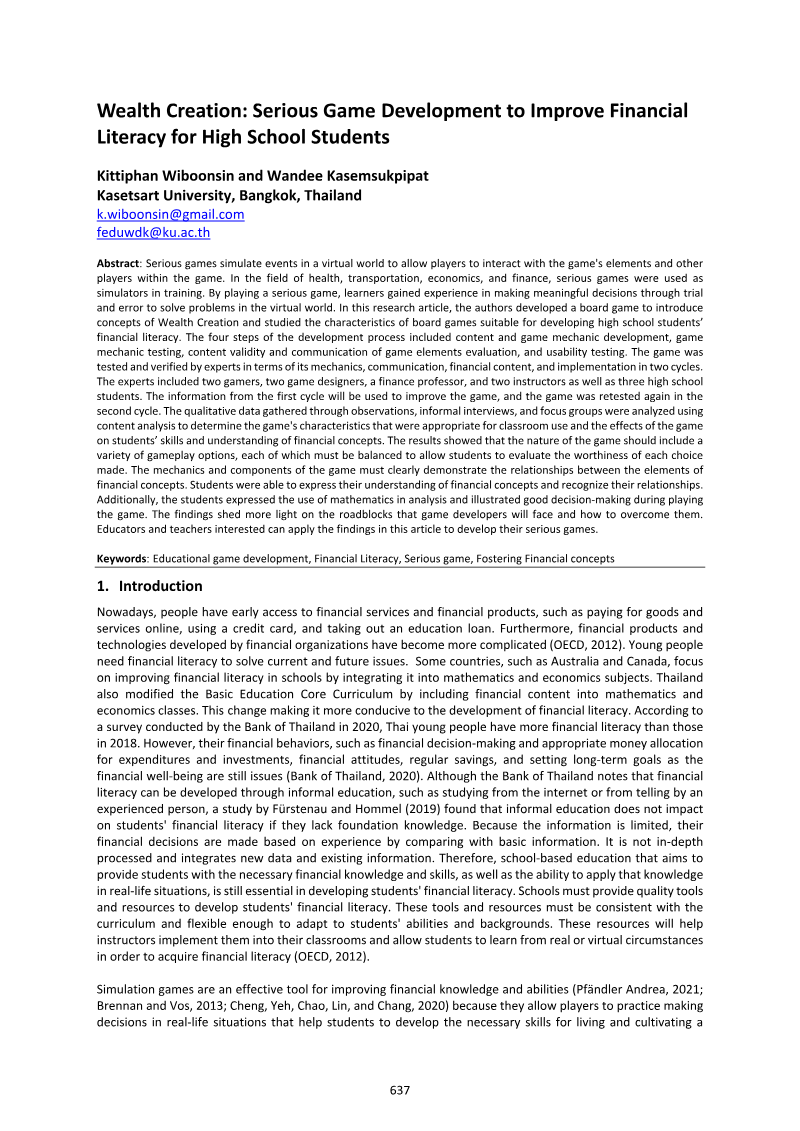
Wealth Creation: Serious Game Development to Improve Financial Literacy for High School Students
"Wealth Creation" is a board game designed to strengthen financial literacy among high school students, developed by researchers at Kasetsart University in Thailand.
- The board game "Wealth Creation" was developed by researchers at Kasetsart University in Thailand to strengthen high school students' financial literacy, with its educational objectives explicitly grounded in the national curriculum and local cost-of-living realities.
- The authors argue that commercial games like Monopoly and Cashflow 101 were designed mainly for entertainment rather than classroom learning, which motivated building a game with explicit educational goals.
- The game has players build wealth through income, investment, and asset trading across four life-stage rounds, using resource management, open drafting, random events, and loans.
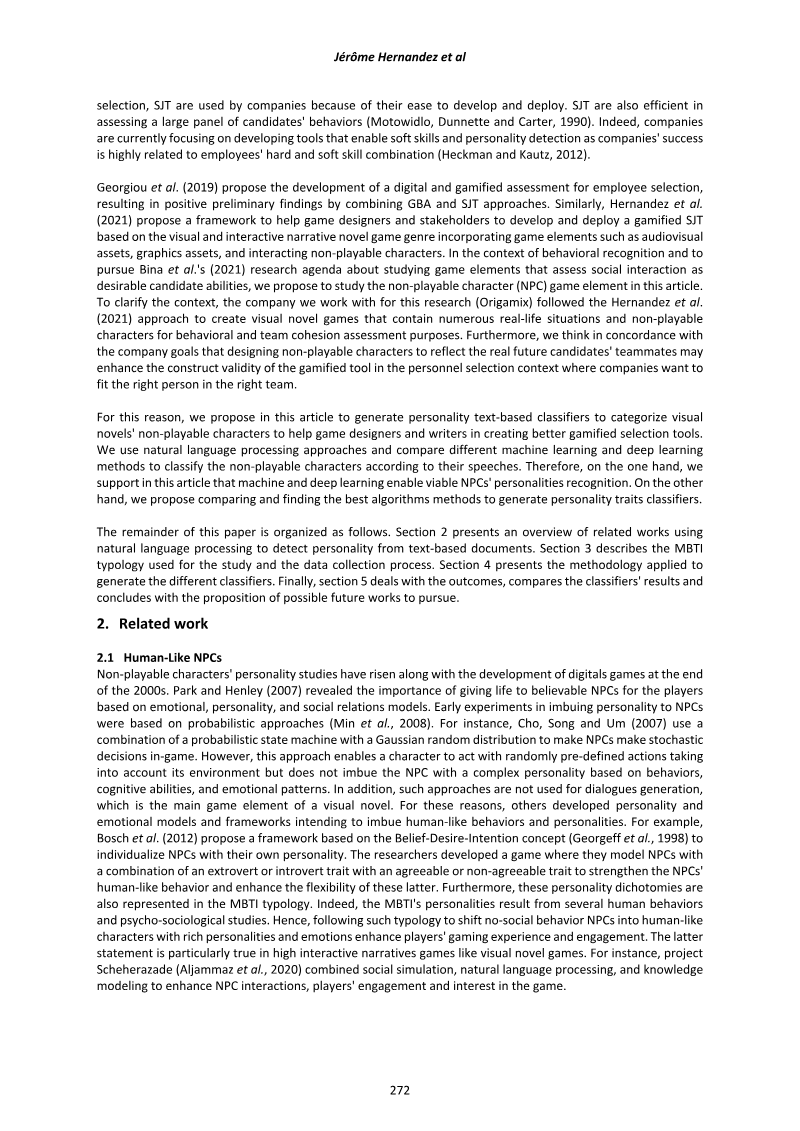
Can We Detect Non-playable Characters' Personalities Using Machine and Deep Learning Approaches?
This study investigates whether machine learning and deep learning can recognize the personalities of non-playable characters (NPCs) in visual novel games from their dialogue, using the Myers-Briggs Type Indicator (MBTI) as the typology.
- The study tests whether machine and deep learning can recognize MBTI personality types of non-playable characters in visual novels from their dialogue, motivated by a goal of making NPC personalities in gamified personnel-selection tests more realistic and consistent.
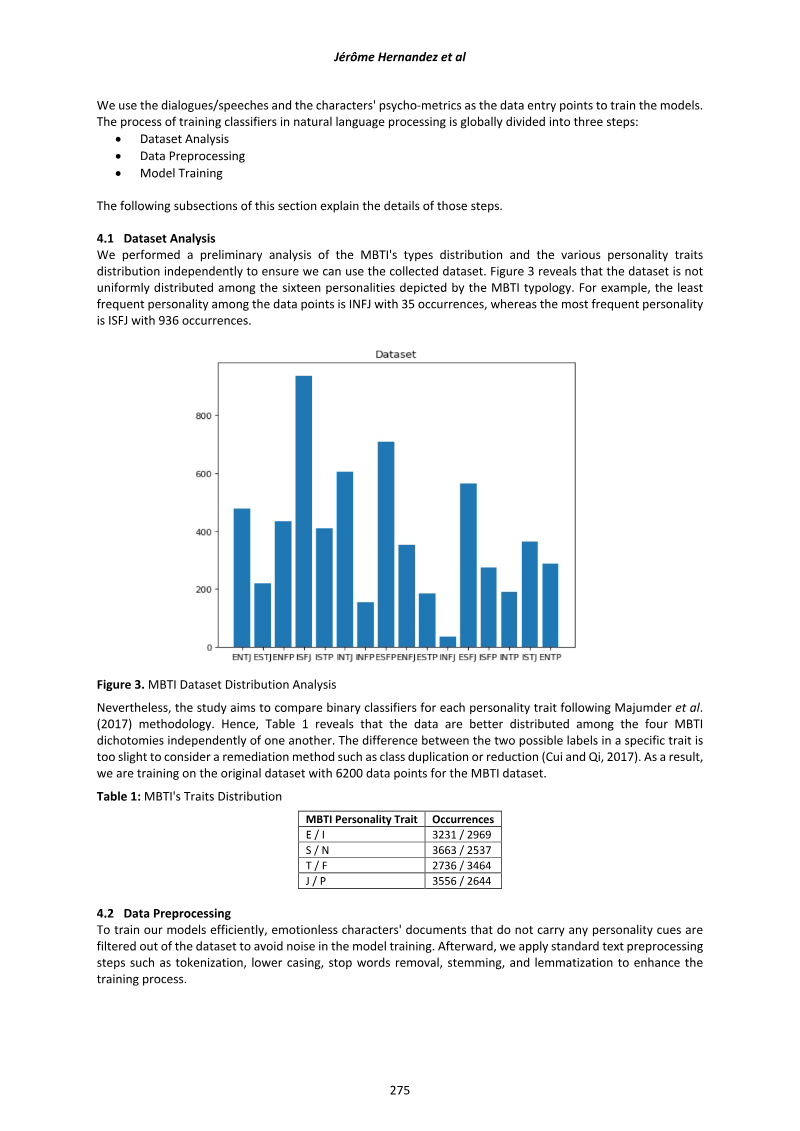
- The dataset contains about 12,600 character speeches from nine visual novel games, grouped into 6,200 labeled documents, with 170 NPCs labeled via a fan-voting platform.
- Logistic regression achieved the highest average F1-score among traditional classifiers (about 0.713), while a binary CNN reached 0.720 average accuracy and a 16-class CNN reached 0.728 accuracy and 0.715 F1-score.
The Contribution of Game-Based Learning: Children with Autism Spectrum Disorder and Dyscalculia
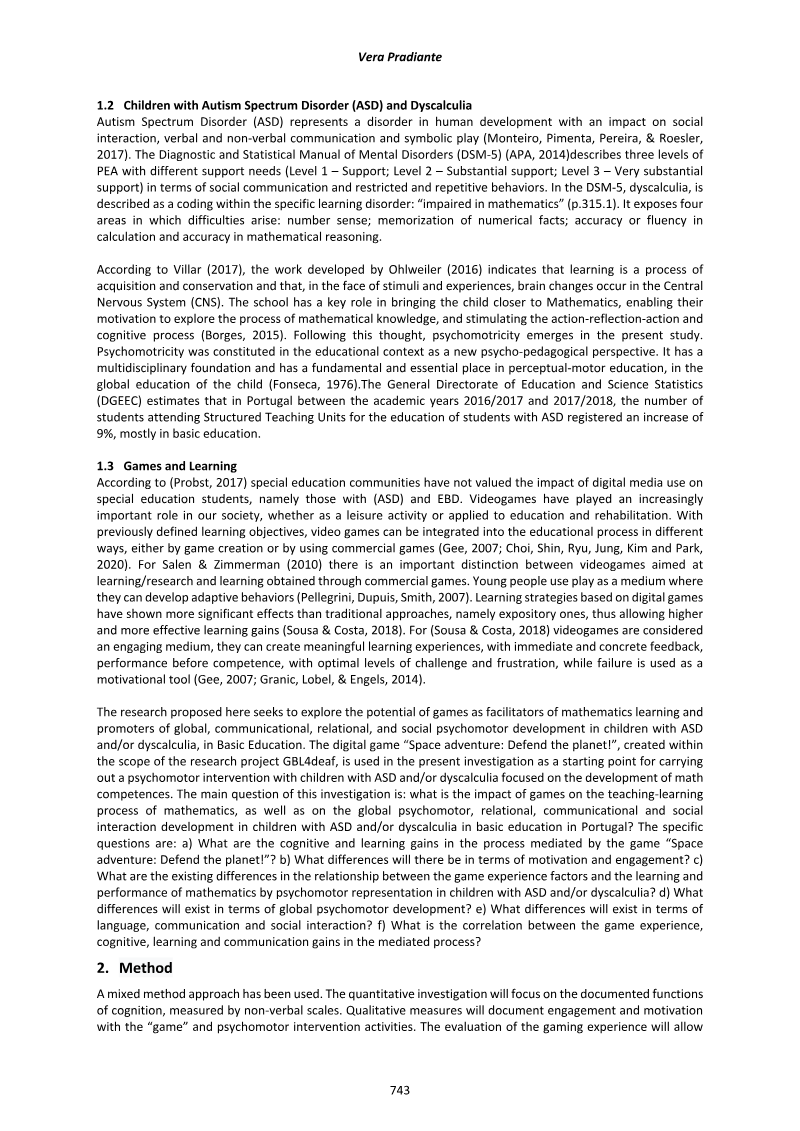
This study investigates whether a game-based intervention can support mathematics learning and the global psychomotor, communicational, and social development of Basic Education students with Autism Spectrum Disorder (ASD) and/or dyscalculia in Portugal.
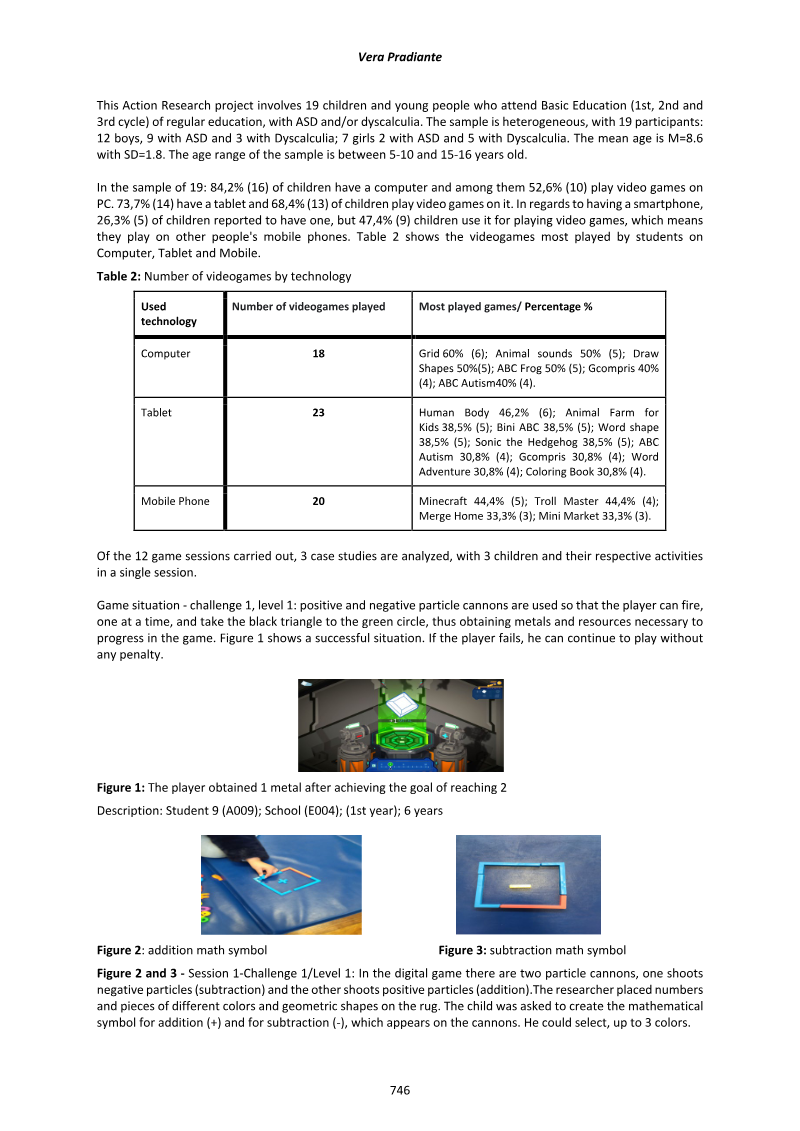
- The study tested a game-based intervention, adapted from the mathematics game Space Adventure: Defend the Planet! and delivered in psychomotricity sessions, with 19 Portuguese Basic Education children (12 boys, 7 girls; mean age 8.6 years) who have Autism Spectrum Disorder and/or dyscalculia.
- The design was 12 weekly 45-minute sessions run between December 2021 and March 2022 across five schools in one school cluster, using a convenience sample.
- Outcomes measured included pre-tests of mathematical skills, communication, and language, the Childhood Autism Rating Scale, the M-ABC-2 movement battery, technology-use and inclusion-support questionnaires, and direct observation.
Adaptability and Procedural Content Generation for Educational Escape Rooms
This literature review examines how Educational Escape Rooms (EERs) can improve teaching, learning, and assessment, with a particular focus on designing EERs that are accessible and adaptable to all students, including visually impaired learners.
- Educational Escape Rooms (EERs) are presented as an engaging form of playful, problem-based learning that builds non-cognitive skills such as teamwork, communication, and problem-solving.
- The authors report that students show progress in performance and gain more from adaptable EERs than from traditional learning methods, but this rests on a qualitative synthesis of existing literature rather than a new controlled study.
- Effective EER development is framed around a structured design framework combining narrative and level design, with adaptability to individual student needs built in from the start.
Nursing XR: A VR Application to Teach Decision Making to Student Nurses
This paper presents Nursing XR, a virtual reality application designed to teach student nurses communication, risk assessment, holistic assessment, and person-centred decision-making through a simulated wound dressing scenario in which a patient has been discharged home.
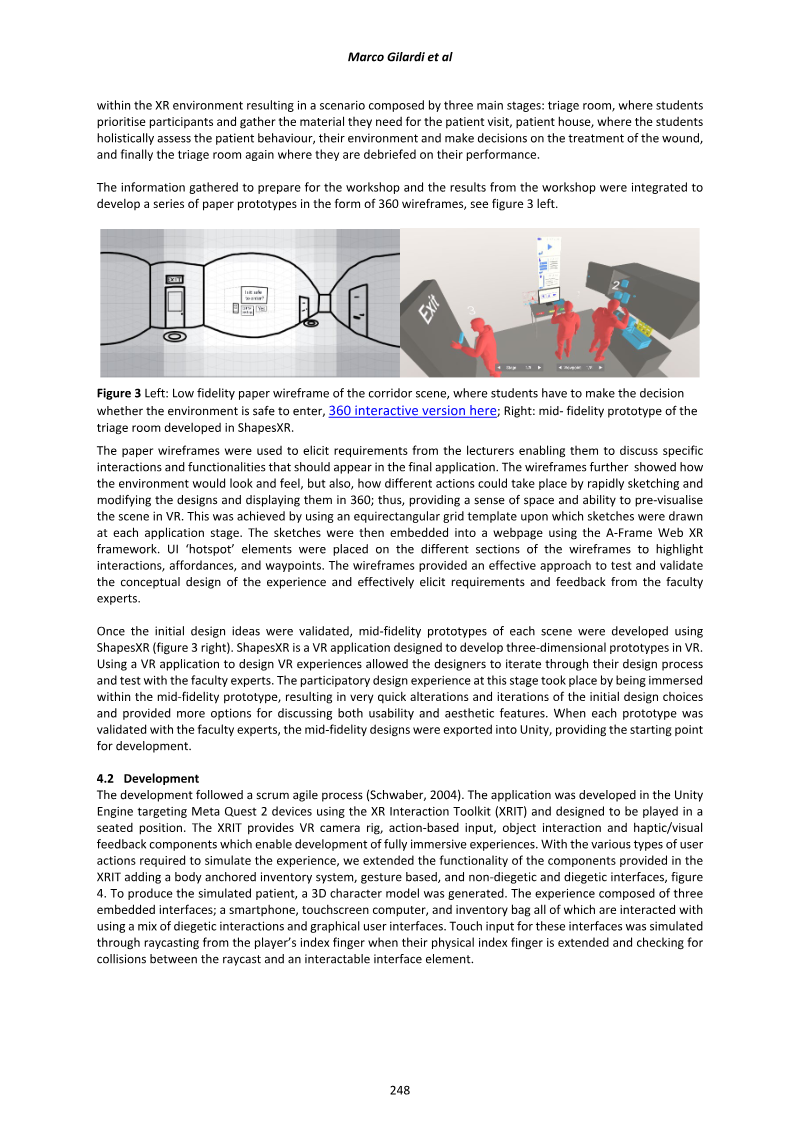
- Nursing XR is a VR application for Meta Quest 2 (built in Unity with the XR Interaction Toolkit) that teaches student nurses communication, risk assessment, holistic assessment, and person-centred decision-making through a simulated wound dressing scenario with a discharged patient.
- The tool was developed through a participatory design process that began with a workshop of ten student nurses and two nursing lecturers, moving through storyboarding, branching narrative scripting, 360-degree wireframes, ShapesXR mid-fidelity prototypes, and scrum-based Unity development.
- The workshop identified two core student needs: practical application of taught procedures and greater confidence in nursing skills, with students also reporting difficulty recalling the patient journey, which they linked to a kinesthetic learning preference and limited wound management exposure on placement.
A Custom-Made Board Game to Familiarise Primary School Children With Atoms
A research team has designed Material Monsters, a cooperative board game intended to introduce late primary school children (roughly ages 10 to 12) to the idea that atoms are the building blocks of matter and that the strength of bonds between atoms determines how hard a material is.
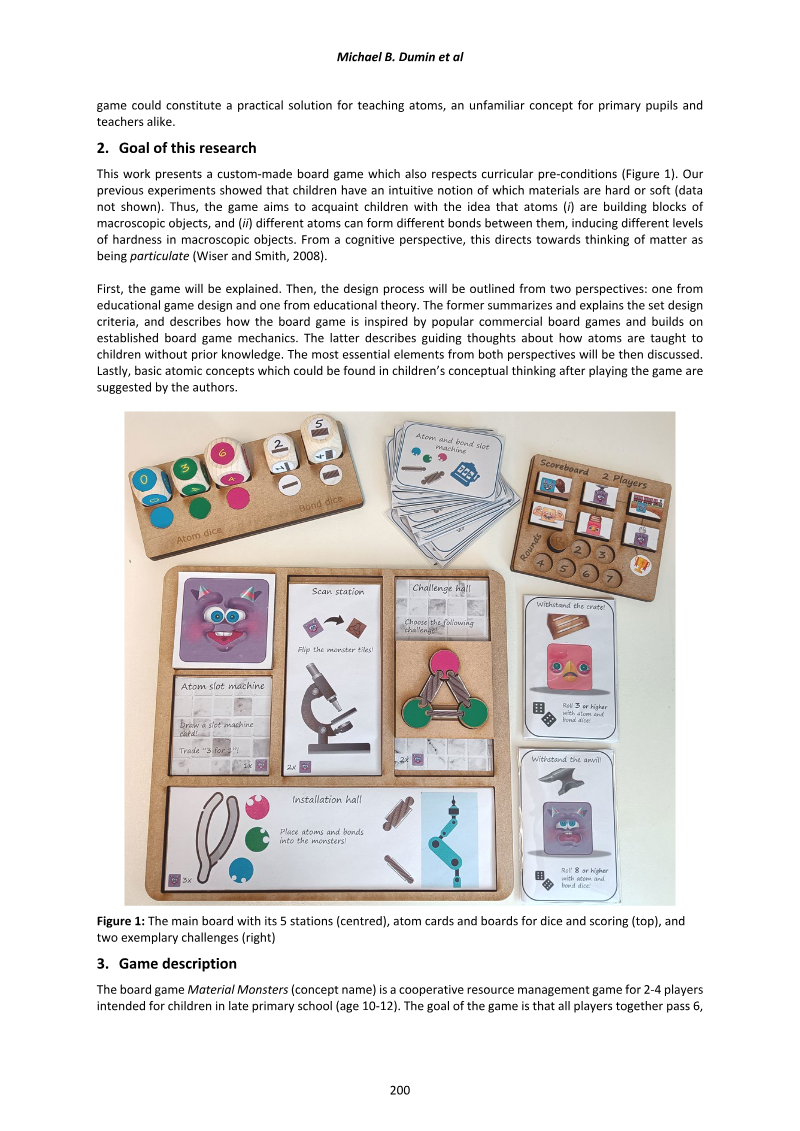
- Material Monsters is a cooperative board game for 2–4 players, aged roughly 10–12, designed to teach that atoms are the building blocks of matter and that bond strength determines material hardness, with games lasting 20–30 minutes across five stations using atom and bond tiles, dice rolls, and resource trading.
- The design targets a specific gap: children intuitively rank materials by hardness but lack a particle-level framework to explain why, and the game aims to avoid misconceptions such as attributing bulk properties directly to individual atoms.
- The game applies 'intrinsic integration' by embedding learning content in its core mechanics, drawing structural ideas from the commercial cooperative games Forbidden Island and 5-Minute Dungeon.
A Serious Game on Shaping Employee Behavior for the Digital Transformation
DITInLine is a serious game designed to help organizations use human resource management to shape employee behaviors needed for digital transformation, which is organizational change driven by widespread technology adoption.
- DITInLine is a serious game that helps organizations use HR practices to shape employee behaviors needed for digital transformation, with players selecting and combining practices to align with a chosen strategic orientation.
- The game uses the competing values framework to define four strategic orientations (cooperative, adhocratic, mechanistic, and market-oriented) and challenges players to raise a hidden digital transformation behavior score reflecting adaptive performance and proactive agile behaviors.
- The game draws on 24 HR practices narrowed from a pool of 72 in an earlier serious game called InLine, each scored from -50 to +50 based on literature and carrying alignment scores drawn from HR professionals' practical knowledge.