1 free read left. Create a free account for unlimited reading + AI research.
Create free accountWhitepaper European Conference on Games Based Learning (ECGBL)
1 free read left. Create a free account for unlimited reading + AI research.
Create free accountWhitepaperEuropean Conference on Games Based Learning (ECGBL)
A workshop with ten student nurses and two nursing lecturers identified practical application of taught procedures as a core need. Students also wanted greater confidence in their nursing skills.
This paper presents Nursing XR, a virtual reality application designed to teach student nurses communication, risk assessment, holistic assessment, and person-centred decision-making through a simulated wound dressing scenario in which a patient has been discharged home. The work is positioned as both a product description and a validation of a participatory design process developed by the same research group, applied here to embed an XR tool within the nursing curriculum rather than treating it as an isolated intervention. The authors situate their contribution against a literature that shows VR can improve knowledge but has not consistently outperformed traditional teaching in skills, confidence, or satisfaction, and that the quality of interaction design strongly shapes user experience.
The design process moved through a workshop with ten student nurses and two nursing lecturers, followed by storyboarding, branching narrative scripting, low-fidelity 360-degree wireframes, mid-fidelity prototypes built in ShapesXR, and a scrum-based development in Unity for the Meta Quest 2 using the XR Interaction Toolkit. The workshop identified two principal student needs: practical application of taught procedures and greater confidence in nursing skills. Students also reported difficulty recalling the patient journey, which they attributed to a preference for kinesthetic learning and limited wound management exposure on placement. The scenario unfolds across a triage room, a patient home, and a debriefing stage, with a custom body-anchored inventory and combined diegetic and non-diegetic interfaces.
The initial qualitative evaluation involved only three students and two faculty members from the original group of ten, using a pre-alpha build. Participants valued the realism of the environment and the safe, non-judgmental space for practice, and they suggested placing the tool within skills laboratory sessions. Observed problems included controller mapping difficulties, bugs that disrupted immersion, physical collisions caused by room-scale movement, and body-anchor sockets that some users could not reach. The authors conclude that the participatory process was viable and transferable, while noting high resource demands and acknowledging that gamification features and formal effectiveness evaluation remain unimplemented.
Each row is a game or company this document names, each column a document, oldest first. A mark means that document names it. Select a row to see those documents.



European Conference on Games Based Learning (ECGBL) · 2026



European Conference on Games Based Learning (ECGBL) · 2026



European Conference on Games Based Learning (ECGBL) · 2026



European Conference on Games Based Learning (ECGBL) · 2026



European Conference on Games Based Learning (ECGBL) · 2026



European Conference on Games Based Learning (ECGBL) · 2026



European Conference on Games Based Learning (ECGBL) · 2026



European Conference on Games Based Learning (ECGBL) · 2026



European Conference on Games Based Learning (ECGBL) · 2026



European Conference on Games Based Learning (ECGBL) · 2026



European Conference on Games Based Learning (ECGBL) · 2026



European Conference on Games Based Learning (ECGBL) · 2026
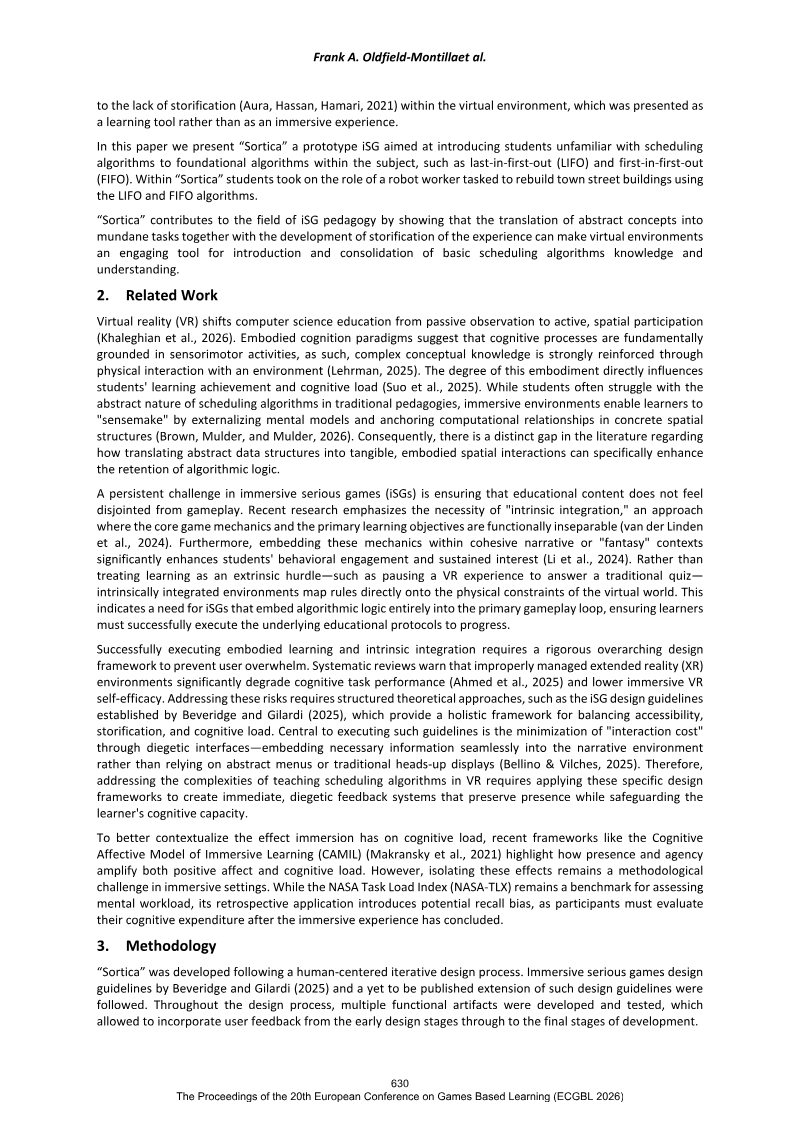
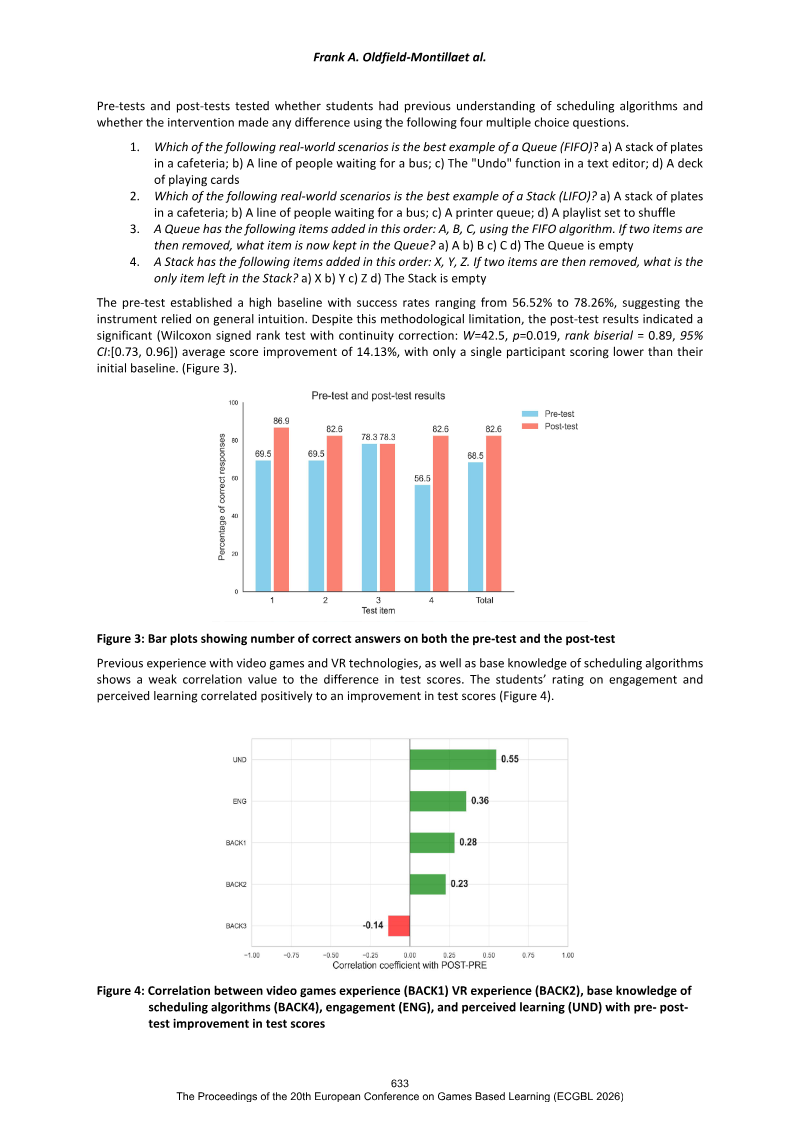
European Conference on Games Based Learning (ECGBL) · 2026
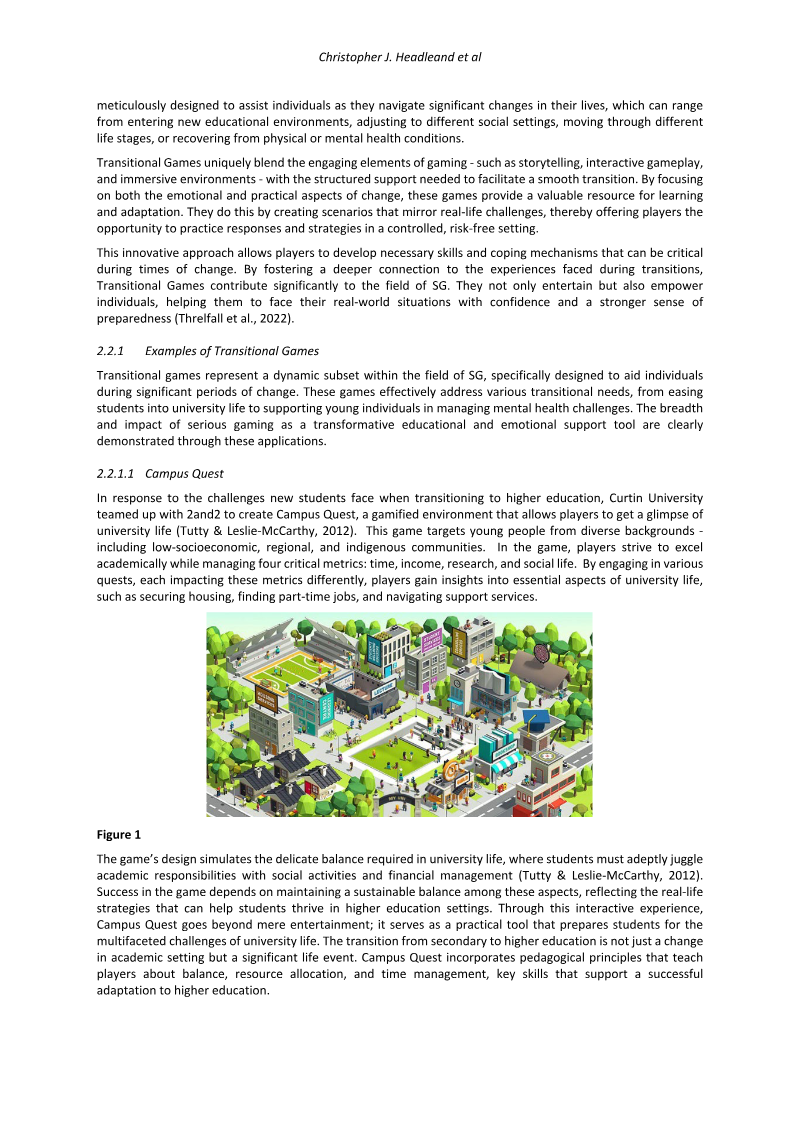
European Conference on Games Based Learning (ECGBL) · 2024
European Conference on Games Based Learning (ECGBL) · 2023