1 free read left. Create a free account for unlimited reading + AI research.
Create free accountReport European Conference on Games Based Learning (ECGBL)
1 free read left. Create a free account for unlimited reading + AI research.
Create free accountReportEuropean Conference on Games Based Learning (ECGBL)
The designers observed that children intuitively rank materials by hardness but lack a particle-level framework to explain the ranking.
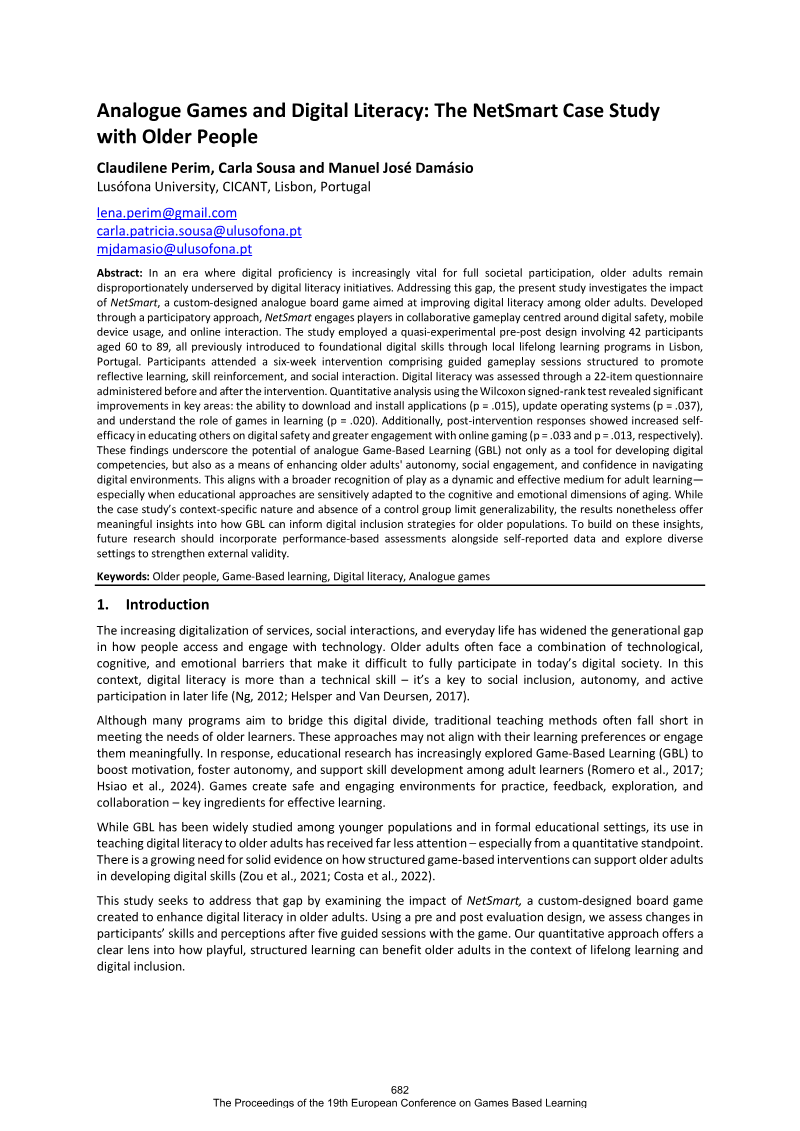
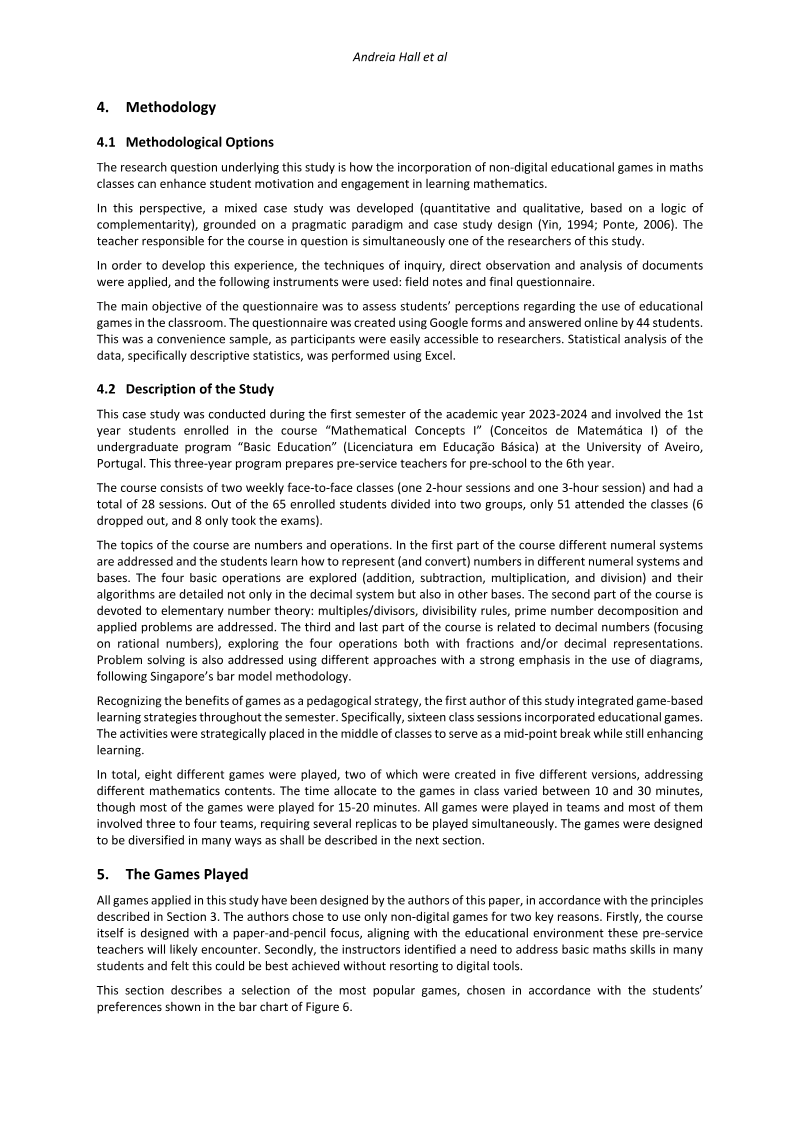
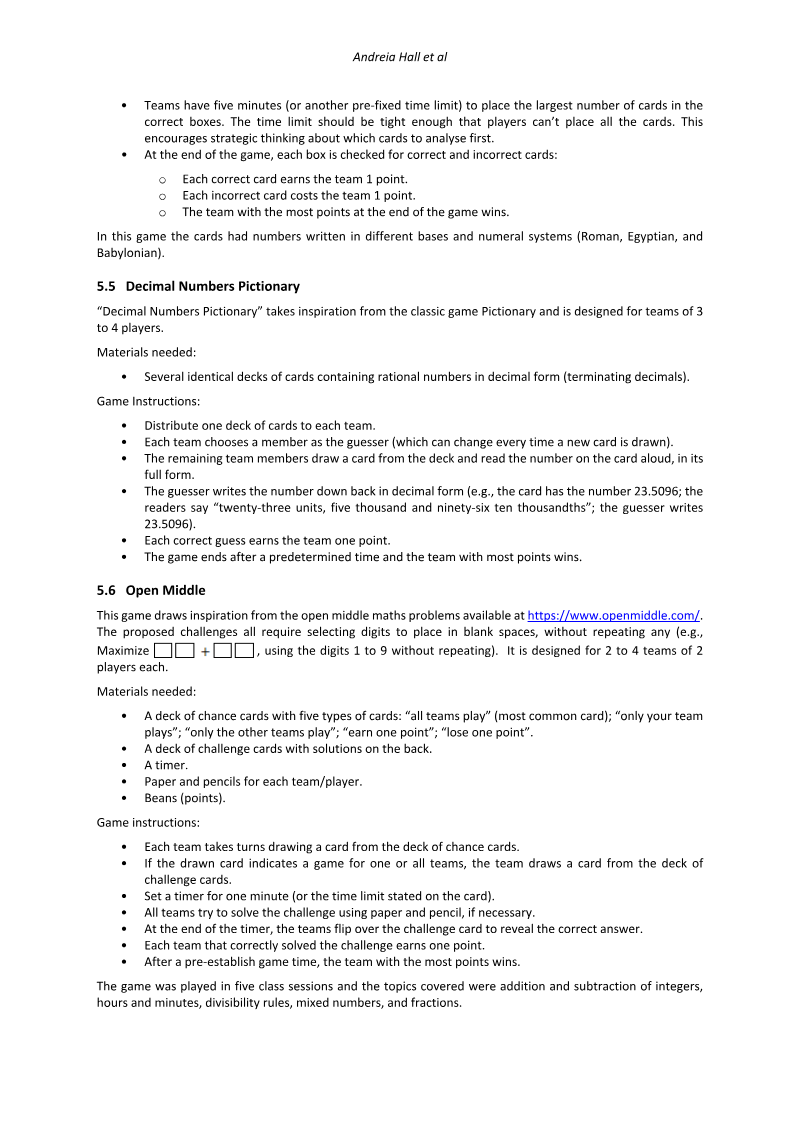
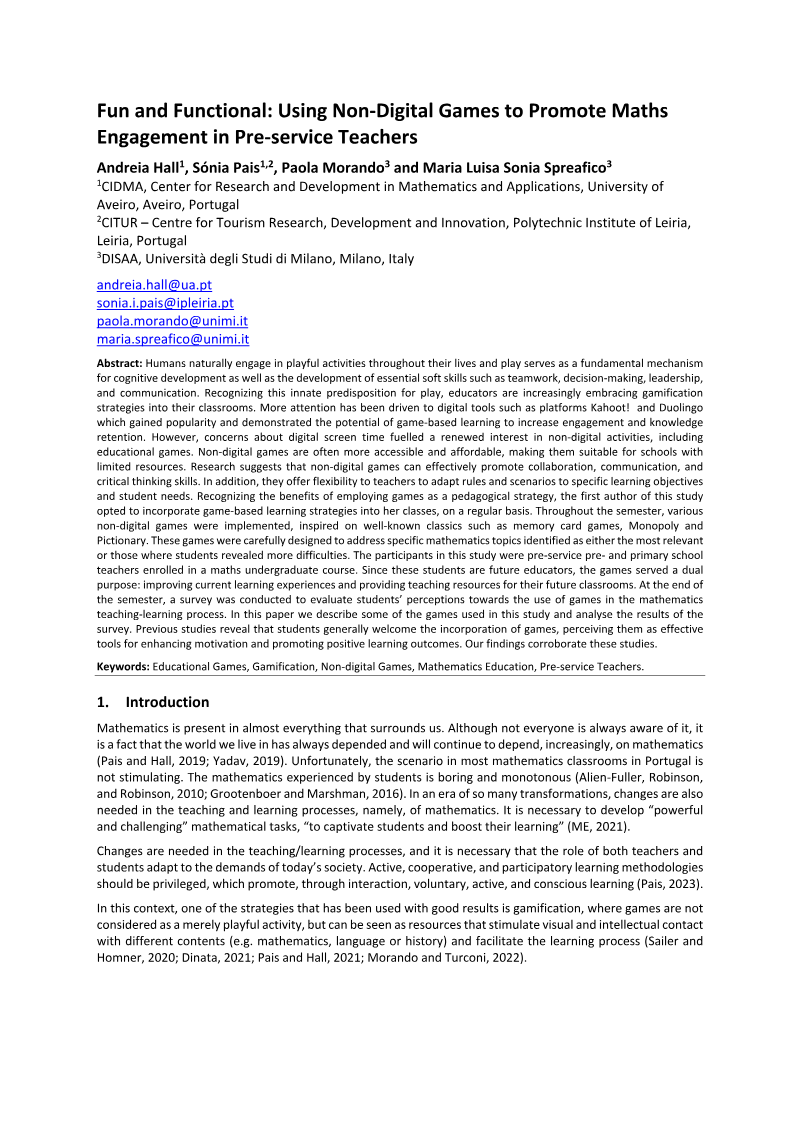
A research team has designed Material Monsters, a cooperative board game intended to introduce late primary school children (roughly ages 10 to 12) to the idea that atoms are the building blocks of matter and that the strength of bonds between atoms determines how hard a material is. The game supports two to four players, lasts 20 to 30 minutes, and is built around atom and bond tiles, dice rolls, and resource trading across five stations. Its designers grounded the work in the observation that children intuitively rank materials by hardness but lack the particulate framework to explain why, and they sought to avoid common misconceptions such as attributing macroscopic properties directly to individual atoms.
The design process drew on two perspectives. From game design, the team applied "intrinsic integration" as its guiding principle, embedding learning content in the core mechanics, and borrowed structural ideas from the commercial cooperative games Forbidden Island and 5-Minute Dungeon. From educational theory, the team adopted an intermediate particle model in which atoms are represented as distinct coloured tiles with different bonding capacities, and thin and thick bond tiles stand for weak and strong interactions. Earlier versions depicted atoms as materials such as steel or stone, which was revised to avoid the misconception that atoms are miniature pieces of bulk substances.
The evidence presented is preliminary. Internal playtests and pilot sessions with primary school children suggested the game is enjoyable and balances strategy with luck, and some playtests ran beyond the target 30-minute window. Learning outcomes have not yet been tested; the authors propose future pre-, post-, and retention interviews, coding of children's utterances, and evaluation of whether children want to play the game at home. A list of thirteen candidate basic atomic concepts is offered as a framework for those future evaluations.
European Conference on Games Based Learning (ECGBL) · 2025
European Conference on Games Based Learning (ECGBL) · 2025
European Conference on Games Based Learning (ECGBL) · 2025
European Conference on Games Based Learning (ECGBL) · 2025
European Conference on Games Based Learning (ECGBL) · 2025
European Conference on Games Based Learning (ECGBL) · 2025
European Conference on Games Based Learning (ECGBL) · 2025
European Conference on Games Based Learning (ECGBL) · 2025
European Conference on Games Based Learning (ECGBL) · 2025
European Conference on Games Based Learning (ECGBL) · 2025
European Conference on Games Based Learning (ECGBL) · 2025
European Conference on Games Based Learning (ECGBL) · 2025
European Conference on Games Based Learning (ECGBL) · 2025
European Conference on Games Based Learning (ECGBL) · 2024
Board Game Studies Journal · 2022