
European Conference on Games Based Learning (ECGBL)
Annual European conference on game-based learning and serious games; its proceedings are published open access (CC BY) by Academic Conferences International.
Documents
Treasure Hunt as a Method of Learning Mathematics
This paper proposes treasure hunts as an engaging method for teaching mathematics, arguing that conventional instruction often fails to build genuine mathematical literacy and that interdisciplinary, team-based games can raise motivation, digital skills, and physical activity.
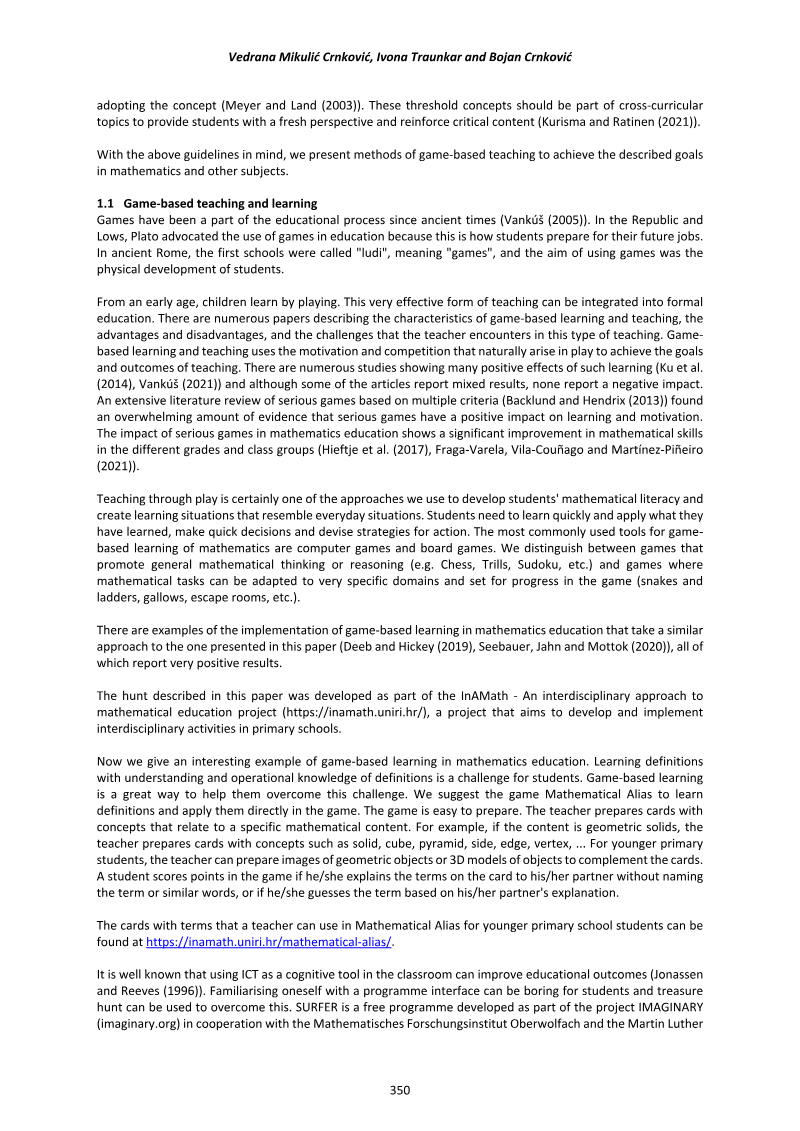
- The authors argue that conventional mathematics instruction often fails to build genuine mathematical literacy, and propose team-based, interdisciplinary treasure hunts as a motivating alternative that can also build digital skills and physical activity.
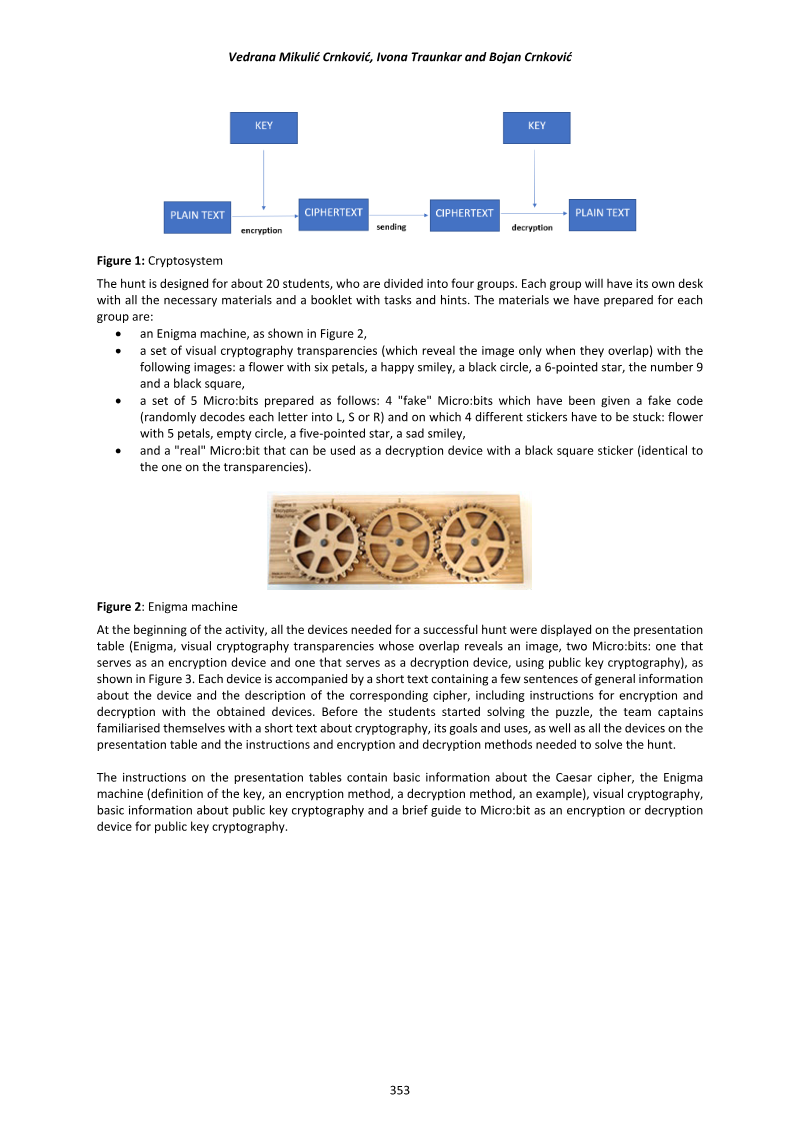
- The central case study was a one-hour cryptography treasure hunt for high school students with no prior background in the subject, covering Caesar ciphers, Enigma machines, visual cryptography, and public key cryptography.
- Of 52 fully completed surveys from an Open Day event, 50 participants found the activity interesting and 49 reported learning something new.
Recent Developments Regarding Exergames and Individuals With Disabilities
Recent research on exergames, digital games requiring physical movement, examines their potential to increase physical activity among individuals with disabilities, a population that tends to be less active and faces elevated risks of cardiovascular disease, diabetes, obesity, and depression.
- Exergames, digital games requiring physical movement, are presented as a promising way to increase physical activity among people with disabilities, a population that is less active and at elevated risk of cardiovascular disease, diabetes, obesity, and depression.
- Exergames are positioned as a complement to, not a replacement for, real-world exercise programs for individuals with disabilities.
- The evidence base is a scoping review that narrowed an initial pool of 50 articles (published 2013–2021) to 10 studies focused on autism spectrum disorder, intellectual disability, Down syndrome, and schizophrenia.
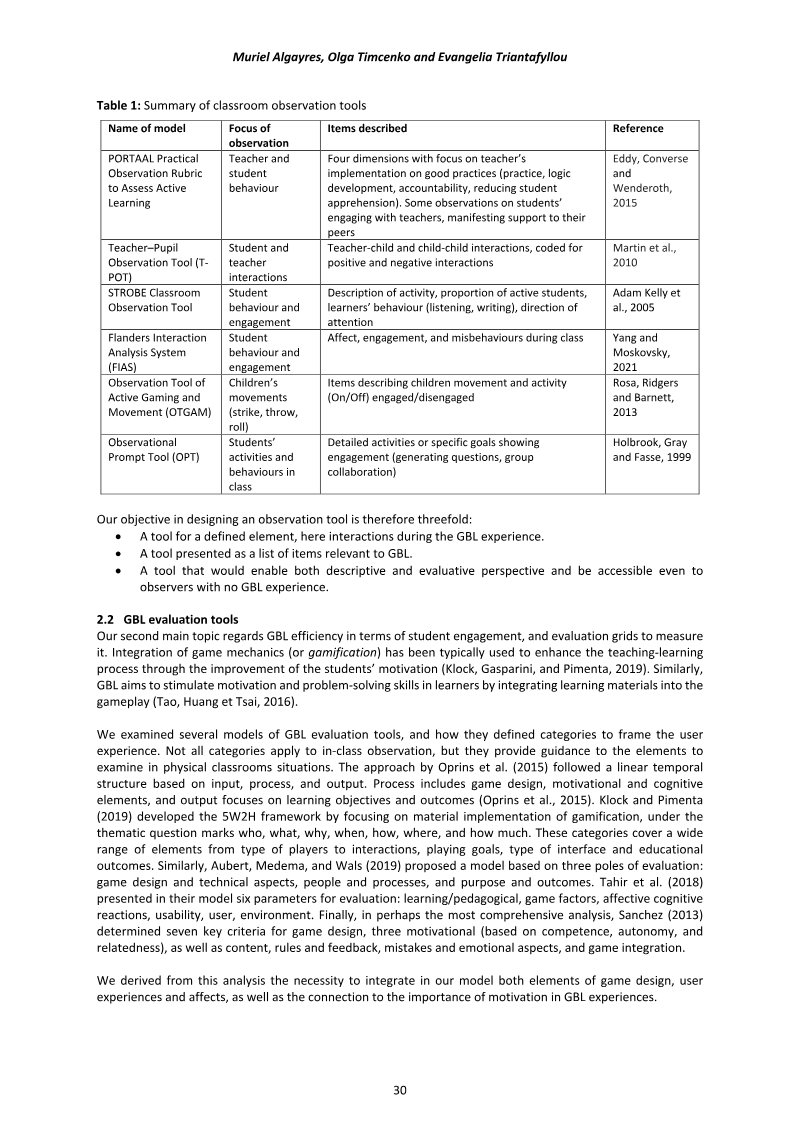
Development and Use of a Playful Learning Observation Tool (PLOT) for Active Game-Based Learning in Physical Classroom Situations
The Playful Learning Observation Tool (PLOT) is presented as a qualitative observation instrument designed to help observers analyze game-based learning (GBL) as it unfolds in physical classrooms.
- PLOT is a 51-item yes/no qualitative observation tool, organized under four categories (Who?, What?, Why?, How?) and coded to self-determination theory motivational constructs, built to analyze game-based learning in physical classrooms.
- The authors argue existing observation frameworks lack guidance for live game-based learning, and PLOT synthesizes classroom observation models, GBL evaluation criteria, and self-determination theory's motivation continuum to fill that gap.
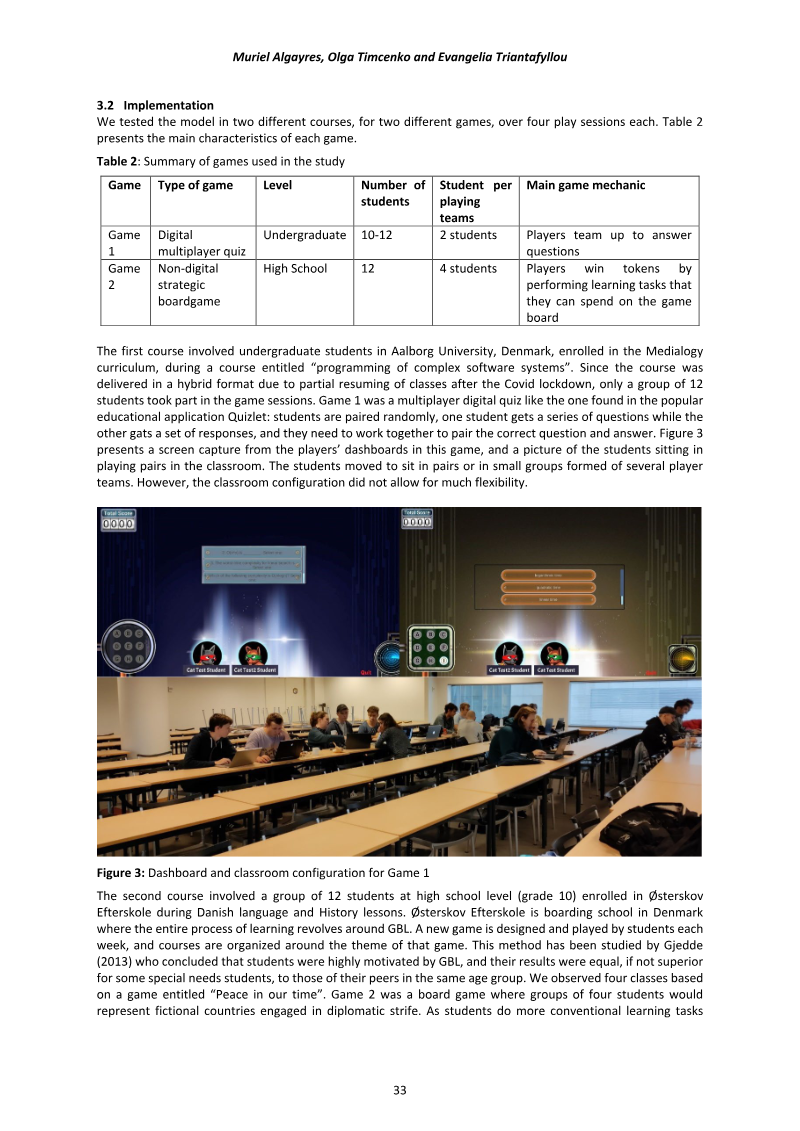
- In a pilot, PLOT was applied to a digital multiplayer quiz (12 undergraduates) and a non-digital board game (12 high school students), each observed across four 90-minute sessions by a single observer.
Investigating Social Media Potential for Supporting Teachers' Digital Games Literacy
This study examines how social media resources on YouTube, Twitch, and Twitter address teachers' digital game literacy, a domain where teachers have often learned informally and independently because formal professional development is scarce.
- Teachers have largely built their digital game literacy informally and independently, because formal professional development in this area is scarce.
- The study analysed 150 multimedia resources from 2021 and 2022 on YouTube, Twitch, and Twitter, gathered via multilingual search terms and qualitative coding with input from 30 stakeholder groups, mainly in the US, UK, Sweden, and Germany.
- The resources were organised into eight topic categories, with Design for digital game-based learning (instructional design) the most prevalent, followed by Game Use.
The Design of a Gamified App for Supporting Undergraduates' Resilience
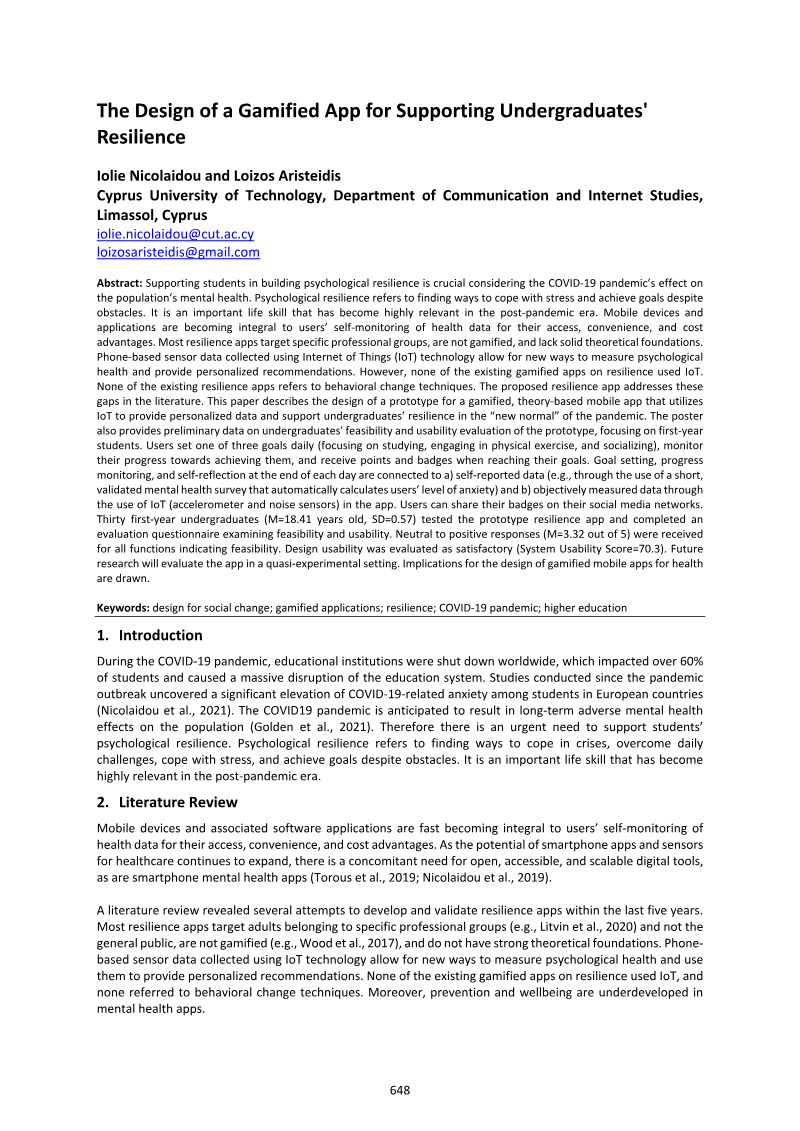
This paper presents the design and preliminary evaluation of a gamified, theory-based mobile application intended to support psychological resilience among undergraduate students in the post-pandemic "new normal."
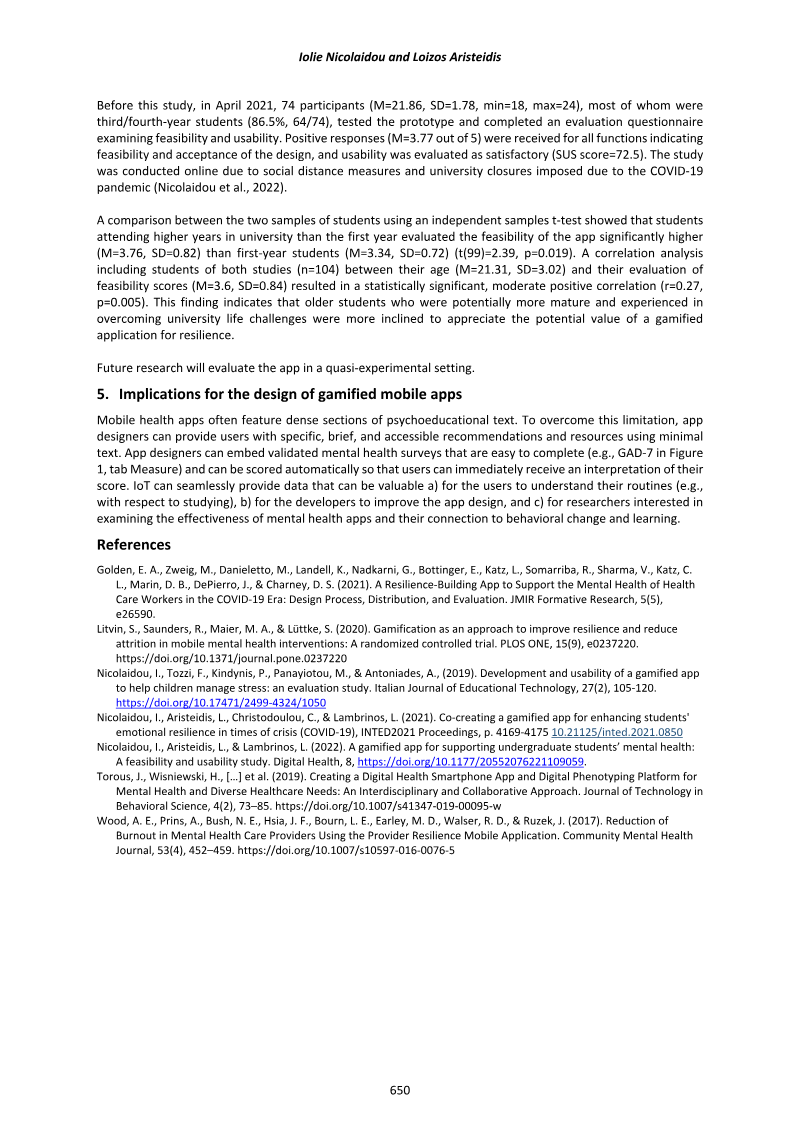
- COVID-19 disrupted education for over 60% of students and was associated with elevated anxiety, motivating a prevention-oriented resilience app for general, non-clinical undergraduates in the post-pandemic period.
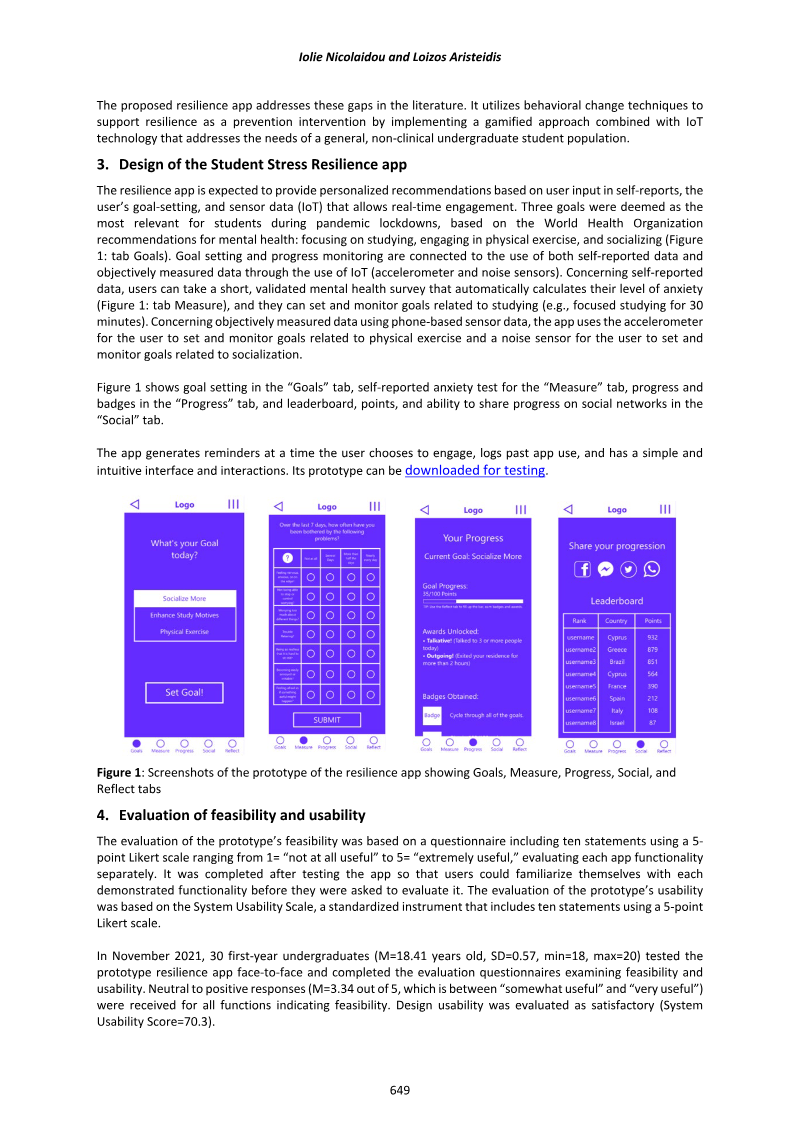
- The proposed prototype is a gamified, theory-based mobile app built around three daily goals derived from WHO mental health recommendations: studying, physical exercise, and socializing.
- Progress is tracked through a combination of automatically scored validated anxiety self-report and phone sensor data, using the accelerometer for exercise goals and a noise sensor for socializing goals, with points, badges, leaderboards, and social sharing as gamification elements.
Visualization, Serious Games and Decision Making
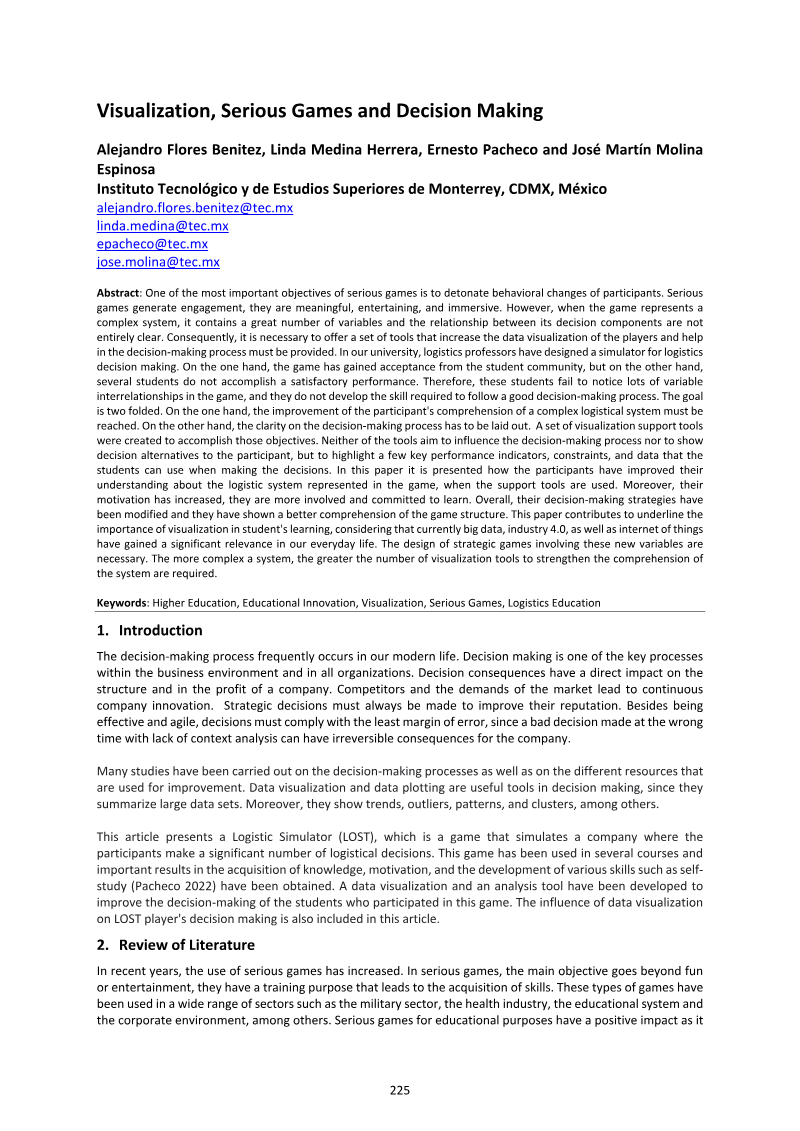
"Visualization, Serious Games and Decision Making" examines whether visual data support can enhance student learning and decision-making within a logistics serious game.
- The study tests whether the Data Hound and Visualizations (DHV) dashboard, a companion to the LOST logistics business simulator, helps students understand complex supply-chain systems without dictating their decisions.
- In a 33-student pilot, 69.7% found LOST helpful for learning (78% including intermediate responses), with DHV receiving somewhat lower but comparable perceived benefit.
- Usability ratings favored LOST, with 36.4% rating it highly usable versus 21.2% for DHV.
Integrating the 4Cs into Creating Games by Visual Programming and Project Based Learning
This study examines how visual programming environments, specifically Kodu and Scratch, can be integrated into Greek primary school language instruction through a Games Based Learning and Project Based Learning framework, with the aim of building 21st century skills such as critical thinking, creativity, collaboration…
- Kodu and Scratch were used to build 21st century skills (critical thinking, creativity, collaboration, communication, digital literacy) in Greek primary school language lessons, with 75 fifth and sixth grade students across three 12-week interventions in 2016, 2017, and 2018.
- Students worked in groups of three or four, with 25 using Kodu and 50 using Scratch, creating their own narrative-driven digital games within regular language instruction.
- Student questionnaires on a five-point Likert scale reported about 95% found the tools useful, 90% enjoyed collaborating on game design, and 85% valued sharing their games online.
Learning to Escape or Escaping to Have Fun: Do Educational Escape Rooms Positively Impact Students' Performance in Business Higher Education?
Molina, Ramírez-Vásquez, and Cortez Márquez examine whether a digital educational escape room (DEER) improves business students' performance in a blended undergraduate course.
- A digital educational escape room did not produce a statistically significant improvement in midterm performance: treatment-section students averaged 81 versus 79 for the control section, a difference the Wilcoxon test found non-significant (p = 0.1748).
- The study compared roughly 160 students in a spring 2022 treatment section against a fall 2021 control section drawn from 15 campuses, using a 50-minute remote escape room covering two core course topics completed one week before the midterm.
- Students rated the experience favorably on five-point scales: general opinion averaged 4.13, perceived fun 4.16, and perceived knowledge improvement 4.13, with 83 percent wanting similar activities in other courses.
Pure Gamification: An Energy Case
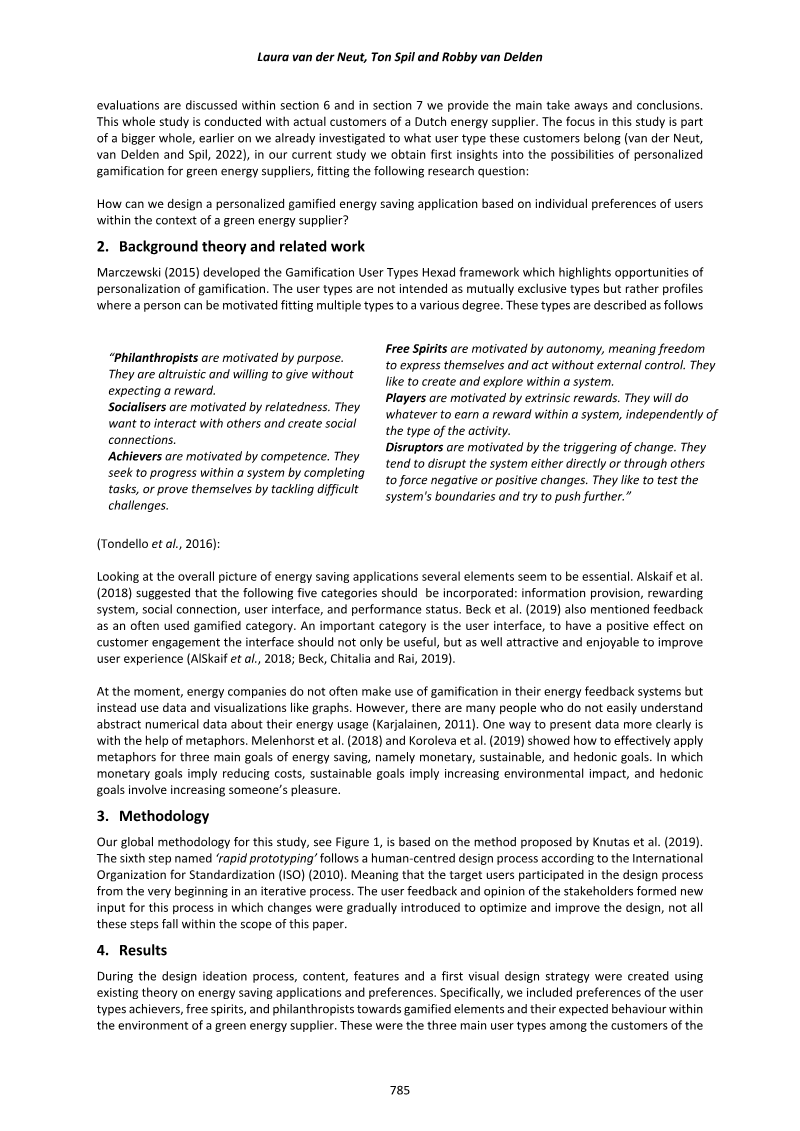
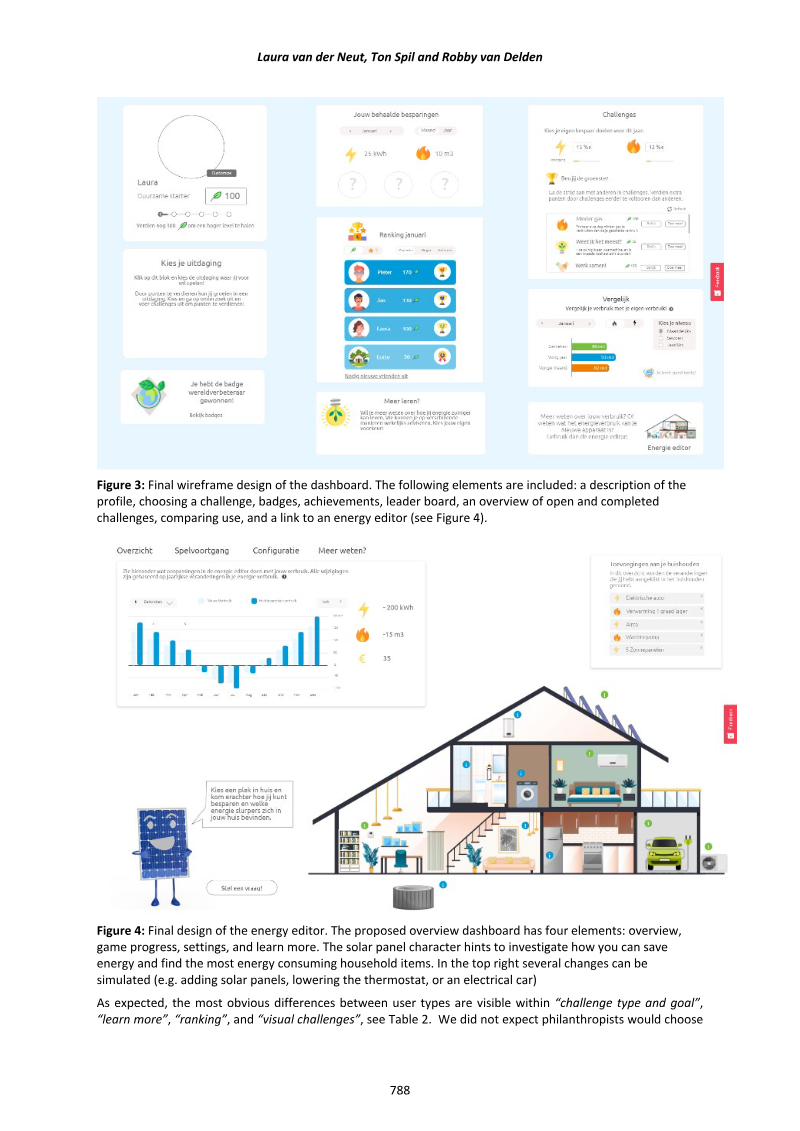
This paper investigates how a personalized gamified energy-saving application can be designed for customers of a Dutch green energy supplier, prompted by legislation requiring Dutch energy suppliers to encourage customer energy savings since 2017.
- Dutch energy suppliers have been legally required since 2017 to encourage customers to save energy, which motivated this study of a personalized gamified energy-saving app for customers of a Dutch green energy supplier.
- The authors removed the machine-learning components from Knutas et al.'s design method, added a final evaluation phase, and ran an iterative, human-centred process built around the Gamification User Types Hexad framework.
- The central finding is that designing gamified elements around each user type's dominant motivation is an effective personalization strategy and a practical alternative to machine-learning-driven personalization, which the authors position against the more common approach of assigning different element sets to each type.
Creating an Escape Room for Cultural Mediation: Insights from The Archivist's Dream
"The Archivist's Dream" is a live escape room developed by the University for Continuing Education Krems for the Archives of Contemporary Arts in Austria, designed to foster cultural mediation and audience development rather than to teach directly.
- The Archivist's Dream is a live escape room developed by the University for Continuing Education Krems for the Archives of Contemporary Arts in Austria, aimed at cultural mediation and audience development rather than direct instruction.
- The game is framed as an 'advergame' at the intersection of cultural mediation and serious games, translating archival thinking (attributing, deciphering, contextualizing) into puzzle mechanics.
- Its design seeks to make the archive a desirable place to return to, while avoiding three pitfalls: unclear simplification, superficiality, and negativity.
Gamification for the Development of Competencies in Tec21 Based on Mixed Reality
This study from Tecnologico de Monterrey examines whether gamification, combined with virtual and augmented reality, can strengthen student learning and competency development within the institution's Tec21 challenge-based model.
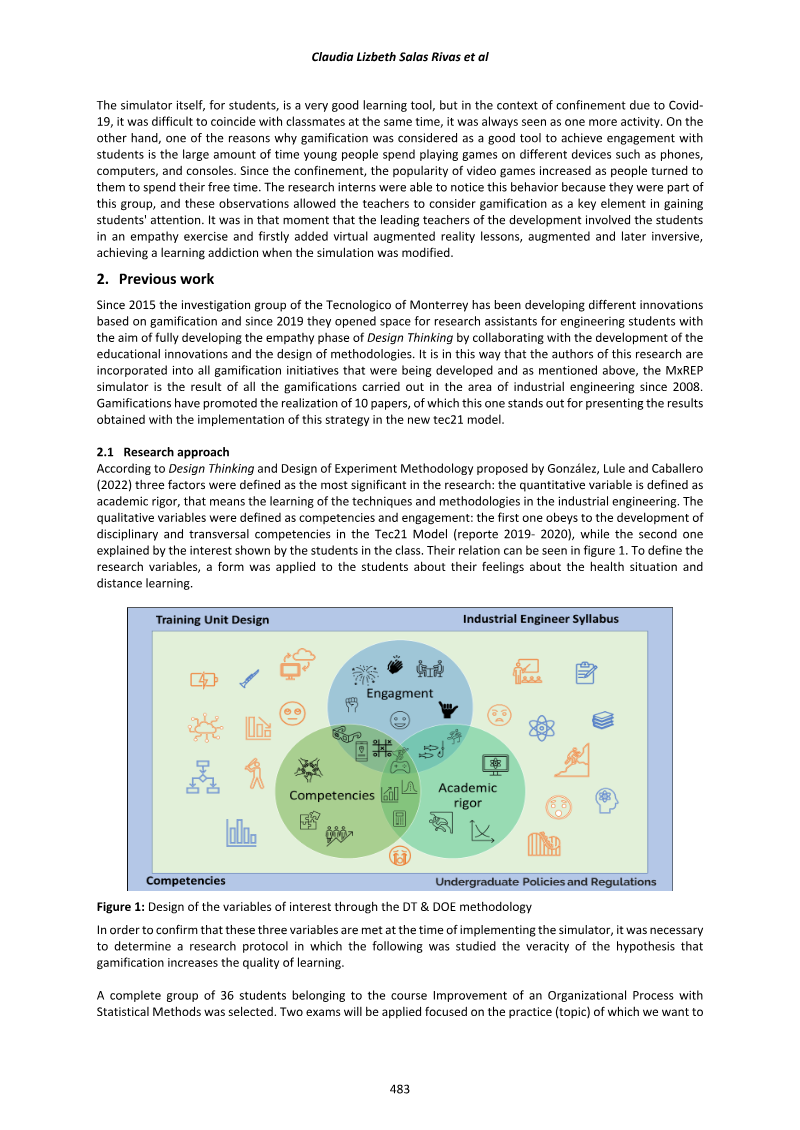
- A single-cohort study of 36 industrial engineering students at Tecnologico de Monterrey found mean exam scores rose from 81.22 before using the MxREP simulator to 97.47 afterward, a statistically significant gain (paired t-test p = 0.000 at 95% confidence).
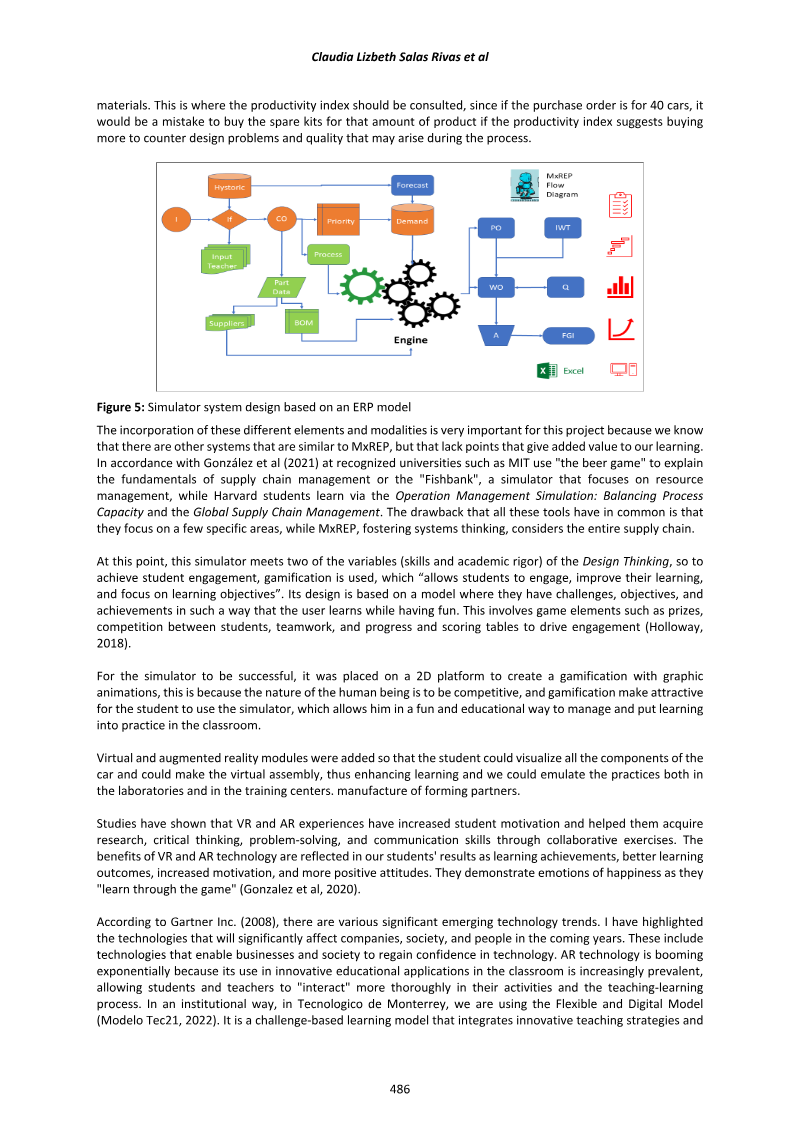
- MxREP (Mixed Reality Enterprise Planning) is an ERP-style simulator that emulates the supply chain and production processes of a scale car manufacturing line built from Meccano parts, combined with virtual and augmented reality within the Tec21 challenge-based model.
- The project was motivated by the disruption of remote learning during COVID-19, which left students disengaged and showing signs of stress, anxiety, and depression.
The Challenges of Designing Learning Games: Interviewing Professional Learning Game Designers
This study examines how professional designers of K-12 learning games manage knowledge across three domains: pedagogical, disciplinary, and game design.
- Effective K-12 learning games depend on collaboration among game designers, subject matter experts, and educators, a process that is difficult in practice because subject experts may struggle to translate their knowledge into playable form and teams often disagree about which content to keep.
- Interviewees stressed that all three domains (pedagogical, disciplinary, and game design) must be involved early and throughout development, a model one participant called the "trinity of learning games."
- Learning objectives should be tightly connected to game mechanics from the outset rather than appended afterward.