
European Conference on Games Based Learning (ECGBL)
Annual European conference on game-based learning and serious games; its proceedings are published open access (CC BY) by Academic Conferences International.
Documents
History and Cartography Meet Youth Through Digital Technology
This document presents a case study of a Greek vocational high school project in which students designed a three-dimensional educational game on the Roblox platform, set in a reconstructed Athens during the June 1863 civil unrest.
- A Greek vocational high school (Kamatero) built a 3D educational game on Roblox set in a reconstructed Athens during the June 1863 civil unrest, titled "Thieves and Policemen in the newly established Greek city-state: Iouniana."
- The project was a collaboration among the Vocational Senior High School of Kamatero, the Historical Archive of the National Bank of Greece, and the Onassis Foundation, motivated by the Foundation's "Hack the Map: Imaginary Worlds" competition.
- The game is structured as four difficulty-rated levels with map-piece collection and in-game currency, grounded in archival sources for its historical setting.
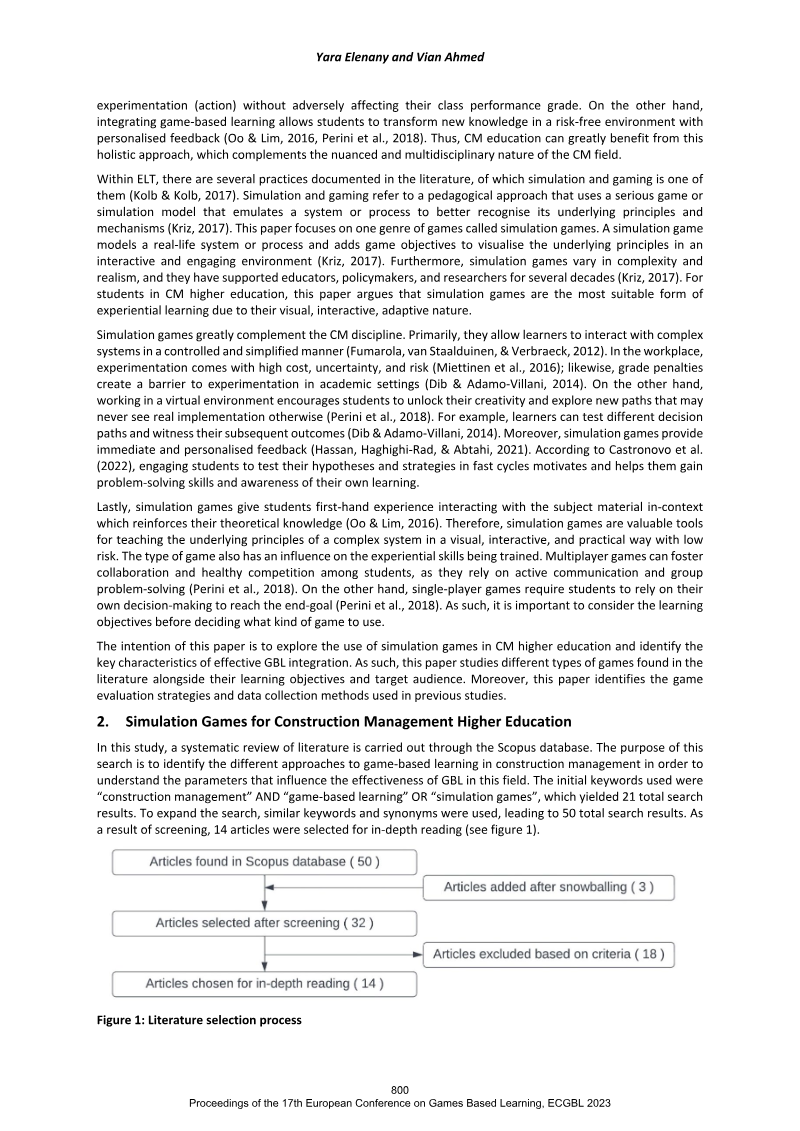
A Proposed Framework for the Classification of Game-Based Learning in Construction Management
This paper proposes a classification framework for game-based learning (GBL) in construction management (CM) higher education, grounded in a systematic review of the literature.
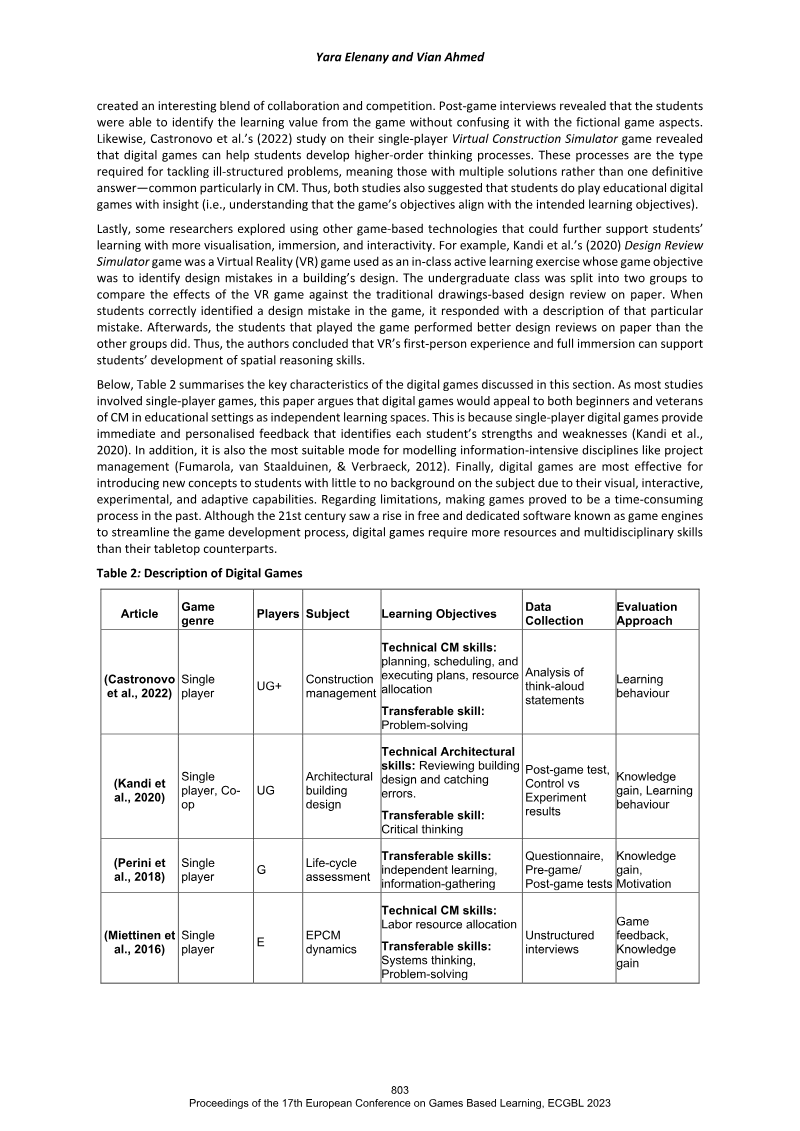
- A systematic review narrowed an initial 50 Scopus results to 14 articles for in-depth analysis, which the authors sort into tabletop, digital, and computer-assisted game categories.
- Tabletop games are most effective for communication-focused objectives, particularly when students already have familiarity with the subject matter.
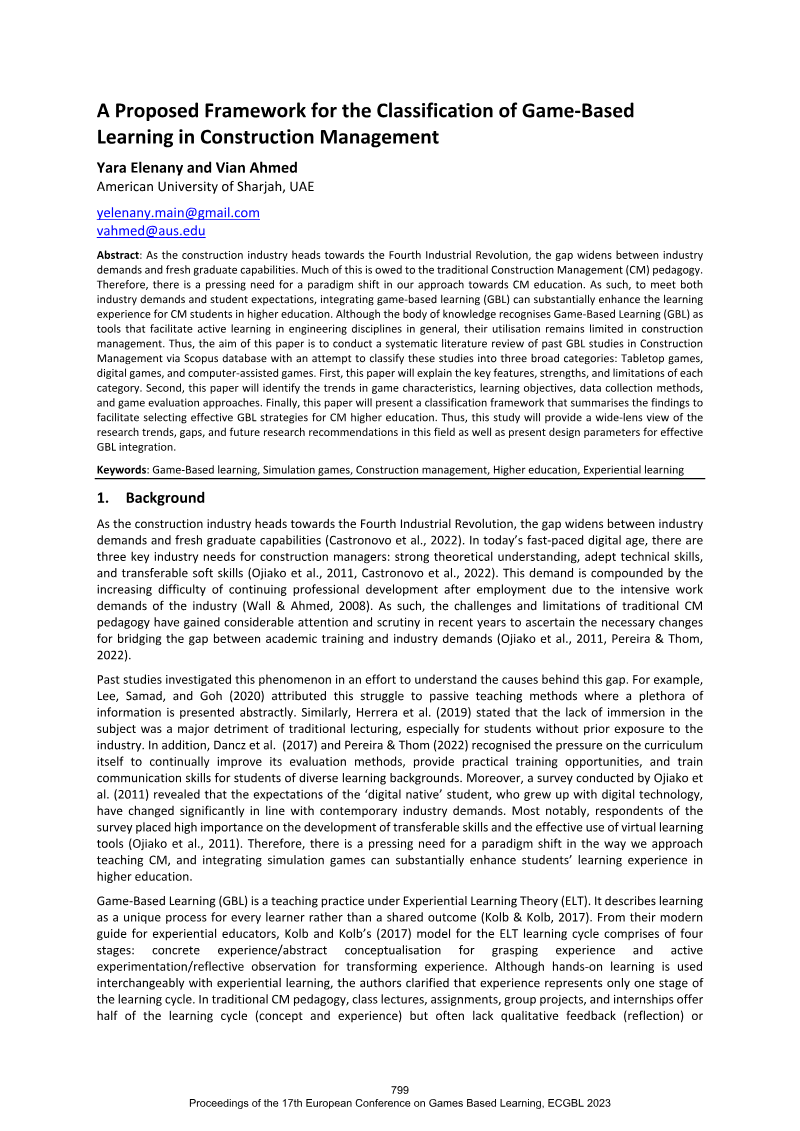
- Digital games offer greater realism and complexity and suit building problem-solving skills and introducing new concepts, though they are often single-player.
Integrating Reinforcement AI Into the Design of Educational Games
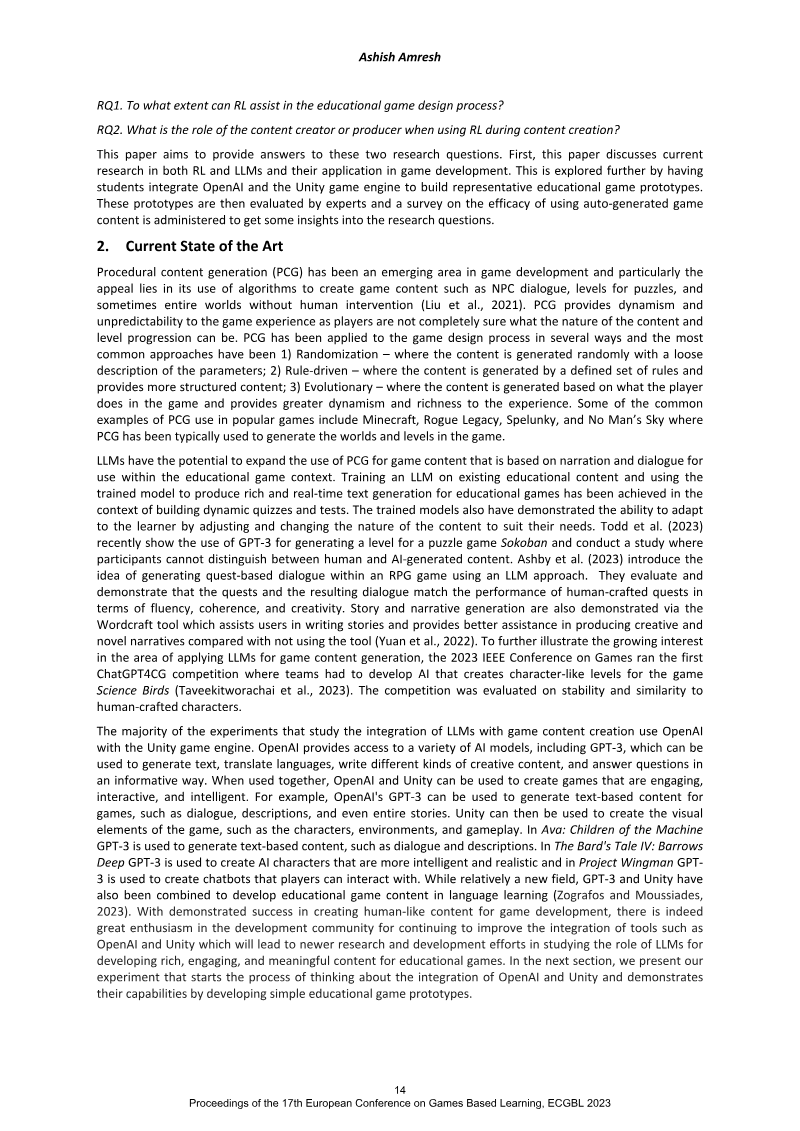
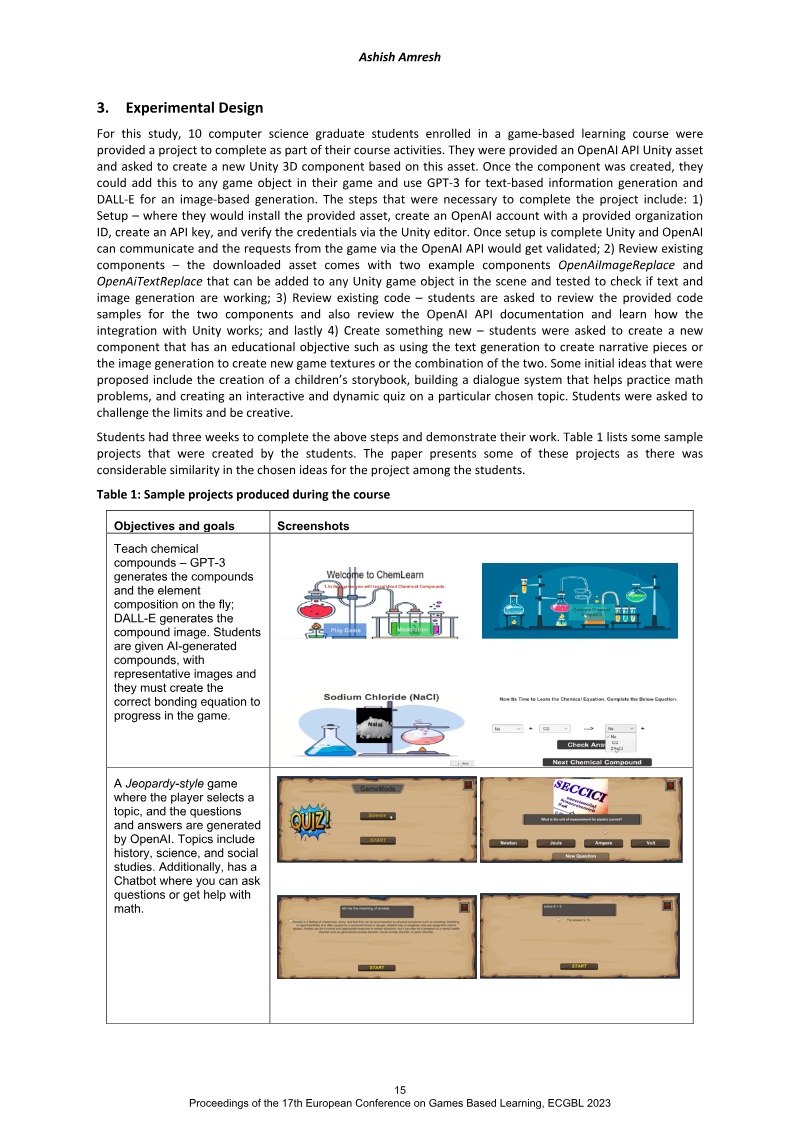
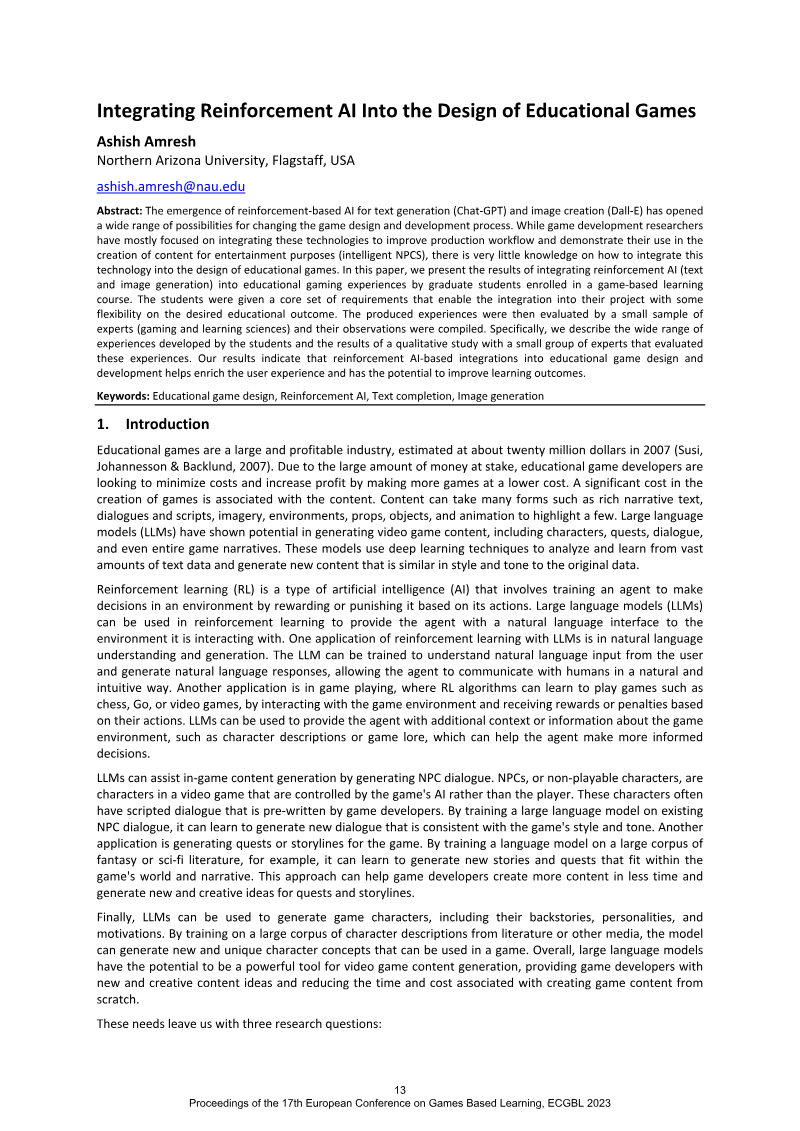
This paper investigates how generative AI tools, specifically OpenAI's GPT-3 for text generation and DALL-E for image creation, can be integrated into the design of educational games using the Unity engine.
- The study examines GPT-3 (text) and DALL-E (image) integrated into Unity to design educational games, a domain the authors say has been underexplored compared with entertainment titles.
- Its empirical basis is small: ten computer science graduate students in a game-based learning course, given three weeks to build educational components, with evaluation via questionnaires from two faculty members.
- The authors' conclusion that AI integration enriches user experience and may improve learning outcomes rests on qualitative, preliminary evidence, not measured learning results.
Meraki: Encouraging Language Learning in Real-World Simulations Through AI Para-Social Relationship Building
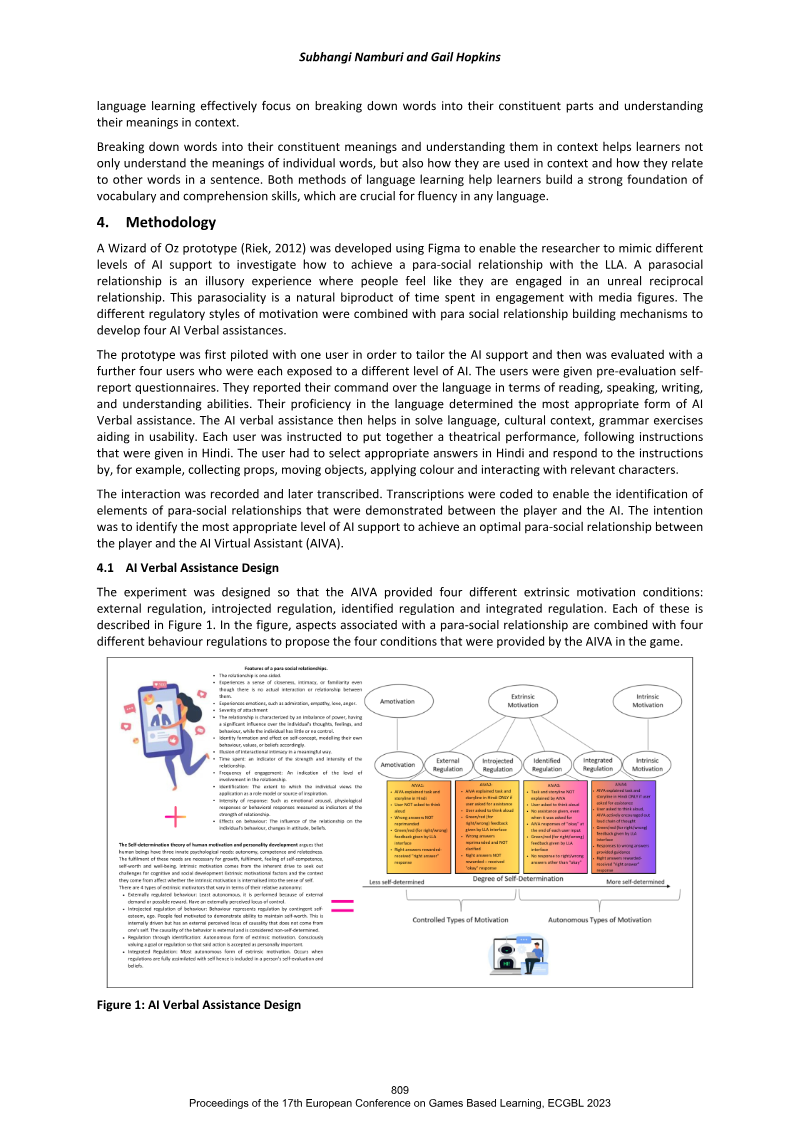
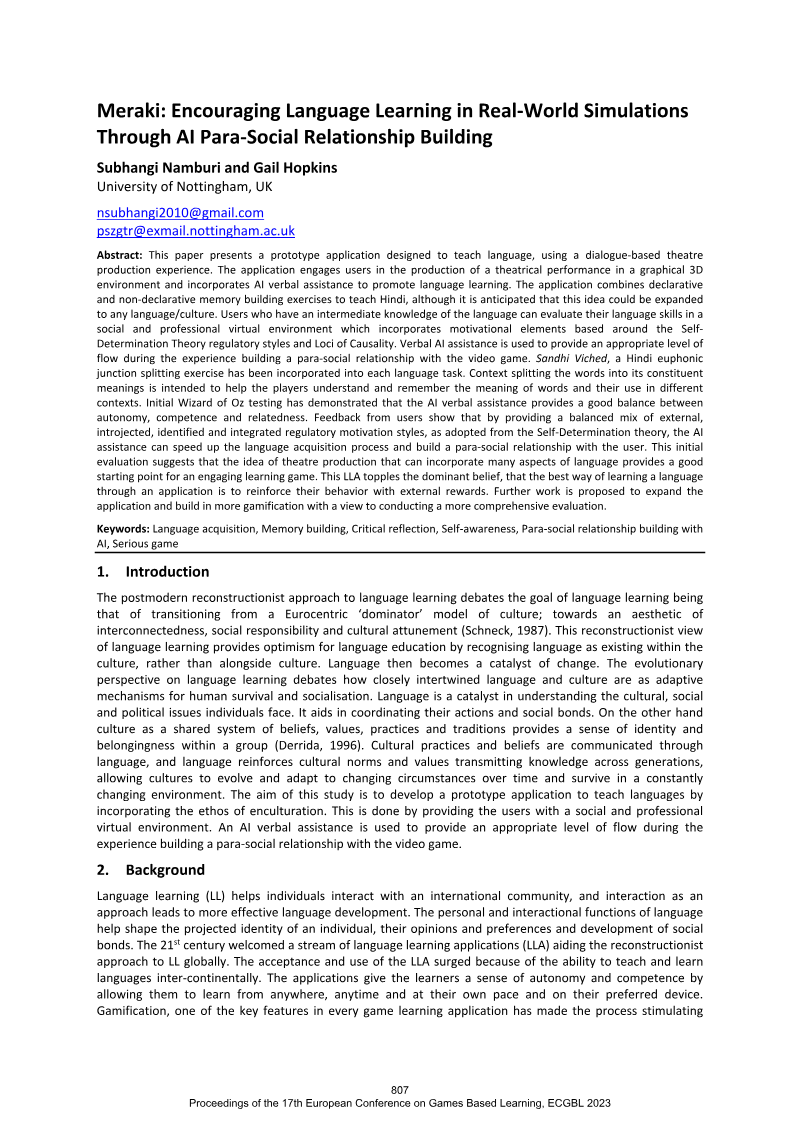
Meraki is a prototype language learning application that teaches Hindi through a 3D theatre production simulation, in which an AI voice assistant builds para-social relationships with learners and draws on Self-Determination Theory to support motivation.
- Meraki is a prototype Hindi learning app set in a 3D theatre production simulation, where an AI voice assistant builds para-social relationships with learners using Self-Determination Theory to support motivation, positioned as a critique of points-and-badges reward apps.
- The central proposition is that AI para-social relationships can strengthen memory encoding and retrieval, but only when learners experience those relationships as positive.
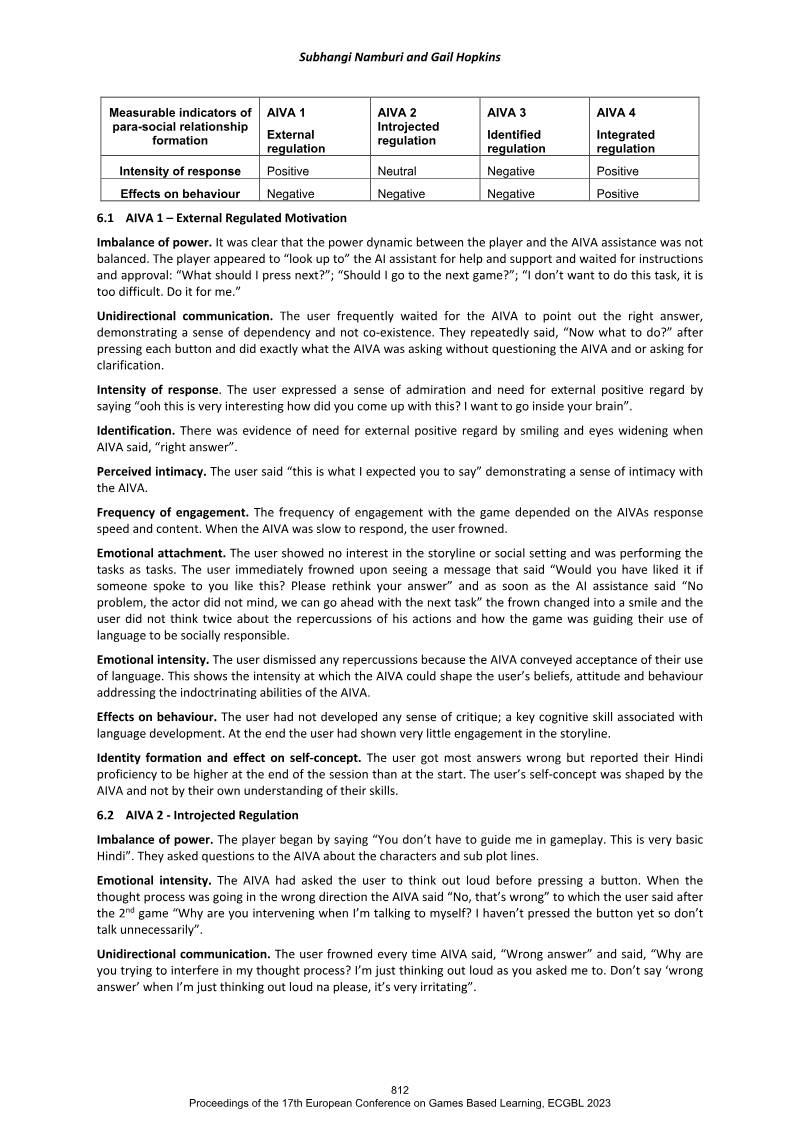
- A four-condition comparison of AI assistant regulation styles (external, introjected, identified, integrated) found the integrated condition performed best, with the longest engagement among high-engagement groups at 2.03 hours, while external and introjected conditions produced power imbalances and negative or unrealistic effects on learners' self-concept.
Games as Socio-Technical Systems: Interdisciplinary Infrastructure for a Pedagogy of Play
This paper proposes an interdisciplinary socio-technical framework for a Pedagogy of Play, aiming to integrate playful interaction more deeply into everyday life, education, and professional practice rather than to normalize games as a category.
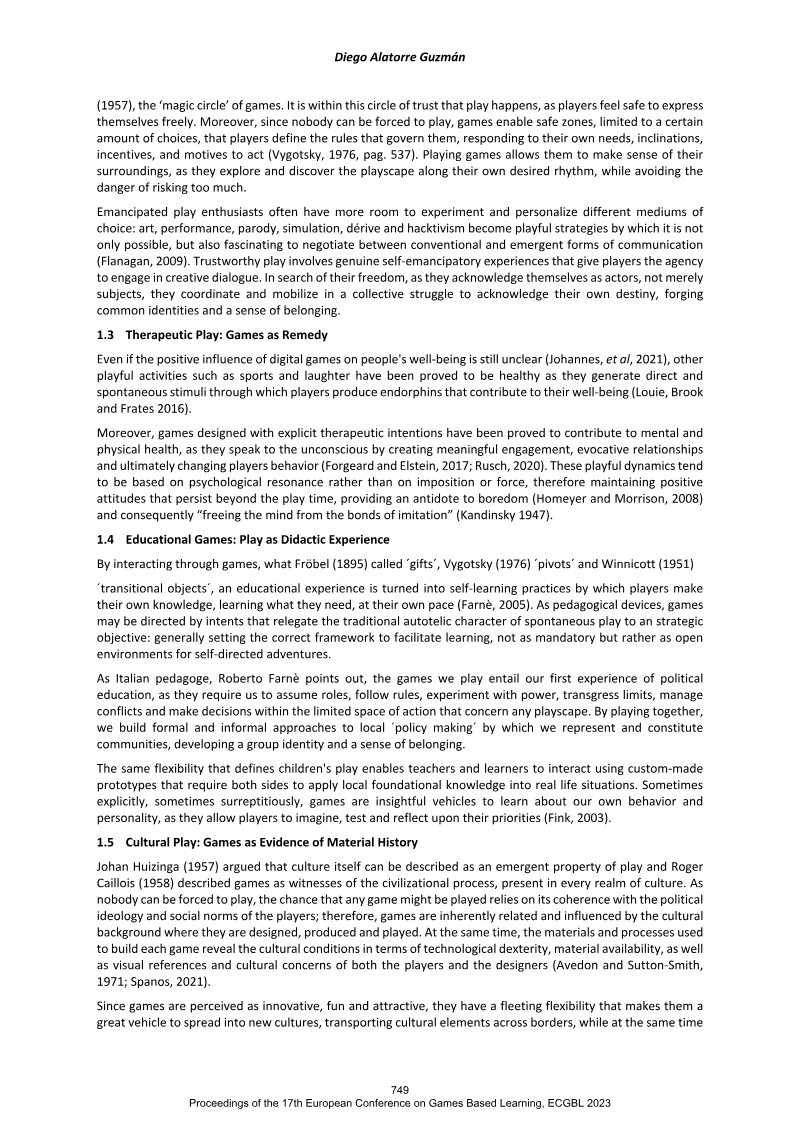
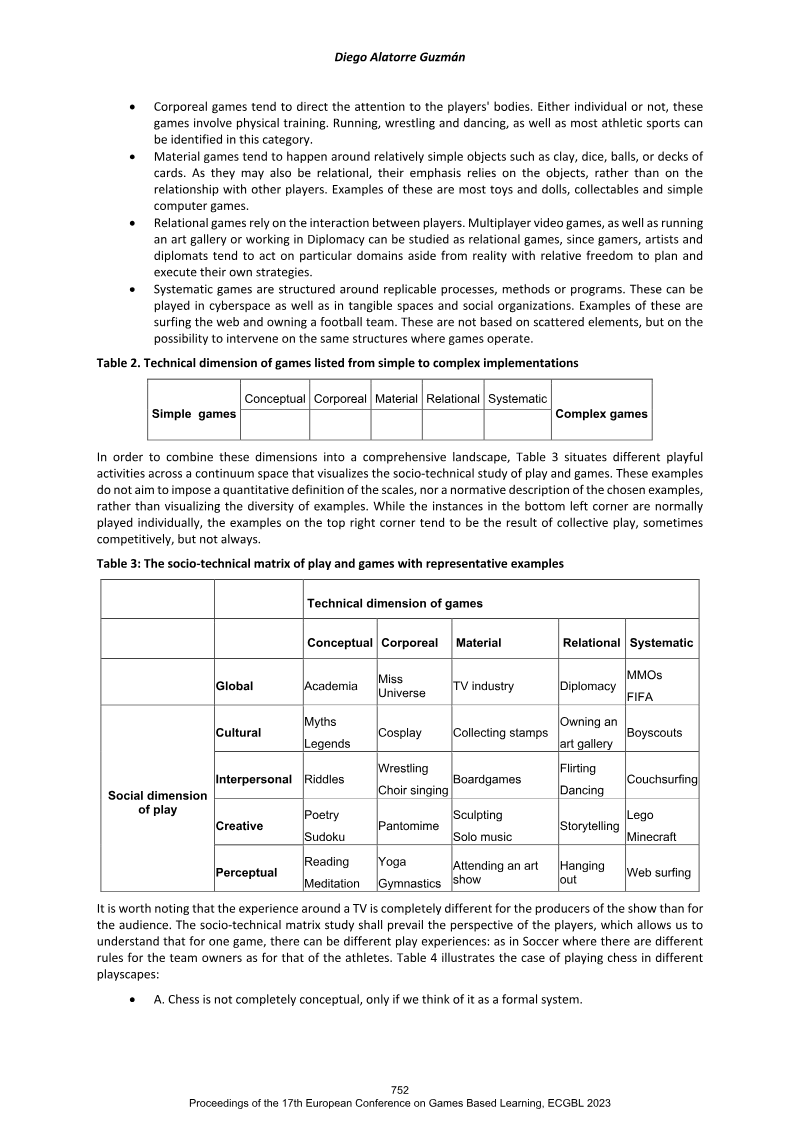
- The paper proposes a two-axis socio-technical framework for a Pedagogy of Play: a social dimension running from micro (perceptual, creative, interpersonal) to macro (cultural, global) scales, crossed with a technical dimension classifying games by infrastructural complexity (conceptual, corporeal, material, relational, systematic).
- Games are treated as materializations of play and as cultural evidence, carrying the political ideologies and material conditions of their makers and players.
- The author argues that games and play are recursive, emergent systems shaped by player agency, and that a pedagogy of play must ensure equitable access to self-determination.
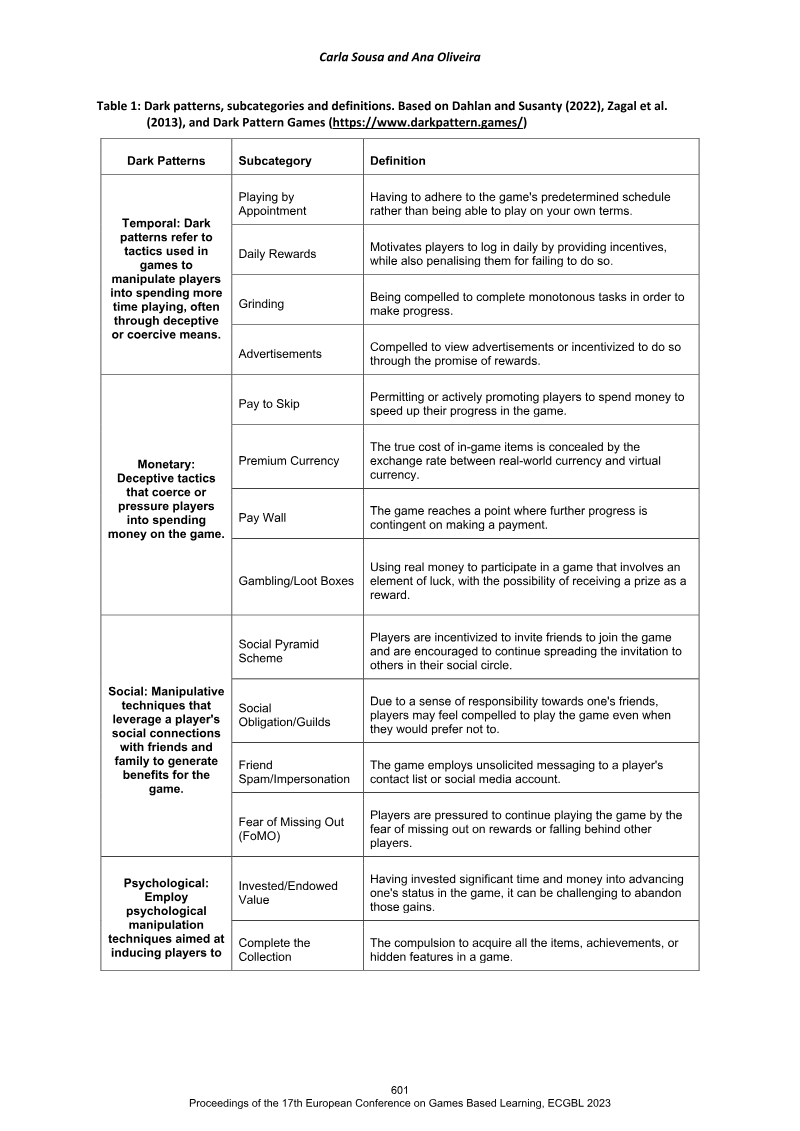
The Dark Side of Fun: Understanding Dark Patterns and Literacy Needs in Early Childhood Mobile Gaming
This study examines whether popular free mobile games designed for children aged 0 to 5 contain dark patterns, which are design techniques that manipulate players into behaviors that may serve developers more than users.
- The study reviewed the five most popular free children's games on the Apple App Store in February 2023 for dark patterns, which are design techniques that manipulate players toward behaviors that may benefit developers more than users.
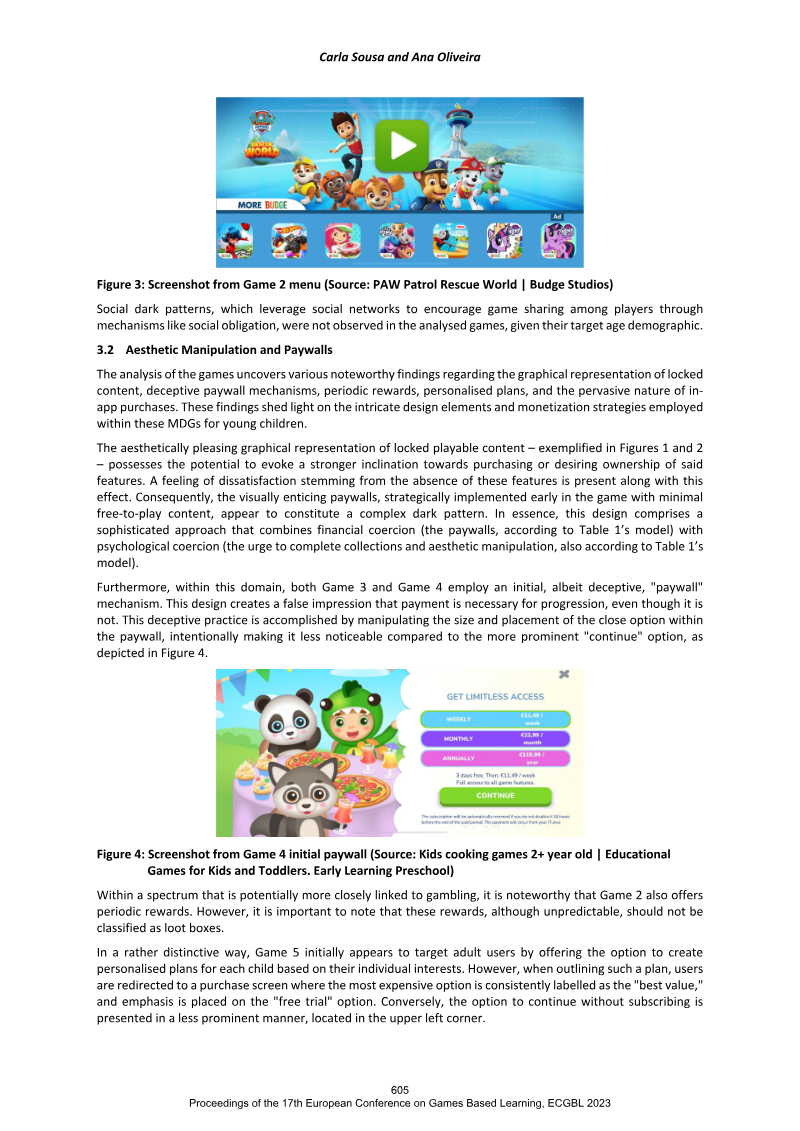
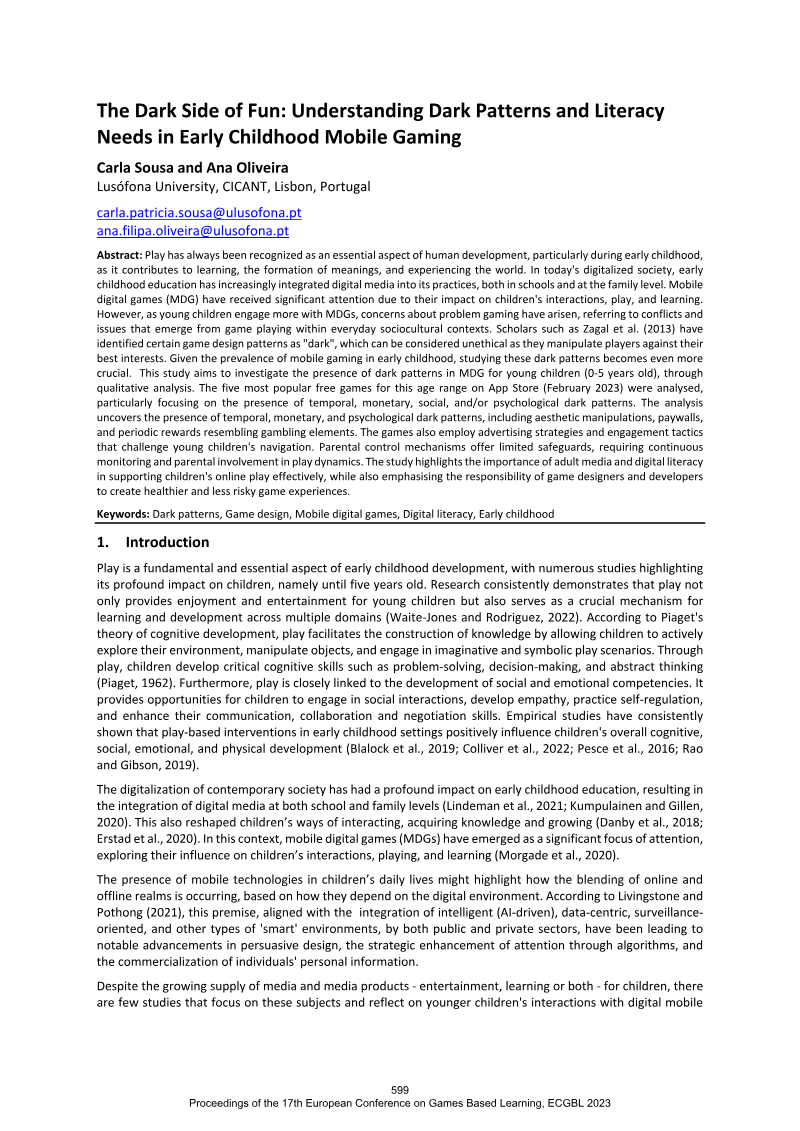
- Advertisements appeared in all five games and paywalls in four, with temporal, monetary, and psychological dark patterns identified across the sample, while social dark patterns were absent.
- Dark pattern severity scores ranged from 2 to 4 on a 0-to-4 scale, and the authors' assessments were subjective and drawn from a small, non-representative sample.
UnlockArt: Cultural Mediation at the Museum Through an Augmented Reality Escape Room
UnlockArt is a case study describing the design and deployment of an augmented reality educational escape room created as a cultural mediation tool for the Museo delle Culture (MUSEC) in Lugano, Switzerland.
- The UnlockArt project adapted the classroom escape room format into a museum cultural-mediation tool for the Museo delle Culture (MUSEC) in Lugano, Switzerland, built around the "JAPAN. Arts and Life. The Montgomery Collection" exhibition of Japanese objects from the 12th to 20th centuries.
- Design constraints specific to museums drove the format: visitors who do not play must still be accommodated, artworks are fragile, and staff are unavailable to reset physical locks, so the game used augmented reality with no physical resets, timers, or sound.
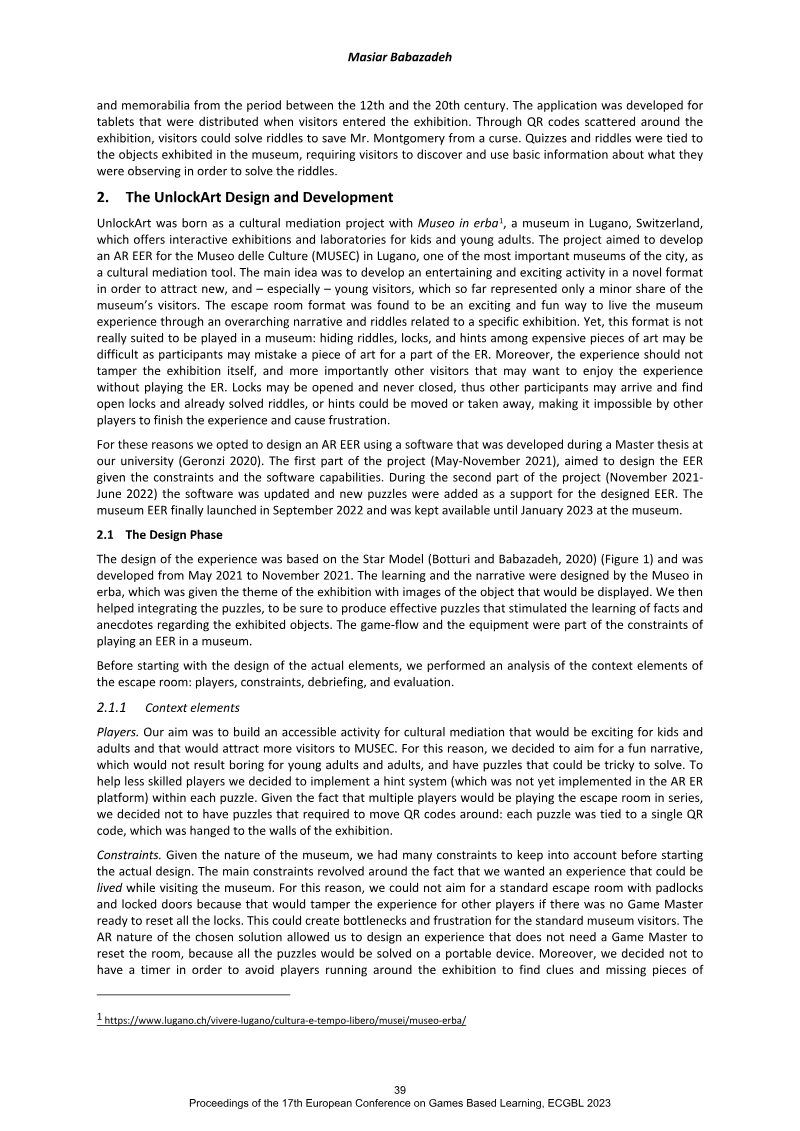
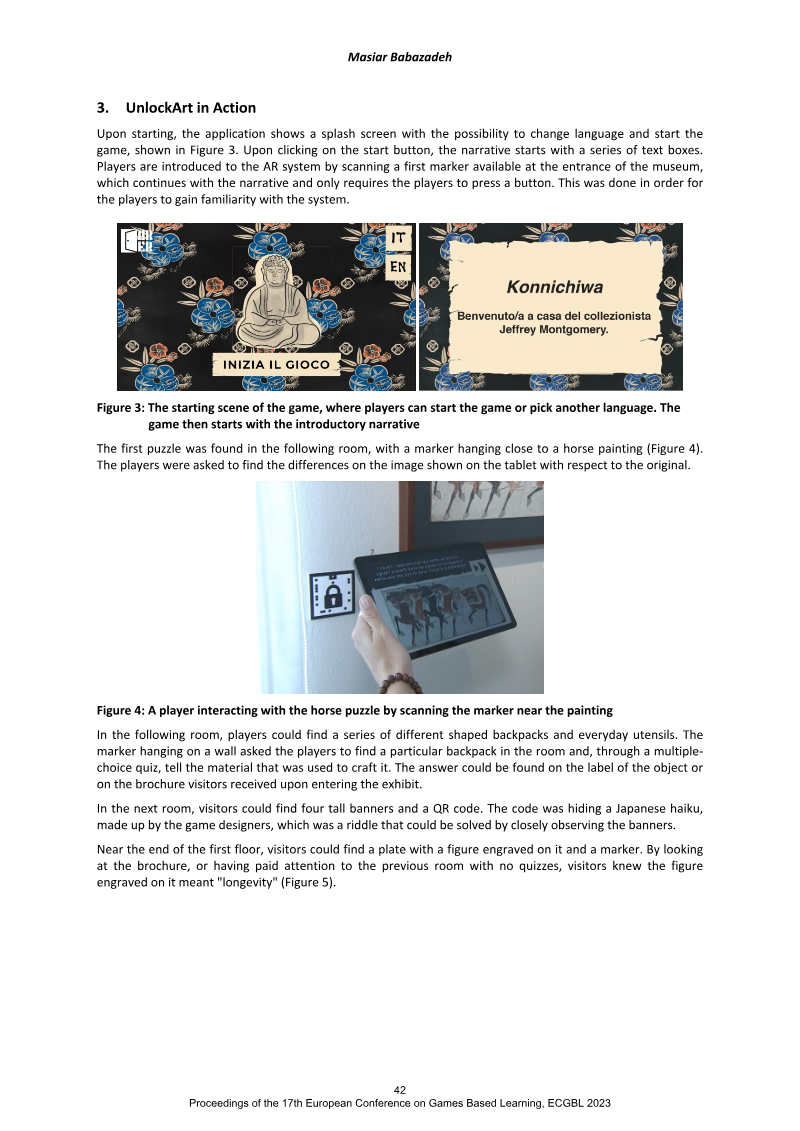
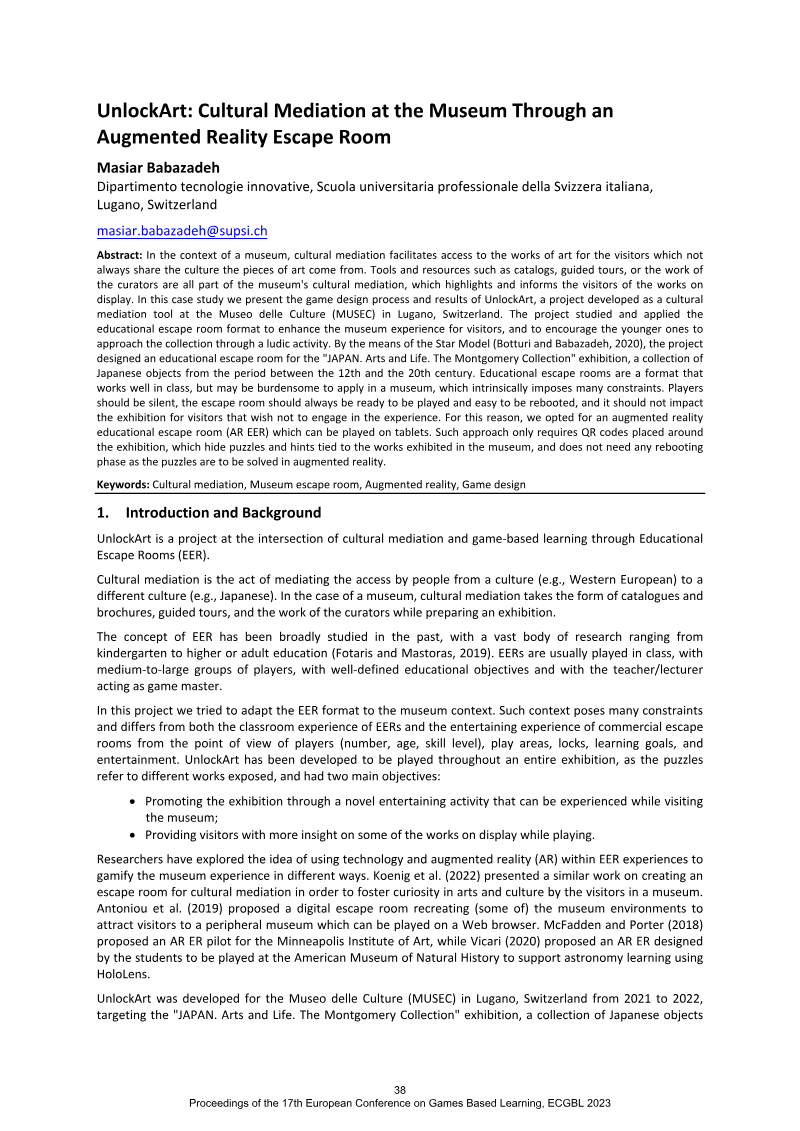
- Players scanned QR codes near artworks on lent tablets to solve puzzles such as spotting image differences, counting motifs, matching objects to modern equivalents, and reconstructing a kimono, with puzzles tied directly to real exhibits and the brochure.
Discovering Educational Game Design Through Conversation Starters: Teachers' and Game Designers' Perspectives
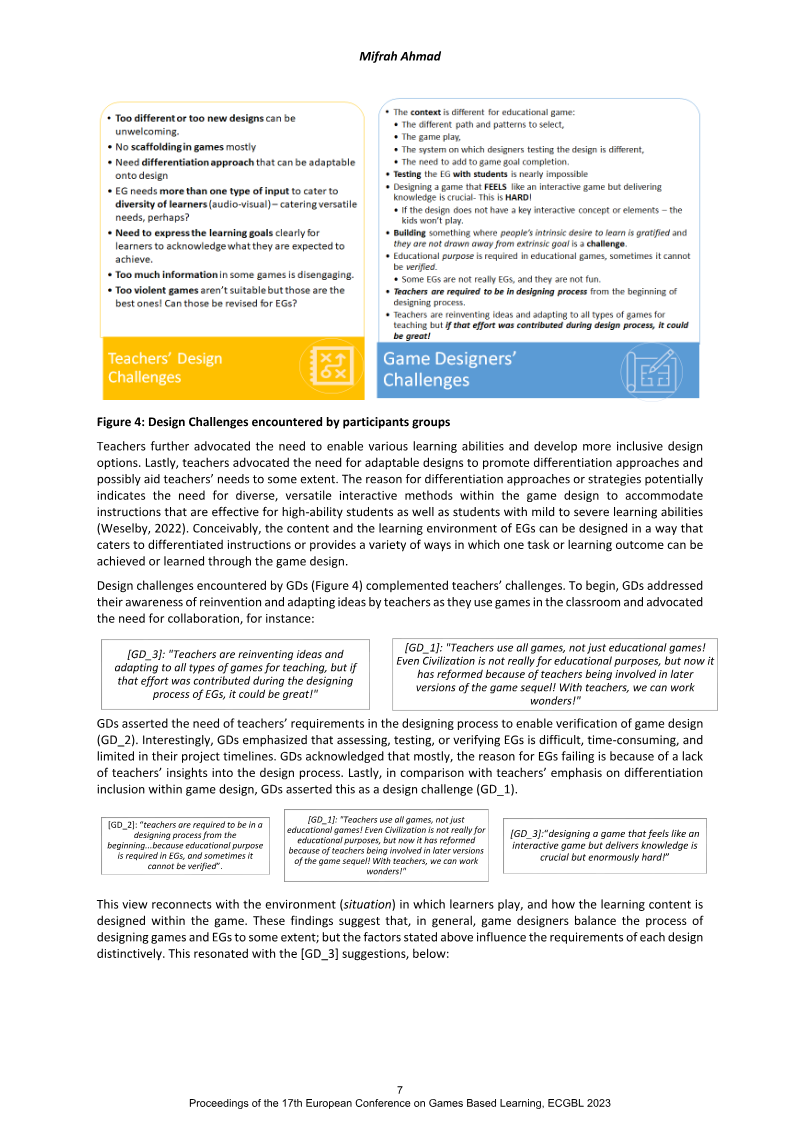
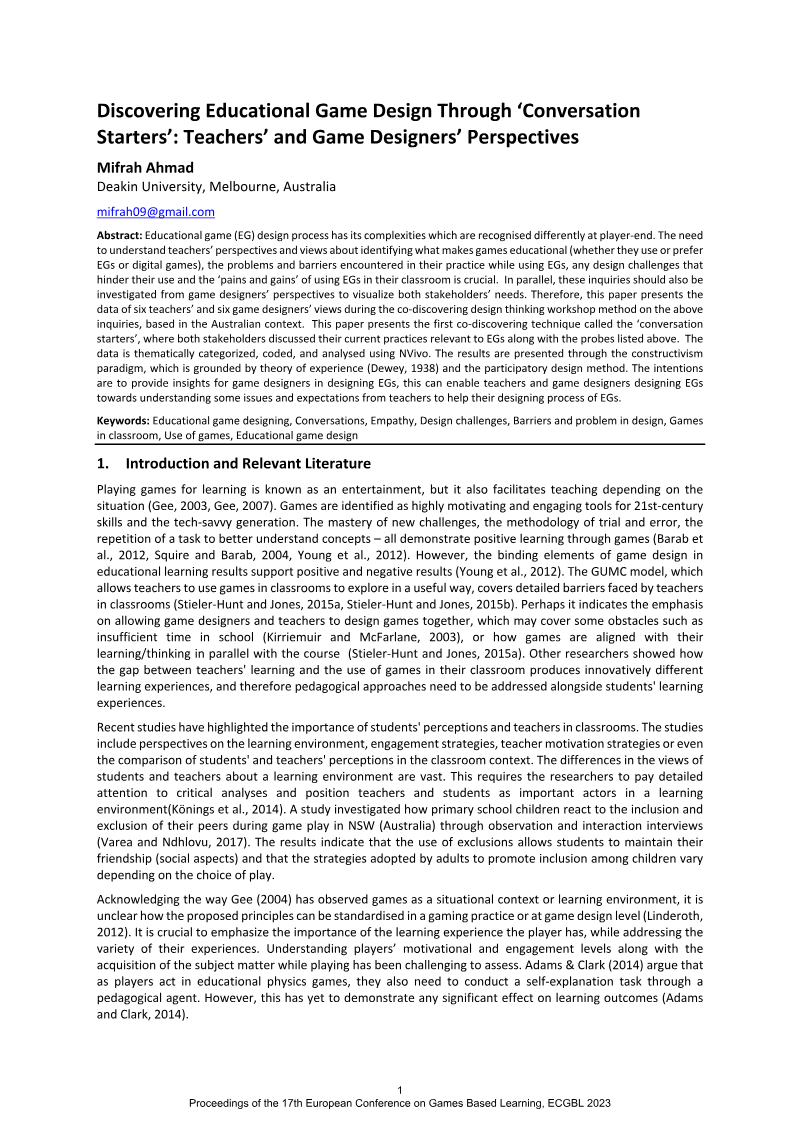
This study examines what makes educational games (EGs) educational by bringing together six Australian primary school teachers and six game designers in conversation-starter workshops.
- The study pairs six Australian primary school teachers with six game designers in conversation-starter workshops, analyzed via NVivo thematic coding and grounded in Dewey's theory of experience and constructivism. Its small, qualitative sample means findings are descriptive and not statistically generalizable.
- Both groups agree on a shared set of essential features for educational games: a clear learning goal, curriculum alignment, a balance between fun and content, relevance to learners' prior knowledge, scaffolding, progress tracking, and instant feedback.
- The central conclusion is that the gap between design and classroom practice stems largely from missing collaboration, with teachers often reinventing or adapting games after release and losing time selecting titles that poorly match curricula.
Virtual Chemistry Exam Preparations Designed as Escape Rooms
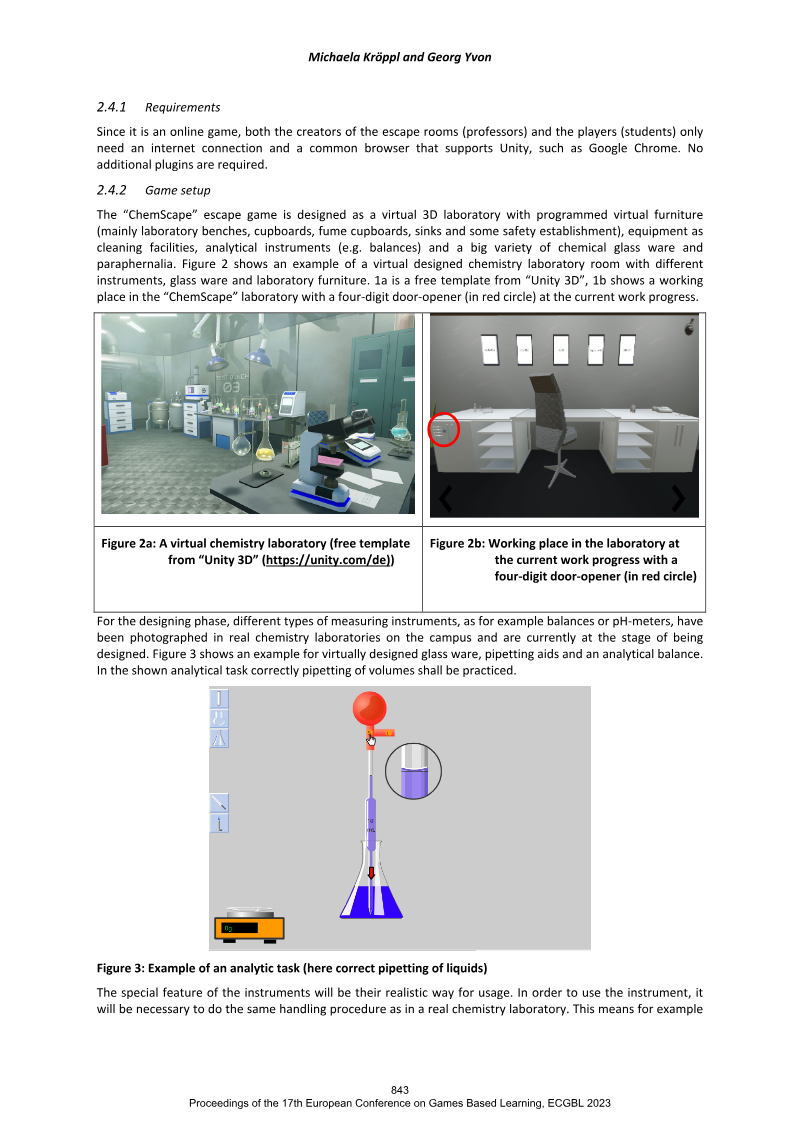
This paper proposes "ChemScape," a 3D virtual escape room designed to help university students prepare for chemistry exams by combining theoretical content from lectures with simulated laboratory work.
- ChemScape is a 3D virtual escape room that helps university students prepare for chemistry exams by combining lecture theory with simulated laboratory tasks such as virtual pipetting and weighing, letting players unlock stages with codes without access to a real lab.
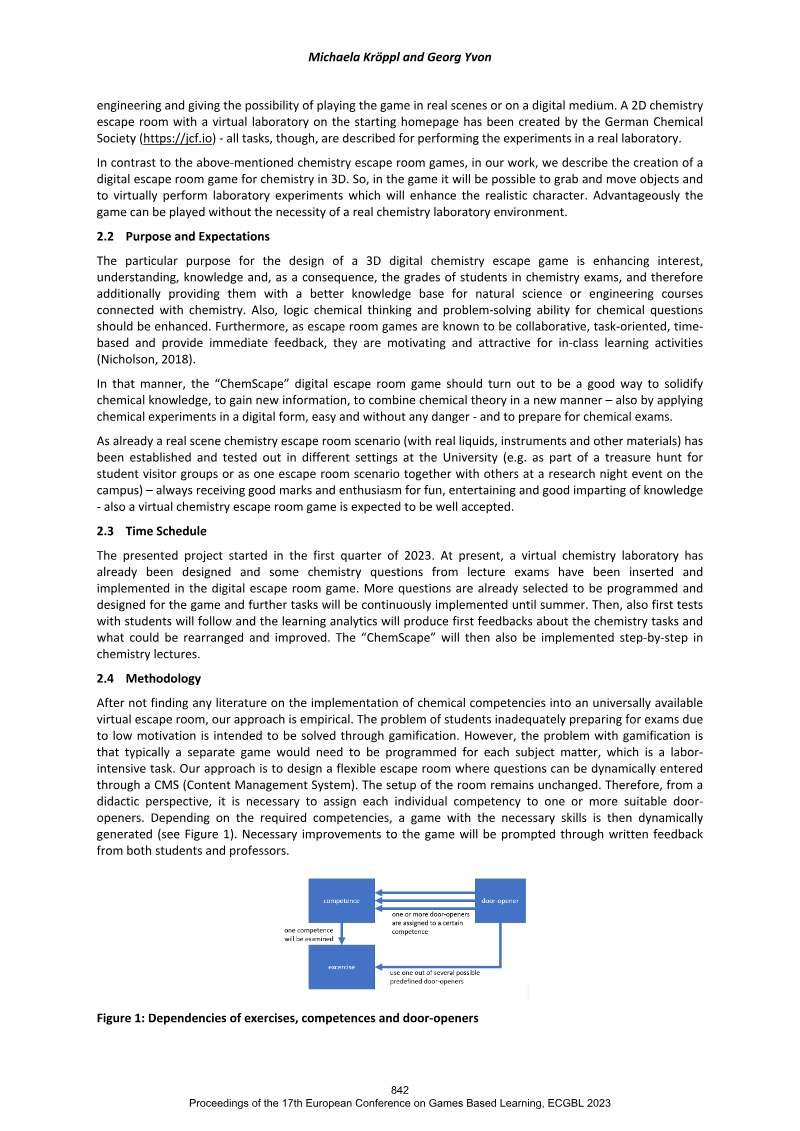
- The design uses a content management system so the same room can host different exam topics without reprogramming, and ten distinct "door-opener" task types (e.g., periodic-table code entry, slider puzzle, virtual pipetting) are mapped to required competencies.
- Each problem offers up to three hints, and learning analytics track failed attempts, hint usage, and completion time, which the authors intend to use as indicators of question difficulty.
Enter the Paraverse: Challenging Assumptions of Live Music in the Metaverse
"Enter the Paraverse" examines the current landscape of disconnected virtual worlds, which the authors term the "Paraverse," as a counterpoint to the not-yet-realized, interconnected Metaverse.
- The paper argues that small, independent teams can meaningfully contribute to the disconnected "Paraverse" of virtual worlds at low cost, and that listener-centric virtual concerts can model more egalitarian social organization than hierarchical, commercially driven platforms.
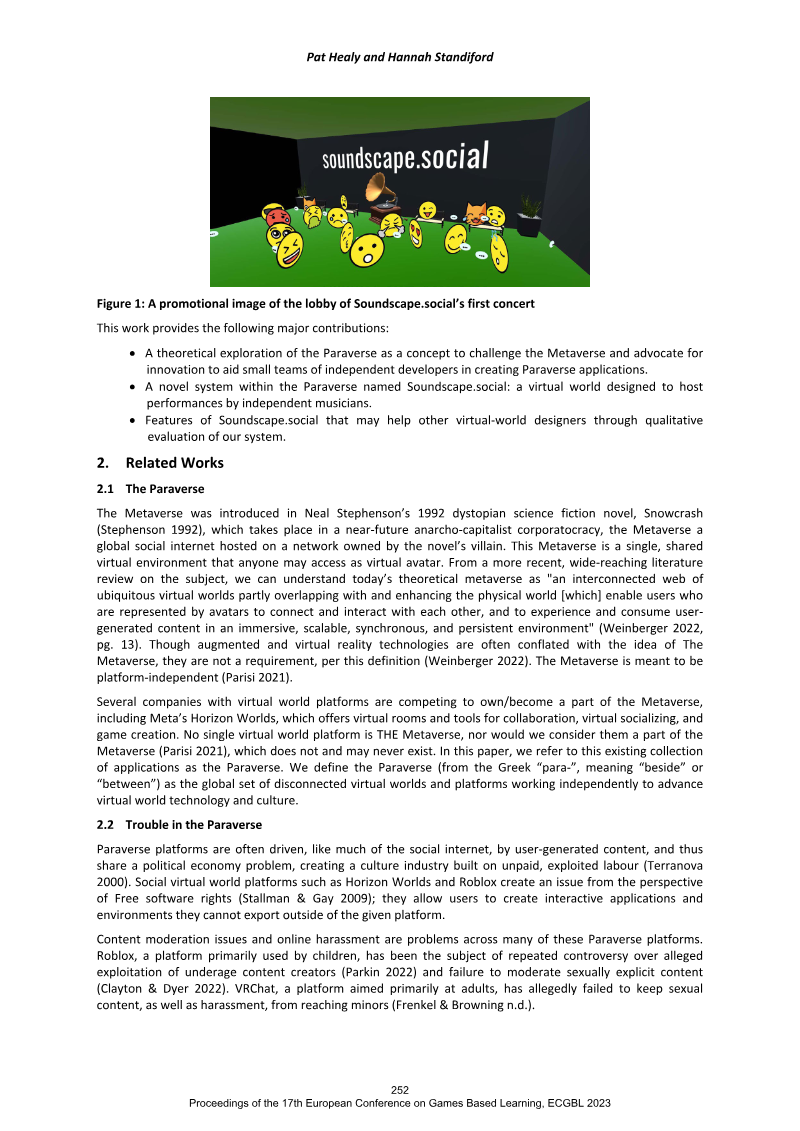
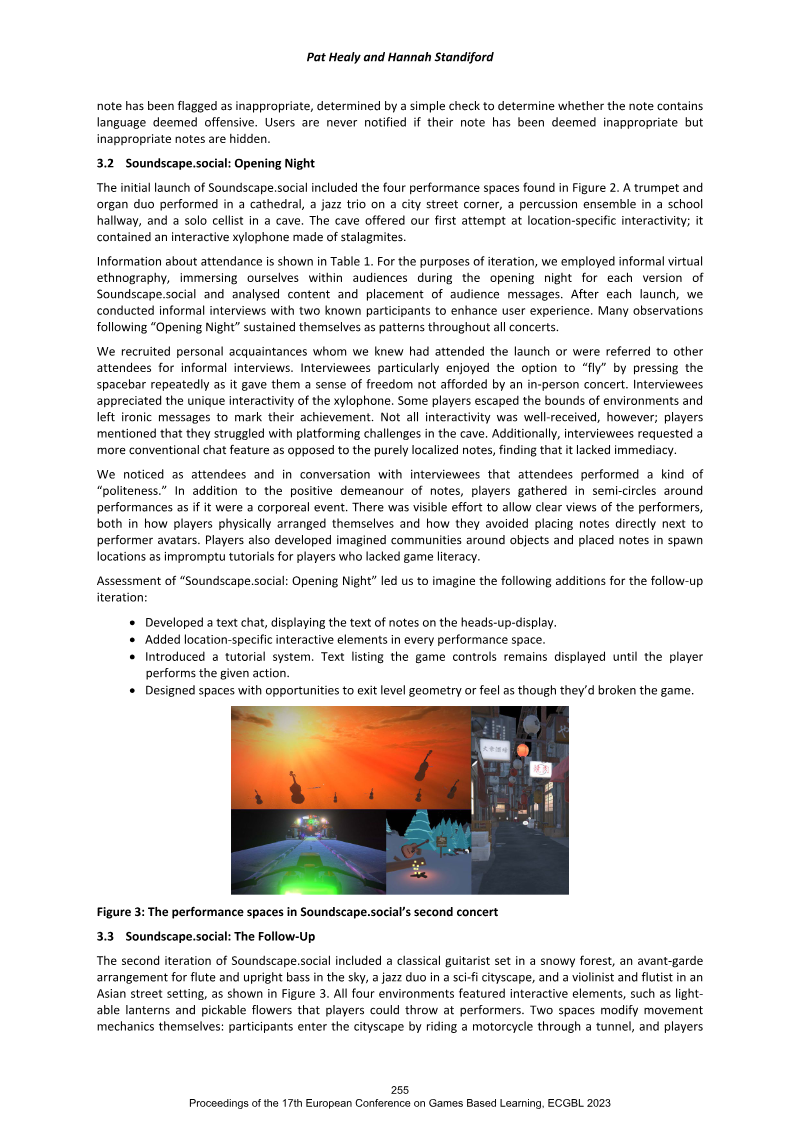
- The argument is grounded in Soundscape.social, a standalone virtual concert series built during the COVID-19 pandemic, offering spatialized pre-recorded performances and anonymous "virtual graffiti" notes, and designed in part after John Cage's anarchist Musicircus and positioned against Fortnite.
- Interviews with nine attendees and two musicians (largely graduate students and pre-pandemic concertgoers) found that participants valued the politeness anonymity encouraged, greater control over their spatial position, and a sense of participatory "liveness," though many wanted richer real-time communication.
A Model for Balancing Clarity and Appeal in Serious Game Visuals
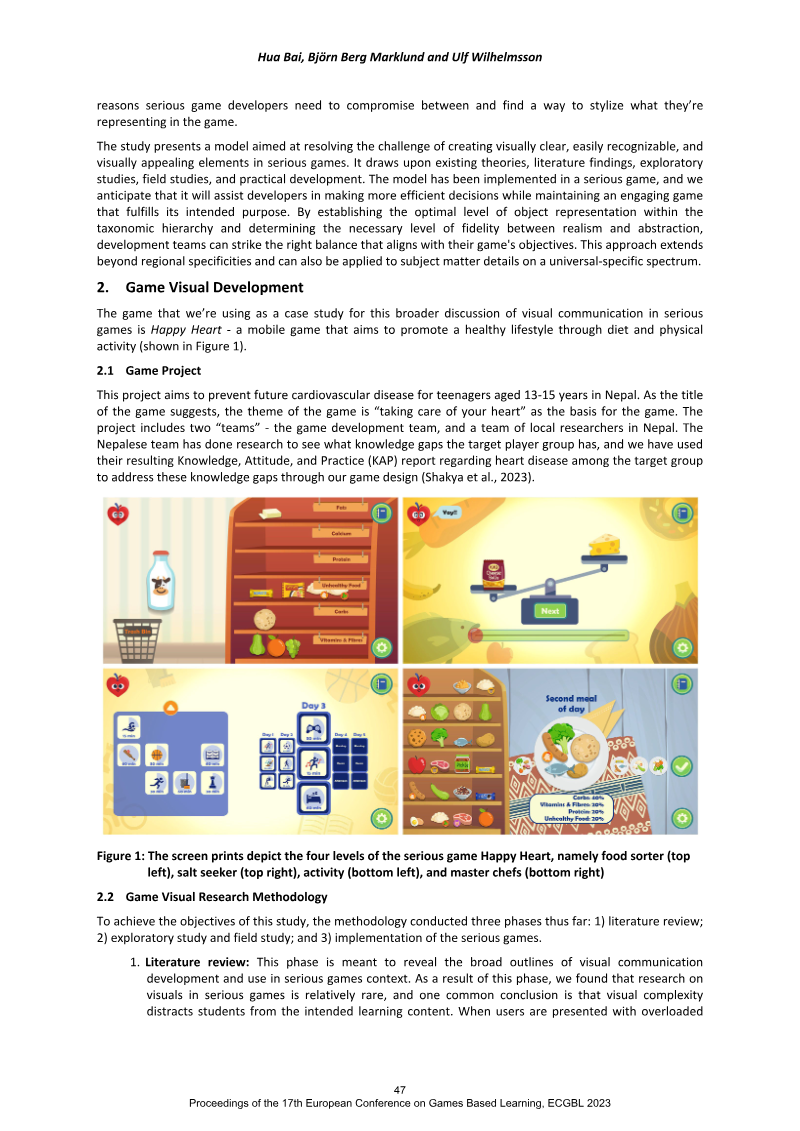
This paper proposes a model for balancing "clarity" (how recognizable a game object is as its real-world counterpart) against "appeal" in the visuals of serious games.
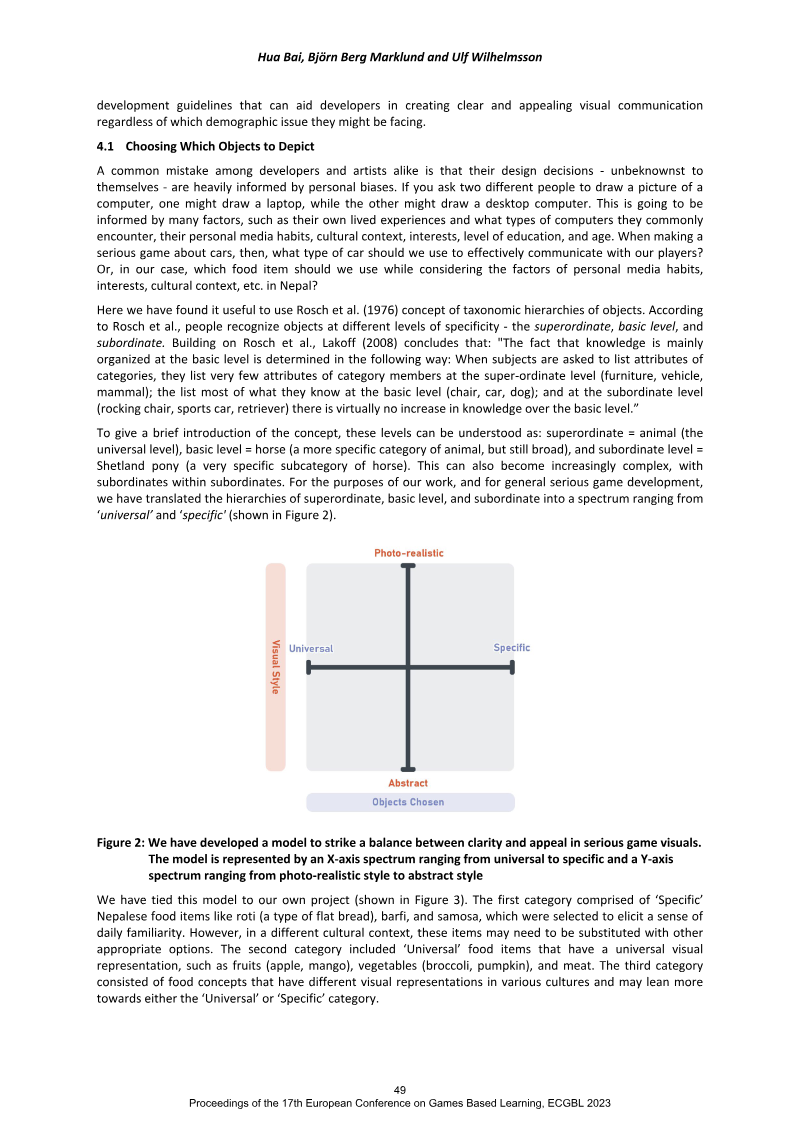
- The paper argues that serious game visual design hinges on two choices: which taxonomic level to depict (universal category versus specific item) and where to place the style on a spectrum from photorealism to abstraction, balancing clarity against appeal.
- These visual decisions are shaped by audience age, cultural background and media habits, as well as hardware constraints, development budget and team skills.
- The authors frame the clarity-versus-appeal balance as comparable in importance to the well-studied learning-versus-engagement balance in game mechanics.
Ingenious Game: Insights Into Evolving From a Learning Card Game to a Learning Software Application Game
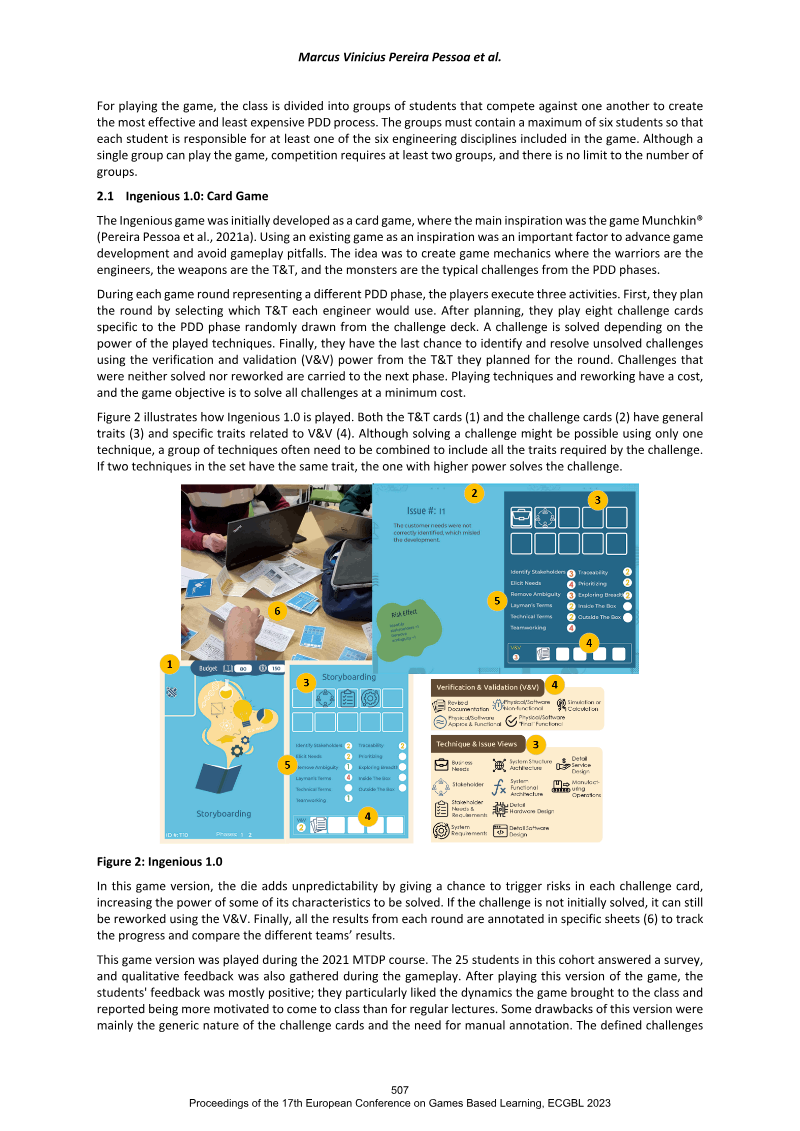
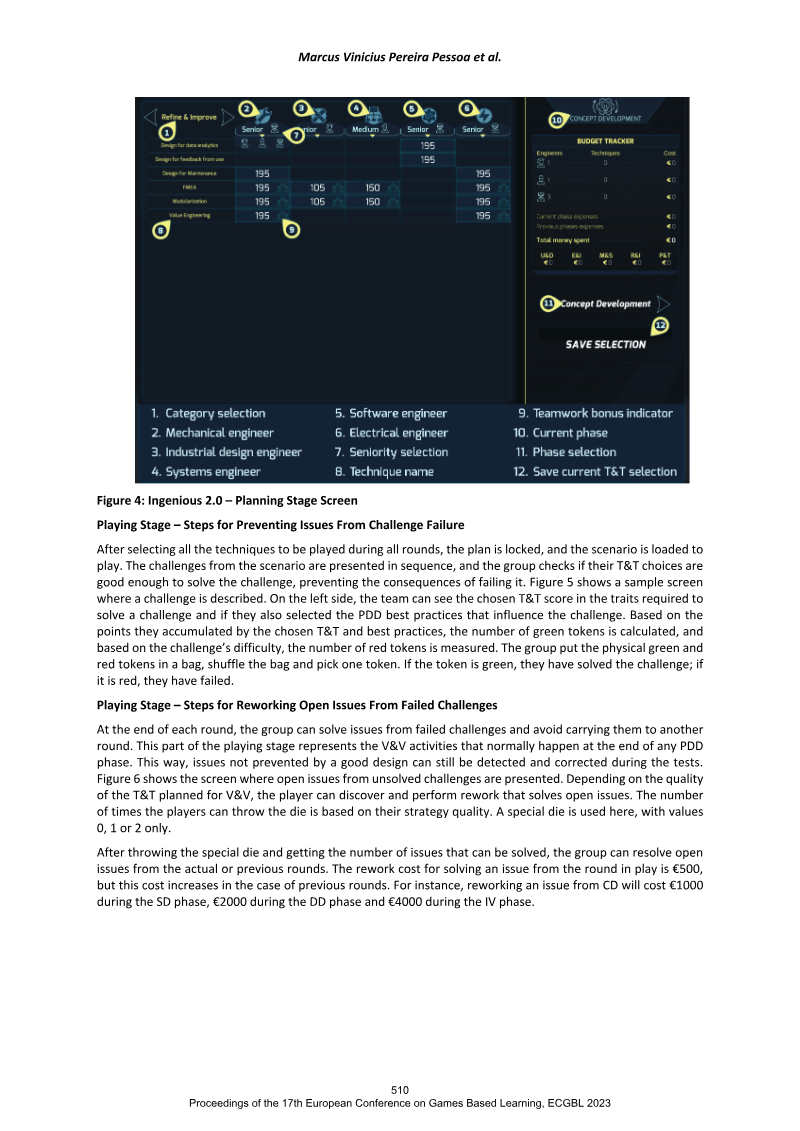
The Ingenious game is a learning simulation designed for a mechanical engineering master's course, in which student groups compete to develop a product through four product design and development (PDD) phases while minimizing cost, drawing on more than 80 engineering design techniques.
- The Ingenious game is a learning simulation for a mechanical engineering master's course in which student groups develop a product through four product design and development phases while minimizing cost, using more than 80 engineering design techniques.
- The game evolved from a physical card game (version 1.0, 25 students in 2021) to a hybrid spreadsheet and presentation format (version 1.5, 39 students in 2022) and then to a software application (version 2.0).
- The authors argue that digitizing the game can preserve and enhance its educational value, framing the design with the Octalysis gamification framework and its eight core drives.