
European Conference on Games Based Learning (ECGBL)
Annual European conference on game-based learning and serious games; its proceedings are published open access (CC BY) by Academic Conferences International.
Documents
Proposal for a Participatory Methodology for the Creation of Serious Games
This paper proposes a participatory methodology for designing serious games, arguing that many such games fail to achieve their educational goals because the requirements definition and design phases are handled without a structured method.
- Many serious games fail to meet their educational goals because requirements definition and design are handled without a structured method, and vague instructions from teachers leave developers unable to translate pedagogical intent into mechanics and software.
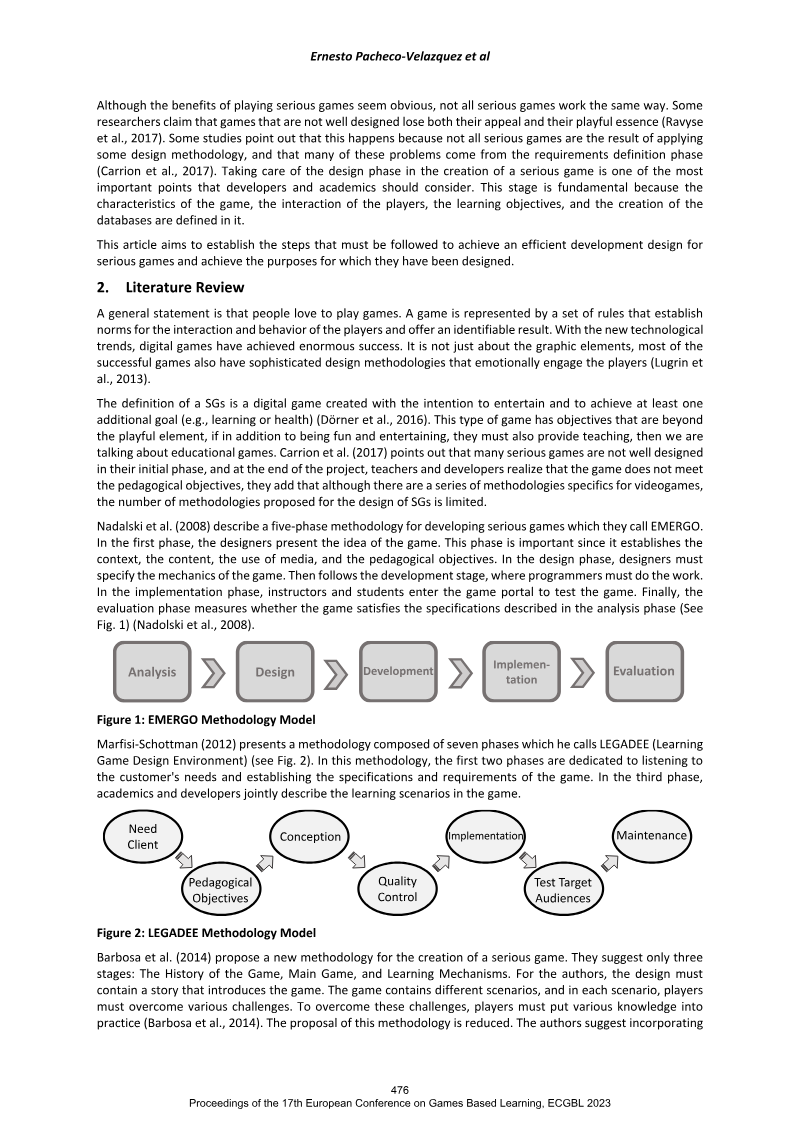
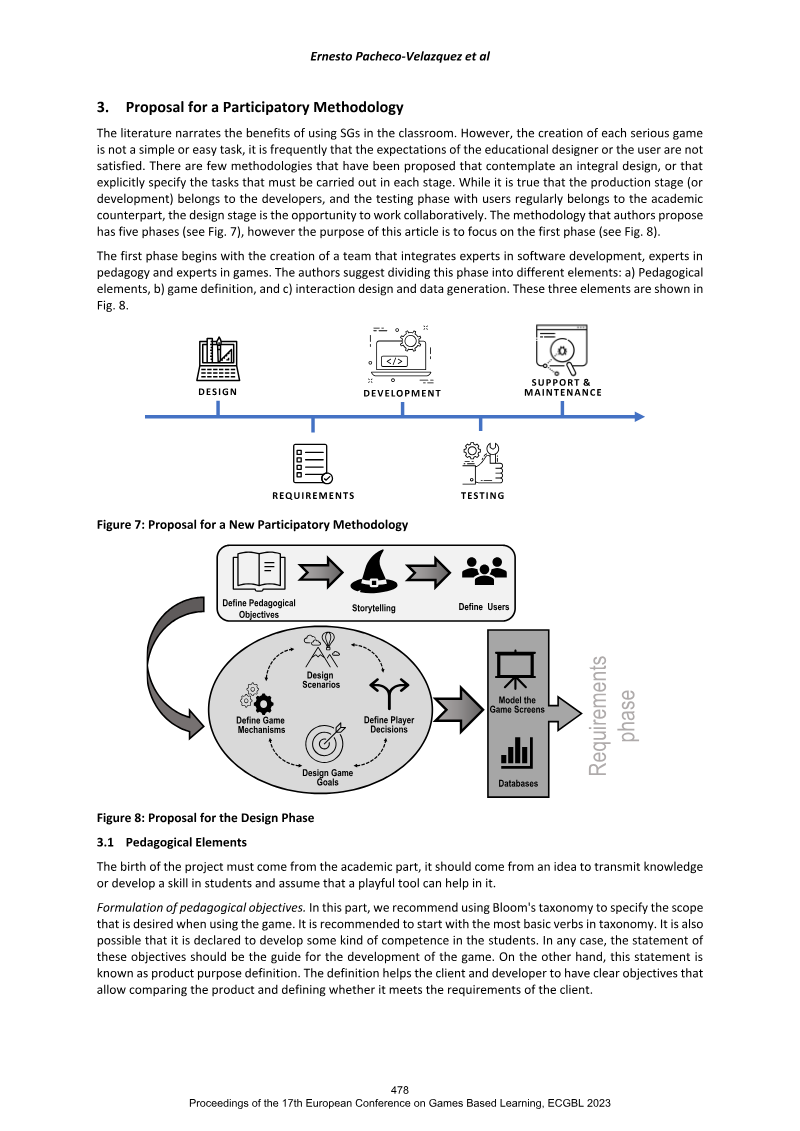
- The paper proposes a five-phase participatory methodology (requirements, design, development, testing, maintenance), with the design phase as its main focus.
- The design phase is built on three interdependent elements: pedagogical elements (learning objectives grounded in Bloom's taxonomy, storytelling, and user definition), game definition (mechanics, scenarios, goals, and player decisions), and screens and databases.
Design of an Educational Escape Room by Future Teachers
This study examines how first-year pre-service mathematics and informatics teachers design educational escape rooms using the online tool Room Escape Maker, with the aim of understanding whether student-led design can build problem-solving and collaborative skills and prepare future teachers to use such games in their own…
- A study of 24 first-year pre-service mathematics and informatics teachers found that designing educational escape rooms with the online tool Room Escape Maker was largely positive, with 93.3% reporting they enjoyed the activity.
- Students rated the design process highly for fostering creativity, teamwork, logical thinking, critical thinking, and cooperation, viewing escape rooms as motivating vehicles for these skills.
- Aligning escape room puzzles with educational goals was the most consistent and demanding difficulty participants faced, while the best-rated rooms used varied, challenging puzzles that meaningfully integrated mathematical or computer science content.
Multiplayer Serious Games Supporting Programming Learning
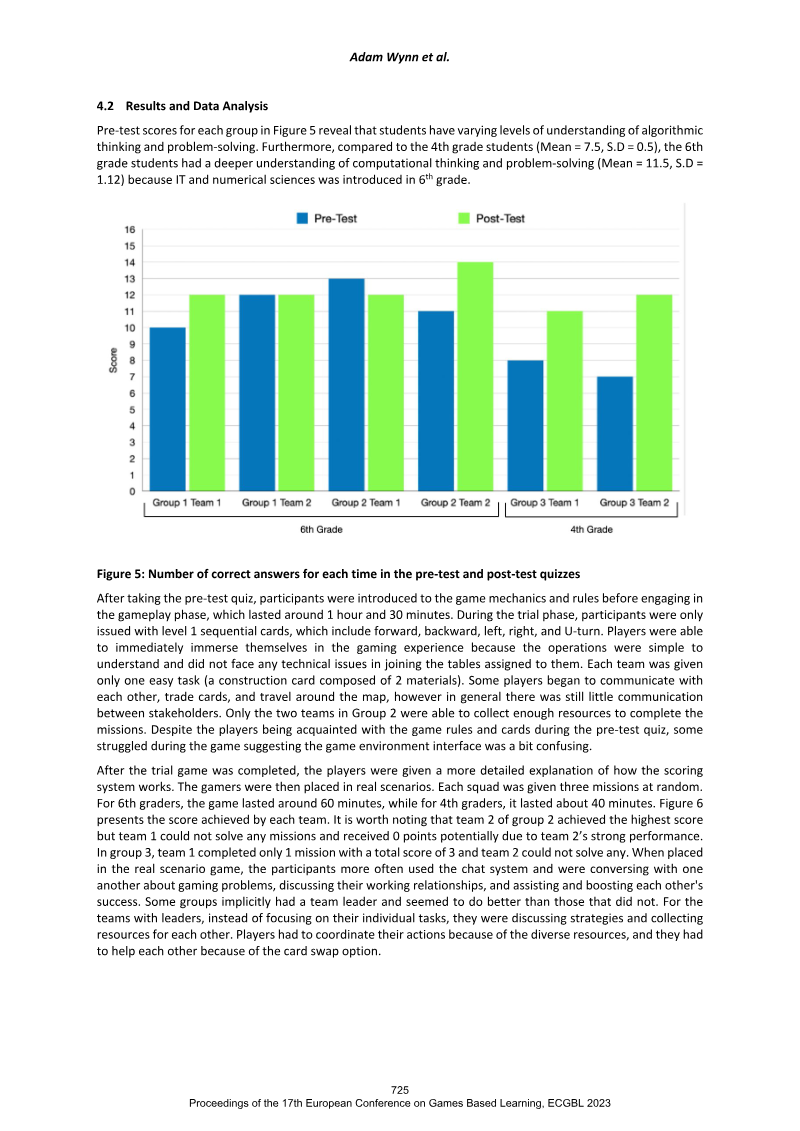
This study presents a collaborative multiplayer serious game, an adaptation of the unplugged board game Robot City, designed to teach introductory programming and computational thinking (CT) to young learners.
- A collaborative multiplayer adaptation of the unplugged board game Robot City was designed to teach introductory programming and computational thinking to children, combining card-based sequential and conditional logic missions with built-in chat and card-swap cooperation tools.
- In a preliminary study of 12 students aged 9 to 12 split into three groups, four of six teams improved their pre-test to post-test scores, one stayed unchanged, and one declined slightly.
- Students performed significantly better on sequential and conditional logic than on Bebras-style graph routing (Wilcoxon signed-rank tests, p < .05), indicating the game's strengths and gaps in teaching specific CT skills.
Science4Exit Project: Experimental Escape Games With Digital Enrichment in an Extracurricular Learning Venue
The Science4Exit project, conducted at the University of Education Weingarten in Germany, describes the design, implementation, and planned evaluation of experimental escape games enriched with digital components for use in a chemistry teaching and learning laboratory.
- The Science4Exit project, run at the University of Education Weingarten in Germany, designs digitally enriched escape games for a chemistry teaching lab, aiming to raise pupils' motivation and interest in science and STEM while building 21st century skills such as creativity, collaboration, and problem-solving.
- Games are supervised by chemistry student teachers, who gain practical teacher-professionalisation experience, and pupils increasingly act as co-designers through a research working group.
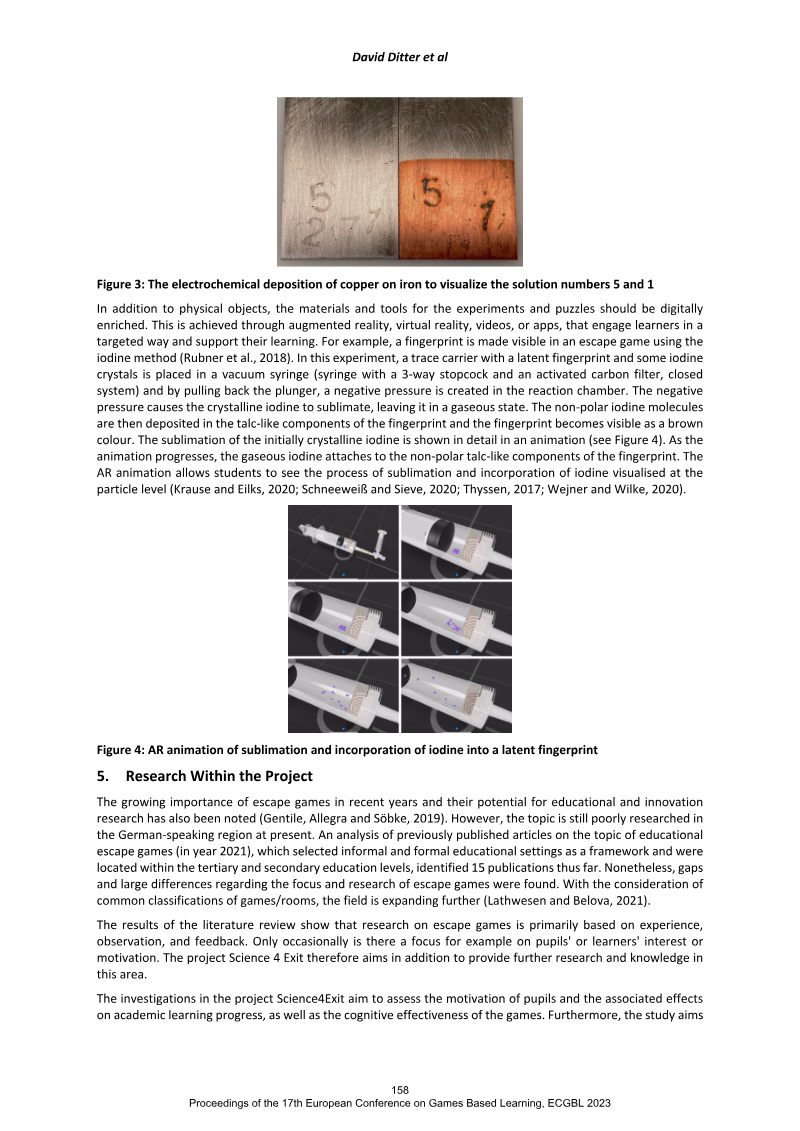
- Puzzles require real experimental results to progress: for example, pupils must determine two digits of a command-centre code via a copper-iron cementation reaction, and reveal a latent fingerprint using augmented-reality animation of iodine sublimation.
The Design, Implementation and Evaluation of Gamified Immersive Virtual Reality (IVR) for Learning: A Review of Empirical Studies
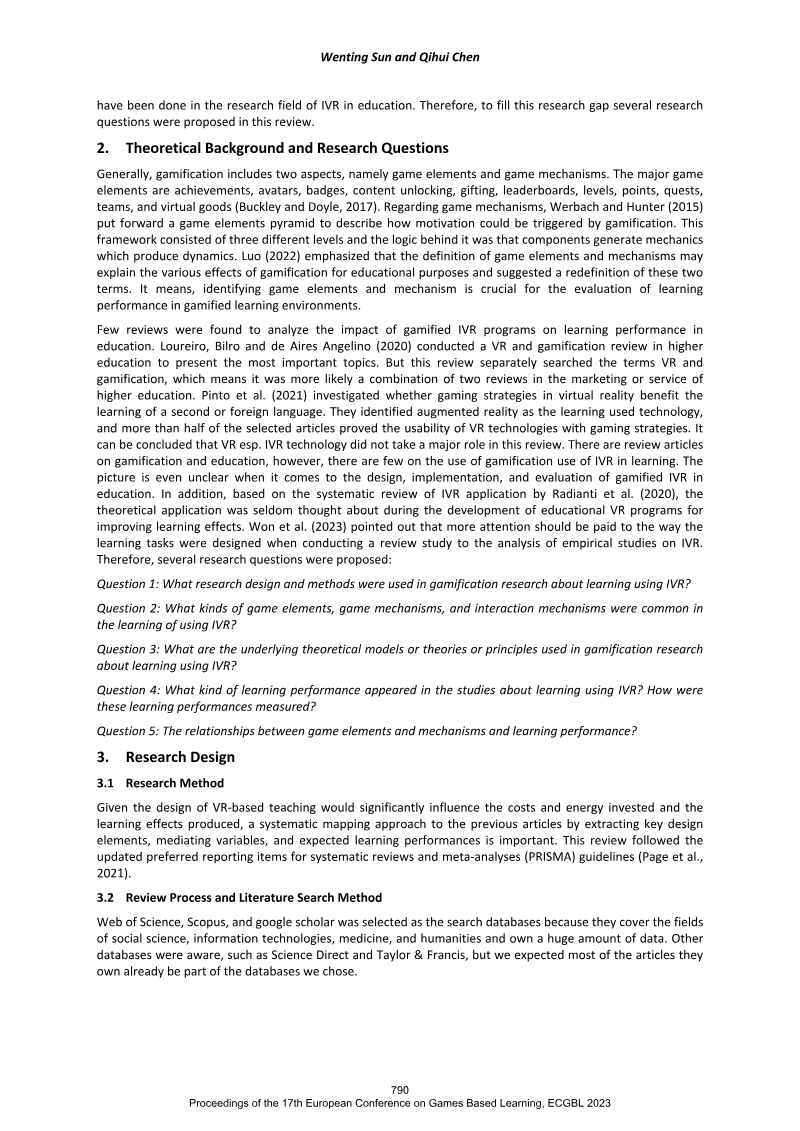
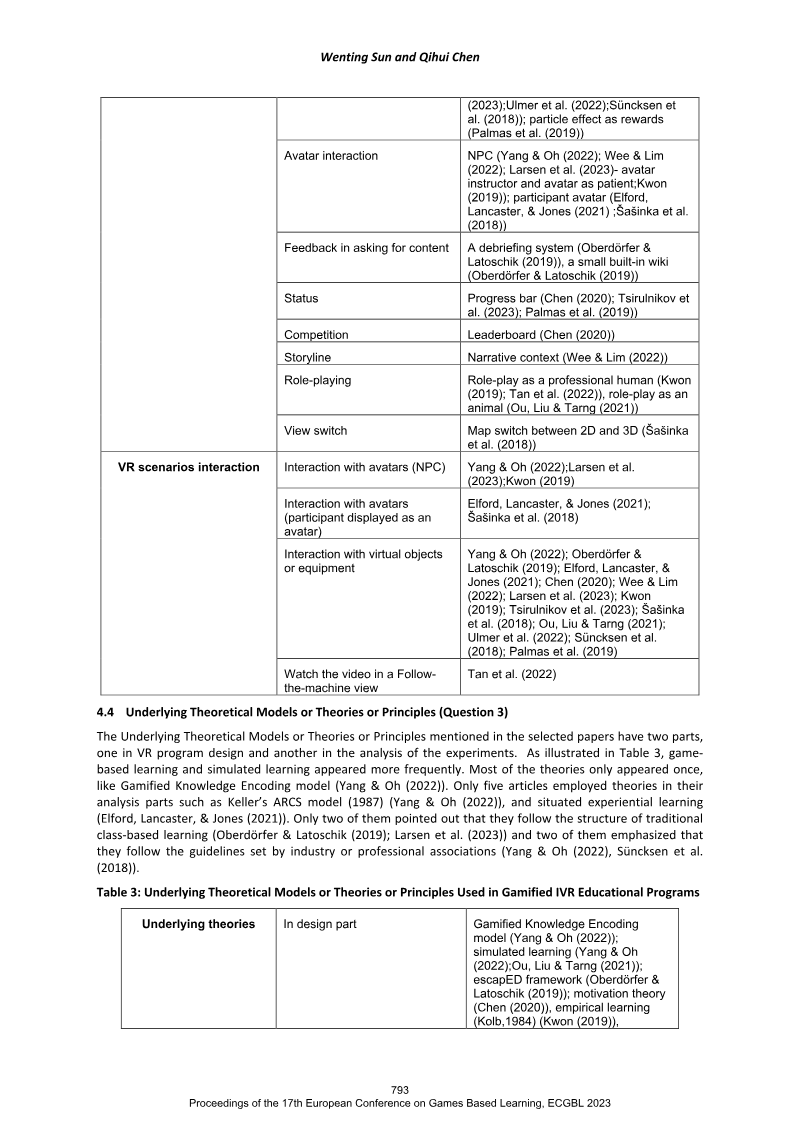
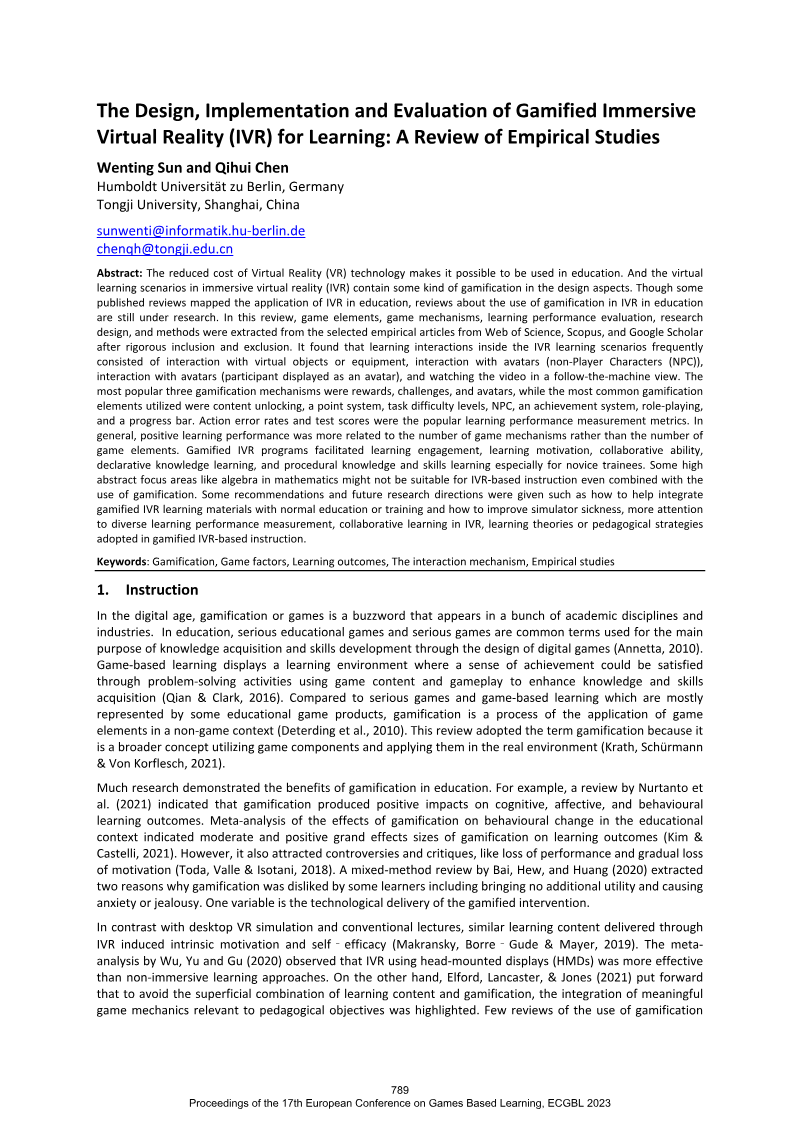
This review synthesizes 14 empirical studies examining how gamified immersive virtual reality (IVR) is designed, implemented, and evaluated for learning.
- Gamified immersive VR for learning yields generally positive outcomes across engineering, biology, medicine, nursing, and other fields, though results were mixed in mathematics.
- The review synthesized 14 empirical studies drawn from an initial pool of 2,253 search results, reflecting how emergent the literature remains.
- Rewards, challenges, and avatars were the most common gamification mechanisms, and interacting with virtual objects or equipment was the most frequent learning activity.
A 3 Roles' Model to Better Design and Facilitate the Use of Serious Games in the Classroom
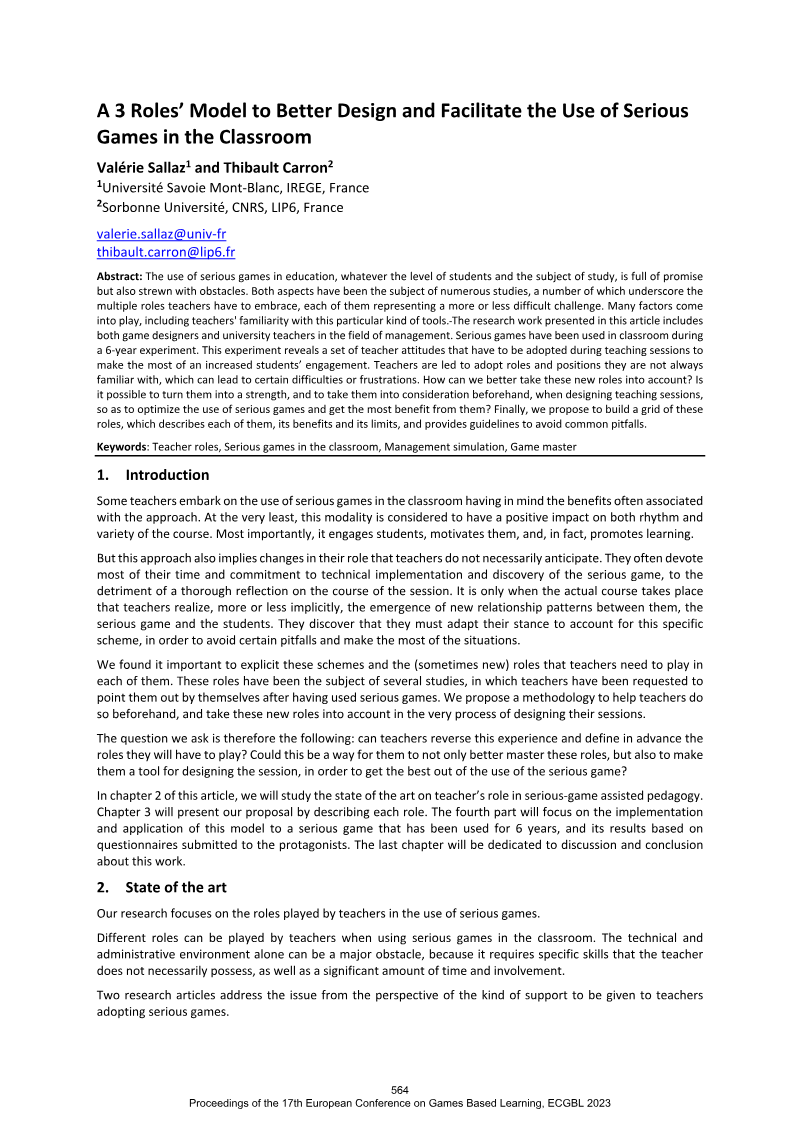
The paper proposes a three-role model to help teachers plan and run serious-game sessions in the classroom: Pilot, who structures the session and keeps it running smoothly; Expert, who connects the game experience to learning objectives; and Game Master, who delivers a genuinely engaging playful experience.
- The paper proposes a three-role model for teachers running serious games: Pilot (structures and runs the session), Expert (links the game to learning objectives), and Game Master (delivers an engaging playful experience), arguing that anticipating these relational roles during design turns them into a design tool rather than a source of frustration.
- Teachers tend to focus on technical setup and game discovery while underestimating the new relational roles that serious games demand of them.
- The model was tested in a six-year management-education experiment with three serious games (remote management, conflict management, feedback) used across roughly 150 students per year in two tutorial sessions, with scores deliberately disconnected from assessment.
Introducing Game Jams for Ecology and Citizenship Education in High School Classes
This study presents preliminary results from a series of game jam events called EcoGJ LAB, designed to teach ecology and climate change within the Citizenship and Civic Education curriculum at Italian high schools.
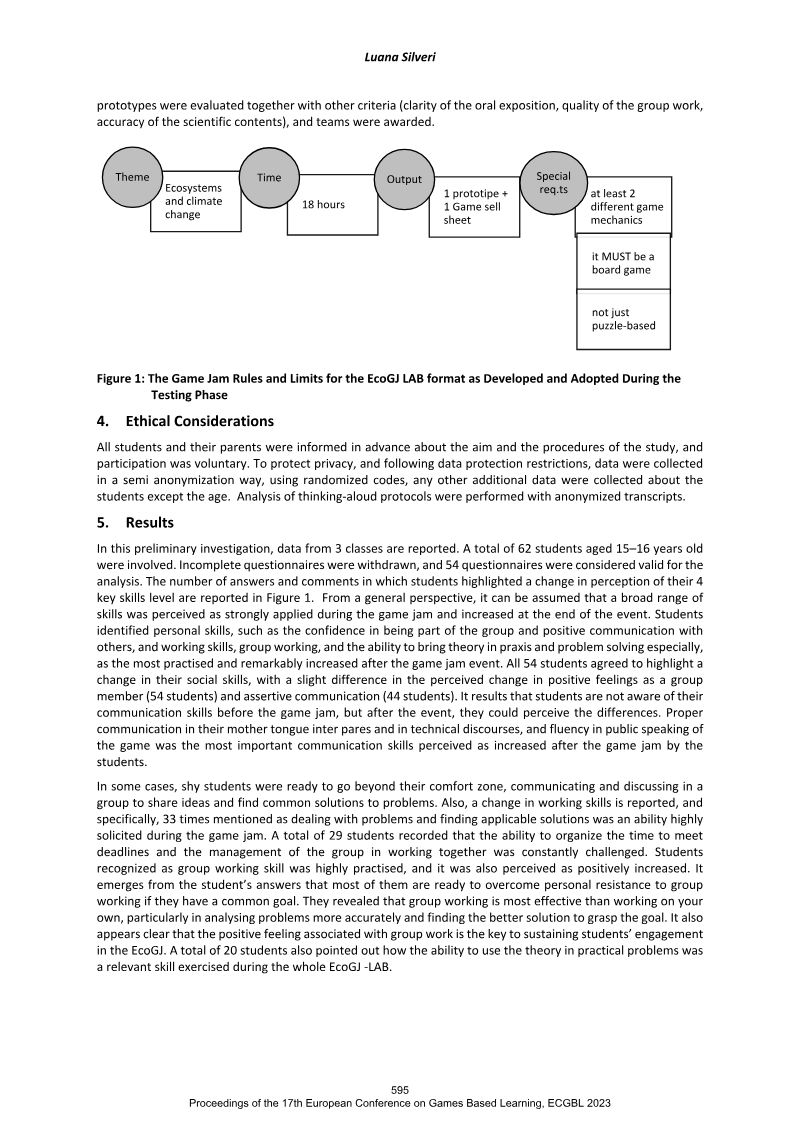
- The study tested EcoGJ LAB, a game jam format where students rapidly build board games around ecology and climate change, in a Citizenship and Civic Education setting at a scientific high school in Trento, Italy, a country where game-based learning is rarely used in secondary education.
- Of 62 students aged 15 to 16 across three classes, 54 valid questionnaires were analysed, combining students' metacognitive self-assessments with field notes and observations during the 2022–2023 school year.
- All 54 students self-reported improved social skills, with group working, problem-solving, positive communication, and linking theory to practice being the most strongly perceived gains.
Game Design as Reflective Pedagogy in Entrepreneurship Education
This paper argues that having entrepreneurship students design board games, rather than play digital business simulations, offers a low-cost constructionist pedagogy in which students' designs reveal their grasp of business concepts.
- The paper proposes having entrepreneurship students design board games instead of playing digital business simulations, framing it as a low-cost constructionist pedagogy in which designs reveal students' grasp of business concepts.
- Student designs typically start simplistic, often resembling trivia formats, but grow more sophisticated through feedback and iteration.
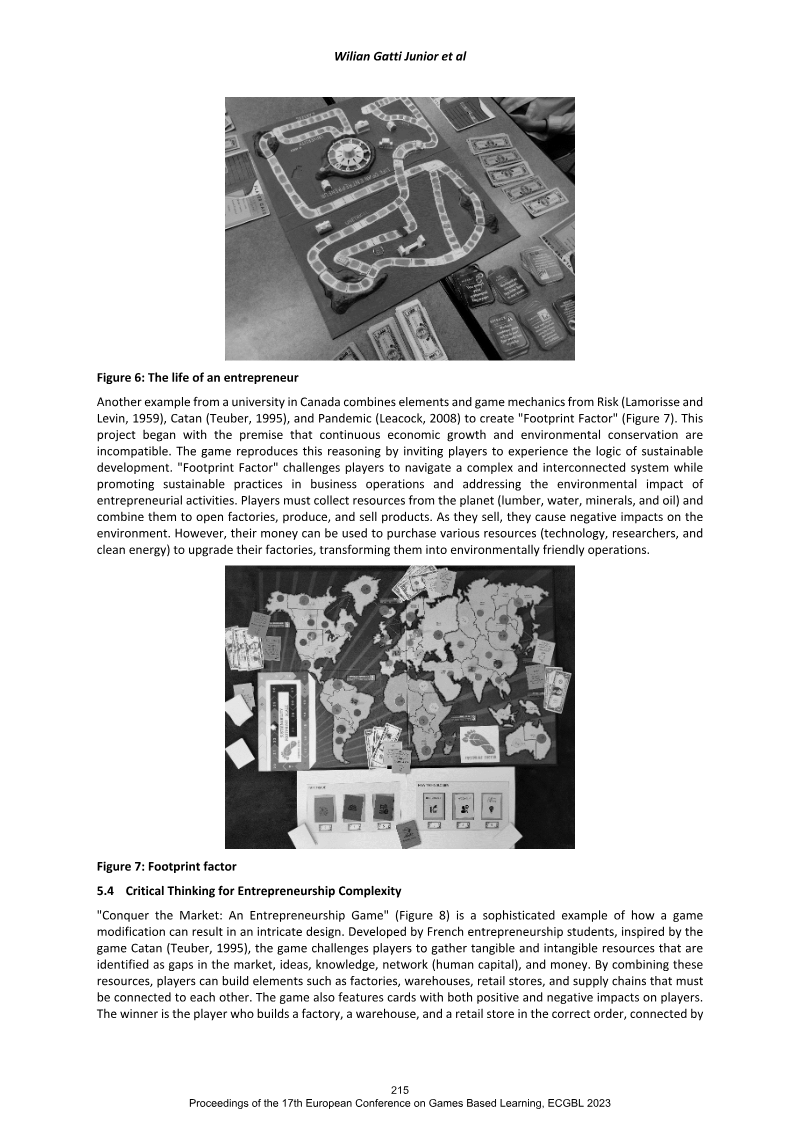
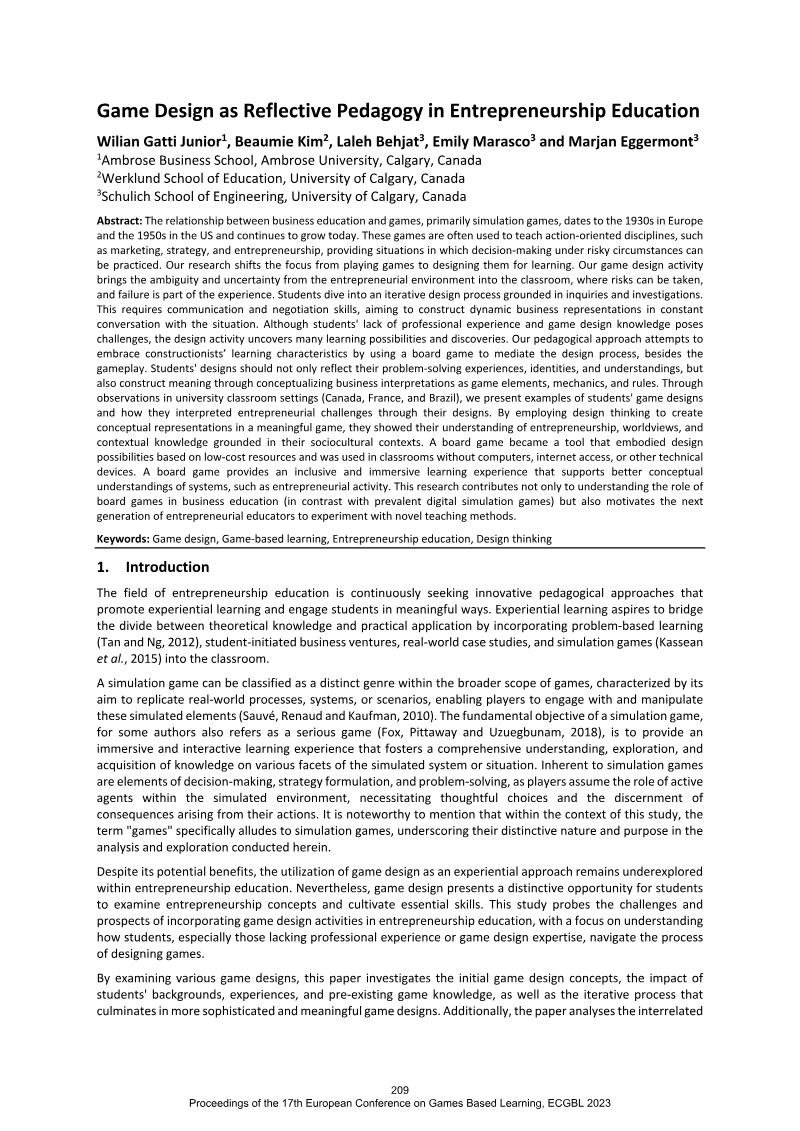
- Representative student projects include "Empreenda Aí," which models Brazilian taxation complexity, and "Footprint Factor," which builds sustainability trade-offs into its mechanics.
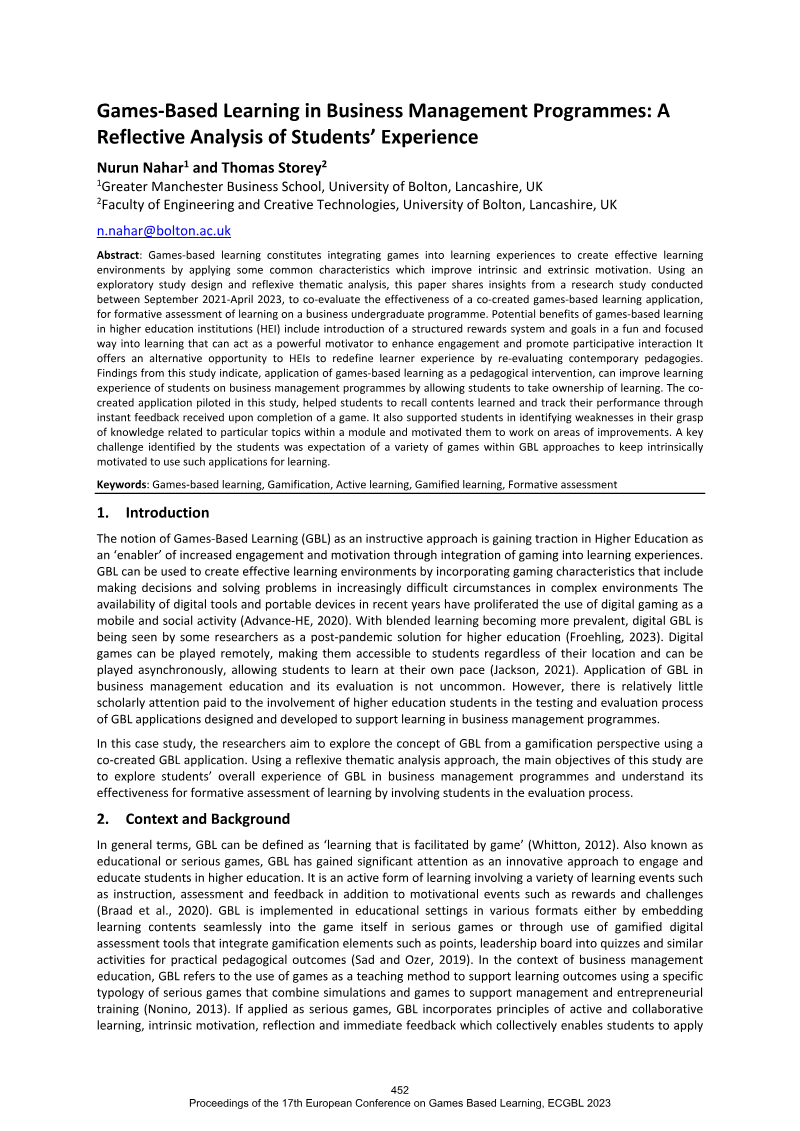
Games-Based Learning in Business Management Programmes: A Reflective Analysis of Students' Experience
This study examines how games-based learning (GBL) can support formative assessment in an undergraduate business management programme, focusing on students' own reflections on a co-created web application called Ed Owl.
- Students in a two-module, final-year finance pathway piloted the Ed Owl web application over eight months across two academic years (September 2021 to April 2023), and their experiences were gathered through two focus groups with 14 students.
- Participants found games-based learning more enjoyable, social, and interactive, with immediate feedback, points, time limits, and badges motivating them to repeat quizzes and compete with peers.
- Students reported that the games helped them recall and retain complex finance concepts such as double-entry bookkeeping, financial statement consolidation, and risk assessment, and allowed them to spot weaknesses and self-correct.
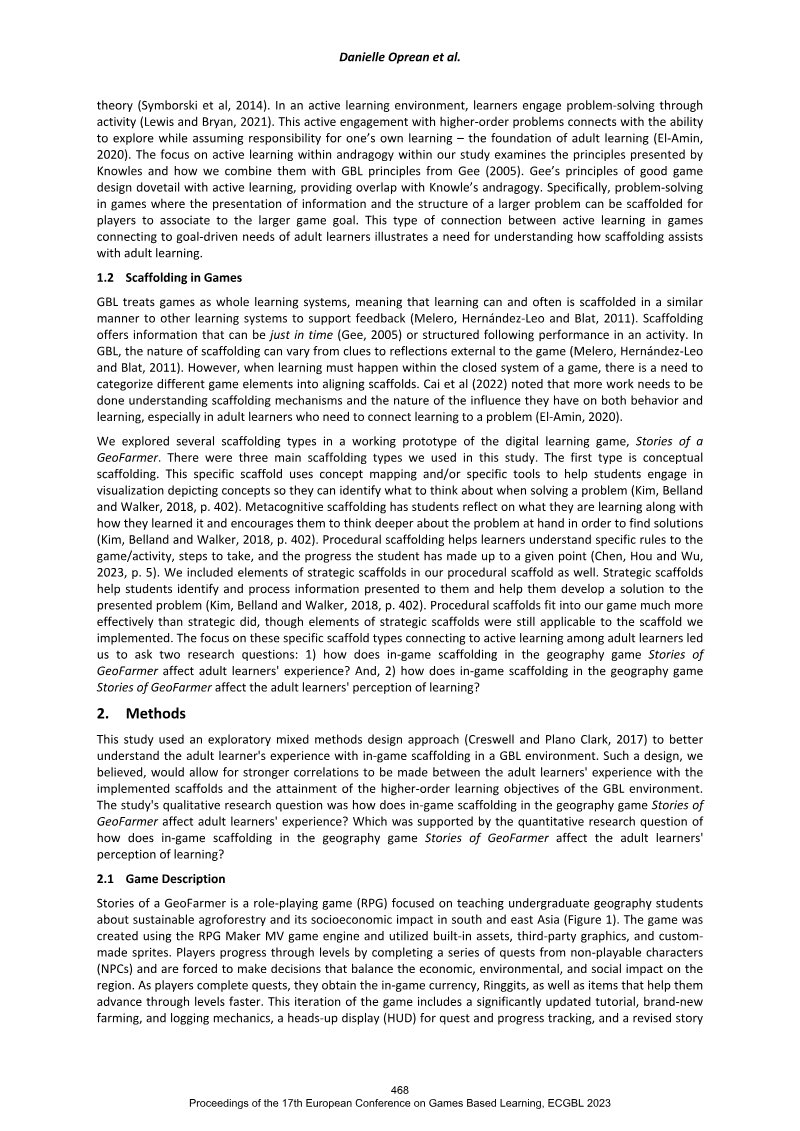
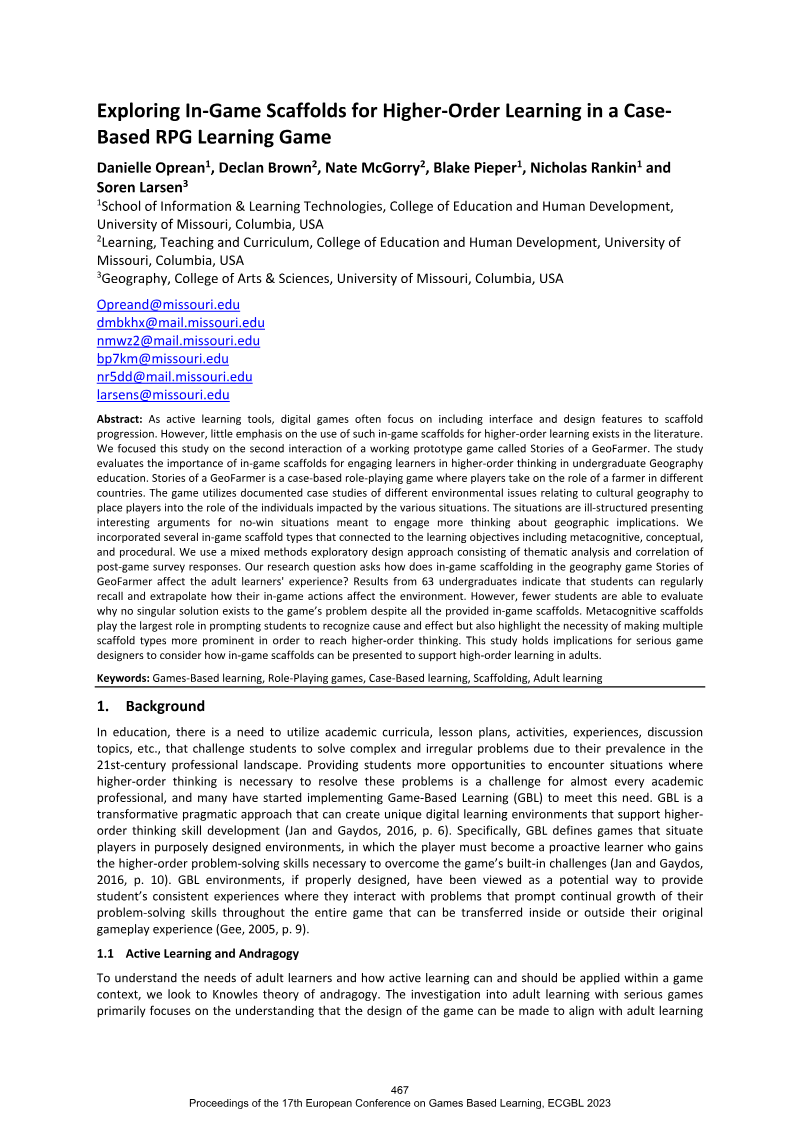
Exploring In-Game Scaffolds for Higher-Order Learning in a Case-Based RPG Learning Game
This study examines how in-game scaffolds shape higher-order learning among undergraduate geography students playing Stories of a GeoFarmer, a case-based role-playing game prototype about sustainable agroforestry and its socioeconomic impacts in south and east Asia.
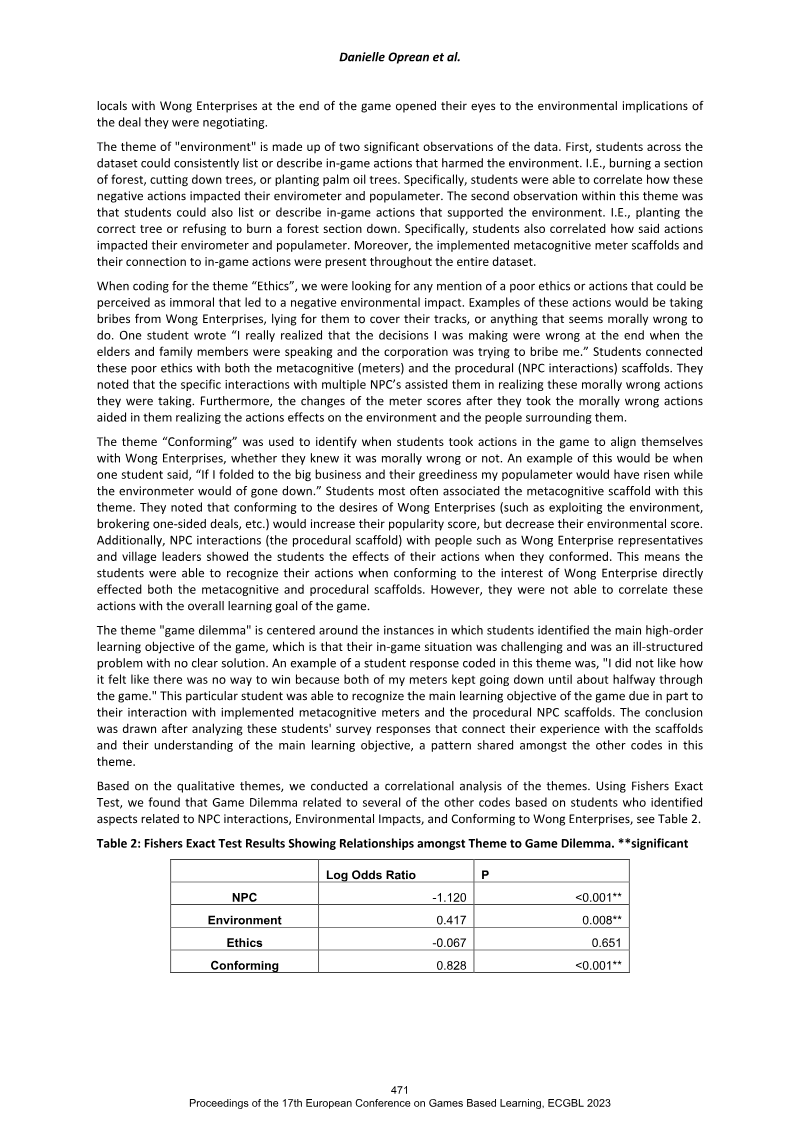
- A mixed-methods study of 63 undergraduates (drawn from a 124-student Regions and Nations course) playing the case-based RPG prototype Stories of a GeoFarmer found that students readily recalled environmental outcomes and linked them to metacognitive meters, but far fewer recognized the core learning objective that the problem had no single solution.
- Students who recognized the no-single-solution objective reported significantly higher perceived self-efficacy in learning, while enjoyment, perceived guidance, and perceived usefulness showed no significant differences between groups.
- The authors conclude that the metacognitive meters (environmeter and populameter) captured attention so strongly that they sometimes overshadowed the game's broader conceptual message.
Collect That Coin: Efficacy Testing of Platformer Game Mechanics with Adult Learners
This study examines whether platformer game mechanics can support higher-order learning among adult students, using a prototype game called Biomes Rescue deployed in an introductory undergraduate world regional geography course at the University of Missouri.
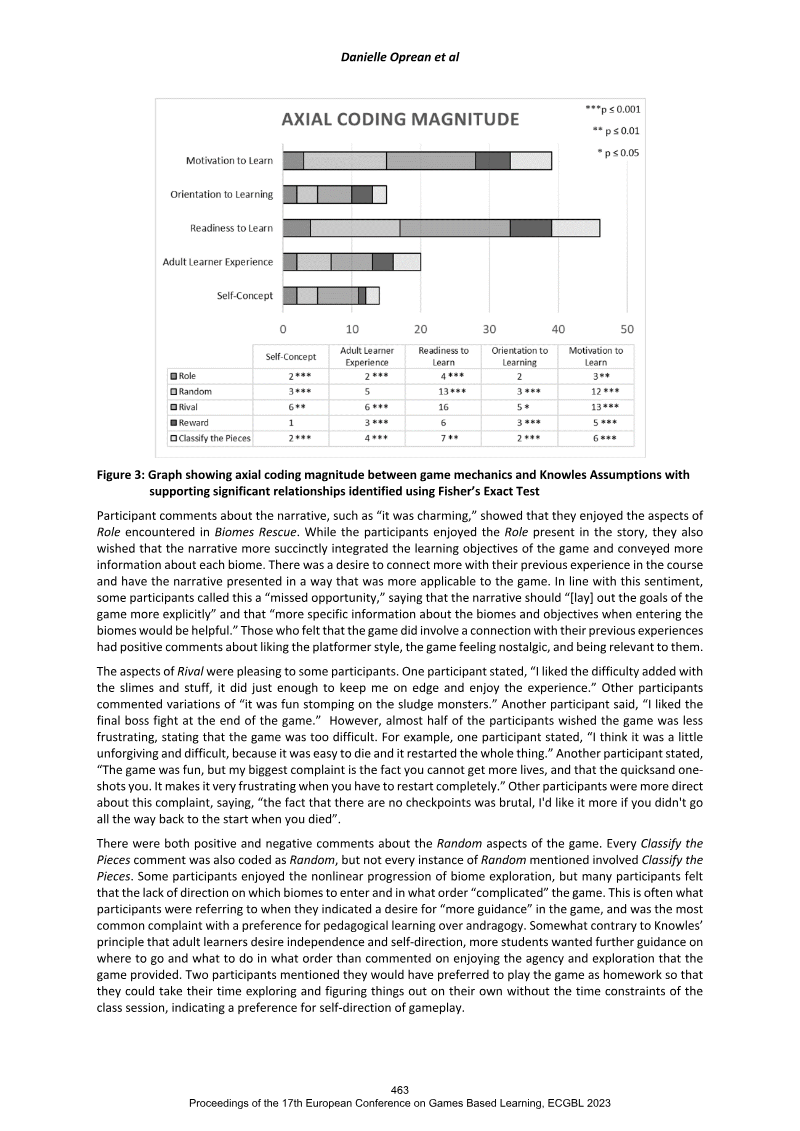
- A mixed-methods study of 78 volunteer students (out of a class of 124) at the University of Missouri tested Biomes Rescue, a 2D platformer used in an introductory world regional geography course in week 12, with 15–30 minutes of play followed by a quiz and survey.
- The complex mechanic Classify the Pieces was associated with significantly higher quiz scores (p < 0.001), suggesting that platformer mechanics requiring more cognitive engagement can support higher-order learning.
- The simple mechanic Reward was associated with significantly lower enjoyment ratings (p = 0.010), indicating that basic platformer mechanics like collecting may reduce player enjoyment.
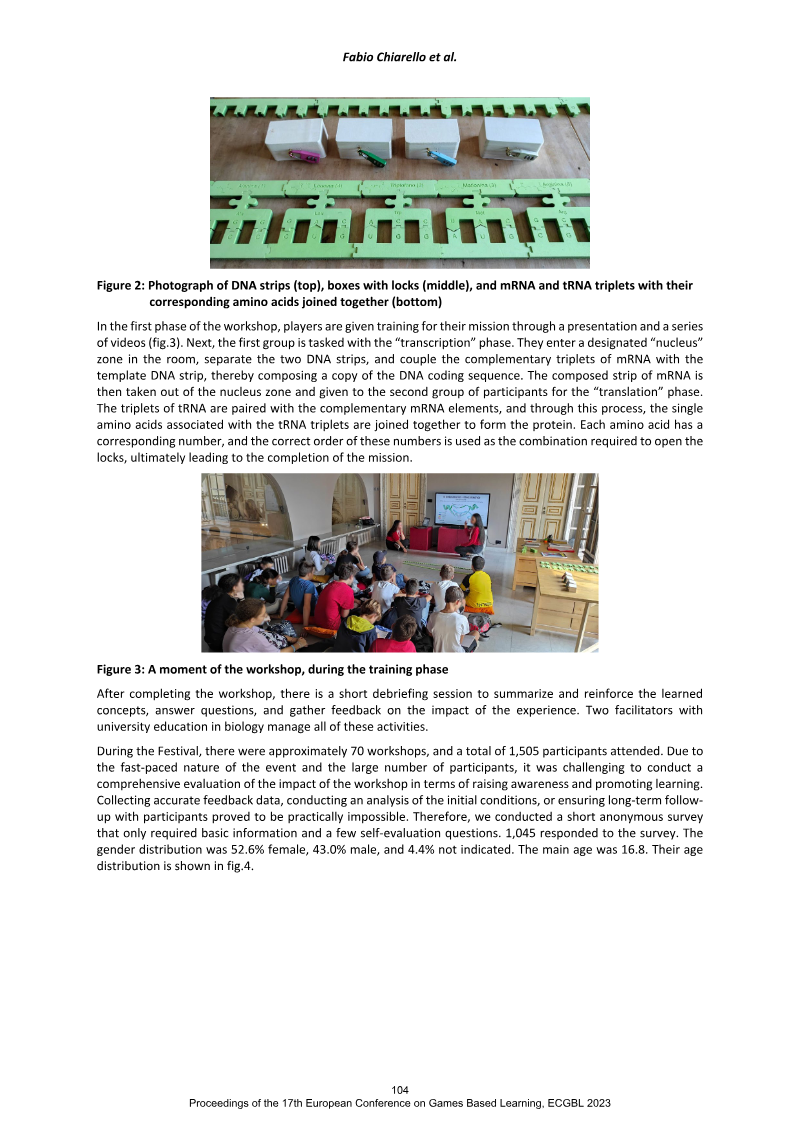
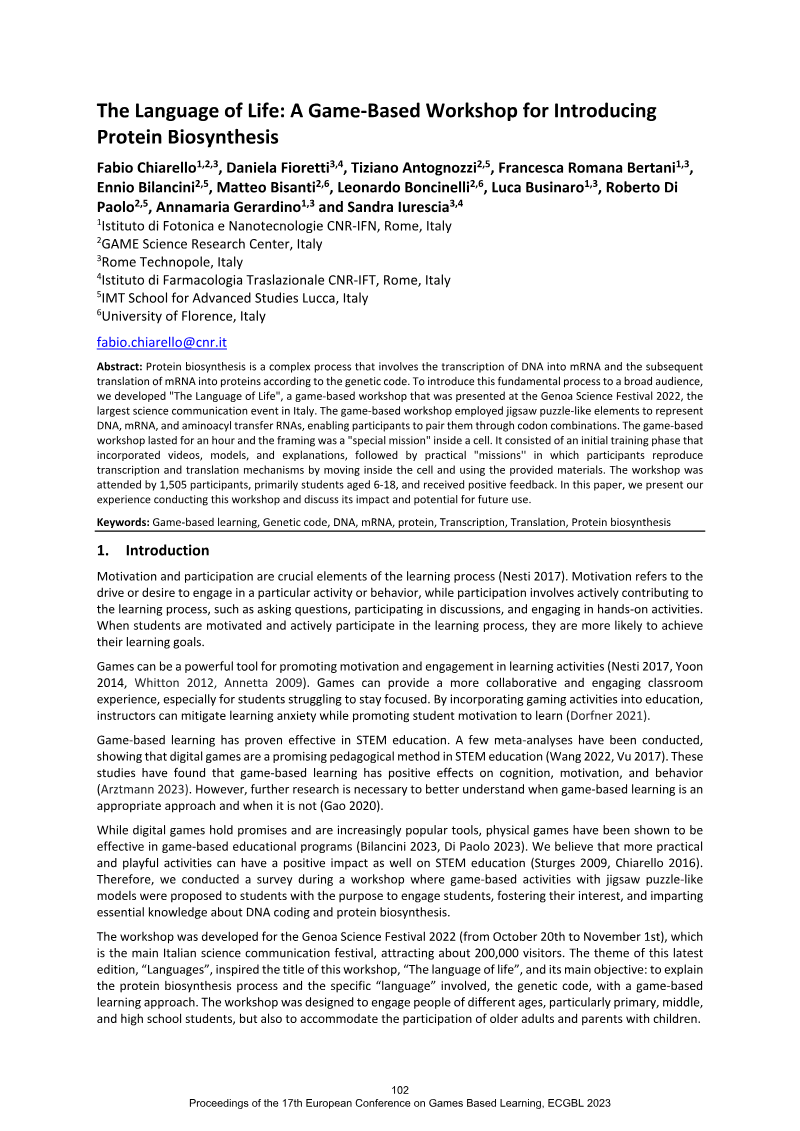
The Language of Life: A Game-Based Workshop for Introducing Protein Biosynthesis
"The Language of Life" is a paper describing a one-hour, game-based workshop designed to teach protein biosynthesis, specifically transcription of DNA into mRNA and translation of mRNA into proteins via the genetic code.
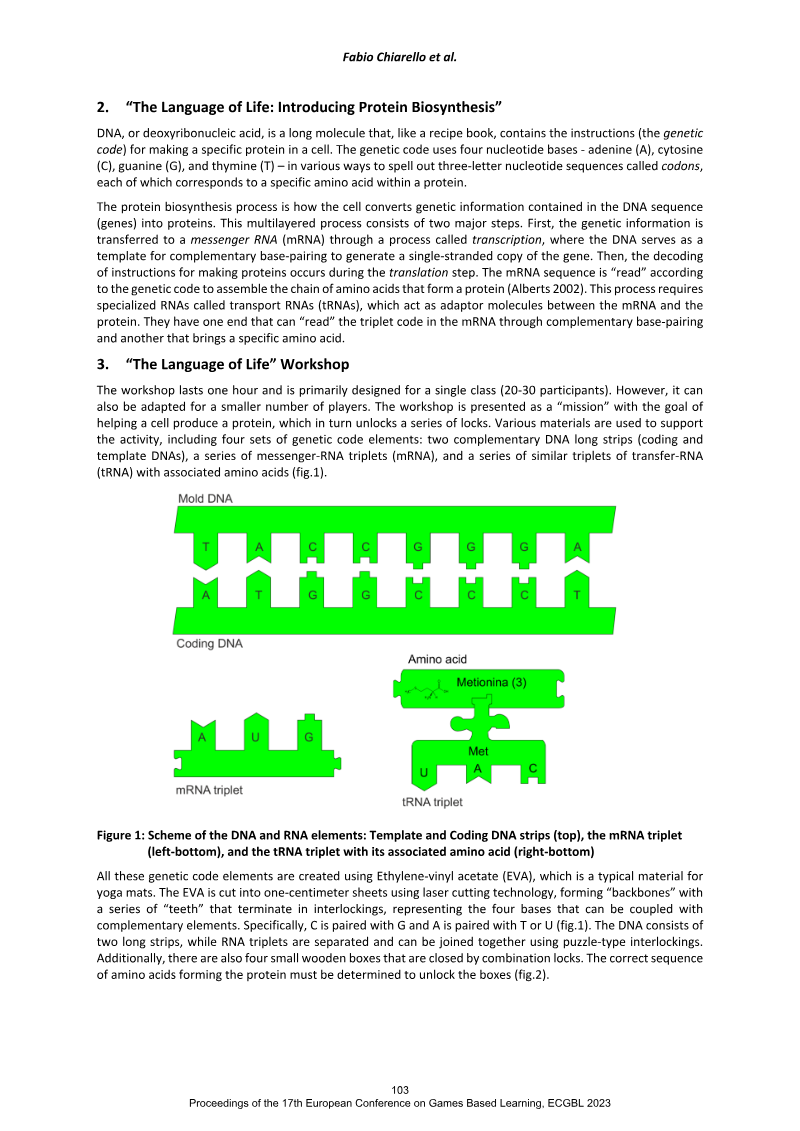
- The paper describes a one-hour, game-based workshop teaching protein biosynthesis (DNA transcription into mRNA and translation into proteins), using laser-cut EVA foam pieces representing DNA strands, mRNA codons, and amino-acid-carrying tRNA triplets, with participants on a cell-themed mission that involves assembling sequences to open combination locks.
- The workshop was presented at the Genoa Science Festival 2022 (an event drawing roughly 200,000 visitors) and was attended by 1,505 participants, mostly students aged 6 to 18, across about 70 sessions.
- A self-evaluation survey completed by 1,045 attendees (52.6% female, 43.0% male, mean age 16.8) rated the workshop on a four-point scale, with overall means of 3.00 for interest, 3.36 for learning, and 3.57 for appreciation.