1 free read left. Create a free account for unlimited reading + AI research.
Create free accountWhitepaper European Conference on Games Based Learning (ECGBL)
1 free read left. Create a free account for unlimited reading + AI research.
Create free accountWhitepaperEuropean Conference on Games Based Learning (ECGBL)
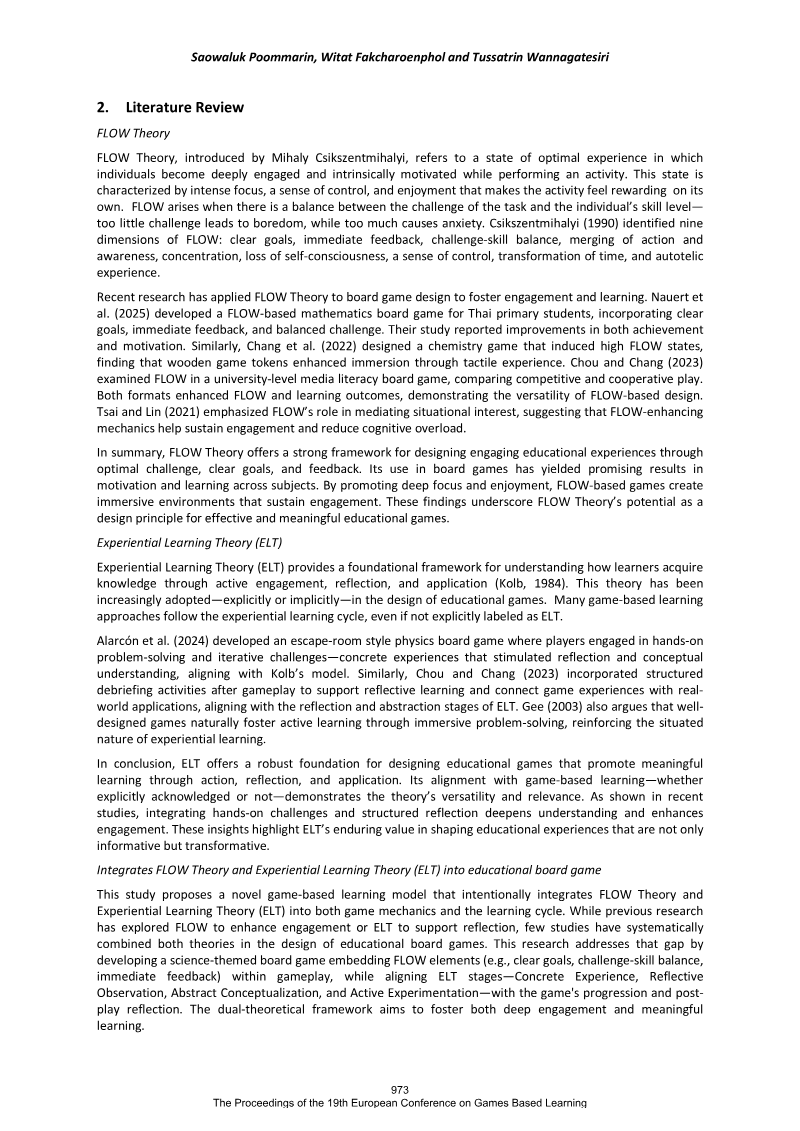
The study positions a role-based board game as a response to the difficulty of teaching carbon neutralization through conventional professional development.
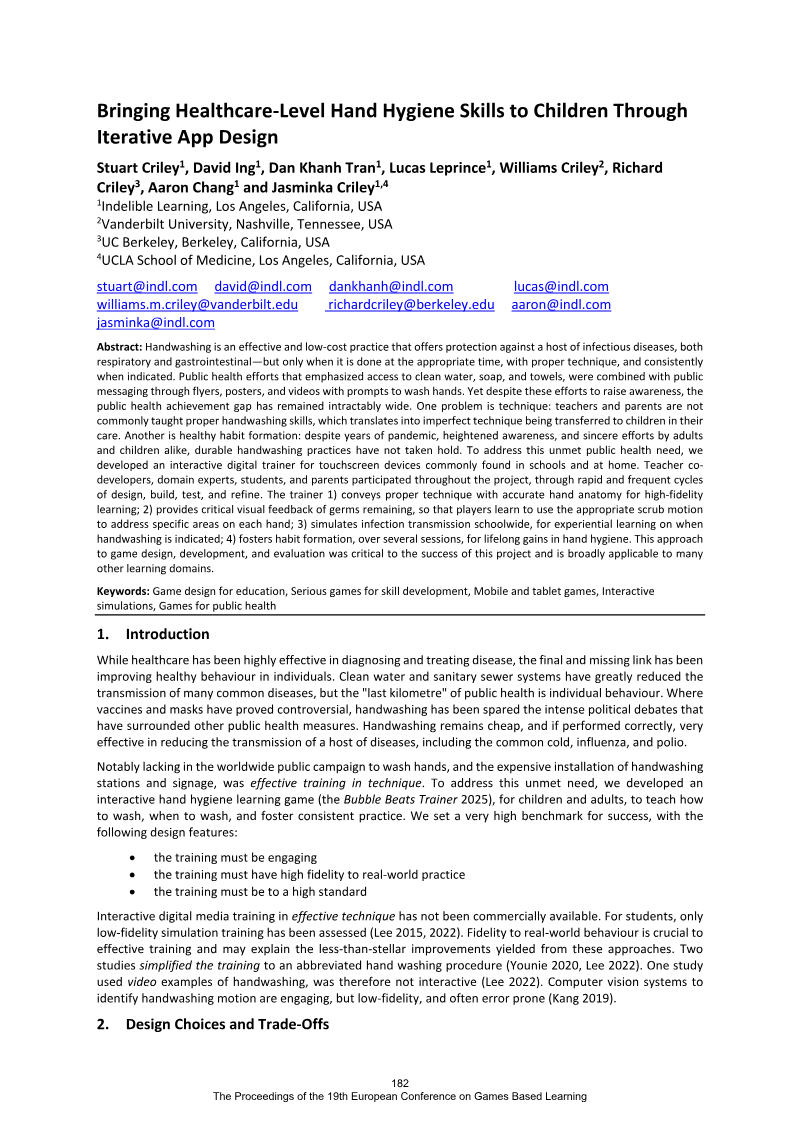
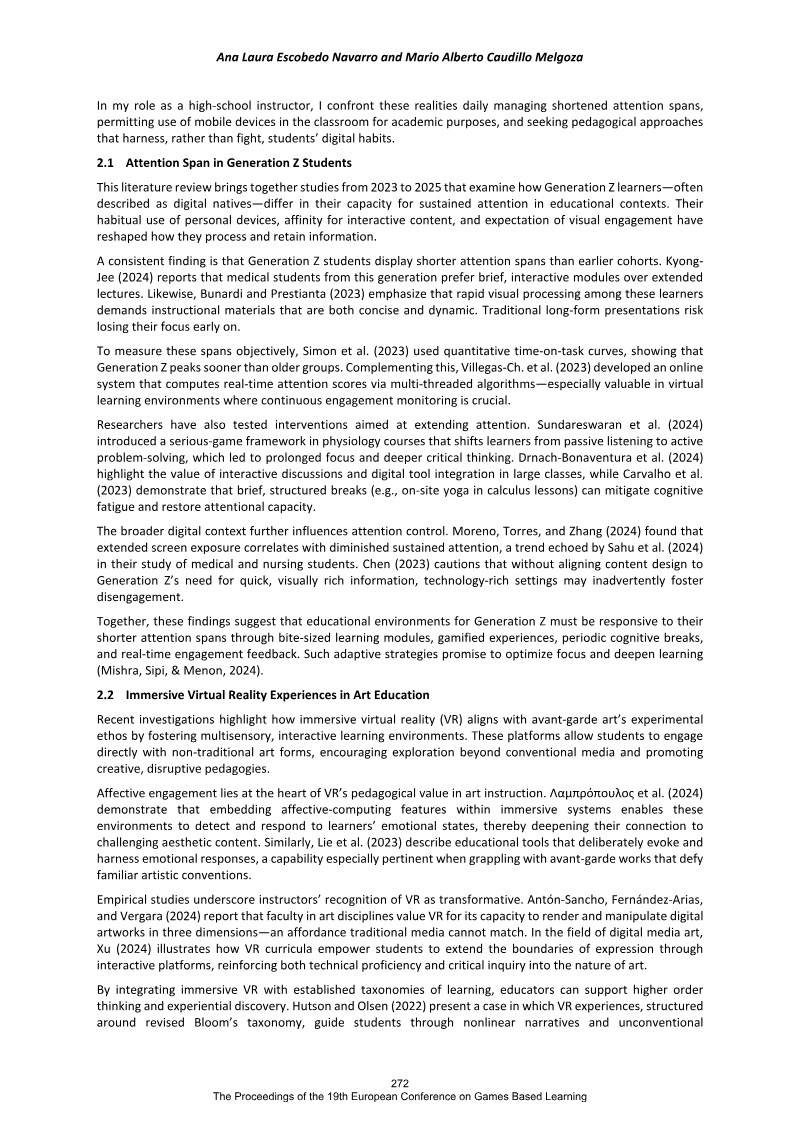
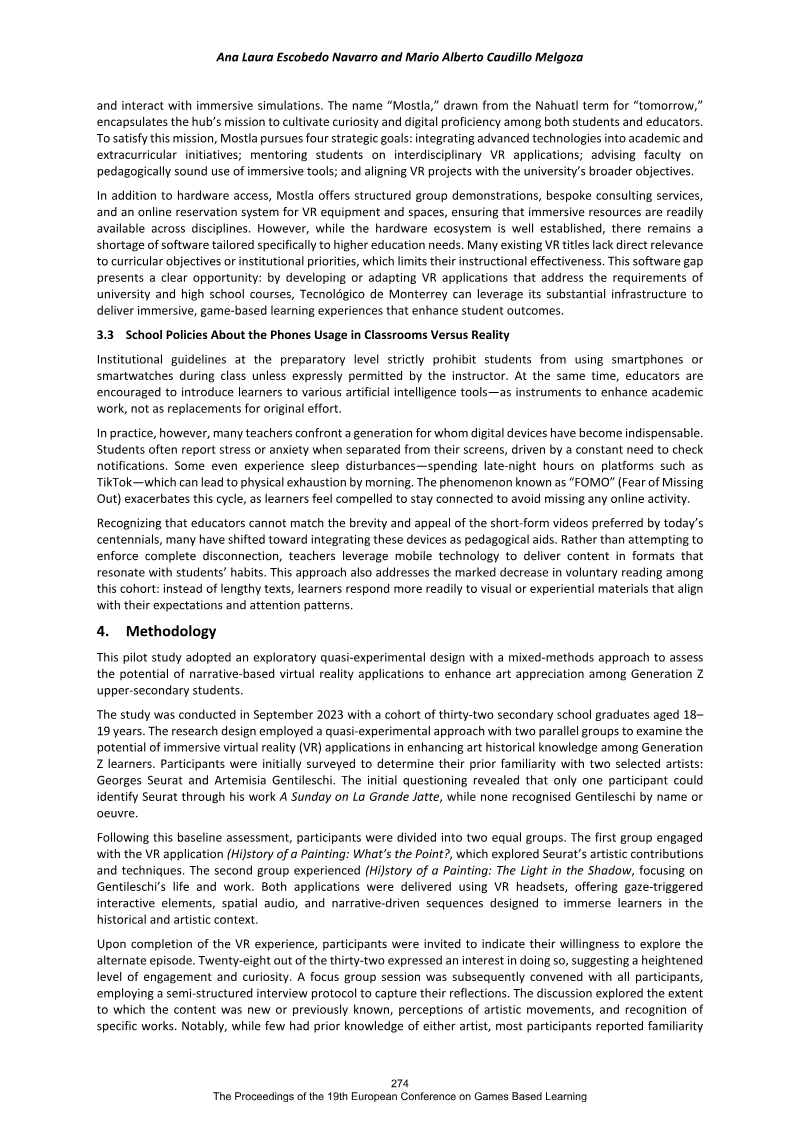
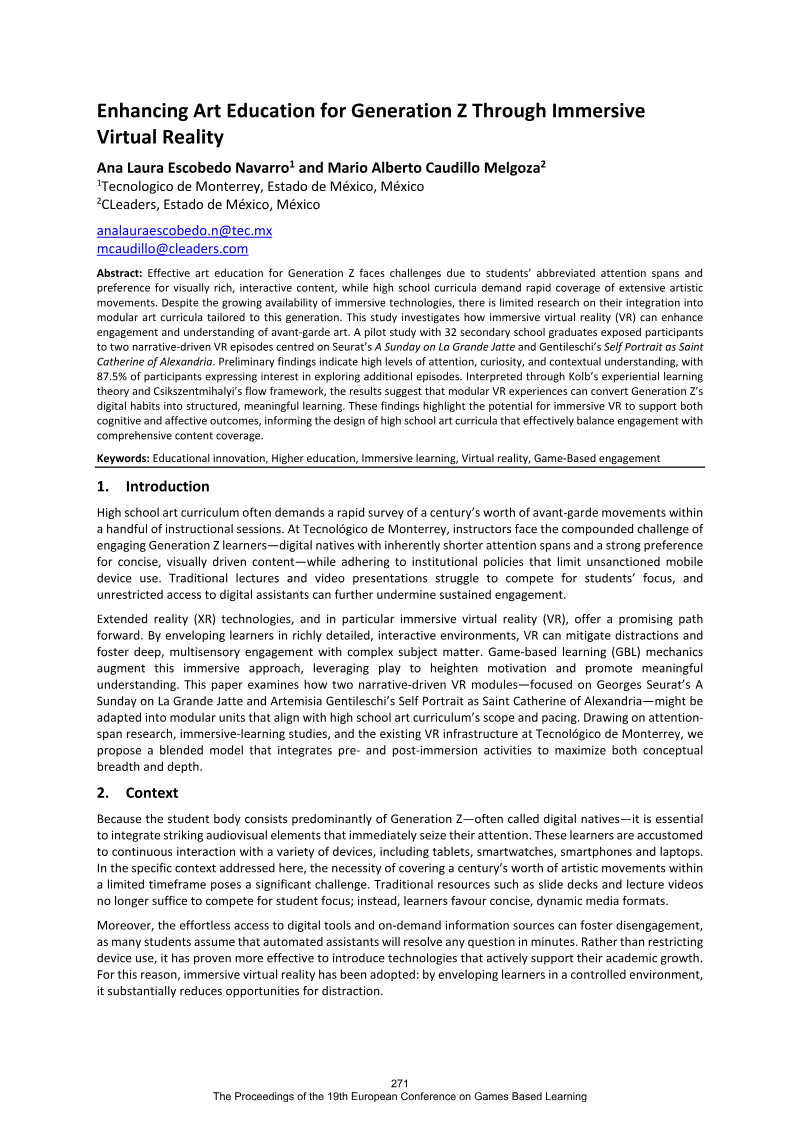
This study examines a Farming Role Play Board Game designed to build conceptual understanding of carbon neutralization and systems thinking among secondary science teachers in Thailand. The game asks teams of three to four teachers to act as farm managers who buy, sell, and balance carbon emission, absorption, and reduction items across nine randomized scenarios, with the goal of reaching a state where emissions equal offsets. The authors position the game as a response to the difficulty of teaching complex environmental systems through traditional professional development, and they argue that experiential, role-based play can better develop the ability to identify components, analyze interactions, recognize feedback, and respond to dynamic change.
The study is qualitative and small in scale, involving 15 science teachers from grades 7 to 9 in a western region of Thailand. Data were gathered through open-ended interviews on carbon neutralization concepts and observation of engagement and feedback during play. Reported results indicate that teachers came to understand that emissions must be balanced by absorption and reduction, and they formulated simple equations to express this relationship. Participants enjoyed weighing yield against sustainability and reported that the game captured the emotional uncertainty of real farming. However, they also criticized the high starting budget, which reduced economic pressure, and the cognitive load of tracking carbon and finances simultaneously, and they suggested more varied challenges and smaller per-round transactions.
The authors conclude that the game is an effective tool for fostering systems thinking through simulated agricultural ecosystems, long-term planning, perspective-taking, and structured debriefing. Because the evidence rests on interviews and observation from a single small cohort without a comparison group or measured learning outcomes, the claims of effectiveness are best understood as preliminary. The paper situates the game against other sustainability board games, noting its distinctive focus on agricultural carbon accounting within teacher education.
European Conference on Games Based Learning (ECGBL) · 2025
European Conference on Games Based Learning (ECGBL) · 2025
European Conference on Games Based Learning (ECGBL) · 2025
European Conference on Games Based Learning (ECGBL) · 2025
European Conference on Games Based Learning (ECGBL) · 2025
European Conference on Games Based Learning (ECGBL) · 2025
European Conference on Games Based Learning (ECGBL) · 2025
European Conference on Games Based Learning (ECGBL) · 2025
European Conference on Games Based Learning (ECGBL) · 2025
European Conference on Games Based Learning (ECGBL) · 2025
European Conference on Games Based Learning (ECGBL) · 2025
European Conference on Games Based Learning (ECGBL) · 2025
European Conference on Games Based Learning (ECGBL) · 2025