
European Conference on Games Based Learning (ECGBL)
Annual European conference on game-based learning and serious games; its proceedings are published open access (CC BY) by Academic Conferences International.
Documents
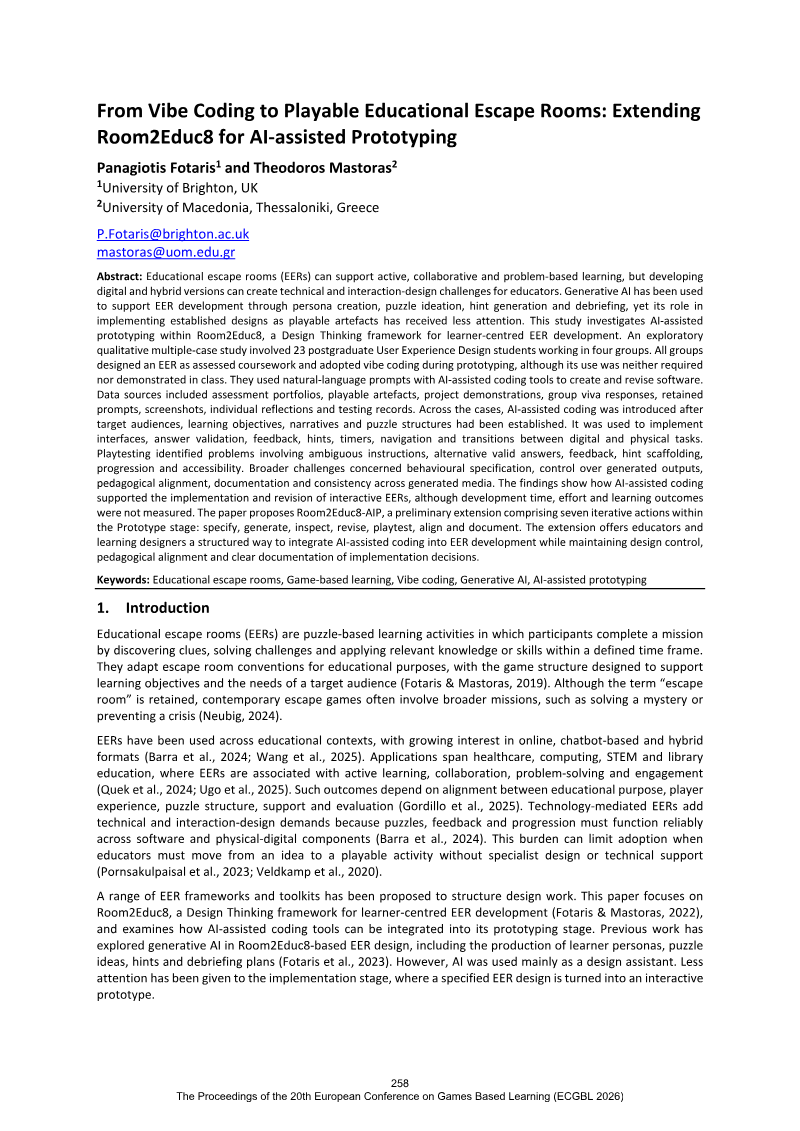
From Vibe Coding to Playable Educational Escape Rooms: Extending Room2Educ8 for AI-Assisted Prototyping
This study examines how 23 postgraduate UX students used vibe coding, a natural-language-led form of AI-assisted programming, to implement educational escape rooms based on the Room2Educ8 framework.
- A study of 23 postgraduate UX students across four group cases found that vibe coding, a natural-language-led form of AI-assisted programming, can turn design plans into playable, testable educational escape room prototypes based on the Room2Educ8 framework.
- The students adopted vibe coding on their own initiative rather than through formal instruction, and testing exposed ambiguous rules, weak feedback mechanisms, and progression problems that led groups to revise their designs.
- AI-generated interfaces often appeared complete while still requiring correction, and prompt logs did not consistently capture the reasoning behind accepted or rejected outputs, creating documentation gaps.
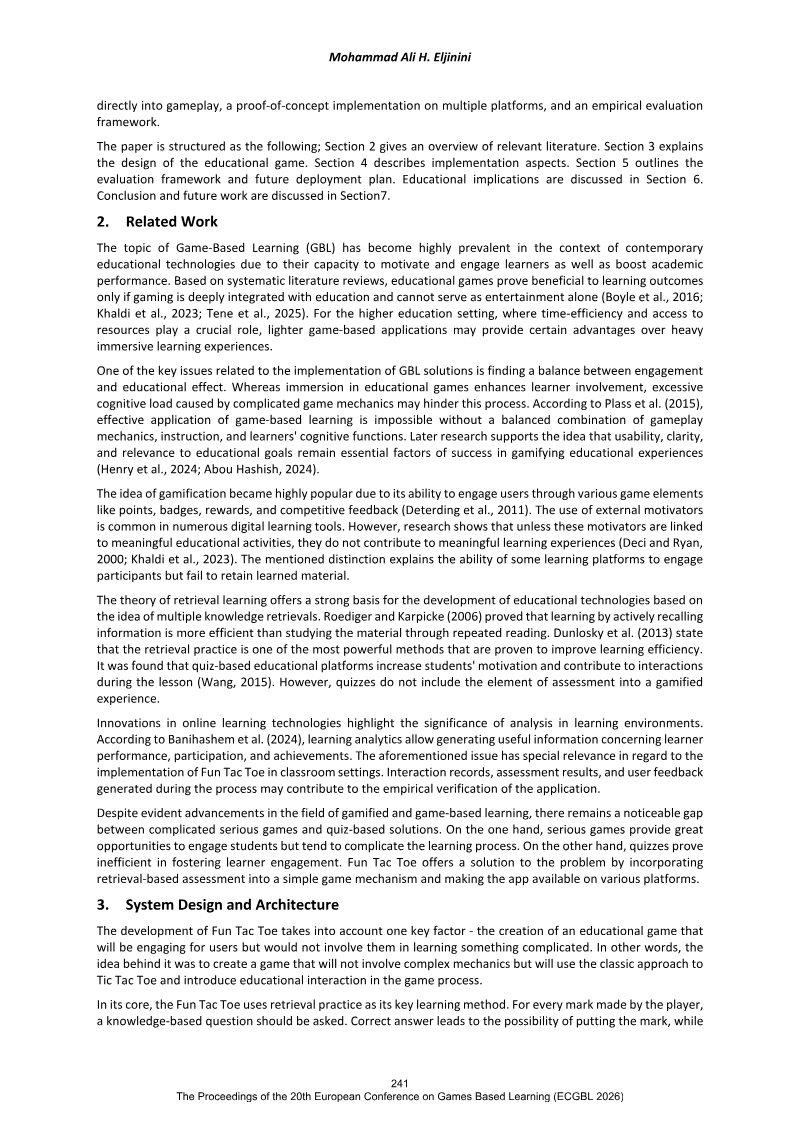
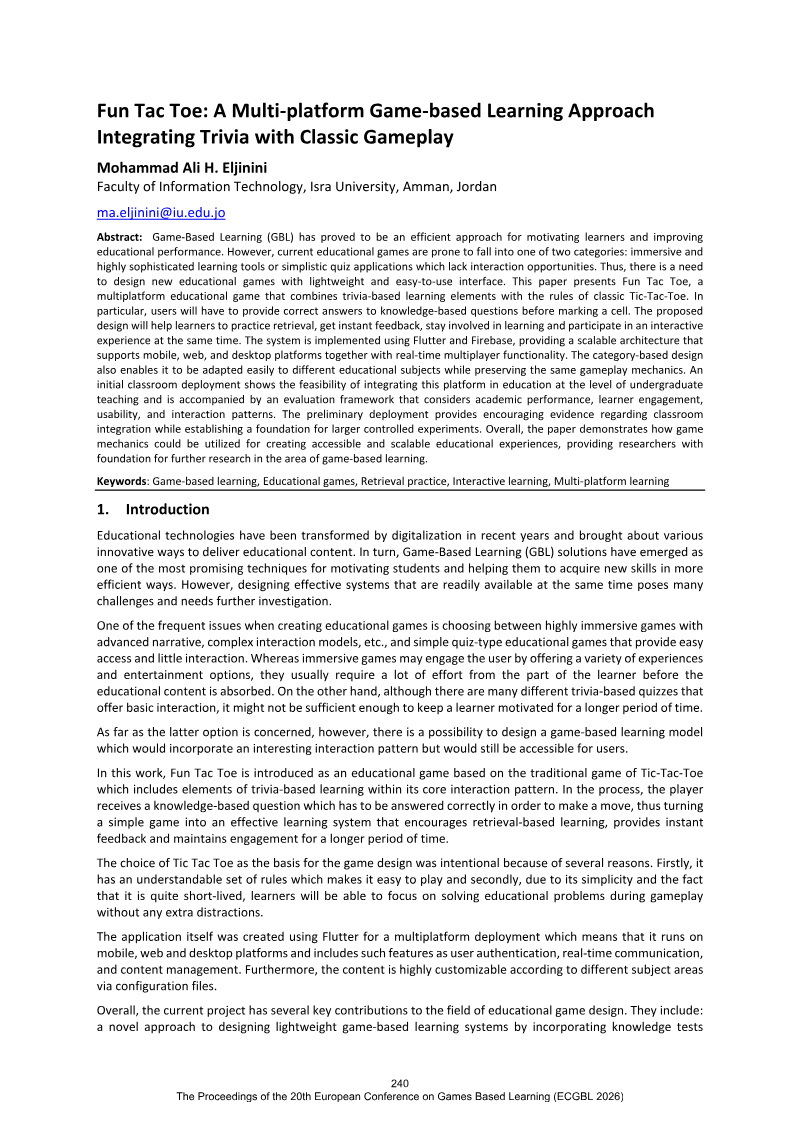
Fun Tac Toe: A Multi-Platform Game-Based Learning Approach Integrating Trivia with Classic Gameplay
Fun Tac Toe is presented as a multi-platform educational game that merges the rules of classic Tic-Tac-Toe with trivia-based learning.
- Fun Tac Toe merges classic Tic-Tac-Toe with trivia: players must answer a knowledge question correctly before placing a mark, aiming to combine retrieval practice, immediate feedback, and sustained engagement without the cost of heavyweight serious games.
- The platform is built in Flutter for a single codebase across mobile, web, and desktop, with Firebase handling authentication, real-time multiplayer synchronization, and cloud-based content management.
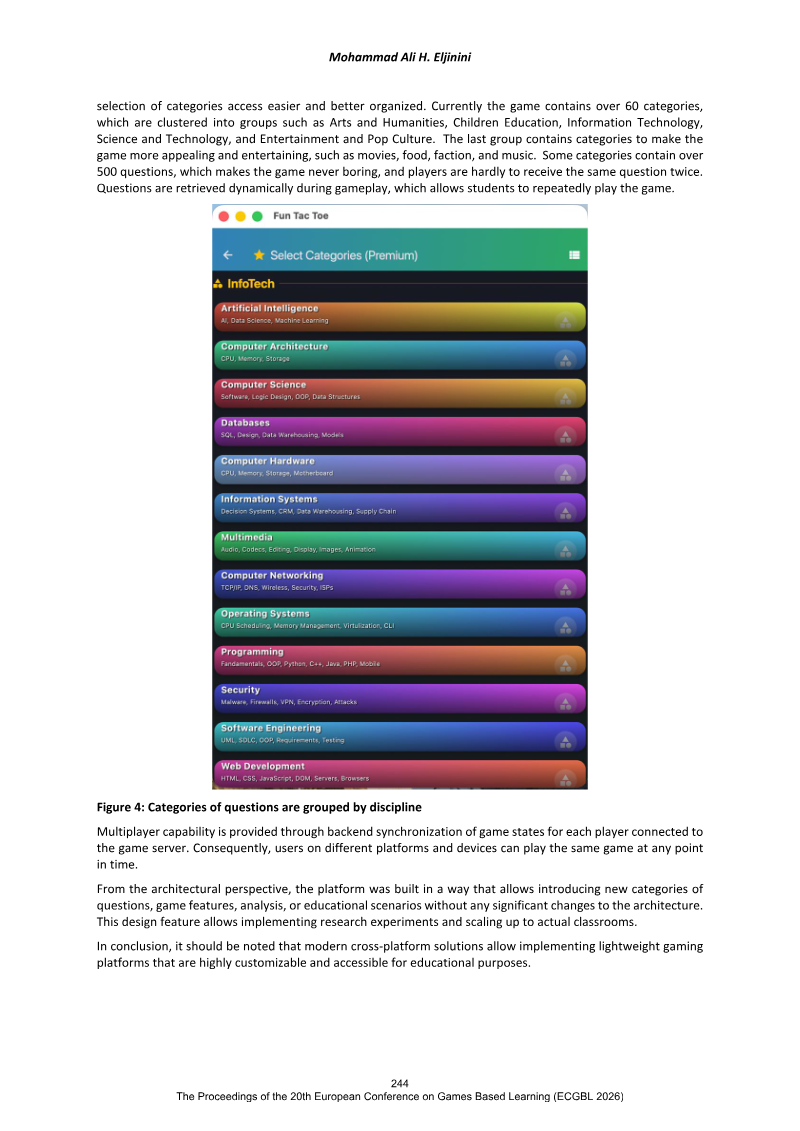
- The question engine spans more than sixty categories grouped by discipline, with some categories holding over 500 questions, and new question banks can be added without changing gameplay.
Goodwill Grind: A Career Simulation Game for Civic and Professional Education
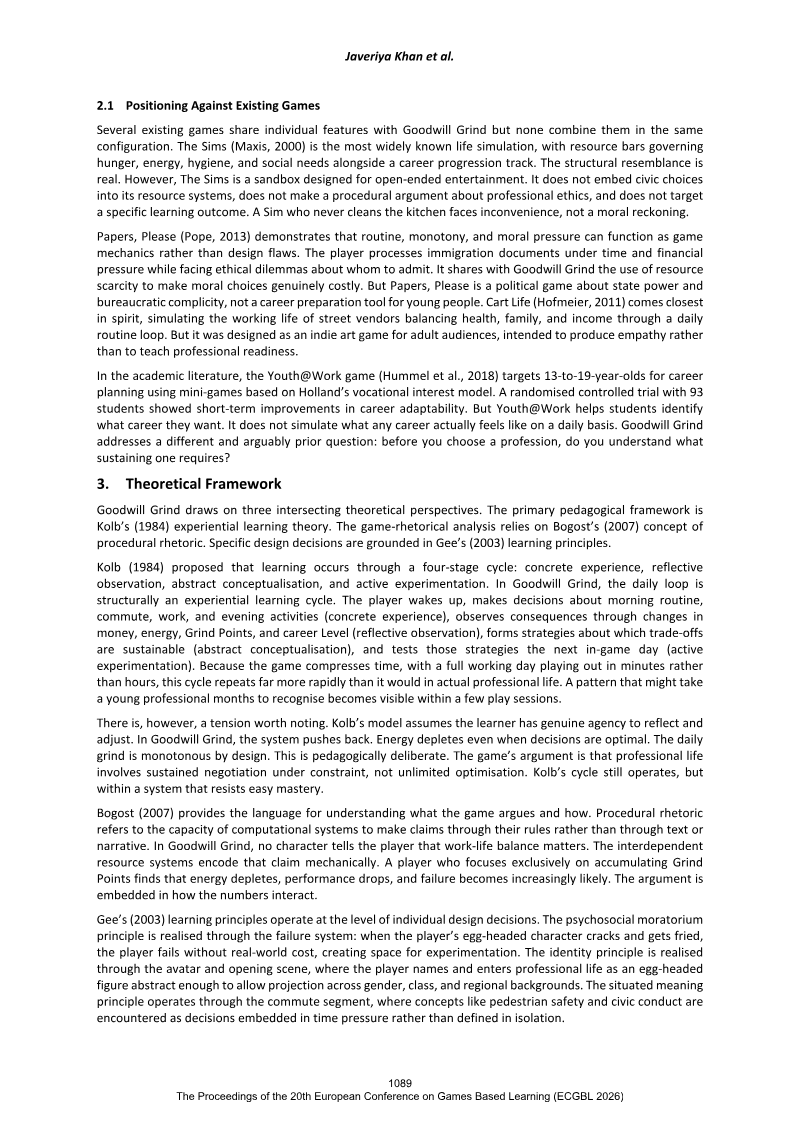
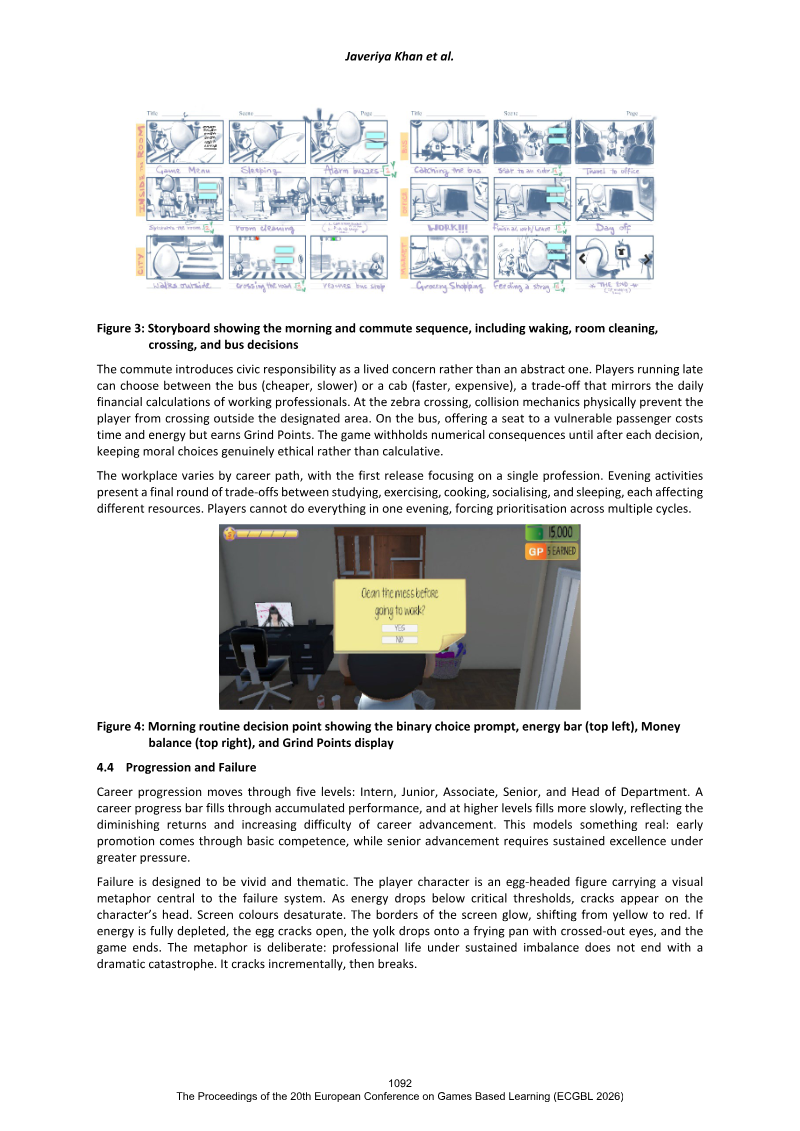
Goodwill Grind is a Unity-based career simulation game designed for players aged 12 to 25, which models the daily routine of working life as a repeating loop of commuting, workplace tasks, and evening choices.
- Goodwill Grind is a Unity-based career simulation game for players aged 12 to 25 that models working life as a repeating loop of commuting, workplace tasks, and evening choices, with the core thesis that civic and ethical decisions are best taught through play mechanics rather than explicit instruction.
- The game's design balances four interdependent resources (money, energy, time and punctuality, and Grind Points), and draws on Kolb's experiential learning cycle, Bogost's procedural rhetoric, and Gee's principles of learning.
- Only Level 1 of the planned five career levels has been built, and the prototype targets modest hardware of 8GB RAM and an i5 processor.
Market Forces: Playing with Risk in Business Planning for Games
Market Forces is a tabletop serious game designed for a second-year Business Planning for Games module, aimed at helping undergraduate games students develop strategic judgement in early-stage studio planning.
- Market Forces is a tabletop serious game for a second-year Business Planning for Games module that places student teams in studio identities with finite strengths and requires each risk response to pass a three-part mitigation test tied to identity, strengths and strategy.
- The game is grounded in experiential and activity-theoretical principles and is offered as a transferable design model for embedding studio-planning demands within games design curricula.
- Evidence comes from practice-informed classroom observation of about thirty students playing five 60-minute rounds in groups of four to six, not from controlled or empirical measurement.
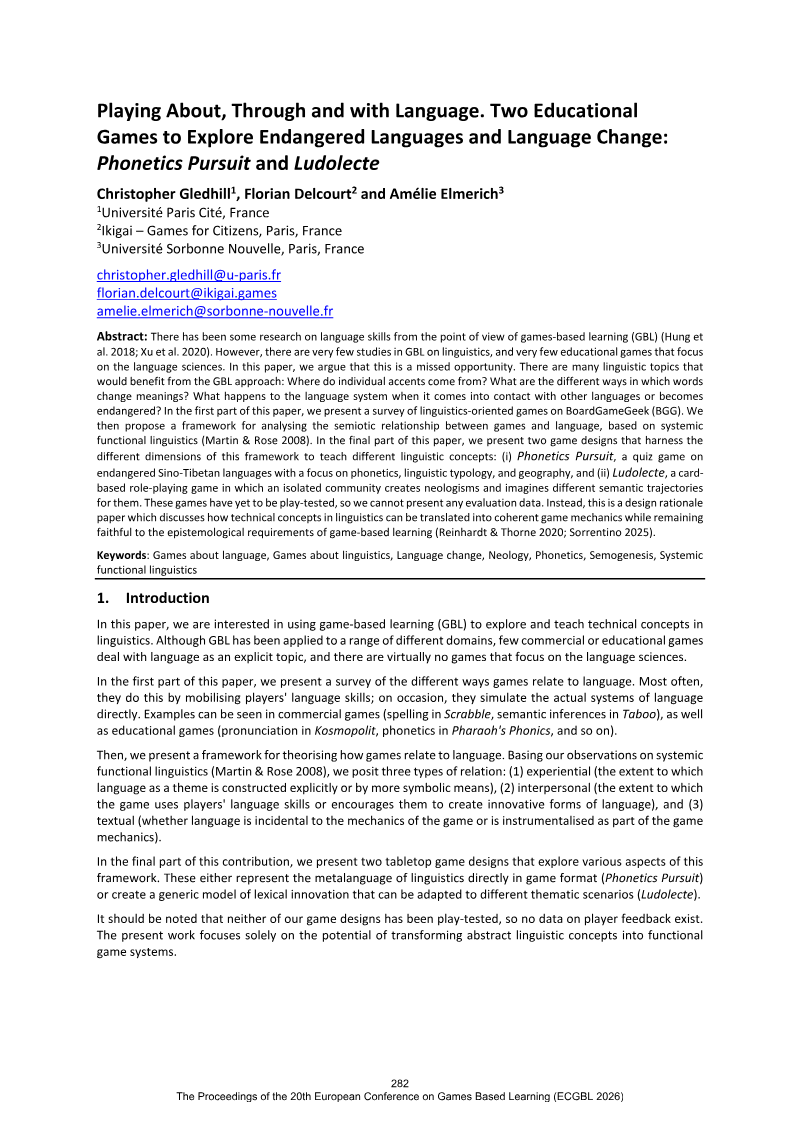
Playing About, Through and With Language: Two Educational Games to Explore Endangered Languages and Language Change
This paper argues that linguistics is an underexplored domain for game-based learning and proposes a functional framework for understanding how games relate to language.
- The paper proposes a functional framework for relating games to language, built on systemic functional linguistics and distinguishing experiential (explicit vs. metaphorical thematisation), interpersonal (existing vs. novel linguistic forms), and textual (incidental vs. instrumental language) dimensions.
- It is a design rationale rather than an empirical study: neither proposed game has been play-tested, so no player data are reported.
- A manual BoardGameGeek survey found only 42 language-related hits among over 166,400 tabletop titles, and just 15 games carry the "Language / Linguistics" family tag, suggesting linguistics is underexplored in game-based learning.
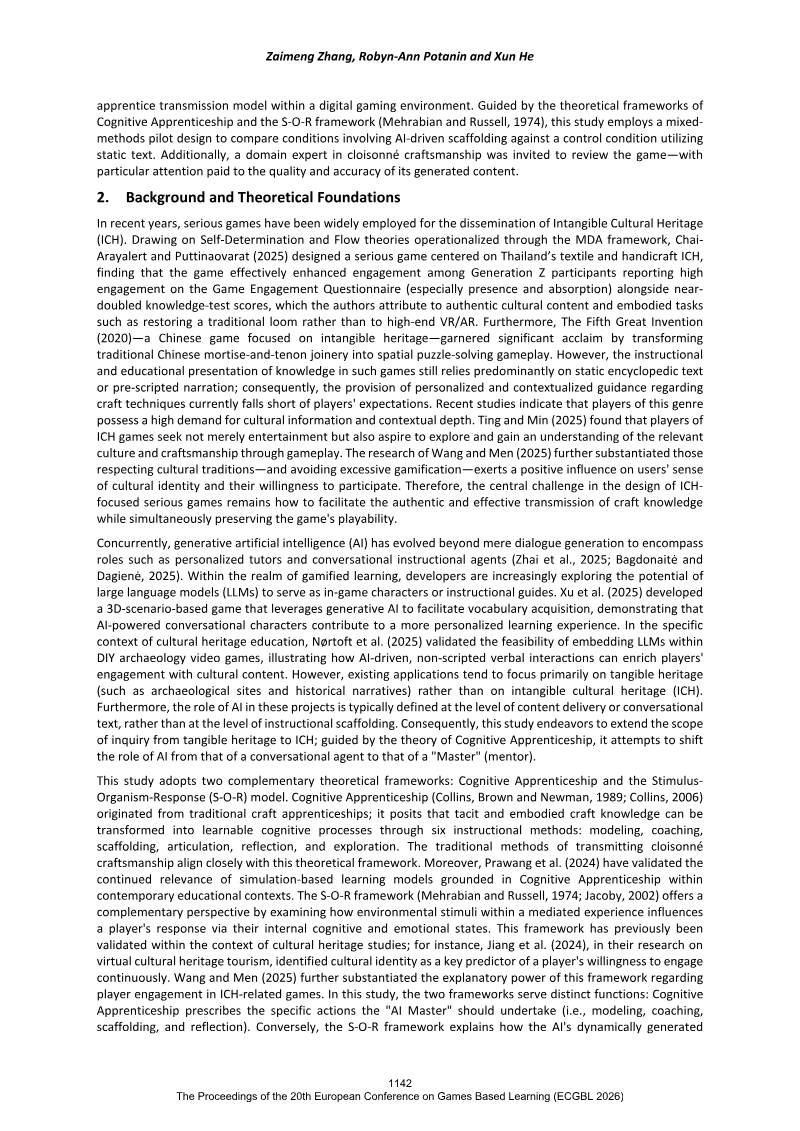
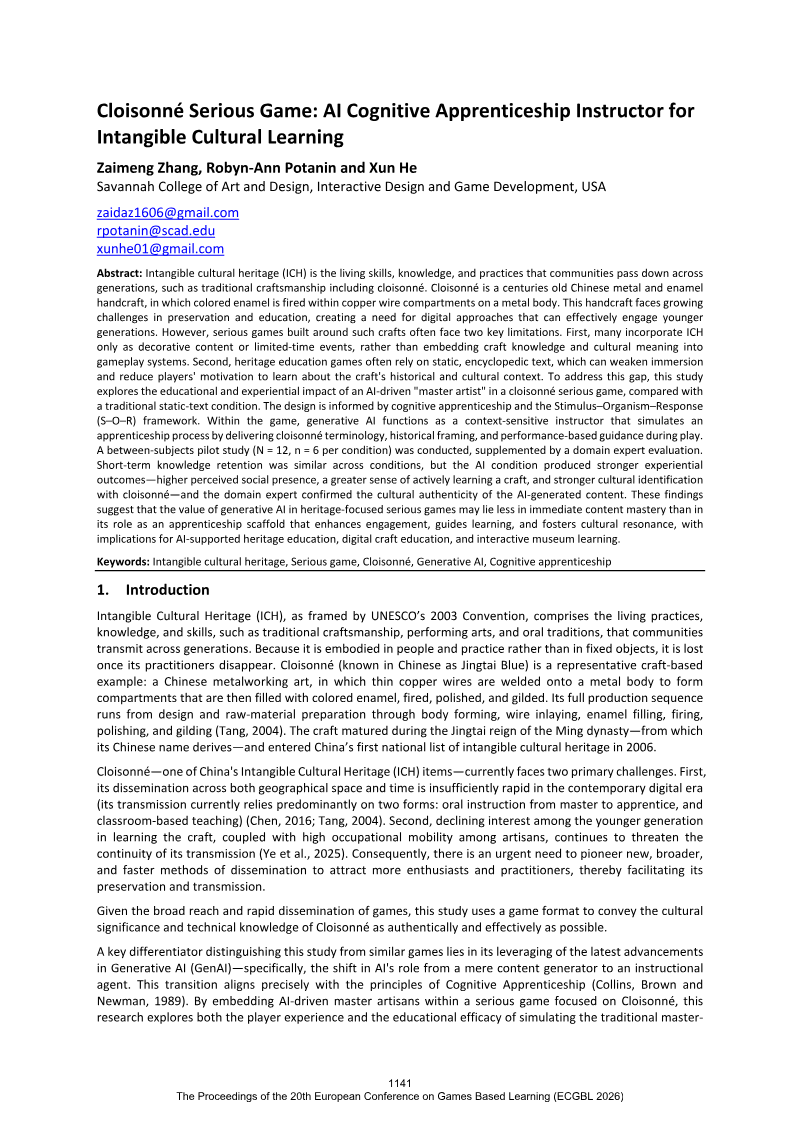
Cloisonné Serious Game: AI Cognitive Apprenticeship Instructor for Intangible Cultural Learning
A 2026 pilot study examines whether an AI-driven "master artist" instructor can enhance learning in a cloisonné serious game, a digital game that teaches the traditional Chinese enamel craft through four gamified stages: body forming, wire inlaying, enamel filling, and firing.
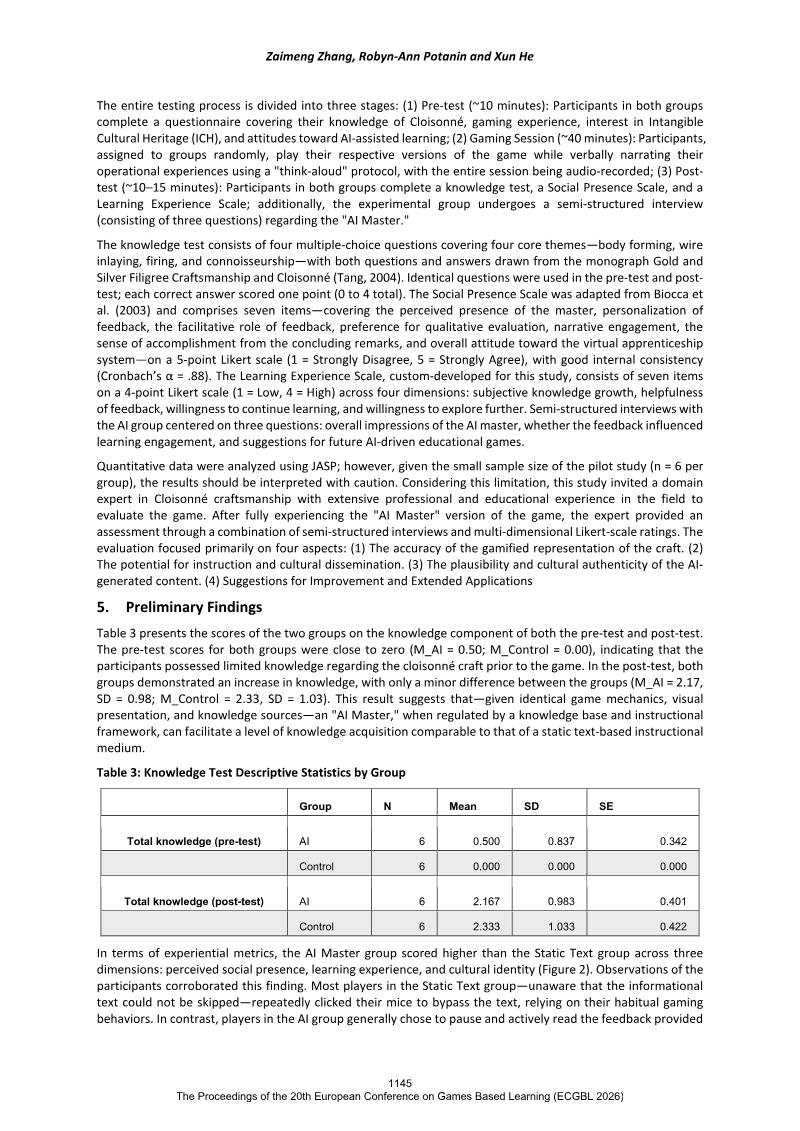
- A 2026 pilot study tested an AI "Master" tutor (built on Gemini with a curated cloisonné monograph knowledge base) against a static encyclopedic text in a cloisonné serious game, but with only 12 participants (six per condition) recruited largely from a single U.S. art and design institution.
- Factual knowledge gains were essentially identical across conditions (post-test AI M = 2.17 vs. control M = 2.33), so the AI tutor showed no measurable advantage in recall.
- The AI group reported higher social presence, learning experience, and cultural identity, with the largest gap appearing in cultural identity.
Playtest Planning and Reporting Toolkit for Game Design in Academic Contexts
The Playtest Planning and Reporting Toolkit addresses a gap in academic game design: the absence of a standardized, transparent format for planning and documenting playtests.
- Playtesting should begin early and recur with every design iteration, verifying whether design decisions produce the player experience the designer intended.
- Without consistent planning and reporting, playtest findings are hard to reproduce, compare, or recover; the toolkit proposes a standardized format to address this gap in academic game design.
- The toolkit classifies playtests along three dimensions: scope (holistic or focused), structure (informal, semi-formal, or formal), and participant type (internal team, friends and family, fellow developers, target audience, or stakeholders).
Designing a Digital Game on Ratio and Proportion Concept: Integrating Environmental Awareness Through Contextualized Problem-Solving
This study presents the design and iterative development of a digital game aimed at teaching ratio and proportion through environmental contexts, contrasting green and industrial settings.
- The study presents a digital game teaching ratio and proportion through contrasting green (environmental) and industrial contexts, built on four problem types drawn from Lamon's framework and developed via design-based research across prototype, alpha, and beta phases.
- Expert and student feedback drove major design changes, including replacing typed answers with button-based interaction, fixing non-responsive controls and script errors, and adding an information box and visual aids to help novice players understand camera controls and objectives.
- Later iterations reordered levels by difficulty, extended playtime from roughly 20 to at least 30 minutes, and introduced context-driven cutscenes.
Revisiting the Serious Game Classification and Definition
This paper, by Alice Thise of the University of Liège, revisits the theoretical foundations of "serious games" (SG), a term the author acknowledges is contested because it implies games are not serious by nature.
- The paper, a narrative review by Alice Thise (University of Liège) and a summary of a doctoral thesis chapter, adopts a subjectivist definition of play: play is defined by the player's perception, while objects designed as games remain games regardless of reception.
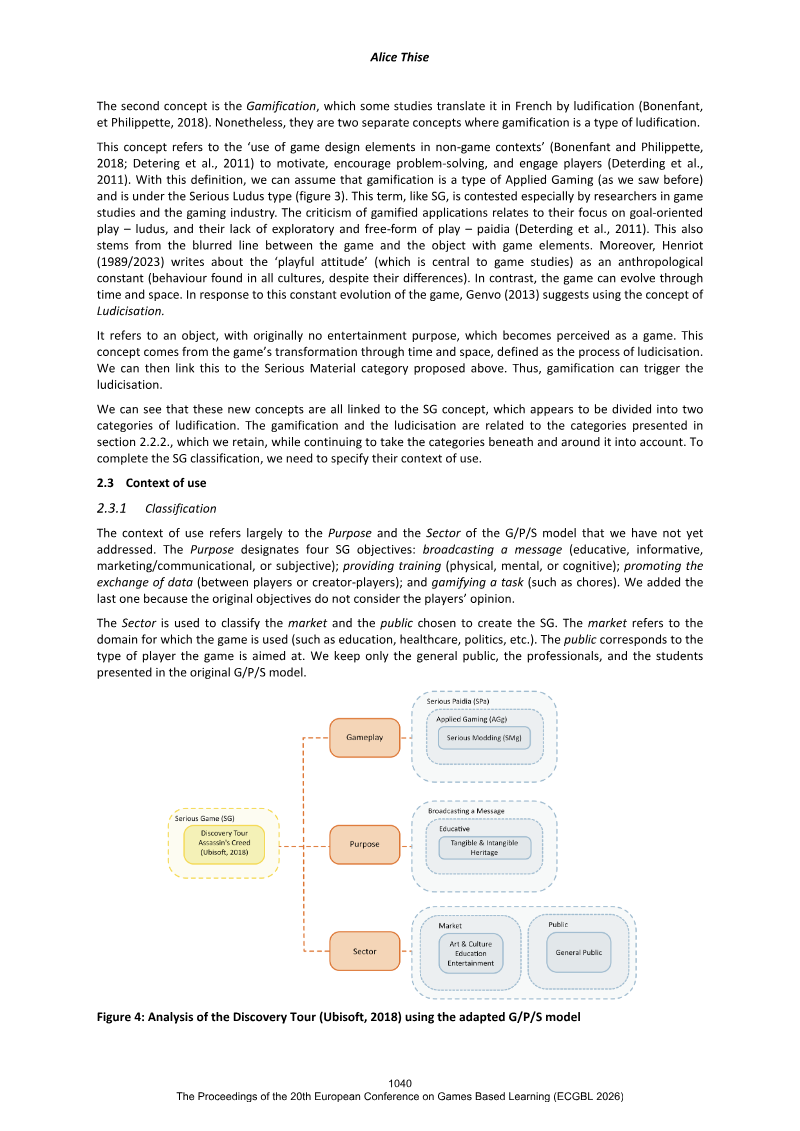
- The author proposes extending the Gameplay/Purpose/Sector model of Alvarez, Djaouti and Rampnoux (2012) with categories such as Serious Material and Serious Paidia, and introduces historical periods: Ancient, Retro, and the post-2002 Serious Games period.
- The paper revises the start of the Retro Serious Games period from 1972 to 1951, the date of an early research chess program, and argues that physical and phygital precedents such as Sun Tzu's Wei Hai and Sutherland's 1968 head-mounted display predate the digital emphasis common in the literature.
Gamified Physical Timers: Multiple Baseline Study of the Attention Support Apparatus
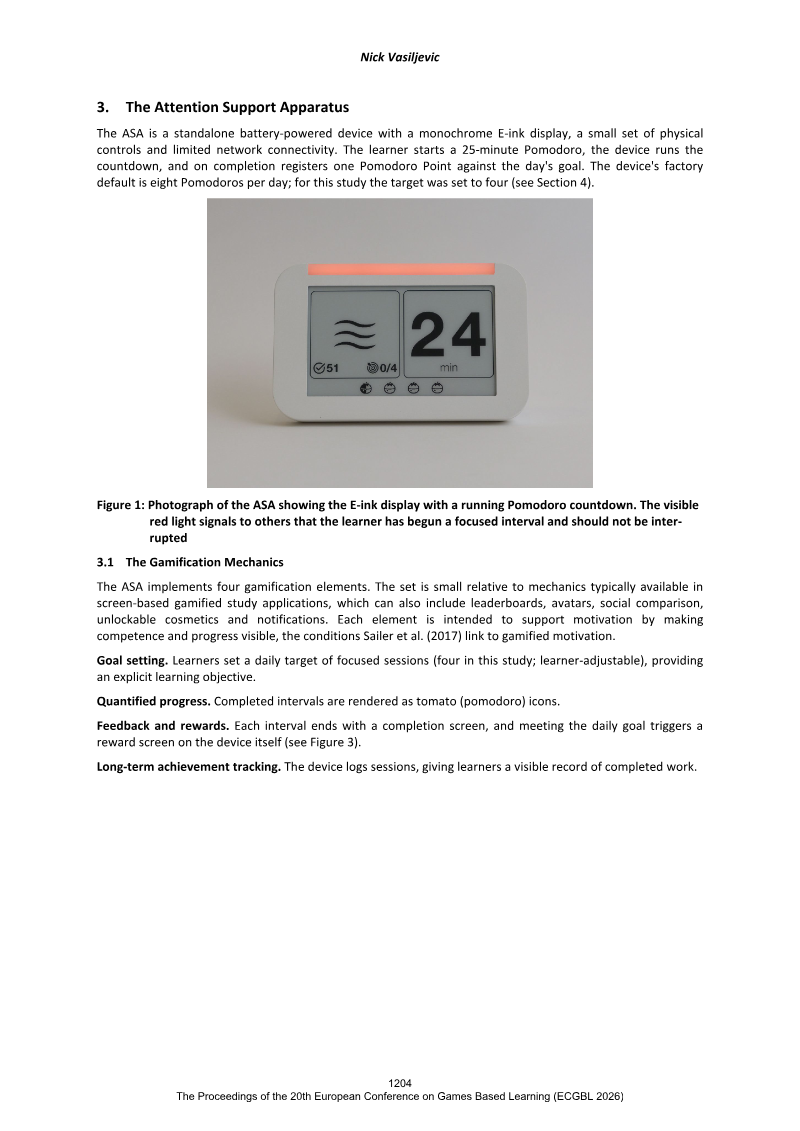
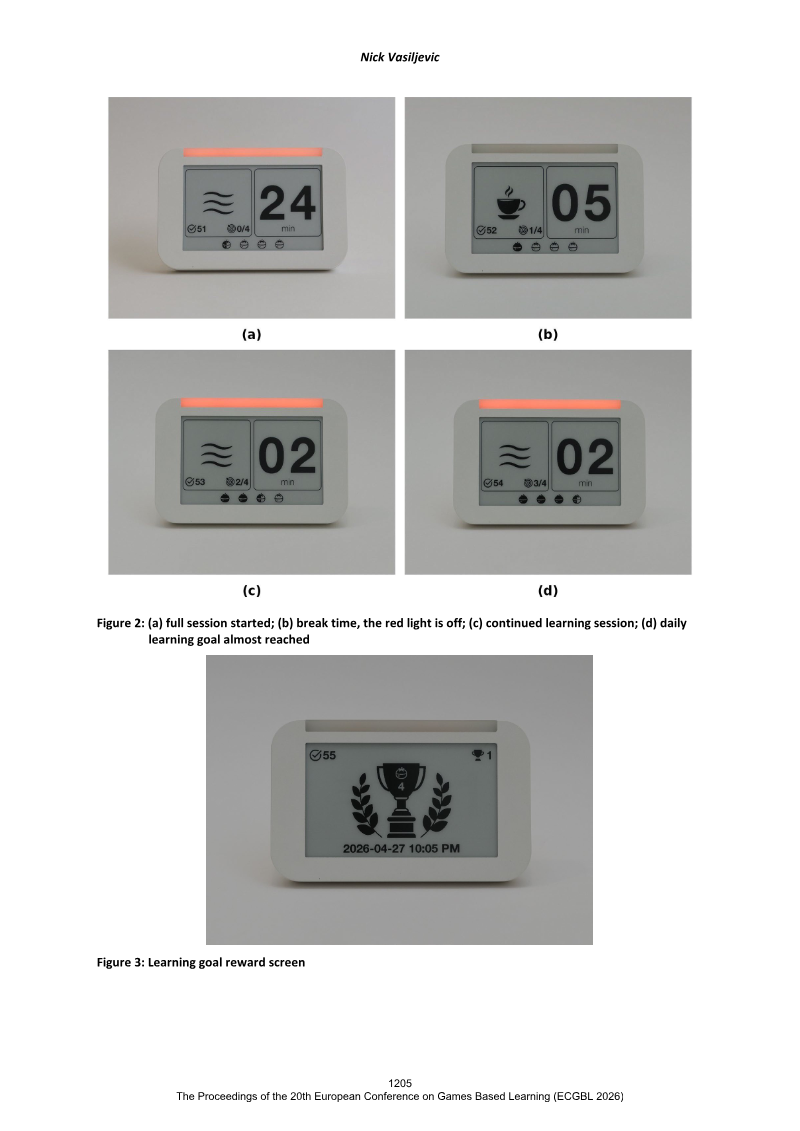
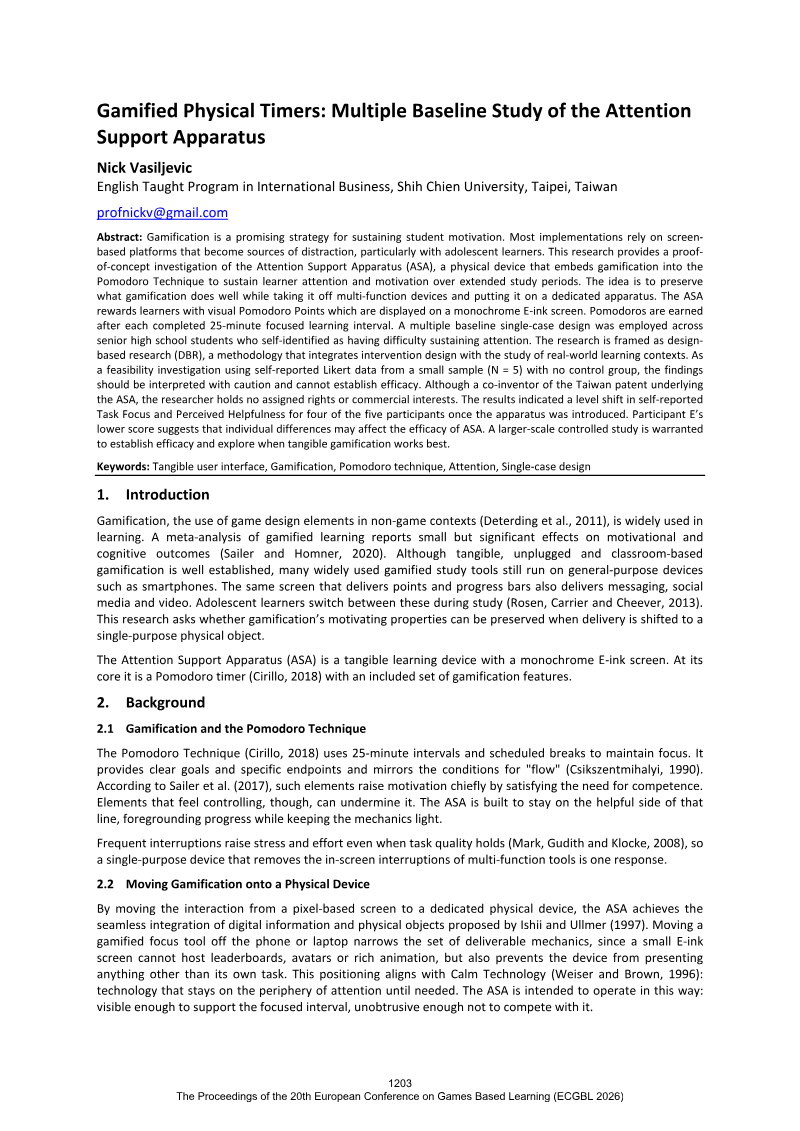
This document is a proof-of-concept feasibility study of the Attention Support Apparatus (ASA), a standalone physical Pomodoro timer with an E-ink display that embeds a small set of gamification mechanics such as daily goals, quantified progress, completion rewards, and session logging.
- The study is a feasibility proof-of-concept with five senior high school students and no control group, so it establishes feasibility rather than efficacy.
- Four of five participants improved Task Focus relative to their own baselines, with gains from +0.42 to +1.50 points on a five-point Likert scale, and the participant who started lowest showed the largest change.
- The fifth participant, who began near the scale ceiling, reported declining focus and found the device constraining, consistent with research showing gamification can backfire when it feels controlling.
Learner-Centered Design in Practice: The Impact of Non-Learning Elements on Engagement and Learning Experiences
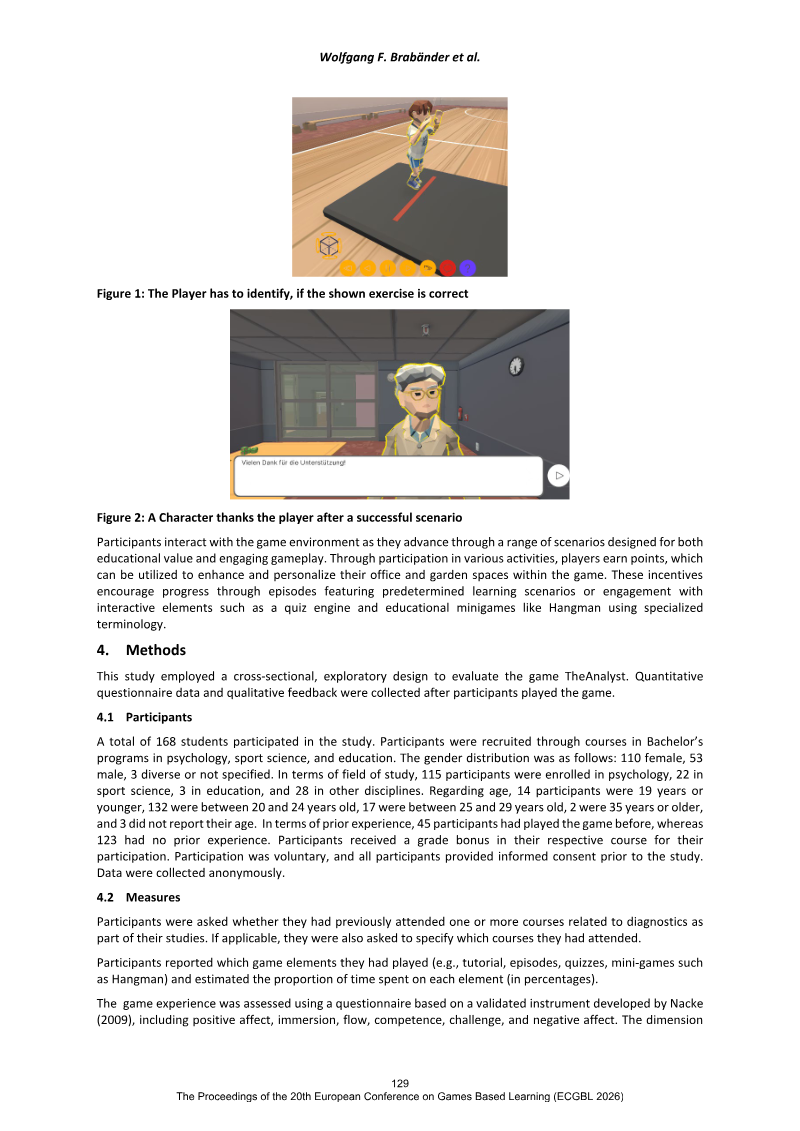
The study evaluates "The Analyst," an educational serious game for undergraduate students in human science disciplines such as psychology, sport science, and education, designed to teach human diagnostics through simulated professional tasks, quizzes, and mini-games.
- Participants rated the serious game 'The Analyst' highly on positive affect, immersion, and flow, with low negative affect, across a single 40-minute free-play session with 168 undergraduate students in human science disciplines.
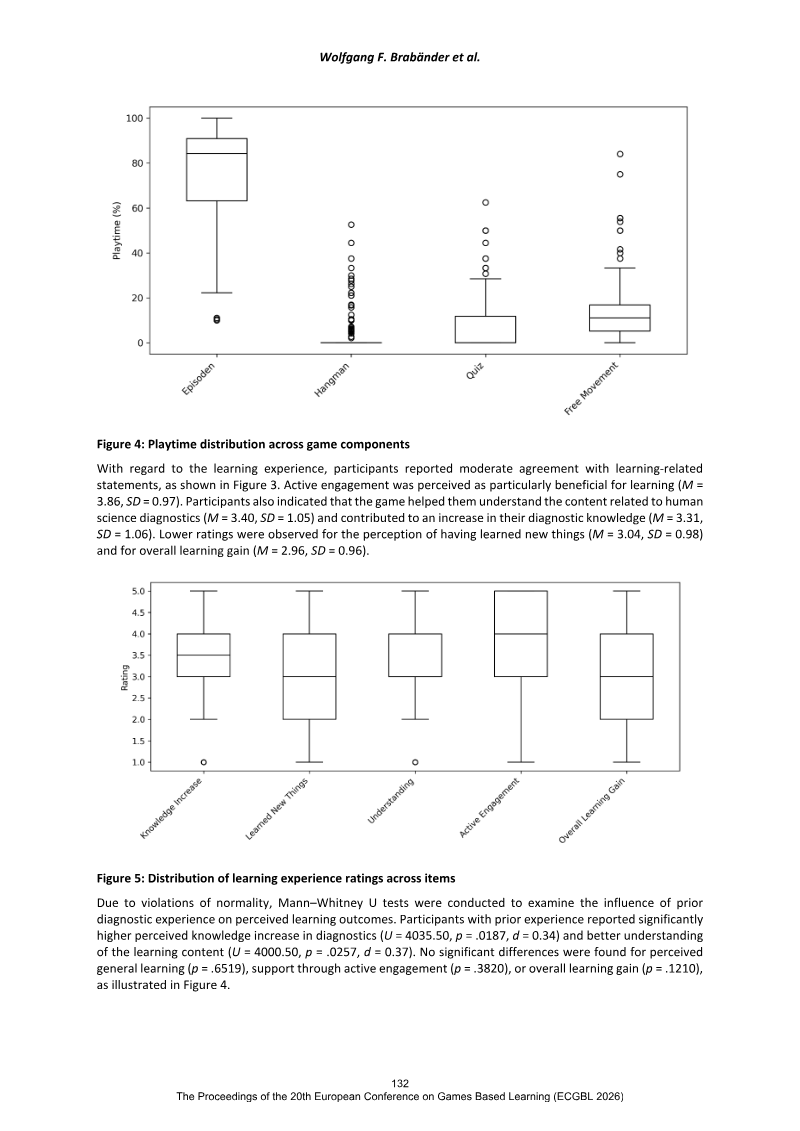
- Learners spent most of their time in narrative episodes (about 75%), with the remainder on free movement (about 14%), quizzes (about 8%), and Hangman (about 4%), suggesting engagement with both educational and non-educational components.
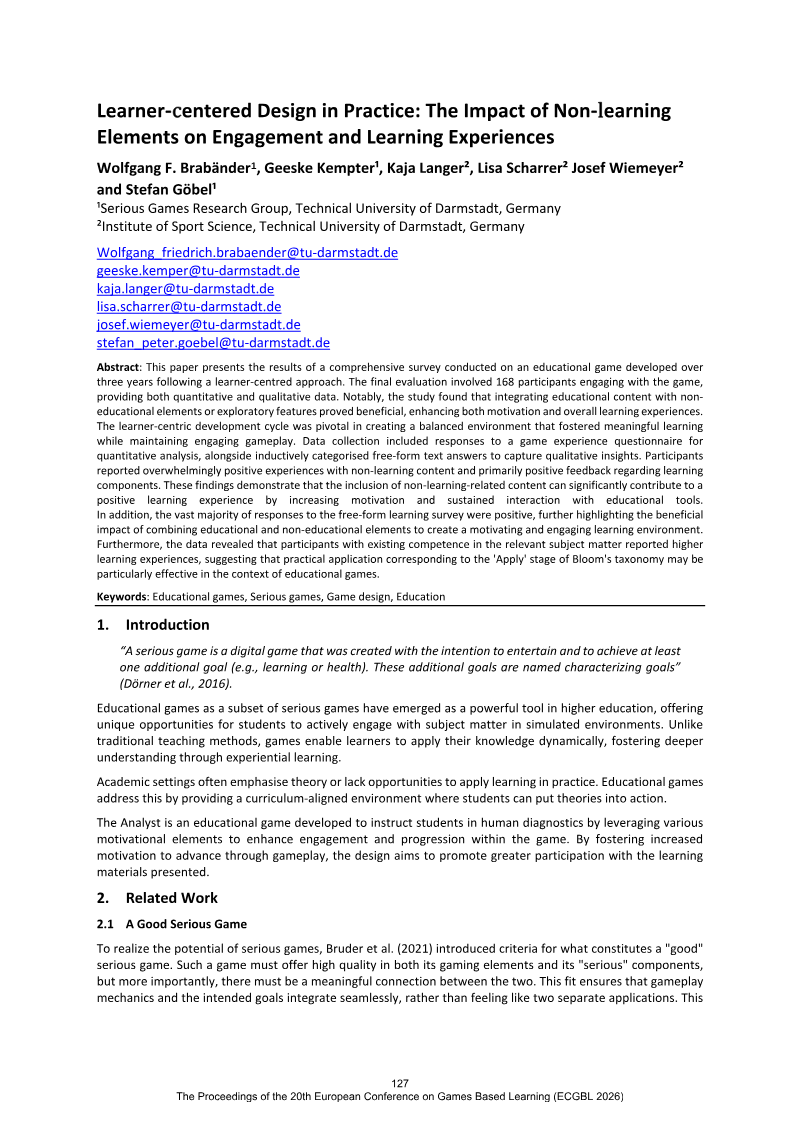
- Perceived learning was moderate but positive, with active engagement rated highest and overall learning gain rated lowest.
DGBL in Secondary School Mathematics: A Scoping Review
This scoping review examines 21 papers published between 2020 and 2025 on digital game-based learning (DGBL) in secondary school mathematics.
- DGBL shows real potential to improve mathematics achievement, motivation, engagement, and problem-solving in secondary school, but these benefits are inconsistent and depend on game design, pedagogical integration, and teacher mediation.
- Eight of the 21 reviewed studies (2020–2025) report increased intrinsic motivation and stronger classroom engagement, making these some of the most consistent positive outcomes in the evidence base.
- Games oriented toward task completion risk fostering procedural fluency rather than deep conceptual understanding, so a game's educational value depends on whether its mechanics align with mathematical reasoning rather than on its entertainment appeal.