1 free read left. Create a free account for unlimited reading + AI research.
Create free accountWhitepaper European Conference on Games Based Learning (ECGBL)
1 free read left. Create a free account for unlimited reading + AI research.
Create free accountWhitepaperEuropean Conference on Games Based Learning (ECGBL)
Playtesting verifies whether design decisions produce the player experience the designer intended.
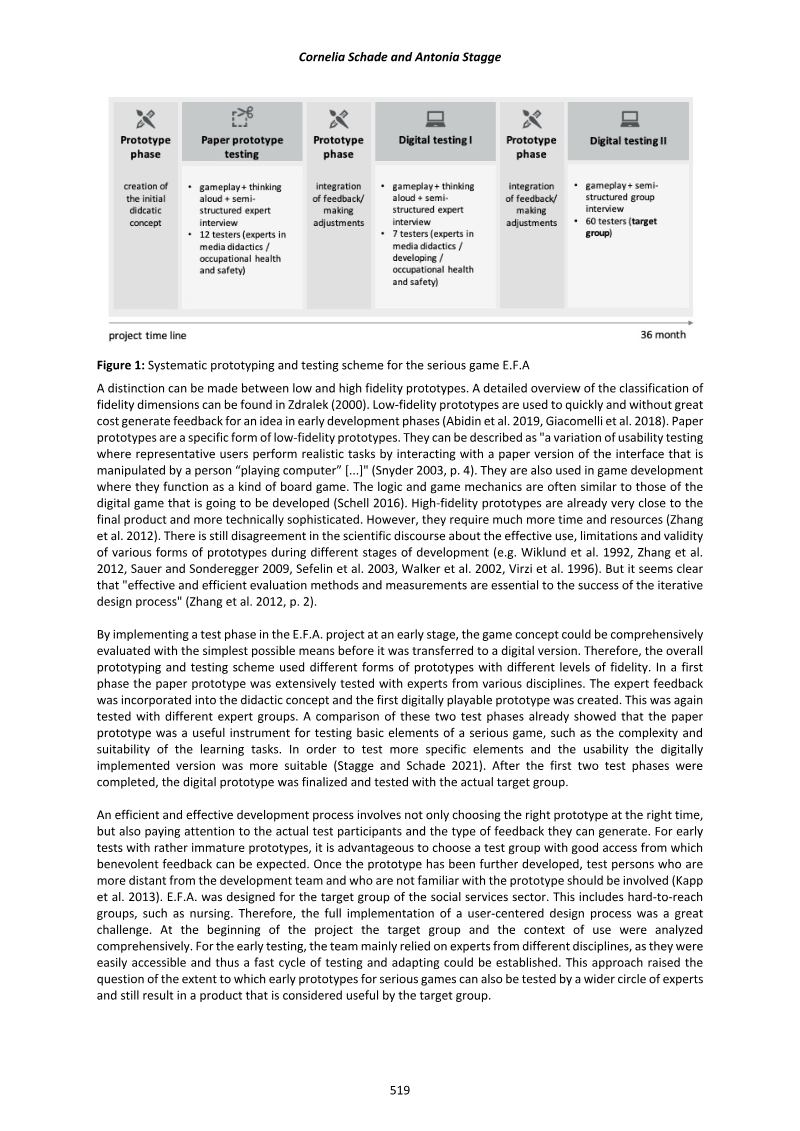
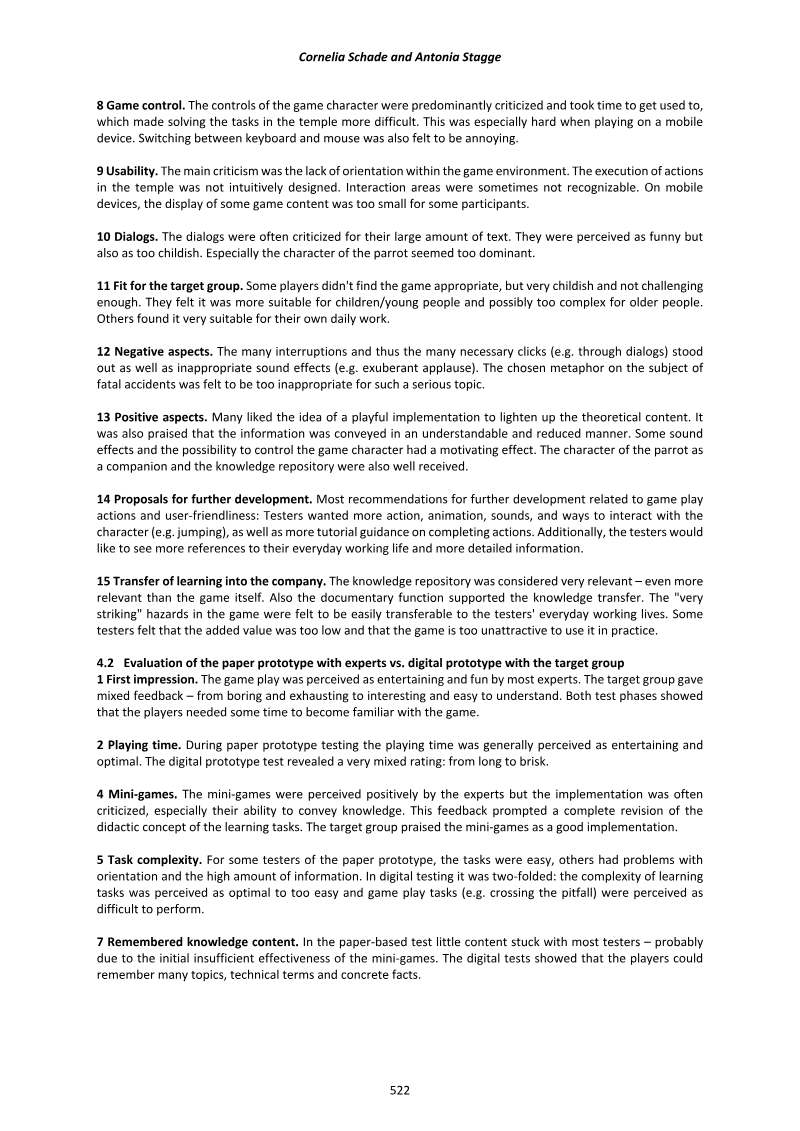
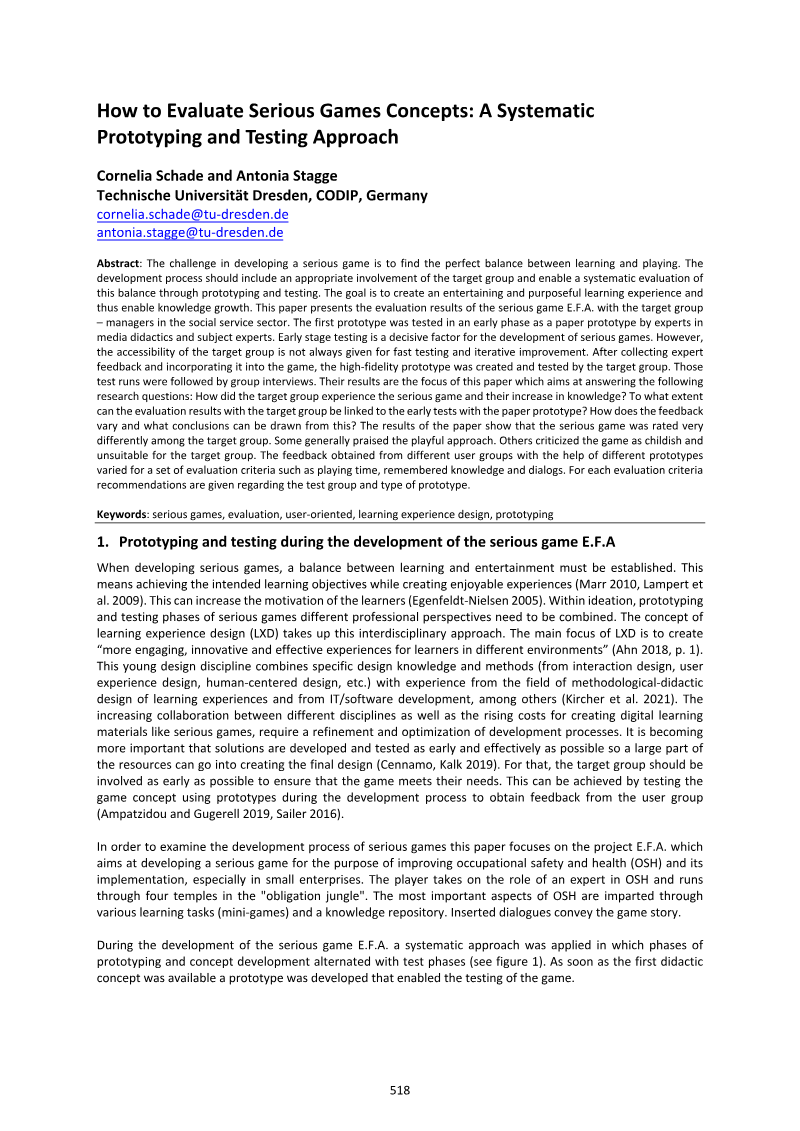
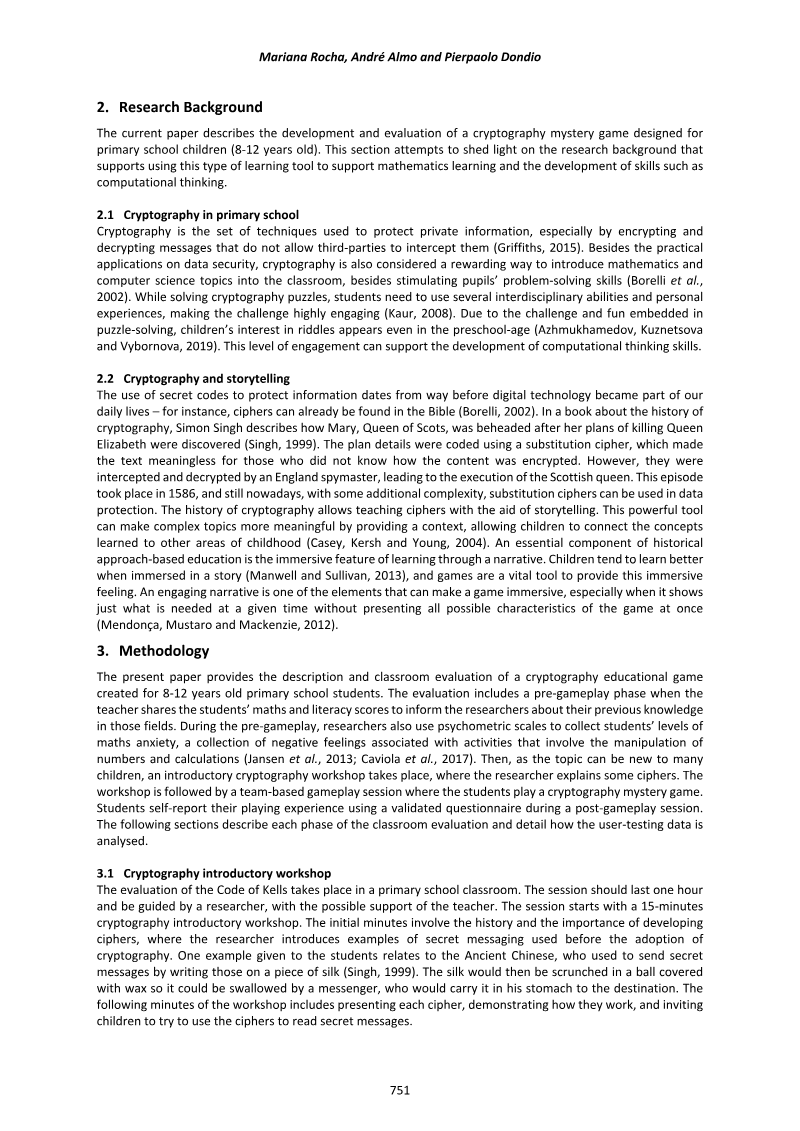
The Playtest Planning and Reporting Toolkit addresses a gap in academic game design: the absence of a standardized, transparent format for planning and documenting playtests. Its core premise is that playtesting, defined as the process of verifying whether design decisions produce the player experience the designer intended, should begin early and recur with every iteration. The toolkit argues that without consistent planning and reporting, playtest findings are difficult to reproduce, compare, or recover, and that a shared structure can make the practice more purposeful for students and instructors alike.
The work surveys common playtesting methods, including in-person and remote observation, think-aloud protocols, session recordings, in-game analytics, post-play interviews and questionnaires, and occasionally biometrics. Each carries tradeoffs, such as the observer pressure of in-person sessions against the loss of contextual detail in remote testing, or the efficiency of questionnaires against their shallower responses. To organize these choices, the toolkit proposes a classification framework along three dimensions: scope (holistic or focused), structure (informal, semi-formal, or formal), and participant type (internal team, friends and family, fellow developers, target audience, or stakeholders). It supplies a Playtest Plan template centered on one main goal per round, paired with a Playtest Report template that serves simultaneously as an observation protocol and a tool for synthesizing findings and prioritizing revisions.
Reported use with graduate game design students suggests the framework made playtesting more deliberate and easier for instructors to evaluate. The authors present the toolkit as flexible and still evolving rather than a prescriptive procedure. Its scope is academic and student-oriented, drawing on game design, playtesting, and serious games literature, including recent research on the playtesting challenges faced by independent developers. Ethical conduct was documented, with informed consent obtained from workshop and focus group participants, and no ethical clearance was required.

European Conference on Games Based Learning (ECGBL) · 2026



European Conference on Games Based Learning (ECGBL) · 2026

European Conference on Games Based Learning (ECGBL) · 2026



European Conference on Games Based Learning (ECGBL) · 2026



European Conference on Games Based Learning (ECGBL) · 2026



European Conference on Games Based Learning (ECGBL) · 2026



European Conference on Games Based Learning (ECGBL) · 2026



European Conference on Games Based Learning (ECGBL) · 2026



European Conference on Games Based Learning (ECGBL) · 2026



European Conference on Games Based Learning (ECGBL) · 2026



European Conference on Games Based Learning (ECGBL) · 2026



European Conference on Games Based Learning (ECGBL) · 2026
European Conference on Games Based Learning (ECGBL) · 2024