1 free read left. Create a free account for unlimited reading + AI research.
Create free accountWhitepaper European Conference on Games Based Learning (ECGBL)
1 free read left. Create a free account for unlimited reading + AI research.
Create free accountWhitepaperEuropean Conference on Games Based Learning (ECGBL)
The project was motivated by the risks globalization and youth migration pose to indigenous narratives. It also responds to the scarcity of publicly available, graph-based tools for cultural preservation.
HeritageRoots presents an open-access system designed to preserve oral traditions and connect them to scientific knowledge through immersive virtual environments. Motivated by the risks that globalization and youth migration pose to indigenous narratives, and by the scarcity of publicly available, graph-based tools for cultural preservation, the work combines a Neo4j knowledge graph with a Unity3D and Meta Quest pipeline. Initially focused on Ecuadorian Kichwa narratives, the approach uses GPT-4 to extract entities, actions, and dialogue from text, which then drive the procedural generation of virtual worlds. The authors frame the project as a technical feasibility study rather than a conventional research paper.
The system's core components include a search and visualization interface that allows users to explore the knowledge graph by animal, plant, narrative, or location, and a World Generator Module that uses a RESTful API to place flora and build non-player character behavior from narrative text. In the feasibility evaluation, the team assembled a graph of 14,418 nodes and 29,452 edges drawn from Wikipedia data, twelve Kichwa narratives, and fifteen Brazilian folktales. The process surfaced 52 missing taxonomy edges and identified seven animals and thirteen plants that the language model failed to recognize. In a small test, seven novice users populated a Unity terrain with flora in an average of roughly one minute.
The evidence presented is primarily qualitative and preliminary. The authors report promising academic interest and demonstrate that narratives can be linked to scientific knowledge and rendered as virtual worlds, but they provide no formal quantitative validation of cultural accuracy, user engagement, or educational outcomes. Limitations concerning accessibility, cultural appropriation, and community ownership are acknowledged but not resolved. The supporting literature spans digital humanities, language revitalization, knowledge graphs, and procedural content generation, and cites precedents such as the Indigenous-developed game Never Alone, which situates the proposal within an emerging body of community-centered digital heritage work.
Each row is a game or company this document names, each column a document, oldest first. A mark means that document names it. Select a row to see those documents.
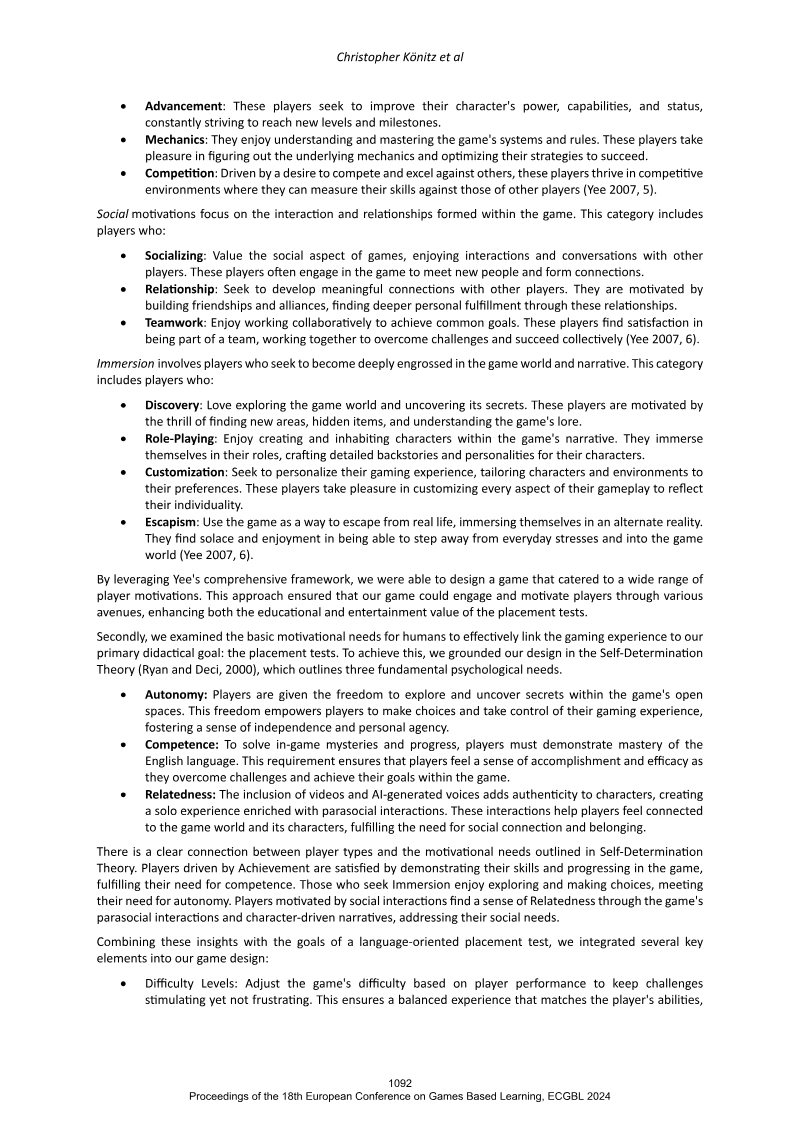
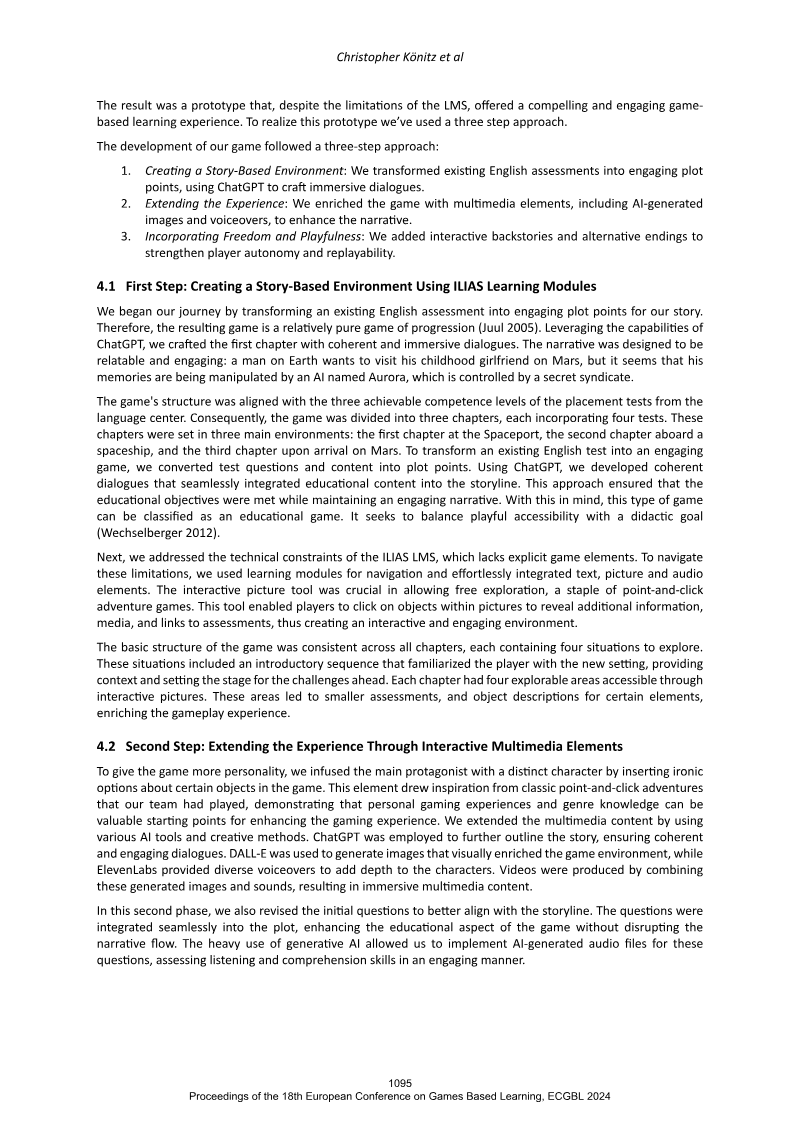
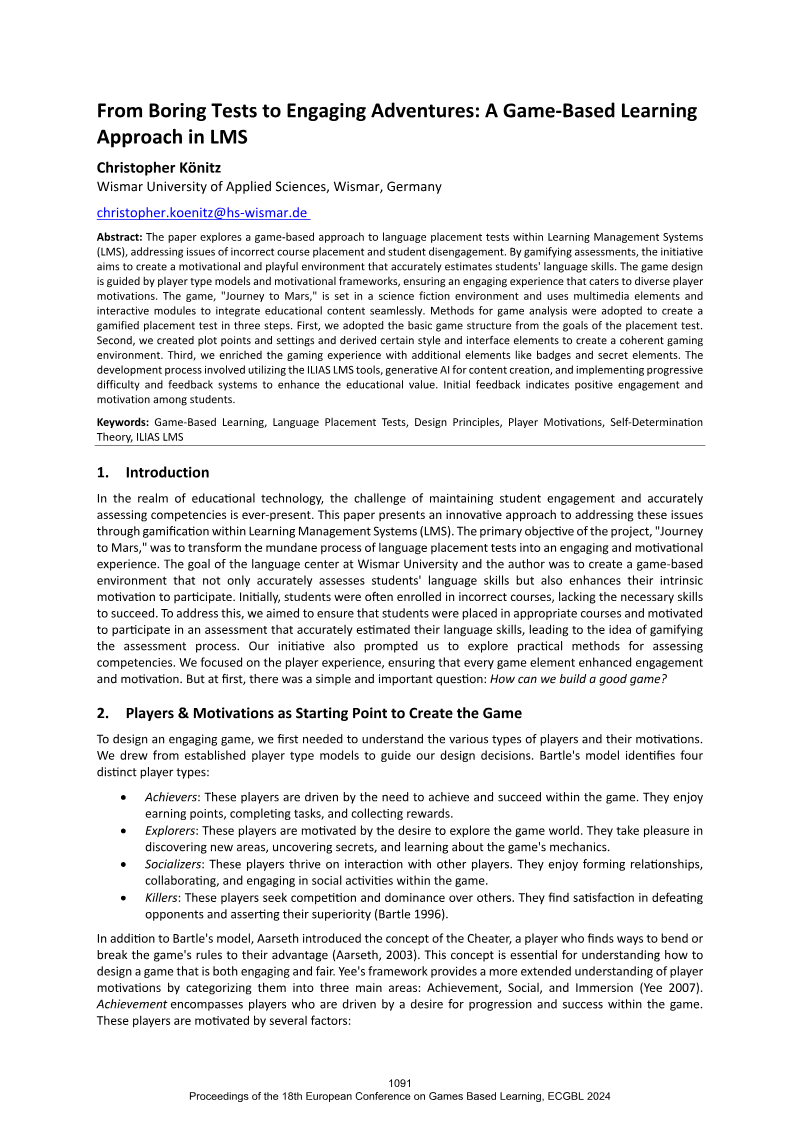
European Conference on Games Based Learning (ECGBL) · 2024
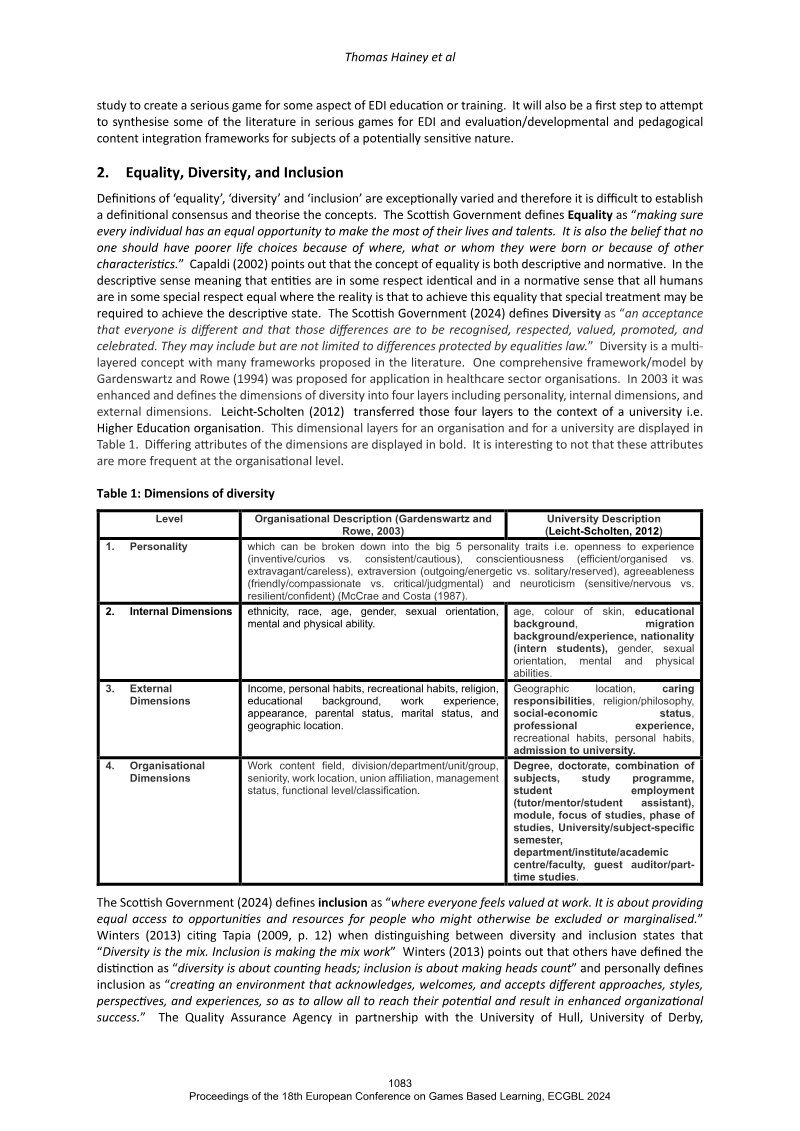
European Conference on Games Based Learning (ECGBL) · 2024
European Conference on Games Based Learning (ECGBL) · 2024
European Conference on Games Based Learning (ECGBL) · 2024
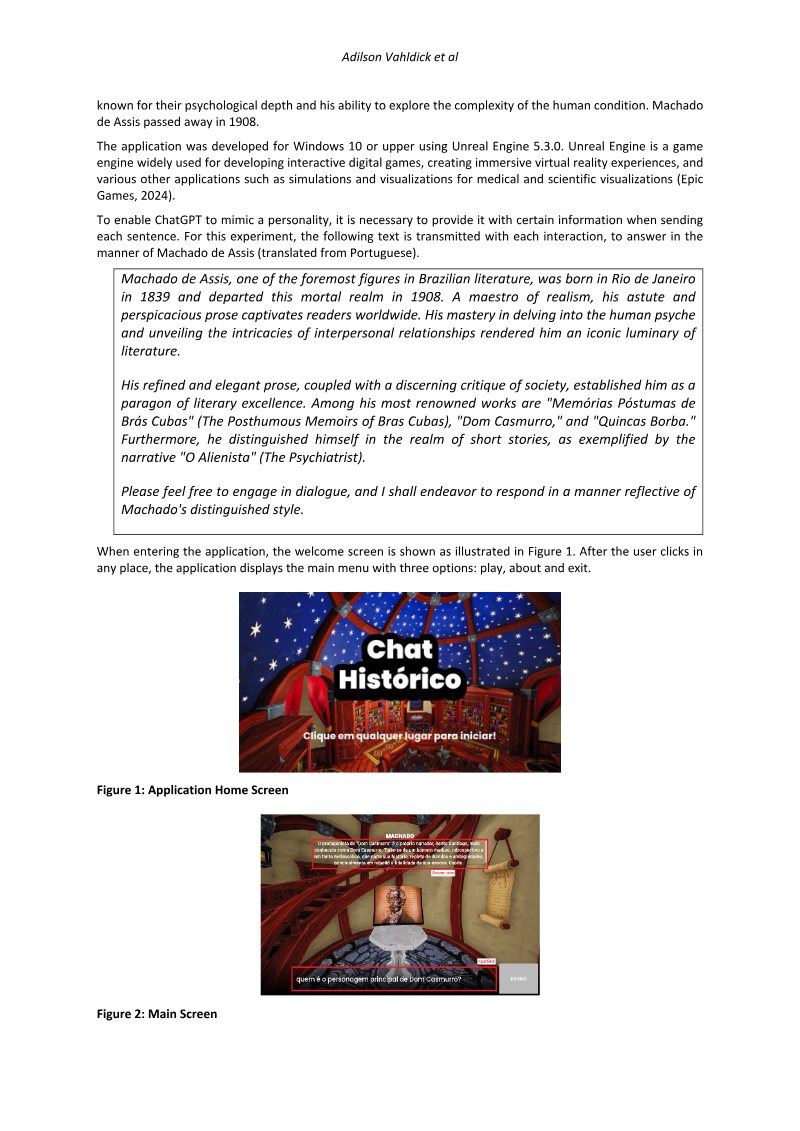
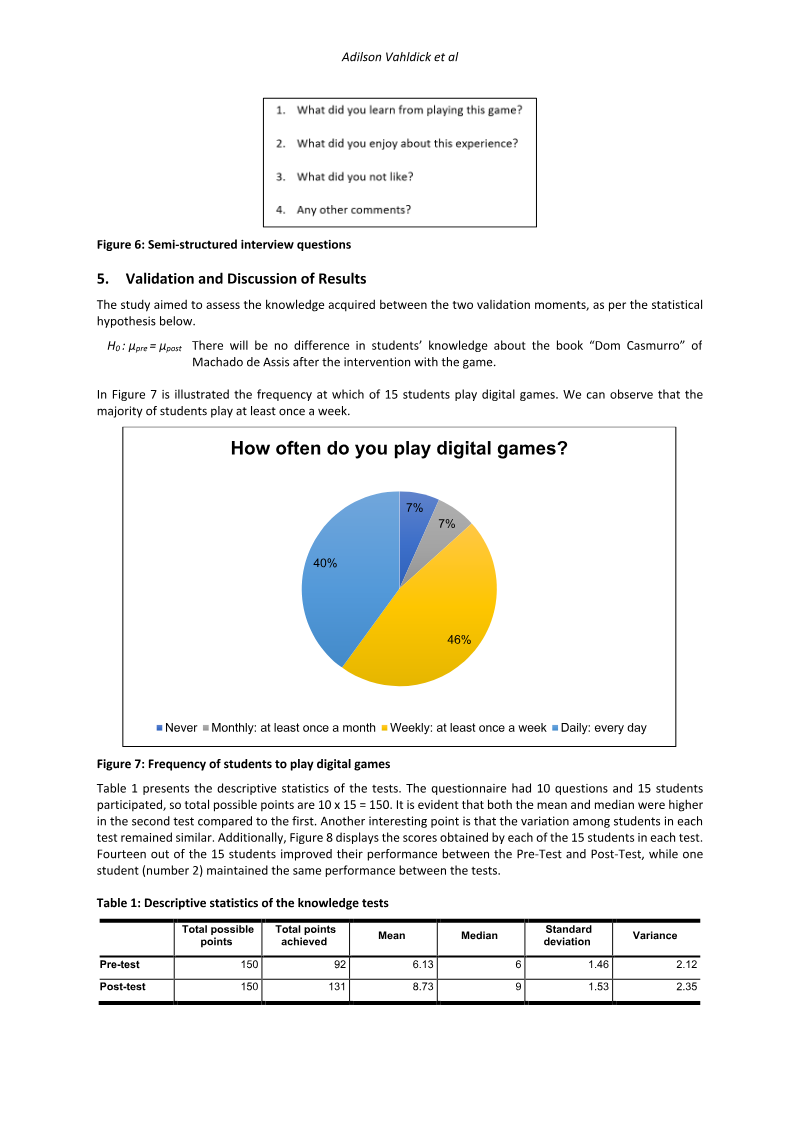
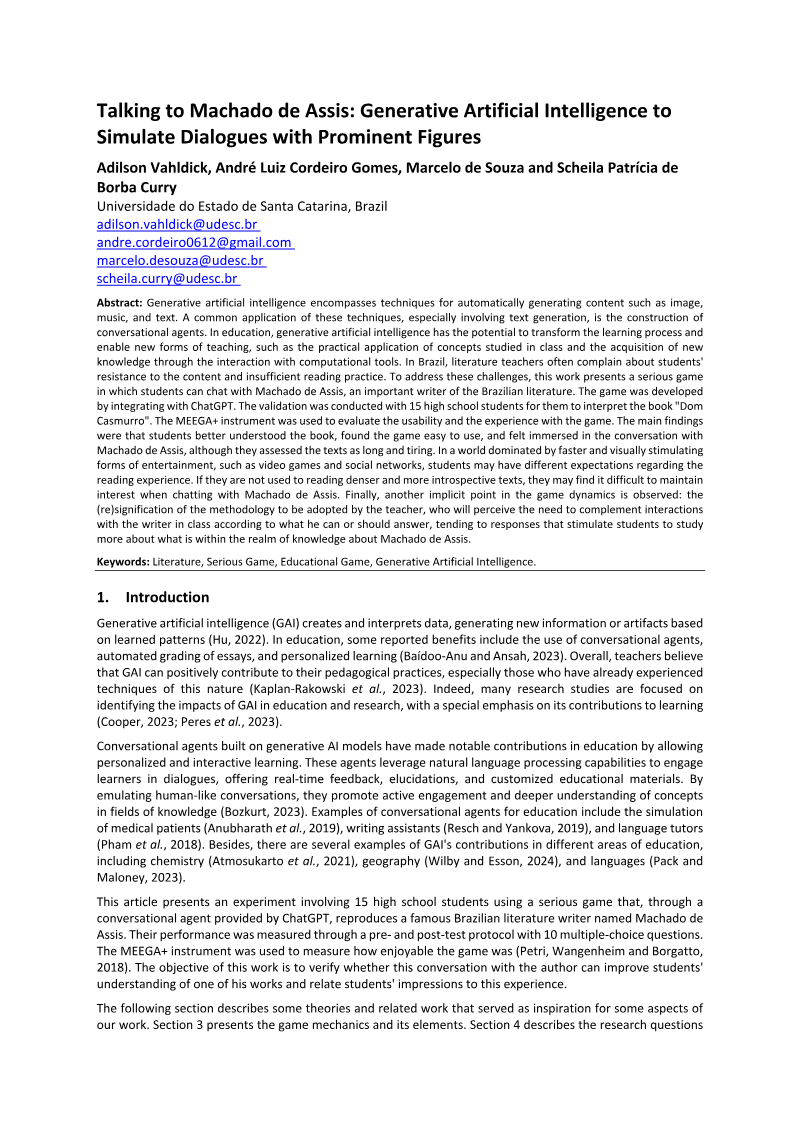
European Conference on Games Based Learning (ECGBL) · 2024
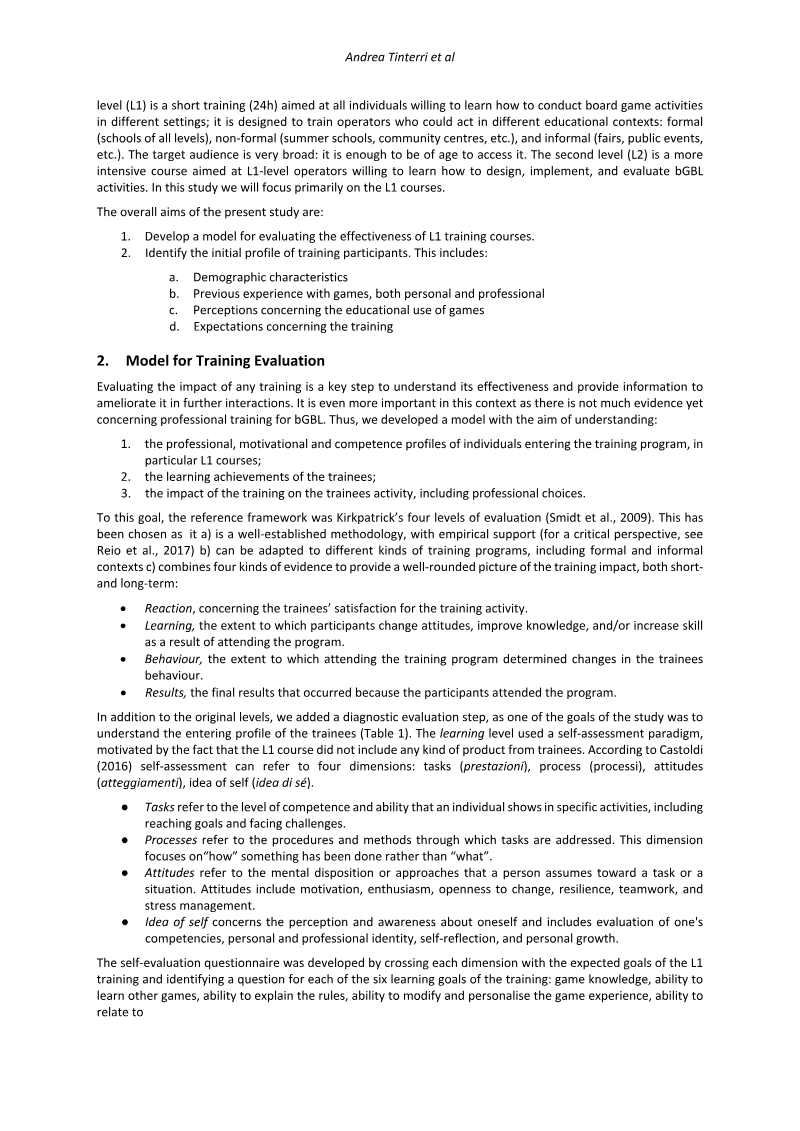
European Conference on Games Based Learning (ECGBL) · 2024
European Conference on Games Based Learning (ECGBL) · 2024
European Conference on Games Based Learning (ECGBL) · 2024
European Conference on Games Based Learning (ECGBL) · 2024
European Conference on Games Based Learning (ECGBL) · 2024
European Conference on Games Based Learning (ECGBL) · 2024
European Conference on Games Based Learning (ECGBL) · 2024
European Conference on Games Based Learning (ECGBL) · 2023