1 free read left. Create a free account for unlimited reading + AI research.
Create free accountWhitepaper European Conference on Games Based Learning (ECGBL)
1 free read left. Create a free account for unlimited reading + AI research.
Create free accountWhitepaperEuropean Conference on Games Based Learning (ECGBL)
This study presents a serious game that lets high school students hold text-based conversations with a ChatGPT-driven agent designed to imitate Brazilian author Machado de Assis, with the aim of improving comprehension of his novel "Dom Casmurro" and boosting interest in literary reading. The work is motivated by concerns that Brazilian literature instruction often struggles with student disengagement, distraction from digital media, and limited reading practice, and it situates the game within broader research on generative AI conversational agents in education and on games as tools for literature teaching. The experiment was conducted in August 2023 with 15 second-year high school students aged 16, using a pre- and post-test of ten multiple-choice questions along with the MEEGA+ instrument and semi-structured interviews.
Knowledge test results showed that mean scores rose from 6.13 to 8.73 out of 10, with fourteen of fifteen students improving, and a paired t-test yielded a p-value of about 1.64 x 10^-6, supporting a statistically significant gain in understanding. MEEGA+ responses indicated that students generally agreed the game was easy to learn, operable, and enjoyable, and that they felt immersed in the conversation. The lowest-rated dimension was accessibility, attributed to font size and style, and the only item that did not reach majority agreement concerned improvement in understanding the book's critical vision of society.
The authors note important limitations: the sample is small and drawn from a single class, the study does not establish that the intervention increased students' motivation to read, and students found the author's long, dense responses tiring and required dictionary use to follow them. The authors conclude that the game can be an engaging supplementary tool and suggest future research with other authors and more complex designs in which the agent's responses shape game consequences.
European Conference on Games Based Learning (ECGBL) · 2024
European Conference on Games Based Learning (ECGBL) · 2024
European Conference on Games Based Learning (ECGBL) · 2024
European Conference on Games Based Learning (ECGBL) · 2024
European Conference on Games Based Learning (ECGBL) · 2024
European Conference on Games Based Learning (ECGBL) · 2024
European Conference on Games Based Learning (ECGBL) · 2024
European Conference on Games Based Learning (ECGBL) · 2024
European Conference on Games Based Learning (ECGBL) · 2024
European Conference on Games Based Learning (ECGBL) · 2024
European Conference on Games Based Learning (ECGBL) · 2024
European Conference on Games Based Learning (ECGBL) · 2024
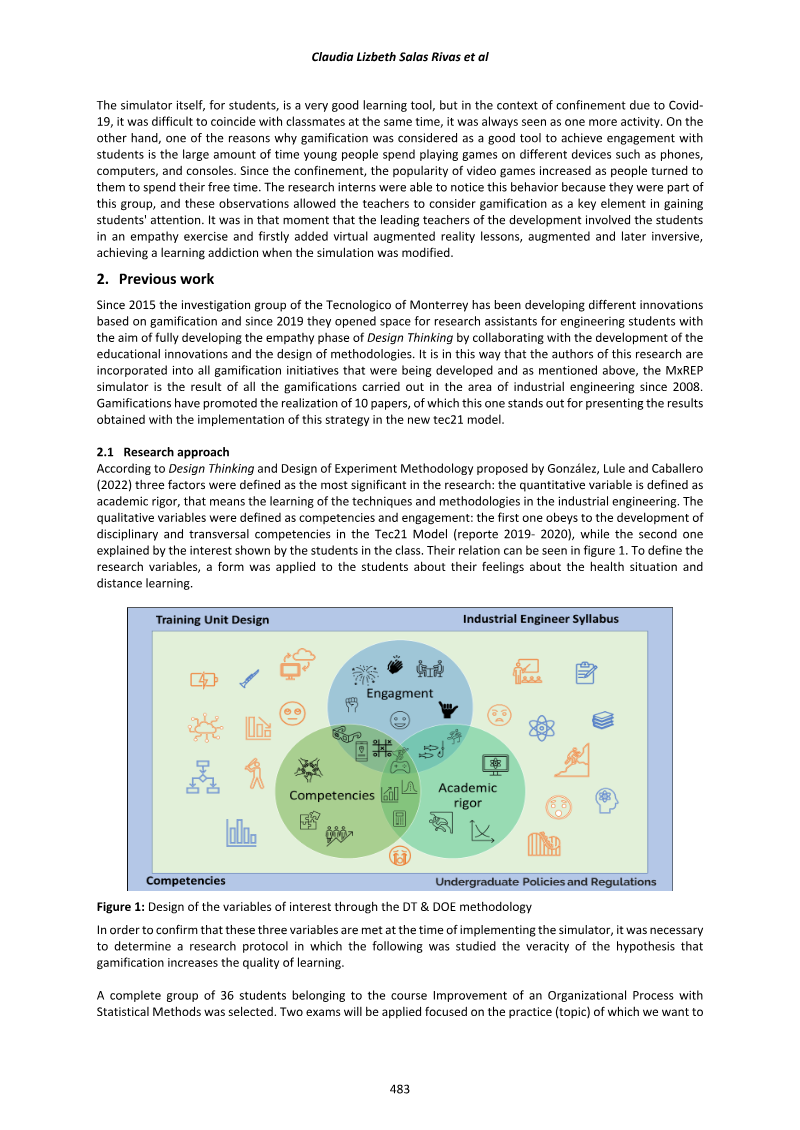
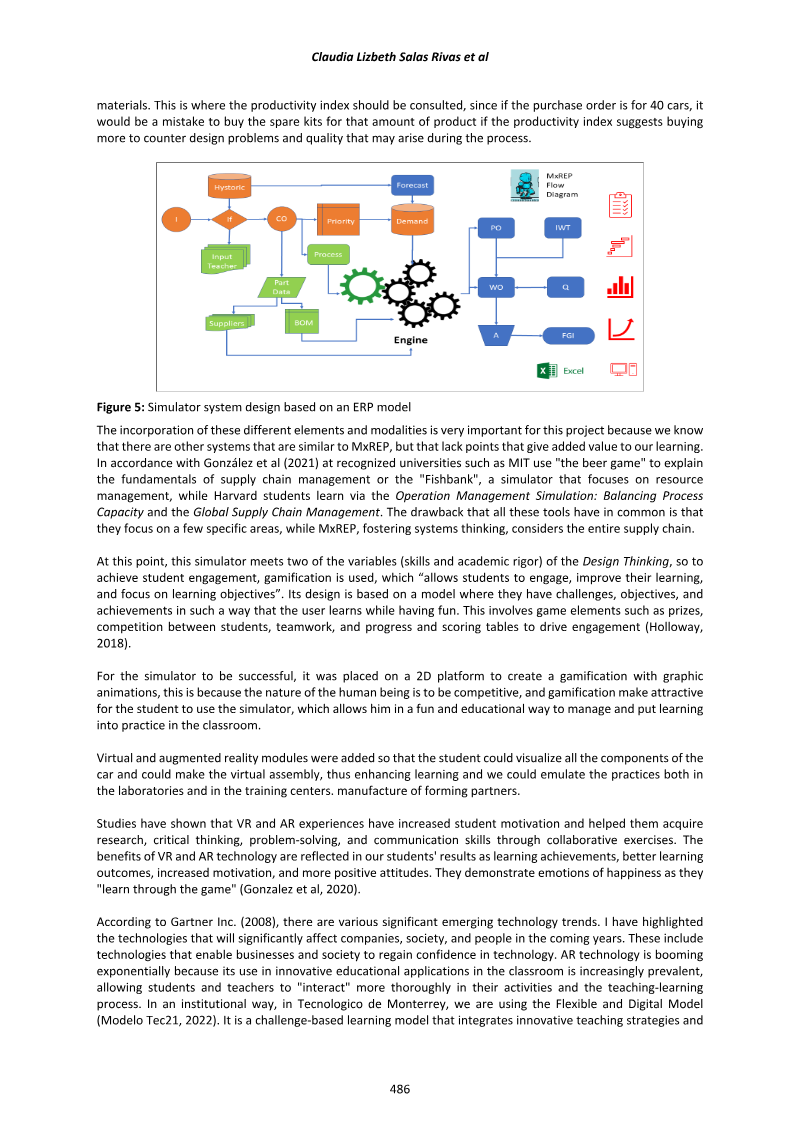
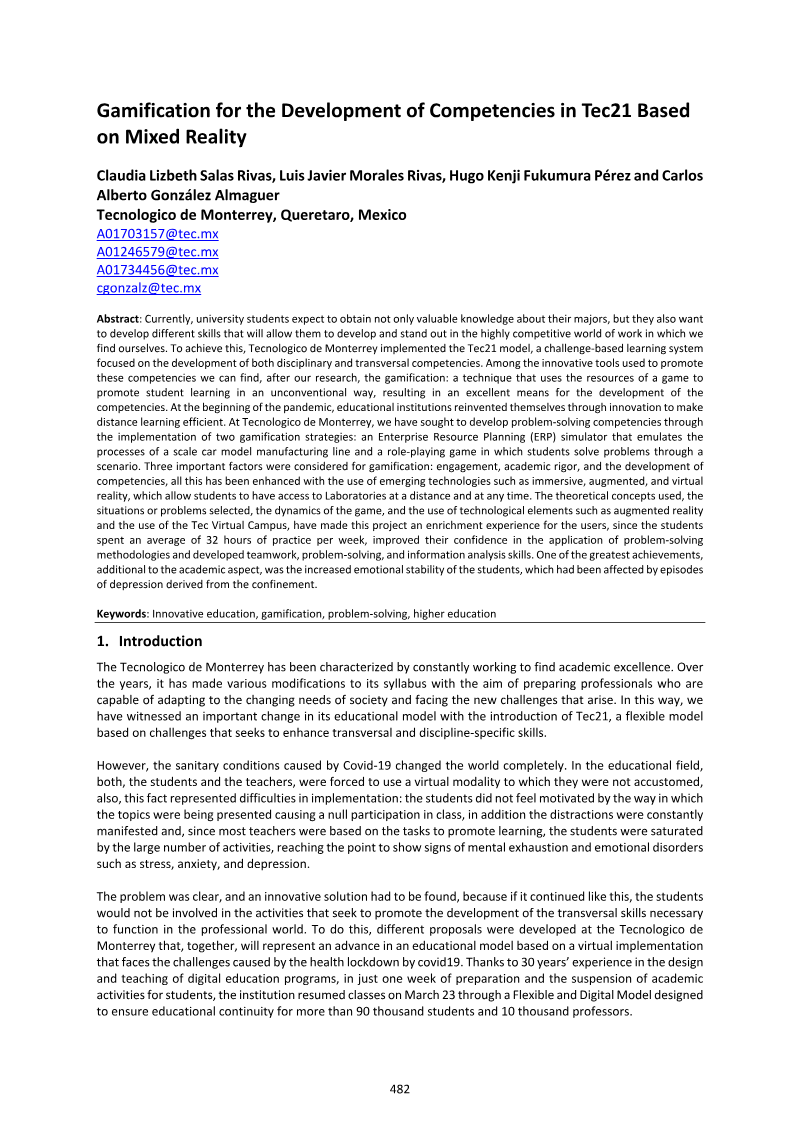
European Conference on Games Based Learning (ECGBL) · 2022



Breda University of Applied Sciences · 2026
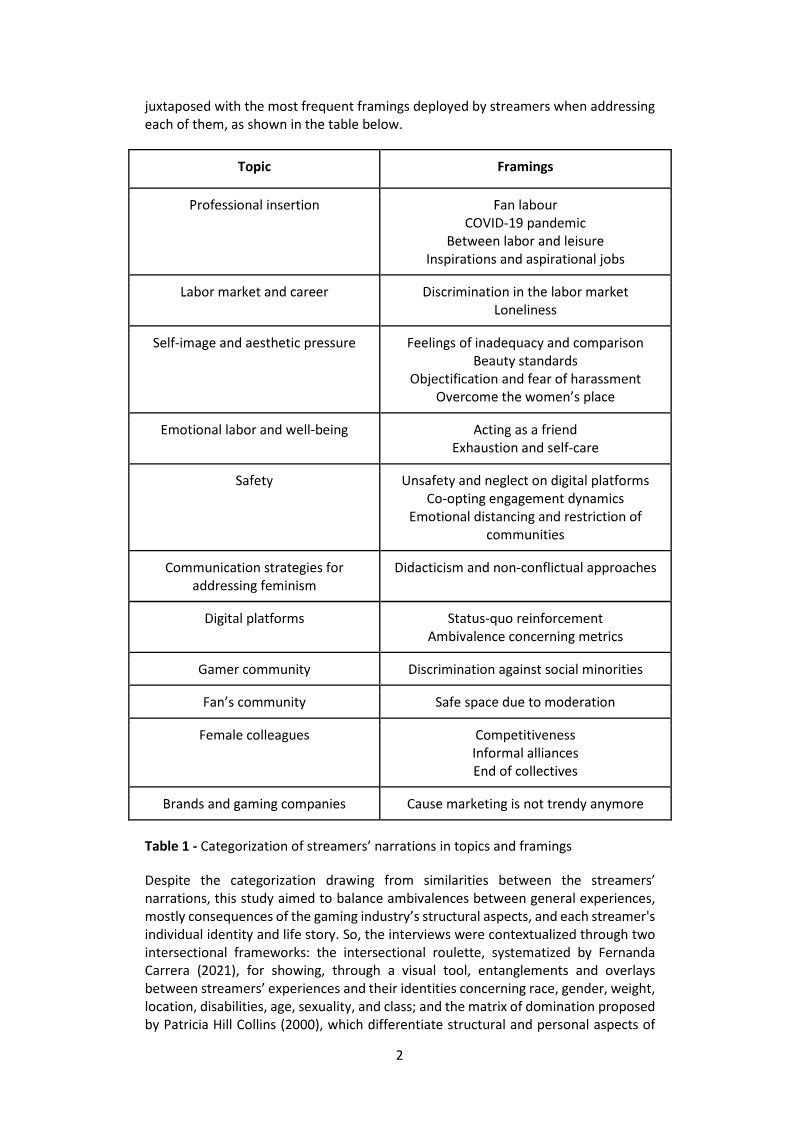
DiGRA · 2026