1 free read left. Create a free account for unlimited reading + AI research.
Create free accountWhitepaper European Conference on Games Based Learning (ECGBL)
1 free read left. Create a free account for unlimited reading + AI research.
Create free accountWhitepaperEuropean Conference on Games Based Learning (ECGBL)
German survey data cited in the paper shows the share of further-education providers using Game-Based Learning or Serious Games grew from 11 percent in 2019 to 14 percent in 2021.
Becker and Metz's paper offers an evidence-based examination of the didactic and psychological principles that underpin effective Serious Games, with the central thesis that such games succeed only when their structure, feedback, difficulty, and reflection mechanisms are deliberately aligned with explicit learning objectives. Drawing on established educational and game research, the authors address pedagogical foundations including situated and incidental learning, immersion, and the balance between exploratory play and structured problem-solving. Their conclusions are conceptual rather than empirical, relying on theories such as flow, scaffolding, and the spiral didactic principle, and they stress that learning progress should be trackable and that usability must be considered alongside content.
The argument rests on the premise that Serious Games enable safe, realistic learning-by-doing, in which players experience the consequences of their decisions and gradually develop expertise through repeated routines. As competence rises, motivation tends to follow, reinforcing sustained engagement. The authors position Serious Games as particularly well suited to cultivating future-oriented skills, and they emphasize that educator-guided reflection and learner-adaptive design are essential to realizing this potential rather than leaving outcomes to the game alone.
The paper's empirical grounding is limited but concrete in one respect: it cites German survey data showing that the share of further-education providers using Game-Based Learning or Serious Games rose from 11 percent in 2019 to 14 percent in 2021, which the authors read as evidence of continued growth in demand. Their geographic focus is therefore centered on Germany, with the time frame anchored to the late 2010s and early 2020s and the industry segment centered on further and vocational education.
The authors conclude by calling for quality certification and interdisciplinary research to guide future development. The closing portion of the paper is a reference list spanning user interface design, gamification, instructional technique, future workforce skills, and vocational training in the digitalized economy, which serves to anchor the document's design principles in the wider theoretical and empirical literature.
European Conference on Games Based Learning (ECGBL) · 2024
European Conference on Games Based Learning (ECGBL) · 2024
European Conference on Games Based Learning (ECGBL) · 2024
European Conference on Games Based Learning (ECGBL) · 2024
European Conference on Games Based Learning (ECGBL) · 2024
European Conference on Games Based Learning (ECGBL) · 2024
European Conference on Games Based Learning (ECGBL) · 2024
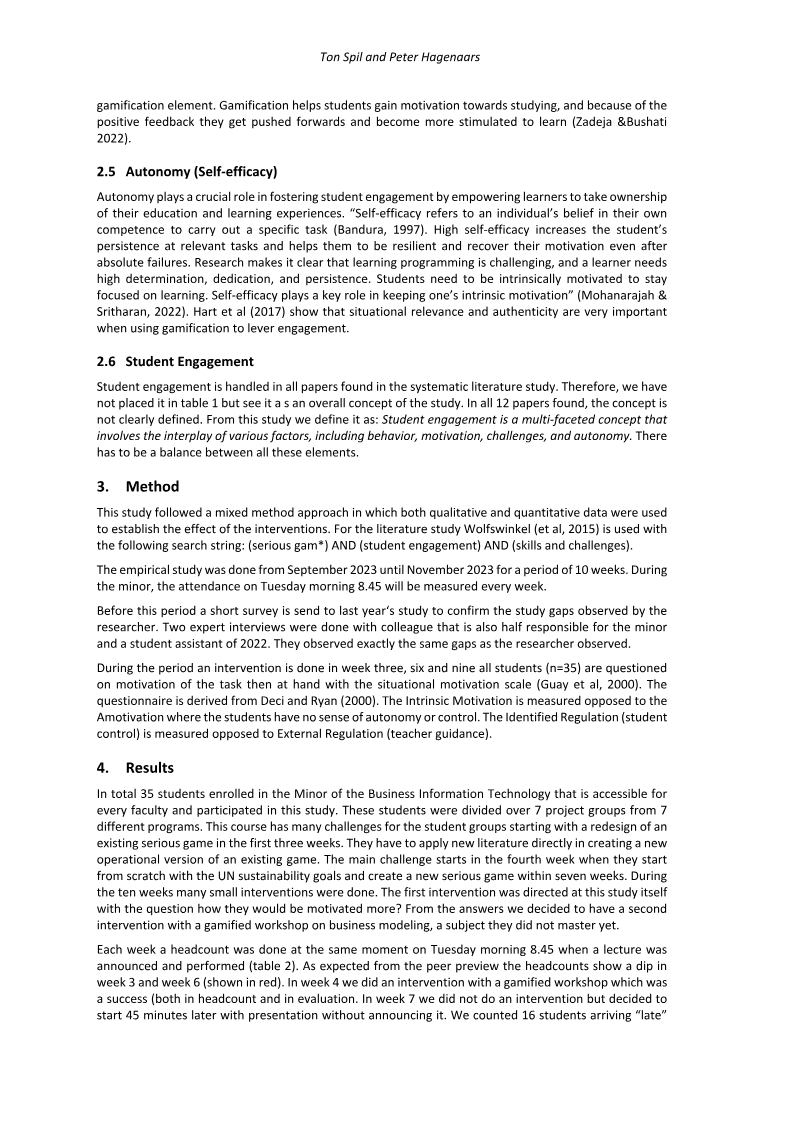
European Conference on Games Based Learning (ECGBL) · 2024
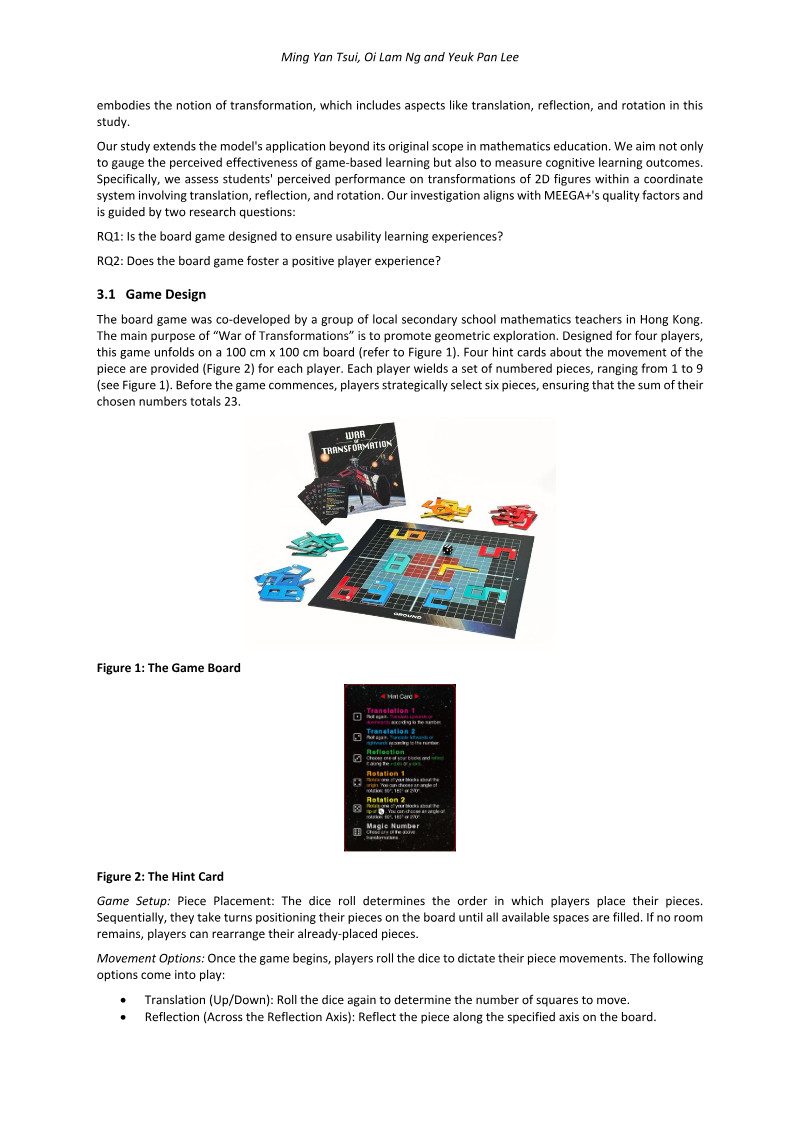
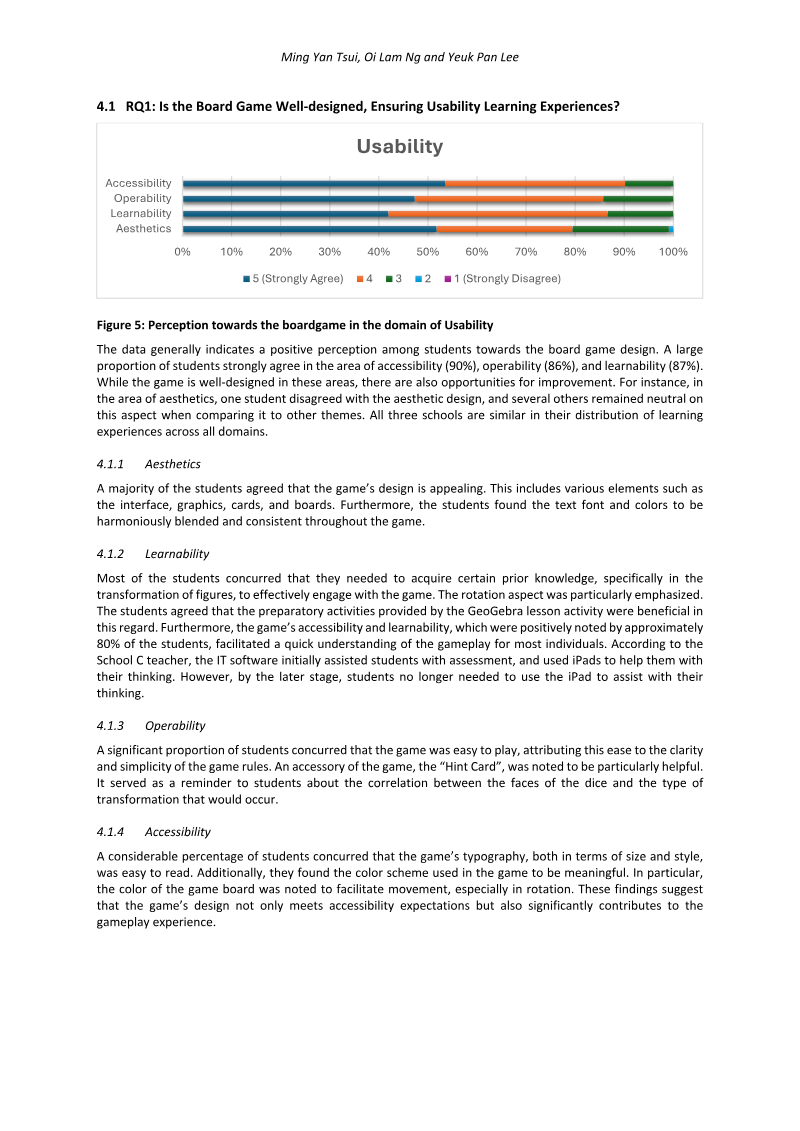
European Conference on Games Based Learning (ECGBL) · 2024
European Conference on Games Based Learning (ECGBL) · 2024
European Conference on Games Based Learning (ECGBL) · 2024
European Conference on Games Based Learning (ECGBL) · 2024
DiGRA · 2025