
Atari
1 document by Atari in the Game Industry Library, the newest “Atari Rapport Financier Annuel: Exercice 2012/2013” (2013).
Documents
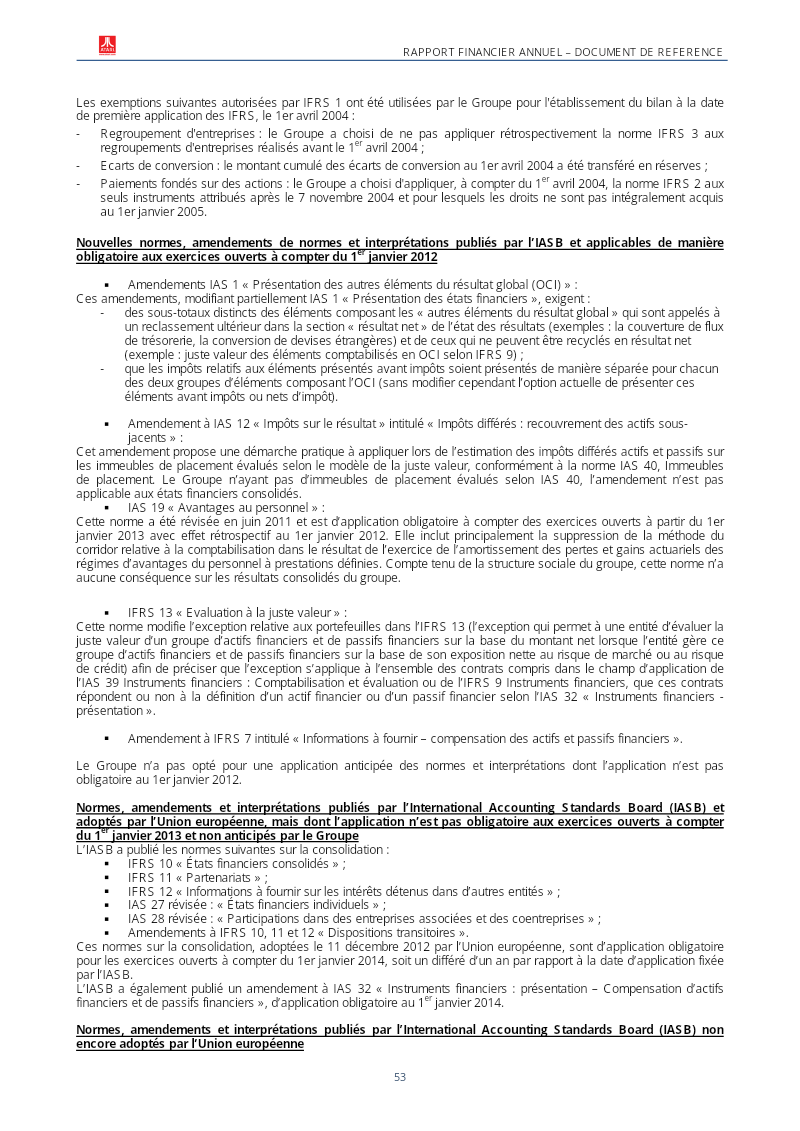
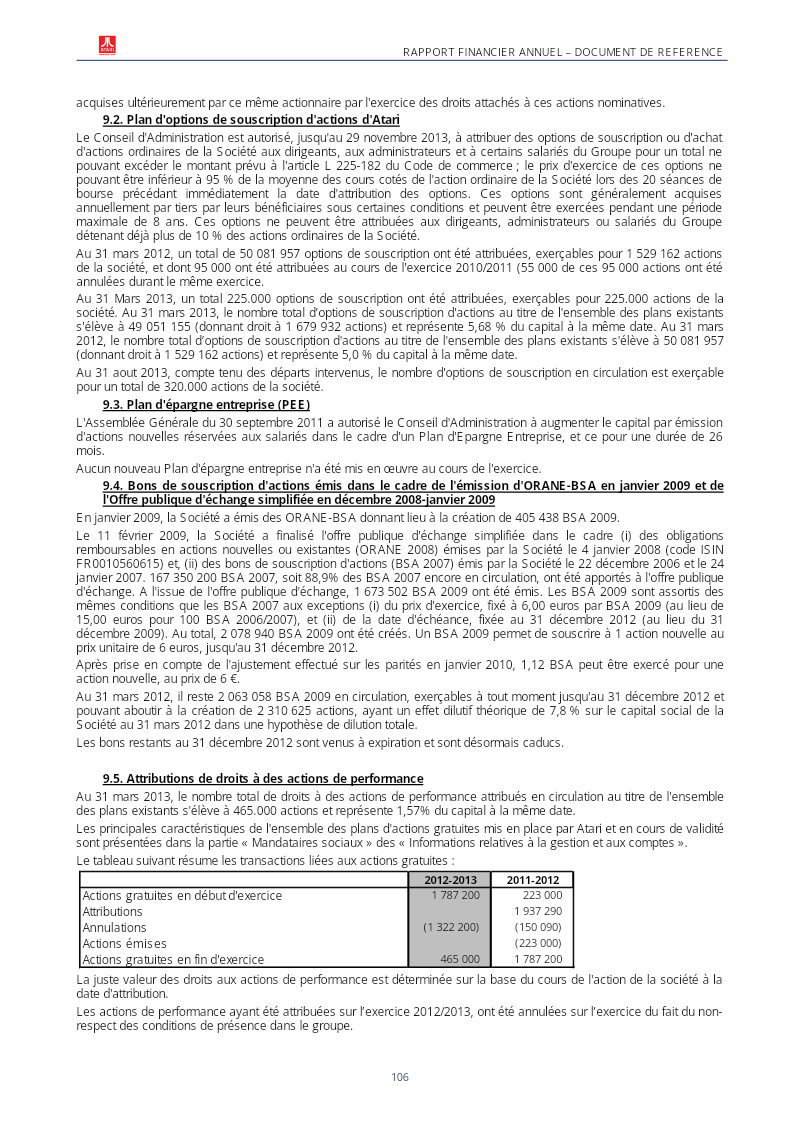
Atari Rapport Financier Annuel: Exercice 2012/2013
VERITABLE INNOVATEUR DU JEU VIDEO Société anonyme au capital de 14.767.375,50 euros Siège social : 78 rue Taitbout 75009 PARIS - France AXIF AUTORITE Le présent Document de référence a été déposé auprès de l'Autorité des Marchés Financiers le __ 2013, conformément à l'article 212- 13 de son Règlement général.
Reports about Atari
109 documents by other writers name Atari in the title or summary.

Saudi Arabia, EA and Digital Sport's Soft Power
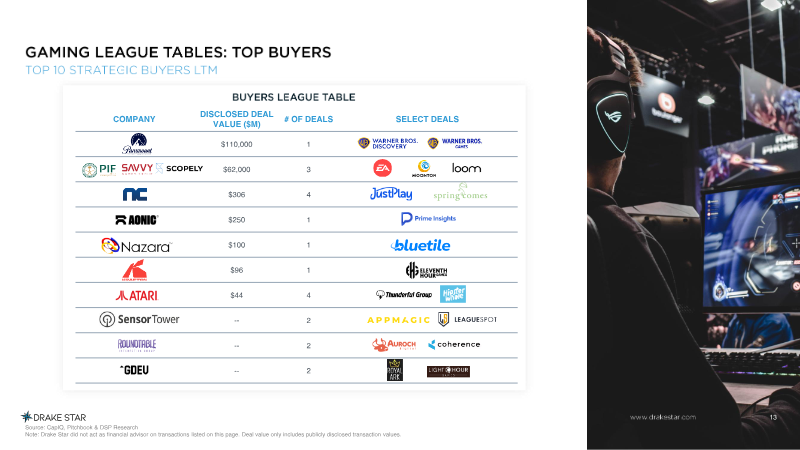
Saudi Arabia's Public Investment Fund is close to completing its $55bn acquisition of Electronic Arts, and this newsletter essay argues the deal is as much a soft power play as a financial one.
- The Saudi Public Investment Fund (PIF) is set to finalize its $55 billion acquisition of Electronic Arts by the end of 2026, following regulatory clearance from the European Commission.
- The acquisition is structured as a leveraged buyout involving co-investors Silver Lake and Affinity Partners, with the PIF acquiring a 93.4% stake in the company.
- To manage the significant debt load from the buyout, EA is expected to streamline operations by focusing on three core pillars: sports titles (EA Sports FC, Madden, College Football), service-based shooters (Battlefield, Apex Legends), and The Sims.
Global Gaming Report: Q2 2026
The "Global Gaming Report: Q2 2026" provides a comprehensive analysis of the global gaming industry's financial landscape during the second quarter of 2026, focusing on M&A, private financing, fund activity, and public market performance.
- Private gaming financing reached a one-year high in Q2 2026, with 96 deals generating over $2.5 billion in capital.
- Institutional investors committed over $2 billion to new gaming-focused funds, signaling sustained interest in indie projects and long-term content strategies.
- The gaming market showed significant divergence, as Western gaming stocks rose 4.8% while mobile gaming and Asian markets declined by 11.6% and 6.4% respectively.
The Number of Video Game Journalists Has Fallen by Nearly 300 in 2026
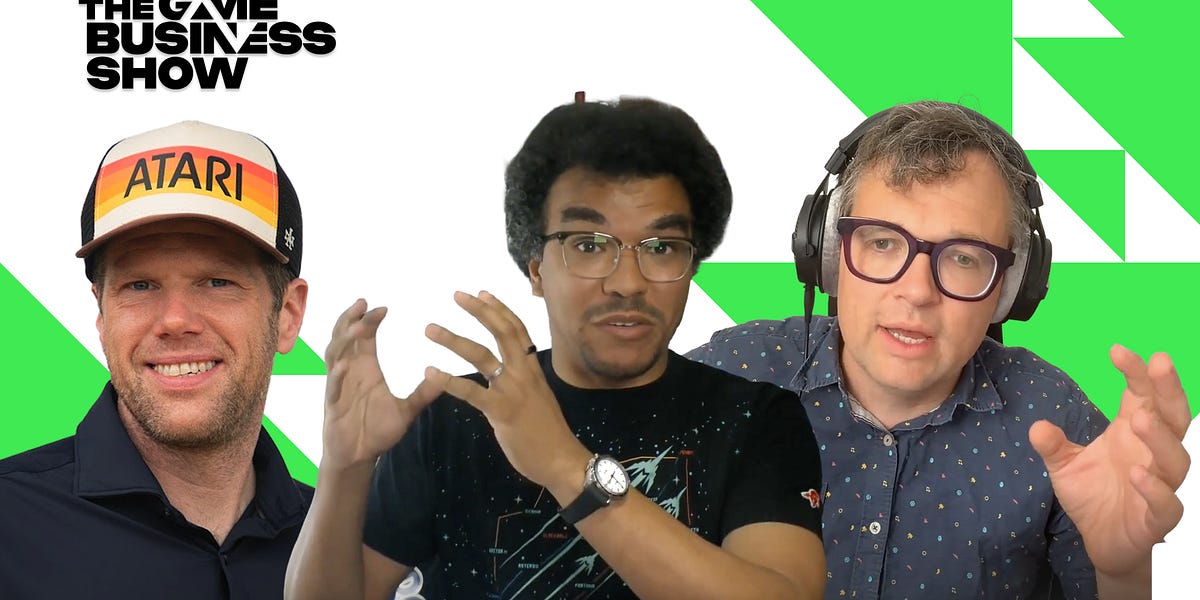
Video game journalism has contracted sharply in 2026. Press Engine data show 349 journalists left the industry against roughly 63 new entrants, a net loss of 286 worldwide once mainstream writers are counted.
- The number of video game journalists has fallen by nearly 300 in 2026.
- Microsoft has laid off staff from Compulsion and Double Fine, with employees reportedly being told to update their CVs, despite receiving some runway cash.
- IO Interactive is closing its Istanbul studio and laying off staff after losing funding from Xbox for its James Bond game, shifting focus to internal core titles and its Hitman series.

Number of video game journalists plummets. Plus! More on Xbox and Atari launches IMDB rival
The global video game industry is currently navigating a period of profound structural instability, characterized by widespread workforce reductions, the contraction of traditional media, and a strategic pivot toward consolidation and niche sustainability.
- The global gaming media sector has faced a significant contraction, with over 280 journalists exiting the industry during the first half of 2026.
- Xbox is undergoing major internal restructuring and shifting its strategic focus toward massive, mainstream-oriented franchises like Call of Duty and Minecraft following ineffective post-acquisition integration.
- Atari is attempting to revitalize its operations by centralizing administrative functions and expanding its MobyGames platform into a professional networking tool for developers.
Unbundling Xbox
Xbox's announced cuts of roughly 3,200 jobs, about 20% of overhead, and its divestiture of five studios (Ninja Theory, Undead Labs, Double Fine, Compulsion, and Arkane Lyon) are presented as an admission that its roughly $80 billion acquisition strategy failed.
- Xbox is abandoning its decade-long, $80 billion acquisition-led growth strategy in favor of a model prioritized by organizational efficiency and financial discipline.
- The restructuring includes the elimination of 3,200 positions and the divestiture of five internal studios to reduce unsustainable overhead.
- The pivot addresses the failure of previous expansion efforts to penetrate the mobile market or effectively manage rising hardware production costs.
Counterfeit Circuits: Decolonial Practices and the Rise of Video Games in Brazil
The document examines how cloning and piracy practices were fundamental to the emergence of video game culture in Brazil during the 1980s, particularly within the context of the Brazilian Market Reserve period (1984-1992).
- The paper's central thesis is that Brazilian cloning and piracy of video games in the 1980s were decolonial interventions in global technology circuits, not merely economic responses to scarcity, drawing on Walter Mignolo's 'epistemic disobedience' and Jacques Rancière's 'distribution of the sensible'.
- Brazilian local firms produced functional clones of the Atari 2600, NES, Apple II, ZX Spectrum, and MSX computers, and these clones were adaptive rather than derivative, often incorporating technical modifications suited to local power standards and component availability.
- The Brazilian Market Reserve policy (1984–1992), designed to protect domestic industry, paradoxically restricted access to foreign hardware and software, which encouraged reverse engineering, reproduction, and rapid diffusion of consoles and computers across the country.
Nintendo Direct Highlights: November 2026
Stephen Totilo's Game File report on the June 9, 2026 Nintendo Direct argues that the showcase's most notable news was a November release date, which is unusual in a month dominated by Grand Theft Auto VI on November 19.
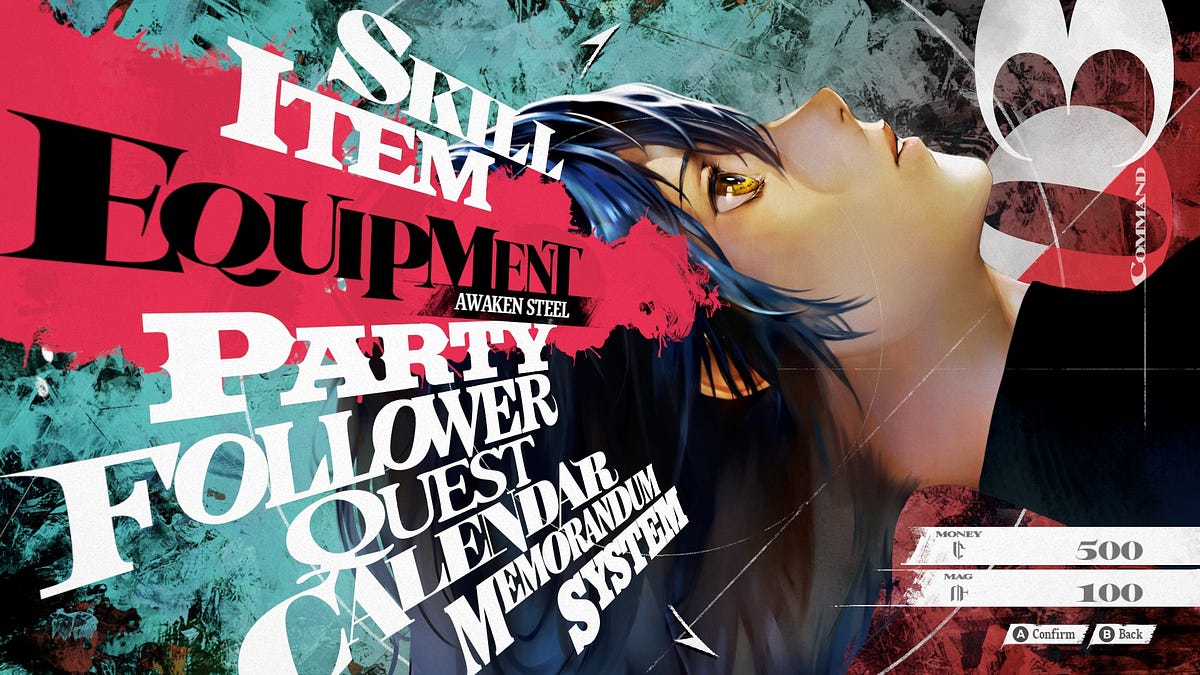
- Atlus will release a port of 'Metaphor: Re:Fantazio' for the Switch 2 on November 12, marking a rare instance of major third-party support during the platform's launch window.
- Nintendo has yet to announce release dates for its own Switch 2 exclusives for November and December, suggesting a potential delay in marketing until September.
- The broader November 2026 gaming landscape is dominated by the November 19 release of Rockstar’s 'Grand Theft Auto VI' and niche titles from Atari.

Weekly Industry Briefing: Europe
This weekly mobile games industry newsletter, dated June 5, 2026, rounds up the week's top stories with a European slant. Its main thread is pushback from leading European studio heads against incoming EU proposals.
- Supercell, King, and Sybo executives have criticized new EU proposals, stating they could render free-to-play games "unplayable in Europe."
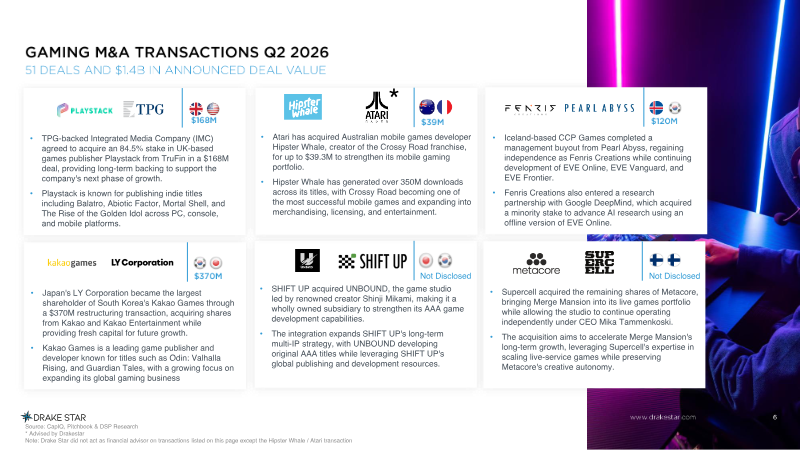
- Atari acquired Hipster Whale, the developer of Crossy Road, for an initial $29.3 million, with an additional $10 million in earnouts over three years, as part of Atari's expansion into mobile game development for platforms like Netflix and Amazon.
- Liftoff's IPO is back on, valuing the adtech firm at $3.83 billion after offering 19 million shares of common stock at $23 each, raising $437 million.

Supercell, King and Sybo slam EU plan, Atari buys Hipster Whale, Zynga's Mark Pincus, more
The mobile games industry is currently navigating significant regulatory, corporate, and strategic shifts.
- Industry leaders from Supercell, King, and Sybo are lobbying against EU legislative proposals, arguing that new regulations on free-to-play mechanics could render mobile games unplayable and threaten a sector that generated 7.5 billion euros in revenue and supported 63,000 jobs in 2025.
- Atari has acquired Hipster Whale, the developer behind Crossy Road, as part of a strategy to expand its retro-adjacent mobile portfolio through projects involving Amazon, Netflix, and Air Console.
- Zynga founder Mark Pincus, in his upcoming book 'Life at the Speed of Play,' advocates for a 'proven, better, new' design methodology, citing Supercell's Hay Day and Clash of Clans as examples of games that successfully adopted this iterative approach.
The Onslaught of Summer Games Fest, Steam Deck price go BRRRR & the Logo Wars! | Games for Breakfast
The modern gaming industry is currently navigating a period of significant structural and ethical turbulence, characterized by the oversaturation of promotional events and the aggressive consolidation of corporate power.
- Summer Game Fest (June 1–8) has been criticized for its cluttered schedule, with organizers grouping diverse showcases into single days rather than spreading them out, which risks sidelining niche and identity-focused game presentations.
- Take-Two Interactive has effectively shut down RageMP, a prominent multiplayer modding platform for Grand Theft Auto V, by asserting that it is the only authorized platform for the game.
- Rising hardware costs, specifically regarding the Steam Deck, are being driven by persistent component shortages that impact even newer iterations of the hardware.
Long development cycles are putting off video game investors
The video game industry is currently undergoing a painful financial correction following a period of post-pandemic over-investment that fostered unsustainable budgets and unrealistic growth expectations.
- The gaming industry is facing a financial correction due to a misalignment between traditional venture capital models and long, multi-year production cycles that lack early-stage performance indicators.
- Investors are increasingly deterred by the industry's reliance on legacy titles, as 92 percent of current sector revenue is generated by games older than six years.
- To mitigate high-risk, massive-budget development, major publishers are adopting agile strategies and leveraging artificial intelligence to optimize workflows and reduce prototyping costs.
Hit Points #373: Serious Hat
Nathan Brown's Hit Points newsletter for 8 May 2026 pairs a personal reflection with a weekly roundup of game industry news.
- Nintendo is increasing the price of the Switch 2 by $50/€50, effective in August, citing changes in market conditions and global economic outlook.
- Both Microsoft and Sony reported significant declines in hardware sales, yet are focusing on next-gen offerings; Microsoft with 'Project Helix' and Sony increasing investments for its next-generation platform.
- CCP Games, maker of EVE Online, bought itself back from parent company Pearl Abyss for $120 million (less than half of the 2018 acquisition price of $225 million), rebranding as Fenris Creations and securing investment from Omega Ventures and Google's Deepmind.
Do you work at Atari? Get a free report of how these documents are read and cited here.