Atari SA
French video game publisher and owner of the Atari brand, listed on Euronext Paris.
Documents
No published documents yet
Reports about Atari SA
99 documents by other writers name Atari SA in the title or summary.

The Play Pendulum: A Theory of Innovation Cycles in Interactive Entertainment
The document introduces "The Play Pendulum," a theory positing that the interactive entertainment industry alternates between two primary innovation cycles: content innovation and distribution innovation, each typically lasting about a decade.
- The gaming industry operates in decadal cycles that oscillate between content innovation and distribution innovation rather than being driven solely by technological advancement.
- As of 2024, the industry is transitioning into a distribution innovation phase, shifting focus toward transmedia adaptations and user-generated content platforms like Roblox and Fortnite’s Unreal Editor.
- Market concentration reached a peak in 2023, with the ten largest gaming companies controlling 65% of the market, up from 58% in 2020.

gamevironments: Pirating Platform Studies and Other Essays
Phillip Penix-Tadsen's article argues that Latin American clone consoles, active from roughly 1973 to 1994, deserve a central place in platform studies and game history.
- Informal practices such as reverse engineering, cloning, and hardware localization, not formal industry channels, were the dominant means by which most players in Latin America accessed games between roughly 1973 and 1994.
- The article's catalogue documents roughly ninety clone consoles derived from the Magnavox Odyssey, Pong, Atari VCS, Sega Master System, and Nintendo Famicom/NES, with Brazil accounting for the majority of entries.
- Brazil's 1980s informatics market reservation encouraged domestic clone production under protectionist conditions, and many Brazilian clones were tied to this policy.

TWIG #284 Squad Busters launch talk / Stumble Guys vs. Fall Guys
The global gaming industry is currently defined by a tension between massive launch-day engagement and long-term structural instability.
- Mobile gaming remains the industry's primary revenue driver, accounting for 50% of total consumer spending in 2023 despite ongoing volatility.
- The gaming sector faces significant structural instability, evidenced by over 10,000 industry layoffs in 2024 and ongoing consolidation, such as Nintendo’s acquisition of Shiver Entertainment and Atari’s purchase of the Intellivision brand.
- High-profile launches continue to command massive reach, with Supercell’s Squad Busters securing 40 million pre-registrations and Ubisoft’s XDefiant attracting 8 million unique players in its first week.
'Yar's Rising' and Reimagining Classics for Game Development with James Montagna | 347
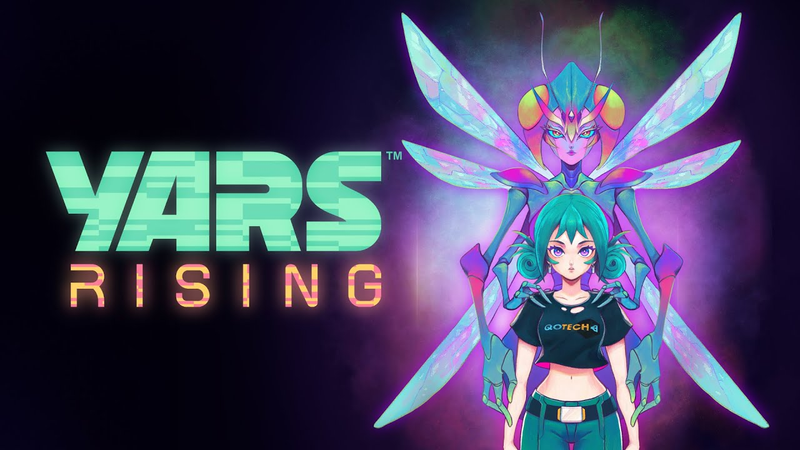
The revitalization of classic intellectual property requires a delicate balance between honoring foundational source material and integrating modern gameplay innovations.
- Reimagining legacy IP like the 1982 Atari title 'Yars’ Revenge' requires balancing original source material with modern genre shifts, such as transitioning the game into a side-scrolling metroidvania.
- Developers can modernize retro titles by repurposing classic mechanics into narrative-driven features, such as converting original gameplay elements into interactive hacking terminals for a protagonist.
- Maintaining a nimble, independent studio structure supported by deep institutional knowledge and passion is essential for navigating the volatility of the current gaming market.
Games Are Cheaper* Than They’ve Ever Been | Extra Credits Gaming
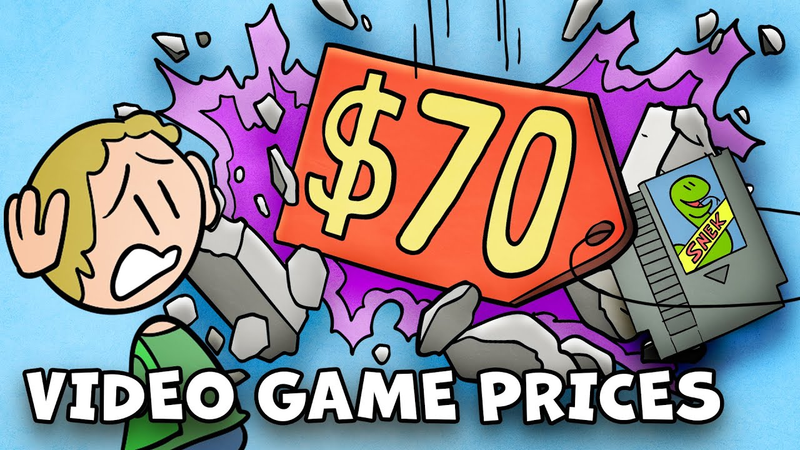
Despite the common perception that video games have become increasingly unaffordable, historical data indicates that games are currently at their most accessible price point in the history of the medium.
- When adjusted for inflation, video games are currently at their most accessible price point in history, with historical prices for early cartridge-based games exceeding $100 in today's currency.
- The industry maintained a stagnant $60 price point for years despite ballooning AAA development budgets, which effectively lowered the real cost of games relative to consumer income.
- The recent industry-wide shift to a $70 base price for AAA titles functions as a long-overdue correction to align with inflation rather than a significant increase in real value.



Annual Report and Consolidated Financial Statements for the Year Ended 31 December 2023
tinyBuild's 2023 annual report presents a year of sharp financial deterioration and strategic reset for the video game publisher and developer.
- TinyBuild reported a 29% revenue decline to $44.7 million in 2023, resulting in a $62.8 million comprehensive loss driven by $48.1 million in asset impairments and studio closures.
- To address a year-end cash low of $2.5 million, the company secured $12.3 million in early 2024 funding, which included an investment from Atari and increased CEO Alex Nichiporchik’s ownership to 57.9%.
- The company is shifting from an acquisition-led strategy to a leaner internal-production model, focusing on 'games as a service' and high-potential emergent gameplay titles.
Shareholder Circular
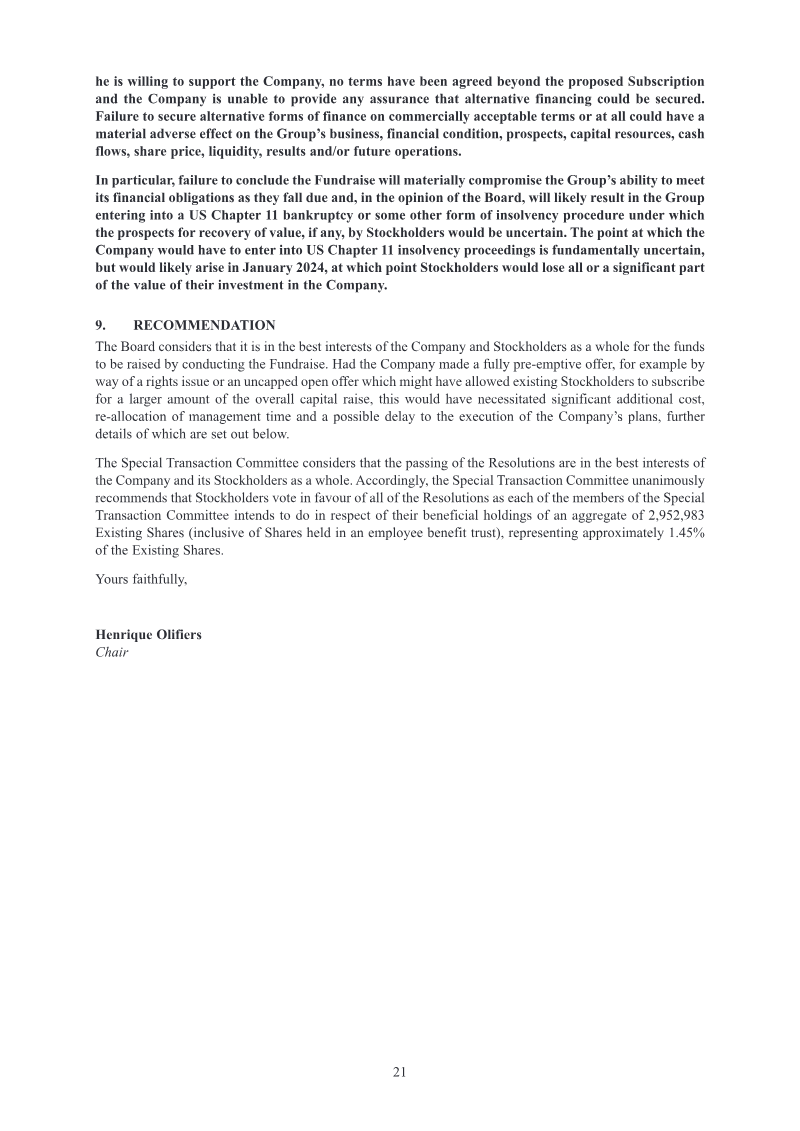
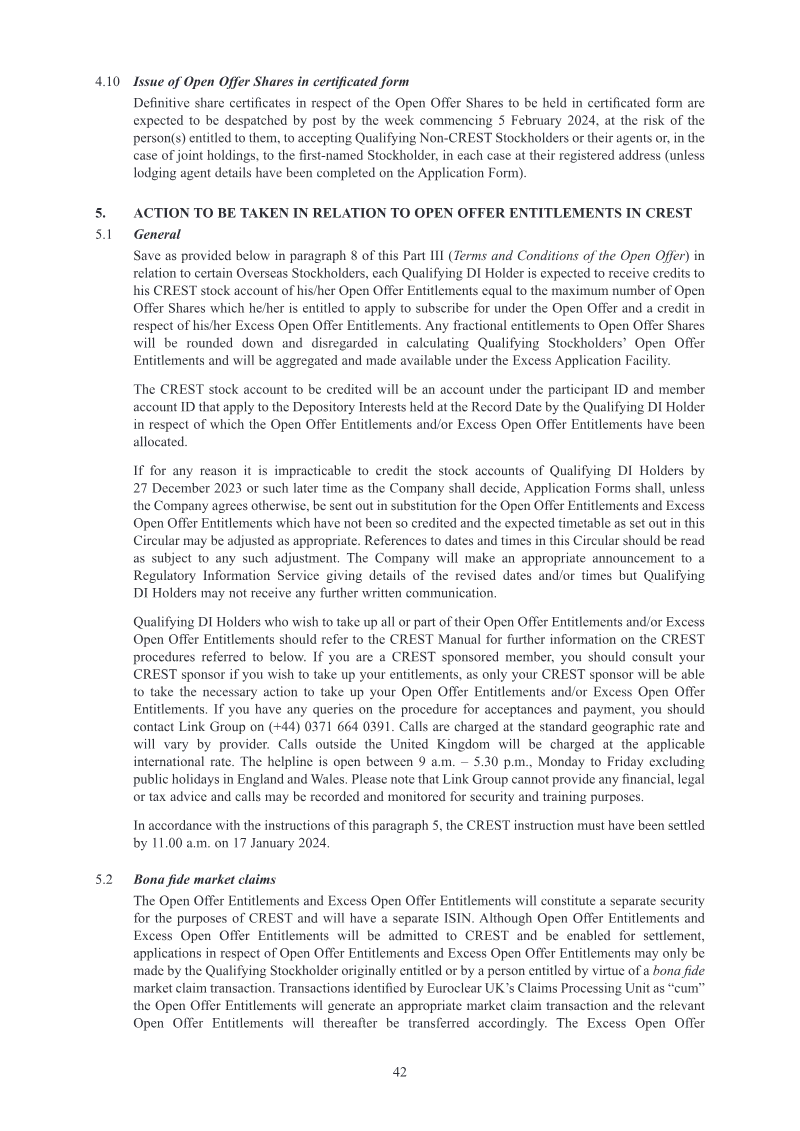
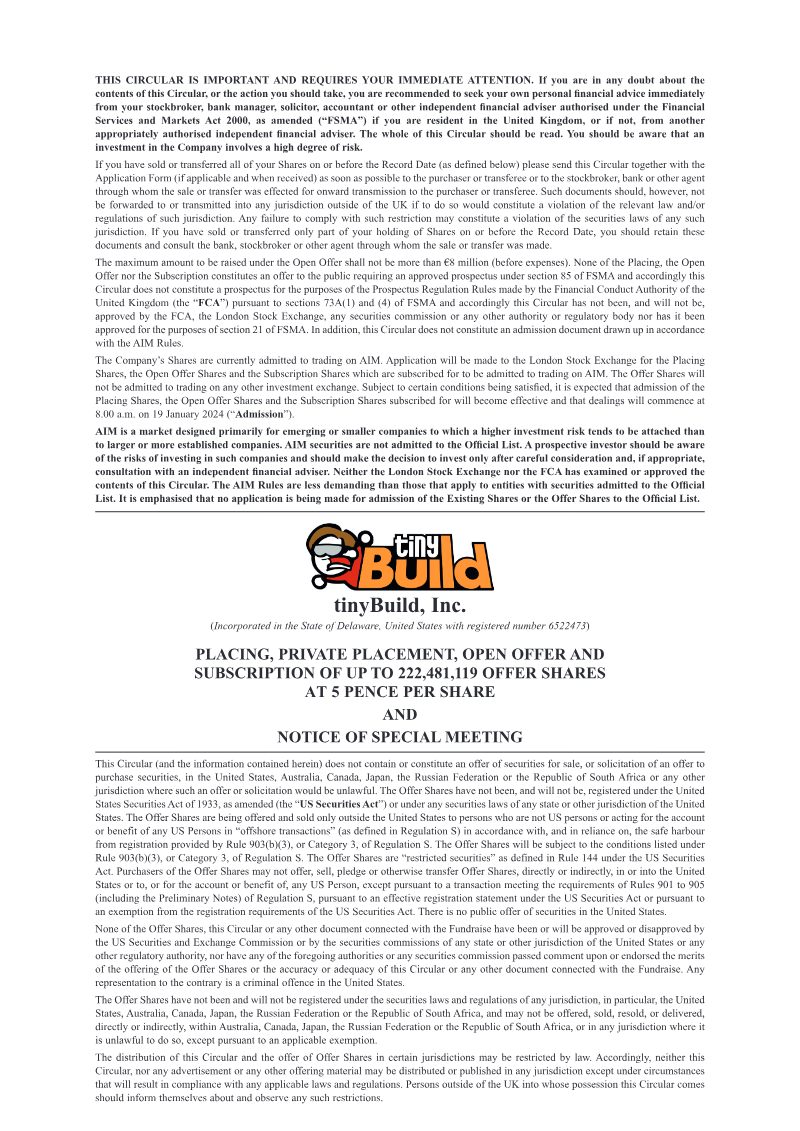
TinyBuild, Inc. is undertaking a critical fundraising initiative to raise approximately $14.16 million (£10.3 million) to address a severe liquidity crisis.
- TinyBuild faces a critical liquidity crisis and potential Chapter 11 insolvency if it fails to secure $14.16 million (£10.3 million) in new capital by January 2024.
- The fundraising strategy includes a share issuance priced at 5 pence, a $2 million private placement from Atari, and an open offer for existing stockholders.
- CEO Alex Nichiporchik is underwriting up to $10 million of the raise, a move that could increase his ownership stake from 37.8% to 59.1% and requires a regulatory 'whitewash' waiver.

Where You Can Find My Articles
This document serves as a comprehensive directory of articles and professional engagements by Shannon Liao, a journalist specializing in the gaming industry.
- Shannon Liao, formerly of The Washington Post, transitioned to independent freelance journalism in March 2023.
- Her current portfolio features contributions to major outlets including The Verge, The New York Times, Popular Science, IGN, and Vulture.
- Core reporting themes include the impact of artificial intelligence on game development and labor, as well as the business implications of major corporate acquisitions like Microsoft’s.
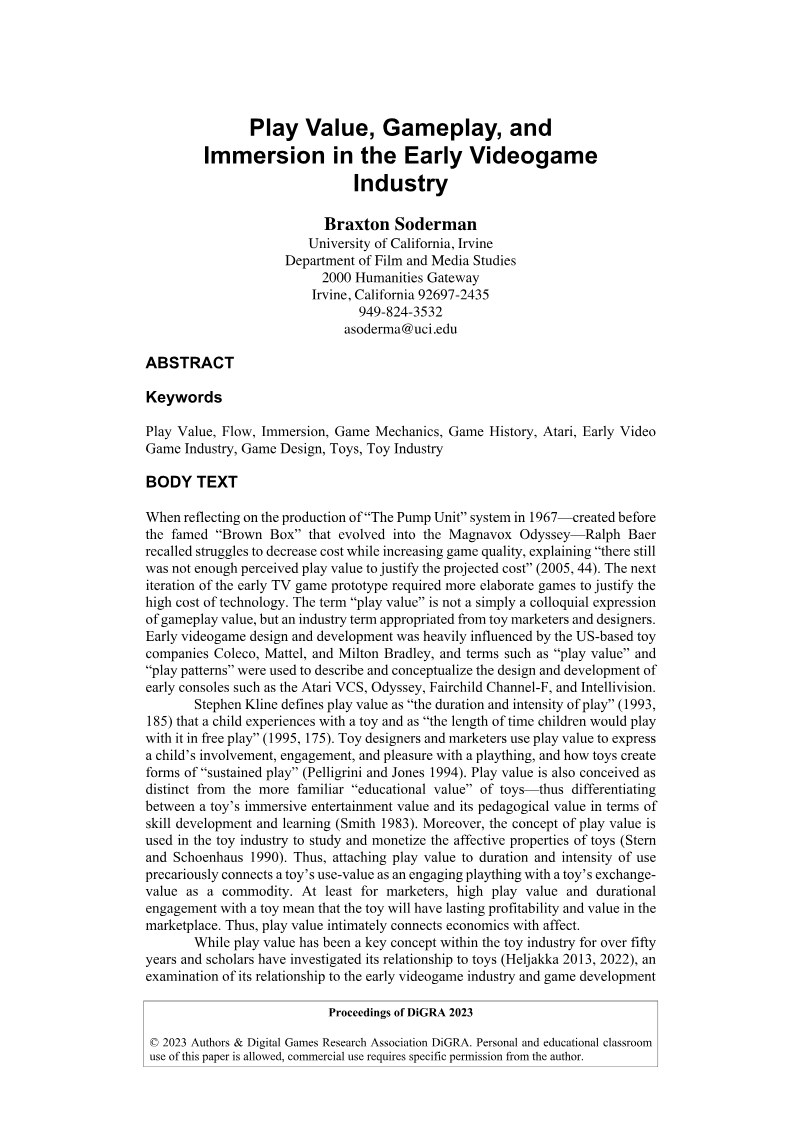
Play Value, Gameplay, and Immersion in the Early Videogame Industry
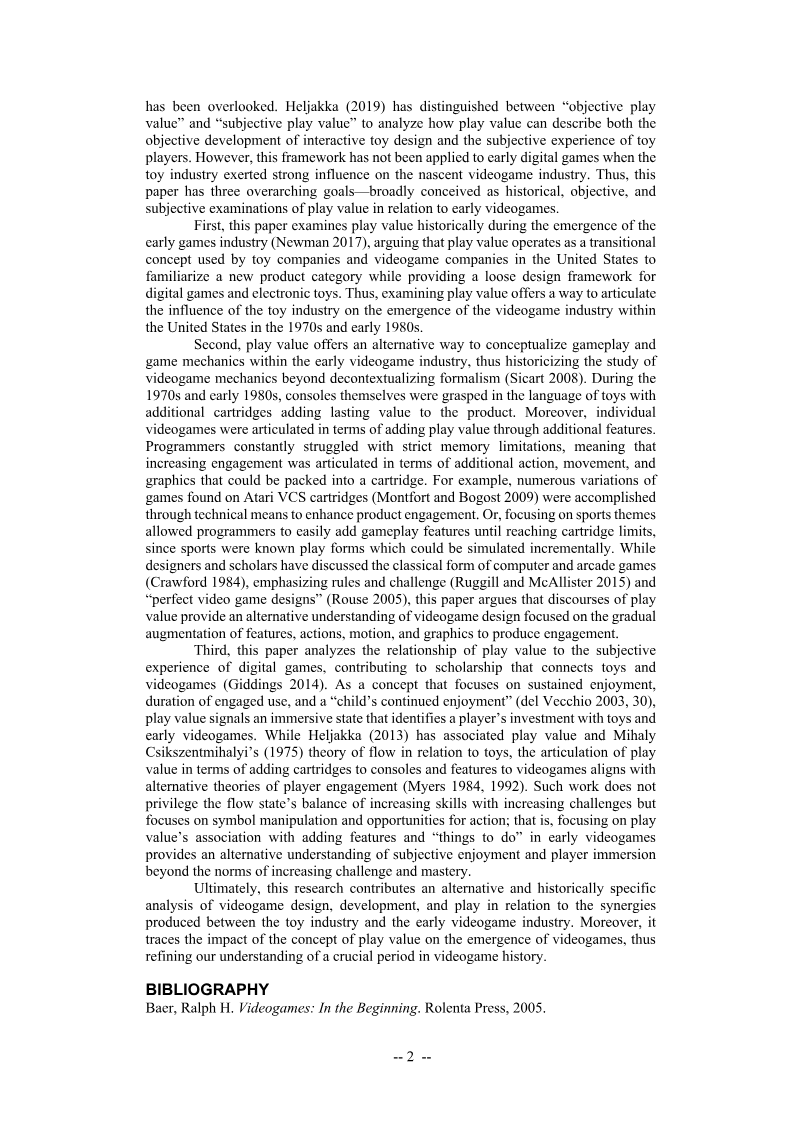
This paper explores the concept of "play value" and its profound influence on the early United States videogame industry, particularly during the 1970s and early 1980s.
- The paper argues that "play value," a term borrowed from the toy industry, offers a historically grounded lens for understanding the design, development, and reception of early US videogames in the 1970s and early 1980s, linking a product's engaging use-value to its commercial exchange-value.
- Toy companies such as Coleco, Mattel, and Milton Bradley shaped early console design, and play-value and play-pattern framing was applied to consoles including the Atari VCS, Odyssey, Fairchild Channel-F, and Intellivision.
- The central claim is that designers constrained by severe memory limitations boosted engagement by incrementally adding actions, movement, graphics, and variations to cartridges, as seen in Atari VCS game variations and feature-by-feature expansion of sports titles.
Are Video Games Really More Expensive?
Video games feel more expensive than ever, but inflation-adjusted analysis shows they have become cheaper over time.
- While the absolute price of new console games has increased over time, they have become significantly cheaper in relative terms, with the average relative price declining by nearly 2% annually between 1977 and 2020.
- If game prices had tracked with inflation, a 2013 game priced at $59.99 would cost $76.30 today, and a 2020 game priced at $69.99 would cost $80.13, representing a 14% increase in purchasing power loss.
- Between 2018 and 2021, the average price of physical and digital games for the Switch, PS4, and Xbox One declined by a compound annual growth rate (CAGR) of -6.4%.

Funding the Pain Away: Startup Culture as a Remedy to Corporate Toxicity
Venture capital's rush to fund studios founded by departing Activision Blizzard employees, including Frost Giant, Lightforge, Dreamhaven, and Notorious Studios, is framed as a reasonable response to industry consolidation and echoes the 1970s-80s Atari exodus that produced Activision.
- Venture capital is aggressively funding new independent studios formed by former Activision Blizzard employees, though these startups often struggle to improve demographic diversity compared to the corporate environments they left.
- Microsoft is expanding its Game Pass service into the Samsung Smart TV market, which accounts for 32 percent of global television ownership, to drive platform-agnostic distribution.
- Diablo Immortal highlights the conflict between Western loot box regulations and Asian market monetization, generating $1.8 million in daily gross revenue shortly after its launch.

The McDonaldization of Gaming VCs
Large generalist venture funds are entering gaming, and a16z's $600 million Games Fund One, announced in May 2022, is the signal case.
- The gaming industry experienced explosive growth between 2012 and 2021, with market value expanding from $52 billion to $219 billion.
- The entry of generalist venture capital firms, such as Andreessen Horowitz and its $600 million Games Fund One, has validated gaming as a mainstream asset class while shifting the industry toward standardized, high-stakes financial models.
- Large-scale institutional investors often prioritize franchise-driven content and view any project outcome under $1 billion as a failure, which risks stifling creative risk-taking.