
ArticleSuperJoost
Funding the Pain Away: Startup Culture as a Remedy to Corporate Toxicity
9 Jun 2022~9 min full read
This analysis examines the shifting structural and cultural landscape of the video game industry, focusing on the emergence of new independent studios as a reaction to corporate toxicity. The central thesis suggests that while venture capital is aggressively funding startups formed by former Activision Blizzard employees, these new entities face significant hurdles in achieving true cultural reform and long-term financial viability. The scope is global but focuses heavily on major Western publishers, regulatory shifts in the United Kingdom and United States, and market dynamics in Asia.
Key findings indicate a trend of "disintermediation" where creative talent flees consolidated corporate environments to form independent studios like Frost Giant and Dreamhaven. However, the analysis questions whether these small teams can realistically solve systemic industry issues like lack of diversity and labor exploitation while navigating talent scarcity and intense competition. Data points highlight the difficulty of this transition, noting that some new studios remain demographically homogeneous despite their origins in "toxic" corporate environments.
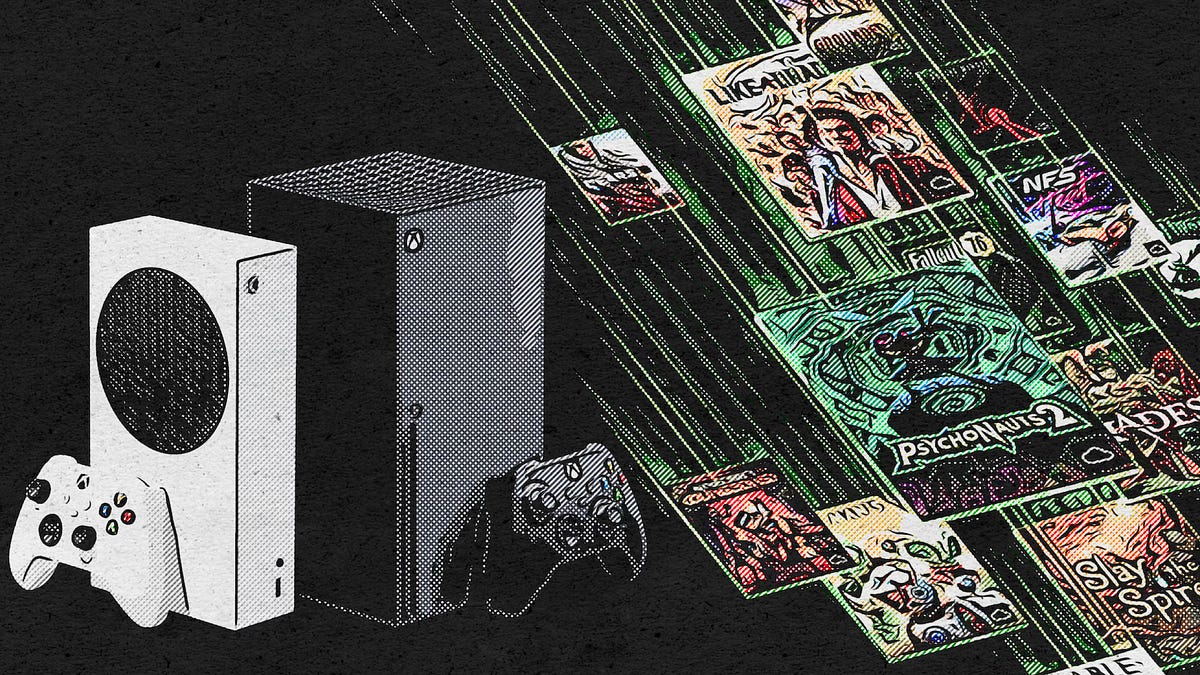
The analysis also covers broader industry shifts, such as Microsoft’s expansion of Game Pass into the Smart TV market via Samsung, which controls 32 percent of the global television market. This move signals a transition toward platform-agnostic distribution and potential ad-supported models to reach broader, less traditional audiences. Simultaneously, the Federal Trade Commission is adopting a more litigious stance toward tech mergers, specifically targeting emerging sectors like virtual reality. Finally, the launch of Diablo Immortal serves as a case study in the friction between Western regulatory standards regarding loot boxes and the lucrative "pay-to-win" monetization models favored in Asian markets, where the game averaged $1.8 million in daily gross revenue shortly after launch.
SuperJoost · 2026
SuperJoost · 2026
SuperJoost · 2026
SuperJoost · 2026
SuperJoost · 2026
SuperJoost · 2026
SuperJoost · 2026

SuperJoost · 2026
SuperJoost · 2026
SuperJoost · 2026
SuperJoost · 2026
SuperJoost · 2026
Thunderful · 2024
Modern Times Group
Ubisoft · 2026
Sony Group Corporation · 2026
Enthusiast Gaming Holdings · 2026
Aream & Co · 2026
Drake Star Partners · 2026
Capcom · 2026

Modern Times Group · 2026
Bandai Namco · 2026
Aream & Co · 2026
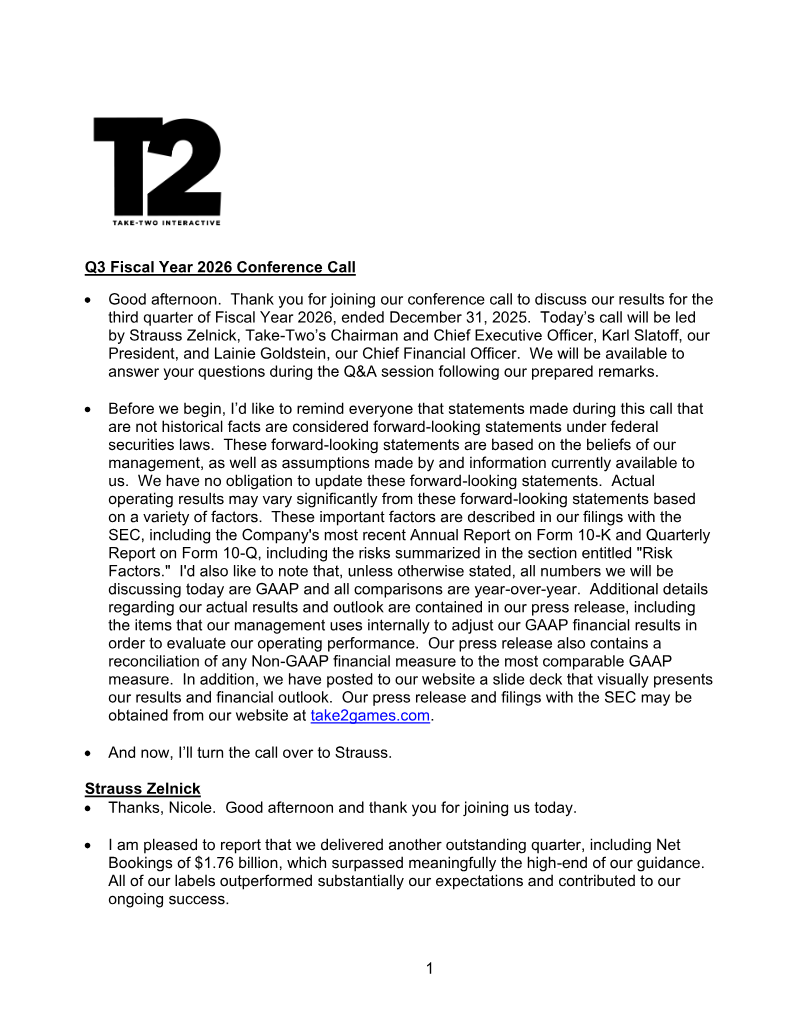
Take-Two Interactive · 2026