Atari SA
French video game publisher and owner of the Atari brand, listed on Euronext Paris.
Documents
No published documents yet
Reports about Atari SA
99 documents by other writers name Atari SA in the title or summary.
Platform Power by the Numbers
Platform holders have overtaken publishers at the top of the global games industry, and that shift is reshaping leverage for independent creators.
- Platform holders now dominate the industry, accounting for eight of the top ten gaming companies compared to only five in 2012.
- Between 2012 and 2022, platform revenue grew at a 17% compound annual growth rate, rising from $28 billion to $133 billion.
- Traditional publisher revenue remained nearly stagnant over the decade, increasing only from $13 billion to $14 billion.

Line Goes Down
Ubisoft's push into NFTs is failing to win over players, and its executive's response to the backlash is making matters worse.
- Ubisoft executive Nicolas Pouard defended the company's NFT strategy by claiming player backlash stems from a lack of understanding regarding the benefits of digital secondary markets.
- Critics of NFT integration in gaming have become increasingly informed and vocal, rejecting the industry's narrative that resistance is merely due to a lack of technical comprehension.
- Ubisoft discontinued its battle royale title Hyper Scape, highlighting the risks of publishers adopting industry trends without aligning with audience expectations.
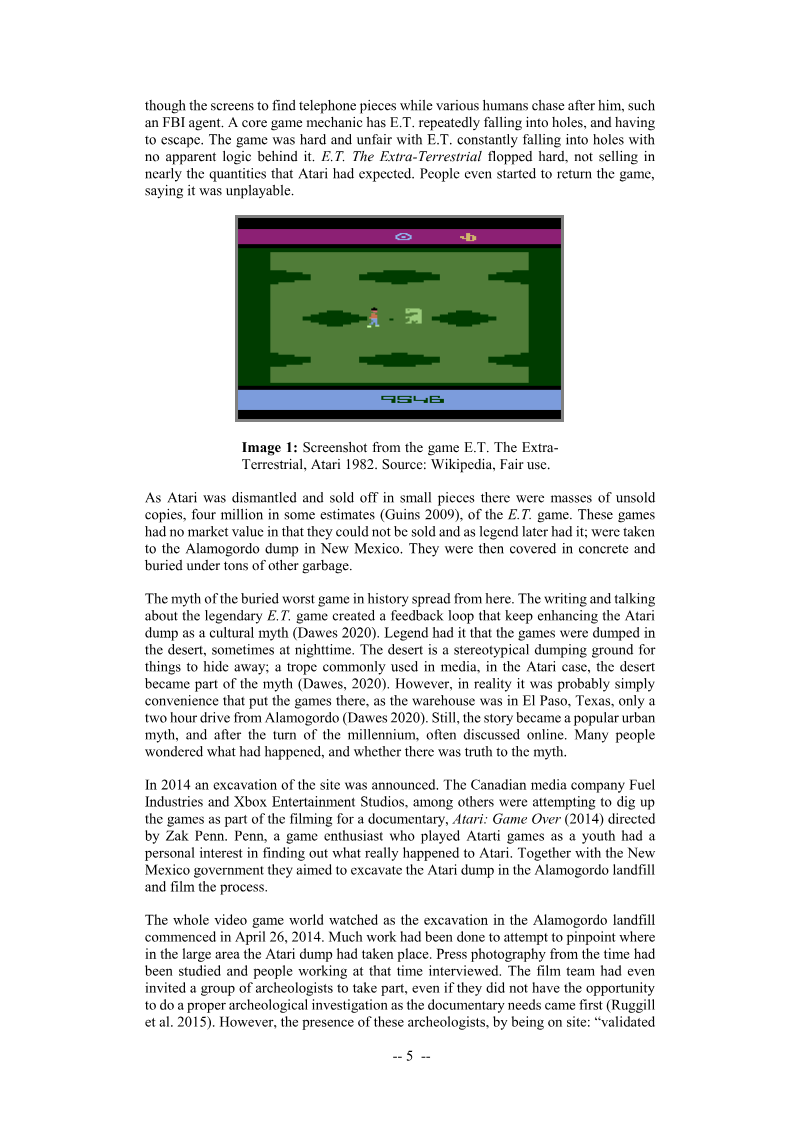
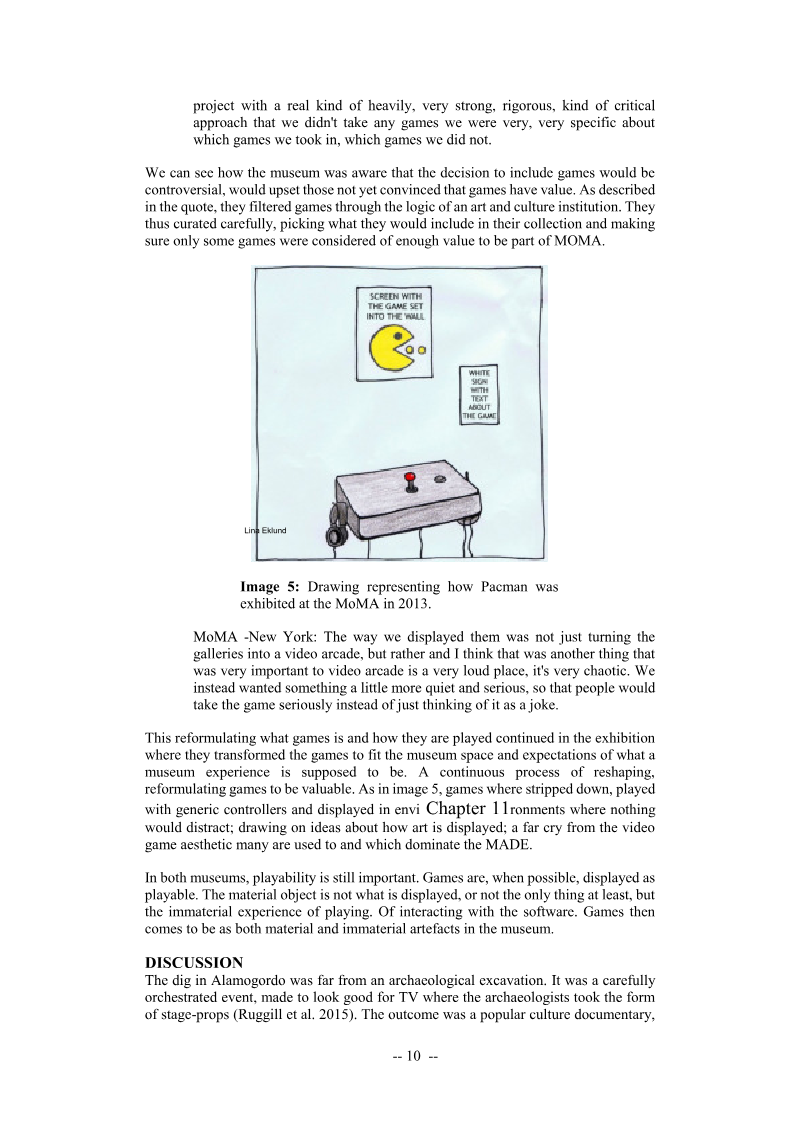
From Trash to Treasure: Exploring How Video Games Are Moving from Popular Culture to Cultural Heritage
The document examines the evolving status of video games, arguing they are transitioning from popular culture phenomena to recognized cultural heritage.
- The 2014 excavation of an Alamogordo, New Mexico landfill recovered roughly 1,300 Atari E.T. cartridges, turning a long-standing cultural myth into tangible artifacts.
- Heritage value is socially constructed rather than inherent in objects; the spectacle and emotional investment surrounding the dig gave the recovered games new meaning.
- MoMA pursues a selective, art-focused collecting strategy, while The MADE, a volunteer-run Oakland institution, aims to preserve nearly everything from an enthusiast-driven, bottom-up perspective.

Castles Made of Sand
Nathan Brown's Hit Points newsletter (November 29, 2021) offers a skeptical hands-on assessment of The Sandbox, a blockchain-based, play-to-earn "metaverse" platform whose public alpha launched that day.
- The Sandbox, a blockchain-based game owned by Animoca Brands, launched its public alpha in November 2021 following a $93 million funding round led by SoftBank.
- Full access to the game's 'play-to-earn' features requires an Alpha Pass, which is restricted to a limited supply of 5,000 units obtainable through raffles for LAND owners or secondary market purchases.
- The cost of entry for the game's ecosystem is high, with LAND parcels on OpenSea priced at approximately 25 Ethereum (over $107,000) and Alpha Passes trading for around 0.25 Ethereum (£800) shortly after launch.

Crypto Games Culture War
This November 2021 games industry newsletter argues that the industry's backlash against blockchain gaming is largely misplaced, even as crypto game makers overestimate their own disruptive power.
- Blockchain technology in gaming is currently in a nascent, experimental phase that may follow the historical integration path of previous disruptions like digital distribution and free-to-play models.
- While critics label blockchain games like Axie Infinity as Ponzi schemes due to high entry costs of approximately $1,000, traditional mobile gaming already utilizes similar 'whale-hunting' economic models.
- Environmental criticisms of crypto-gaming are contextualized by data showing that the U.S. gaming industry already consumes energy equivalent to 85 million refrigerators annually.

Sir Clive Sinclair: The Trailblazer Who Invented the British Video Game Industry
Sir Clive Sinclair, who died on 16 September 2021 at age 81, is presented as the unwitting founder of the British video game industry.
- Sir Clive Sinclair’s ZX Spectrum, launched in 1982, is credited with founding the British video game industry by fostering a massive ecosystem of bedroom coders and entrepreneurial game companies.
- Despite Sinclair’s original intent for the ZX Spectrum to be used for programming and office applications, the 16k and 48k models sold over 5 million units globally primarily due to consumer demand for gaming.
- The rise of microcomputers like the ZX Spectrum, Commodore 64, and BBC Acorn in the early 1980s directly cannibalized the market for traditional video game arcades and the Atari 2600.
House of Crypto: The FTX Collapse and Impact on Web3 Gaming
The collapse of crypto exchange FTX in November 2022 is framed as a cautionary tale about overextension, with likely damage to the already contested web3 gaming sector.
- The collapse of FTX has jeopardized 148 active gaming projects on the Solana blockchain, which previously served as the preferred platform for 37 percent of crypto-gaming investors.
- FTX’s failure resulted in a valuation drop of over 50 percent for the SOL token, undermining the financial stability of the ecosystem it heavily supported.
- FTX’s aggressive gaming strategy included a $2 billion dedicated investment fund, the acquisition of Good Luck Games, and a record-breaking $210 million esports sponsorship deal with TSM.
Part 2: How Netflix Could Become the 'Netflix of Gaming'
Netflix's July 2021 announcement of a gaming initiative, the hiring of veteran executive Mike Verdu, and new details from its quarterly shareholder letter and investor call are analyzed here to forecast how the company's games strategy will unfold.
- Netflix is integrating games into existing subscriptions to improve user retention and justify future price increases rather than creating a standalone profit center.
- The strategy focuses on mobile devices as the primary platform, utilizing a long-term, experimental rollout similar to the company’s historical approach to original video content.
- Success will be measured by internal engagement metrics and social buzz rather than direct revenue generated from individual game titles.

News Mash-Up: Week 22 & 23 (June 2021)
E3 2021 returned in a reduced, digital-first form after the 2020 cancellation, with 18 events and conferences operating under the E3 banner.
- Microsoft is expanding its Xbox cloud gaming strategy by developing a streaming dongle and smart TV app to enable GamePass access via browsers, mirroring the Stadia model.
- Take-Two Interactive acquired mobile developer Nordeus, creator of Top Eleven, for $378 million to expand its mobile gaming footprint.
- GameStop reported a 25% year-over-year revenue increase to $1.3 billion for Q1 2021, though the company still posted a net loss of $41 million.
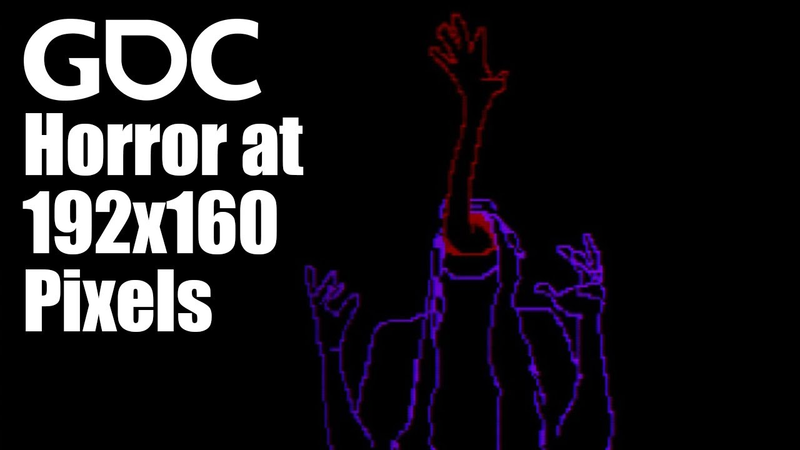
The Art of FAITH: Horror at 192x160 Pixels
The development of the horror game FAITH serves as a case study in how strict aesthetic constraints and low-fidelity visuals can effectively generate dread and compete with high-budget, next-generation horror titles.
- The horror game FAITH achieves atmospheric dread by imposing strict technical constraints, including a 192x160 resolution, a limited color palette, and a 15 frames-per-second cap.
- The developer utilized rotoscoped animations—comprising 75 to 120 hand-traced drawings per sequence—to create an uncanny, lifelike contrast against the low-fidelity pixel environment.
- By leveraging the high level of abstraction inherent in early pixel art, the design successfully exploits the 'fear of the unknown' to compete with high-budget, next-generation horror titles.

Abundance and Joy: How Is This Wave of Over-investment in Games Going to End?
Cheap capital, non-endemic billion-dollar entrants, and richly valued public listings have pushed the games industry into a period of notable over-investment.
- The gaming industry is currently experiencing a period of market 'froth' driven by cheap capital, exemplified by high-profile valuations such as Epic Games at $28.7 billion and AppLovin’s $28.6 billion IPO in early 2021.
- Historical market cycles, including the 1980s Atari collapse, the 2000s MMO purge, and the 2010s social gaming decline, indicate that prioritizing financial engineering over audience needs consistently leads to industry-wide corrections.
- The current influx of capital risks shifting industry focus from creative entertainment to corporate acquisition strategies, potentially leading to brand dilution.
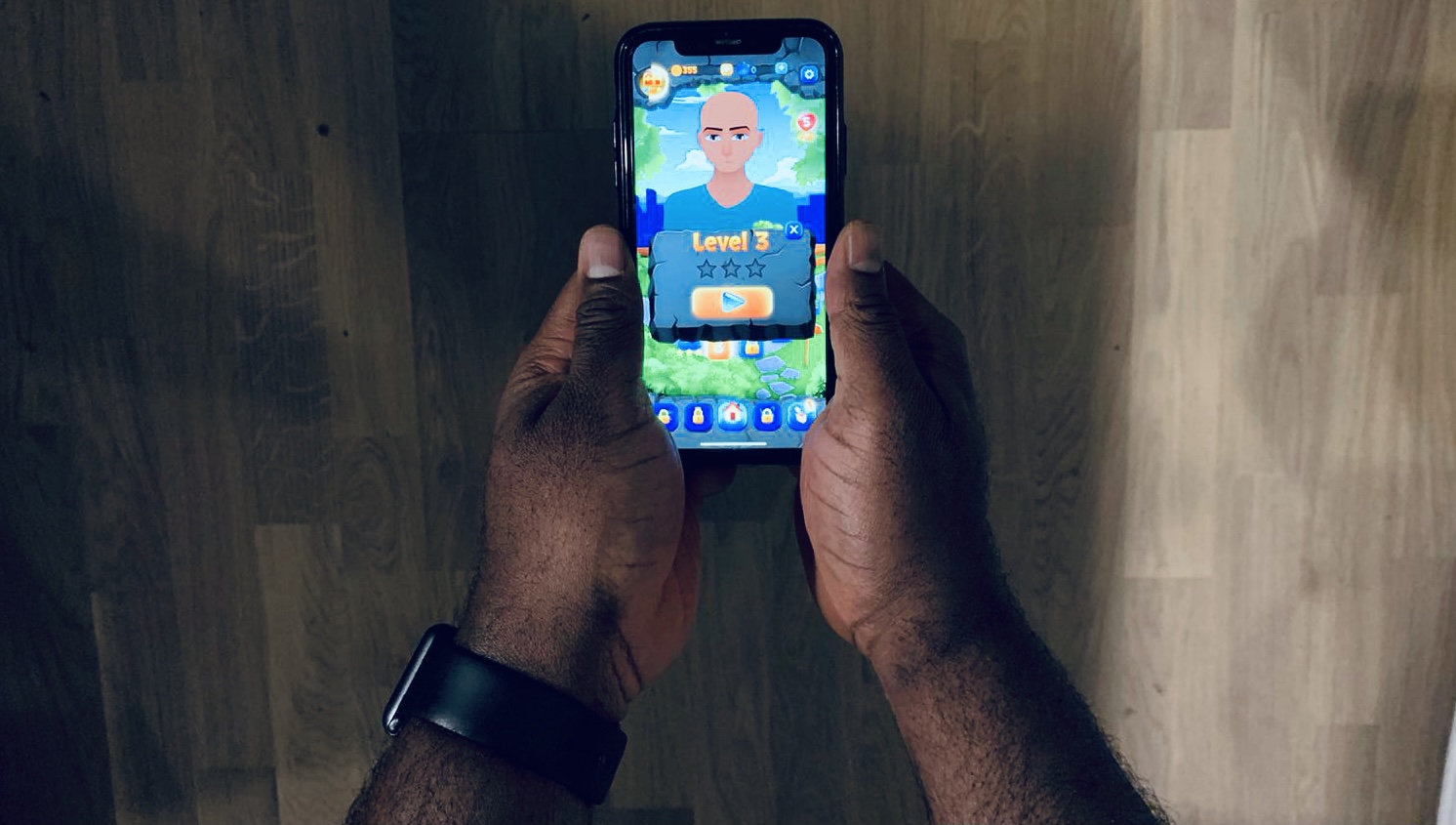
Epic Games and Gameloft Top Google Search Words in Africa
Epic Games and Gameloft dominate Google search interest among gaming brands across Africa, according to a consumer-brand search analysis from Business Financing, as reported by Games Industry Africa in February 2021.
- Epic Games and Gameloft were the most searched gaming brands across 52 African countries, according to research covering a 12-month period.
- While Nintendo dominated global gaming brand search terms, it did not hold the top position across the African continent.
- The research was conducted by Business Financing using Google Keyword Planner to analyze monthly search volumes for consumer brands.