Serious Games reports and market data
Documents
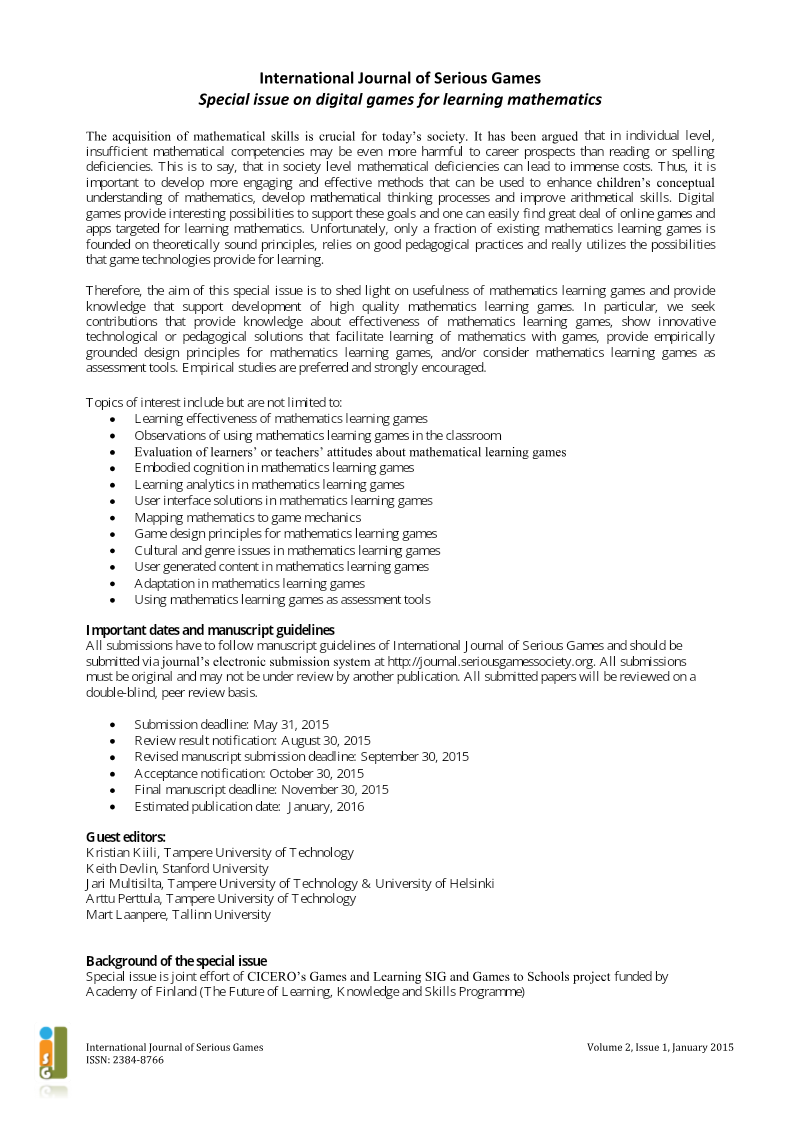
Special Issue on Digital Games for Learning Mathematics
Mathematical proficiency serves as a critical foundation for individual career success and broader societal economic stability.
- A significant gap exists between the volume of available mathematics software and the application of theoretically sound, pedagogically effective design principles.
- The initiative aims to establish a rigorous, empirical evidence base for mathematics learning games to move beyond superficial engagement.
- Key research areas include the integration of learning analytics, mapping mathematical concepts to core game mechanics, embodied cognition, and adaptive difficulty.
Game Elements Improve Performance in a Working Memory Training Task
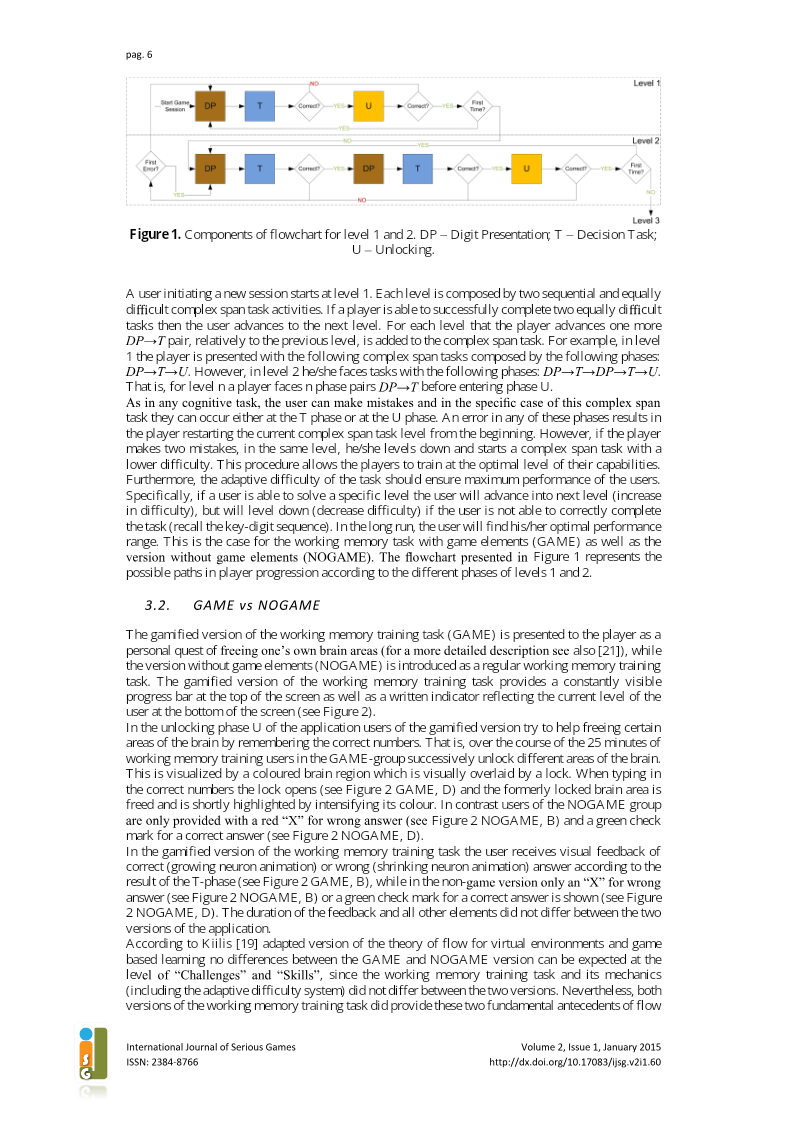
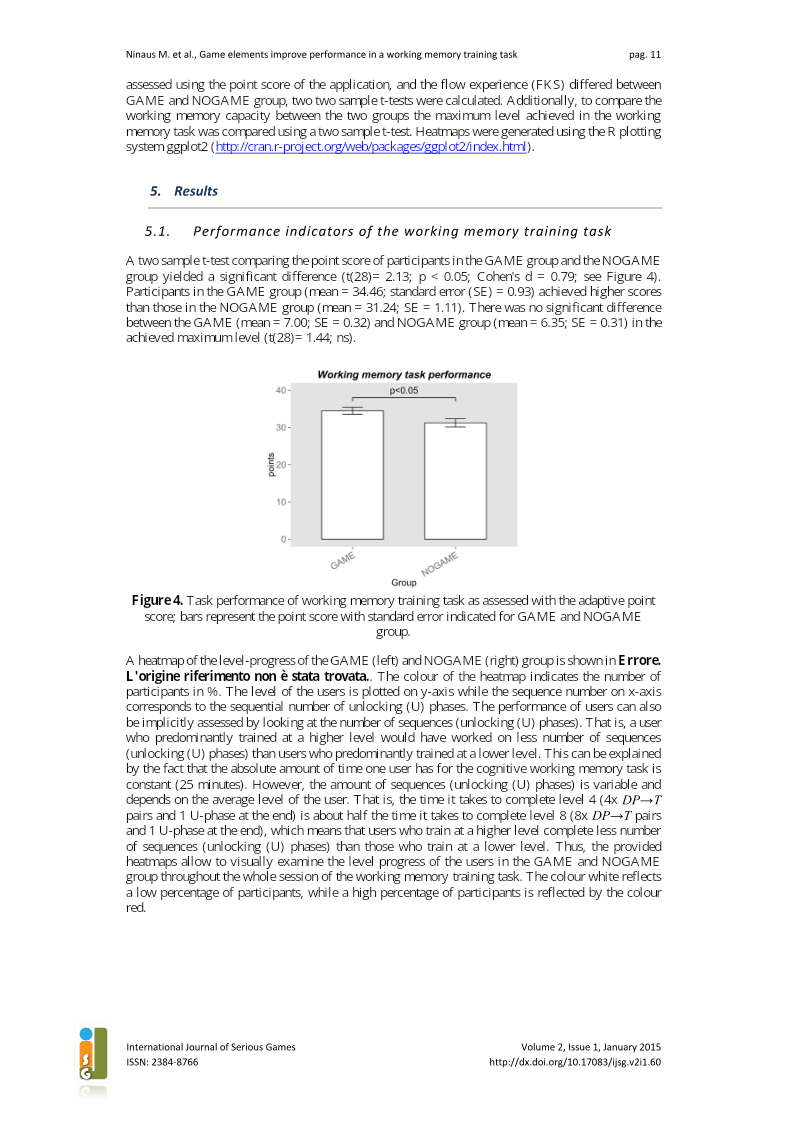
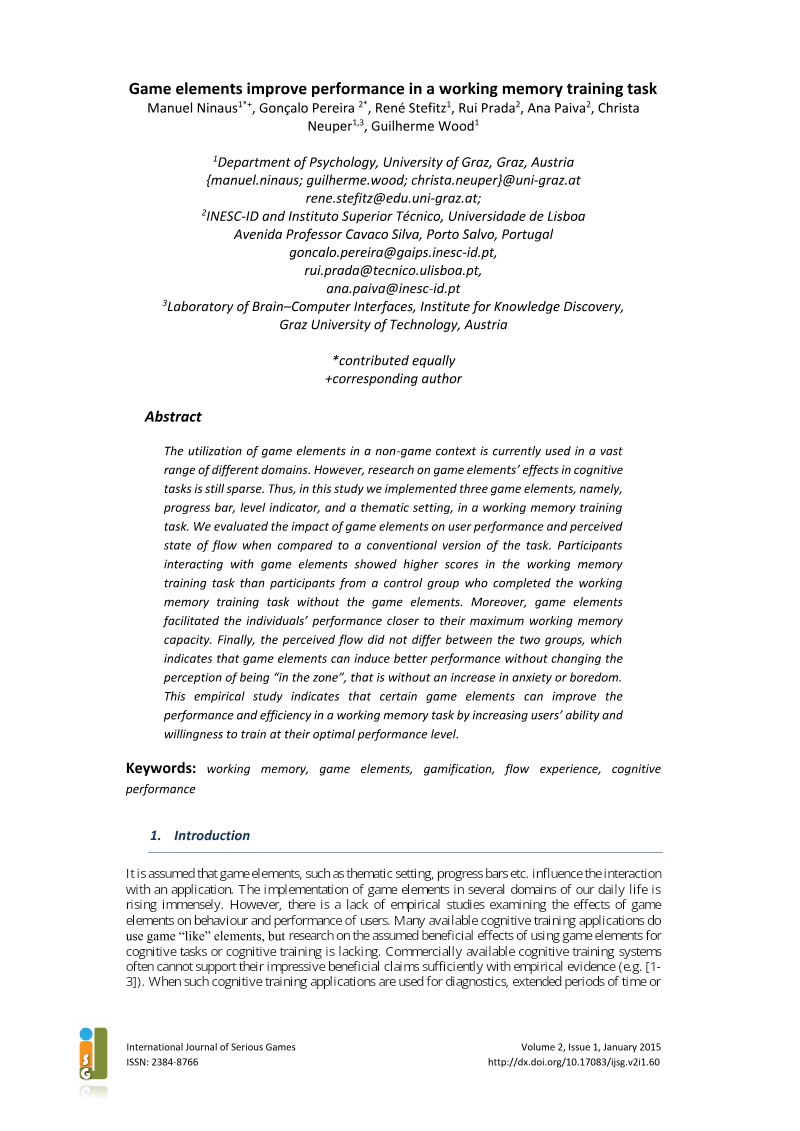
Integrating game elements into cognitive training tasks significantly enhances user performance and operational efficiency.
- Gamification elements such as progress bars and level indicators significantly increase user performance and operational efficiency in working memory training tasks.
- The integration of game mechanics encourages participants to utilize their maximum working memory capacity more effectively than conventional, non-gamified training methods.
- Gamification acts as a performance catalyst for objective output without fundamentally altering a user’s maximum cognitive capacity.
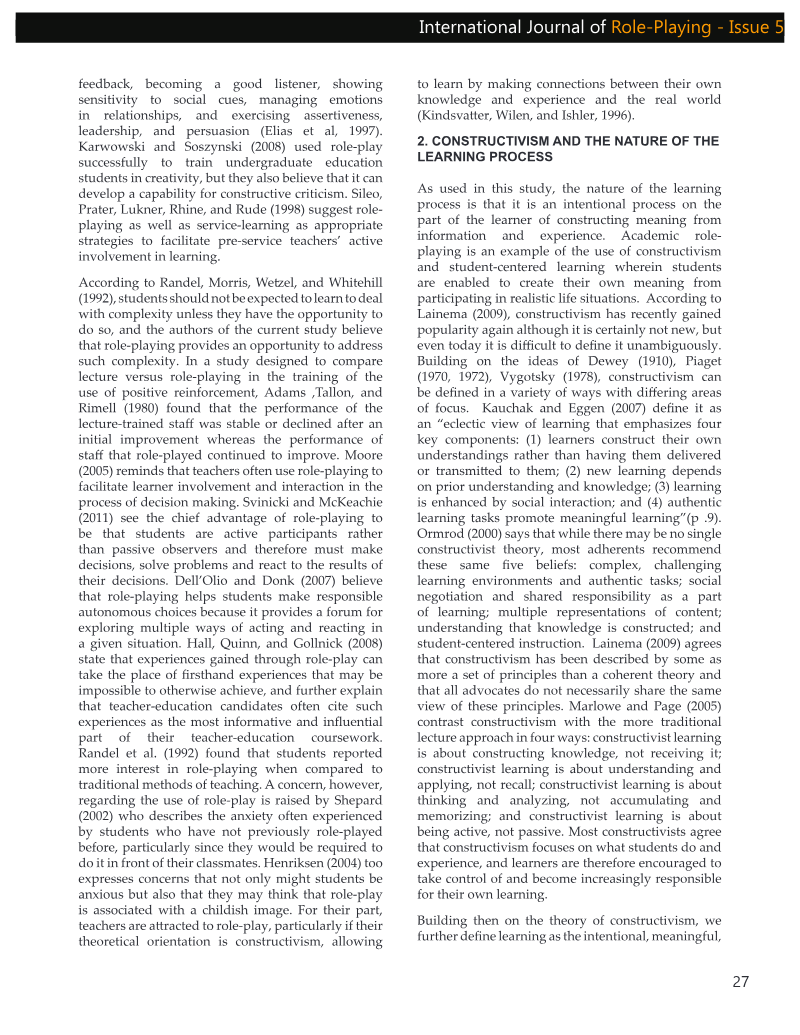
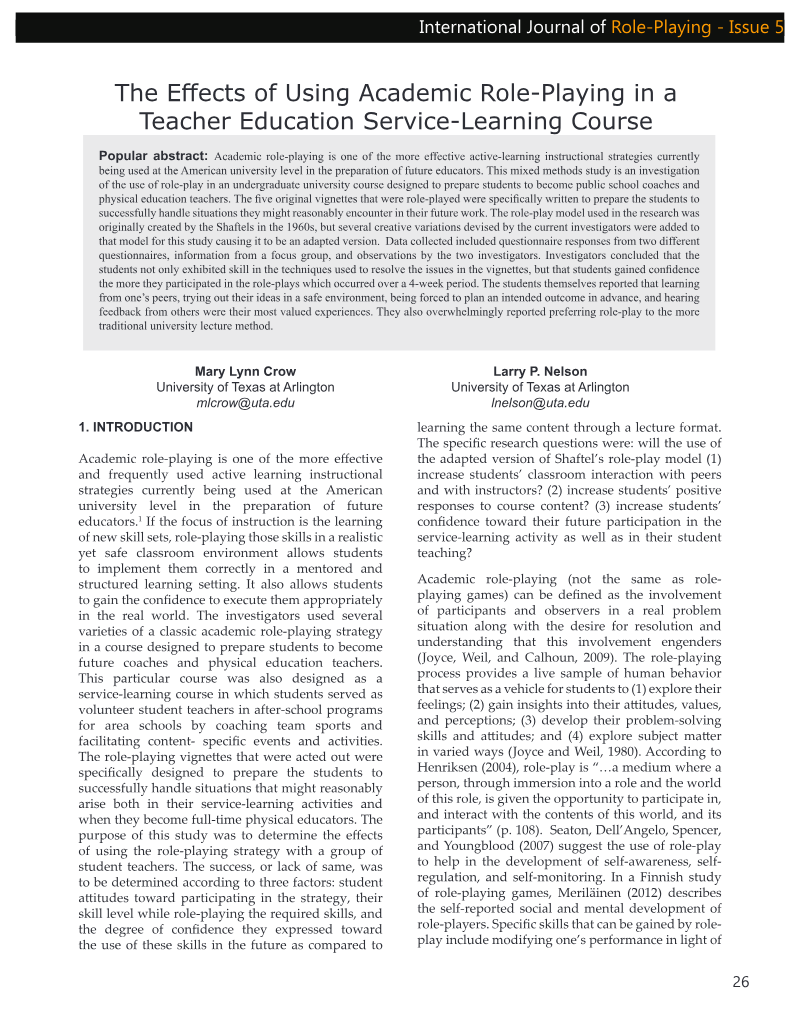
The Effects of Using Academic Role-Playing in a Teacher Education Service-Learning Course
This study examines the effects of academic role-playing, using an adapted Shaftel model, in an undergraduate physical education and coaching service-learning course at a large urban university.
- Academic role-play using an adapted Shaftel model was tested in an undergraduate physical education and coaching service-learning course, comparing an intervention group of 52 students with a control group of 50.
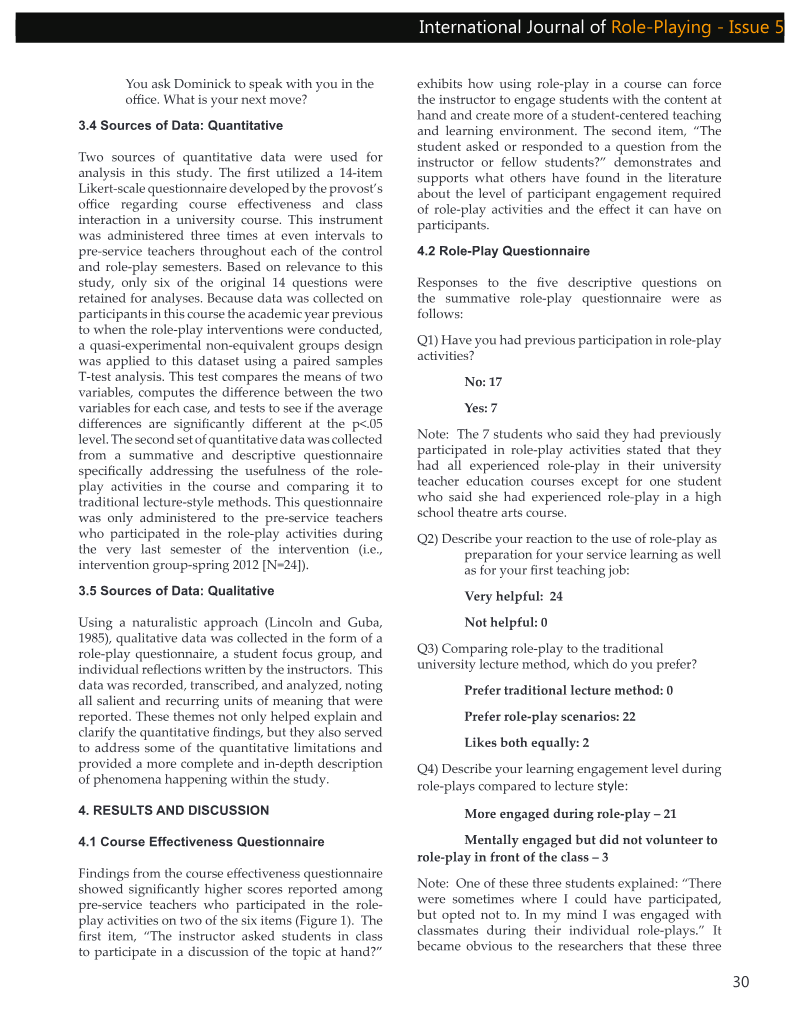
- Role-play participants scored significantly higher on two of six course effectiveness items: the instructor asking students to discuss topics (p=.037) and students asking and responding to questions (p=.039).
- In focus group and questionnaire data, 22 of 24 pre-service teachers preferred role-play to lecture, two rated both equally, and none favored lecture; 21 participants reported feeling more engaged during role-play sessions.
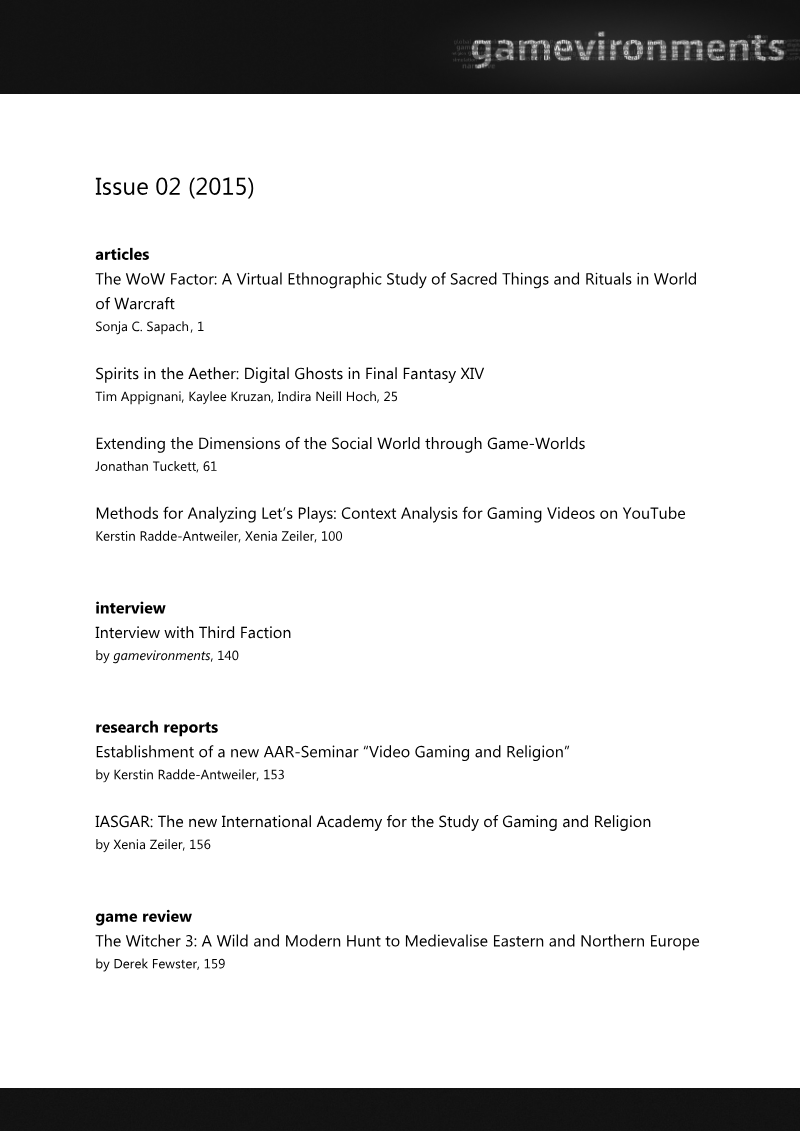
gamevironments 2015
The document announces the establishment of a new Video Gaming and Religion Seminar within the American Academy of Religion (AAR), a major professional body for religious studies scholars.
- The AAR Program Committee approved a new Video Gaming and Religion Seminar for a five-year term (2015–2019), with one session at each Annual Meeting.
- The seminar was founded to address the marginal status of video games within Religious Studies, with author Kerstin Radde-Antweiler arguing that video games now depict religious themes just as film did in the twentieth century.
- The seminar aims to build a multidisciplinary, international network covering personal computer, console, and mobile games, with a steering committee of six scholars from the United States, Canada, Germany, and Finland.
Current Key Perspectives in Video Gaming and Religion
Gregory Grieve's contribution to this special issue on video gaming and religion argues that religious studies should examine video games through a "cultural dialogic mode," treating games as a space where religion and human meaning-making emerge rather than as objects that either hide timeless sacred symbols or serve merely as…
- Gregory Grieve argues that religious studies should examine video games through a "cultural dialogic mode," treating games as spaces where religion and human meaning-making emerge, rather than as hiding timeless sacred symbols or as mere products of the scholar's imagination.
- Grieve draws on Mircea Eliade, J. Z. Smith, Mikhail Bakhtin, and Ian Bogost's concept of procedural rhetoric, contending that in Minecraft religious meaning arises from the embodied experience of play, especially the survival mode's cycle of exploration, resource gathering, construction, and combat.
- Grieve proposes a documentary methodology called "close play," which requires scholars to actually play the games they study, since procedural meaning cannot be fully grasped through narrative or imagery alone.
Use of Ecological Gestures in Soccer Games Running on Mobile Devices
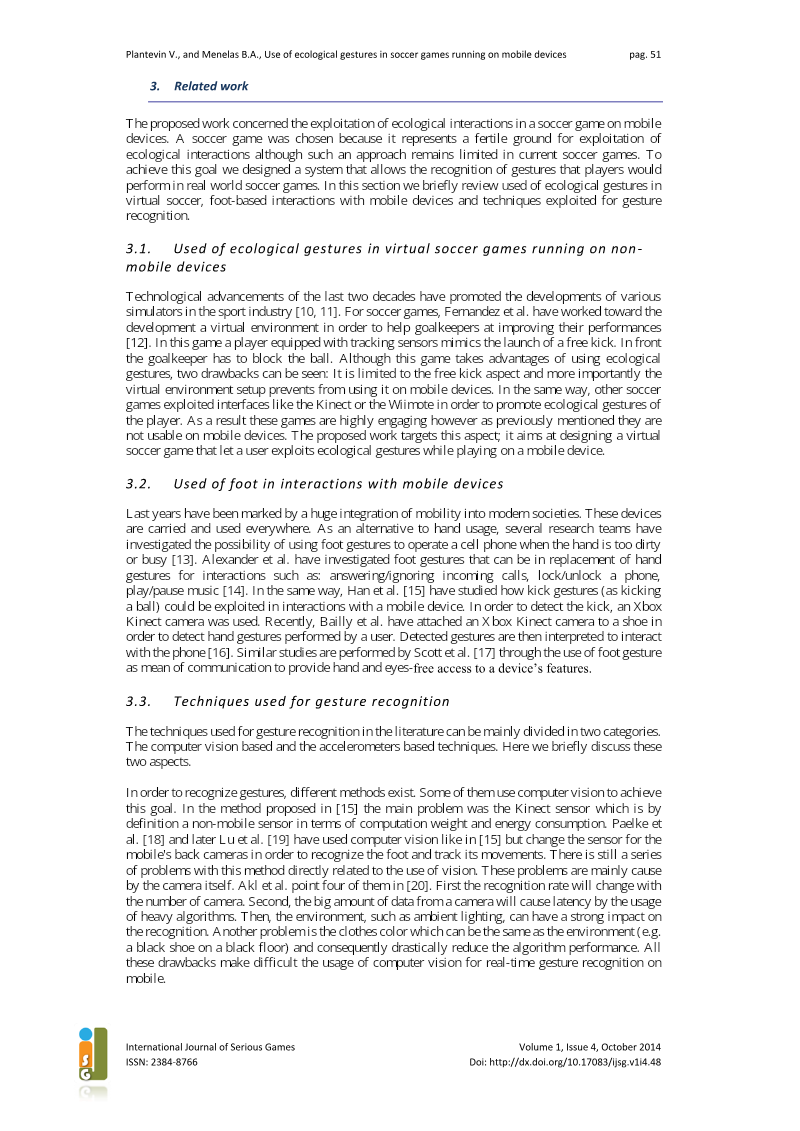
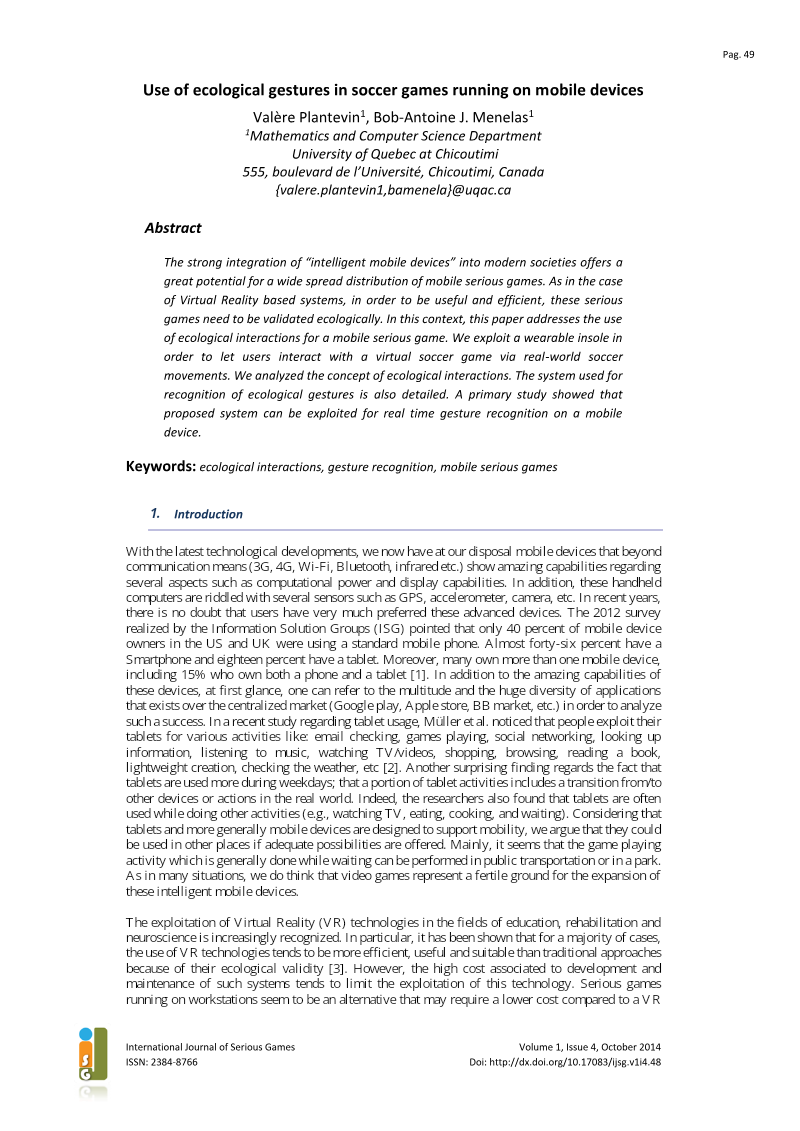
Mobile soccer gaming often suffers from the limitations of traditional touchscreen controls, which frequently lack the tactile feedback and immersion required for authentic sports simulation.
- Wearable insole sensors enable mobile soccer games to mirror real-world physical movements, overcoming the tactile and immersion limitations of traditional touchscreen controls.
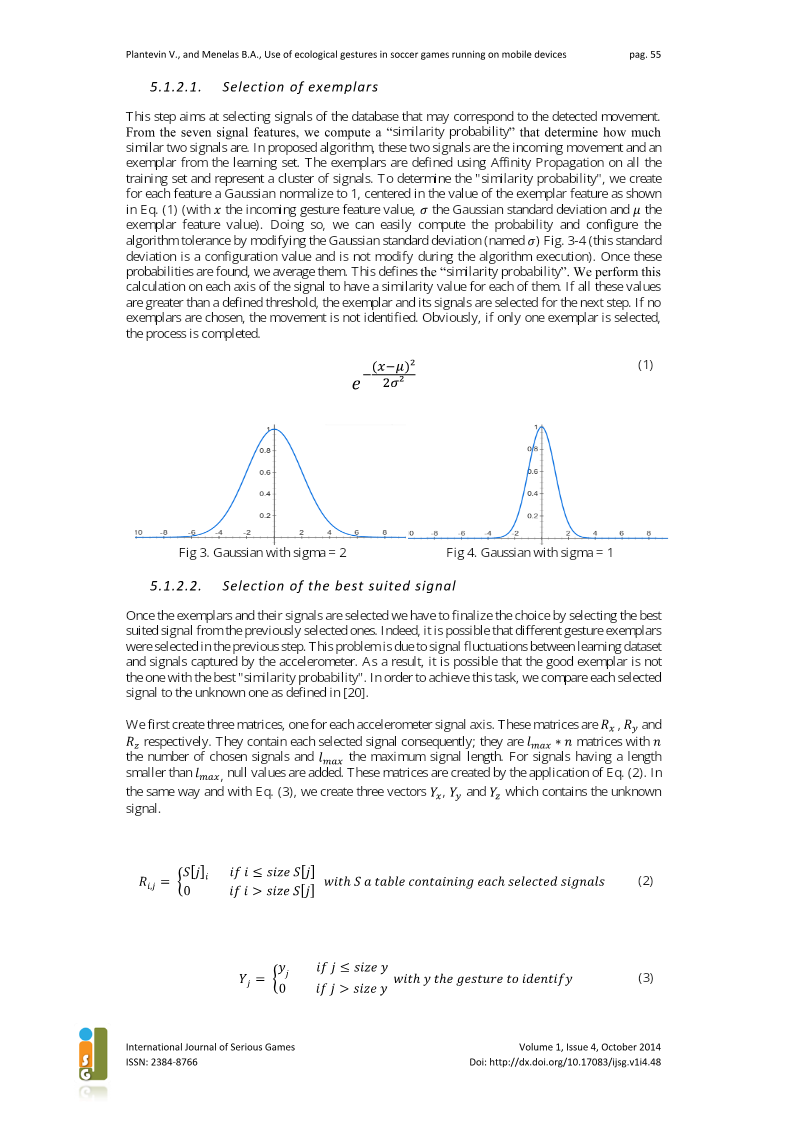
- A new lightweight gesture recognition algorithm achieves a 1.5kHz processing speed, significantly outperforming traditional Dynamic Time Warping (DTW) and FastDTW methods on mobile hardware.
- The system demonstrates a 100% success rate in filtering out noise, ensuring that only intentional physical actions trigger in-game responses.
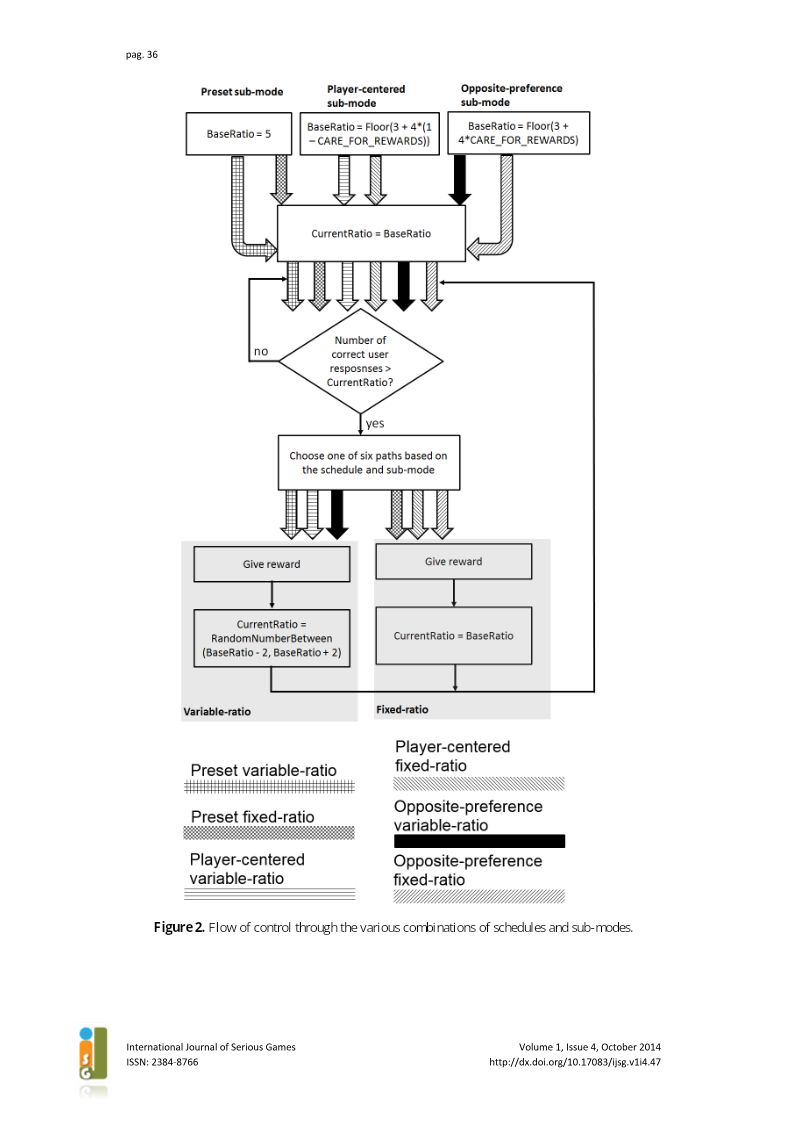
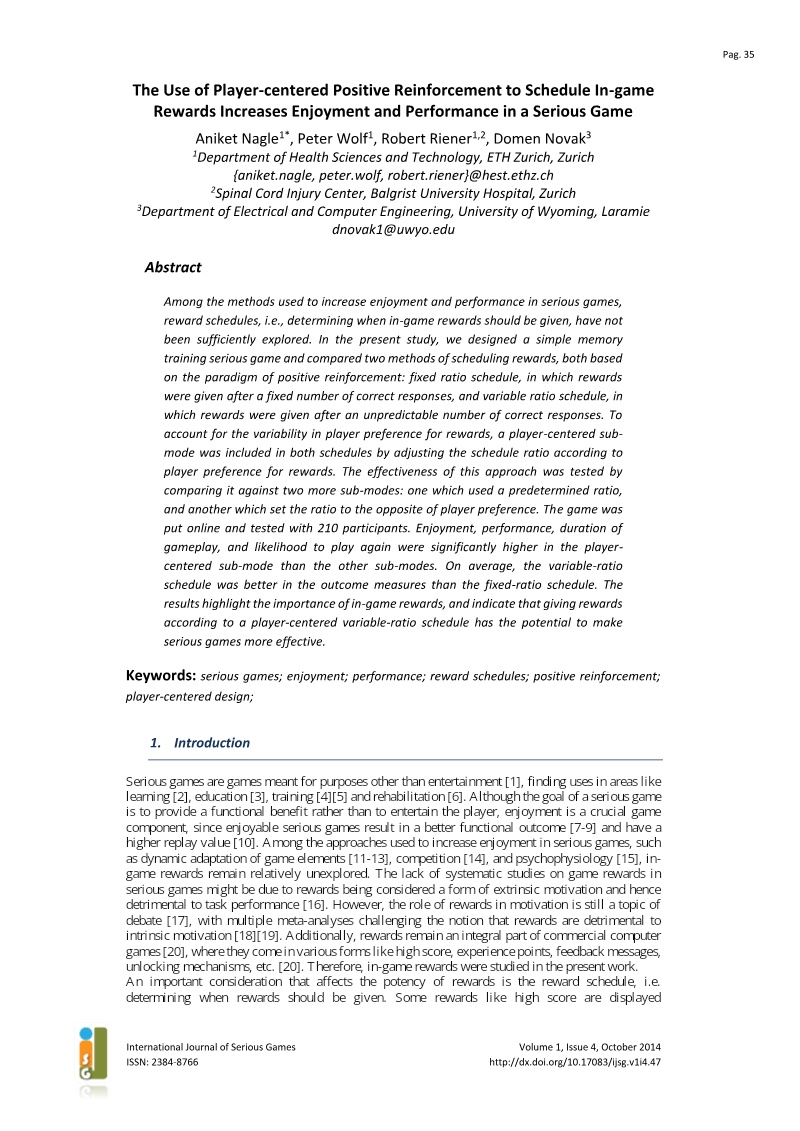
The Use of Player-centered Positive Reinforcement to Schedule In-game Rewards Increases Enjoyment and Performance in a Serious Game
Serious games designed for cognitive training often struggle to maintain long-term user engagement, a challenge addressed by optimizing the delivery of in-game rewards.
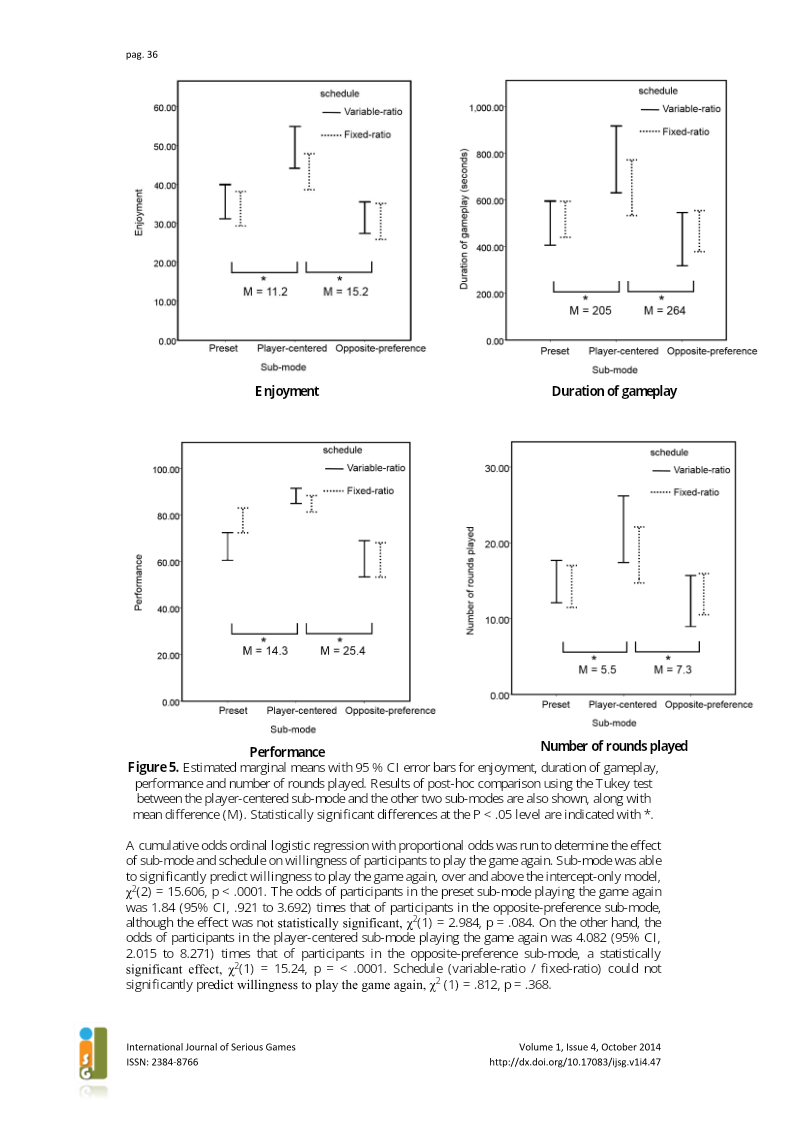
- Customizing reward schedules to align with individual player preferences is the primary driver for increasing both cognitive performance and user satisfaction in serious games.
- Research involving 210 participants confirms that adaptive, player-centered reward systems consistently outperform standardized, non-adaptive reward models.
- Tailoring the frequency and nature of in-game feedback significantly boosts both gameplay duration and long-term replay intent.
Assessing and Improving Listening Skills: A Test of Two Theories
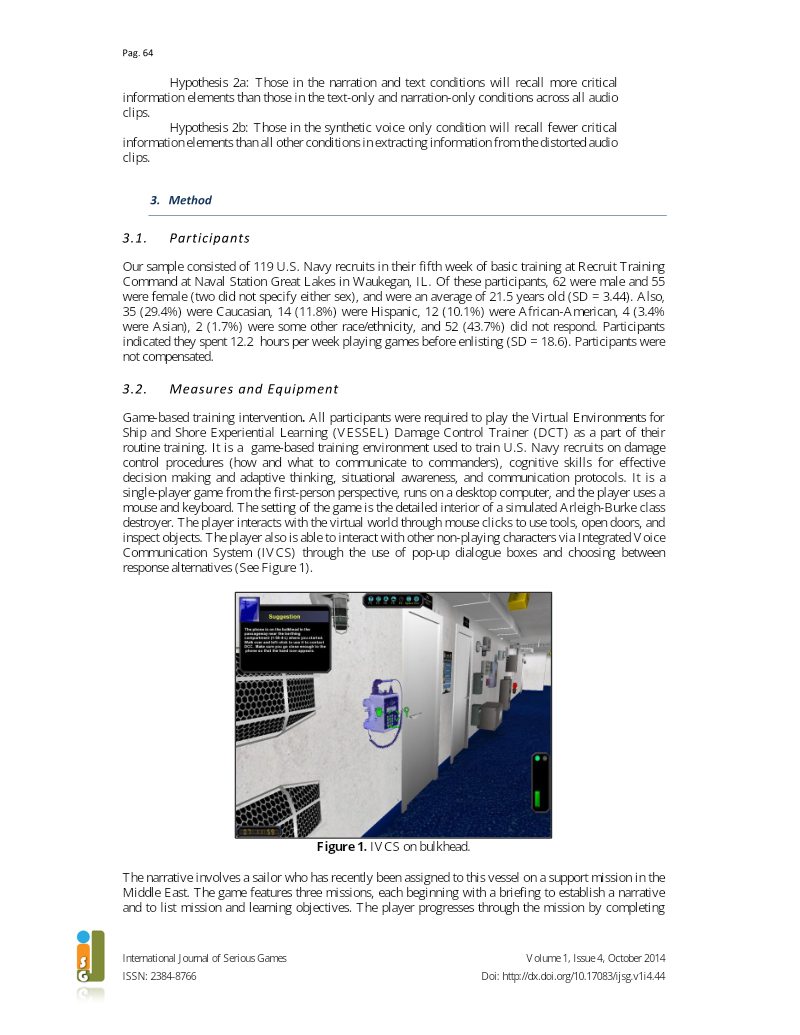
Effective training for U.S. Navy recruits in high-stakes, suboptimal environments relies heavily on the quality of auditory communication within simulation-based learning.
- Human-recorded audio significantly outperforms synthetic speech in skill acquisition for novice trainees within high-stakes simulation environments.
- High-fidelity audio is the primary driver of successful information extraction, proving more critical to instructional design than cognitive load management strategies.
- Previous iterations of the Damage Control Trainer achieved an 80 percent reduction in communication errors, establishing a baseline for current optimization efforts.
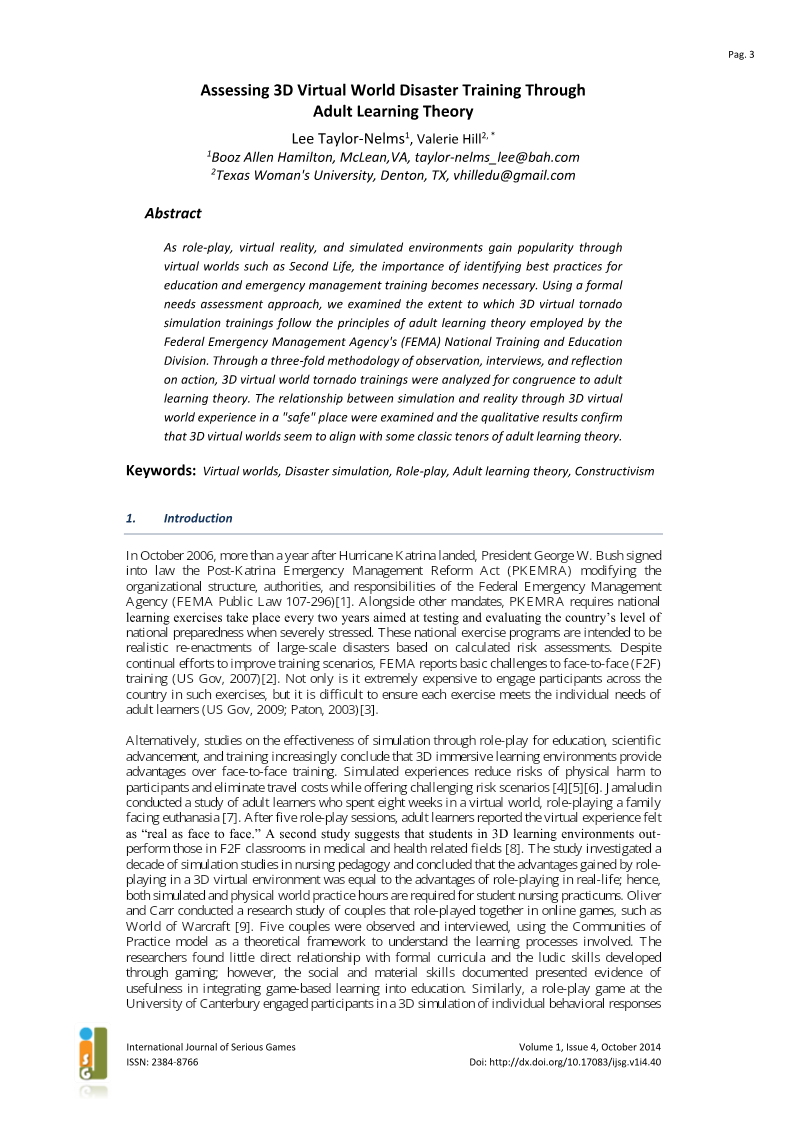
Assessing 3D Virtual World Disaster Training Through Adult Learning Theory
Three-dimensional virtual world simulations serve as a highly effective, cost-efficient alternative to traditional face-to-face emergency preparedness training.
- 3D virtual world simulations function as a cost-efficient, high-fidelity alternative to traditional face-to-face emergency preparedness training.
- Virtual platforms effectively bridge the gap between simulated practice and real-world application by fostering cognitive flexibility and emotional investment in high-stakes scenarios.
- The pedagogical efficacy of these environments is driven by constructivist adult learning principles, specifically problem-based learning, self-direction, and collaborative engagement.
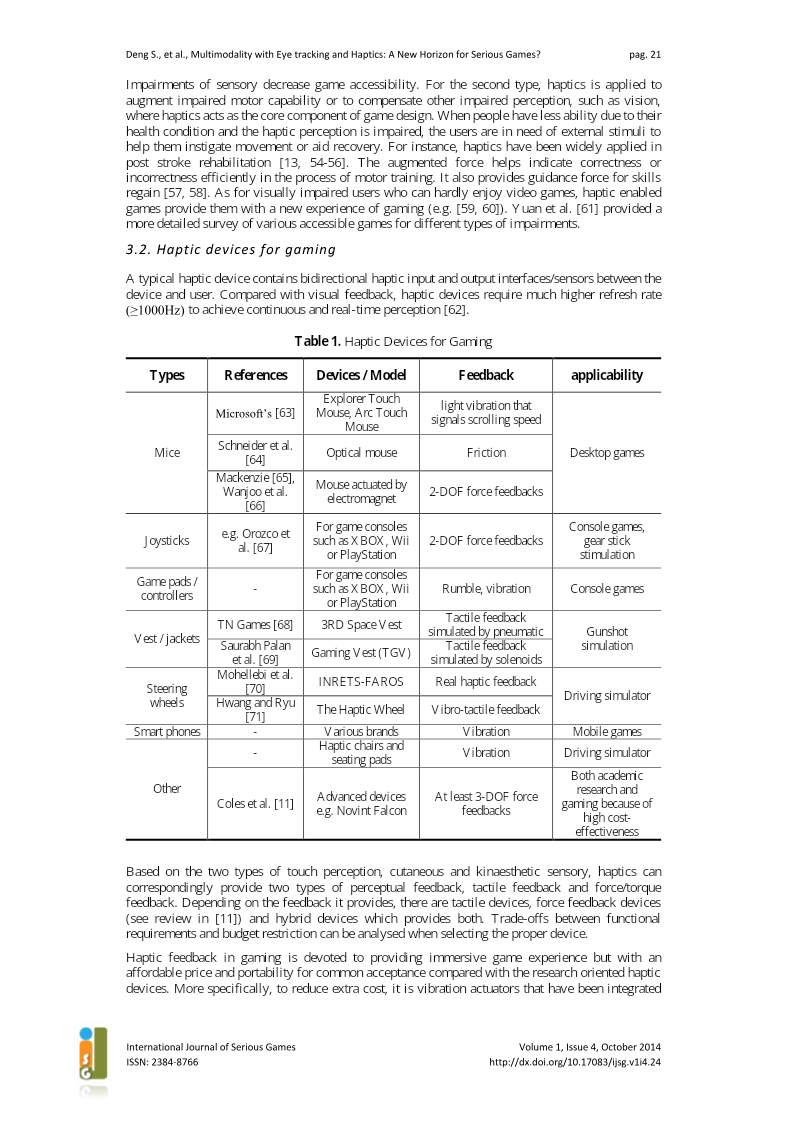
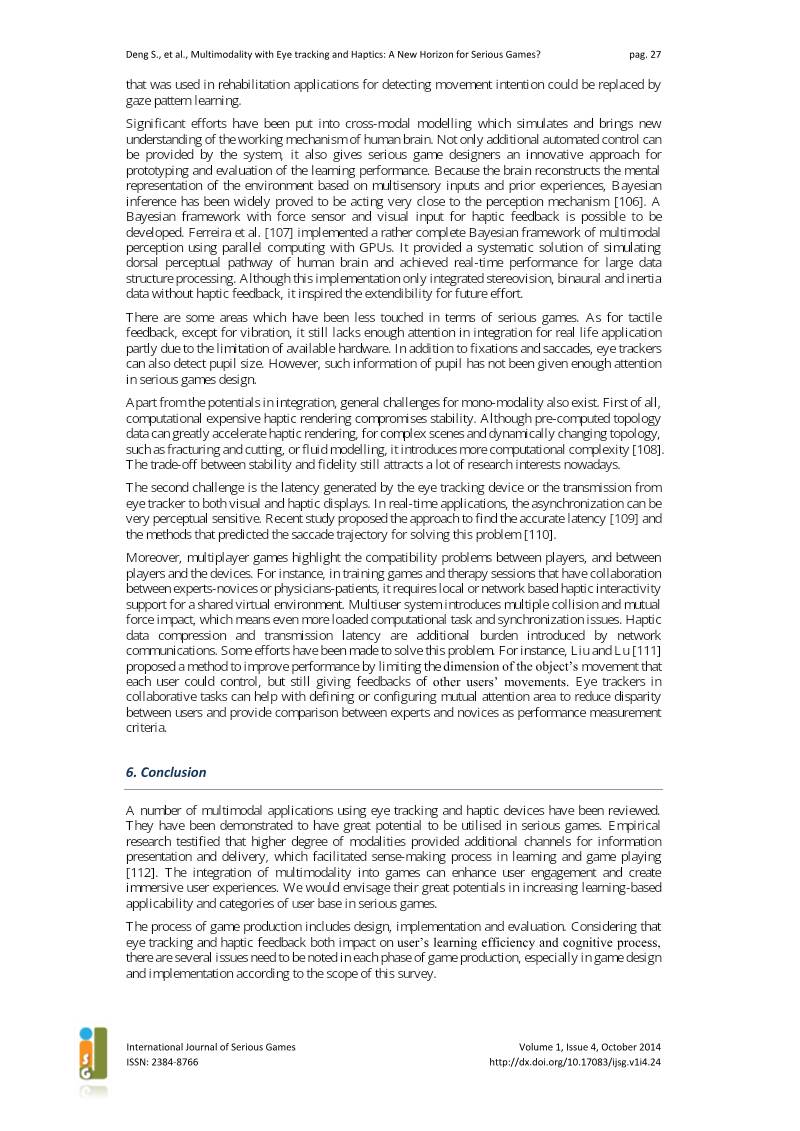
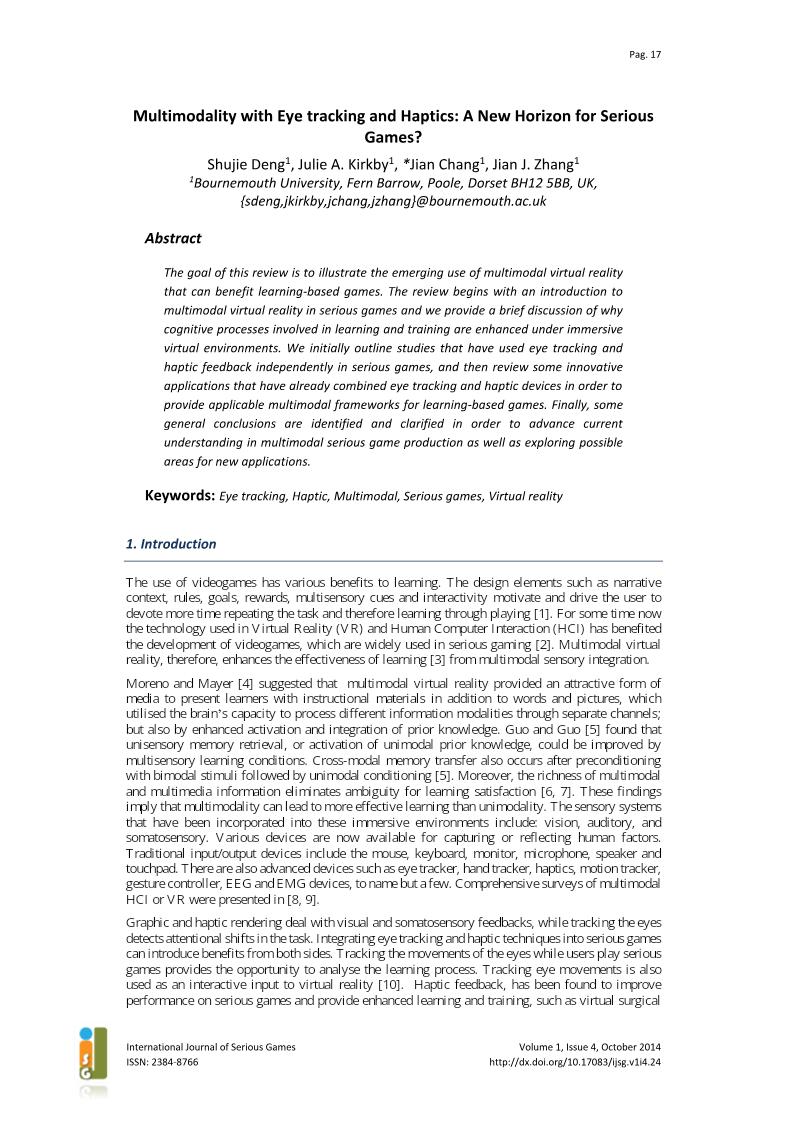
Multimodality with Eye Tracking and Haptics: A New Horizon for Serious Games?
The integration of eye tracking and haptic feedback represents a transformative shift in the development of serious games, moving beyond traditional unimodal interfaces to create highly immersive and effective virtual environments.
- Synchronizing eye tracking with haptic feedback significantly improves cognitive processing, motor dexterity, and user engagement in high-stakes training environments like surgery and rehabilitation.
- Gaze-contingent rendering and high-refresh-rate haptic systems enable more intuitive control schemes while providing objective diagnostic data on user performance and cognitive load.
- The adoption of standardized modeling libraries and cross-modal frameworks is actively lowering development barriers for implementing multimodal interfaces in professional training.
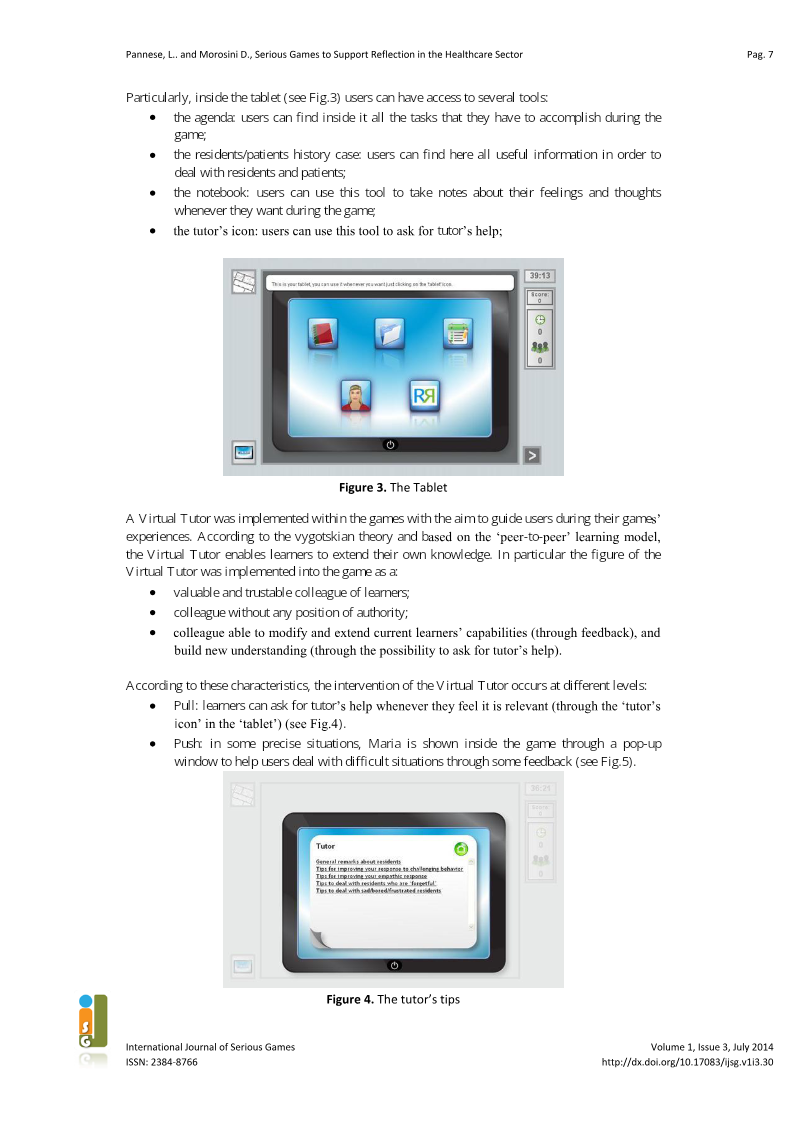
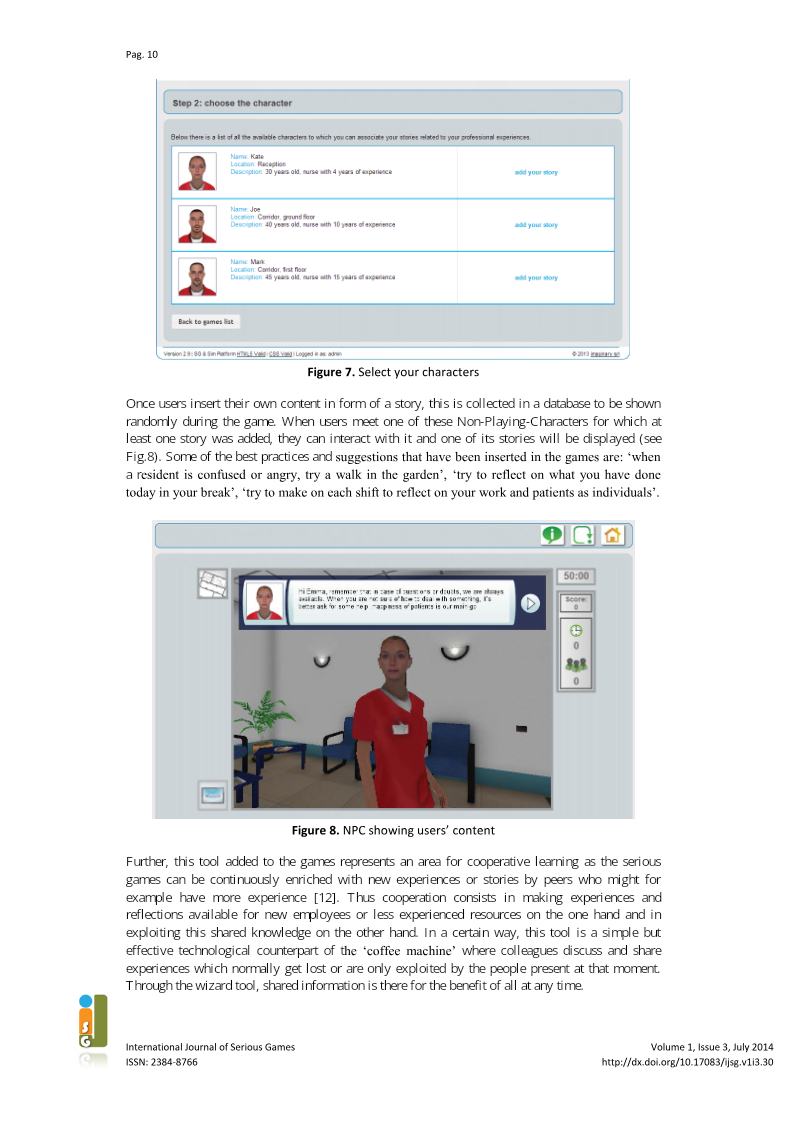
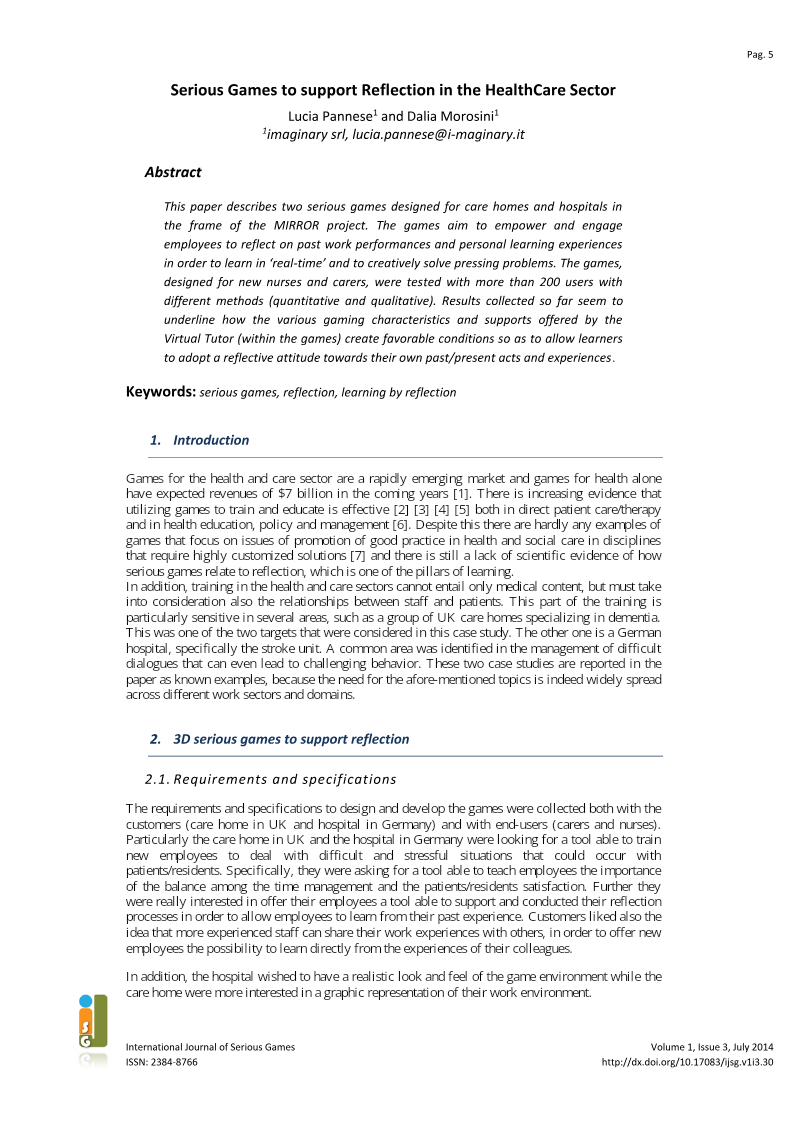
Serious Games to Support Reflection in the Healthcare Sector
The development and implementation of serious games in the healthcare sector serve as a mechanism to foster reflective learning among nurses and carers.
- Serious games significantly improve professional confidence and reflective practice, with nursing students rating training utility at 4.31 and care staff rating reflective utility at 4.16 on a five-point scale.
- The four-year study involving over 200 users across a German stroke unit and UK dementia care homes confirms that 3D simulations provide a low-risk environment for practicing complex clinical decision-making and self-regulation.
- Integrated 'wizard tools' allow staff to input personal best practices, effectively transforming the game platform into a collaborative digital repository for institutional knowledge.

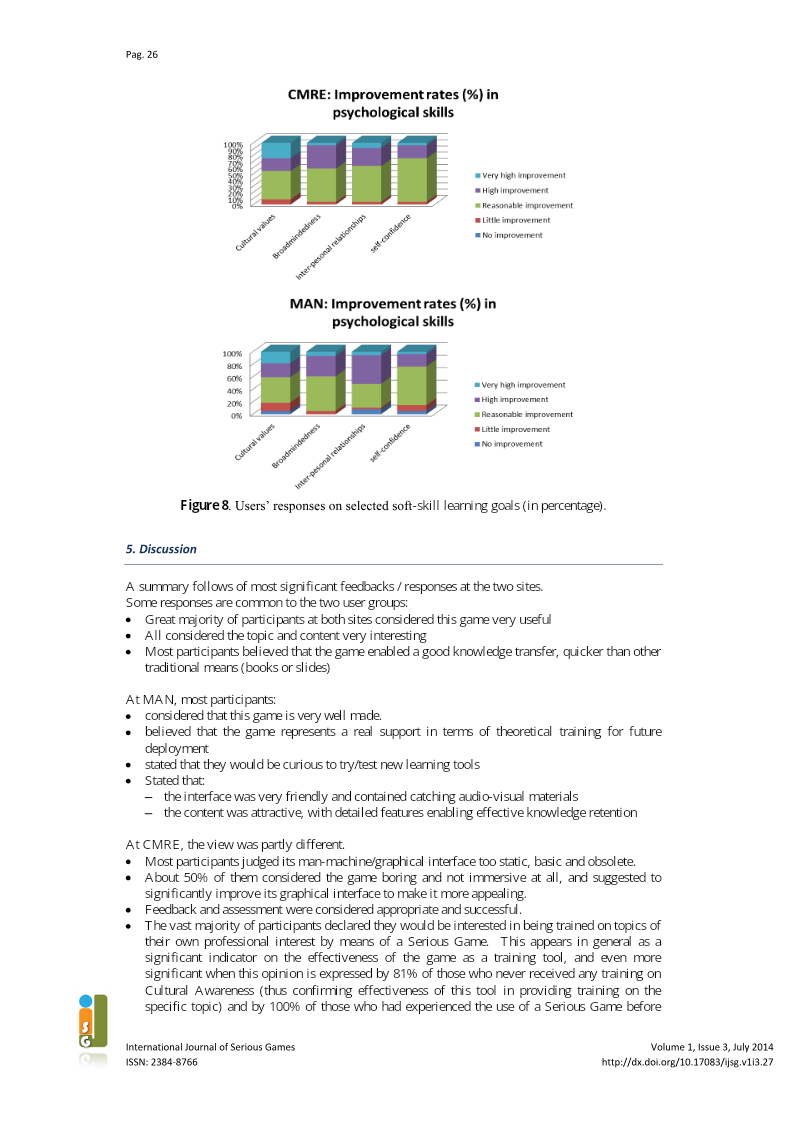
Learning Impact Evaluation of the Serious Game: Cultural Awareness - Afghanistan Pre-deployment
The Cultural Awareness Afghanistan Pre-deployment serious game functions as a specialized training instrument designed to enhance the decision-making capabilities of NATO military personnel and civilian staff.
- The Cultural Awareness Afghanistan Pre-deployment game effectively improves decision-making and operational readiness by allowing personnel to practice cultural intelligence in a low-stress, simulated environment.
- The training tool is most effective for individuals with no prior subject matter exposure, resulting in significant measurable improvements in cognitive and soft-skill development.
- Evaluations across diverse cohorts—including military personnel, civilian staff, and students—confirm the game is a highly efficient and reliable method for knowledge transfer.