Funding reports and market data
Documents

Why Malaysia is looking to supercharge its ICT sector
Malaysia is aggressively pursuing a strategic shift in its national economy, aiming to increase the ICT sector’s contribution to its GDP from 12 percent in 2012 to 17 percent.
- Malaysia is targeting an increase in the ICT sector's contribution to national GDP from 12 percent in 2012 to 17 percent.
- The government is scaling its mobile app developer talent pool from an initial 700 trained individuals to a core community of 7,000 developers.
- The Malaysian Multimedia Development Corporation is driving this growth using a private-sector staffing model to ensure agile, market-oriented policy implementation.
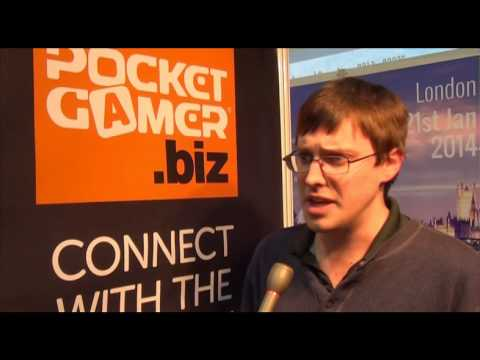
There'a a lot of investment for social mobile game companies says Retora
The mobile gaming sector is currently experiencing a significant surge in capital investment, driven by a strong industry-wide pivot toward social mobile experiences.
- The mobile gaming sector is experiencing a significant surge in capital investment driven by a strategic industry-wide pivot toward social mobile experiences.
- Industry events throughout 2013, including GDC, E3, Casual Connect, Slush, and Game Connection Europe, confirm that mobile social gaming is the primary driver of current market activity.
- A high volume of B2B meetings at major international gatherings reflects an intense industry-wide effort by both startups and established entities to secure partnerships and funding.

Mobile games industry news (w/e 16 August 2013)
The mobile games industry in mid-August 2013 was characterized by significant capital investment, strategic consolidation, and a focus on data-driven advertising models.
- Baidu acquired the Android app distribution channel 91 Wireless for $1.85 billion to strengthen its position in the Chinese mobile market.
- Millennial Media bid $225 million to acquire JumpTap, a move aimed at consolidating gaming-focused mobile advertising networks.
- The Japanese mobile games market reached a valuation of $5.1 billion in 2012, with feature phones still maintaining a significant 50% share of the market alongside smartphones.

Mobile games industry news (w/e 2 August 2013)
The mobile games industry as of early August 2013 is characterized by a strategic shift toward platform-led distribution and the maturation of monetization models.
- Facebook’s mobile game distribution initiative generated 25 million downloads in the second quarter of 2013, signaling a move toward high-volume distribution alongside major partners like Gameloft and Gamevil.
- WeChat is leveraging its 330 million user base to enter the mobile gaming market, launching with four titles including international franchises like Fruit Ninja and Plants vs. Zombies 2.
- Puzzle & Dragons reached one million users in the United States, driving global daily revenues to approximately $5 million.

GameFounders' Kadri Ugand explains the power of an accelerator
GameFounders serves as a specialized startup accelerator dedicated exclusively to the gaming industry, operating with a global reach from its headquarters in Tallinn, Estonia.
- GameFounders operates as a specialized accelerator in Tallinn, Estonia, that has invested in 14 companies across nine nations after receiving applications from 47 countries.
- The program focuses on bridging the gap between creative development and commercial viability by helping startups transition from functional titles to sustainable, profitable business models.
- A core challenge identified in the applicant pool is that developers often track basic metrics but lack the expertise to interpret data to inform effective monetization strategies.

Sana Choudary talks about the Yetizen accelerator
YetiZen operates as a specialized accelerator and innovation hub based in San Francisco, designed to scale mobile gaming companies and platforms.
- YetiZen is a San Francisco-based accelerator that focuses on scaling post-product, post-traction mobile gaming companies rather than early-stage startups.
- The program is highly selective, accepting a maximum of 10 companies per cohort twice a year out of approximately 1,500 annual applicants.
- YetiZen operates a dual-purpose model that combines a collaborative co-working space with an industry hub that hosted over 150 events for 7,000 participants last year.
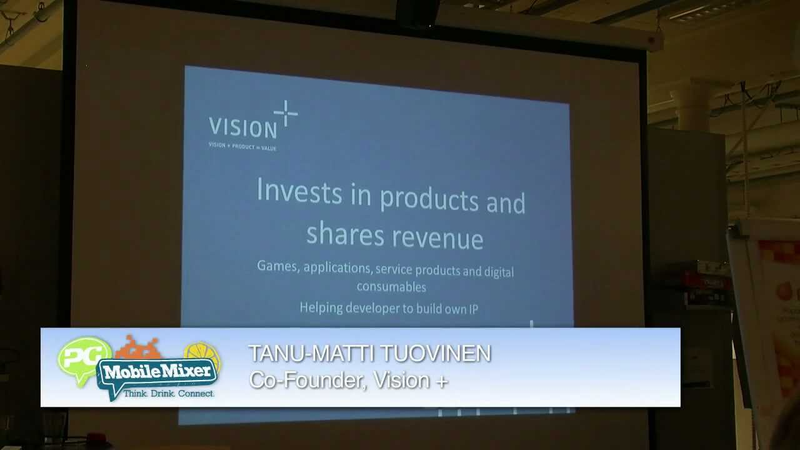
Pocket Gamer's Mobile Mixer 2012 - Tanu Matti Tuovinen from Vision +
Vision+ operates as a strategic investment firm focused on supporting game developers by providing capital while allowing creators to retain full ownership of their intellectual property.
- Vision+ utilizes a revenue-sharing investment model that allows game developers to retain full ownership of their intellectual property without diluting their equity.
- The firm provides individual investments ranging from 50,000 to 500,000 euros, typically covering 50% of a project's average one-million-euro production budget.
- Backed by Microsoft and Nokia, the fund is designed to support up to 200 distinct intellectual properties across web, mobile, PC, Mac, and console platforms.

EC Fund Update - Indie Game Publishing - Extra Credits
The initiative to establish an indie game publishing entity, funded through community crowdfunding, was launched to test the viability of a more equitable publisher-developer relationship.
- The initiative to establish a community-funded indie publishing entity was ultimately discontinued due to the operational complexities of balancing legal requirements, professional commitments, and high project failure rates.
- The project aimed to test a sustainable, equitable publishing model by focusing on small-scale game development with budgets ranging from $20,000 to $30,000.
- To mitigate risk, the selection process mandated a functional demo as a prerequisite, prioritizing tangible proof of concept over abstract creative pitches.
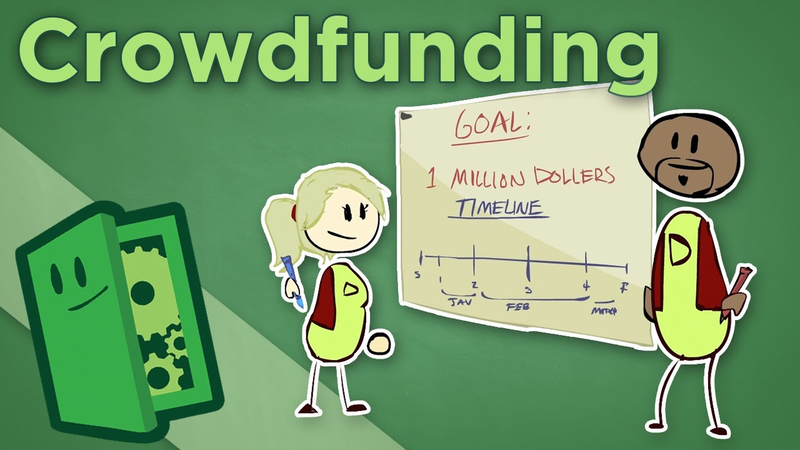
Crowdfunding - How Kickstarter Helps Games Innovate - Extra Credits
Crowdfunding has emerged as a transformative alternative to traditional game development funding, enabling developers to bypass publishers and investors to bring niche or experimental projects to market.
- Crowdfunding platforms like Kickstarter and Rocket Hub allow developers to bypass traditional publishers and venture investors, shifting the power dynamic toward direct consumer funding.
- This funding model enables studios to prioritize creative quality and niche appeal over the mass-market profit-maximization strategies typically required by traditional financial backers.
- Traditional publishing agreements often force developers to sacrifice intellectual property rights and adhere to rigid milestones that risk project cancellation.

Let's Talk About Publishing - EC Indie Fund - Extra Credits
The EC Indie Fund was established in 2011 to utilize surplus funds from a community-driven fundraiser to support independent game development.
- The EC Indie Fund was established in 2011 with $50,000 in surplus capital from a community fundraiser to provide an alternative to predatory game publishing models.
- The fund mandates that developers retain full ownership of their intellectual property, rejecting the industry-standard practice of forced IP transfer.
- To ensure equitable partnerships, the fund utilizes a transparent 50/50 net profit-sharing model rather than traditional, developer-unfriendly revenue splits.
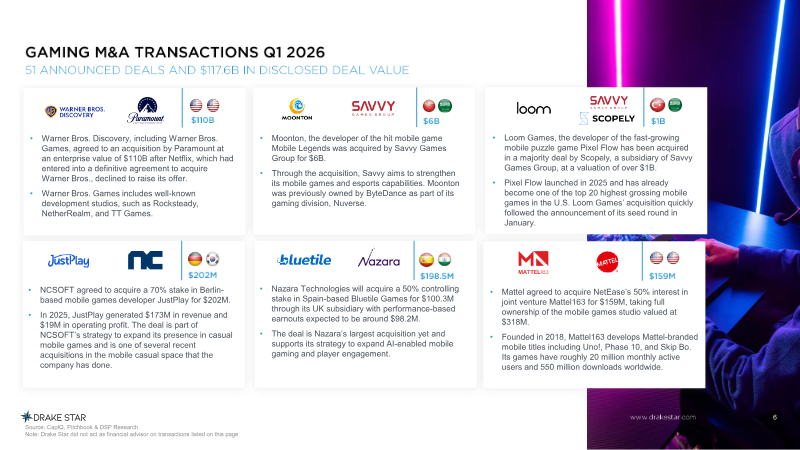
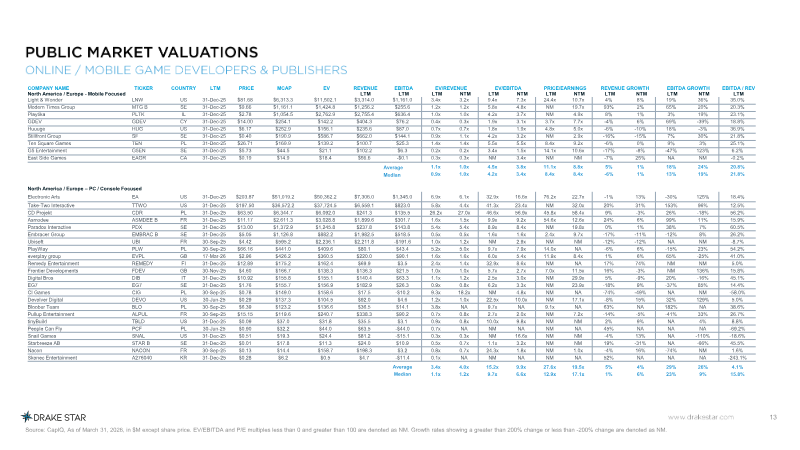
Global Gaming Report Q1 2026
The global gaming industry experienced a complex start to 2026, characterized by a sharp divergence between high-level strategic consolidation and broader market volatility.
- M&A activity reached a 15-month peak in Q1 2026 with 51 transactions totaling over $100 billion, headlined by the Paramount acquisition of Warner Bros. Discovery and Savvy Games Group's purchase of Moonton.
- Private financing remained steady with $785 million raised across 106 deals, showing a clear investor preference for AR/XR hardware and infrastructure over traditional software.
- The Drake Star Gaming Index declined by 1.8 percent, driven by market weakness in Western regions and the mobile gaming sector.
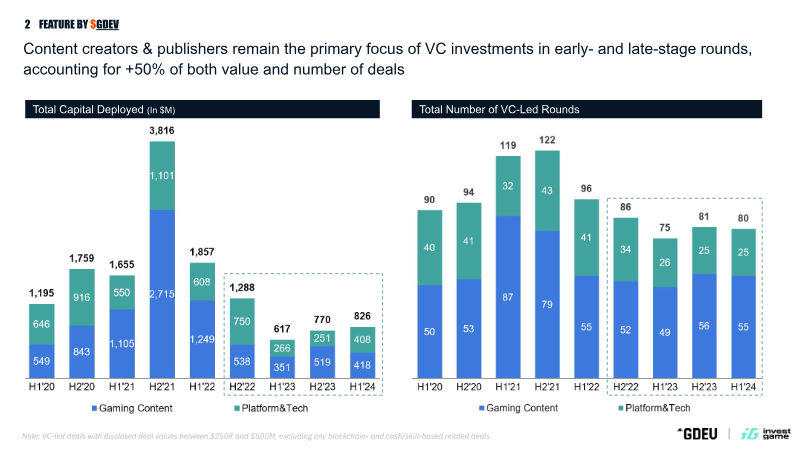
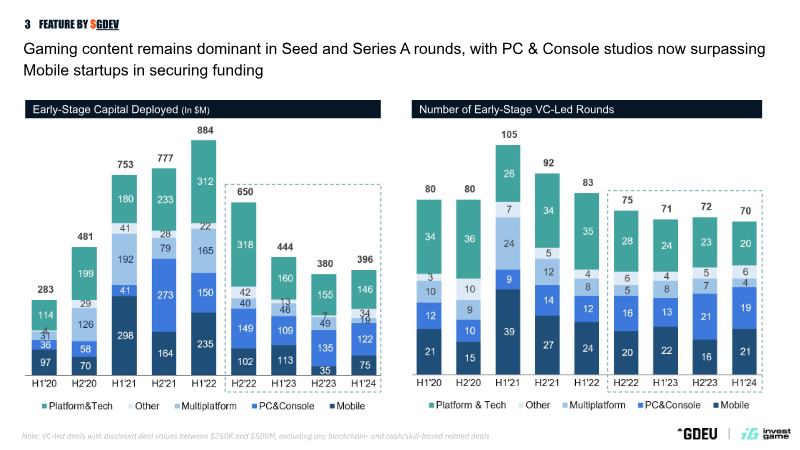

Is There a Shift from Content to Tech Startups Among Gaming VCs?
The analysis examines venture capital activity in the gaming sector from 2020 to early 2024, focusing on whether investment priorities are shifting from traditional content creation and publishing toward technology-driven startups.
- Content creators and publishers remain the primary focus of gaming VC, accounting for over half of all capital deployed (approximately $1.76 billion) and the majority of deal volume across all stages.
- Gaming-focused VC funds, including VENTURES, BEHOLD Venture, and Lightspeed Lvp., significantly increased their activity between 2020 and H1 2024, with capital deployed rising from $1.3 billion to over $2.4 billion.
- The number of VC-led funding rounds grew substantially from 67 in early 2020 to 289 by H1 2024, reflecting an overall increase in investment activity.