Action reports and market data
Documents
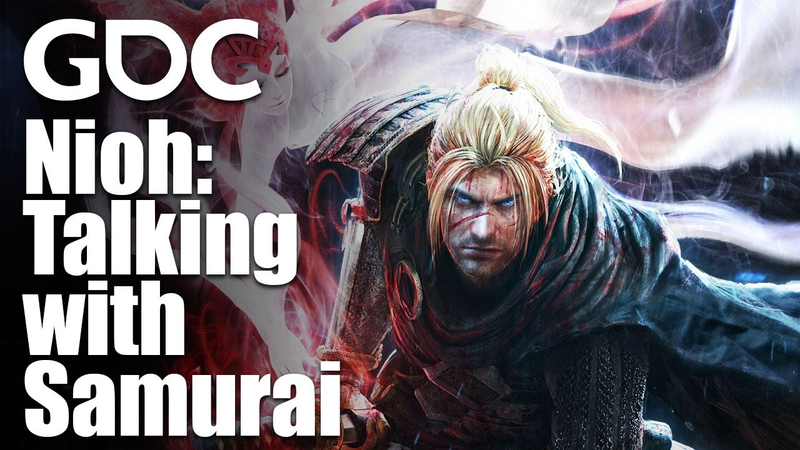
Nioh: Talking with Samurai
The development of Nioh represents a strategic pivot toward a hardcore, challenging action experience designed specifically for dedicated players.
- The development team utilized public alpha and beta demos as iterative development tools rather than marketing assets, resulting in nearly 800,000 downloads that provided more actionable data than traditional focus groups.
- Developers used quantitative telemetry, such as tracking specific player death locations, to identify and resolve gameplay friction points throughout the development cycle.
- The project secured a publishing partnership with Sony and improved market viability by using direct player feedback to refine technical performance and gameplay mechanics.
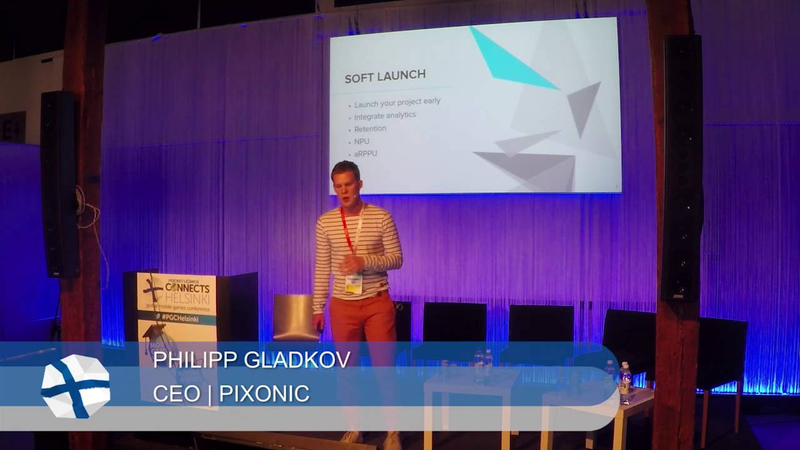
How Pixonic grew revenues for Walking War Robots from $0 to $1M a month
Pixonic’s strategy for scaling the mobile MMO shooter War Robots from zero to one million dollars in monthly revenue centers on a rigorous, data-driven approach to game development and financial management.
- Pixonic scaled War Robots to $1M in monthly revenue by utilizing factoring to bridge the gap between app store payment cycles and the need for rapid reinvestment in marketing and development.
- The company prioritized early-stage engagement metrics, specifically first-hour and first-day retention rates, over high-level content updates to validate product quality.
- A low-resource, small-scale experiment in the Japanese market successfully scaled to represent 20 percent of the game's total revenue.
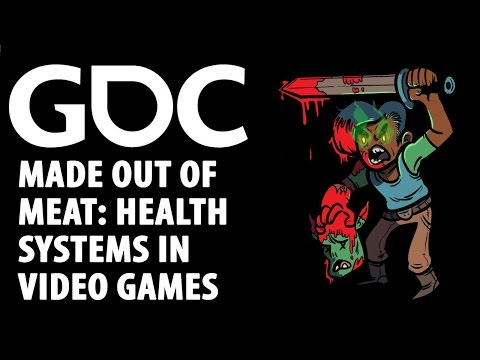
Made Out Of Meat: Health Systems In Video Games
Video games frequently rely on abstract hit-point systems that reduce characters to indestructible vessels, effectively ignoring the nuances of human fragility.
- Game health systems can be categorized into three tiers: abstraction (a single HP bar), simplification (tracking damage to specific body parts, as seen in the roguelike 'Ivan'), and simulation (integrating physical damage into the laws of the game world).
- Moving beyond basic HP bars to limb-based damage systems introduces meaningful, lasting consequences that force players to adapt their playstyle, such as losing an arm to prevent off-hand equipment usage or losing legs to alter movement mechanics.
- The human physical experience is defined by the interplay of fragility, resilience, and the ability to adapt; games that incorporate these elements create more compelling challenges than those relying on 'Superman-style' invulnerability.

FTUE: Sandstorm: Pirate Wars
Sandstorm: Pirate Wars functions as a free-to-play mobile title developed by Ubisoft, characterized by a post-apocalyptic, Mad Max-inspired aesthetic.
- Ubisoft’s Sandstorm: Pirate Wars is a free-to-play mobile title featuring a post-apocalyptic, Mad Max-inspired aesthetic and a core loop of tactical ship-to-ship combat.
- The game employs a restrictive energy-based resource system that forces players to balance energy consumption between offensive weapon systems and defensive shield boosts.
- Progression is driven by a cycle of combat, loot collection, and the acquisition of 'bolts' currency to upgrade ship equipment for increasingly difficult encounters.

Monetizer: Berzerk Studio's The Peacekeeper
The Peacekeeper, a tower defense-style title developed by Berzerk Studio and published by A10.com for the iPad, utilizes a straightforward arcade-based gameplay loop that prioritizes immediate action over aggressive monetization.
- Berzerk Studio’s The Peacekeeper prioritizes an arcade-centric gameplay loop over aggressive monetization, keeping paid content secondary to the core combat experience.
- The game features a non-intrusive monetization model that relies on in-app purchase tiers ranging from 99p to £30.99, primarily focused on coin multipliers to accelerate resource acquisition.
- Progression is gated by the completion of specific waves rather than microtransactions, ensuring players engage with the upgrade system through gameplay rather than immediate spending.
Zombies - Why Are Zombie Games So Popular? - Extra Credits
Zombies have evolved into a cornerstone of modern interactive entertainment, functioning as a versatile narrative device that mirrors shifting societal anxieties.
- Zombies function as a versatile narrative vessel for societal anxieties, evolving from early colonialist fears to Cold War-era nuclear dread and modern critiques of consumerism.
- The core appeal of the zombie archetype lies in the human response to catastrophe, shifting the focus from the monster to the moral failings of humanity under extreme pressure.
- Zombies provide a unique psychological horror experience because they represent distorted versions of the player, creating a sense of inevitability that supernatural enemies often lack.

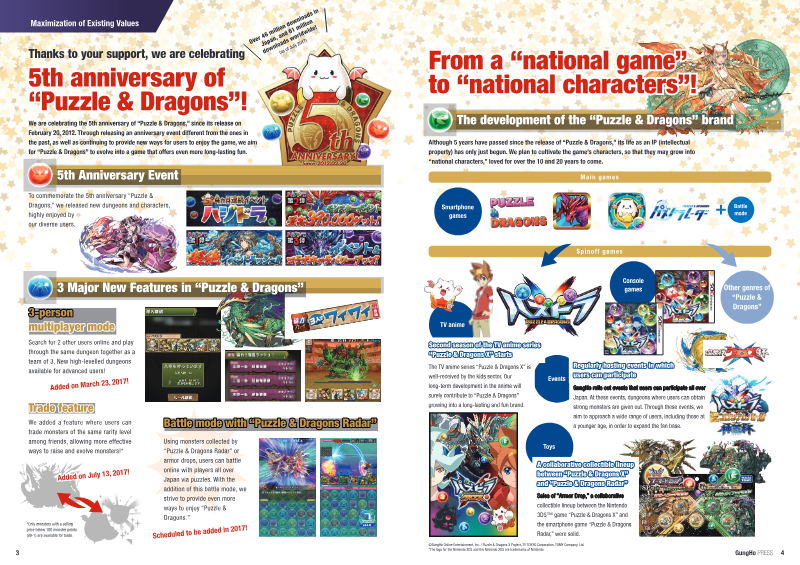

GungHo Business Report Vol. 26
GungHo Online Entertainment’s business strategy centers on transitioning from a Japan-centric model to a global distribution framework while simultaneously maximizing the longevity of its existing intellectual property.
- GungHo is shifting from a Japan-centric model to a global distribution framework to counter the maturing domestic smartphone market and declining console sector.
- The company is prioritizing long-term brand longevity for its intellectual property, exemplified by ongoing updates to its flagship title, Puzzle & Dragons, which reached over 46 million downloads in Japan by July 2017.
- Financial results for the first half of 2017 show net sales of 49.1 billion yen and operating income of 19.4 billion yen.