Action-Adventure reports and market data
Documents
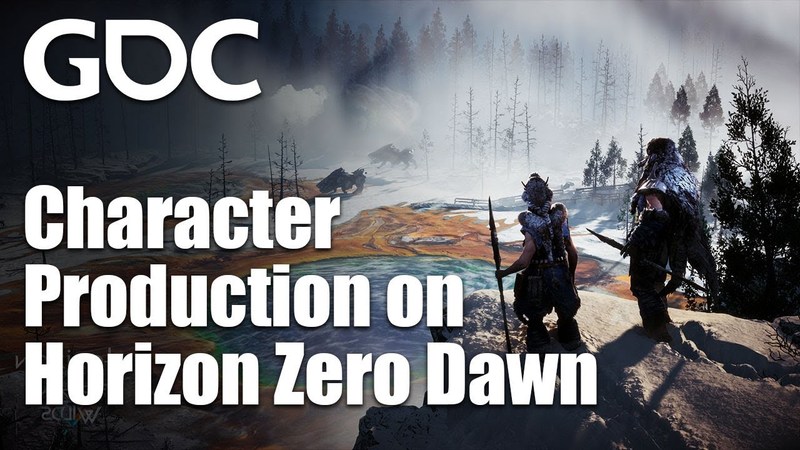
Repopulating the Earth: Character Production on Horizon Zero Dawn
The development of Horizon Zero Dawn necessitated a strategic approach to character production that balanced the inherent uncertainty of a new intellectual property with the technical demands of a massive open-world environment.
- To manage the uncertainty of a new IP, Guerrilla Games prioritized creating versatile, reusable character archetypes early in development rather than waiting for finalized narrative details.
- By building technically robust assets that functioned as 'like-for-like' replacements for proxy models, the team avoided performance bottlenecks and allowed content to be integrated late in the production cycle.
- The character team maintained a small core of only four full-time artists and two contractors, relying on outsourcing for 87% of the total character production volume to achieve the game's massive scope.

10 Years of Evolution of the Assassin's Creed Brand
The Assassin’s Creed franchise has undergone a decade-long transformation, evolving from a singular technical showcase into a sprawling, multi-platform global brand.
- The franchise transitioned from a standalone technical showcase to a multi-platform global brand by implementing a multi-studio production pipeline that leverages specialized international teams.
- Development shifted from scripted combat to modern, systemic open-world design, utilizing hitbox-based mechanics and emergent AI to modernize gameplay while retaining core parkour and historical elements.
- The brand maintains a cohesive universe through a strict transmedia strategy that enforces unified narrative guidelines across literature, film, and games, allowing each entry to function as a standalone product.
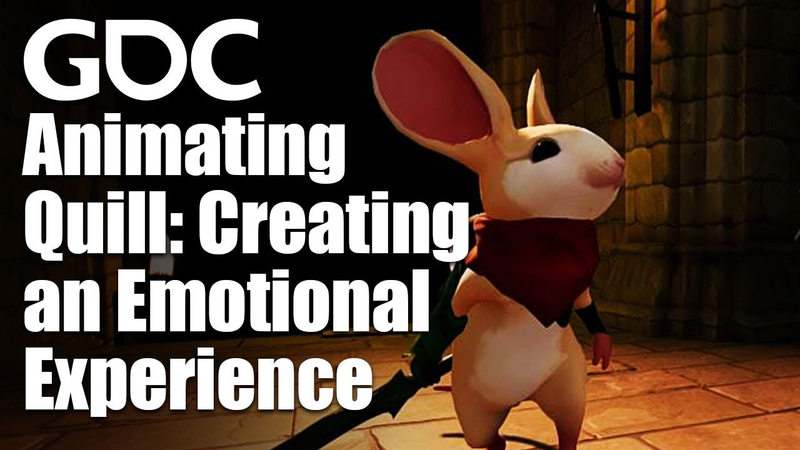
Animating Quill: Creating an Emotional Experience
The development of Moss centers on the thesis that virtual reality provides a unique medium for fostering genuine emotional connections between players and digital protagonists.
- The development of Moss prioritized character-driven interactions, such as eye contact and collaborative puzzle-solving, to foster genuine emotional connections between the player and the protagonist, Quill.
- Transitioning from rigid software dependencies to a modular, scriptable animation pipeline increased individual productivity from three seconds of finished footage per day to fifteen.
- The animation team achieved efficiency by decoupling the control rig from the character setup and utilizing simple, translation-based controls to create an open sandbox environment.
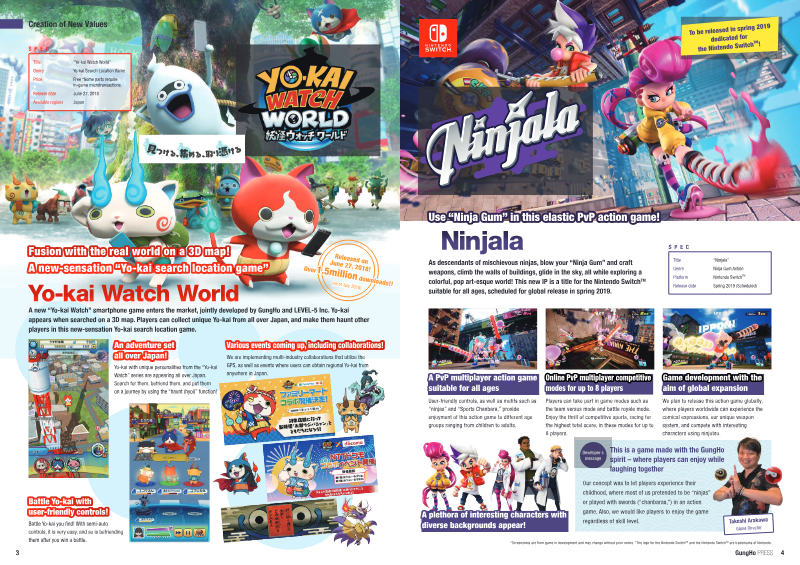

Yo-kai Watch World: Market Summary
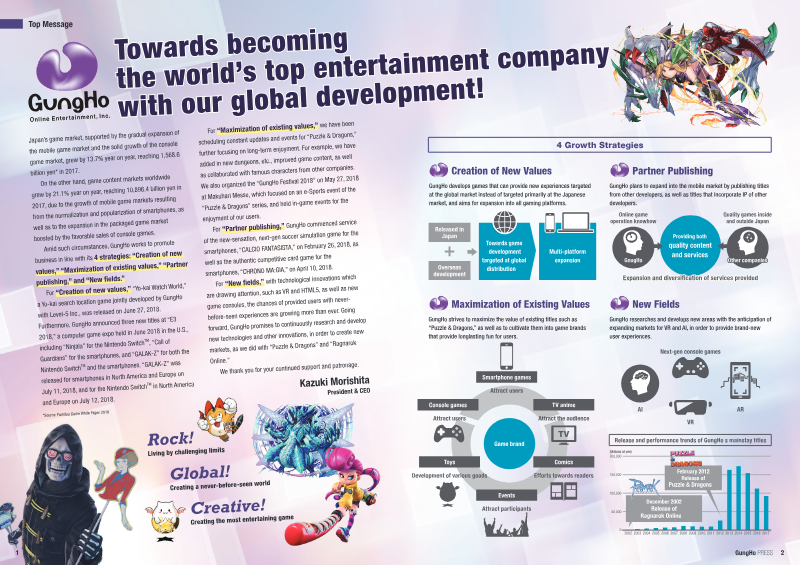
GungHo Online Entertainment, Inc. is executing a strategic pivot toward global market expansion to mitigate the effects of a maturing domestic Japanese mobile gaming sector.
- GungHo Online Entertainment is shifting from a Japan-centric mobile model to a global, multi-platform strategy to counter the maturing domestic market.
- The company is diversifying its development pipeline beyond smartphones to include console and PC platforms to reach international audiences.
- Flagship title Puzzle & Dragons remains the primary revenue driver, sustained through continuous updates, in-game events, and high-profile collaborations.
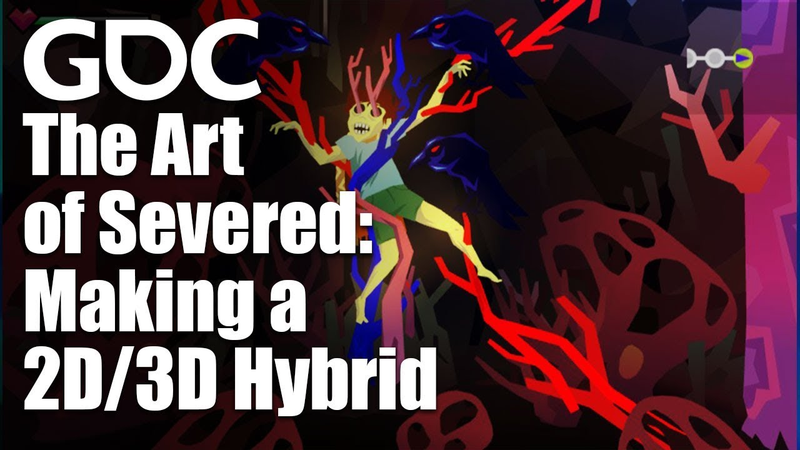
The Art of Severed: Making a 2D/3D Hybrid
Severed represents a deliberate departure from traditional platforming, functioning as a first-person, touch-based dungeon crawler that prioritizes a dark, minimalist aesthetic.
- Severed utilizes a cylinder-based camera system that maps 2D assets across three distinct layers to simulate 3D depth and rotation.
- The development team maintained the illusion of a seamless 3D environment by using a node-based movement system paired with cross-dissolves to mask visual deformations.
- The project prioritized a rapid prototyping schedule that mandated the creation of one enemy per week to ensure diverse and responsive combat behaviors.
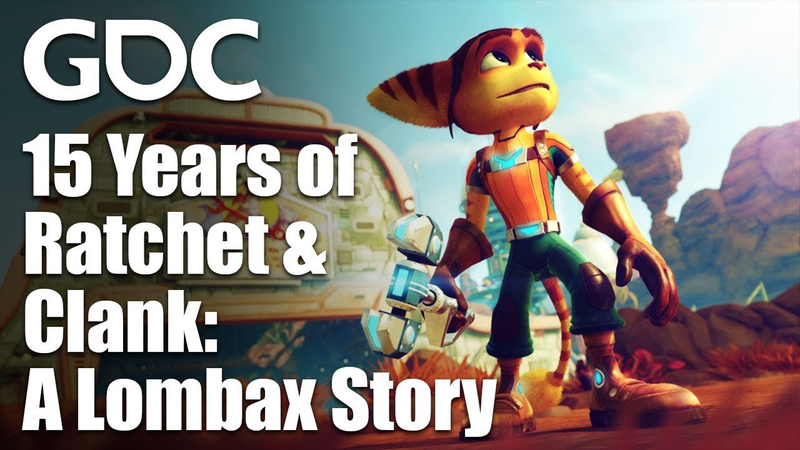
15 Years of Ratchet & Clank: A Lombax Story
The Ratchet & Clank franchise serves as a definitive case study in long-term brand management and iterative design within the action-platformer genre.
- The Ratchet & Clank franchise evolved from a loose, improvised narrative in the early PlayStation 2 era to a structured, lore-heavy universe, requiring the hiring of a dedicated senior writer in 2007 to standardize mythology across games, comics, and film.
- Insomniac Games transitioned the protagonist Ratchet from a sarcastic, snarky character in the original 2002 title to a more empathetic and curious hero to improve player connection and emotional depth.
- To maintain consistency across a growing team, the studio moved away from oral tradition and implemented standardized design documentation, such as a four-page manual specifically detailing the placement and stacking of crates.
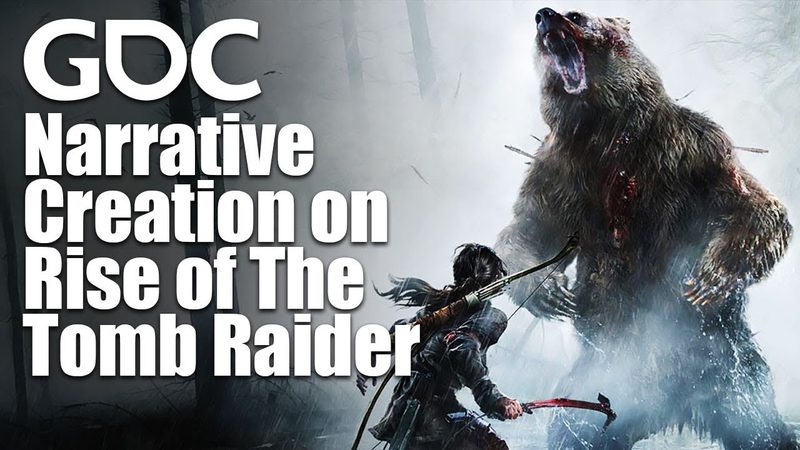
Raid on Rise: Narrative Creation on Rise of The Tomb Raider
The narrative development of Rise of the Tomb Raider centers on a collaborative, cross-disciplinary framework that rejects isolated creative silos in favor of studio-wide world-building.
- Crystal Dynamics utilizes a 'story pillar' framework for narrative development, centered on a three-act structure where the protagonist's character arc serves as the primary backbone of the entire experience.
- The narrative team employs a holistic tracking system using digital boards and hashtags to map out all character arcs and plot threads, allowing them to proactively manage emotional pacing and identify potential narrative logjams.
- To ensure internal consistency and world-building veracity, the team conducts deep research into historical and archaeological subjects, aiming for 'plausible Google-ability' so players can verify game elements against real-world facts.

Global Illumination in Tom Clancy's The Division
The Snowdrop engine utilizes a sophisticated, probe-based global illumination system to facilitate dynamic lighting within the expansive, open-world environment of Tom Clancy's The Division.
- Ubisoft Massive utilized a Precomputed Radiance Transfer (PRT) system within the Snowdrop engine to achieve dynamic global illumination, allowing for a full day/night cycle without the need for static light maps or UV unwrapping.
- The system organizes light probes into 2D grid sectors of 64x64 meters, typically containing 300 to 400 probes, with a maximum capacity of 1,000 probes per sector.
- To manage memory and performance, the engine stores sky visibility per probe and uses irradiance bricks to define light influence, resulting in a total lighting data footprint of approximately 1 gigabyte.
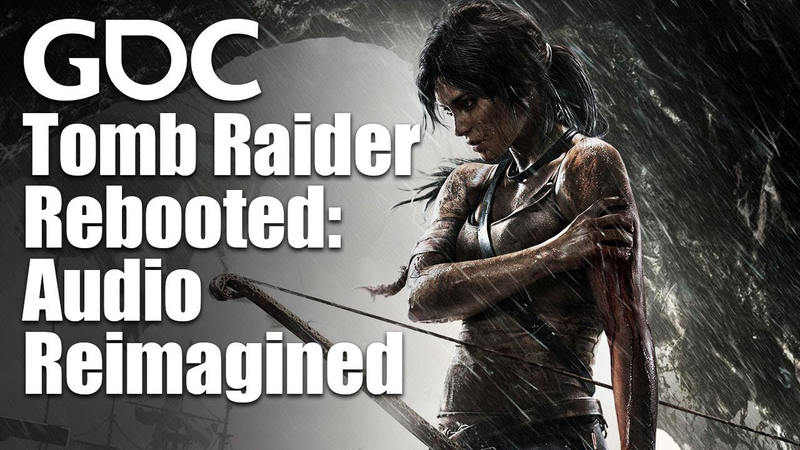
Tomb Raider Rebooted: Audio Reimagined
The 2013 Tomb Raider reboot represents a fundamental shift in game audio design, moving away from generic, weapon-centric soundscapes toward a character-driven model rooted in Lara Croft’s emotional evolution.
- The 2013 Tomb Raider reboot shifted audio design from generic weapon-centric soundscapes to a character-driven model that mirrors Lara Croft’s psychological transition from vulnerable survivor to confident hero.
- Development teams abandoned standard asset libraries in favor of bespoke, context-specific recordings to ensure every sonic element served as a narrative pillar.
- The audio system utilized a modular, reactive architecture, including complex weapon layering—such as using rubber tubing for bow sounds—and real-time ambient ducking to maintain sonic clarity.

Photorealism Through the Eyes of a FOX: The Core of Metal Gear Solid Ground Zeroes (Sponsored)
Kojima Productions developed the proprietary Fox Engine to establish a new standard for photorealism in the Metal Gear Solid franchise, specifically targeting the transition to physically based rendering (PBR).
- Kojima Productions developed the proprietary Fox Engine to transition the Metal Gear Solid franchise to a physically based rendering (PBR) pipeline using a linear space workflow.
- The engine achieves photorealism by integrating raw photographic data and 3D scanning of physical sculptures and environmental objects to create accurate models.
- The deferred rendering pipeline utilizes a G-buffer to manage complex material properties, including subsurface scattering, anisotropic specular highlights, and view-dependent roughness.

The Digital Museum - Assassin’s Creed Origins Discovery Tour - Extra Credits
The Discovery Tour mode in Assassin’s Creed Origins represents a significant milestone in the integration of interactive entertainment and formal education.
- The Discovery Tour mode in Assassin’s Creed Origins establishes a proof-of-concept for AAA studios to repurpose commercial game engines into formal educational tools for historical study.
- By removing combat and incorporating expert historical consultation, the mode successfully transforms a high-fidelity game environment into a digital museum experience.
- The current implementation relies on a restrictive, linear 'on-rails' design that mirrors traditional audio tours, which limits the medium's potential for self-directed learning.

Watch Dogs: Hacking it to 11
The audio design for Watch Dogs centers on the challenge of maintaining a cohesive, narrative-driven sonic identity within the unpredictable constraints of an open-world environment.
- To manage memory and processor constraints, the audio team replaced long, multi-layered musical tracks with a modular system that chops compositions into smaller, reusable parts that trigger based on in-game actions.
- The team implemented a reactive music engine that uses short, looping segments to minimize latency between game events and musical transitions, allowing the score to skip or advance sections based on player input.
- The audio team utilized a 'piano validation' technique, testing complex synth or guitar riffs on a clean piano to ensure harmonic stability and compatibility before committing to final production.