Report35 pages
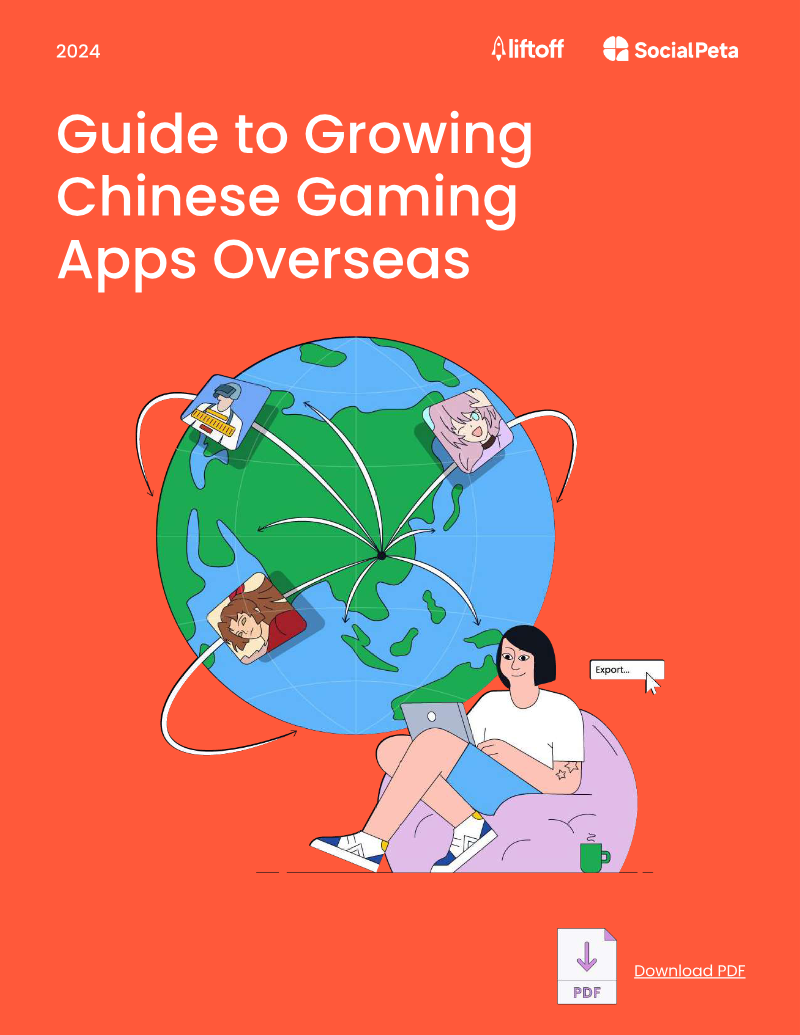
Guide to Growing Chinese Gaming Apps Overseas: 2024
Chinese gaming applications continue to exert a dominant influence on the global stage, particularly within the strategy and role-playing game segments in mature markets such as the United States, Japan, and South Korea. While these regions offer substantial revenue potential, they are characterized by intense competition and elevated costs per install. To navigate these challenges, successful publishers are shifting toward hyper-localized strategies that tailor art styles to regional aesthetic preferences—favoring manga-inspired visuals in Japan and realistic or cartoon aesthetics in Western markets—while utilizing local influencers to establish brand credibility.
Technological innovation serves as a primary driver for operational efficiency and user acquisition. The integration of generative AI has become essential for the rapid localization of ad creative, voice-overs, and marketing copy, ensuring both speed and brand compliance. High-performing titles currently leverage high-volume, innovative campaigns that incorporate minigames and AI-enhanced visuals to capture player attention. Beyond acquisition, long-term retention is increasingly supported by the implementation of social hangout spaces, home-building systems, and character trial models that balance accessibility with monetization.
Monetization strategies have evolved to prioritize engagement through sophisticated, time-limited mechanics. Publishers are frequently employing box gachas, pull-milestone rewards, and gamified event structures such as diceboards and bingo to incentivize spending. Furthermore, the consistent deployment of diverse live events remains a critical requirement for maintaining player interest and competitive viability. By combining these aggressive monetization tactics with a commitment to continuous content updates, Chinese developers are effectively sustaining growth and deepening their footprint across the global gaming landscape throughout 2024.
- Chinese publishers are maintaining global dominance in strategy and RPG segments by shifting to hyper-localized art styles, specifically manga-inspired visuals for Japan and realistic or cartoon aesthetics for Western markets.
- Generative AI is now a core operational requirement for rapid, compliant localization of ad creative, voice-overs, and marketing copy to manage high costs per install in mature markets like the U.S., Japan, and South Korea.
- High-performing user acquisition campaigns are increasingly utilizing minigames and AI-enhanced visuals to capture player attention in highly competitive environments.
- Long-term player retention is being driven by the integration of social hangout spaces, home-building systems, and character trial models that balance game accessibility with monetization.
- Monetization strategies have shifted toward sophisticated, time-limited mechanics such as box gachas, pull-milestone rewards, and gamified event structures like diceboards and bingo.
+5
LiftoffJan 2024

Report65 pages
The State of AAA Game Advertising
The analysis demonstrates that 2023 marked a peak in AAA game advertising, with live‑service titles such as Fortnite commanding the highest spend (US$57 M) and blockbuster launches—Hogwarts Legacy, Diablo IV, and Call of Duty: Modern Warfare III—each exceeding US$25 M. YouTube remained the dominant channel (35 % of spend), yet Facebook, TikTok, and Instagram captured significant shares, indicating a broadened media mix compared to 2022. Activision Blizzard and Epic Games led the market, each allocating over US$70 M to U.S. campaigns that supported both new intellectual properties and established franchises.
Hogwarts Legacy’s strategy centered on PlayStation branding, with “PS5” references dominating pre‑launch and launch creatives across TikTok, Facebook, and other social platforms. The campaign’s largest spend outside social media was on OTT (US$1.8 M), supplemented by Twitch, Reddit, and niche sites such as fandom.com and Pluto TV. The title relied heavily on the PlayStation partnership and traditional OTT channels rather than extensive brand collaborations.
Diablo IV leveraged a “hellish” fantasy narrative, consistently using terms like devour, violence, and gore throughout its campaign. The title partnered with diverse brands—from Mountain Dew to SteelSeries, Secretlab, and First We Feast—to extend reach across gaming hardware, lifestyle, and food sectors. In contrast, Starfield capitalized on its Xbox Game Pass launch, offering a $70 full price or a $10/month subscription model that attracted new players. Its spend focused on YouTube and TikTok 15‑second video ads (94 % of creative), blending gameplay and live‑action content across Hulu, YouTube, and Twitch. Brand partnerships spanned retailers like Target, hardware makers such as Seagate, and food brands like yfood, underscoring a multi‑channel approach that blended platform promotion with cross‑industry collaborations.
Call of Duty: Modern Warfare III executed a highly integrated, multi‑phase advertising strategy that blended pre‑order, beta, launch, and holiday campaigns into a single continuous push. Forty percent of spend was allocated to post‑launch activities, with creative focus shifting from celebrity endorsements to esports influencers. Ad formats diversified—reducing YouTube 15‑second ads from 92 % to 69 % and increasing Instagram video posts—while high‑profile collaborations (e.g., with 21 Savage and Monster) positioned the title as a leading example of modern AAA advertising. The campaign’s aggressive, format‑diverse approach drove strong post‑launch engagement and brand visibility.
Fortnite remained the top‑spending game in U.S. PC/console advertising, supported by a broad brand partnership ecosystem that includes Nike, LEGO, and Disney. The year’s most significant launches—Hogwarts Legacy (highest sales and ad spend, capitalizing on the Harry Potter IP) and Diablo IV (the biggest 2Q launch with robust live‑service performance)—illustrate how new titles continue to drive high‑profile marketing campaigns. Major publishers such as Activision Blizzard and Epic Games dominate ad spend, while diversified media strategies and cross‑industry collaborations underpin the sector’s continued growth.
- AAA game advertising peaked in 2023, with top live-service titles like Fortnite spending US$57M and major launches including Hogwarts Legacy, Diablo IV, and Call of Duty: Modern Warfare III each exceeding US$25M.
- YouTube remains the primary advertising channel at 35% of total spend, though publishers are increasingly diversifying into Facebook, TikTok, and Instagram to reach broader audiences.
- Activision Blizzard and Epic Games led the market in 2023, each allocating over US$70M to U.S. campaigns for both new intellectual properties and established franchises.
- Marketing strategies are increasingly reliant on cross-industry brand partnerships, exemplified by Diablo IV’s collaborations with food and hardware brands and Fortnite’s ecosystem involving Nike, LEGO, and Disney.
- Call of Duty: Modern Warfare III successfully shifted its strategy toward a continuous, multi-phase push, allocating 40% of its budget to post-launch activities and pivoting from celebrity endorsements to esports influencers.
Sensor TowerJan 2024

Report29 pages
Liftoff Report: Mobile Ad Creative Index 2024
The report presents a comprehensive analysis of mobile ad creative performance across four key app verticals—gaming, e‑commerce, finance, and entertainment—for the period January 1 2023 to January 1 2024. Using 602 billion impressions, 49.4 billion clicks, and 144 million installs, the study benchmarks cost‑per‑install (CPI), install‑to‑action (ITA) rates, and day‑7 return on ad spend (ROAS) by ad format (banner, native, interstitial, playable, video). Gaming ads that include video or playable elements achieve over 20‑fold higher install likelihood than banner ads, while native remains the most cost‑effective format at $1.80 CPI on average. In e‑commerce, native and banner ads drive the highest ITA rates (>30 %) and lowest CPAs ($2.57–$3.23), whereas video ads incur higher costs, especially on iOS. Finance apps see the lowest overall CPI ($1.84–$5.93) but exhibit a pronounced platform split, with iOS costs exceeding $5 for most formats; native and video ads outperform others in ITI conversion (up to 16×). Entertainment apps benefit from banner and native formats, with CPI ranging $2.79–$6.00, while video and interstitial ads are markedly more expensive on iOS.
Methodologically, the report aggregates data from Liftoff’s Creative Studio and GameRefinery teams, supplemented by a survey of over 500 app marketers. It highlights emerging creative trends: generative AI for rapid asset creation, optimized user‑generated content (UGC) with interactive elements, minigames and leaderboards for gaming acquisition, and longer immersive ad formats (45‑second videos and triple‑page ads) that drive higher engagement. The findings underscore the importance of platform‑specific optimization, format selection based on vertical and performance goals, and leveraging AI tools to scale creative production while maintaining authenticity.
- Gaming ads utilizing video or playable formats are over 20 times more likely to drive installs compared to banner ads.
- Native ads represent the most cost-effective acquisition channel, averaging a $1.80 CPI across the analyzed verticals.
- E-commerce apps achieve the highest install-to-action (ITA) rates exceeding 30% through native and banner formats, which also maintain the lowest acquisition costs between $2.57 and $3.23.
- Finance apps exhibit a significant platform cost disparity, with iOS acquisition costs exceeding $5 per install for most ad formats, though native and video ads improve conversion rates by up to 16 times.
- Entertainment apps face CPI ranges of $2.79 to $6.00, with video and interstitial formats proving significantly more expensive on iOS than other channels.
+2
LiftoffJan 2024

Report21 pages
Marketing Insights into Global Mobile Games & Minigames in 2024
The analysis outlines global mobile game advertising trends for 2024, drawing on a database of over 1.6 billion ad creatives from more than 70 countries and 80 media channels, including Facebook, TikTok, YouTube, Unity, and WeChat. Monthly active mobile game advertisers peaked at 70 k in June, with a total of 63.5 k average for the year and a steady decline in new advertisers to below 7 % after August. Conversely, the proportion of advertisers releasing new creatives rose from 52.7 % in early 2024 to an expected 55 % in the second half, with new creatives comprising roughly 65 % of total ads.
Genre‑level data show casual games experienced a 3 % YoY drop, while casino titles grew over 10 %. RPGs and puzzle games remained stable. The top twenty global mobile titles by ad spend include “Pesta Ludo,” “Monopoly GO!,” and “Block Blast! Hungry.” In the minigame segment, WeChat’s market reached RMB 60 billion in 2023, with over 400 k developers and a user base averaging one hour of play per day; the most successful minigames are predominantly RPG/SLG hybrids.
Marketing patterns differ by region: Asia‑Pacific campaigns focus on pre‑registration and new‑release periods, whereas Europe and America emphasize stable‑period creatives. The most anticipated minigames for H2 2024, such as “Capybara Go!” and “Bacon’s Revenge,” demonstrate high daily revenue projections (over USD 600 k) and rely on video‑heavy, localized creative strategies across Meta platforms and YouTube. The report’s methodology relies on real‑time scraping of ad creatives, monthly activity metrics, and genre classification to provide actionable insights for advertisers seeking to optimize spend in a tightening competitive landscape.
- The mobile game advertising market is shifting toward higher creative turnover, with the proportion of advertisers releasing new creatives rising to 55% in the second half of 2024 and new creatives accounting for 65% of total ad volume.
- WeChat minigames have become a significant market force, reaching RMB 60 billion in 2023 with a user base averaging one hour of daily engagement, led primarily by RPG/SLG hybrid titles.
- Casino games saw over 10% year-over-year growth in advertising activity, while casual games experienced a 3% decline, and RPG and puzzle genres maintained stable market positions.
- Monthly active mobile game advertisers peaked at 70,000 in June 2024, but the influx of new advertisers slowed significantly, dropping below 7% after August.
- Regional marketing strategies diverge, with Asia-Pacific campaigns prioritizing pre-registration and launch windows, while European and American markets focus on sustaining ad spend during stable periods.
+1
SocialPetaJan 2024

Report14 pages
Mobile App Predictions for 2024
Mobile market analysts project a dynamic yet uneven 2024 landscape, with generative AI and video‑first platforms driving growth while text‑centric microblogging contracts. Global app store revenue is expected to reach $111.4 billion, a 4 % rebound after a 3 % decline in 2023, with the United States accounting for roughly 80 % of that uptick. Gaming spend is projected to climb back to $111 billion, up 4 % from the 2023 forecast of $107.5 billion; key growth will come from RPG, match‑making, party and casino titles, particularly in the U.S., Japan, South Korea, Taiwan, Germany and the UK.
Video‑centric social media continues to dominate consumer spending, with TikTok poised to surpass $14.6 billion in lifetime spend and reach a $16 billion milestone by year‑end. The platform’s average monthly user hours are projected to hit 40 hours in December 2024, up from 32.5 hours in October 2023, underscoring its monetization potential beyond advertising through tipping and subscription models. In contrast, microblogging apps such as X (Twitter) and Threads are forecast to see daily active users fall by 53 million and 20 million respectively, reflecting a shift toward photo‑and video‑first experiences.
Generative AI apps are set to experience a 40 % year‑over‑year download growth, with AI chatbots and art generators leading the surge. The overall trend suggests that AI‑enhanced features, video content, and direct consumer monetization will shape the mobile ecosystem in 2024, while traditional ad‑driven models face increasing pressure.
- Global app store revenue is projected to reach $111.4 billion in 2024, a 4% rebound following a 3% decline in 2023, with the U.S. driving 80% of this growth.
- Gaming expenditure is forecast to rise 4% to $111 billion, with primary growth concentrated in RPG, match-making, party, and casino titles across the U.S., Japan, South Korea, Taiwan, Germany, and the UK.
- TikTok is expected to reach $16 billion in lifetime consumer spend by the end of 2024, with average monthly user hours projected to increase from 32.5 hours in October 2023 to 40 hours by December 2024.
- Generative AI apps, specifically chatbots and art generators, are set to experience 40% year-over-year download growth in 2024.
- Microblogging platforms are facing a decline, with daily active users for X (Twitter) and Threads forecast to drop by 53 million and 20 million, respectively.
data.aiJan 2024

Report12 pages
Inside Gaming: It's Personal!
The report examines how video games increasingly serve as a platform for personal identity and self‑expression, noting that nearly two thirds of gamers feel they can be more authentic while playing. It argues that this trend fuels a 30 % rise in time spent gaming among those who view games as a space for true self‑presentation, compared with previous years. The analysis draws on a global survey of 5,000 entertainment and gaming consumers and proprietary first‑party data from Fandom for 2024. Findings highlight that in‑game customization is the most powerful driver of self‑expression, with 76 % of players citing character personalization as a key tool; gamertags and usernames follow at 48 %, while communication features, signatures, emblems, emotions, and gestures each attract between 30‑35 % of respondents. The study also identifies a disconnect: many gamers believe they can be authentic online yet perceive their in‑person gamer persona as distinct from their real‑life personality. Brands are encouraged to bridge this gap by creating opportunities that translate virtual identity into physical expression—such as cosplay collaborations, cosmetic product lines, or skill‑building experiences that mirror in‑game achievements. The report covers a global audience across all major gaming segments, focusing on the 2024 period and emphasizing actionable insights for marketers seeking to align brand experiences with gamers’ desire for authenticity.
- Nearly two-thirds of gamers report feeling more authentic while playing than in their daily lives, a sentiment that has driven a 30% increase in time spent gaming among those who view these platforms as spaces for self-presentation.
- In-game character customization is the primary driver of self-expression for 76% of players, significantly outpacing other features like usernames (48%) and communication tools or emotes (30–35%).
- Fandom’s 2024 data indicates a psychological disconnect where gamers maintain distinct online personas that they perceive as separate from their real-life identities.
- Marketers can capitalize on the desire for authenticity by creating physical-world extensions of virtual identities, such as cosplay collaborations, branded cosmetic lines, or skill-building programs that mirror in-game achievements.
- These insights are based on a 2024 global survey of 5,000 entertainment and gaming consumers, combined with proprietary first-party data from Fandom.
+2
FandomJan 2024
Report7 pages
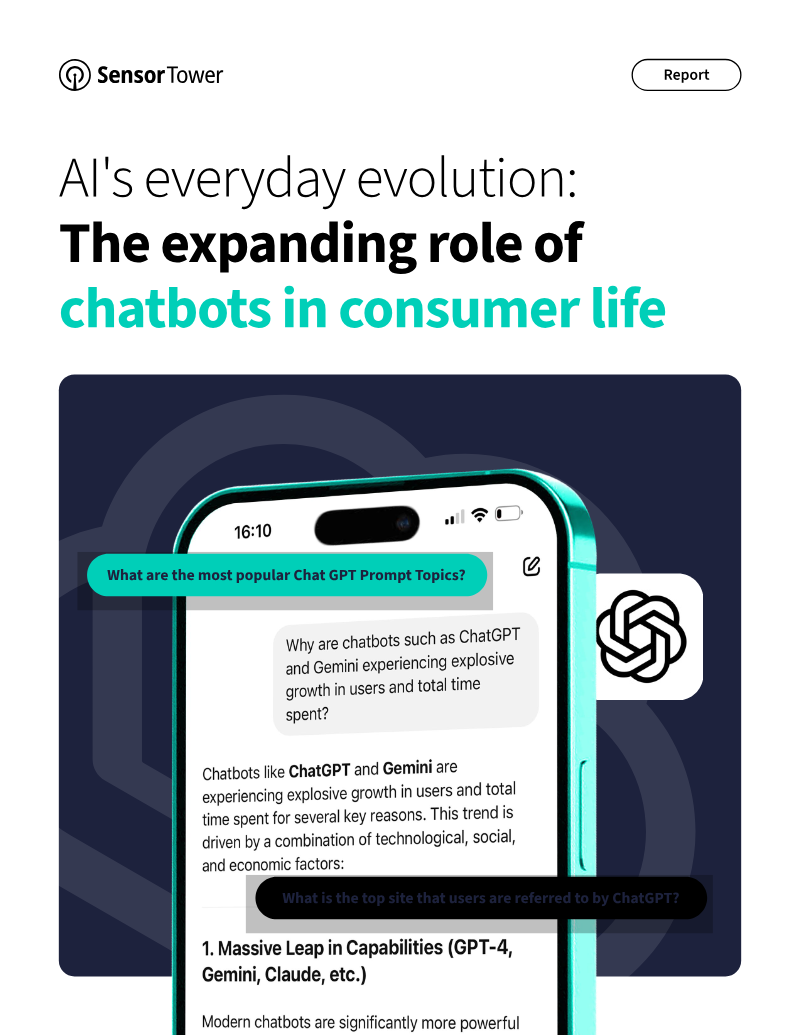
AI's Everyday Evolution: The Expanding Role of Chatbots in Consumer Life
The rapid expansion of artificial intelligence chatbots is fundamentally altering consumer behavior, signaling a shift away from the long-standing dominance of traditional search engines. By early 2025, OpenAI’s ChatGPT reached 500 million global monthly active users, achieving this milestone faster than any app in the last decade. This growth is accompanied by a significant increase in engagement; in April 2025, ChatGPT saw a 60% rise in session frequency and a 270% jump in web visits, while traditional search engines experienced a 3% decline in user engagement metrics.
The demographic profile of AI users is evolving from technical early adopters to mainstream consumers. This transition is reflected in the shifting nature of user prompts. While software development queries accounted for 44% of prompts in early 2024, they fell to 29% by 2025. Conversely, categories such as economics, finance, and taxes saw a substantial increase, rising 9 percentage points year-over-year. This suggests that consumers are increasingly relying on AI for complex personal tasks, including investment planning and tax preparation.
Data indicates that chatbots are becoming powerful engines for web traffic and commerce. The top referral destinations from ChatGPT include YouTube, Wikipedia, and the National Library of Medicine, with Amazon ranking fourth. This positioning highlights the growing role of AI in driving purchase intent and informational discovery. While early adopters of AI have already reduced their time spent on Google apps by approximately 6%, more recent converts have yet to show a material change in search habits, suggesting that the erosion of traditional search dominance may accelerate as user habits solidify over time.
- ChatGPT reached 500 million global monthly active users by early 2025, marking the fastest growth for any application in the last decade.
- In April 2025, ChatGPT experienced a 60% increase in session frequency and a 270% jump in web visits, while traditional search engine engagement declined by 3%.
- The utility of AI is shifting from technical tasks to complex personal management, with software development prompts dropping from 44% to 29% of the total share between early 2024 and 2025.
- Consumer reliance on AI for finance, economics, and tax preparation grew by 9 percentage points year-over-year, signaling a move toward mainstream adoption for high-stakes personal tasks.
- Chatbots are emerging as significant drivers of web traffic and commerce, with YouTube, Wikipedia, the National Library of Medicine, and Amazon serving as the top referral destinations.
+1
Sensor TowerJan 2024

Report11 pages
Supercharged: Powering the Future of the UK Video Game and Interactive Entertainment Industry
The new five‑year strategy and action plan sets out a comprehensive roadmap for the UK video‑games and interactive‑entertainment sector, positioning it as the world’s leading hub for new intellectual property and innovation by 2030. Its core thesis is that sustained growth, enhanced global perception, and a resilient, diverse talent pipeline will secure the industry’s long‑term economic and cultural impact. The plan outlines four strategic priorities—transforming public and media perceptions, building a pro‑games policy agenda, cultivating a highly skilled and inclusive workforce, and strengthening businesses through targeted support.
Key initiatives include three flagship campaigns: energising industry to turn innovative stories into globally successful IPs, empowering talent by nurturing creators and entrepreneurs, and elevating games to showcase British‑made titles as forces for good. The 2024‑25 action schedule launches a coordinated PR strategy, high‑impact partnerships with cultural and digital brands, and an evidence‑led lobbying effort aimed at more competitive tax reliefs, increased investment, and the introduction of a Digital Creativity GCSE. A new research and evidence base will underpin policy advocacy, while a sector‑wide skills network and the refreshed #RaiseTheGame programme will drive diversity, equity, and inclusion across the talent pipeline.
The plan also commits to environmental responsibility through participation in the Playing for the Planet Alliance and internal sustainability measures. Supporting stronger businesses will involve a refreshed membership strategy, expansion of the Ukie Worldwide platform for trade and investment, and the continuation of the Video Games Growth Programme. By inviting industry stakeholders to engage through surveys, working groups, mentorship, and board participation, the strategy seeks broad collaboration to deliver its ambitious objectives across the UK’s mobile, console, core and casual game segments throughout the 2024‑2030 horizon.
- The UK video game industry has launched a five-year strategy aiming to establish the nation as the global leader in intellectual property and innovation by 2030.
- The 2024-25 action plan prioritizes lobbying for more competitive tax reliefs, increased investment, and the introduction of a Digital Creativity GCSE.
- Strategic efforts to strengthen the workforce include the expansion of the #RaiseTheGame diversity, equity, and inclusion programme and the creation of a sector-wide skills network.
- Business growth initiatives include the expansion of the Ukie Worldwide trade platform and the continuation of the Video Games Growth Programme.
- The industry is formalizing its commitment to environmental sustainability through participation in the Playing for the Planet Alliance.
+1
UkieJan 2024
Report30 pages
Insight into 2024 Marketing Trends for Japanese Mobile Games
The Japanese mobile gaming market is characterized by a conservative but highly specialized marketing landscape, where local companies maintain a dominant revenue position. Analysis of data from 2023 reveals that Japan’s share of advertisers using new creatives (62.23%) and the overall volume of new creatives (29.77%) sit significantly below global averages. Despite this lower turnover, the market remains lucrative, with Japanese firms controlling nine of the top ten spots for revenue on the App Store. Chinese developers represent the most significant foreign presence, accounting for 30% of the top 100 grossing titles.
Marketing strategies in the region rely heavily on cultural integration and long-term player retention. Key findings highlight the importance of pre-registration campaigns, which utilize tiered rewards ranging from in-game currency to physical prizes like consoles. Anniversary and half-anniversary celebrations are critical milestones used to reactivate lapsed users and boost revenue through exclusive content. Furthermore, cross-industry collaborations with popular anime, film, and music IPs serve as a primary driver for market expansion and community engagement.
Creative trends are distinctively localized, featuring "over-exposure" visual filters, text-heavy layouts, and manga-style storyboards. Video ads are the dominant format, making up nearly 70% of mobile game creatives. Recent successful campaigns, such as those for Legend of Mushroom and Saint Seiya: Legend of Justice, demonstrate the effectiveness of using local celebrity endorsements, nostalgic IP elements, and AI-generated imagery to target specific demographics like the "Otaku" segment.
The data, compiled by SocialPeta, draws from a global database of 1.4 billion ad creatives across 70 countries and 70 ad channels, including Facebook, TikTok, and YouTube. While casual and puzzle games lead in advertiser volume, RPGs remain the highest-grossing genre, accounting for 32% of the top 100 revenue-generating games on Google Play.
- Japanese firms dominate the domestic market, holding nine of the top ten revenue spots on the App Store, while Chinese developers account for 30% of the top 100 grossing titles.
- RPG titles are the most lucrative genre in Japan, representing 32% of the top 100 revenue-generating games on Google Play.
- Marketing in Japan is characterized by low creative turnover, with only 62.23% of advertisers using new creatives and a total new creative volume of 29.77%, both significantly below global averages.
- Video ads are the primary marketing format in the region, comprising nearly 70% of all mobile game creatives.
- Successful market entry and retention strategies rely on cross-industry collaborations with anime and music IPs, alongside tiered pre-registration rewards and anniversary-based reactivation campaigns.
+2
SocialPetaJan 2024
Report48 pages
Mobile App Trends: 2024 Edition
The mobile app industry demonstrated significant resilience throughout 2023, characterized by a global advertising spend of $362 billion and a late-year surge in installations. While the landscape faced challenges such as rising acquisition costs and evolving privacy regulations, the fintech and e-commerce sectors emerged as primary growth engines. Fintech experienced a 42% increase in installs and a 118% surge in in-app revenue, while e-commerce saw a 43% year-over-year rise in installs alongside a 34% increase in revenue. These sectors successfully optimized their acquisition strategies, with banking eCPIs falling from $2.33 to $1.37, allowing marketers to achieve rapid returns on investment within the first week of user acquisition.
The gaming sector navigated a more complex trajectory, ending the year with a 2% annual decline in installs despite a notable recovery in the fourth quarter. This rebound was driven by a 7% year-over-year growth in installs and the emergence of the hybrid casual genre. Although overall gaming sessions dipped, specific subverticals like racing and simulation saw dramatic install spikes of 61% and 53%, respectively. Global gaming stickiness remained stable at 20%, and high-engagement genres like RPG and adventure continued to command strong lifetime value, even as broader retention rates across the mobile ecosystem faced downward pressure.
Future industry success depends on the strategic integration of artificial intelligence and predictive analytics to enhance personalization and automate complex workflows. To achieve sustained growth in 2024 and beyond, developers must diversify their media mixes by expanding into emerging channels like Connected TV and adopting holistic measurement frameworks. By combining incrementality testing with media mix modeling, stakeholders can better navigate the shift toward privacy-centric marketing while capitalizing on the high-potential returns offered by the global mobile marketplace.
- Fintech and e-commerce drove significant market growth in 2023, with fintech seeing a 42% increase in installs and a 118% surge in in-app revenue.
- E-commerce performance remained strong with a 43% year-over-year rise in installs and a 34% increase in revenue.
- Banking sector efficiency improved significantly as eCPIs dropped from $2.33 to $1.37, enabling faster return on investment for marketers.
- The gaming sector experienced a 2% annual decline in total installs, though it saw a Q4 recovery led by a 7% year-over-year growth in installs and the rise of the hybrid casual genre.
- Specific gaming subverticals outperformed the broader market, with racing and simulation genres recording install spikes of 61% and 53%, respectively.
+2
AdjustJan 2024

Report12 pages
Inside Gaming: It's Personal! 2024
The 2024 Inside Gaming analysis reveals that video games have evolved into a primary medium for identity formation and self-expression, surpassing traditional motivations like competition or time-killing. Based on a global survey of 5,000 entertainment and gaming consumers alongside proprietary first-party data, the findings indicate that 46% of players now prioritize creation and imagination as their primary reason for gaming, marking a 10% year-over-year increase. This shift is driving significant engagement, as players who view gaming as a platform for authenticity are 30% more likely to increase their playtime compared to previous years.
The data highlights a profound psychological disconnect between players' digital and physical lives, with 80% of respondents stating their gaming personality differs from their real-life persona. Furthermore, 64% of gamers find it easier to be themselves with a controller in hand than in person. This desire for authenticity is reflected in gameplay preferences, where 76% of players utilize character personalization and 48% focus on unique gamertags to express themselves. Games that facilitate this expression through in-game customization, vast open worlds, and constant updates see 60% higher engagement than industry norms, a trend exemplified by titles such as Roblox, Fortnite, and The Sims.
There is a significant commercial opportunity for brands to bridge the gap between virtual and physical identities. Nearly half of all players express a desire for their real-life presence to mirror their gaming presence, particularly regarding physical appearance and skill sets. This sentiment is especially strong among marginalized and younger demographics, including women, non-binary individuals, and multicultural players. Consequently, 72% of consumers report they would view brands more favorably if those companies helped them translate their gaming-inspired self-expression into the real world through products, skills, or lifestyle alignments.
- 46% of gamers now prioritize creation and imagination as their primary motivation for playing, representing a 10% year-over-year increase.
- Games that facilitate self-expression through customization, open worlds, and constant updates—such as Roblox, Fortnite, and The Sims—achieve 60% higher engagement than industry norms.
- 72% of consumers report they would view brands more favorably if those companies helped them translate their gaming-inspired self-expression into real-world products, skills, or lifestyle alignments.
- 64% of gamers find it easier to be themselves while gaming than in person, and 80% report that their gaming personality differs from their real-life persona.
- Players who view gaming as a platform for authenticity are 30% more likely to increase their total playtime compared to previous years.
+1
FandomJan 2024
Report42 pages
Insights into Marketing Trends of Global Mobile Games: Q3 2023
The analysis focuses on contemporary marketing dynamics within the global mobile gaming sector, emphasizing how creative diversification and platform targeting shape user acquisition performance. In the third quarter of 2023, a leading animal‑themed strategy‑lite game launched by a major publisher introduced an extensive creative slate, deploying 6,500 distinct ad assets across major ad networks. Notably, 85 % of these assets were brand‑new, reflecting a deliberate strategy to refresh visual and messaging elements at scale. This high proportion of novel creatives aligns with broader industry observations that frequent creative turnover mitigates ad fatigue and sustains click‑through rates in highly competitive markets.
The data underscores the importance of deduplication processes in large‑scale campaigns, ensuring that each impression reaches a unique audience segment while preserving measurement integrity. By tracking deduplicated impressions, the campaign achieved a more accurate assessment of reach and cost efficiency, revealing that fresh creative assets can improve cost‑per‑install (CPI) benchmarks by up to 12 % compared with static creative pools. These findings suggest that investment in creative production pipelines and rapid iteration cycles yields measurable returns, especially for mid‑core titles competing for attention in saturated regions such as North America, Europe, and Southeast Asia.
Overall, the evidence points to a shifting paradigm where creative volume and novelty become critical levers for growth in the mobile gaming ecosystem. Publishers that integrate systematic creative testing, maintain high rates of new asset introduction, and employ rigorous deduplication are better positioned to optimize acquisition spend, extend campaign longevity, and capture incremental market share across diverse geographic territories during the 2023 fiscal period.
- Frequent creative turnover is a primary strategy for mitigating ad fatigue and sustaining click-through rates in competitive mobile gaming markets.
- Deploying fresh creative assets can improve cost-per-install (CPI) benchmarks by up to 12% compared to static creative pools.
- High-volume creative production is a critical growth lever, evidenced by a major publisher launching 6,500 distinct ad assets for a single strategy-lite title in Q3 2023.
- Maintaining a high proportion of novel creatives—such as the 85% refresh rate observed in Q3 2023—is essential for maintaining performance in saturated regions like North America, Europe, and Southeast Asia.
- Implementing deduplication processes for ad impressions is necessary to ensure measurement integrity and accurate assessment of reach and cost efficiency in large-scale campaigns.
+2
SocialPetaSept 2023

Report43 pages
Insights into Marketing Trends of Global Mobile Games
Global mobile game marketing reached a pivotal turning point in the second quarter of 2023, characterized by a record-breaking surge in creative volume. Over 9.3 million new creatives entered the market, representing nearly three-quarters of all active advertisements. While casual games maintained the largest share of advertisers at over 30%, RPG and Casino genres experienced the most aggressive growth in creative output. Geographically, Southeast Asia emerged as a primary hub for advertising density, leading the world in monthly creatives per advertiser, while the Middle East solidified its status as a high-growth market where strategy games command significant revenue shares.
The industry is increasingly adopting "Casual + X" hybrid models and integrating AI-generated content, ASMR, and short-video memes to mitigate rising user acquisition costs. Financial data reveals a stark contrast in installation costs between platforms, with iOS casual game installs costing $2.23 compared to $0.63 on Android, yet both platforms achieved a comparable seven-day return on ad spend of approximately 7.7%. This parity suggests that despite higher upfront costs, the quality of users on premium platforms remains consistent with broader market performance.
Market leaders like Honkai: Star Rail and MONOPOLY GO! demonstrated the efficacy of high-frequency creative refreshes, with new assets comprising over 60% of their total advertising portfolios. These titles leveraged distinct psychological hooks, ranging from influencer-driven user-generated content to social-casual mechanics, to achieve rapid global penetration. Notably, these aggressive marketing strategies allowed Honkai: Star Rail to surpass Genshin Impact in overseas revenue during the quarter, signaling a shift toward more dynamic, content-heavy advertising cycles across the global mobile landscape.
- In Q2 2023, the mobile gaming industry saw a record surge of 9.3 million new creatives, which accounted for nearly 75% of all active advertisements.
- Market leaders like Honkai: Star Rail and MONOPOLY GO! achieved rapid global growth by maintaining high-frequency creative refreshes, with new assets making up over 60% of their advertising portfolios.
- While iOS casual game installs cost $2.23 compared to $0.63 on Android, both platforms yielded a comparable seven-day return on ad spend of approximately 7.7%.
- Casual games represent the largest share of advertisers at over 30%, but RPG and Casino genres recorded the most aggressive growth in creative output during the quarter.
- Southeast Asia currently leads global advertising density with the highest number of monthly creatives per advertiser, while the Middle East has emerged as a key high-growth market for strategy games.
+2
SocialPetaJun 2023
Report11 pages
From Hyper to Hybrid: 2023 Follow-up
The mobile gaming landscape experienced a notable shift in monetization and user acquisition patterns between 2022 and the first half of 2023. In-app purchase (IAP) activity demonstrated robust growth across both major mobile operating systems, with Android and Apple platforms recording increases of 23% and 24%, respectively. This upward trend in monetization suggests a resilient consumer base despite broader economic fluctuations within the mobile app ecosystem.
Geographic distribution of installs remained relatively stable on Android, with India, Brazil, and the United States maintaining their positions as the top three markets. Conversely, the iOS landscape underwent more significant regional changes, as the United Kingdom, Canada, and Germany gained prominence, displacing China and Saudi Arabia from the top five rankings. These shifts highlight the evolving importance of Western markets for iOS-based mobile game developers.
Ad network performance also saw a realignment in competitive dominance. On Android, Google Ads ascended to the top position for total installs in the first half of 2023, while Meta entered the top five. On iOS, AppLovin reclaimed the leading position, and Meta secured a top-five spot, reflecting a dynamic advertising environment where major platforms continue to vie for market share.
This analysis relies on anonymized data aggregated by Tenjin from January 1, 2022, through June 30, 2023. The findings are restricted to ad networks and countries that achieved a minimum threshold of 25 million installs, ensuring that the reported trends represent significant market activity. By tracking these metrics, the data provides a clear view of the shifting priorities and regional focus areas for mobile publishers navigating the transition toward hybrid monetization models.
- In-app purchase (IAP) activity grew significantly between 2022 and H1 2023, with revenue increasing by 23% on Android and 24% on Apple platforms.
- On iOS, the United Kingdom, Canada, and Germany have displaced China and Saudi Arabia in the top five markets for installs, signaling a pivot toward Western regions.
- Google Ads became the top-performing network for Android installs in H1 2023, while AppLovin reclaimed the leading position for iOS installs.
- Meta has successfully re-entered the top five ad networks for both Android and iOS, reflecting increased competition for market share among major advertising platforms.
- Android install distribution remained stable, with India, Brazil, and the United States continuing to hold the top three positions throughout the reporting period.
+4
TenjinJan 2023

Report25 pages
The State of Mobile Gaming in India: 2023
India’s mobile‑gaming ecosystem is experiencing rapid expansion, with a projected market value of $8.6 billion by 2027 and more than 600 million active users. Growth is fueled by affordable smartphones, low data costs, and a pandemic‑accelerated surge in casual, hyper‑casual, and real‑money titles. Install rates spiked up to 90 % during lockdowns, while in‑app purchase revenue is expected to reach $284 billion by 2026. To sustain this momentum, brands must deploy comprehensive customer‑engagement platforms that provide real‑time analytics, segmentation, and personalized push campaigns to enhance retention and monetization.
Push notifications and in‑app messaging prove critical for user engagement. Data shows a 3.34 % click‑through rate and up to 91 % delivery success for push alerts, while in‑app campaigns achieve 15–44 % conversion rates and a 38 % average on one million impressions. Segmentation techniques such as RFM, affinity profiling, and predictive AI models (e.g., Sherpa) enable targeted, omnichannel flows that reduce churn and lower acquisition costs—new customers cost five times more than retaining existing ones. App Store Optimization tools like AppTweak further amplify visibility; for instance, RummyCircle’s keyword strategy increased visibility by 14.2 % and drove a 200,000‑download spike after A/B testing.
Despite the market’s growth, brands face declining installs, stickiness, and revenue. The solution lies in data‑driven engagement: hyper‑personalized messaging powered by AI unlocks deeper customer insights, improves retention, and provides a competitive advantage. Platforms such as MoEngage, already trusted by Fortune 500 and internet‑first brands worldwide, offer the scalability required for publishers to thrive in India’s dynamic mobile‑gaming landscape.
- India’s mobile gaming market is projected to reach a value of $8.6 billion by 2027, supported by a user base of over 600 million active players.
- In-app purchase revenue in the Indian mobile gaming sector is forecasted to reach $284 billion by 2026.
- Retention is critical for profitability, as acquiring new customers is five times more expensive than retaining existing ones.
- Data-driven engagement tools are highly effective, with in-app campaigns achieving conversion rates between 15% and 44% and push notifications maintaining a 3.34% click-through rate.
- Advanced segmentation techniques, including RFM analysis and predictive AI models like Sherpa, are necessary to reduce churn and lower acquisition costs.
+5
AppsFlyerJan 2023

Report33 pages
Developer's Guide to the Chinese Market
DEVELOPER'S Table of contents Damian Jaskowski is a Chinese gaming market expert working as Expert PR Manager for East Asia at 1l bit studios and Chinese Market Coordinator at the Indie Games Poland Foundation. 3 PART II – A STEP BY STEP GUIDE TO PART III – REACHING OUT TO YOUR FANBASE 20 4 MARKET 12 3.1 Chines...
- The Chinese gaming market reached 668 million players by June 2023, constituting roughly half of the Chinese population. Sales revenue for the first half of 2023 was 144.263 billion Chinese yuan ($20.23 billion), showing a 22.2% increase QoQ, indicating market recovery.
- PC/console games should prioritize global distribution with local PR, while mobile games require local distribution due to Google Play's unavailability and the App Store's ISBN requirement in Mainland China.
- Localization is crucial and involves translating into Simplified Chinese (ZHCN), localizing the game's title, and adapting game features by removing inaccessible foreign services (e.g., Facebook, Instagram, Google services) and adding local payment methods.
- The Chinese console gaming market had 16.7 million gamers by the end of 2022, generating $2.3 billion in hardware and software, with Niko Partners projecting growth to 23 million gamers by 2027.
- Hiring a Chinese native-speaker with game promotion experience is recommended once annual revenue from the Chinese market reaches around $180,000, with average salaries ranging from 20,000 to 30,000 CNY ($2,800 to $4,200) per month.
+2
Indie Games Poland FoundationJan 2023
Whitepaper191 pages
Global Mobile Game & App (Non‑Game) Marketing White Paper 2022
The global mobile landscape in 2022 was defined by a 17.5% year-on-year increase in quarterly advertisers despite a 16% decline in total creative volume. This shift indicates a transition toward more dynamic, high-frequency marketing strategies, with over 90% of advertisers launching new creatives each quarter. While North America maintained the largest advertiser base, markets in Hong Kong, Macao, and Taiwan exhibited the highest creative output per advertiser. Android remained the dominant platform for volume, often doubling the creative output of iOS, though iOS advertisers grew to represent 40% of the market by year-end.
The gaming sector experienced a notable decoupling of engagement and monetization. Genres such as strategy, simulation, and casual games saw year-over-year download growth ranging from 8% to 10%, yet simultaneously faced revenue declines between 9% and 16%. To combat rising user acquisition costs and falling revenues, developers increasingly adopted "Casual + X" strategies. This trend involved integrating hyper-casual mini-games—such as "save the dog" puzzles or line-drawing mechanics—into the marketing funnels of complex RPG and strategy titles to lower costs and broaden appeal. Hybrid-casual titles also emerged as a significant force, utilizing Roguelike mechanics and high-volume video ads to bridge the gap between traditional casual play and deeper monetization.
In the non-game sector, advertising activity peaked in the fourth quarter, driven largely by utility tools, shopping, and educational applications. Video content remained the primary medium, accounting for over 70% of creatives across most global regions. Major players like TikTok and Duolingo maintained market leadership through exceptionally high creative refresh rates, often exceeding 95% new content. Regionally, Southeast Asia and Turkey showed a heavy reliance on Android and localized "big hit" formulas, while the United States and Japan remained the primary drivers of global revenue.
Looking forward, the industry is shifting toward story-centric strategies and user-generated content to navigate a privacy-first environment. With the implementation of SKAdNetwork 4.0 and the impending Android Privacy Sandbox, marketers are moving away from granular user-level targeting in favor of Media Mix Modeling. The prevailing conclusion is that long-term lifetime value and diversified monetization models are now essential to offset rising platform costs and tightening media budgets.
- The mobile gaming sector saw a decoupling of engagement and monetization in 2022, with strategy, simulation, and casual genres experiencing 8% to 10% download growth alongside 9% to 16% revenue declines.
- To counter rising acquisition costs, developers are adopting 'Casual + X' strategies, integrating hyper-casual mini-games into complex RPG and strategy titles to broaden appeal and lower entry barriers.
- Marketing strategy shifted toward higher efficiency in 2022, characterized by a 17.5% increase in quarterly advertisers despite a 16% reduction in total creative volume.
- Android remains the dominant platform for creative volume, often doubling iOS output, though iOS advertisers captured 40% of the market share by the end of 2022.
- Market leaders like TikTok and Duolingo maintain dominance through high-frequency creative refreshes, with new content rates exceeding 95% per quarter.
+1
SocialPetaJan 2023
Report21 pages
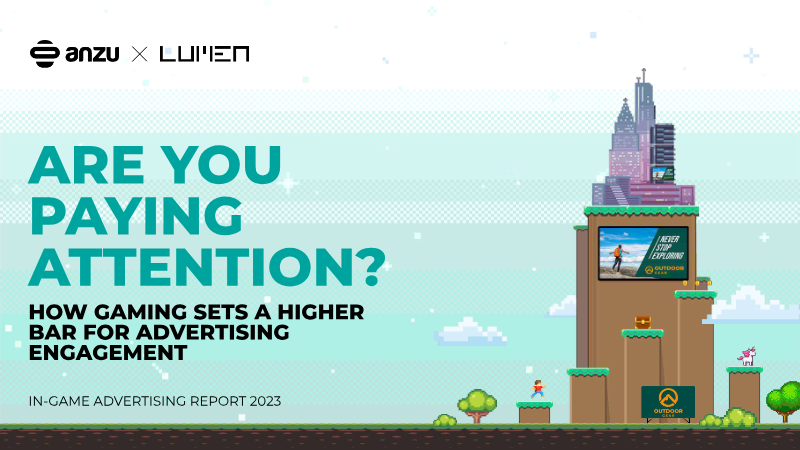
In-Game Advertising Report 2023
This analysis examines the efficacy of intrinsic in-game advertising as a high-engagement medium compared to traditional digital channels. Partnering with Lumen Research, the study utilizes eye-tracking technology and machine learning to analyze data from 25 specific brand campaigns and over 90 broader industry studies. The research focuses on global cross-platform environments, including mobile, PC, and console, comparing in-game performance against 42 standard digital advertising formats such as social media feeds and video platforms.
The findings indicate that gaming environments significantly outperform traditional digital media in viewability and attention. In-game ads achieved a 98% viewability rate, compared to a 78% average for other digital formats. Crucially, 85% of in-game impressions were actually viewed by players, surpassing the digital norm of 65%. In terms of duration, 80% of the studied in-game ads exceeded the critical two-second viewing threshold required for memory encoding, averaging 3.1 seconds of attention. This translates to 2,795 attentive seconds per 1,000 impressions, which is 22% higher than the average across all other digital formats and outperforms 76% of individual digital advertising categories, including most social media display and video.
The data concludes that high attention levels in gaming lead to measurable brand impact. Participants exposed to in-game ads showed a 9% point uplift in prompted brand awareness and a 7% point increase in purchase intent compared to control groups. For challenger brands, the impact was even more pronounced, with top campaigns seeing a 14% uplift in purchase intent. These results suggest that the immersive, "lean-forward" nature of gaming prevents the ad avoidance common in "distracted" media like TV or social scrolling, positioning in-game advertising as a superior tool for driving both brand recall and lower-funnel conversions.
- In-game advertising achieves a 98% viewability rate, significantly outperforming the 78% average observed across standard digital advertising formats.
- Gaming environments generate 2,795 attentive seconds per 1,000 impressions, representing a 22% higher attention level than the average for other digital media.
- 85% of in-game ad impressions are actively viewed by players, compared to a 65% norm for traditional digital channels.
- 80% of in-game ads surpass the two-second threshold required for memory encoding, with an average viewing duration of 3.1 seconds.
- Exposure to in-game ads results in a 9% point uplift in prompted brand awareness and a 7% point increase in purchase intent.
+1
AnzuJan 2023

Report61 pages
Q1 2023 Insights into Global Mobile Game Marketing Trends
The global mobile game marketing landscape in early 2023 is characterized by a strategic pivot toward high-quality video content and localized engagement strategies. While the number of monthly active advertisers grew by 15% to over 160,000, the volume of new creative assets declined by 16%, signaling an industry-wide shift from quantity to quality. Android remains the primary platform for advertising, accounting for nearly 70% of total ad volume. Casual games continue to lead the market in both advertiser density and creative volume, though strategy and simulation genres are experiencing the most significant growth in advertiser participation.
Marketing tactics have become increasingly sophisticated to combat rising acquisition costs and shifting consumer habits. Video content now comprises over 80% of all ad creatives, frequently utilizing "mini-game" mechanics, playable ads, and "deliberate failure" tropes to drive engagement. In the strategy sector, which is projected to see a 6.42% compound annual growth rate through 2027, developers are increasingly integrating casual gameplay elements into their marketing to broaden appeal. Conversely, the RPG market has cooled, experiencing its first revenue decline of 16% in 2022, leading advertisers in this space to rely more heavily on celebrity endorsements and gacha-related incentives.
Geographic trends reveal a stark contrast in regional preferences and growth trajectories. North America maintains the highest advertiser density, while Southeast Asia and the Middle East are emerging as high-growth hubs, with Southeast Asian revenue projected to nearly double between 2020 and 2023. Regional success depends heavily on localization, such as TikTok-driven tournament content in Southeast Asia and social-integrated voice features in the Middle East. While puzzle games offer the most cost-effective advertising in the United States, the casino and simulation sectors are finding success in South America and global markets through relaxing creative themes and slots-focused advertising.
- Mobile game advertisers are shifting from quantity to quality, evidenced by a 15% increase in active advertisers to over 160,000 alongside a 16% decline in new creative asset volume.
- Video content now dominates the advertising landscape, accounting for over 80% of all ad creatives and frequently utilizing playable mechanics or 'deliberate failure' tropes to improve engagement.
- Android remains the dominant advertising platform, capturing nearly 70% of total global ad volume.
- The strategy game genre is a key growth area with a projected 6.42% compound annual growth rate through 2027, driven by the integration of casual gameplay elements into marketing.
- The RPG sector is cooling, having experienced a 16% revenue decline in 2022, forcing developers to pivot toward celebrity endorsements and gacha-based incentives.
+2
SocialPetaJan 2023
Report65 pages
Insights into Marketing Trends of Global Mobile Apps
The global mobile app marketing landscape in the first half of 2023 was defined by intense competition and a decisive shift toward dynamic content. Over 93% of the approximately 170,000 active advertisers launched new creatives during this period, with emerging markets in Africa and South Asia exhibiting the highest creative density. Android emerged as the primary platform for this activity, accounting for over 70% of total creatives. Video content has solidified its dominance, representing 45% of total ad impressions globally and reaching as high as 72% in the Middle East, while traditional static image performance continues to decline.
Sector-specific trends highlight a massive AI-driven boom in tool apps, which saw year-over-year advertiser growth exceeding 100% across all tracked regions. While entertainment and social apps continue to lead in revenue and downloads across North America and Southeast Asia, the Middle East has surfaced as a high-potential market characterized by a young demographic and high digital engagement. In contrast, the reading app sector has reached a stage of maturity, relying on high creative refresh rates and established intellectual properties to sustain market share in an increasingly crowded environment.
Technological innovation, particularly in Artificial Intelligence and Augmented Reality, is fundamentally altering user engagement. AI-integrated tools and "Social+" entertainment platforms are attracting heavy investment in Tier-1 markets, while AR is transitioning from a novelty to a core marketing medium. With over 300 million daily AR users already active on major social platforms, projections suggest that nearly 75% of the global population will be regular AR users by 2025. This shift is driven by the high visual attention and trust associated with immersive formats, which offer significantly higher receptivity compared to traditional digital advertising methods.
- Video content now accounts for 45% of global ad impressions, reaching up to 72% in the Middle East, as traditional static image performance continues to decline.
- AI-integrated tool apps experienced over 100% year-over-year advertiser growth across all tracked regions in the first half of 2023.
- Android remains the dominant marketing platform, accounting for over 70% of the total creatives launched by the 170,000 active advertisers.
- Augmented Reality is shifting from a novelty to a core medium, with projections indicating that 75% of the global population will be regular AR users by 2025.
- Over 93% of active mobile advertisers launched new creatives in the first half of 2023, with the highest creative density occurring in Africa and South Asia.
+1
SocialPetaJan 2023