Key insights
5 takeaways · ~2 min read- 01In 2014, 84% of Spanish parents actively played video games and reported feeling equally or more technologically competent than their children.See it on page 40
- 0240% of Spanish parents utilized video games as formal educational tools for their children.See it on page 40
- 03More than 50% of surveyed parents maintained or increased their personal gaming time after becoming parents, primarily driven by the desire for shared family play.See it on page 23
- 04Video games were the most requested Christmas gift for 50% of children in Spain during the 2014 holiday season, with a strong preference for physical console titles.See it on page 37
- 05While overall holiday spending on games saw a slight decline in 2014, parents who identified as gamers planned to spend more on gaming products than non-gamer parents.See it on page 36
Summary
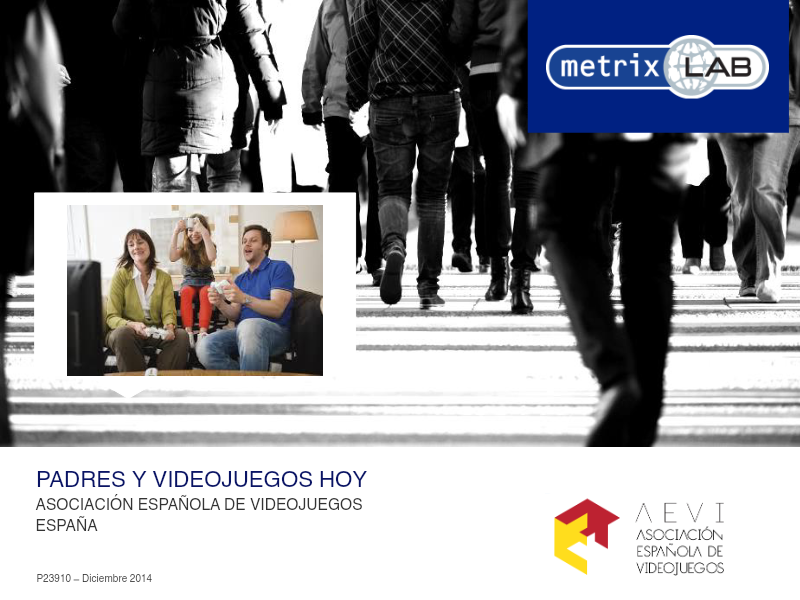
The research investigates contemporary Spanish parental attitudes toward video gaming, focusing on usage patterns, perceived competence, and consumer behavior during the 2014 holiday season. It reveals that a substantial majority—84 %—of parents actively play video games and consider themselves technologically equal to or more knowledgeable than their children. This confidence translates into a notable educational dimension, with 40 % of parents employing games as learning tools for their offspring.
Family interaction emerges as a key driver, as more than half of the surveyed parents have maintained or increased their gaming time after becoming parents, citing shared play as a primary motivator. Economic analysis shows a modest decline in overall holiday spending on games compared with the previous year; however, parents who identify as gamers intend to allocate higher expenditures than non‑gamer parents. Video games rank as the most coveted Christmas gift for half of the children surveyed, with a particular preference for physical console titles.
Overall, the findings underscore a robust integration of gaming within Spanish households, highlighting parental confidence, educational utilization, and sustained consumer demand despite slight seasonal spending fluctuations. The study’s scope encompasses Spanish families during the December 2014 period, offering insight into parental influence on market dynamics across both digital and physical gaming segments.
Cite this report
Citation
Generating citation…