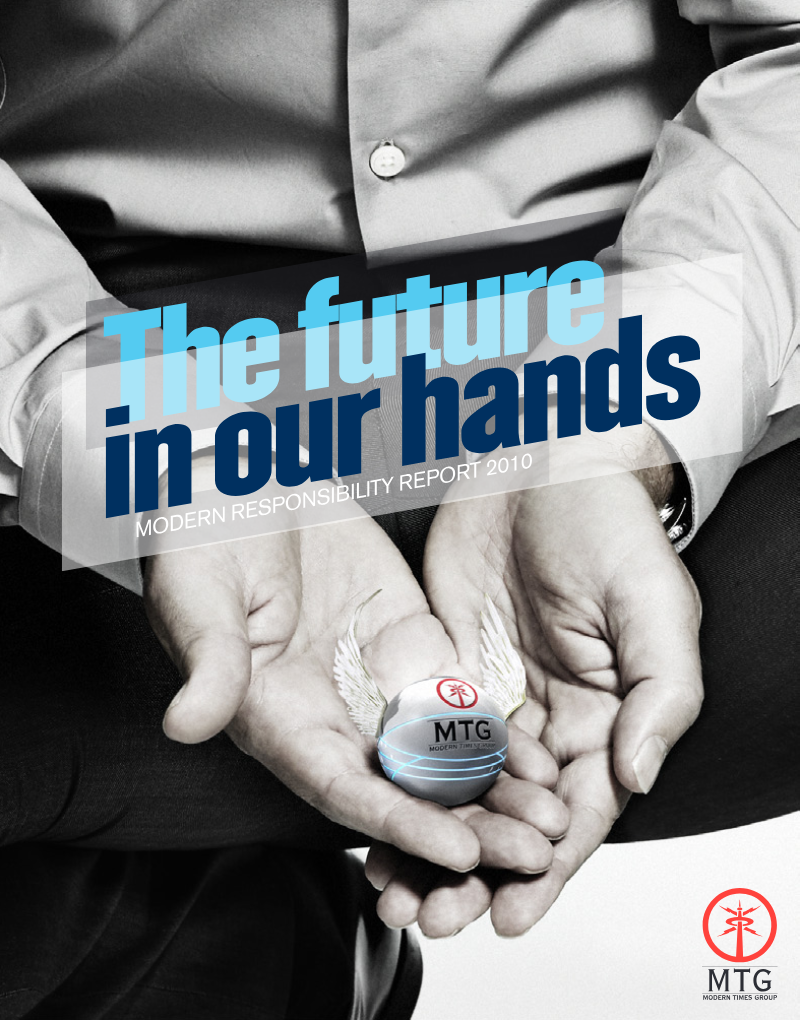
The 2010 Modern Responsibility report presents Modern Times Group’s first GRI‑aligned disclosure, expanding the reporting perimeter to encompass all subsidiaries and leased assets that employ staff. It establishes a comprehensive materiality analysis, stakeholder survey, and a crisis‑support team, framing corporate responsibility as a strategic pillar that underpins responsible broadcasting across MTG’s television, radio and digital platforms. The document’s thesis is that transparent governance, measurable sustainability targets, and inclusive social initiatives can drive long‑term value for both the business and its broader stakeholder community.
Governance is overseen by a seven‑member board—six independent non‑executives, five men and two women—supported by audit, remuneration and Modern Responsibility committees. The report sets concrete performance goals, including training 50 % of relevant staff on compliance by the end of 2010 and achieving full coverage by 2012, reducing per‑employee CO₂ emissions by 5 % versus the 2009 baseline by February 2012, and extending a supplier self‑check system to half of MTG’s partners. Parallel gender‑equity objectives launch a women‑in‑leadership network in Sweden and benchmark gender‑pay gaps in Scandinavia by June 2011 and globally by February 2012.
Operational outcomes for 2010 demonstrate strong social and environmental stewardship. MTG achieved 100 % subtitling/closed‑captioning for Swedish output, delivered 110 hours of compliance training, recorded only 21 internal complaints and incurred no fines. Philanthropic activity leveraged media assets to donate roughly 111 million SEK of airtime and raise over €58 million for health, disaster relief and child‑health campaigns across more than 20 countries. The United for Peace football tournament engaged 130 youths from 12 nations, with 88 % reporting new friendships and a near‑universal endorsement of sport as a conflict‑resolution tool, while the Playing for Change initiative secured a Social Capitalist award and raised 160 k SEK.
Environmental performance shows a 7 % rise in total greenhouse‑gas emissions to 15,032 t CO₂e, driven mainly by facility energy (5,496 t) and business travel (8,727 t), raising per‑employee emissions to 5.6 t CO₂e. In response, MTG plans greener travel options, country‑specific green‑action lists, 80 % employee training in “green thinking,” and supplier CO₂ assessments to meet the 5 % per‑employee reduction target. The report thus captures a global, multi‑segment (broadcasting, digital, philanthropy, sports) snapshot of MTG’s 2010 responsibility performance and its forward‑looking commitments through
Modern Times Group · 2026
Modern Times Group · 2026
Modern Times Group · 2025
Modern Times Group · 2025
Modern Times Group · 2025
Modern Times Group · 2023
Modern Times Group · 2019
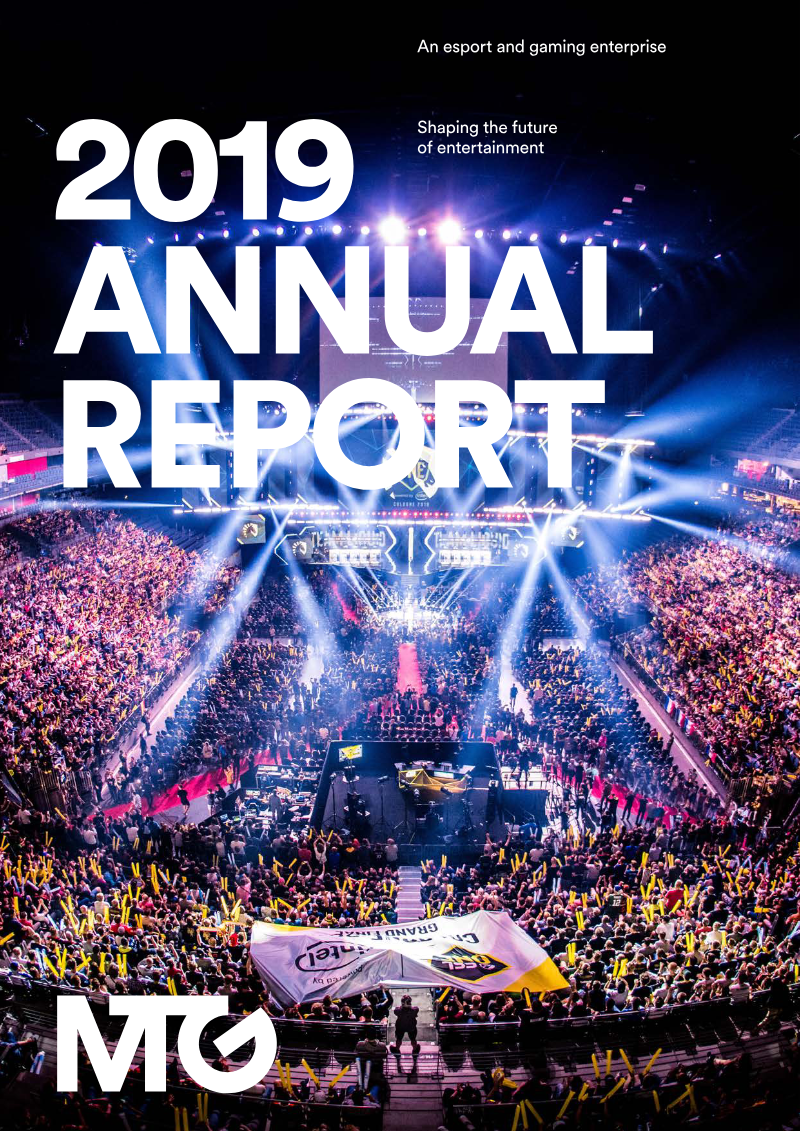
Modern Times Group · 2019
Modern Times Group · 2018
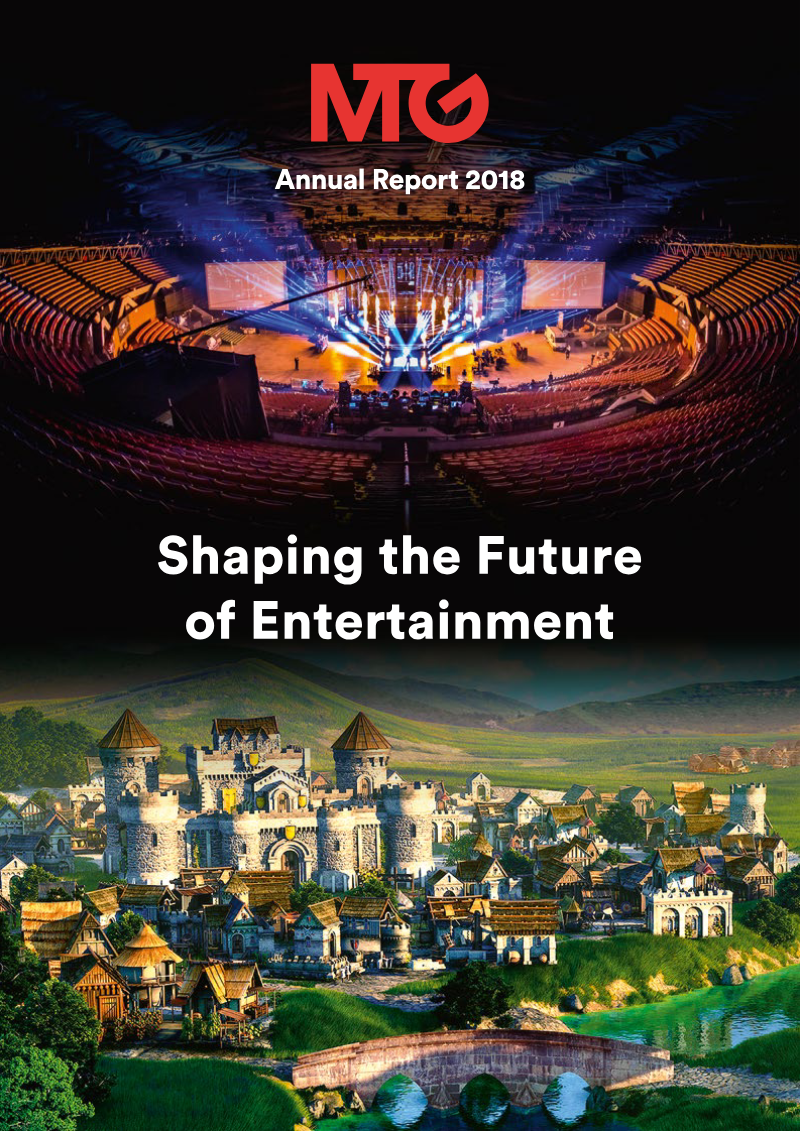
Modern Times Group · 2018

Modern Times Group · 2017
Modern Times Group · 2017
Modern Times Group · 2015
Modern Times Group · 2014
Modern Times Group · 2011
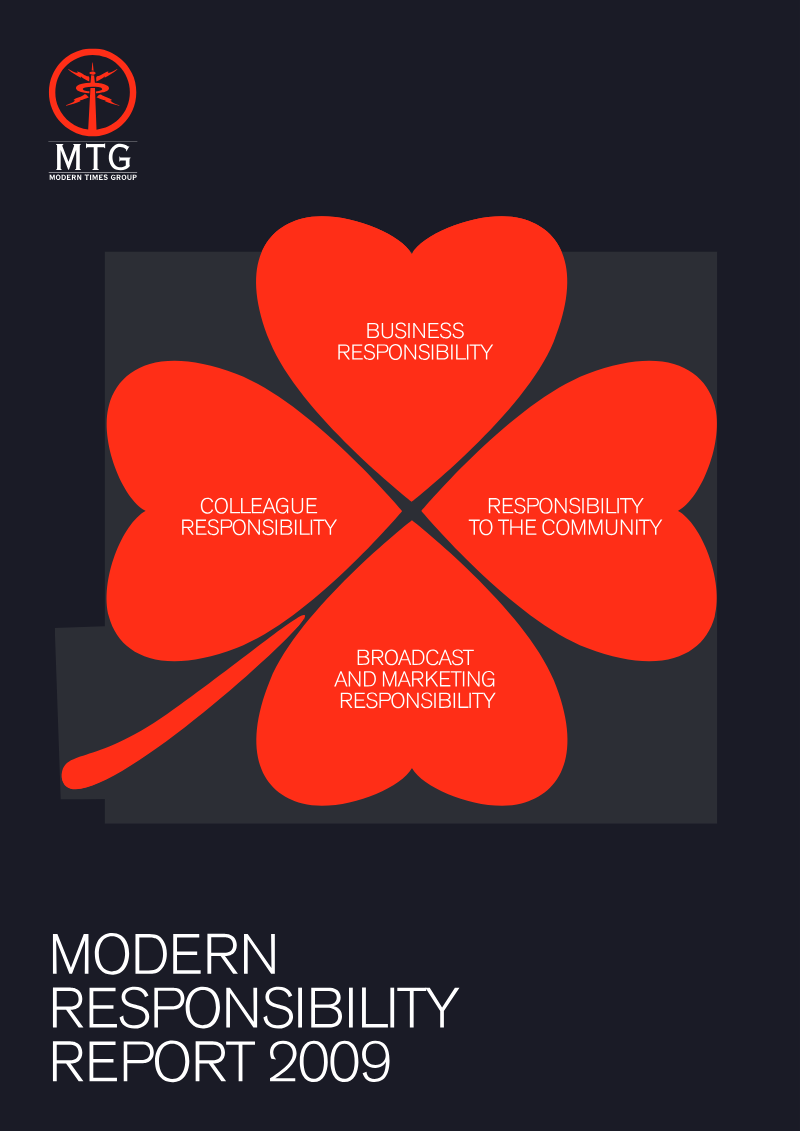
Modern Times Group · 2009
Modern Times Group · 2008
Modern Times Group · 2013
Modern Times Group · 2016
Modern Times Group · 2012
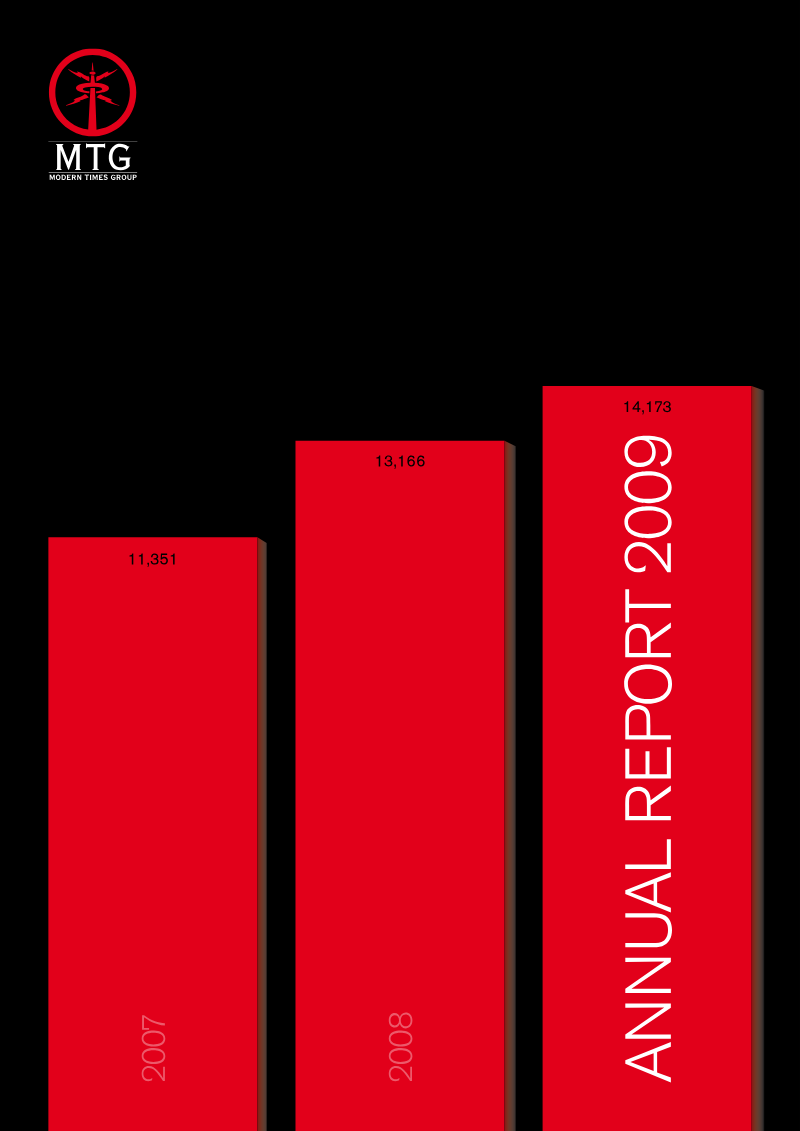
Modern Times Group · 2009

GEEIQ · 2026

Almedia · 2026
Gamesight · 2026