
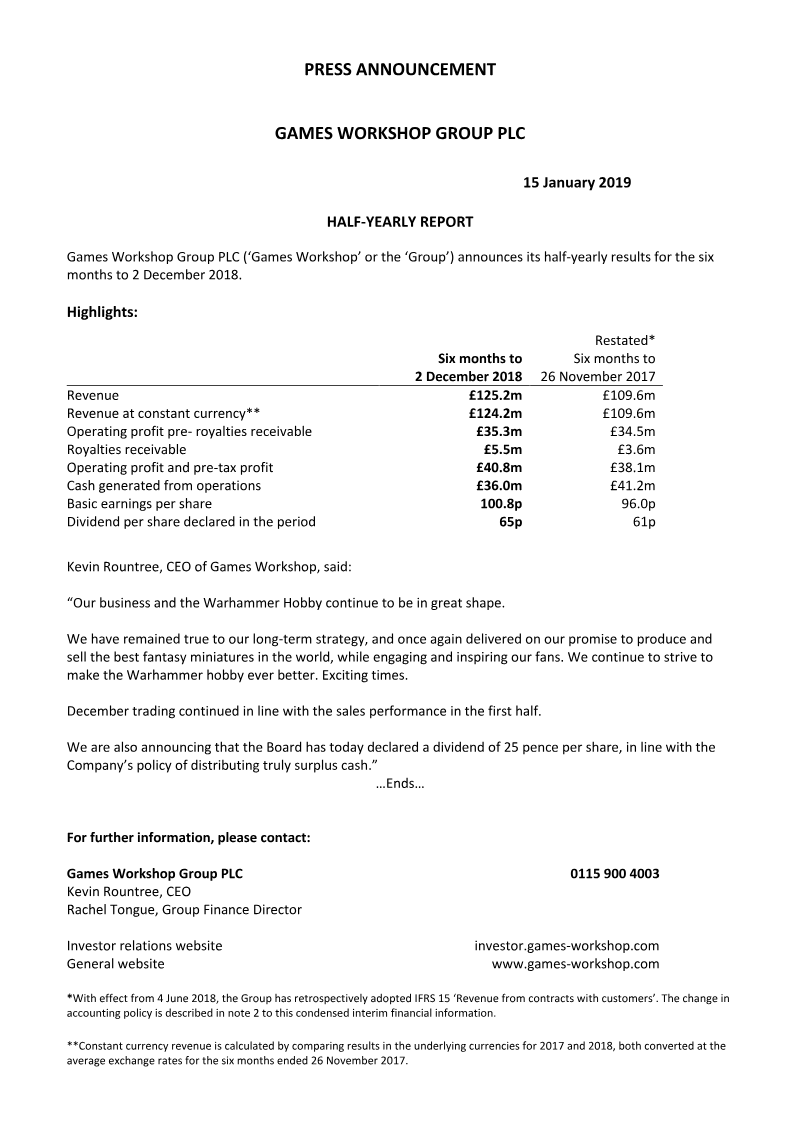
Games Workshop achieved record-breaking financial results for the 2019/20 fiscal year, demonstrating significant resilience despite the operational disruptions caused by the COVID-19 pandemic. Annual revenue rose 5.1% to £269.7 million, while profit before tax reached £89.4 million. This performance marks the fourth consecutive year of record growth, driven primarily by a robust trade segment—which now accounts for 52% of total revenue—and a substantial increase in royalty income from licensing agreements in the video game and media sectors.
The company’s strategic focus remained on the global expansion of its Warhammer intellectual property and the modernization of its industrial infrastructure. Significant capital investments totaling £18 million were directed toward production and logistics expansions in Nottingham and North America, alongside the implementation of a new ERP system. While physical retail sales declined by 11% due to pandemic-related store closures, digital engagement and online sales saw marked growth. The company also successfully navigated the transition to IFRS 16 accounting standards, which brought £32.1 million in lease liabilities onto the balance sheet.
Geographically, North America remains the company's largest market, contributing £104.8 million to total revenue. Despite the economic uncertainties of the pandemic and Brexit, the Group maintained a strong liquidity position, ending the period with £52.9 million in cash and no utilized borrowing facilities. This financial stability allowed the board to maintain its commitment to shareholders through dividends of 145 pence per share and to support its workforce by providing full pay during shutdowns and distributing profit-share bonuses to all staff. The report concludes with a focus on long-term sustainability, ethical sourcing, and continued IP exploitation to ensure future viability.

Games Workshop Group · 2025
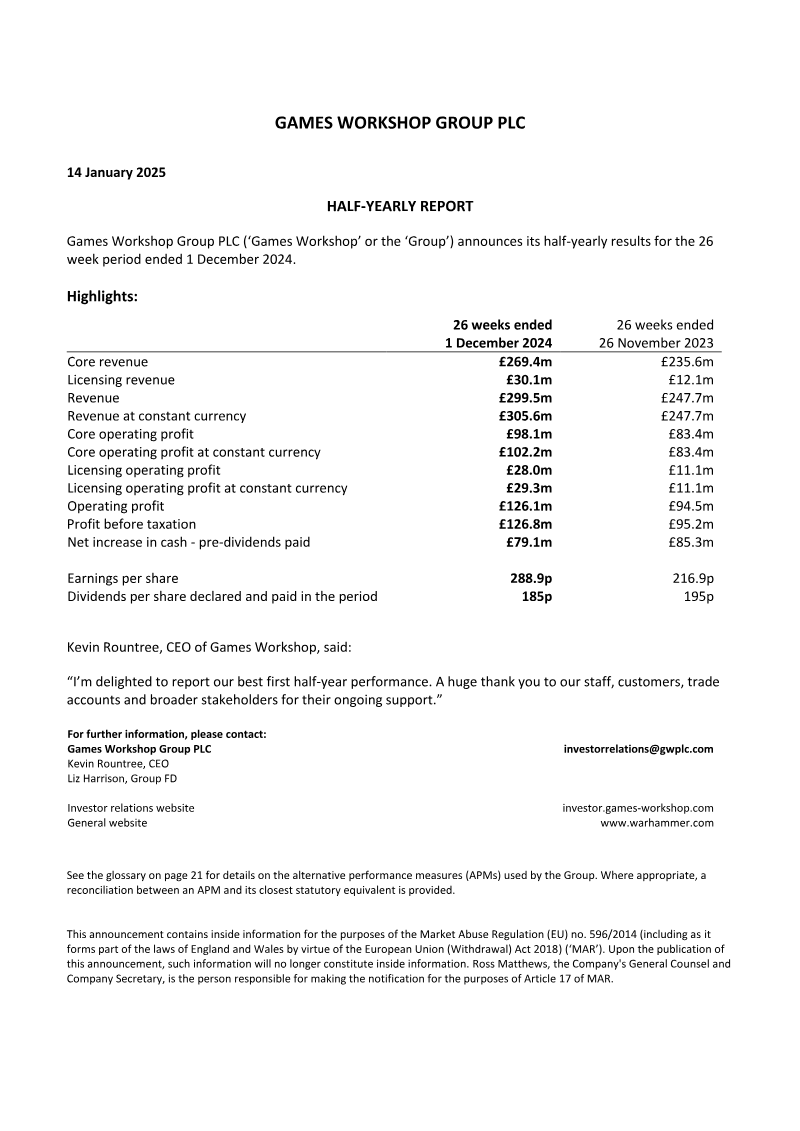
Games Workshop Group · 2025
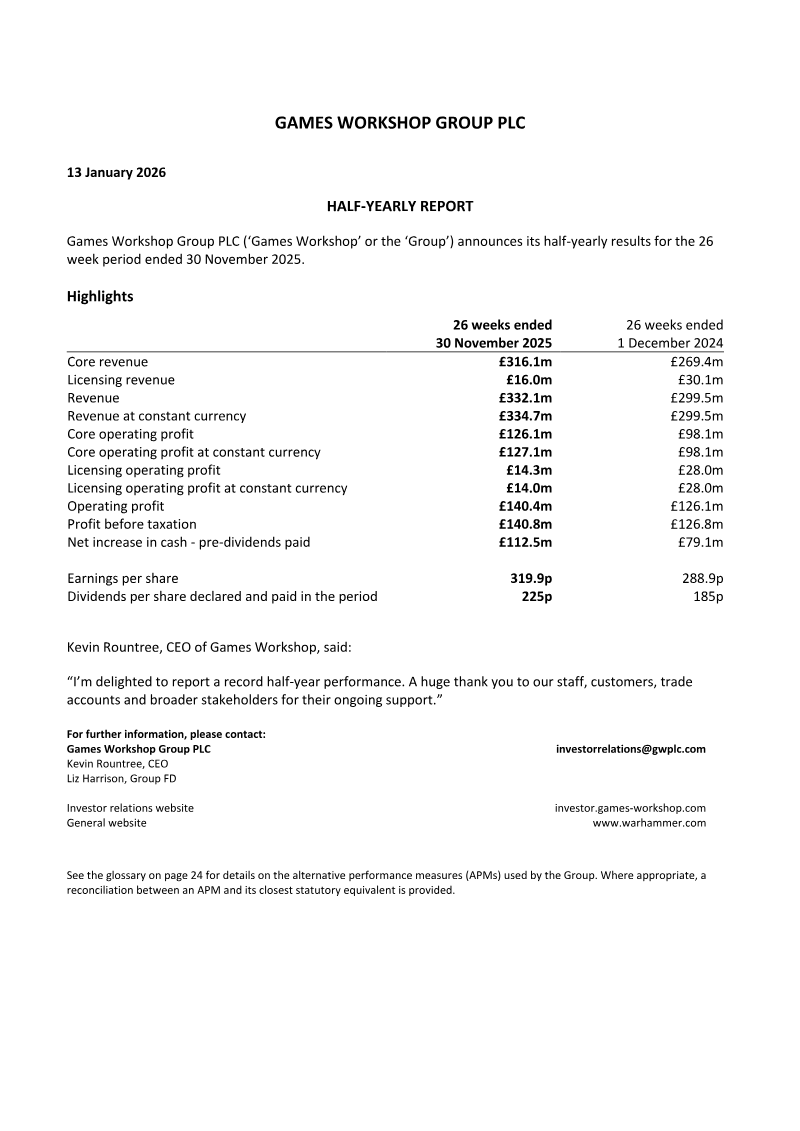
Games Workshop Group · 2025
Tencent · 2024
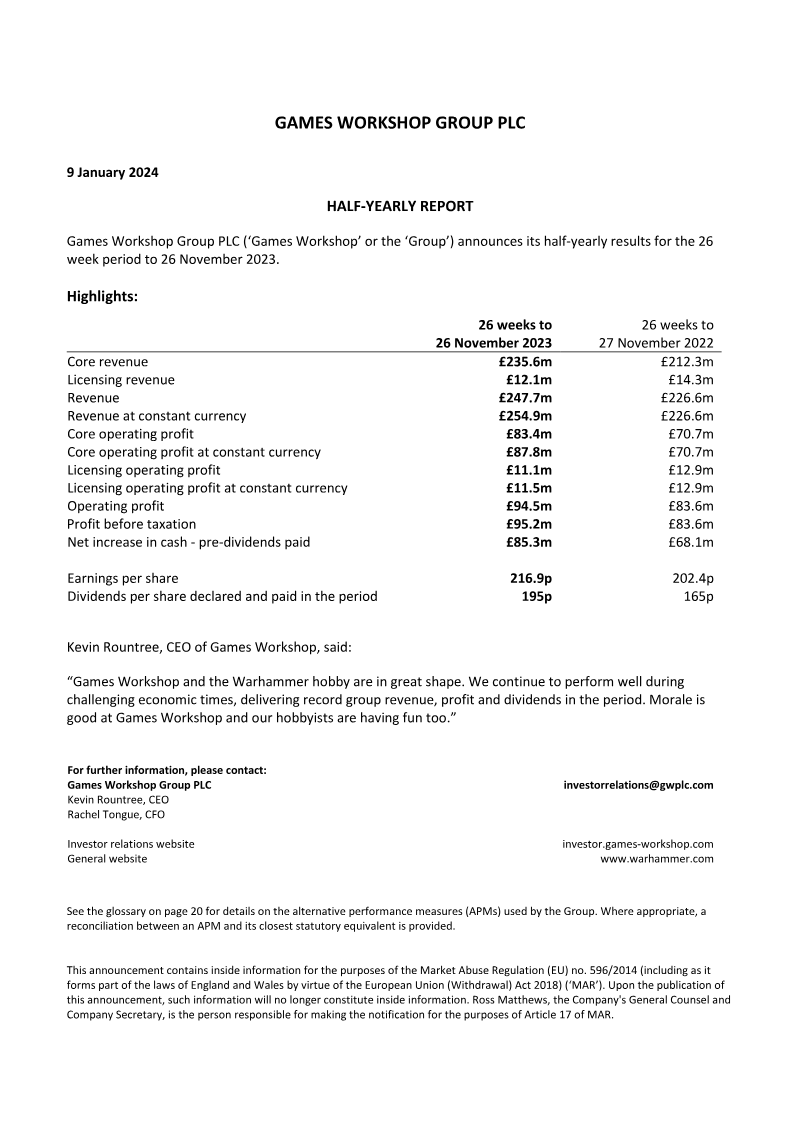
Games Workshop Group · 2024
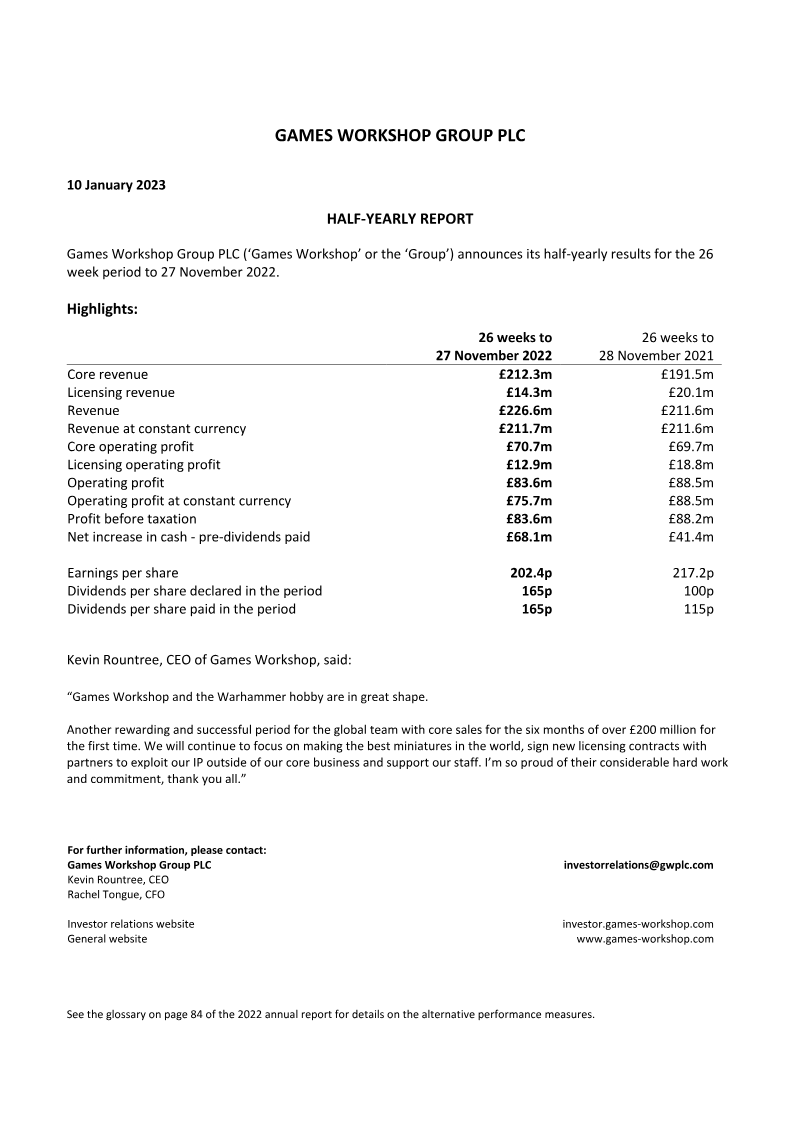
Games Workshop Group · 2023

Games Workshop Group · 2022
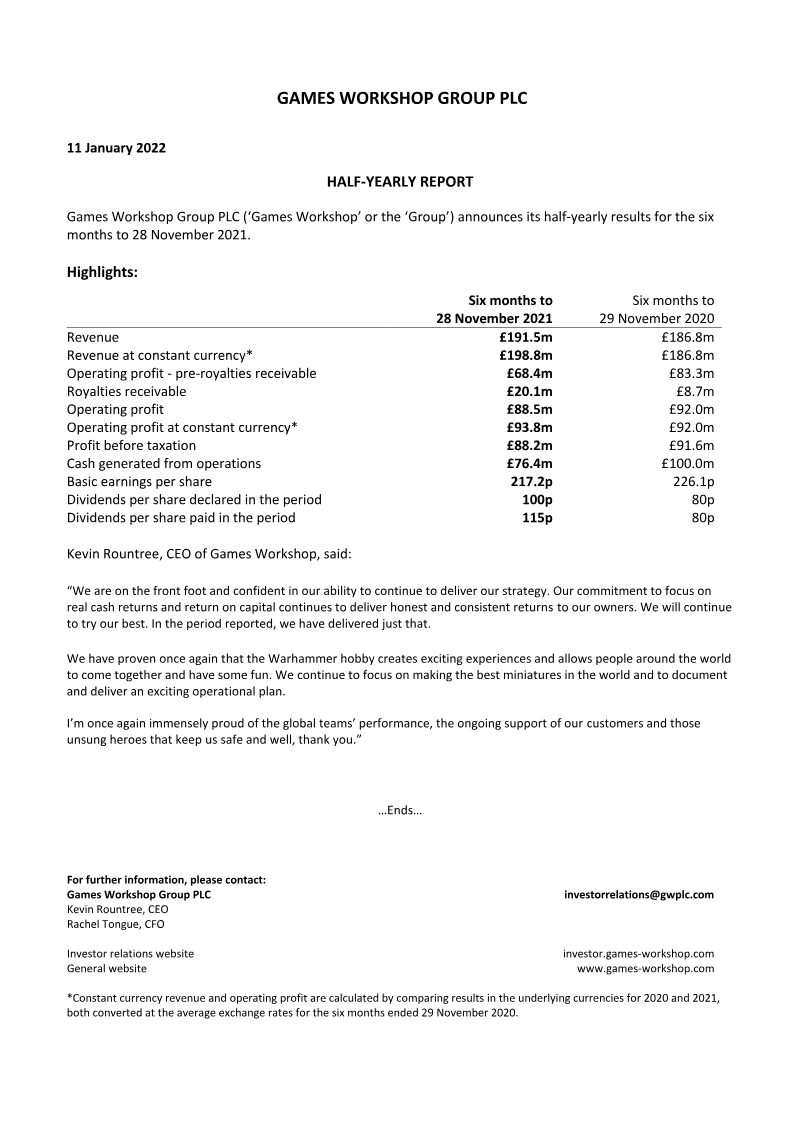
Games Workshop Group · 2022

Games Workshop Group · 2021
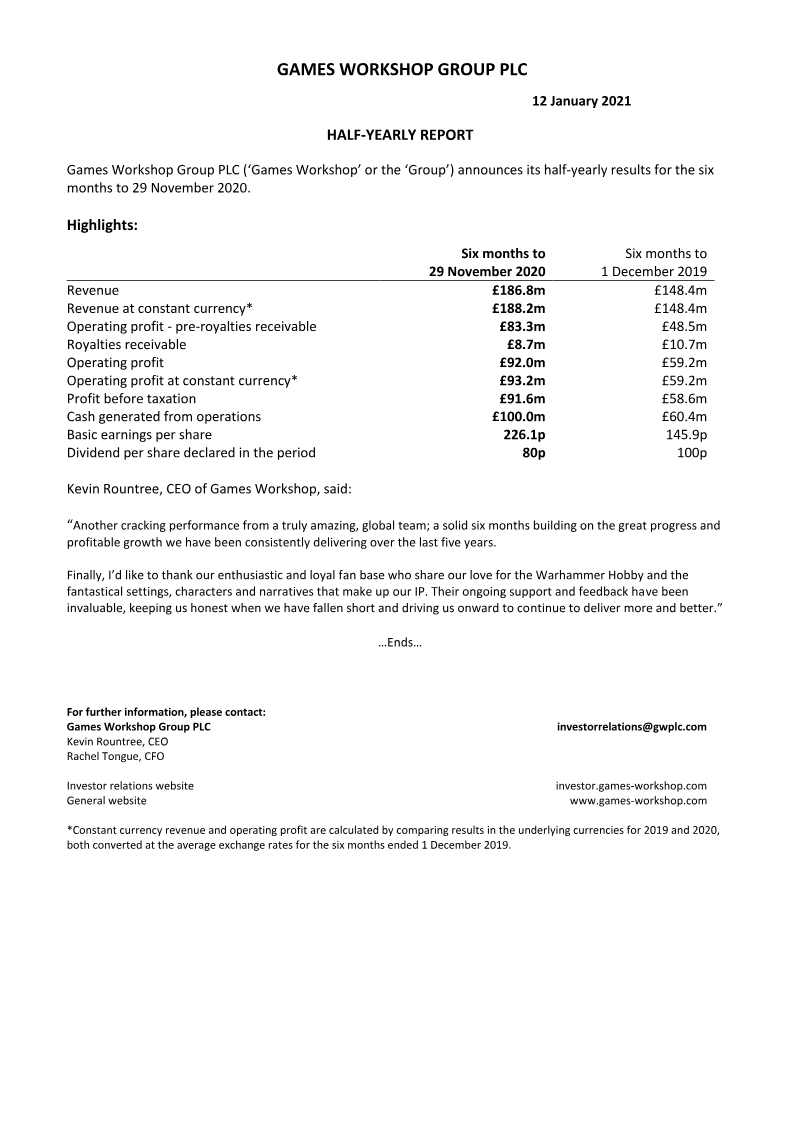
Games Workshop Group · 2021
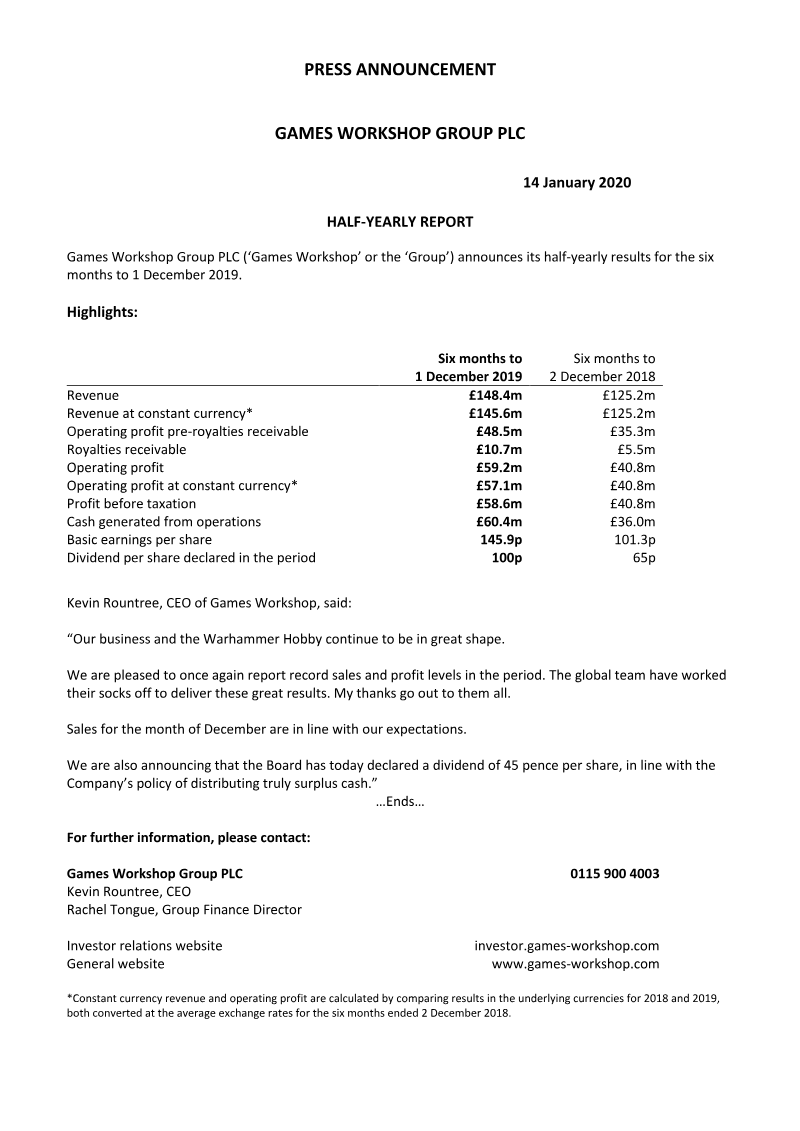
Games Workshop Group · 2019

Games Workshop Group · 2019

Ukie · 2024
Games Workshop Group · 2019
Remedy Entertainment · 2026
Frontier Developments · 2026
Frontier Developments · 2025
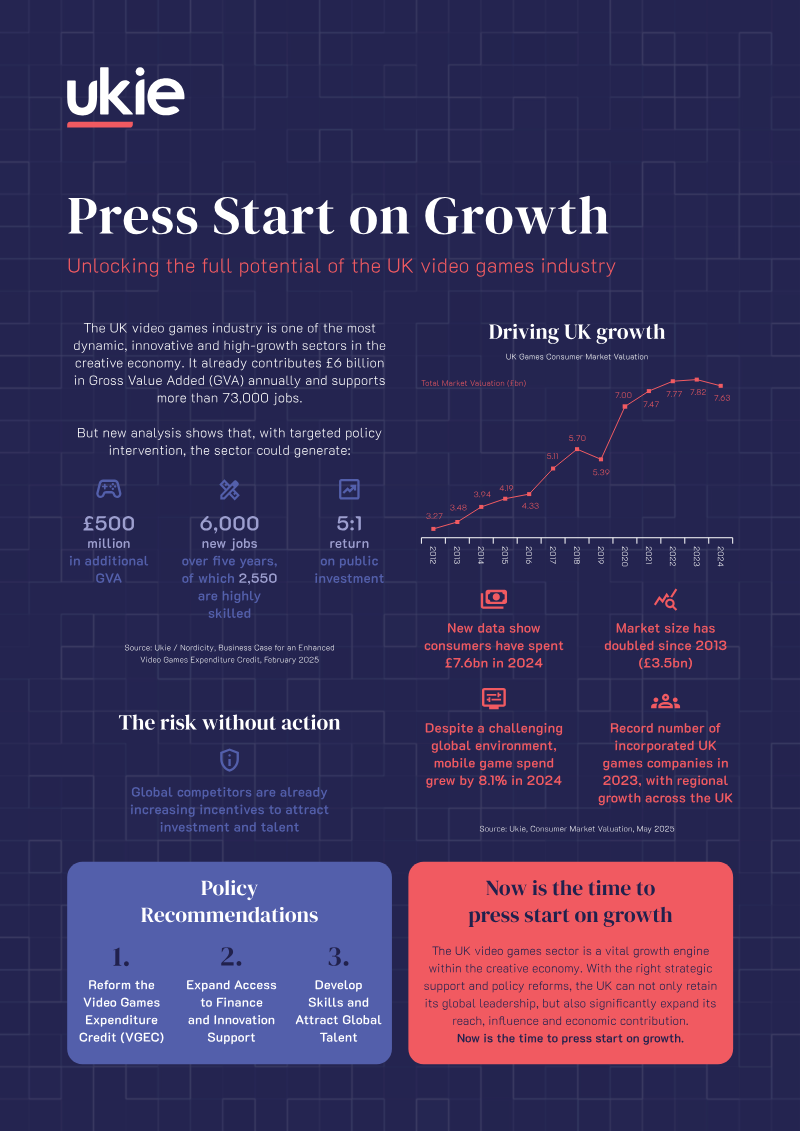
Ukie · 2025
Frontier Developments · 2025
Frontier Developments · 2024
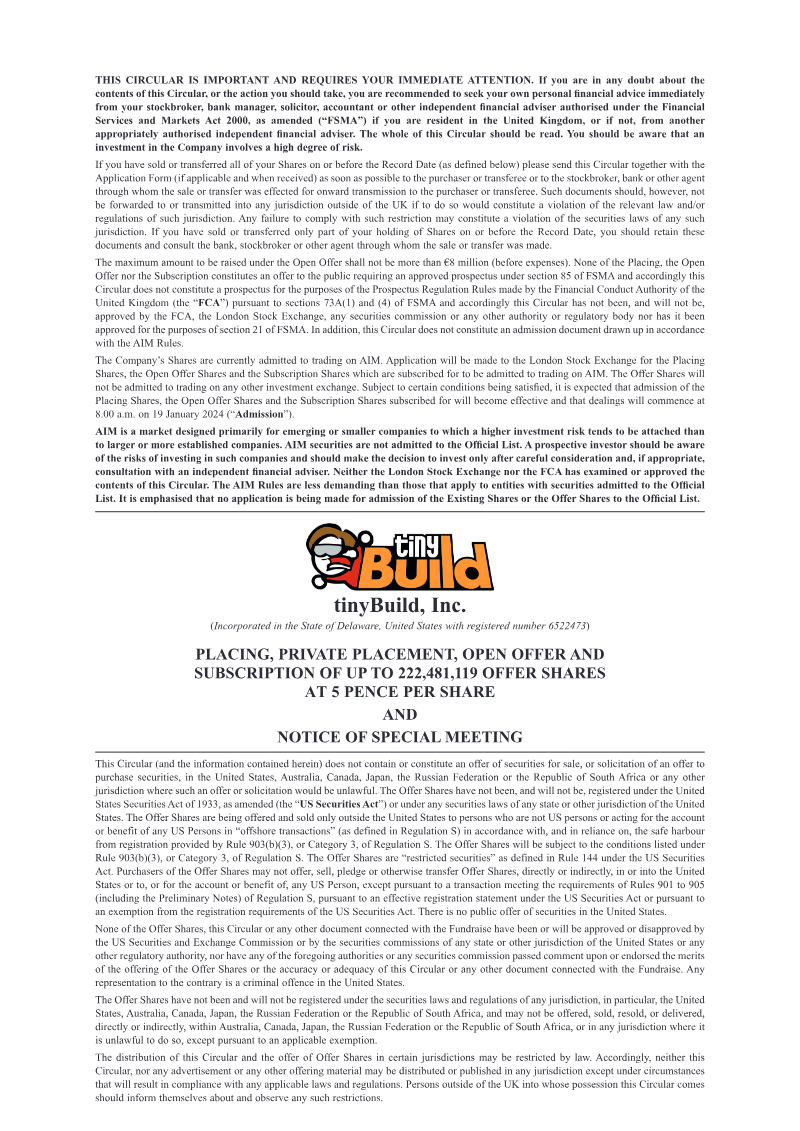
tinyBuild · 2024
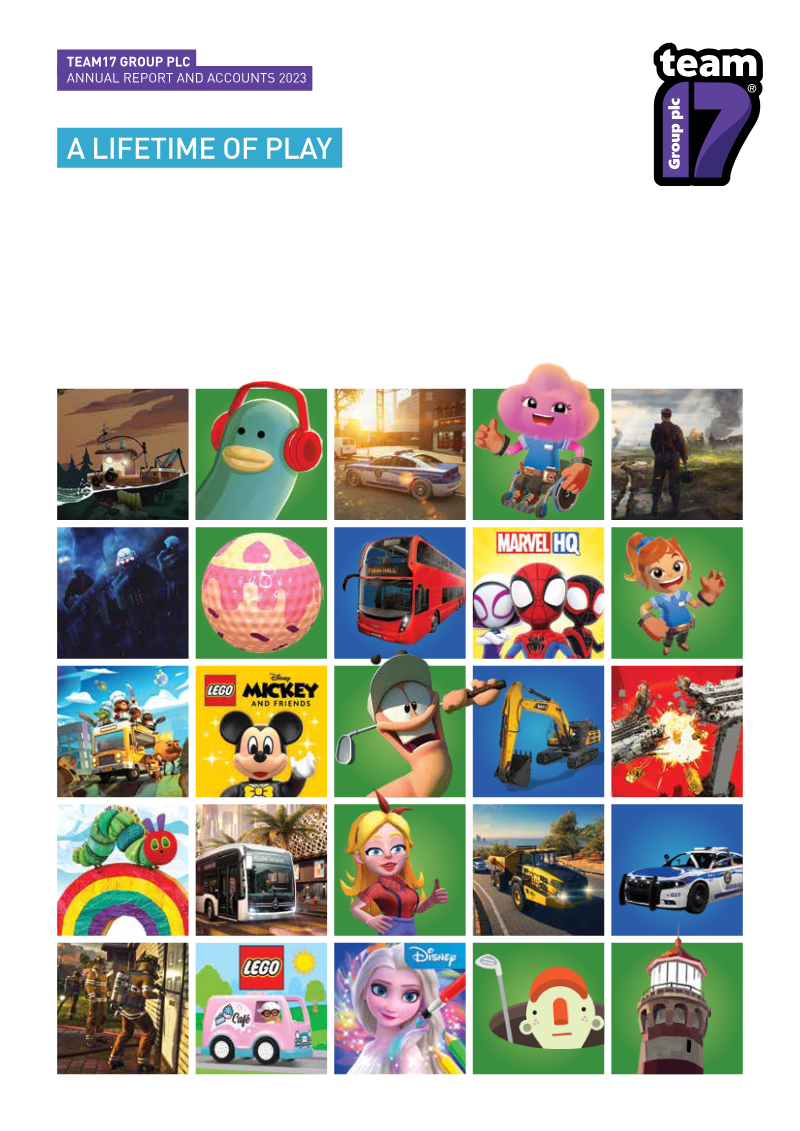
Team17 · 2024

Ukie · 2023