
World of Warcraft
GameBy Blizzard Entertainment · Released Nov 23, 2004
Documents about World of Warcraft
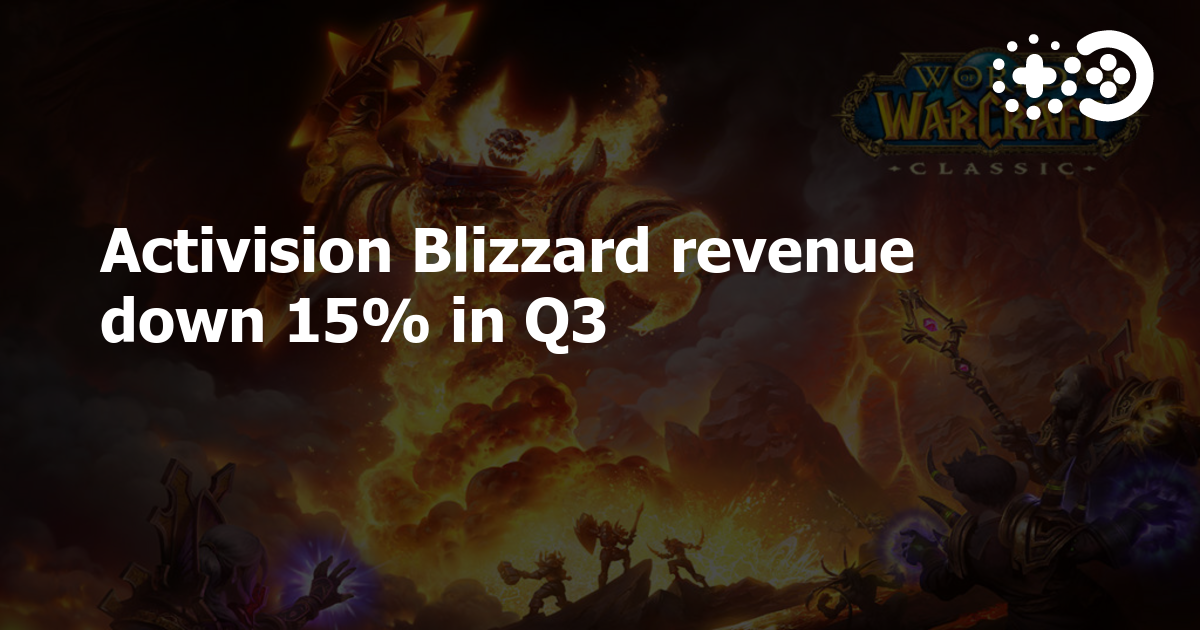
Activision Blizzard Revenue Down 15% in Q3
Activision Blizzard’s financial performance for the third quarter of 2019 reflects a period of contraction, characterized by year-over-year declines in both revenue and active user engagement.
- Activision Blizzard reported a 15% year-over-year decline in Q3 2019 net revenue to $1.28 billion, with net bookings falling 27% to $1.21 billion.
- Total monthly active users (MAUs) across the company dropped 8% year-over-year to 316 million, with declines occurring across all three divisions: Activision (down 22%), Blizzard (down 11%), and King (down 6%).
- Revenue by division saw significant year-over-year drops for Activision (down 47% to $209 million) and Blizzard (down 38% to $394 million), while King remained relatively stable with a 1% decline to $500 million.
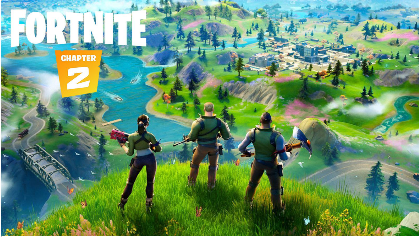
Gaming Bots: A Force for Good or Evil in the Gaming Industry?
The integration of artificial intelligence bots into the gaming industry presents a dual-natured impact, functioning as both a tool for player retention and a mechanism for exploitation.
- Game developers like Epic Games and the creators of PUBG use AI bots to bridge the skill gap for new players, helping to improve retention by providing a more accessible entry point into competitive environments.
- The use of bots in titles like Fortnite is a strategic response to massive player bases—such as Fortnite's 78.3 million monthly active users as of 2019—which inherently create a wide skill distribution that can frustrate beginners.
- While bots can enhance the onboarding experience, they are also used exploitatively in MMOs like World of Warcraft and Diablo to automate resource farming, which can devalue in-game economies and diminish the value of human progression.

The Games Industry's China Syndrome
The analysis examines the growing tension between the global expansion of the video game industry and the geopolitical realities of operating within the Chinese market.
- The 2019 suspension of Hearthstone player Ng 'blitzchung' Wai Chung by Activision Blizzard exemplifies the conflict between Western corporate values of free expression and the economic necessity of maintaining favor with Chinese regulators and partners like Tencent.
- China represents a critical market for the gaming industry, evidenced by the fact that approximately half of the global World of Warcraft player base resides within the country.
- The gaming industry is experiencing a maturation phase similar to Hollywood and the NBA, where companies can no longer maintain political neutrality while operating in polarized geopolitical environments.
Publishers Playing Politics
This analysis examines the intersection of corporate interests and political expression within the global video game industry, focusing on the 2019 controversy involving Activision Blizzard and the Hong Kong protests.
- Major video game publishers face a growing conflict between upholding Western democratic values and maintaining access to the lucrative, protectionist Chinese market.
- Activision Blizzard’s 2019 decision to ban professional player Ng 'blitzchung' Wai Chung for supporting Hong Kong protests highlights the prioritization of Chinese market stability over Western workforce and consumer values.
- Approximately 50% of the World of Warcraft player base resides in China, creating a significant financial dependency that influences corporate decision-making.
xCloud: Next's Move
This analysis examines the shifting landscape of the global gaming industry during late 2019, focusing on the transition toward cloud-based infrastructure, 5G integration, and the evolving business models of major publishers.
- Microsoft is positioning Project xCloud to dominate the cloud gaming sector by delivering console-quality experiences to mobile devices, supported by strategic partnerships with SK Telecom in the US, UK, and South Korea.
- The long-term success of cloud gaming platforms hinges on choosing between a high-end, curated content strategy or a high-volume, Netflix-style subscription model.
- Activision Blizzard saw a 223% monthly increase in subscription revenue following the launch of World of Warcraft Classic, though the franchise's year-to-date revenue remains down by approximately one-third.

Cloud Contenders Are Gathering Support: Team Up to Stand Out
The gaming and technology sectors are currently navigating a transition from unstructured growth toward a period of consolidation, regulatory scrutiny, and strategic alliances.
- The gaming industry is shifting toward strategic international alliances to manage high cloud infrastructure costs, exemplified by Tencent’s partnership with Razer and Microsoft’s 5G-focused collaboration with SK Telecom.
- Regulatory scrutiny is intensifying, highlighted by the FTC’s $170 million fine against Google for COPPA violations, signaling a broader industry challenge regarding data privacy and child safety.
- Macroeconomic headwinds, specifically US-China trade tensions and impending tariffs on electronics and consoles, are expected to significantly increase retail costs during the 2019 holiday season.
Companies behind it
 Blizzard Entertainmentdeveloper50
 Microsoftowner, developer1,080
 Activision Blizzarddeveloper, owner413
- Wizards of the Coastowner49
As the documents state it.