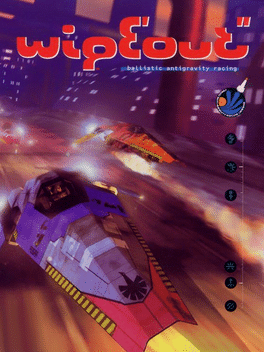
Wipeout
GameBy Psygnosis · Released Sep 29, 1995
Wipeout is a racing game that is set in 2052, where players compete in the F3600 anti-gravity racing league. The game allows the player to pilot one of a selection of craft in races on several different tracks. There are four racing teams to choose from, and two ships for each team.
Connections
Each row is a game or company named alongside Wipeout, each column a document, oldest first. A mark means that document names it. Select a row to see those documents.
About the game
- Released
- Sep 29, 1995
- Developer
- Psygnosis
- Publisher
- Sony Computer Entertainment
- Genres
- Racing
- Platforms
- PlayStation 3, Android, DOS, Sega Saturn, PlayStation, PlayStation Portable
- Links
- Wikipedia
Game data from IGDB.com
Documents about Wipeout

What will stop the Steam Machine failing again? And how did Helldivers 2's Xbox launch go?
The current landscape of the video game industry is defined by a tension between aggressive corporate consolidation and the necessity for studios to maintain distinct creative identities.
- The video game industry is shifting away from aggressive consolidation toward sustainable growth, evidenced by Square Enix’s divestment from Western studios as firms refocus on core competencies.
- Creative vision remains a viable market strategy, as demonstrated by the success of multiplayer-focused titles like Helldivers 2 despite a crowded and risk-averse landscape.
- High-profile release delays have created a temporary market reprieve, providing a strategic window for smaller developers to capture market share from major publishers.

An oral history of how PlayStation 1 conquered Europe
The PlayStation 1 achieved dominance in the European market during the mid-1990s by fundamentally repositioning video games as a sophisticated lifestyle product rather than a niche hobby for children.
- By mid-1996, the PlayStation 1 achieved an 8-to-1 sales lead over its primary competitors in the United Kingdom.
- Sony successfully repositioned video games from a niche children's hobby to a sophisticated lifestyle product targeting the 15-to-30-year-old demographic.
- The company utilized a decentralized operational model that empowered regional teams to execute 'global localization' strategies tailored to specific European markets.

'We went to dangerous places': An Oral History of How PS1 Conquered Europe
The PlayStation 1’s successful entry into the European market in 1995 serves as a case study in localized business strategy and unconventional marketing.
- Sony established PlayStation as the dominant European console market leader by replacing the distributor-based models of Sega and Nintendo with dedicated, on-the-ground local teams.
- The European PS1 launch was delayed by 20 days from its original September 9, 1995, target to September 29, 1995, due to PAL system technical requirements and distribution logistics.
- PlayStation’s European marketing strategy intentionally targeted underground culture, including installing consoles in 52 nightclubs and building organic relationships with DJs rather than relying on traditional mass media.
Pattern Recognition: Gameplay as Negotiating Procedural Form
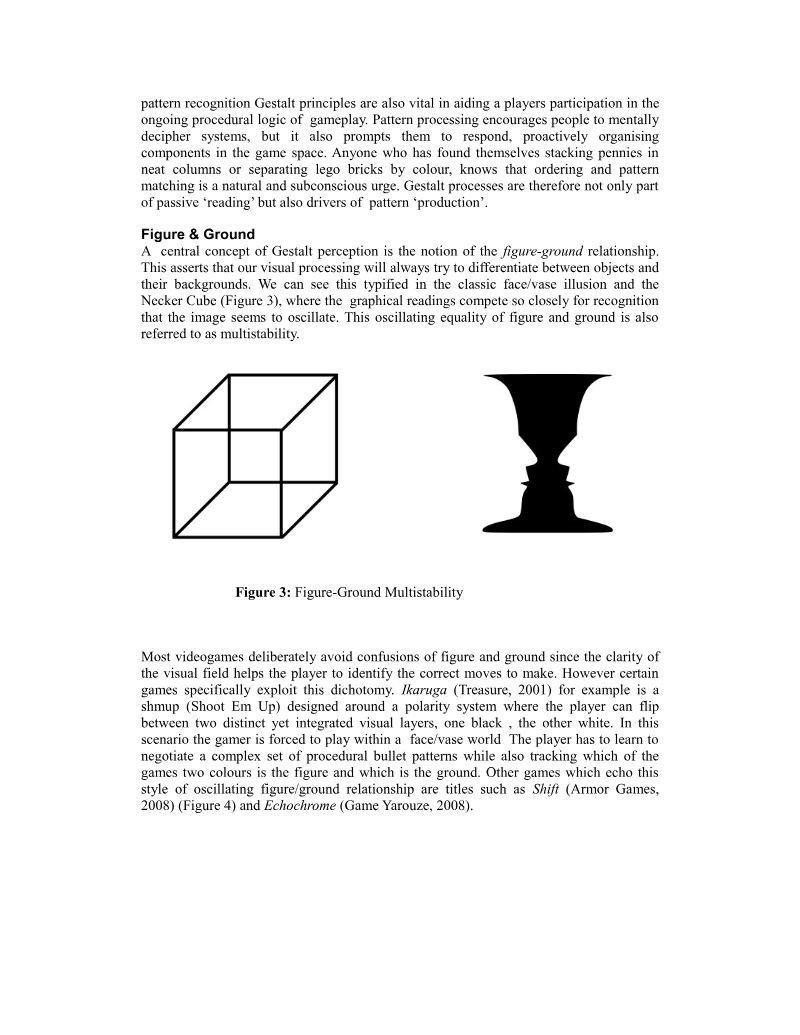
Pattern Recognition: Gameplay as Negotiating Procedural Form argues that pattern recognition, grounded in Gestalt psychology, is central to how players engage with games, and that this engagement is generated through procedural programming rather than simply perceived in fixed designs.
- The paper argues that pattern recognition, grounded in Gestalt psychology, is central to player engagement and that players actively produce patterns (not just perceive them), citing Metzger's claim that Gestalt principles govern both perception and production.
- Its most distinctive contribution is the concept of "pattern immersion," a sub-linguistic, Gestalt-based engagement developed through direct play that aligns with Csikszentmihalyi's notion of Flow, set against "narrative immersion," which relies on authored story and cultural convention.
- The author contends that designers often apply Gestalt principles as a top-down layer over predefined structures, underutilizing their capacity to generate emergent gameplay.
Companies behind it


As the documents state it.