
The Walking Dead: No Man's Land
GameBy Next Games · Released Oct 1, 2015
- How much revenue has The Walking Dead: No Man's Land made?
- How many players does The Walking Dead: No Man's Land have, and how is that changing?
- What do industry reports say about The Walking Dead: No Man's Land's performance?
- Which games compete with The Walking Dead: No Man's Land, and how do they compare?
Documents about The Walking Dead: No Man's Land

Beyond Almedia’s Freecash Ban: What’s up, REWARDED UA?
The rewarded user acquisition sector is currently navigating a critical period of transition following the removal of major platforms like Freecash from the Apple and Google app stores.
- Apple and Google removed the rewarded UA platform Freecash from their app stores due to concerns over misleading advertising practices and sensitive data handling.
- The rewarded UA model is shifting from simple 'install and delete' mechanics to a focus on long-term engagement, play, and monetization.
- Advertisers in the rewarded space often face challenges with profitability, as some top-tier games like Monopoly Go may pay $15–$25 per user, making it difficult to recoup costs within a one-year window.
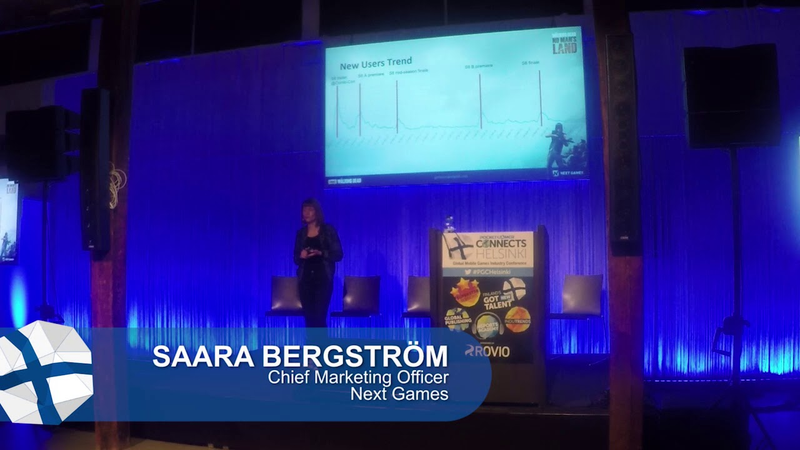
5 things Next Games learned from The Walking Dead: No Man’s Land
Next Games, a mobile developer specializing in licensed entertainment franchises, identifies five core strategic pillars for successfully translating global intellectual property into engaging mobile experiences, based on the development and operation of The Walking Dead: No Man’s Land.
- Synchronize game updates, marketing, and community management with the source material's broadcast schedule to maximize user acquisition and retention.
- Integrate IP owners as core partners rather than external entities to gain access to exclusive content and ensure authentic brand representation.
- Conduct deep audience research to identify specific demographics, such as younger fans prone to FOMO, and tailor game mechanics to their behavioral tendencies.
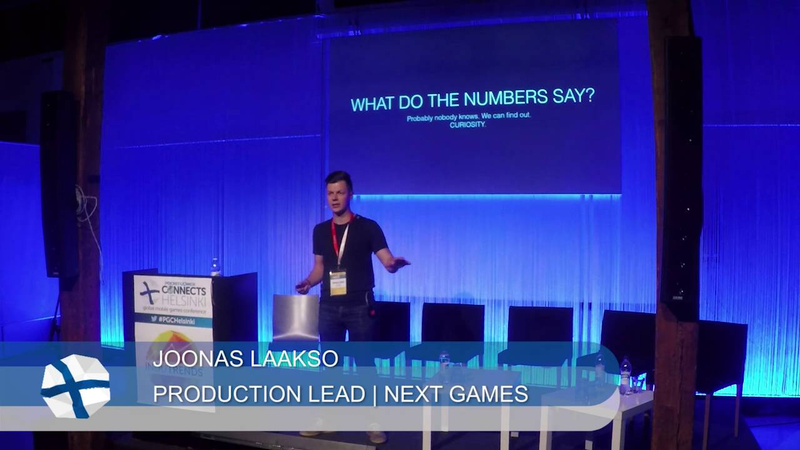
How to make good decisions in games development with lessons from The Walking Dead: No Man's Land
Effective game development relies on fostering a culture of empowered decision-making rather than relying on rigid, top-down bureaucratic processes.
- Empower teams by shifting from top-down bureaucracy to a culture of shared values, such as courage, caring, and curiosity, which fosters autonomy and alignment.
- Implement a four-step decision-making framework: evaluate value to the user, value to the business, opportunity cost of the task, and the risk of potential failure.
- Prioritize data-driven validation over personal assumptions, using analytics to verify hunches and confirm that features genuinely delight players.
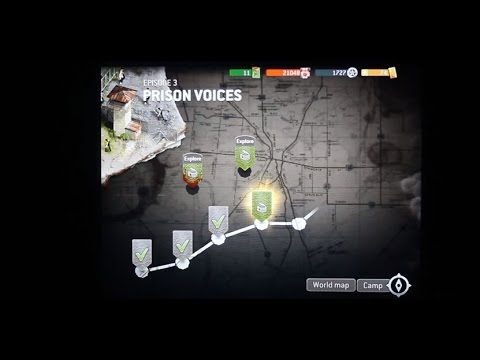
Completing Mission 4 in Episode 3 Prison Voices in The Walking Dead: No Man's Land
Completing Mission 4 of Episode 3 in The Walking Dead: No Man's Land requires a strategic departure from standard squad compositions.
- Mission 4 of Episode 3 requires abandoning standard balanced squad compositions in favor of a specialized, offensive-heavy loadout to counter high-density walker waves.
- The primary objective is to secure locations by closing doors to block spawn points, a task that leaves the acting unit vulnerable for multiple turns.
- Armored enemies necessitate a team structure that prioritizes high-damage output over defensive tanking capabilities.

Monetizer: The Walking Dead: No Man's Land
The Walking Dead: No Man's Land, developed by Next Games, utilizes a hybrid monetization model common in mobile strategy and RPG titles.
- The Walking Dead: No Man's Land, developed by Next Games, maintains a consistent position within the top 50 grossing mobile charts in major markets like the United States.
- The game utilizes a hybrid monetization model that pairs traditional time-gating for base-building and survivor training with hard currency (gold) bypass options.
- Revenue is driven by a tiered currency purchasing structure and starter bundles that provide immediate utility, such as legendary equipment and additional squad slots.
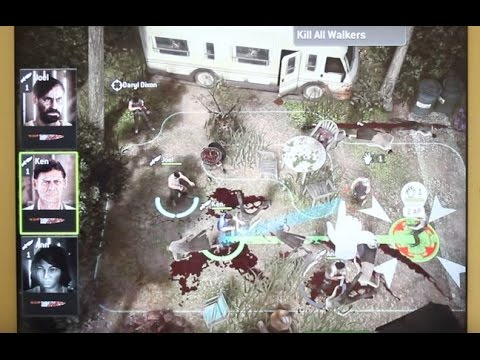
FTUE: The Walking Dead: No Man's Land
The First Time User Experience (FTUE) for the mobile strategy game The Walking Dead: No Man’s Land demonstrates a structured, multi-layered onboarding process designed to acclimate players to both turn-based combat and base-management mechanics.
- The Walking Dead: No Man’s Land utilizes a multi-layered FTUE to bridge the gap between turn-based combat and base-management mechanics, specifically targeting a mass-market audience drawn by the intellectual property.
- The combat tutorial emphasizes mission objectives over direct engagement, teaching players to manage action points and evaluate the risk-reward ratio of fighting versus reaching exit points.
- The game incorporates a base-building meta-layer inspired by Clash of Clans, introducing resource management, time-gating, and character progression to establish a long-term core loop.
Companies behind it

As the documents state it.