Transcript
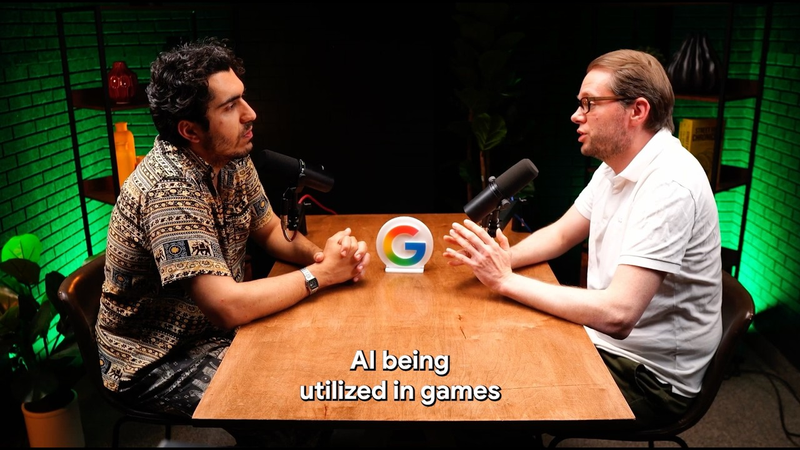
Everyone knows the hot topic right now. Like, literally in one night iOS Apple directly decided to remove Free Cash by misleading ads and sensitive data issue. And next day, Google did the research, double check on it, and did the same. And we were discussing who is the biggest Al Media like literally have beaten all of them. Free Cash got top two in US App Store, millions of installs every month. Everyone was talking about it. And what happens, guys? We do have James and Malcolm here. So, of course, I will do the joke. Welcome, Malcolm. Malcolm, who are you?
Yeah, I'm um well, as [clears throat] you said, I'm Malcolm. Um I'm coming from the sort of mobile gaming space. Um worked in user acquisition for about 7 years for different mobile games companies. Uh companies like Wooga. Uh was head of user acquisition at Next
Games. Um I launched The Walking Dead: No Man's Land. That was probably my big favorite launch uh as I was a big fan of the game uh in the in the franchise. Um now I am a solo entrepreneur um working on my own rewarded app, actually. Um and it's an alpha. Um and just started our alpha testing this uh this past week.
because with James we were thinking about talking about rewarded. Wow, good good good coincidence. James, uh who are you?
Yeah. James Crab. Oh, I think Malcolm and I have similar um backgrounds. I also um I'm from the mobile gaming space, more on the product marketing, business development side, but I've also worked on the UA side and ad tech, ad monetization side of things as well, having worked for companies like Kabam, Huge Games, Outfit7, Wargaming. Um and then more recently in the in the rewarded space, a bit in Web3 when that was a thing briefly. Um
and now um with um doing a couple of things. One is with Mode 7 um where we are um we're collective, we're consulting for companies that want to either sell into the gaming space or gaming companies themselves. Um maybe UA um uh product um uh social um and BD sales. Um and also I'm working with um uh another founder on on another well, um on a gaming project called Wonderful Worlds, which is a multiplayer um gaming project. We have um uh launched a game on on web, um mobile, and PC. And um looking to to do more with that, too. Cool. And as you both know, uh the hot topic is Free Cash's removal uh from both Google and Apple stores. And on the top of this, we have been hearing rewarded has been booming and booming. So, we are
here to chat about what is going on in the market. Where do you start? Uh feel free, guys. Fire free.
Yeah, where do you start? That's a good question. I guess let's start with Well, I think it's always good to start with the context or at least the kind of where the industry was born from. And Malcolm and I, I mean, we're we're not spring chickens anymore. We've been around the block. And we we were we were talking the other day or yesterday about about how um when incent was a thing. Um I don't want to um uh go too deeply into it, but but we both we both were part of that. We both were parts of the the industry then when um you could buy users, you know, to install your app to boost your chart position. Um I think the early evolution of uh the current rewarded sort of Yeah, like very early rewarded um you know, I did campaigns when I was at Kabam and um it it was part of your marketing mix,
you know, to to buy 20,000 users in the US on a weekend to push you into the top 20 or the top 10. Uh and then, you know, you benefit from all of the organic installs. But we know how that ended up, right? Right, Malcolm?
It was exactly It was actually acceptable for a while, though. Uh it was not considered a gray or or sort of black hat thing. It was actually um everyone was doing it back then. Uh but then they did crack down on it at some point.
Yeah, it was um I think someone mentioned or I mean, since the Free Cash thing um happened, you know, people have been uh sort of comparing it to the the AppGratis um time when I think AppGratis were um kicked out of the store. And Apple and Google both took a stand in in on this on this um you know, boosting your chart position through incent um uh way of doing things. So, um it There's There's There's not really similarities, to be honest, but um it's it feels like uh uh something
that's going to shake up the industry a little bit, maybe, you know. Yeah. Yeah, exactly. And I I think um another sort [clears throat] of thought on that point is like um the back then it was it was kind of accepted, but it was new. So, it's like, okay. Well, you know, getting um getting into the top charts list actually gets you, you know, organic uh installs. So, it actually gets you eyeballs from people who I'm just going to explain for maybe those who don't know. Um who who would have not have normally seen the app. So, it was considered a valid strategy for user acquisition. But then at some point Apple, you know, actually realized that everyone was just gaming the system. And they actually got rid of most of these uh top downloaded lists completely. Um so, you used to have uh a whole bunch of different different categories and everything that you could get organic installs and you could get people and visibility from.
Um so, yeah. So, now uh that that was back in the day you'd get the sort of like incent was um you'd get paid 10 cents or a user would get paid 10 cents to come in and install an app. Um and then they would just like immediately deinstall the app like 30 seconds later. And they would, you know, have their 10 cents or whatever. Um and now with you know, kind of where we've where the where rewarded has evolved to, which for me as a user acquisition person uh is really interesting because it's no longer just install the app, delete it. It's now, you know, install the app um play to for 30 seconds, reach level five, um you know, upgrade this building. So, now you've got all these different sort of like engagement layers that further into the actual app to where you have users who are playing who have to actually play the game to get the rewards. Um and so, I think that's the key difference and why the rewarded has had such a boom in recent
years. Yeah, I think that's a good point. Um it's I also I think like and I feel that the I mentioned, you know, I spent a little bit of time in the Web3 space and um that whole kind of era, I guess, of which was during COVID, during lockdown, there were um Web3 games that were that were invest or be part of the game economy and earn from it as well. And I I really think that then the next step after that was the the whole play and earn or get paid to platforms that sort of grew and and grew very quickly after that because players realized they could um be, you know, decide what game they want to play, but also have a part in in in that game. Not ownership like Web3 promised, but um being being, you know, having a part of
that value chain. That was just previously part, you know, between the game developer who were buying users from a network or or a platform like Facebook or or whatever. And um for for huge amounts. Um and so, players were being traded for huge amounts, essentially, but not seeing any of that. And now the the beauty of rewarded is that they do. I also think like rewarded platforms solve a block problems for UA people.
Absolutely. During a time it's hard to find volume. Yeah, totally. I mean, UA has gotten so expensive over the years. I mean, some games are paying, you know, I don't know, five to 10 dollars per user. So, the the promise of rewarded, which is really interesting, is, you know, well, why spend that on ads when you can actually just pay users directly a portion of that. Um and then they come in and try out the app. If they like it, they stay. Um which actually um and I think you know more than I do
about this James, but uh there's a significant proportion enough to make it, you know, viable. Uh a significant proportion of users who um they'll come in with the intention of just getting paid. Um but they'll actually stay because they like the game. Um and of course, that's up to the advertiser to have a cool game that they like and everything. Um Yeah, I think um you're right. It's kind of what I was sort of liking it to as well is um users are a little bit more savvy nowadays. And um they know that they they they're looking for a new game to play or they're looking for a new game to play and and pay in. So, they're not going to go to the store for that anymore. They're not getting anything from that, right? So, they come to one of these platforms, probably one of the more established ones, which have a App Store feel to them a little bit. And they uh are able to browse and find their next game that they want to play and earning as well, you know, and and sometimes if
you're a paying user you can earn you can earn and big. So I mean you're not essentially earning because you end up the idea is you pay more than than what you actually take out of it. But I it turns it ends up at a at a you know, you're making these purchases at a discounted rate.
We should also point out that it's not always super profitable. Like I know the games, you know, like just like the giant ones like Monopoly Go, they're not paying four five dollars, you know, like it's going 15 20 even 25. So I even don't know if they make it up after 1 year like literally recouping is kind of not that's let's say great as depicted.
Yeah, I think that's a good point. I mean there's there's winners and losers as well. So I think the industry kind of relies on that that that not all every advertiser that buys users on these platforms will find the magic formula to make it work. And the platforms need that as well
because they need that ad spend that's that's going to be that maybe isn't going to work for some but it's they can make it they can then make that work for others. They have more of a chance to make it work for other advertisers. Yeah. So yeah. I mean just like you know, general UA there is also winners and losers, right? Like you you may have just you know, sometimes you have games that are just not super promotable and it's really hard or maybe the UA cost is just too high to recoup through the free to play business model or you know, maybe your your your game itself is not optimized well enough to recoup that that UA cost. So there's just like a lot of variables that goes into it. But I do think that um you know, that that even if you have the Monopoly goes paying 50 euros or 50 dollars per user that's likely because they actually have
purchase events in their task list, right? Like so um you have stuff that is more engagement focused for users to do or for for players to come in and do. So it could be just reaching a certain level. And they can do that just by playing. I think that still provides some value to the advertiser. You know, they get active users. They get you know, they they have a certain percent that they're going to naturally convert to paying users from that alone. But then you also have you know, actual revenue generating events as a reward as well. So like if they purchase a Monopoly Go, I don't know, a pack of a 10 dollar pack of whatever, you know, virtual goods then the user gets back a certain amount of that. I would assume if some if if if a user is paying you know, 50 earned 50
50 dollars from Monopoly Go as an example just as an example. Monopoly Go's gotten it on their earn as well. They've earned out, you know, from from payments from that as well. So it it does it is a little bit is on the advertiser to set up their event Mhm. tasks to be profitable. Like if they don't do that in an intelligent way, then it may be that they're not able to recoup their costs. Um Yeah, I think that's
Yeah. Sorry. No, no, no, no, just to jump on that. There's a that's a good point because in the early days of rewarded a lot of advertisers didn't really under didn't really um understand that so much. I had you know, how rewarded campaigns differ from traditional UA campaigns and then a lot of them would start applying LTV curves to that that that that that have been built on Facebook campaigns to rewarded and obviously it's rewarded is um as a as a rewarded platform you can quite easily meet seven day seven ROAS
goals because you can just pump in lots of higher payouts in the first seven days. Users are really engaged because they're earning a lot and you know, the advertiser thinks wow, this is this is great. We're on on target for 100% ROAS in on day 14 or whatever. But then obviously the rewards do stop because the platform needs to make their margin and the campaign needs to stay profitable for them. So but then later down the line as as I think advertisers became more educated a lot of them realized the opportunity that was there if they got it if they got it right. Like you said if they had enough short mid long term events in their game, they could optimize you know, the the reward structure work with the platform um and then obviously platforms also wanted to wanted to make sure that campaigns saw long term success for advertisers. Everyone knows the hot topic right now like literally in one night
iOS Apple directly decided to remove Freecash by misleading ads and sensitive data issue and next day Google did the research double check on it and did the same. So what I mean like the big picture here, we do have a 17 years old founder out of Almeda. Third fastest growing company in Europe which is crazy and we were discussing who is the biggest Joe like Xbox from Germany Almeda like literally have beaten all of them. I would say like everyone was saying we are scaling the most with Almeda. It's like working great. Others are I don't know and where we come to Freecash got top two in US App Store millions of installs every month and everyone was talking about it. And what happens guys? Well, that's the question.
I mean we know what TechCrunch have written or alleged. So we know kind of I think we can we can narrow down to three kind of areas or three kind of areas to look at. First obviously is the TikTok ads that everyone was talking about the get paid to scroll messaging that we've all seen on on TikTok. We've all seen these ads running. And that obviously worked very well to to get lots of users clicking and and clicking through and and and downloading Freecash. And then the other is the the other allegation is the um uh I think Freecash had already been banned from the stores and then there was a the the idea that that that they had bought another platform renamed the the
platform account and launched Freecash relaunched Freecash Freecash. The third allegation is area of alleged kind of wrongdoing I guess is data harvesting which I don't know there's not much detail on on that or sort of what actually they were they were they were allegedly doing. So I think we kind of like don't have a lot to go on there. But yeah, certainly the first two I think you can kind of come up with your own conclusions. You can see you know, um you can match what you see on on TikTok with obviously rise in the in the charts. Malcolm any thoughts? There was another one I just have in my list which was fake reviews and bought traffic on the App Store pages. Um
[clears throat]
I would just add though that's a really tricky one to prove. Actually most of these are very tricky
to prove. That's why I mean when you see it as a sum of some it does seem like there were some corners cut, right? Like the growth was absolutely insane. First of all, I also want to say um respect to Moritz as a as a young founder as a founder in general. Like I'm really have been impressed with what he's been able to do. And like it's incredible actually. But also this kind of growth is always a little bit especially in the all night world. You're always a little bit like all right, let's peer under the curtain here. Like how are they doing this? Which I mean I don't know how much of this stuff is it comes out in the end to be you know, provable or not provable. That will have to remain to be seen. I think the the biggest one that's obvious is the ads the misleading ads because that you can directly point to and say look there is the ads. You ran those ads or a partner of yours ran those ads.
And I think that in general none of these are super crazy to be honest with you. Like they're all just I would say gray area stuff. But once you put it all together, it does erode trust to be honest. It does erode trust in sort of like rewarded in the industry a little bit and that's what I think is unfortunate for for others in the industry and also for for the brand of Freecash as well. Whether they're able to get back on the App Store. I hope I hope they are. But yeah, I mean like to me the ads it's not good, you know, it's definitely not but on the other hand the the excuse that they gave is it's not like it doesn't absolve them. But like if it was done by their affiliates, then it means that they were a little bit too lax with controlling their affiliates, right? Like they should have
cracked down on their affiliates and been like, "Guys, like we can't run ads like this." Which clearly they're going to do now. But like I understand when you're in that phase when you're like ultra mega super growth phase, you might let that slide, right? Like you might feel like, "Oh, look the other way. Didn't see that." You know, and that's what tends to happen in the industry, unfortunately. Um, and I do think that, um, we need to repair the the image of reward and rewarded apps after this because it's going to do serious damage not only to users who might be willing to try something like this, but also to advertisers. Like advertisers are going to be nervous about running rewarded app campaigns, which is not good. Mhm. Well, yeah. I mean, I guess advertisers also benefited a lot from the massive, um, scale that became available that became available on on Freecash. And that and it's even harder to kind of, um, like you say, kind of crack down as as All Media or Freecash to to crack
down on on affiliates. And also I was always expecting, um, TikTok to do a little bit more or to understand what was going on there, you know? I don't think
Sure. Good point. There was a There was an article from, um, was it Wired? And also, um, another, um, another industry publication and they said, um, that TikTok had removed the these ads. Um, I'm not sure whether that was verified or they had any contact with TikTok, but the ads were certainly not removed as much as Moritz and the and the team at All Media might have tried to, um, think it also highlights the fact that, um, that, you know, affiliates clearly were able to to run wild with it and, um, you know, uh, maybe that was allowed in a way cuz it cuz it was bringing in massive massive growth or maybe it wasn't, but, um, we we don't know. Uh, but it does does sort of highlight a kind of, um,
a little bit of a lack of control on the platform side and on, um, the advertiser side in that in that case. I mean, yeah. So, um, yeah. The other thing I wanted to bring up, what do you guys think about the topic of the illegal data harvesting? Um, because I mean, I'll just tell you my quick thoughts on it. Like, first of all, I'm wondering what exactly that means because, um, if it means that they were allegedly, um, gathering this data through various means and I can imagine how they might be able to do that because they have surveys, by the way, uh, as partners who are asking a lot of personal questions personal data. So, one could imagine that there might be a way to do interface with that. But, it could also be I mean, I don't want to say it's a misunderstanding, but like it could do they mean that like, you know, these
surveys where they're redirected to a third party and an advertise who's paying for that data, paying users for that data? Is that what they're talking about? Are they talking about actually that Freecash allegedly also gathered this data somehow? That's where I feel it's unclear, you know, there's, um, that's where the I think the TechCrunch article was a little bit it highlighted maybe their lack of understanding around around that or what was happening.
Mhm. And, um, you know, cuz yeah, obviously, um, they collect data through surveys on their on their platform and these are third-party surveys and that's not collecting data. It's it's it's obviously the user is being paid for answering survey questions. Um, and I I think All Media also came out and said, um, that they that that they're using user data is used for, um, optimizing advertisers' campaigns. TechCrunch also mentioned like health, um, data and all sorts of sorts of
things. There's There's I don't think there's any way that that's something that All Media would would doing, but maybe it's questions that were asked on third-party surveys, you know, about the person's health or about
Which is how the industry works, actually. That's like very common, right? Like So, I think that's why like it and also I think it de- de- kind of values the article the TechCrunch article because they feel it feels like they're kind of, "Oh, we we find something else, you know. Let's Let's Let's allege something else." Uh, just to play devil's advocate, I mean,
[clears throat]
maybe there is something that they didn't mention, but I would like to see a follow-up then. I'd be like, "Okay, look, we actually saw packets or we actually trans- intercepted data being transmitted to the Freecash servers, you know, that like then that's proof, right? Like and they said like, "Okay, we had our our tech people, whatever, like broke this down and we can see that, you know, gender, uh, sexual orientation, etc. was transferred
actually to the Freecash servers." Then that's where I'd be like, "Okay, then that's like that's a that's a violation. That's a blatant violation of trust, you know, um, of the users and and whatever else." But they didn't provide that yet. We should also point out how our mobile ad tech is shady in the end. Like everyone is playing around the gray area. That's how literally the business is going on over there and let's give the clear example. AppLovin bought Adjust for 1 billion and on the top of it they had Lion Studios for many many years. They also had acting like over 1 billion downloads also. Yeah, I mean, look, like, um, that this is always been the case in the ad space. There's always data being passed around between different companies. Um, GDPR came in and, you know, actually I think that was a good thing. Tried to clean this up a bit and data privacy, uh, Germany where where
I'm sitting, uh, is very very strong on data privacy laws and things and I think that helps, but it's tricky because it's also how the whole industry functions. Like you need to be able to send data around. Now, most of the time it's anonymized, right? Like most of the times I'm not sending Omer's email address and behavioral patterns to a third party. I'm sending an ID that represents Omer that's anonymized, right? Like So, but that's actually required. Like if you take that away, then I mean, like the whole industry collapses and you get non-relevant ads that are just, you know, all probably Coca-Cola and Visa like you would on a billboard or something. Um,
[clears throat]
and so I think that's part that's the one part of it. The second part of it though is I do believe that there is potential, especially in the rewarded app space, to be more transparent with data and pay
users for their data. Like directly pay them. Like this is where I had a realization last week when I was building my app, which is called Farm Cash, and I said like, um, okay, in the sign-up process, for example, we have we ask, um, some basic demographic data. Um, we ask uh, gender and we ask age and then we ask for email to sign up, right? And my initial thought was like I looked at what the industry does and everyone just asked for it and sometimes they allow you to opt out or not to not answer. Sometimes they don't. It's like if you want to join if you want to play, you have to pay in the sense of, uh, giving us this information, right? Um, and then I realized like after this whole topic and I started thinking about like whether this data harvesting happened or not, I started thinking about like how could we do it better? And I said like, "Well, we actually have the mechanism to pay users. We have the the full payment funnel, the full uh, all the tools, you know, we have a
virtual currency in our own app. So, let's just pay them for the data points." So, that's one of the things that I want to explore in in Farm Cash, which is like when you're signing up, if you want to provide, um, gender, okay, that's 20 10 cents, 20 cents, something like that. If you want to provide age, that's also 10 or 20 cents. But if you don't, then don't, right? So, I kind of want to go in a radical different direction with it with what I'm building. I hope that, you know, other rewarded apps would also consider this and and and and look at that. I mean, you could take this is we're talk- what I'm talking about right now is by the way called first-party data, which is data that I'm storing on my servers, right? Farm Cash servers. Um, well, what about if, you know, an advertiser says, "Hey, you know, we would love to have enhanced information about the users that we're getting um, and we'd be willing to pay for that." Well, that's another interesting thing where well, what if we could potentially rent that information out? Um, so for example, you say like, "We're going to pay you up front for providing certain
personal information still anonymized. You still have this ID obfuscation layer, but, uh, we're going to use that to optimize our our offers for you better. But like if we want to pass that to any third party ever, then, uh, you need to agree to it and we're going to pay you per month for it." Yeah, I think that's, um, like that's where the industry should go from this is more transparency like that, less ambiguity, I guess. Like, um, you know, being clear with users what data they are sharing or or selling and then where that is going from there and what value they gain out of that as well, you know? So, there's all there's always a where data is being traded, I think there's always that opportunity for users to have um to have the final say, you know? Yeah, exactly. And I mean um look, like I don't think it would be a lot of
money, to be honest, because you know, aggregated data per user is going to be pretty low, but it's more of a trust-building thing. Um and I think like what I don't like to hear, and I don't think it's you know, again, don't know if it's true or not, but like I know that there are bad actors out there, 100%. Um you know, not even including FreeCash or anything, but like there are bad actors out there who do steal data and share it, you know, this happens in the industry quite a lot, and I think um also in the rewarded space that it that uh rewarded apps, you know, should be it's it it's it's all built on trust, actually. Like it needs to be really It's not only trust for the users, but it's trust for the advertisers as well. So, the advertisers need to trust that you're sending them real users and from the country that they're say they're coming from. Uh and the uh users need to trust that you're not going to be screwing them over, not paying them, stealing their data, uh and this sort of stuff. And I think if that's improved, then we actually can
even grow the industry bigger. Mhm. Yeah. 100% and uh like I would say as the last topic, uh I really foresee uh the leaders will keep acquiring uh the other rewarded channels. That would be like my last claim during this podcast. So, we already do see major acquisitions like Axon getting Prime Insights uh via Ionic Group, and also like Mega Fortuna, the Turkish uh rewarded uh UI stuff. Mhm. And yeah, so like we are also seeing a consolidation in the rewarded space, just like the classic ad network business. Um so, yeah, that would be my claim on where we are heading in 2026 and 7. Yeah, also um uh was it Best Play, I think, acquired by
and NCSOFT for $200 million dollars, yeah. Yes.
Just Play for NCSOFT. I think like maybe um there'll be a few more or or I think a lot of but investors will be looking to see what happens next to see I mean, obviously it's a big shock to see FreeCash pulled from stores. Will they get um will they get back on the stores? How will that happen? Um and where will we go from there? Um and of obviously all the other rewarded platforms as well will be looking um at that in in detail. So, I think um you're right. We'll probably get back to a point of um consolidation. Um there's a lot of competitors out there, a lot of um new entrants. Malcolm uh planning to be another one, but I think that from from new entrants to the market now, you you need to see something um some some something innovative, something unique, something different, you know, um and um uh you do see that more and more now. You know, whether it's what um Malcolm's
working on in terms of um the the sort of fused model of of gameplay with with a rewarded platform, or uh what also you mentioned Malcolm around data transparency, or you know, being um more of a um a platform that is is um providing that transparency to users. So, yeah, I think interesting to see what next steps are.
like but back then uh when we were also uh the pioneers in the rewarded space, wait, it was way easier. So, like uh just, you know, uh go for it and you will get some success, small to big, and like GameLite was one of the uh biggest, let's say, uh burning companies. So, what I mean, uh they were ex-Adjoe, and very quickly going for the startup, and they were like projecting to achieve $1 billion in revenues, like, you know, all the PR works. So, what I mean, uh good luck, Malcolm.
[laughter]
Yeah. Yeah, he's going to He's going to need a lot of luck, but I think you're you know, Malcolm, it's um yeah, as I said, like doing something different, or or having a learning from from uh not the mistakes of others, but like the industry's come from, I think, is good. Yeah, yeah. I mean, so just a little bit about what what we're what we're doing differently. I already mentioned what I would like to do, that's the aspirational things of like with data, but in terms of what's built right now, um so it's basically a a farming game that you um you earn seeds through completing rewards or completing um tasks. Um so, installing other apps, uh surveys, the usual. Um and then you plant those seeds, and they mature and grow over time uh into real cash, and then so you harvest real cash. Um so, the idea is that it's a little bit more fun, a little bit more engaging, and you're more likely to get attached to your farm and want to
come back um instead of you know, just having this more transactional, cold feeling that most rewarded apps have. And yeah, it's um it's uh in in the alpha stage right now on Android. So, if anyone wants to check it out, just go to farmcash.app. Um and you can sign up there, um and I can get you in in the next play test, and then we'll be launching um in Q2, uh soft launching in Q2. It was a really nice chats, uh so we will be live today, probably.
[laughter]
Uh thank you for joining. Final words?
Malcolm, any final words? I think it sets a pretty bad precedent if you're just completely removing the market leader, and that's it. Right? Like um I I think um I hope that they're they're back on the App Store within the next week or two. Um and I do think it's a good wake-up call, though, and I do think that rewarded apps should make sure that they try and be as clean as possible. Um
and um to regain the trust of users and and of advertisers as well. Yeah. Yeah, I agree. I think like it would be good to see um see them back. It would be good to see a bit more clarity on on um how the App Stores are going to um how rewarded platforms can um uh work with the App Stores to maybe solve some of these um concerns that the the App Stores have always had, by the way, you know, it's always been a bit of a love-hate relationship, so. Mhm. Then uh we will be seeing the full episode on Gamer Junction TV today. Um thank you for joining, guys. Cheers, guys. Thanks a lot.
Awesome. Thanks, Omar. See you. See you, James.
Auto-generated captions from YouTube — names and numbers may be misheard.
Key insights
7 takeaways · ~3 min read- 01Apple and Google removed the rewarded UA platform Freecash from their app stores due to concerns over misleading advertising practices and sensitive data handling.
- 02The rewarded UA model is shifting from simple 'install and delete' mechanics to a focus on long-term engagement, play, and monetization.
- 03Advertisers in the rewarded space often face challenges with profitability, as some top-tier games like Monopoly Go may pay $15–$25 per user, making it difficult to recoup costs within a one-year window.
- 04The rewarded industry relies heavily on trust between three parties: users, advertisers, and platform holders; breaches of this trust, such as data harvesting or deceptive marketing, threaten the viability of the entire model.
- 05Rewarded UA platforms are increasingly viewed as a necessary alternative for developers struggling with the high costs of traditional user acquisition, which can reach $5–$10 per user.
- 06Future success in the rewarded sector will likely depend on increased transparency, particularly regarding how user data is collected, managed, and shared.
- 07The industry is expected to undergo rapid consolidation as platforms attempt to professionalize and regain the trust of major app stores.
Ask AI about this video
Cite this video
Citation
Generating citation…



Comments