The Sims Online
Game
Documents about The Sims Online
Whitepaper8 pages
Ludifying Digital Protests in the Global South: The Bangladesh Scenario
This study examines how gamers in Bangladesh responded to the July 2024 mass protests that toppled Prime Minister Sheikh Hasina, focusing on two digital gaming networks, "Gamers of Bangladesh" and "Bangladesh Gaming Society."
- The July 2024 mass protests that toppled Prime Minister Sheikh Hasina were triggered by the reinstatement of government job quotas for descendants of Liberation War fighters and were largely driven by students mobilizing through social networks.
- The study examines two Bangladeshi gaming communities, "Gamers of Bangladesh" and "Bangladesh Gaming Society," showing how gamers folded the unrest into a layered "meta-gaming" practice blending combat games such as God of War and Red Dead Redemption 2 with gamified platforms like Facebook.
- Protest was rendered as a playful paratext: gamers paired protesters with Kratos and Sheikh Hasina with a Red Dead Redemption 2 character, placing local political figures inside Global North game narratives.
DiGRAJun 2025
Whitepaper10 pages
Framing Virtual Law
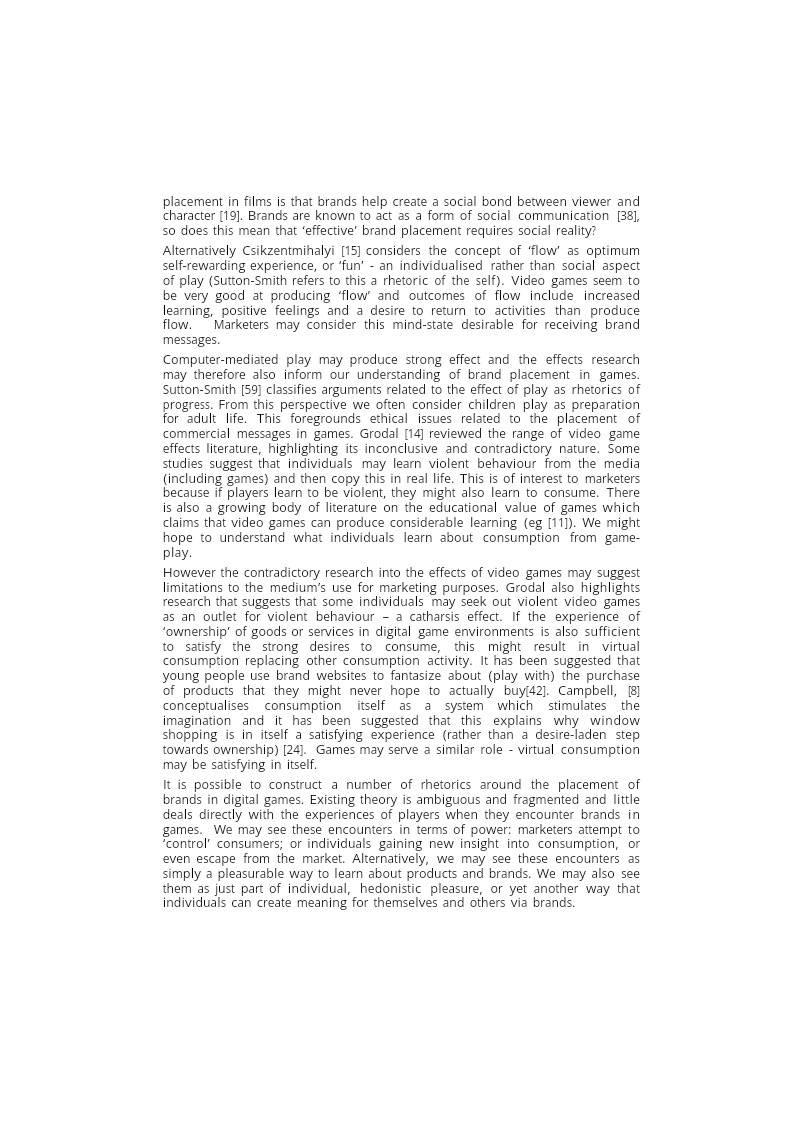
"Framing Virtual Law," presented at DiGRA 2005, argues that the conventional real-versus-virtual dichotomy obscures how legal order actually operates in online game worlds.
- The paper replaces the real-versus-virtual dichotomy with a five-layer model (actual, interface, system, instantiation, virtual) and argues that control over virtual worlds is distributed across these layers rather than held by a single authority.
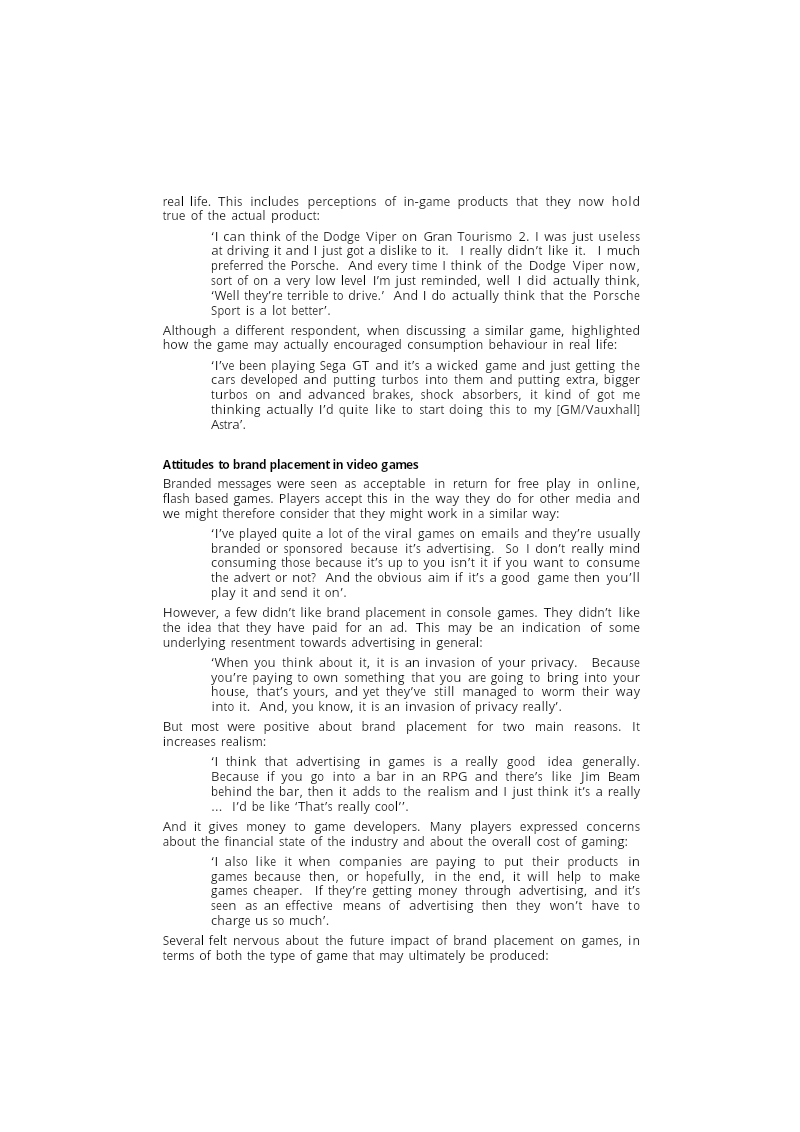
- Actual-world law operates mainly at the outermost layer through courts and sanctions, while end-user license agreements at the interface layer often waive participants' access to courts, leaving owners largely shielded from legal challenge.
- Illustrative cases such as the Korean Lineage "off-line PK" assault and the banishment of Peter Ludlow from The Sims Online show owners excluding participants with little practical recourse.
DiGRAJan 2005
Whitepaper16 pages
Encounters With Consumption During Computer-Mediated Play: The Development of Digital Games as Marketing Communication Media
This paper examines digital games as marketing media by considering both the consumer-culture context of play and the psychological processes that shape how players respond to in-game brands.
- Exploratory focus groups with 24 experienced video game players across four sessions found that players generally view in-game brand placement as a source of realism and as a way to fund lower-priced games.
- Players also voiced concern that brand placement can be invasive and that advertising revenue could distort game design.
- Brand placement is presented as potentially effective: it can strengthen brand recall, and players may show shifts in attitude or purchase intention.
DiGRAJan 2003