1 free read left. Create a free account for unlimited reading + AI research.
Create free accountWhitepaper DiGRA
1 free read left. Create a free account for unlimited reading + AI research.
Create free accountWhitepaperDiGRA
The July 2024 mass protests that toppled Prime Minister Sheikh Hasina were triggered by the reinstatement of government job quotas for descendants of Liberation War fighters.
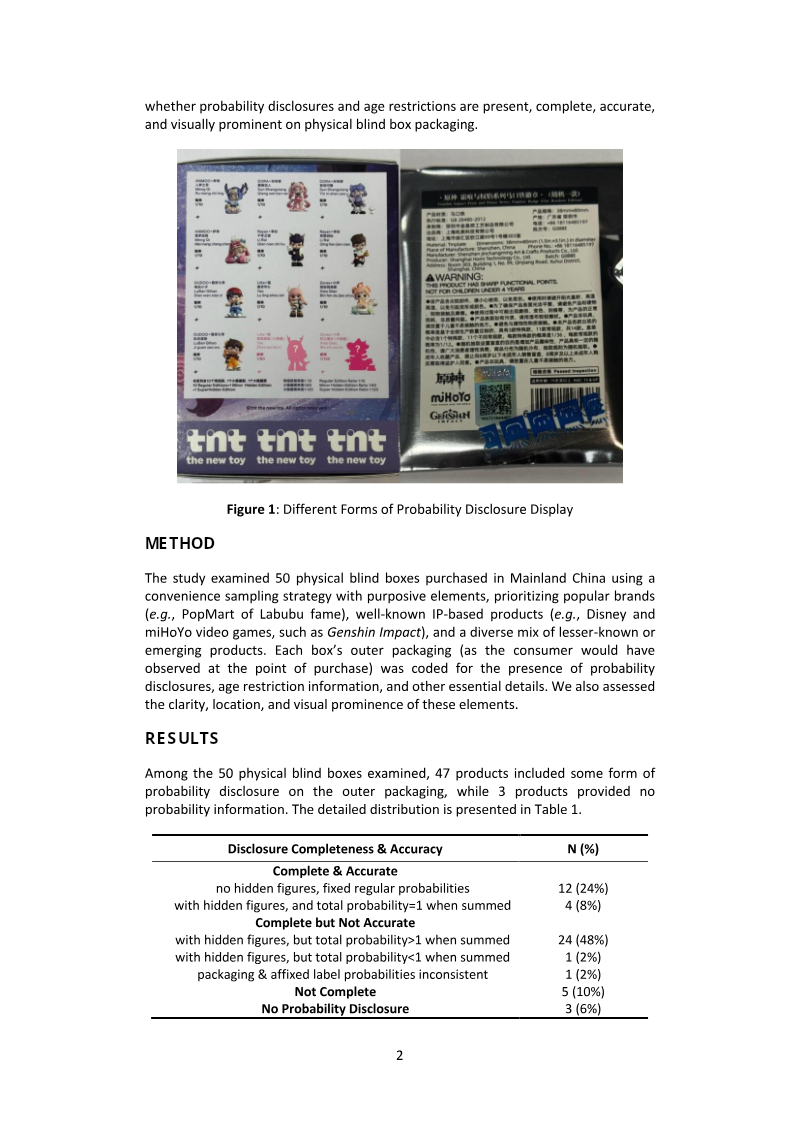
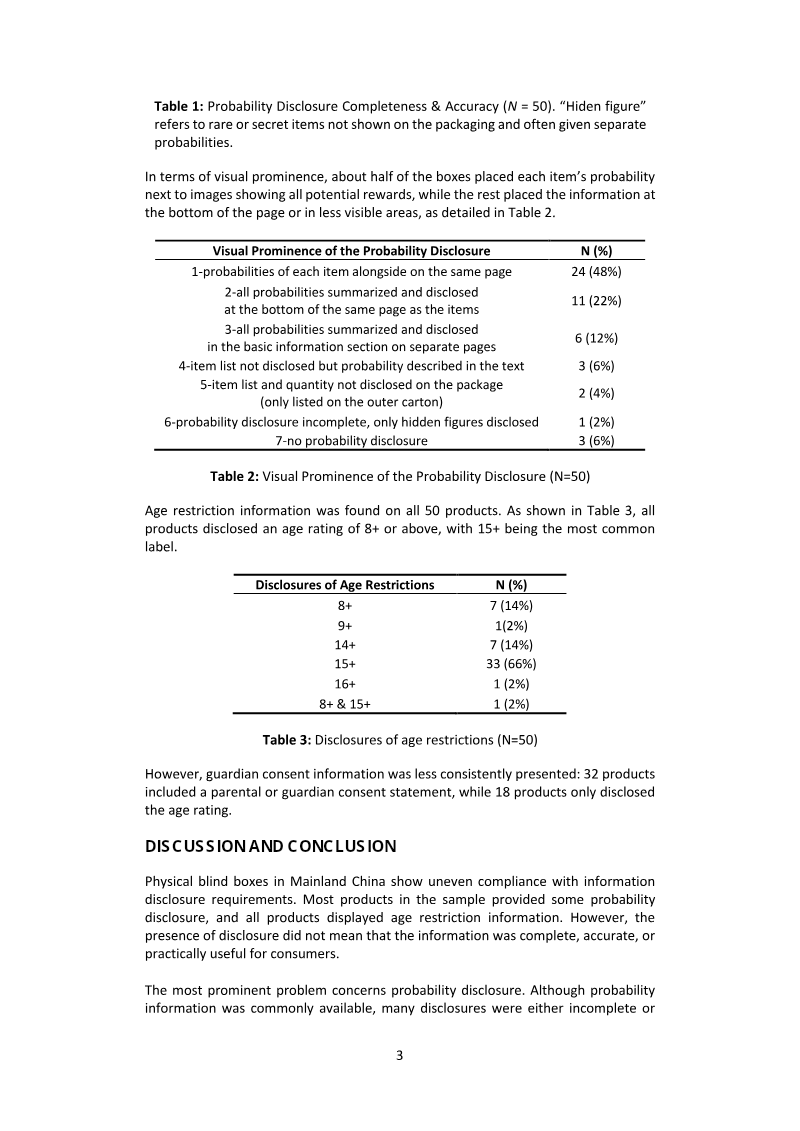
This study examines how gamers in Bangladesh responded to the July 2024 mass protests that toppled Prime Minister Sheikh Hasina, focusing on two digital gaming networks, "Gamers of Bangladesh" and "Bangladesh Gaming Society." Drawing on digital participant observation, the authors argue that players did not simply reflect the unrest in their games but folded it into a layered "meta-gaming" practice that merged combat videogames such as God of War and Red Dead Redemption 2 with gamified social platforms like Facebook. The protests, triggered by the reinstatement of government job quotas for descendants of Liberation War fighters, were largely driven by students who used social networks to mobilize nationally and internationally, and the state's response included military violence and internet shutdowns.
The central finding is that protest was rendered as a playful paratext. Gamers paired protesters with Kratos and Sheikh Hasina with a character from Red Dead Redemption 2, producing a hybrid vocabulary that placed local political figures inside Global North game narratives. The authors also document memes, photographs, and original mini-games, including Bangaboltu More Nai, a parody that depicts the national founder as a target. The paper frames this as ludification, the infiltration of play into political domains, and as a form of radical participation that may have helped circumvent surveillance and censorship through ironic, ludic language.
The scope is limited to a single national context and two online communities, and the evidence rests on observational reading of posts and artifacts rather than a large survey or sampled dataset. The authors acknowledge tensions, such as the contrast between combat-game framings and the students' unarmed, democratic methods, and they offer speculative, unverified suggestions about the gaming habits of political leaders. The work positions itself as an early contribution to the underexplored study of digital games and politics in the Global South.
DiGRA · 2026
DiGRA · 2026