Resident Evil 6
12 documents in the library are about Resident Evil 6, from writers such as Capcom and Game Developers Conference, the newest from 2019. Each has a summary and key insights with the page they come from.

Resident Evil 6 is the ninth video game installment in the Resident Evil series. It continues the struggle against zombies infected by the new highly virulent C-virus. The game uses the same over-the-shoulder view as Resident Evil 4 and Resident Evil 5, however with a new gameplay mechanic that allows players to slowly move while shoot. Players can select between three scenarios featuring multiple characters and intertwined storylines, and within these scenarios both stories and action cross paths. At key moments during the game, up to four players can join together online to tackle a specific situation, with some stages seeing the usual partnerships swapped to further increase the depth of gameplay.
- Released
- Oct 2, 2012
- Developer
- Capcom
- Genres
- Shooter, Adventure
- Platforms
- PlayStation 3, PC (Microsoft Windows), Xbox 360
- Links
- Wikipedia
Game data from IGDB.com
Documents about Resident Evil 6
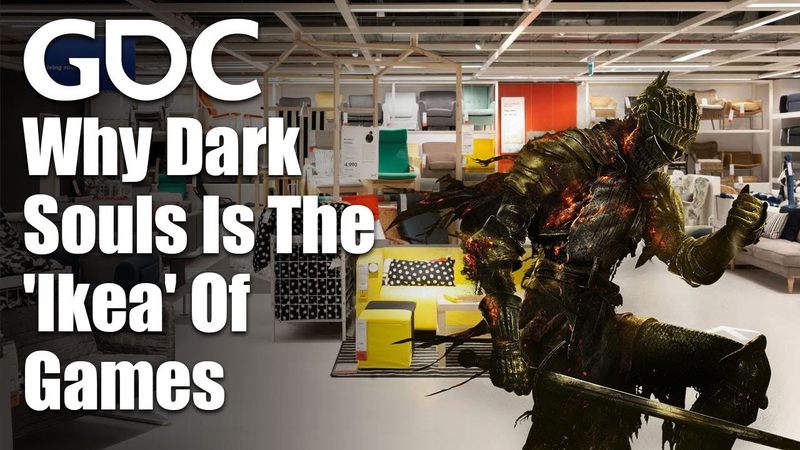
Why Dark Souls Is The 'Ikea' Of Games
Strategic design in the video game industry requires a shift from reactive decision-making toward a framework rooted in core business principles, specifically the pursuit of unique competitive advantages.
- Strategic success in game development requires prioritizing unique competitive advantages over mass-market appeal by making deliberate trade-offs in product features.
- The 'IKEA' model of game design focuses on intentional limitations to create a cohesive value proposition, mirroring the operational strategies of companies like Southwest Airlines.
- Dark Souls achieved market success by rejecting industry standards such as extensive tutorials, multiple difficulty settings, and heavy cinematic reliance, which reduced production complexity while increasing player loyalty.
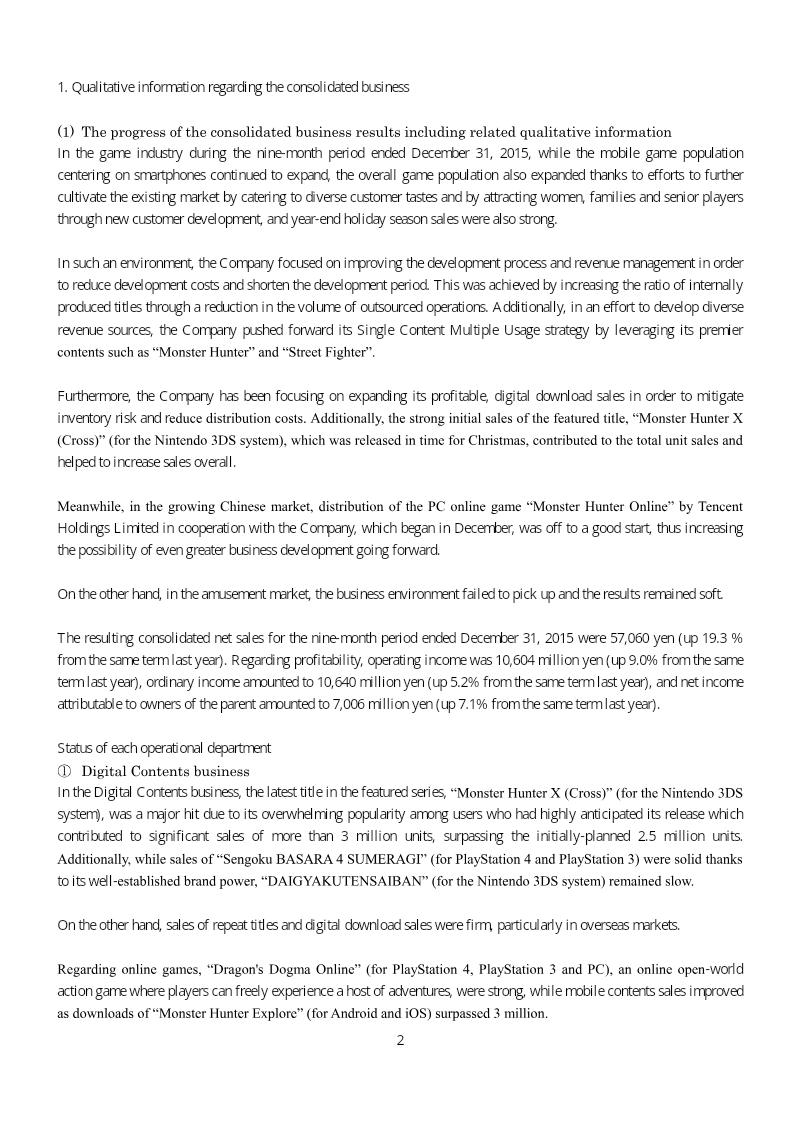
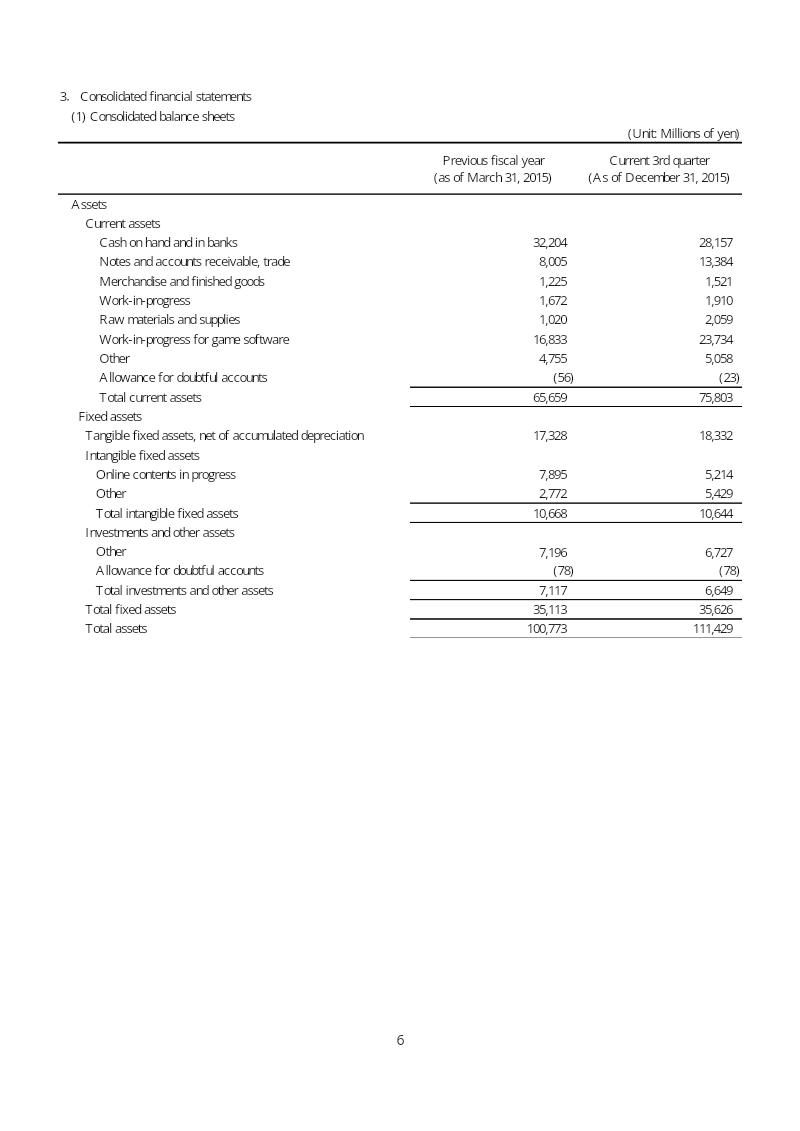
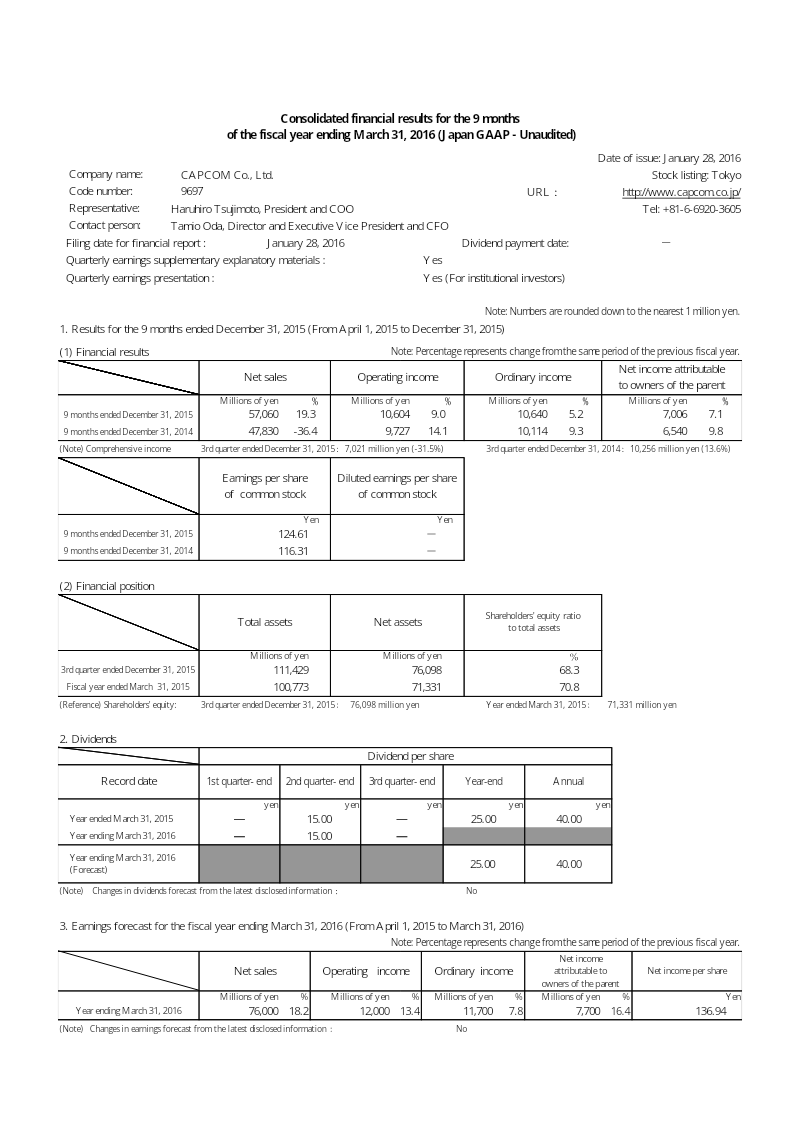
Capcom Consolidated Financial Results for the 9 Months of the Fiscal Year Ending March 31, 2016
Capcom’s consolidated financial results for the nine-month period ending December 31, 2015, reflect a period of growth driven by strong performance in its digital contents and amusement equipment segments.
Capcom Consolidated Financial Results: 6 Months of FY2015
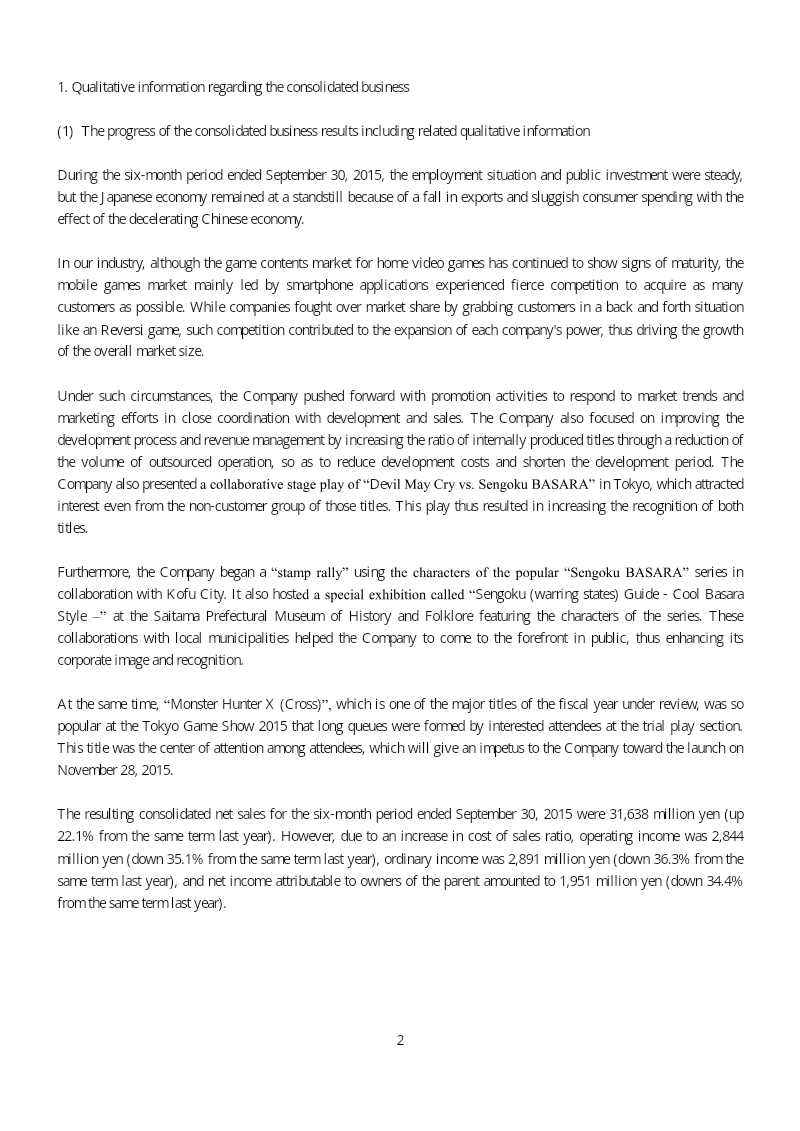
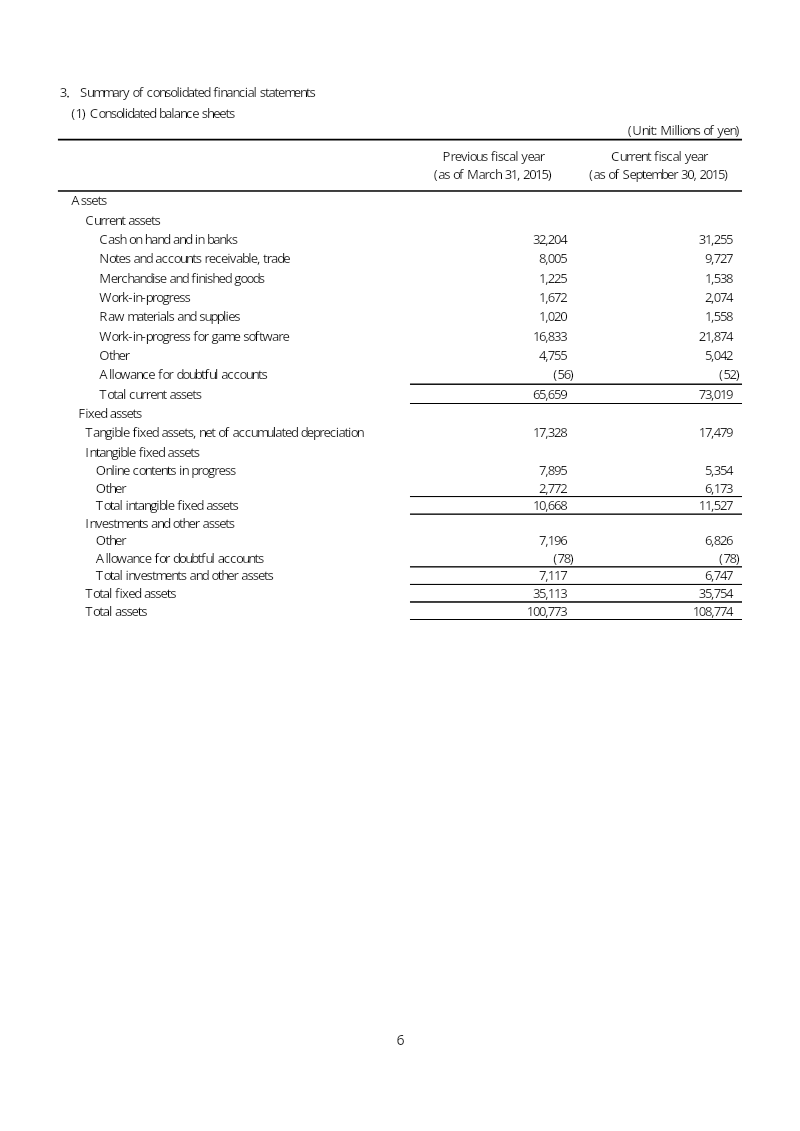
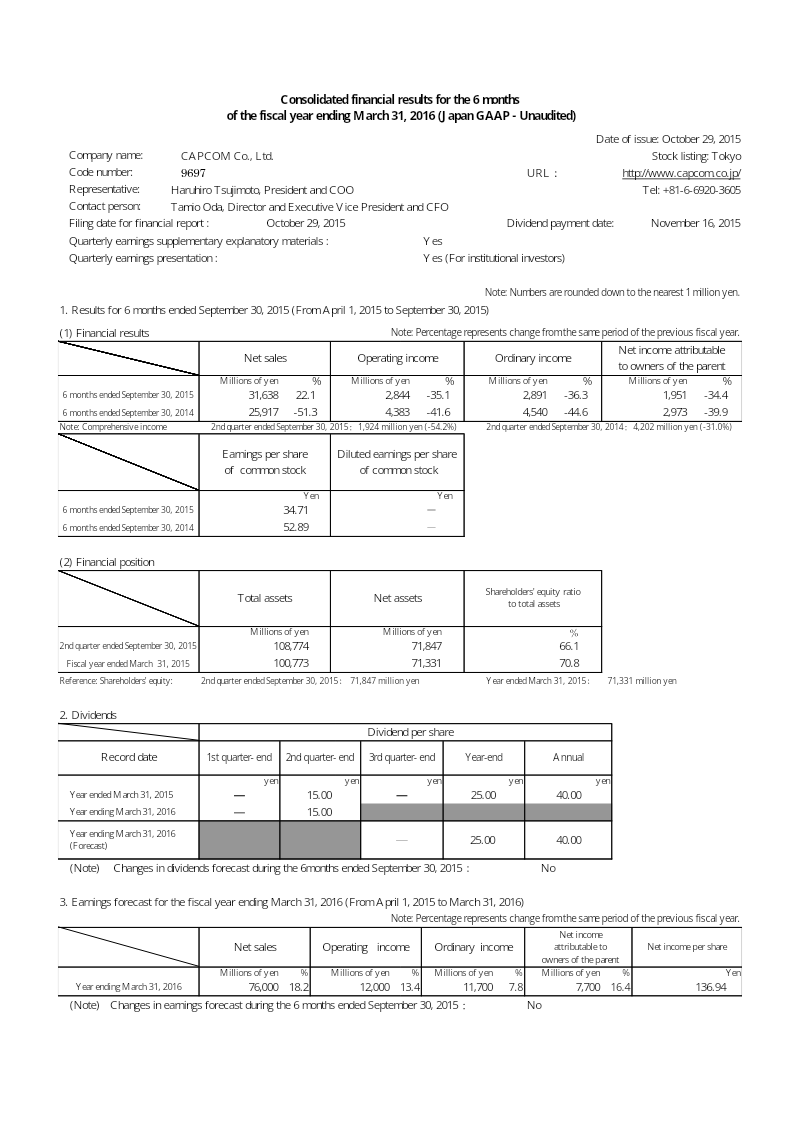
Capcom’s consolidated financial results for the six-month period ending September 30, 2015, reflect a period of revenue growth tempered by significant declines in profitability.
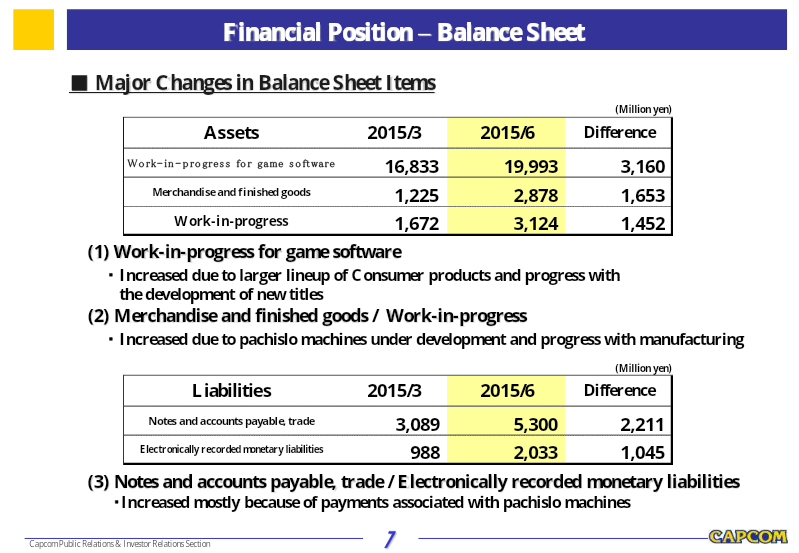
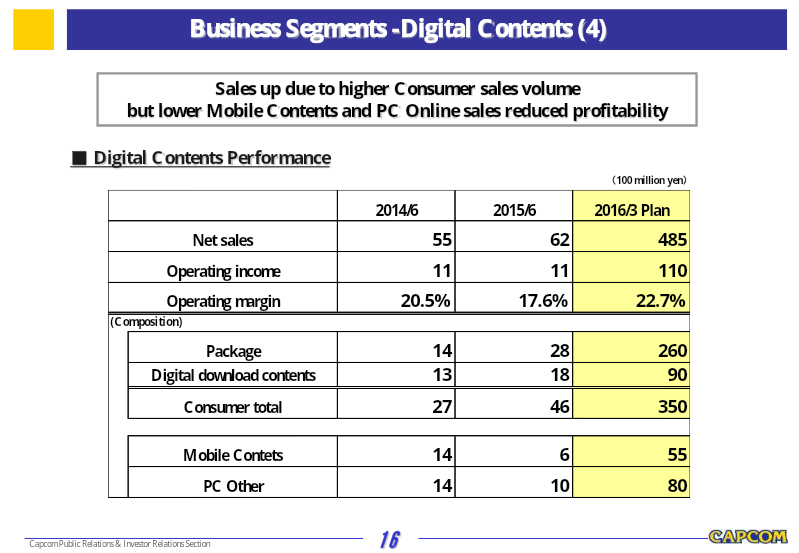
Capcom 1st Quarter Report: Fiscal Year Ending March 31, 2016
The first quarter report for the fiscal year ending March 31, 2016, outlines Capcom’s financial performance and strategic outlook, highlighting a period of growth driven by strong repeat sales in the consumer segment and successful performance in the amusement equipment business.
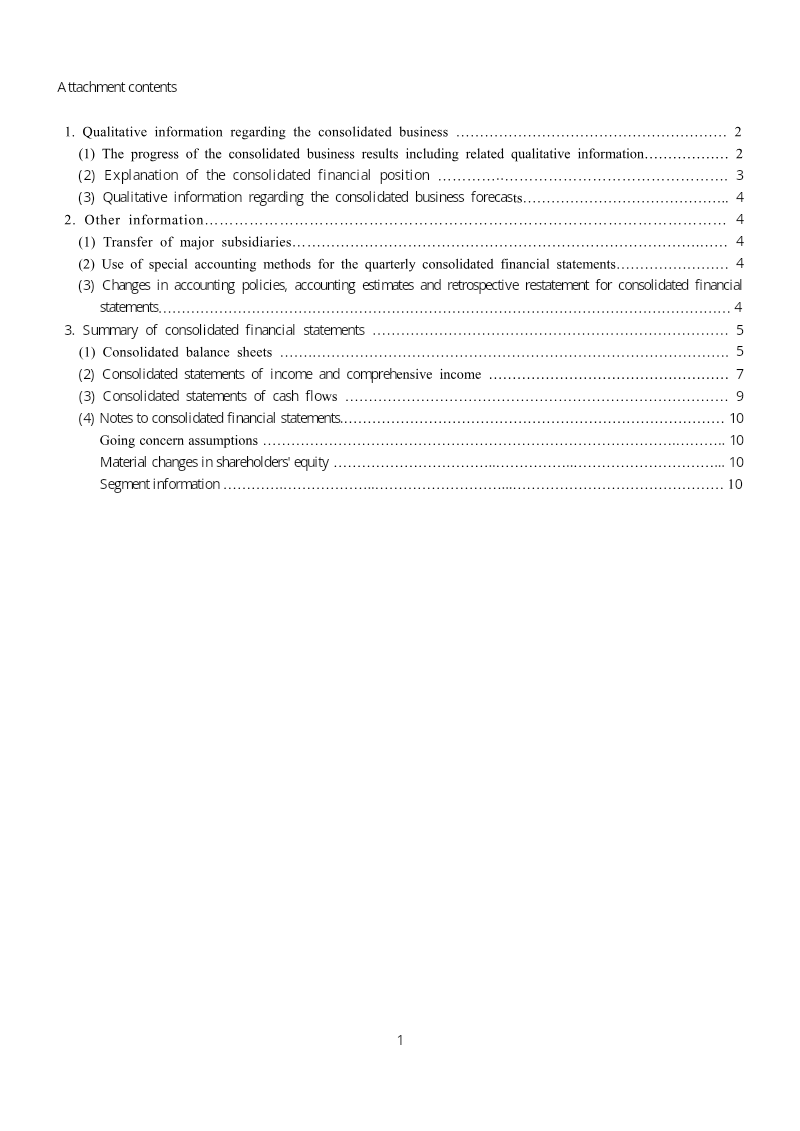
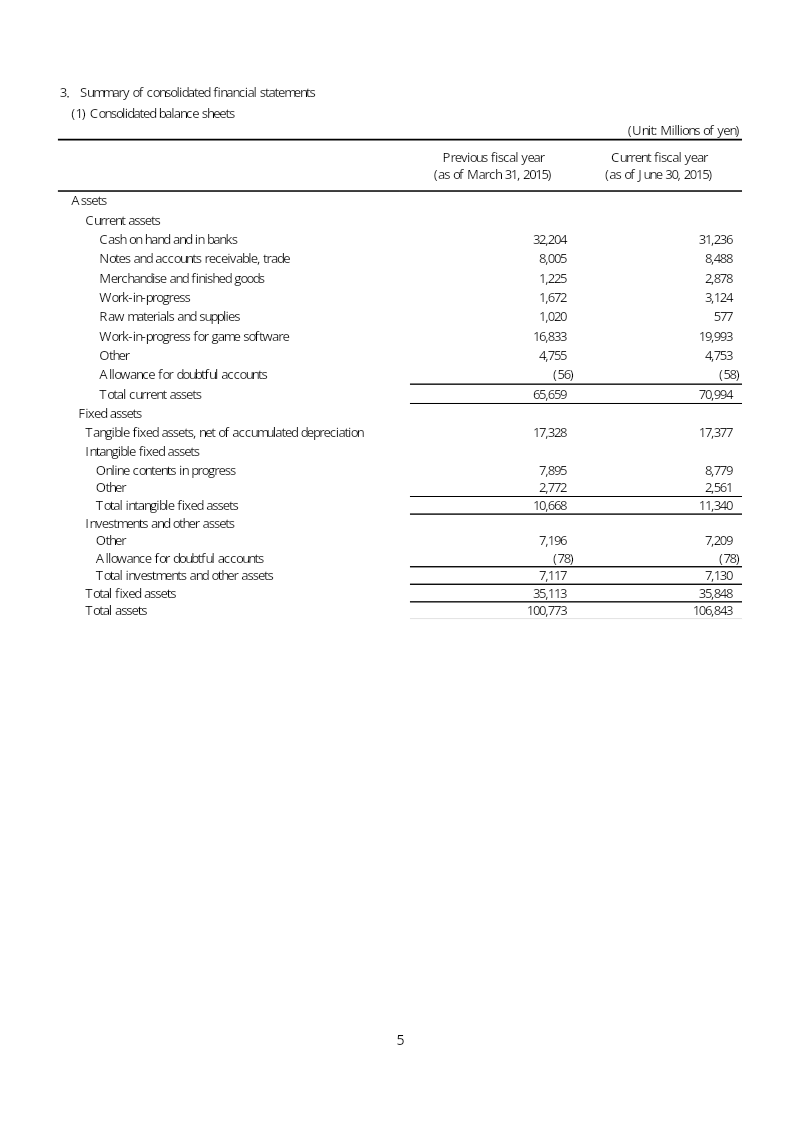
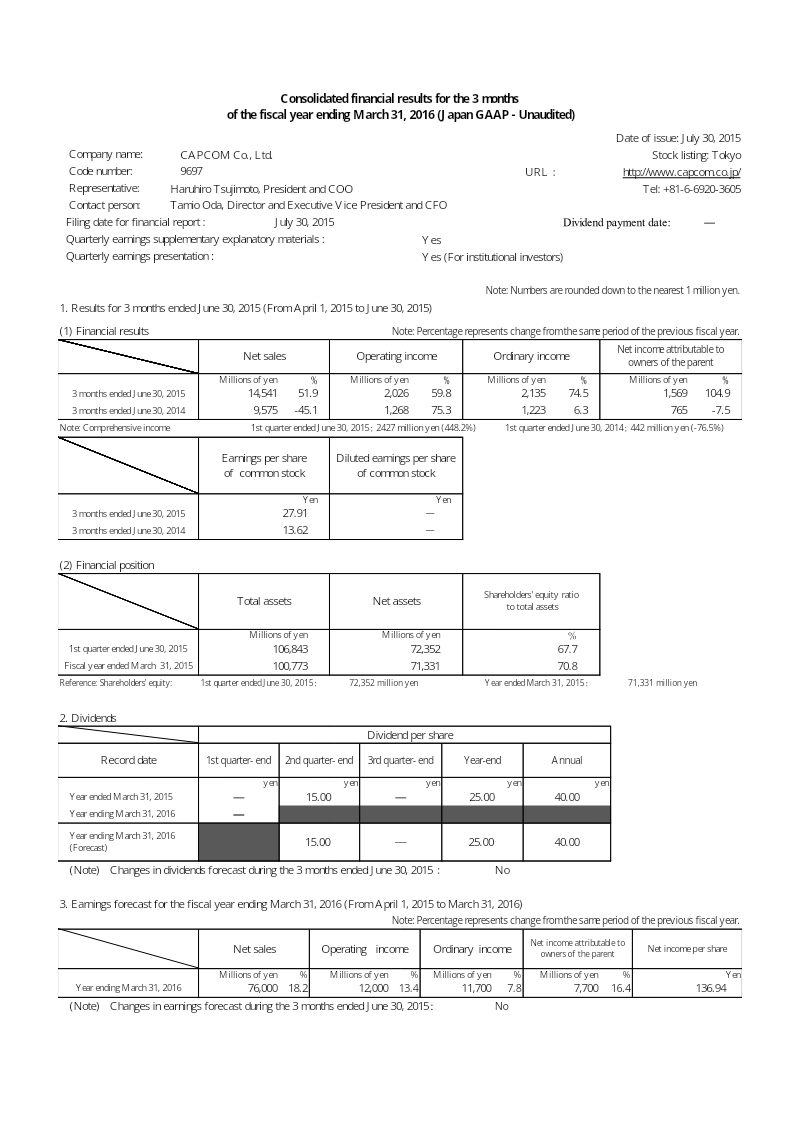
Capcom Consolidated Financial Results: 3 Months Ended March 31, 2016
Capcom’s consolidated financial results for the first quarter of the fiscal year ending March 31, 2016, reflect a period of significant growth driven by strong performance in the amusement equipment sector.
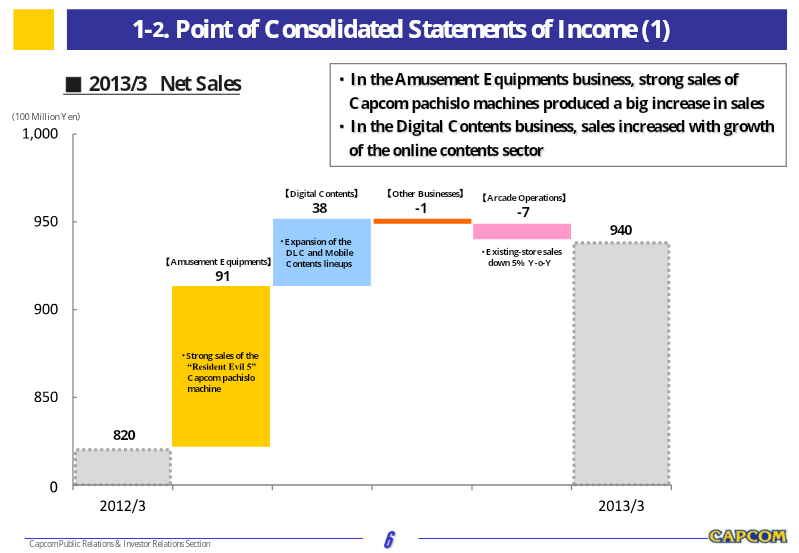
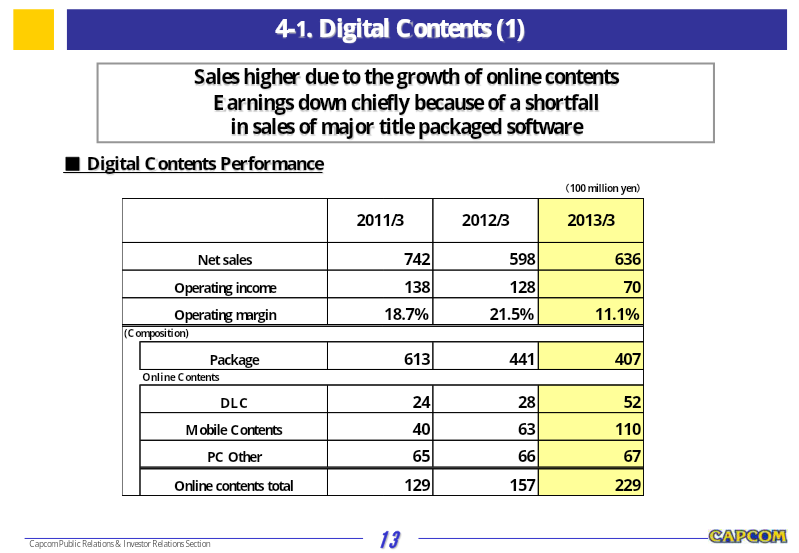

Capcom Financial Highlights: Fiscal Year Ended March 31, 2013
The fiscal year ending March 31, 2013, represented a period of transition for Capcom, characterized by a strategic shift toward digital expansion and business restructuring.
- Capcom reported net sales of 94,075 million yen for the fiscal year ending March 31, 2013, but net income fell to 2,973 million yen due to restructuring costs and underperforming packaged software.
- The company incurred 7,224 million yen in special losses related to organizational restructuring, which significantly impacted overall profitability.
- The Amusement Equipments segment acted as a primary growth driver, led by the success of the Resident Evil 5 pachislo machine, which sold approximately 48,000 units.
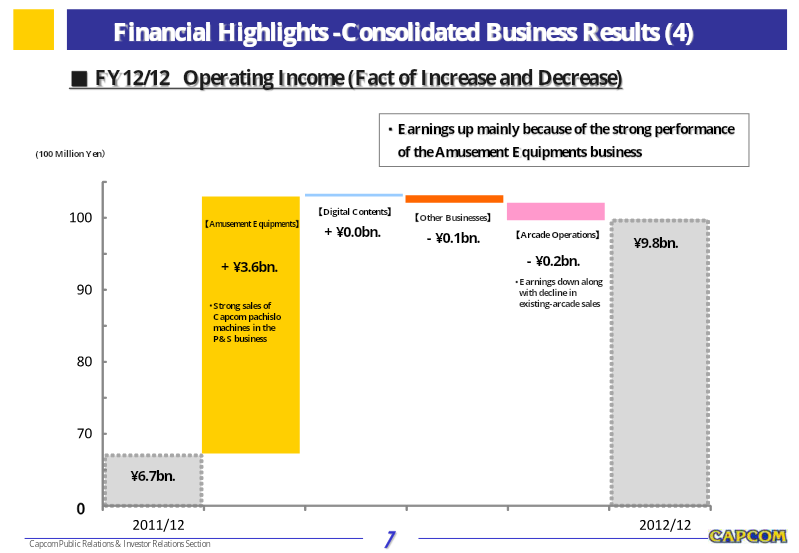
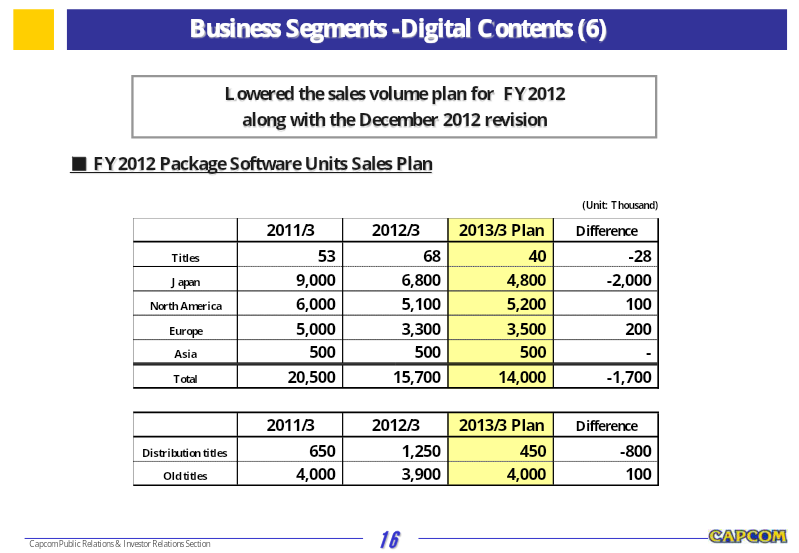
Capcom 3rd Quarter Financial Results: Fiscal Year Ending March 31, 2013
The third-quarter financial results for the fiscal year ending March 31, 2013, detail a period of volatility for Capcom, characterized by strong growth in the amusement equipment sector offset by underperforming packaged software sales.
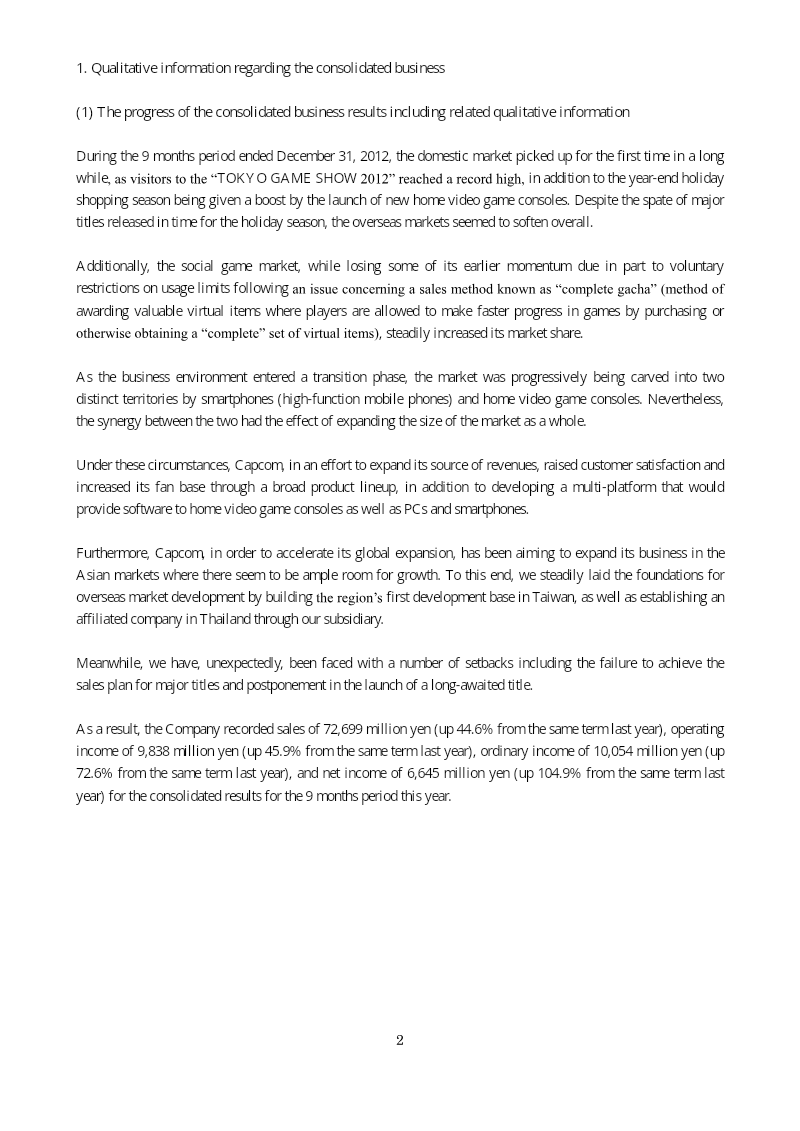
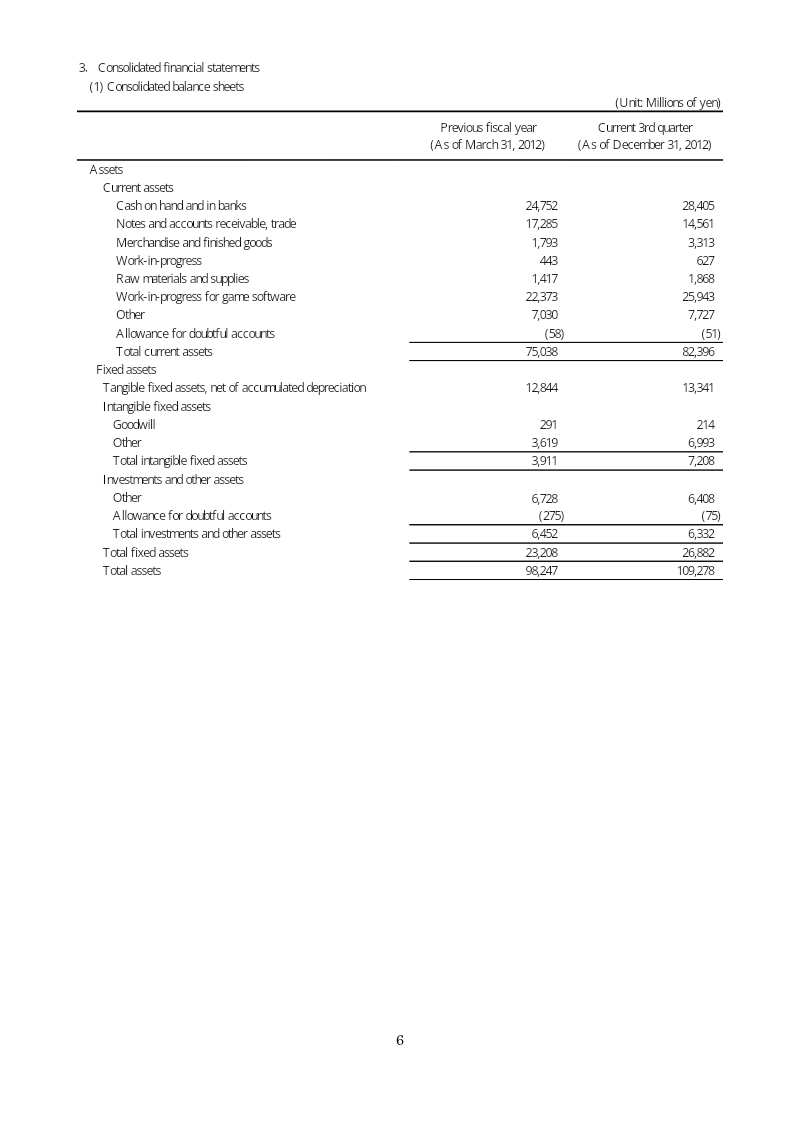
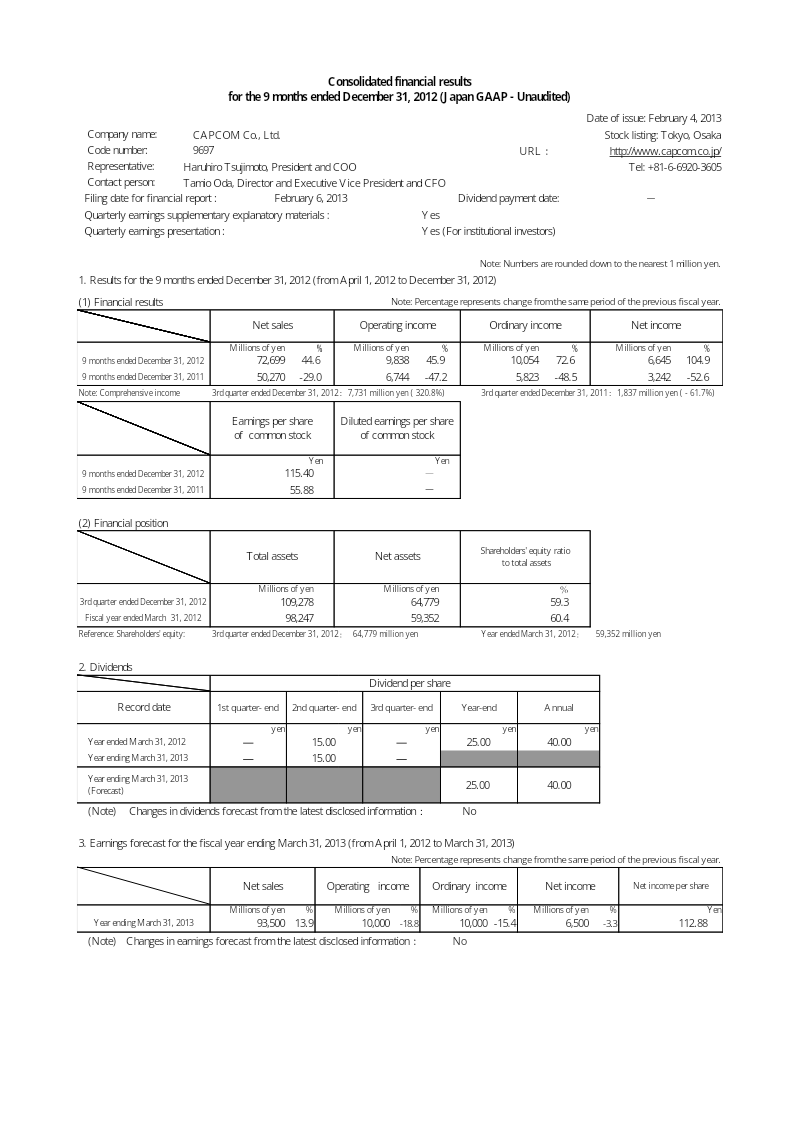
Consolidated Financial Results for the 9 Months Ended December 31, 2012
Capcom’s consolidated financial results for the nine-month period ending December 31, 2012, reflect a period of significant growth driven by a diversified multi-platform strategy.
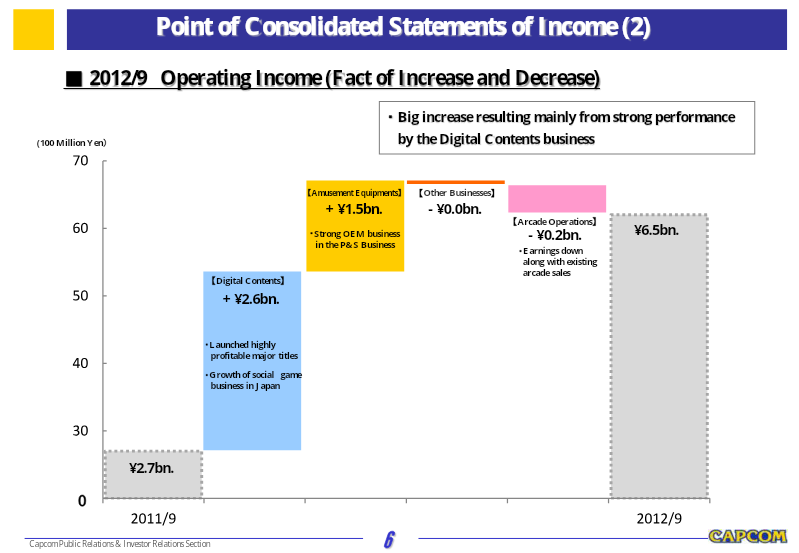

Capcom Financial Highlights: First Half of Fiscal Year Ending March 31, 2013
Capcom achieved record-breaking financial performance during the first half of the fiscal year ending March 31, 2013.
Capcom Results of Operations and Strategies: First Half of Fiscal Year Ending March 31, 2013
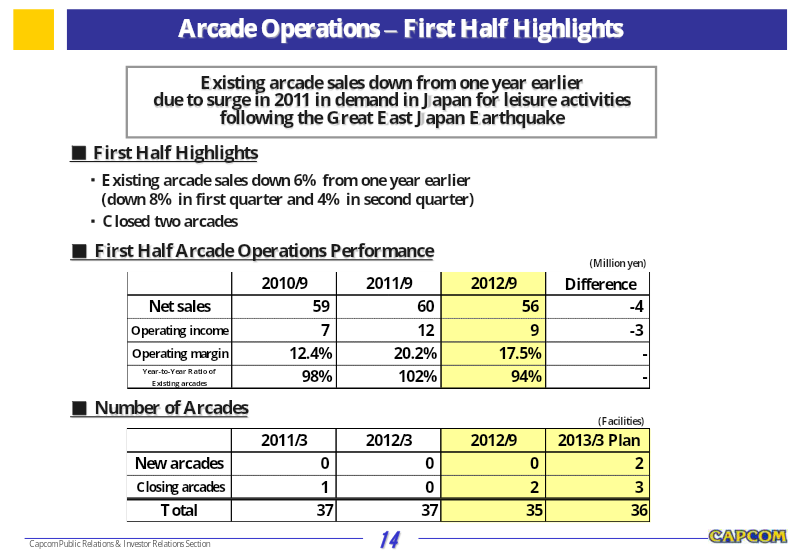
Capcom’s financial results for the first half of the fiscal year ending March 31, 2013, demonstrate significant growth in both sales and earnings, driven primarily by the strong performance of its Digital Contents business.
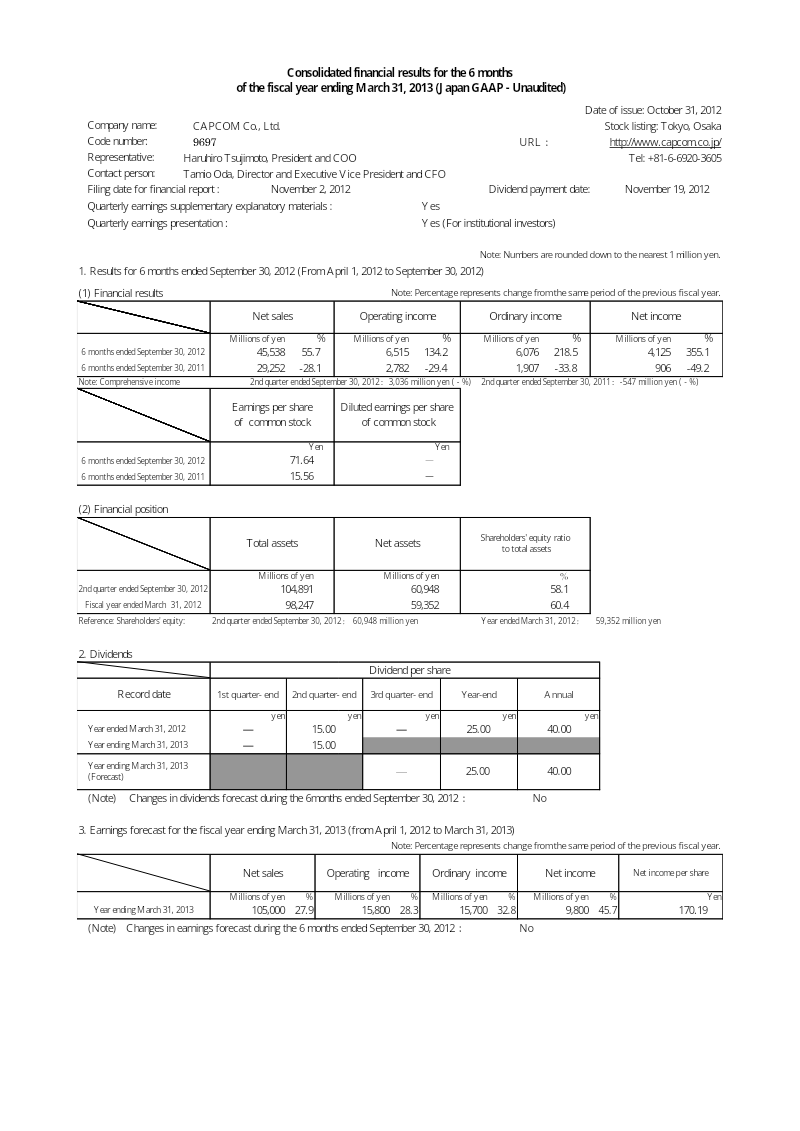
Capcom Consolidated Financial Results: 6 Months Ended March 31, 2013
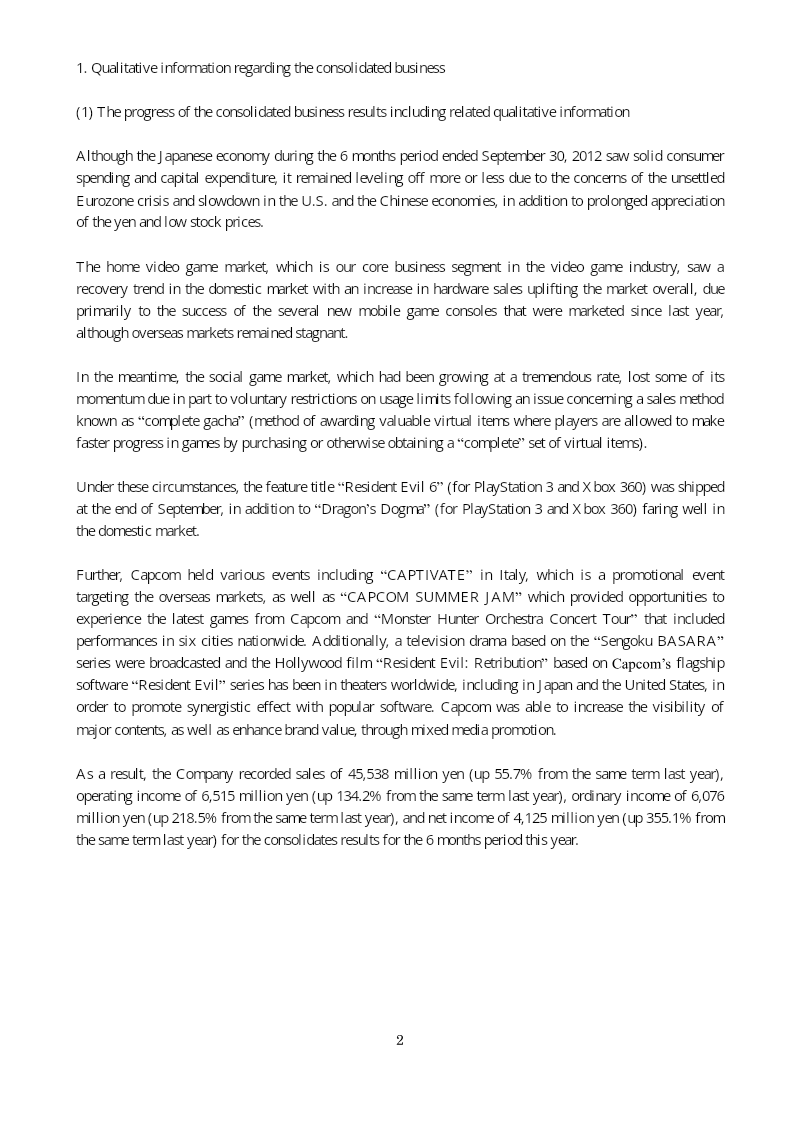
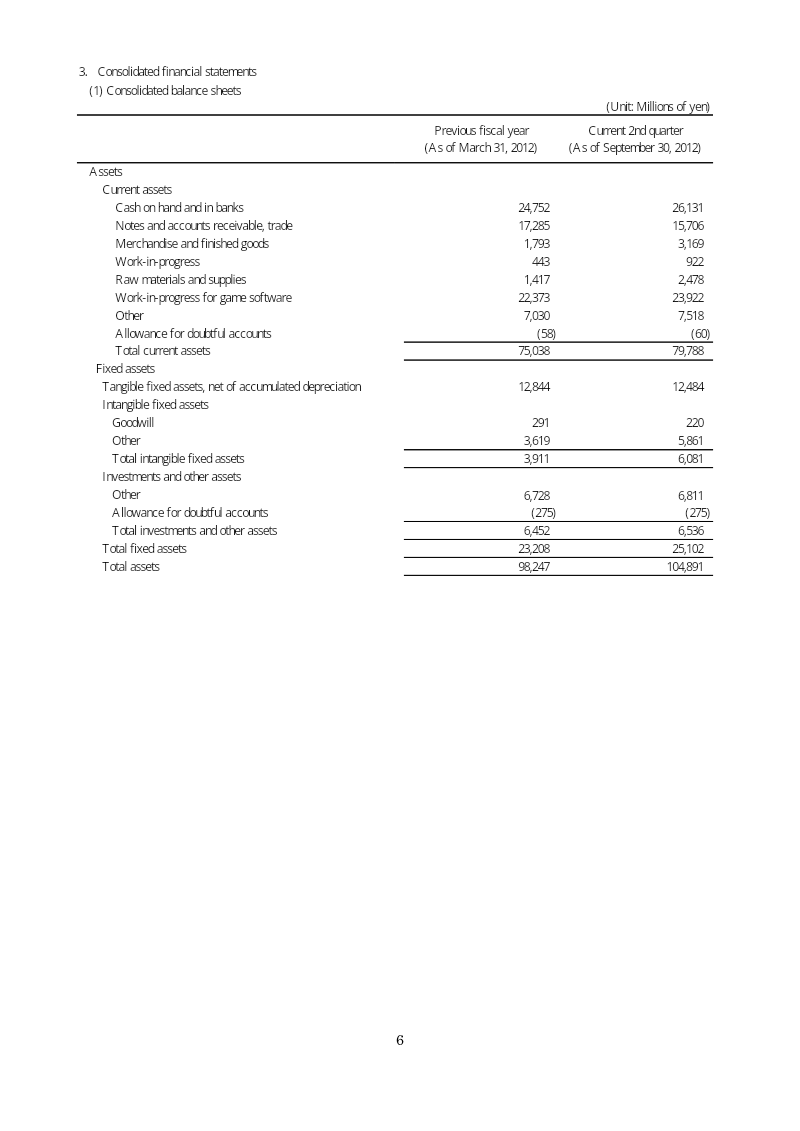
Capcom’s consolidated financial results for the six-month period ending September 30, 2012, reflect a period of significant growth driven by strong performance in the digital contents segment.
Capcom 3rd Quarter Financial Results: Fiscal Year Ending March 31, 2012
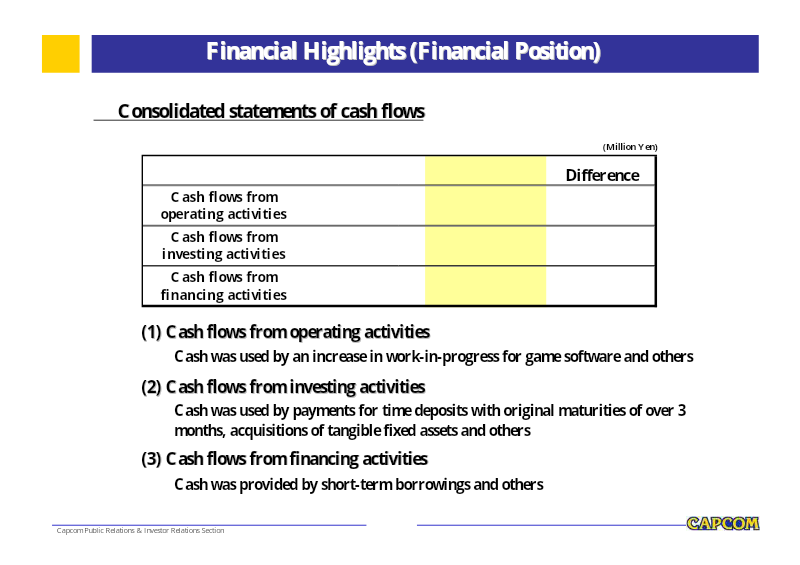
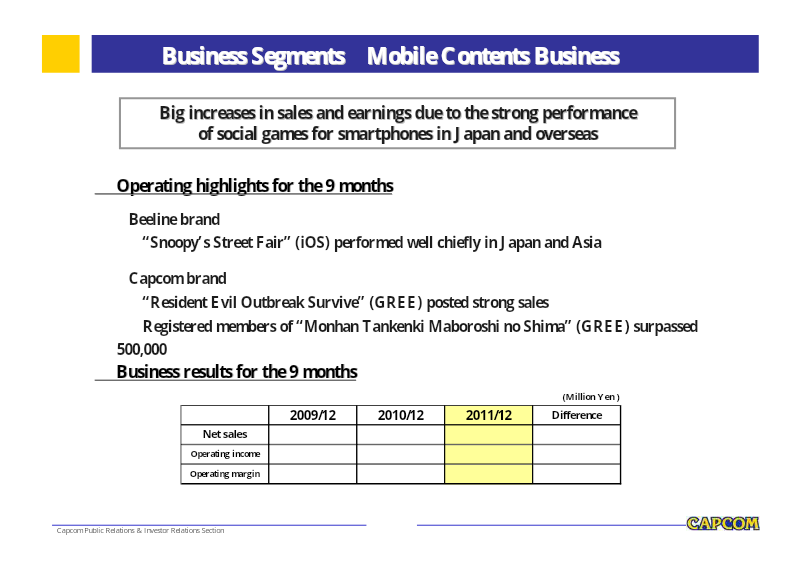
The third-quarter financial results for the fiscal year ending March 31, 2012, detail Capcom’s consolidated performance across its primary business segments.