Puzzle & Dragons
Game
Documents about Puzzle & Dragons

How to get your western game published in Japan
Entering the Japanese mobile gaming market presents significant challenges for Western developers, primarily due to the dominance of local titles and a distinct preference for specific gameplay mechanics.
- Success in the Japanese mobile market requires deep culturalization beyond simple translation, including adapting humor, font choices, and character art to overcome local consumer caution toward foreign products.
- Developers should adopt a shareware monetization model, offering a free initial experience with a single in-app purchase to unlock the full game, as premium titles face significant barriers to entry.
- App Store optimization must mirror traditional retail packaging by using detailed, informative graphics that explain game features rather than relying solely on standard screenshots.
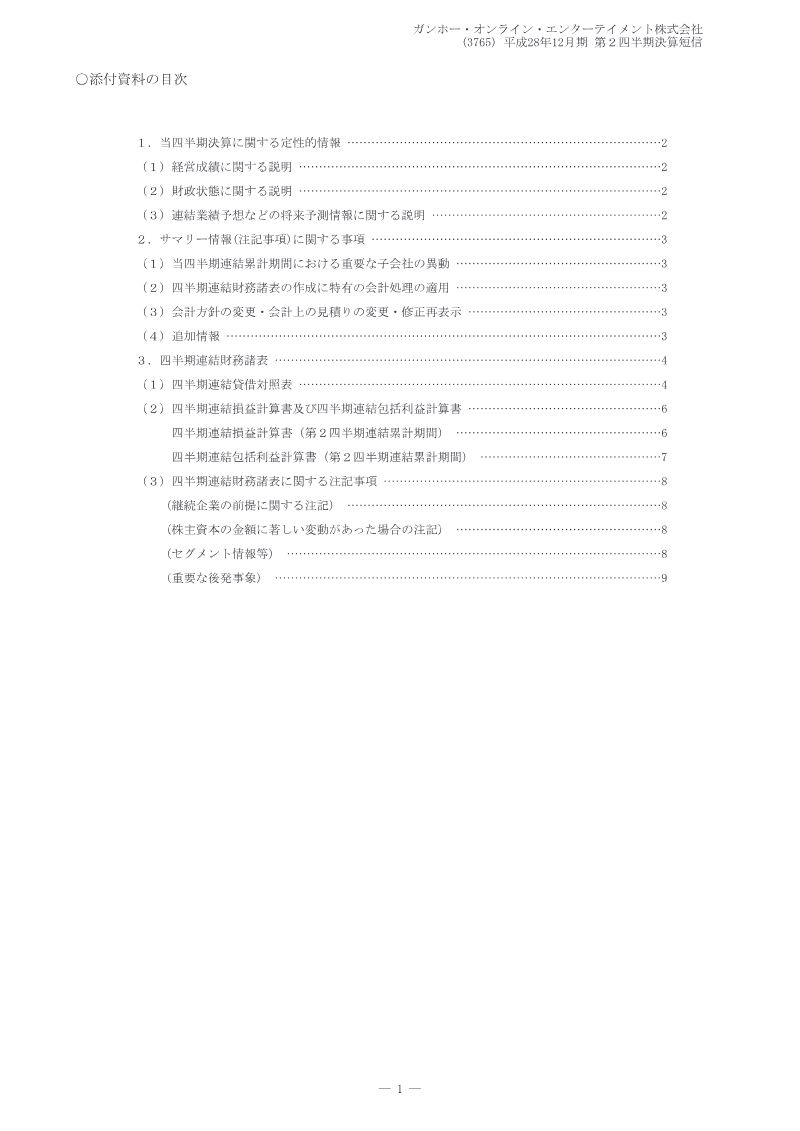
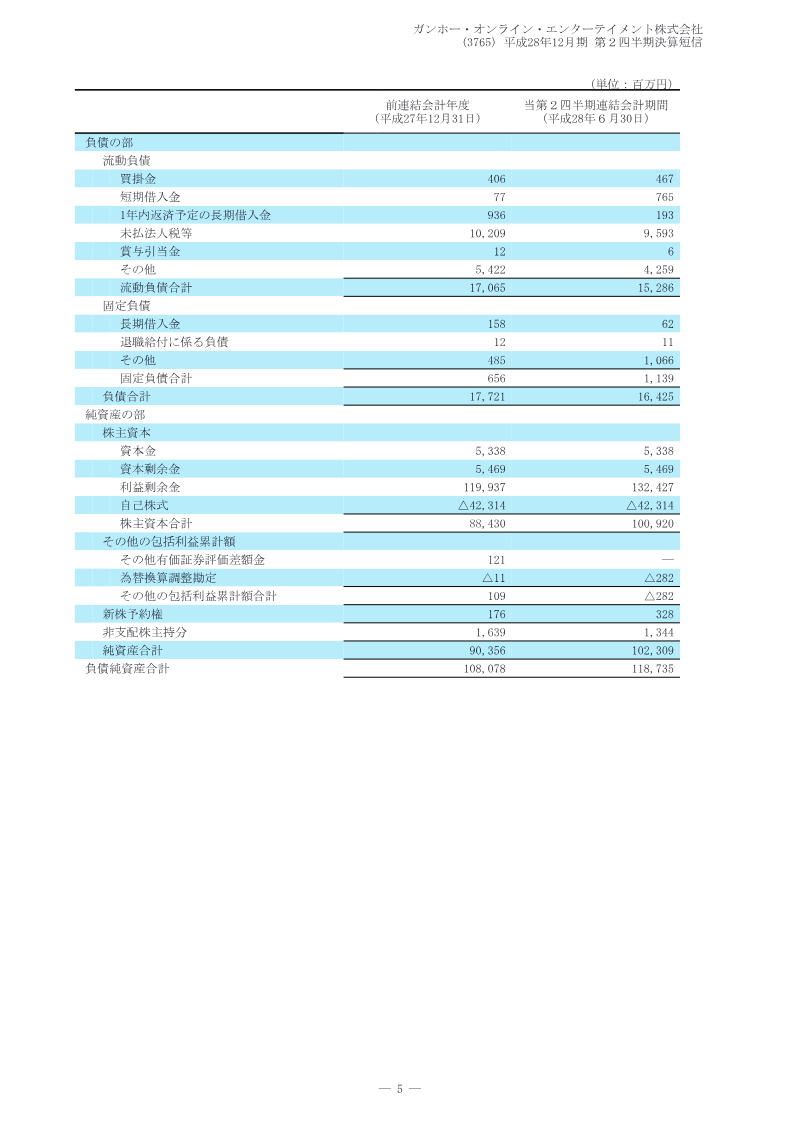
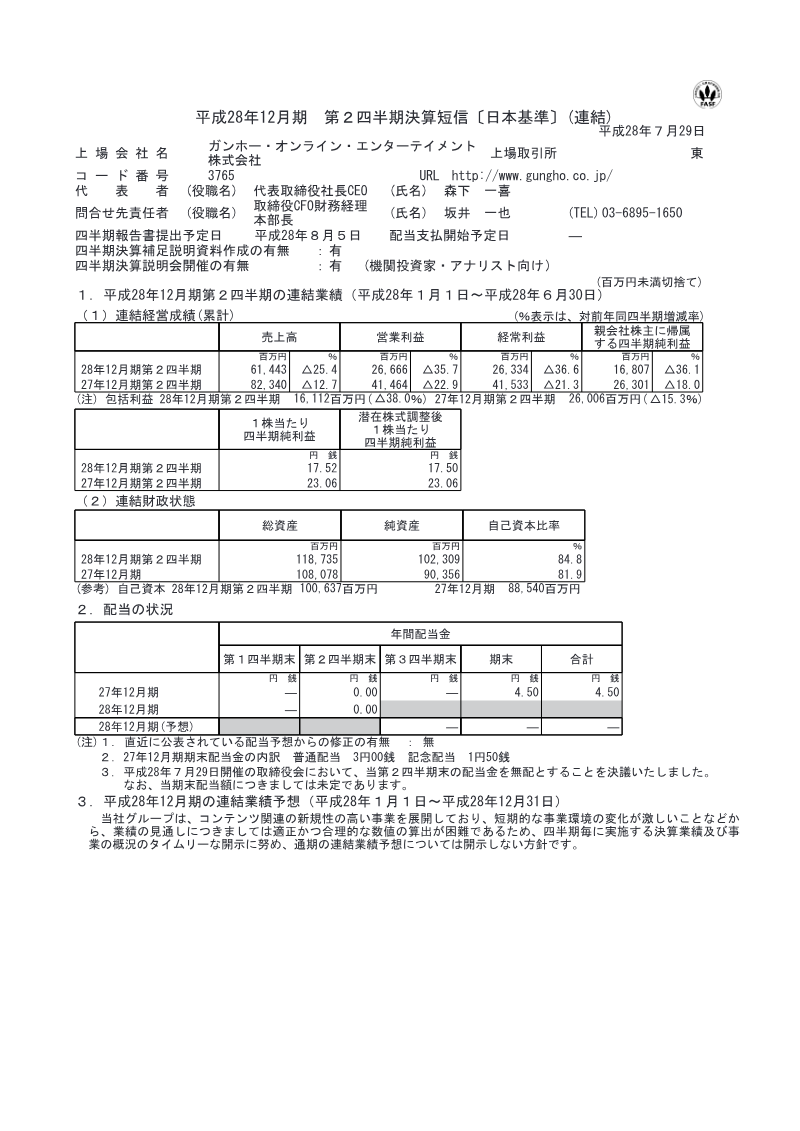
GungHo Online Entertainment Q2 2016 Financial Results
GungHo Online Entertainment’s financial results for the second quarter of 2016 reflect a period of contraction within a highly competitive and rapidly evolving global smartphone gaming market.

Puzzle & Dragons did $1B in 2015, but is now in decline
GungHo Online Entertainment maintains a dominant position in the global mobile gaming market, anchored by the sustained performance of its flagship title, Puzzle & Dragons.
- Puzzle & Dragons generated $1.3 billion in 2015, yet it accounted for 89% of GungHo Online Entertainment's total revenue, highlighting a dangerous lack of product diversification.
- GungHo is experiencing a clear financial contraction, with 2015 year-over-year sales falling 11% and operating profit dropping 23%.
- The company's heavy reliance on the Japanese market has limited global growth, as evidenced by the failure of Puzzle & Dragons to replicate its domestic success in North America despite nine million downloads.
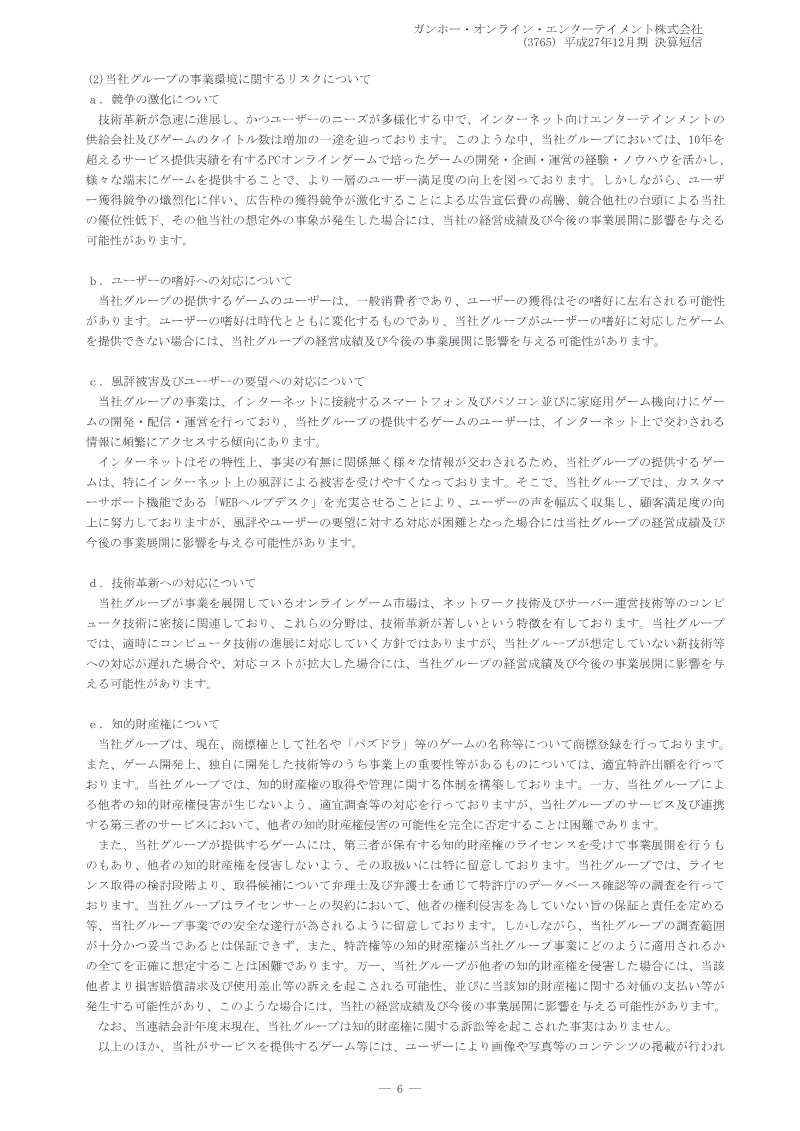
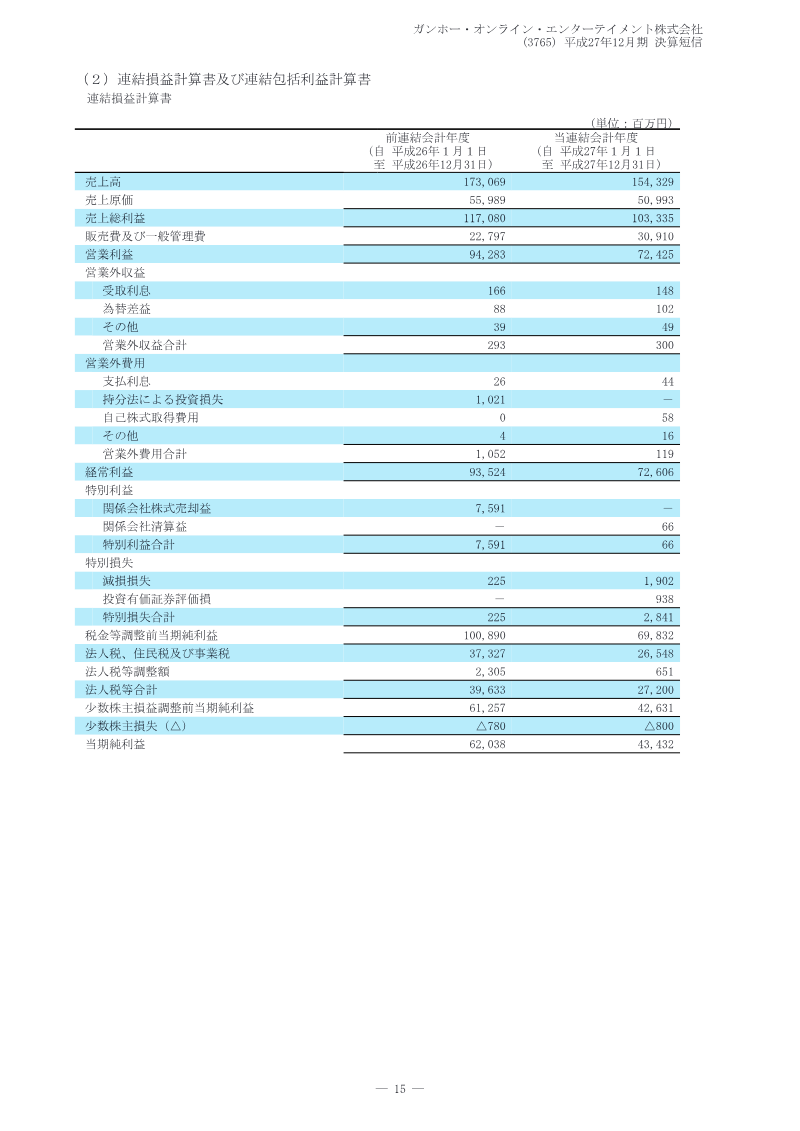
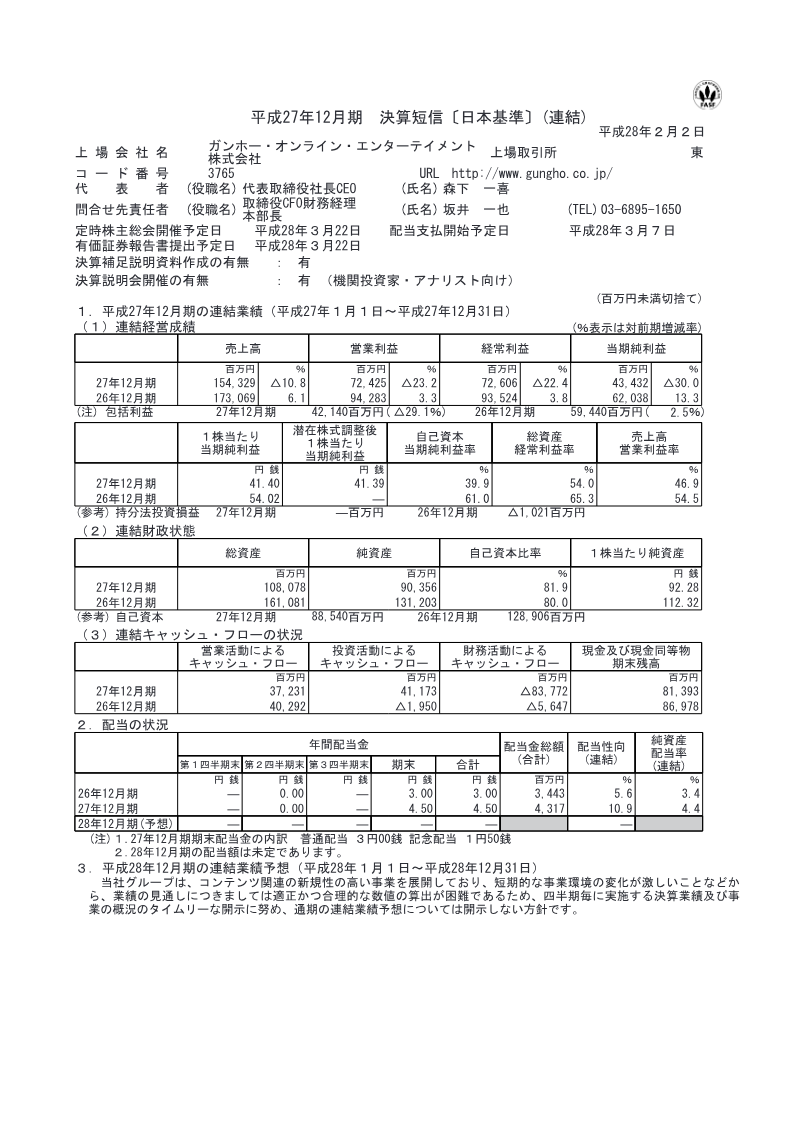
GungHo Online Entertainment FY2015 Financial Results
GungHo Online Entertainment experienced a period of contraction during the 2015 fiscal year, as net sales declined by 10.8 percent to 154.3 billion yen and net income fell by 30.0 percent to 43.4 billion yen.
- GungHo Online Entertainment faced a significant downturn in FY2015, with net sales falling 10.8% to 154.3 billion yen and net income dropping 30.0% to 43.4 billion yen.
- The company remains heavily dependent on its flagship title, Puzzle & Dragons, which accounted for 88.6% of total revenue during the fiscal year.
- Management declined to provide earnings forecasts for the upcoming year, citing the volatility of the digital content sector and the maturation of the Japanese smartphone gaming market.
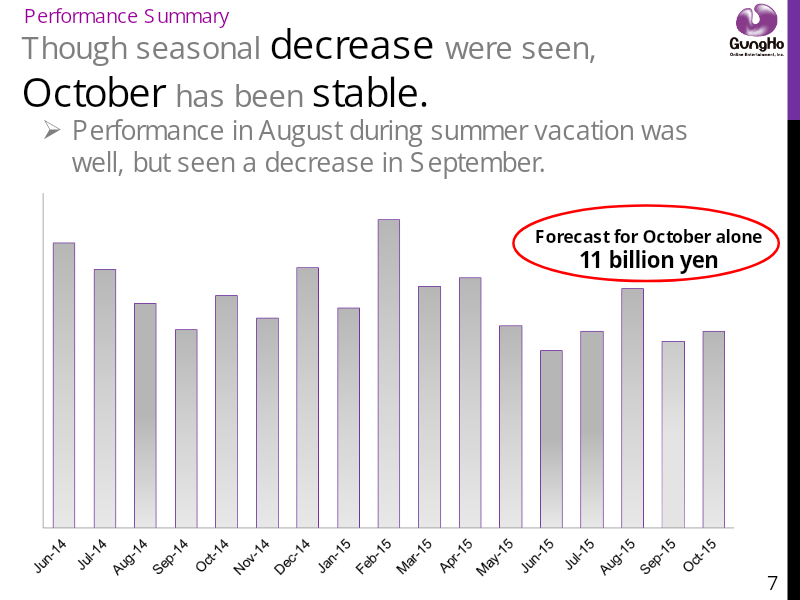


GungHo Online Entertainment FY2015 Q3 Financial Results
GungHo Online Entertainment’s financial results for the third quarter of 2015 reflect a stable performance despite operating within a saturated and maturing domestic Japanese market.
- GungHo Online Entertainment reported Q3 2015 sales of 36.878 billion yen and an operating profit of 17.394 billion yen.
- The company is entering the Taiwanese market through a joint venture with the Gamania Group, launching in November 2015 to access a region with over 16 million smartphone users.
- Flagship title Puzzle & Dragons maintains high monthly active user counts despite a maturing Japanese market and slowing new smartphone contract growth.

Biz Daily: The $10 billion mobile game franchise
The mobile gaming industry is currently evaluating the feasibility of a $10 billion franchise, a milestone that would represent a significant escalation from the current billion-dollar benchmarks established by titles such as Candy Crush Saga, Puzzle & Dragons, Clash of Clans, and Monster Strike.
- The mobile gaming industry is currently evaluating the feasibility of scaling franchises to $10 billion in lifetime revenue, a tenfold increase over current benchmarks like Candy Crush Saga, Puzzle & Dragons, Clash of Clans, and Monster Strike.
- Reaching the $10 billion threshold will likely require adopting high-efficiency monetization mechanics from the Japanese market, where revenue per paying user can reach hundreds of dollars compared to the lower-spending models common in Western markets.
- The convergence of major regional markets—North America, Europe, China, and Japan—into a more unified global landscape is a primary driver for the potential expansion of mobile game revenue.
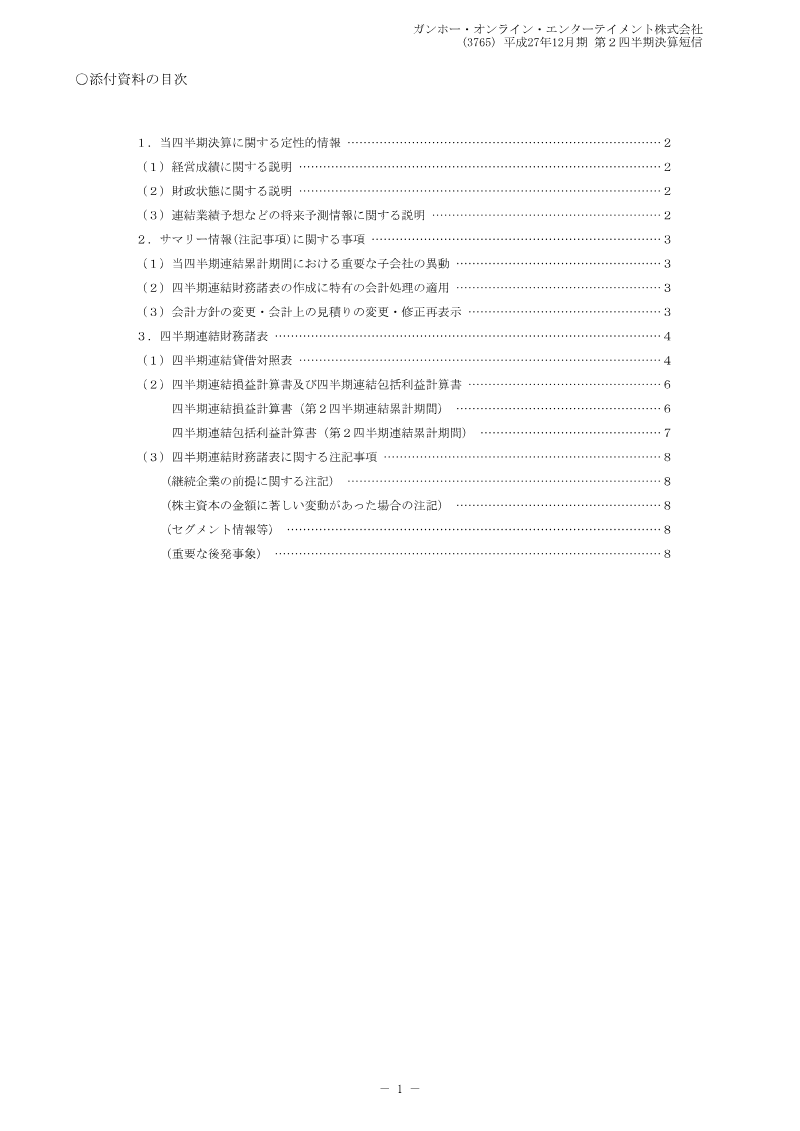
GungHo Online Entertainment FY2015 Q2 Financial Results
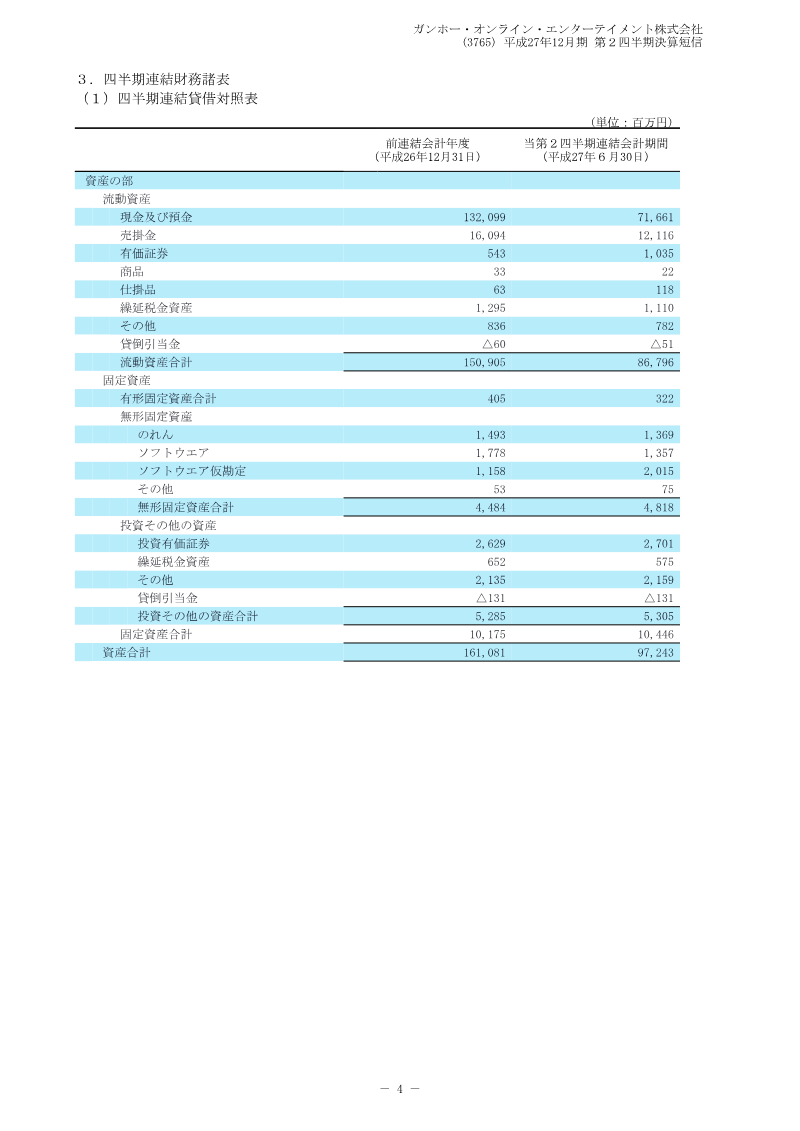
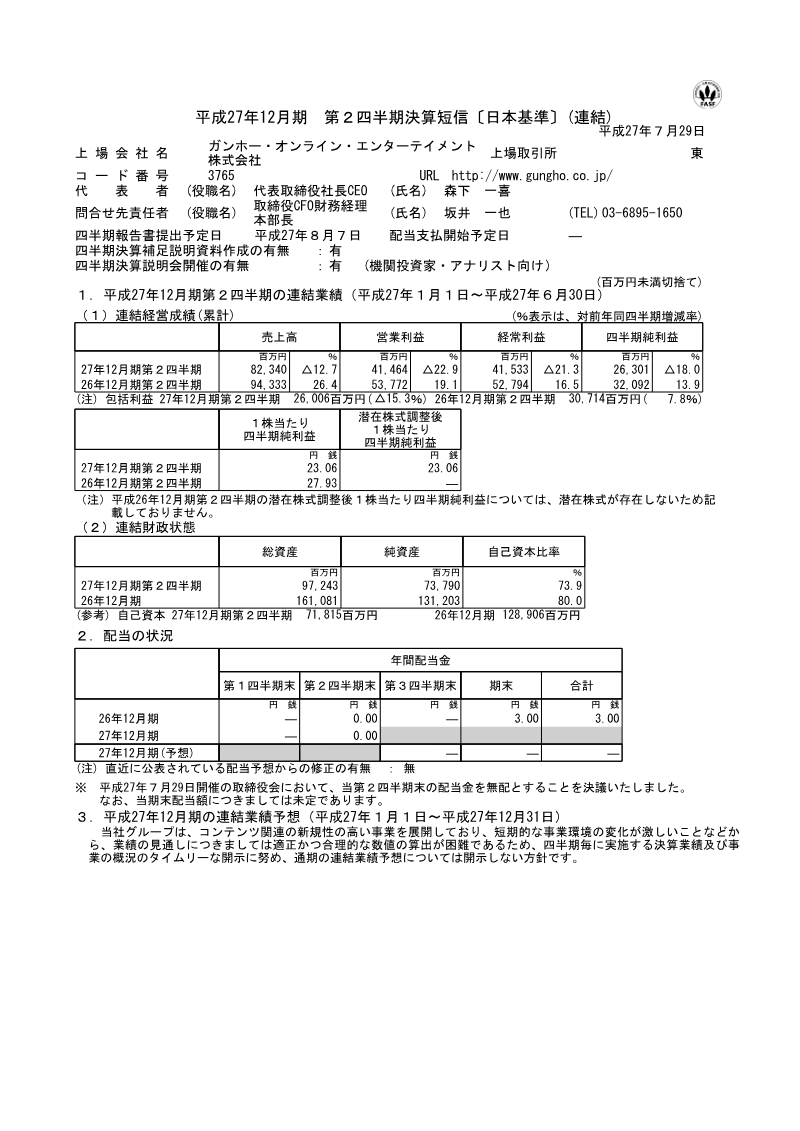
GungHo Online Entertainment’s financial results for the second quarter of the fiscal year ending December 2015 reflect a period of contraction compared to the previous year.

N3TWORK's Neil Young on the first $10 billion mobile game
The mobile gaming industry in Western markets remains in its infancy, despite widespread smartphone adoption.
- The mobile gaming industry in Western markets is in its infancy and has the potential to expand to ten times its current size by evolving game design and monetization.
- The industry is expected to produce a single mobile game capable of generating $10 billion in annual revenue within a five-year horizon.
- Western developers are increasingly adopting sophisticated monetization systems pioneered by Asian companies like DeNA and Machine Zone to increase per-user revenue.

Top 50 Developers of 2015: #2 GungHo Online
GungHo Online Entertainment secured the number two position on the 2015 Top Developers list, primarily driven by the sustained dominance of its flagship title, Puzzle & Dragons.
- GungHo Online Entertainment’s 2015 market position was anchored by Puzzle & Dragons, which at its peak accounted for 50% of all consumer spending in the Japanese mobile gaming sector.
- The company is actively diversifying its revenue streams by using cash flow from Puzzle & Dragons to acquire console developers, including Grasshopper Manufacture, and investing in brand extensions like theme parks.
- GungHo is expanding its global footprint through strategic partnerships with Tencent and equity stakes in Chinese developers such as Chukong to penetrate the Chinese market.

Will Nintendo be successful making mobile games?
Nintendo’s March 2015 decision to enter the mobile gaming market through a partnership with DeNA marks a significant strategic shift for the company.
- In March 2015, Nintendo shifted its long-standing policy of exclusive hardware development to enter the mobile gaming market through a strategic partnership with DeNA.
- The move was prompted by the declining performance of the Wii U and 3DS consoles, which led to Nintendo’s first period of financial losses in decades.
- Nintendo aims to leverage its iconic intellectual property, such as Mario, Donkey Kong, and Pokémon, to reverse its financial trajectory on smart devices.

GungHo Online Entertainment FY2014 Financial Results Briefing Session
GungHo Online Entertainment’s fiscal year 2014 financial results demonstrate the sustained commercial success of its flagship mobile title, Puzzle & Dragons (P&D).
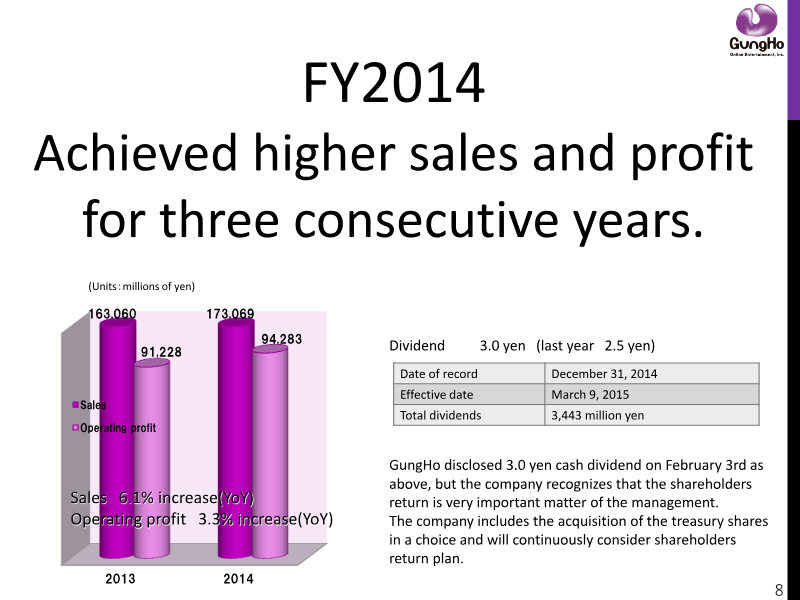
- GungHo Online Entertainment achieved its third consecutive year of growth in FY2014, reporting 173.07 billion yen in sales and 94.28 billion yen in operating profit, up 6.1% and 3.3% respectively.
- The flagship mobile title Puzzle & Dragons remains the company's primary revenue driver, reaching 33 million domestic downloads and 10 million international downloads by early 2015.
- The company is prioritizing international expansion for 2015, including a partnership with Tencent to launch Puzzle & Dragons in China and further pushes into U.S. and European markets.


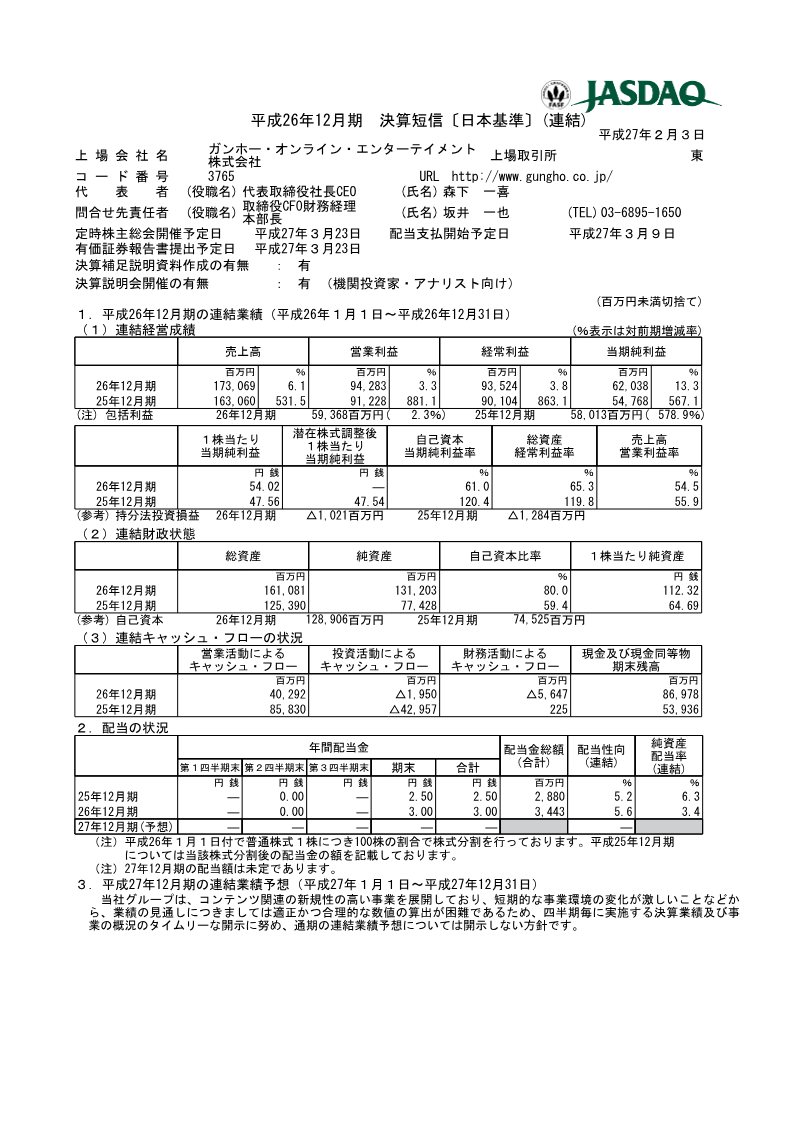
GungHo Online Entertainment FY2014 Financial Results
GungHo Online Entertainment achieved robust financial growth during the 2014 fiscal year, characterized by net sales of 173 billion yen and a 13.3 percent increase in net income to 62 billion yen.
- GungHo Online Entertainment generated 173 billion yen in net sales and a 13.3% increase in net income to 62 billion yen for the 2014 fiscal year.
- The company exhibits extreme revenue concentration, with the flagship title Puzzle & Dragons accounting for 91.5% of total sales.
- Management declined to provide full-year earnings forecasts for the upcoming period, citing the volatility of the digital content market and reliance on a single asset.
Companies behind it

As the documents state it.