Plants vs. Zombies
15 documents in the library are about Plants vs. Zombies, from writers such as PocketGamer.biz, Game Developers Conference and Udonis, the newest from 2026. Each has a summary and key insights with the page they come from.

Plants vs. Zombies is a tower defense game in which players protect their suburban home from waves of approaching zombies by placing various plants on a grid-based lawn. Each plant has a unique defensive function, from shooting projectiles to blocking or exploding, while different zombie types require specific strategies to defeat. The game spans five stages across daytime, nighttime, backyard pool, fog, and rooftop settings, with additional puzzle, mini-game, and survival modes.
- Released
- May 5, 2009
- Developer
- PopCap Games
- Publisher
- Electronic Arts
- Genres
- Puzzle, Real Time Strategy (RTS), Strategy, Tactical
- Platforms
- PlayStation 3, Windows Phone, Android, PC (Microsoft Windows), iOS, Mac, PlayStation Vita, Xbox 360
- Links
- Official site, Wikipedia
Game data from IGDB.com
Key figures
Plants vs. Zombies 2 remains a stable, long-term performer with 8.2 million monthly active users and 2.1 million daily active users as of mid-2026.
Udonis, 2026 · Plants vs. Zombies 2 Player Count, Revenue & Download Stats
Plants vs. Zombies 2 achieved 16 million iOS downloads within two weeks of release, reaching top-100 grossing status in over 50 countries.
PocketGamer.biz, 2013 · Monetizer: Plants vs. Zombies 2, p. 17
WeChat is leveraging its 330 million user base to enter the mobile gaming market, launching with four titles including international franchises like Fruit Ninja and Plants vs. Zombies 2.
PocketGamer.biz, 2013 · Mobile games industry news (w/e 2 August 2013), p. 4
Documents about Plants vs. Zombies

🐌 Voodoo's mid-core ERA: Draft Showdown is Battle Legion with the friction removed
Voodoo is successfully transitioning into the mid-core market by applying a hybrid-casual philosophy to complex genres, most notably through the auto-battler Draft Showdown.
- Voodoo’s auto-battler Draft Showdown currently generates $120,000 in daily revenue with 400,000 daily active users, with projections estimating a peak of $200,000 to $300,000 as the title matures.
- The game successfully scales mid-core mechanics by applying a hybrid-casual philosophy, specifically removing complex unit placement friction and integrating roguelite elements to prioritize active, counter-based gameplay.
- Monetization is driven by a high-volume strategy featuring seven distinct rewarded ad placements and a double-dipping interstitial system, supplemented by a Draft Pass for in-app purchases.
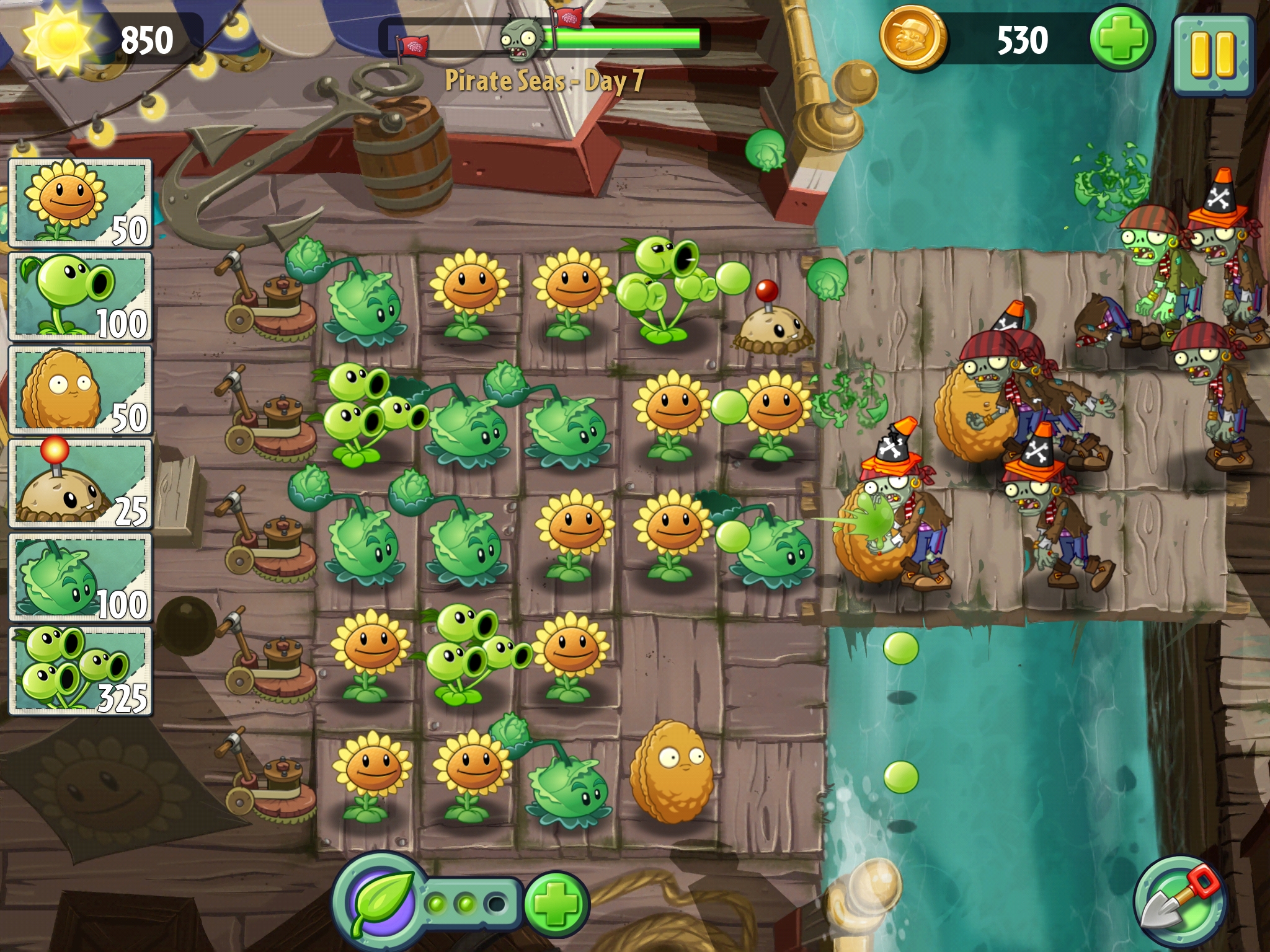
Plants vs. Zombies 2 Player Count, Revenue & Download Stats
Plants vs. Zombies 2 remains a commercially viable and highly durable mobile title more than a decade after its 2013 launch.
- Plants vs. Zombies 2 remains a stable, long-term performer with 8.2 million monthly active users and 2.1 million daily active users as of mid-2026.
- The game has accumulated 421.9 million lifetime downloads and continues to generate approximately 25 to 30 million new installs annually.
- Lifetime in-app purchase revenue stands at $186.6 million, with annual earnings remaining consistent at roughly $15 million per year since 2023.
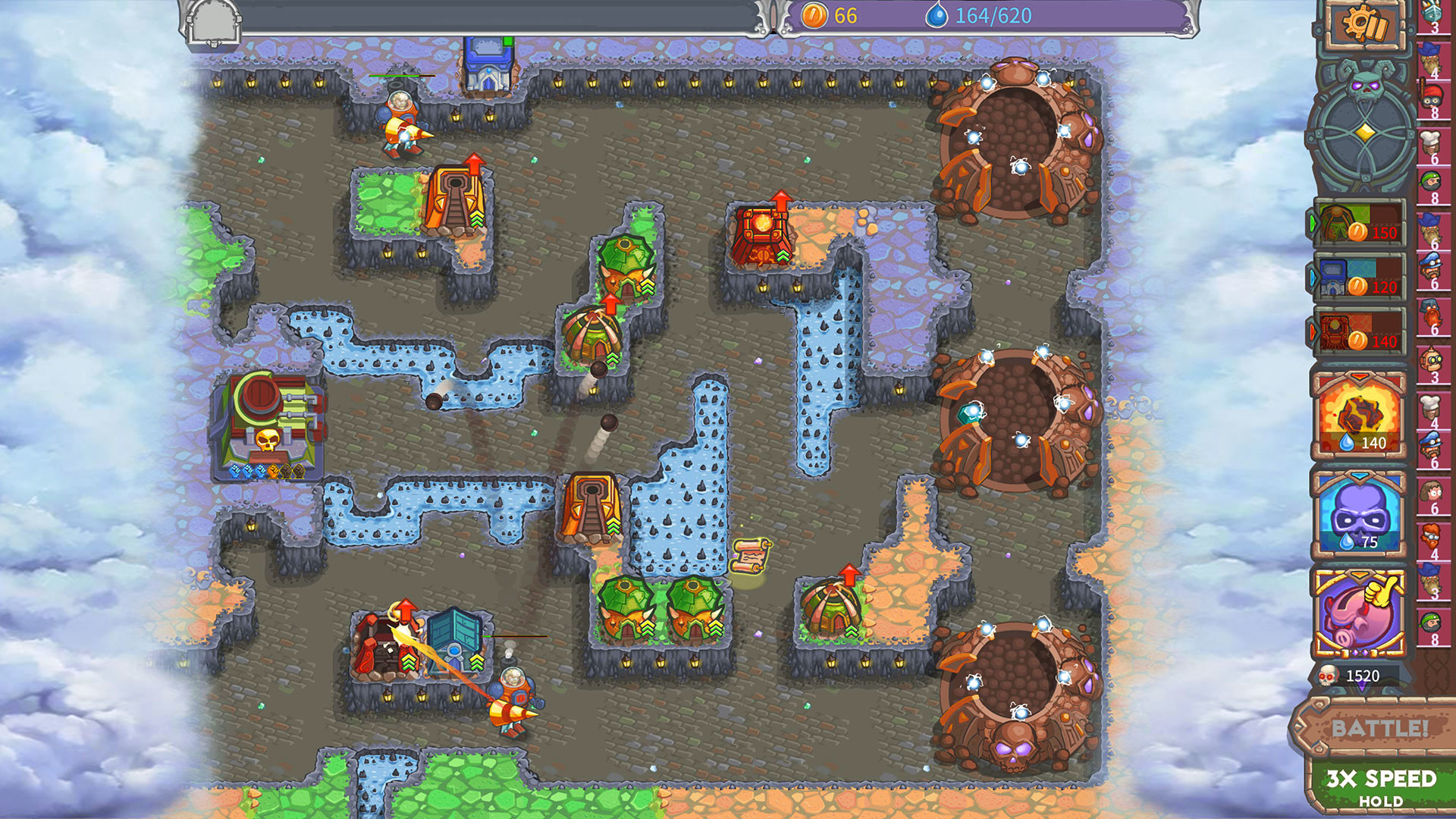
Games Like Plants vs. Zombies: 10 Fun TD Picks
The article presents a curated list of ten mobile tower-defense titles that capture the same addictive loop found in Plants vs. Zombies, emphasizing quick setup, escalating waves, and satisfying counter-play.
- The mobile tower-defense market in 2026 continues to prioritize the core 'plant-and-watch' loop while diversifying into sub-genres like roguelike, gacha, and physics-based puzzle mechanics.
- Kingdom Rush Frontiers and Bloons TD 6 represent the industry standard for integrating hero units, active spells, and complex upgrade trees into traditional tower-defense gameplay.
- Modern tower-defense titles are increasingly incorporating non-traditional elements, such as the tile-placement randomness found in Isle of Arrows and the grid-based gacha progression utilized in Arknights.

That Unity-Epic deal, Minecraft Blast, Netflix Games 2.0, Duolingo, Ubisoft, Stash, EA and more
The mobile gaming industry is currently defined by strategic alliances, platform pivots, and significant consolidation within the web shop and monetization sectors.
- Unity and Epic Games have entered a strategic partnership allowing Unity-made games to publish directly to Fortnite and integrating Unreal Engine support into Unity’s monetization and web shop tools.
- Netflix has pivoted its gaming strategy toward mainstream, family-oriented, and party games, moving away from the underperforming indie titles that previously populated the service.
- King has entered soft launch for 'Minecraft Blast' in Malaysia, marking a significant effort to bring the Minecraft IP to mobile via a puzzle-based gameplay model.

Week in Mobile Games E33 - Destiny: Rising heads to mobile and Unity's charm offensive
The mobile gaming industry is currently navigating a period of significant structural and strategic realignment.
- Genshin Impact has solidified its market dominance by surpassing $5 billion in mobile revenue within the Chinese market.
- Bungie and NetEase have partnered to develop Destiny: Rising, a strategic entry into the mobile shooter market, though analysts express skepticism regarding its potential for global blockbuster success.
- Unity is attempting to rebuild developer trust by launching Unity 6 and formally canceling its controversial runtime fee following a period of significant internal layoffs.
Always Be Composing: The Flexible Music System of Plants vs. Zombies Heroes
The musical architecture of Plants vs. Zombies Heroes centers on a highly interactive, flexible system designed to mirror gameplay progression while maintaining distinct character identities.
- The music system maintains a cohesive sonic identity by utilizing a fixed tempo of 125 BPM and shared key centers across all hero-specific themes and combat sequences.
- Engineers achieved a complex, adaptive audio experience within a strict 60MB asset footprint by using a hybrid MIDI and wave-based framework managed through Wwise.
- The audio team optimized memory usage by developing a custom 24-instrument sample library and implementing shared reverb and strategic compression techniques.
How I Got My Mom to Play Through Plants vs. Zombies
Effective game design prioritizes intuitive, seamless onboarding by integrating instructional elements directly into the core gameplay loop.
- Integrate instructional elements directly into the core gameplay loop to replace text-heavy tutorials, which disrupt immersion and feel like work.
- Use staggered pacing to introduce new mechanics only when they are immediately relevant to the player's progress.
- Leverage real-world analogies, such as plants as defensive towers, to reduce cognitive load by allowing players to apply existing knowledge to new mechanics.
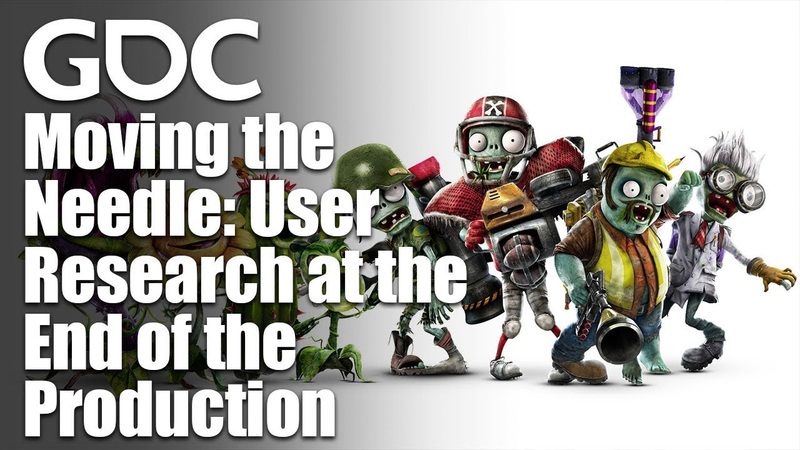
Moving the Needle: User Research at the End of the Production Cycle
User research remains a critical component of game development even during the final stages of production, when core mechanics are finalized and the project is committed to its primary design.
- Late-stage user research shifts focus from radical design changes to fine-tuning balance, progression, and polish to elevate a game's quality before launch.
- Development teams should transition from qualitative think-aloud sessions to quantitative metrics and telemetry during the final production phase to identify specific performance weak spots.
- During the final six months of Plants vs. Zombies Garden Warfare production, researchers used mixed-method studies with 24 to 48 participants per session to optimize map design and character balance.
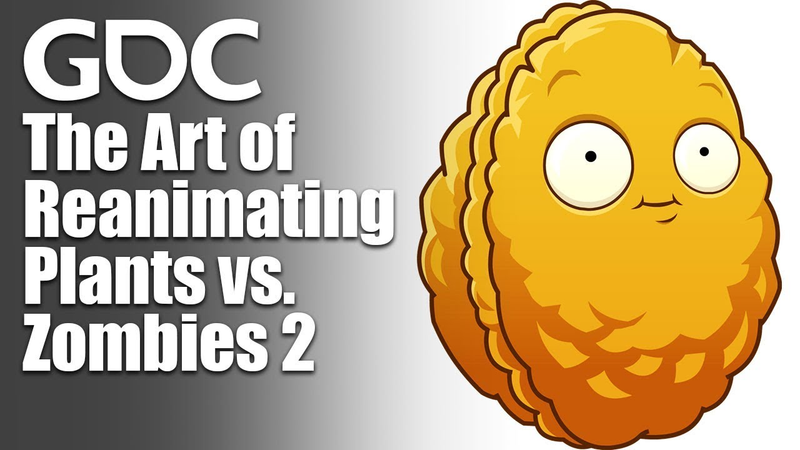
The Art of Reanimating Plants vs. Zombies 2
This presentation outlines the artistic development process for Plants vs. Zombies 2, focusing on the challenges of creating a sequel to a highly acclaimed, genre-defining title.
- Successful sequels must prioritize protecting the core identity and mechanics of the original title rather than attempting to replace them.
- The development team transitioned from hand-drawn art to a vector-based aesthetic using Flash to improve animation efficiency and visual readability on smaller mobile screens.
- The narrative shift to a time-travel theme allowed for the introduction of new environments and mechanics while maintaining the franchise's established visual language.

Chinese mobile gamers want pay-to-win says localisation expert
The Chinese mobile gaming market represents a massive, high-growth opportunity for Western developers, characterized by a unique set of consumer preferences and structural challenges.
- The Chinese mobile gaming market is a high-growth sector that reached a $3 billion valuation in 2014, representing a 175% year-over-year increase.
- Chinese gamers demonstrate a cultural preference for pay-to-win mechanics, requiring developers to ensure that financial investments yield tangible competitive advantages.
- The market is highly fragmented with approximately 200 Android distribution channels, which account for 70% of total revenue compared to 30% from iOS.

News roundup: BlackBerry bought, King preps IPO and EA's Apple payoff?
The mobile gaming industry is currently navigating significant shifts in corporate stability, market entry strategies, and regulatory oversight.
- King is preparing for a NASDAQ IPO with an estimated valuation of approximately $5 billion, highlighting the significant growth potential for successful free-to-play developers.
- The UK Office of Fair Trading (OFT) has warned that many free-to-play games may violate consumer protection laws by pressuring minors into in-app purchases, mandating that developers provide non-paid alternatives to ensure compliance.
- BlackBerry is being acquired by a Canadian venture group for $4.7 billion following a $1 billion write-down on its Z10 device, signaling its exit from the consumer smartphone market and its decline as a viable gaming platform.

Mobile games industry news (w/e 30 August 2013)
The mobile games industry in late August 2013 was defined by significant shifts in hardware strategy, developer tool accessibility, and the evolving role of platform holders in publishing.
- Unity Technologies expanded its business model to include game publishing, leveraging its developer base to curate and distribute titles while forming a strategic partnership with Facebook for social integration.
- Nintendo launched the 2DS to address hardware costs, despite the 3DS platform reaching 32 million units sold, highlighting the company's ongoing struggle to adapt its hardware-centric model to the modern mobile market.
- Autodesk released Maya LT, a streamlined and affordable version of its 3D software, signaling a trend toward making professional-grade production tools accessible to independent mobile studios.