Myst
Game
Documents about Myst
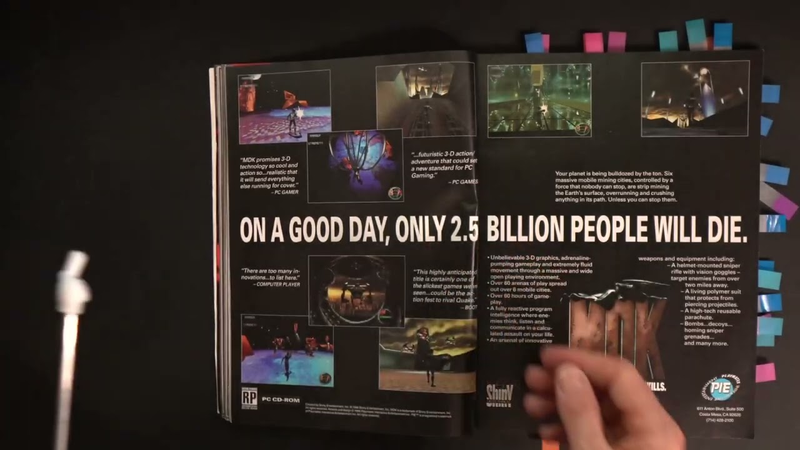
How To Market A Game63 min
Review of PC Gamer March 1997
The mid-1990s PC gaming landscape was defined by a pivotal transition toward strategy, simulation, and immersive 3D experiences, signaling a departure from traditional point-and-click adventure games.
- In the March 1997 PC Gamer Awards, Civilization II was named Game of the Year, beating out high-profile titles like Quake and Tomb Raider.
- Looking Glass Studios, despite their focus on immersive sims like System Shock, produced a golf simulator during this period to generate revenue and offset the high costs of their innovative projects.
- PC gaming in 1997 was characterized by a heavy reliance on expensive, specialized peripherals like flight sticks and steering wheels, distinguishing the platform from the console market.
How To Market A GameJul 2026
Extra Credits18 min
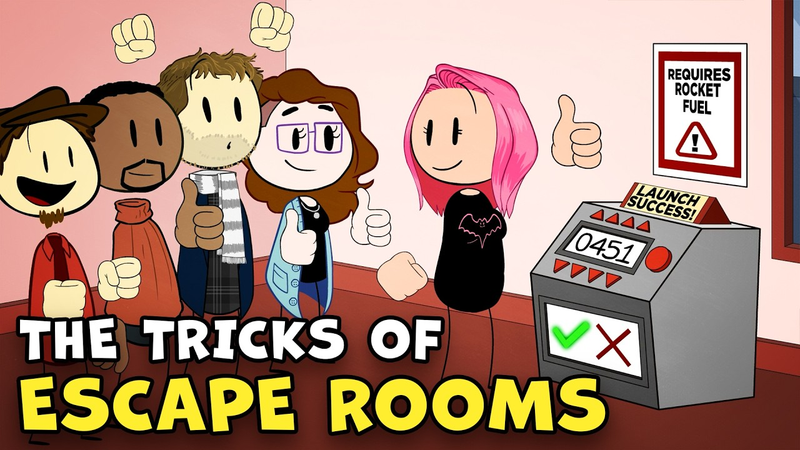
Escape Rooms: Manipulation for Fun and Profit! | Extra Credits Gaming
Modern escape rooms function as sophisticated psychological environments designed to immerse participants in a narrative while guiding their behavior through subtle game design techniques.
- The modern escape room industry originated with Takao Kato’s company SCRAP in 2007, and has since expanded to an estimated 50,000 rooms across at least 44 countries.
- Designers utilize the 'magic circle' concept to foster immersion, employing themed introductions and 'endowments'—such as specific titles or physical props—to help players adopt a role and suspend disbelief.
- Lighting is used as a non-verbal tool to guide player movement and focus, such as dimming lights in one area to encourage migration to a brighter room or using soft pulses to highlight puzzle components.
Extra CreditsOct 2025
Game Developers Conference58 min
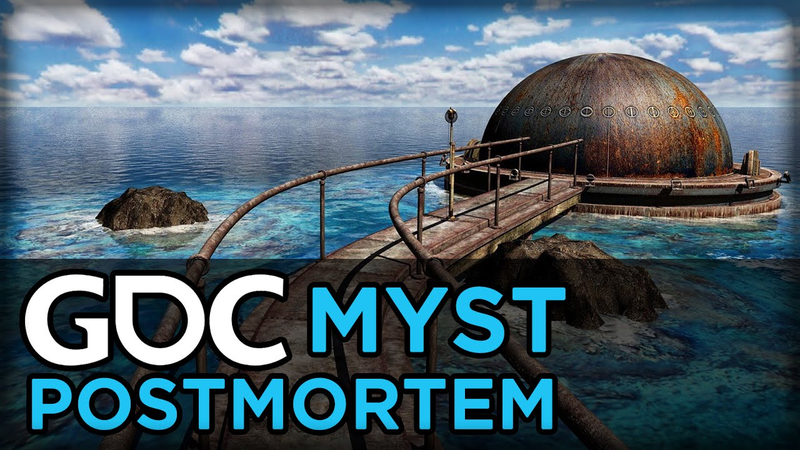
Classic Postmortem: The Making Of Myst
The development of Myst represents a foundational shift in interactive entertainment, prioritizing player agency and environmental immersion over traditional gaming conventions.
- The development of Myst prioritized environmental immersion and player agency over traditional gaming conventions, successfully targeting a broad, non-traditional audience.
- The team utilized a hub-and-spoke 'Ages' structure to manage the severe data constraints of early CD-ROM technology.
- Technical limitations regarding character interaction were addressed through creative narrative framing, such as using books to justify one-way communication.
Game Developers ConferenceSep 2015