Infinity Blade
Game
8 documents in the library are about Infinity Blade, from writers such as PocketGamer.biz, GameMakers and Naavik. Each has a summary and key insights with the page they come from.
Connections
Each row is a game or company named alongside Infinity Blade, each column a document, oldest first. A mark means that document names it. Select a row to see those documents.
Key figures from the reports
Infinity Blade III utilizes a hybrid monetization model that combines a $7 upfront premium entry fee with an aggressive in-app purchase (IAP) ecosystem typical of free-to-play titles.
PocketGamer.biz, 2013 · Monetizer: Infinity Blade III, p. 1
Transitioning Infinity Blade 2 to a free-to-play model resulted in 5.7 million downloads and a 2.4x increase in in-app purchase revenue compared to the prior week.
PocketGamer.biz, 2013 · Mobile games industry news (w/e 19 July 2013), p. 7
Documents about Infinity Blade
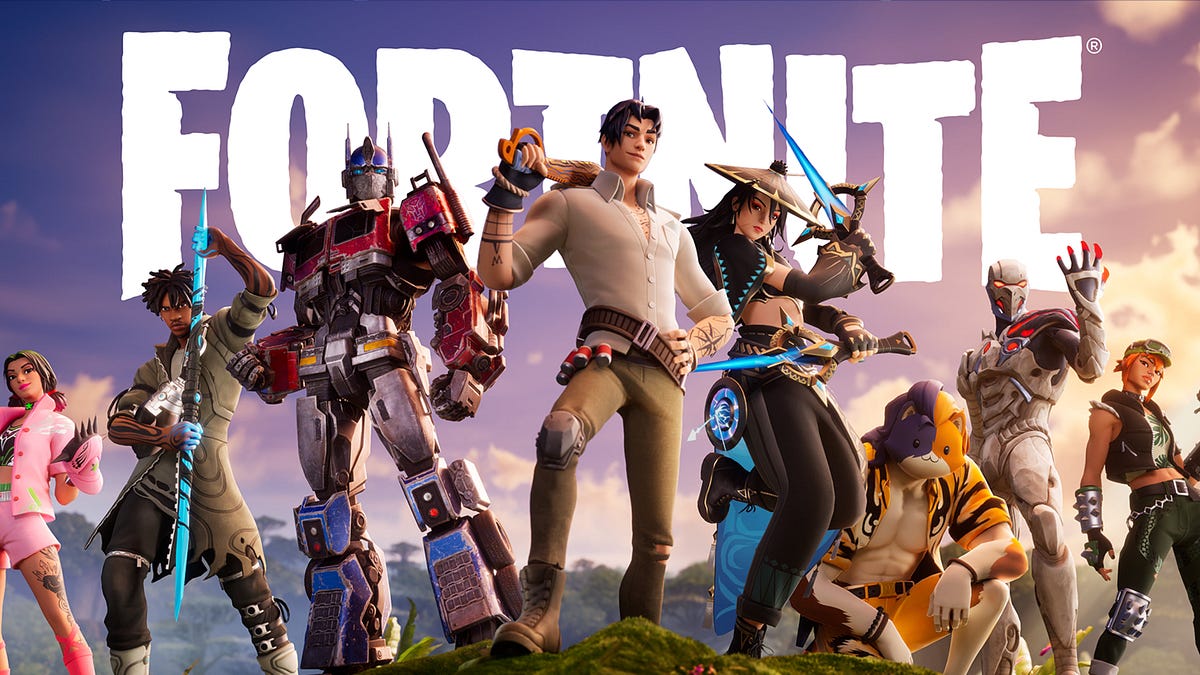
Epic Offers ‘Peace Proposal’ After US Court Ends Apple’s Control Over the App Store
A recent US court ruling has mandated Apple to alter its App Store policies, specifically prohibiting the company from preventing developers from promoting alternative payment methods for games.
- A US court ruled that Apple violated a 2021 anti-steering injunction, prohibiting the company from blocking developers from promoting alternative payment methods or charging fees on purchases made outside the App Store.
- Apple is now barred from controlling link placement or the language developers use to inform customers about external purchasing options and must replace 'scare screens' with neutral language.
- Epic Games has offered to drop all litigation against Apple and return Fortnite to the iOS App Store globally if Apple applies these US-court-mandated rules to its platform worldwide.

Longtime Epic Games Exec Donald Mustard Announces His Retirement
Donald Mustard, Chief Creative Officer at Epic Games, announced his retirement from the company in September 2023, concluding a nearly 25-year career in the game industry.
- Donald Mustard, the Chief Creative Officer at Epic Games, announced his retirement from the company in September 2023.
- Mustard is widely recognized as a primary architect of Fortnite, overseeing its expansion into the battle royale genre and its extensive series of pop culture and entertainment crossovers.
- Mustard joined Epic Games in 2008 following the company's acquisition of ChAIR Entertainment, a studio he co-founded in 2005.
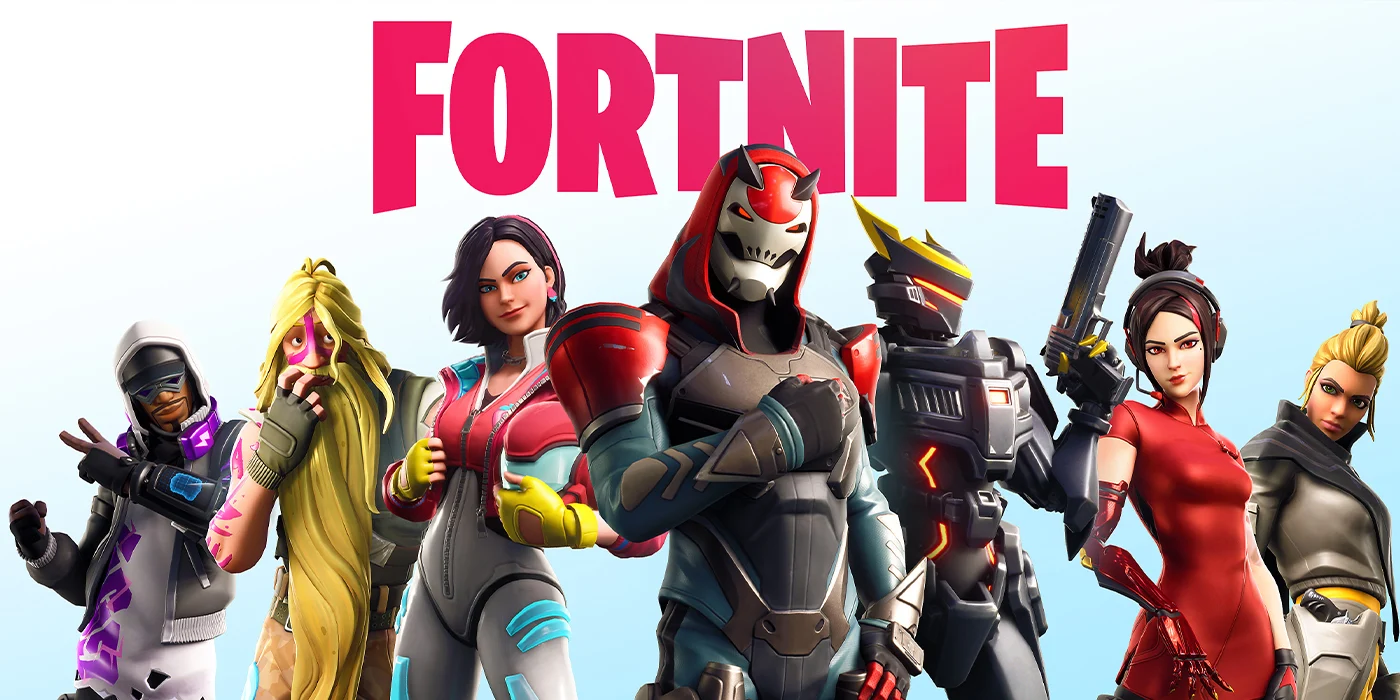
Epic Games & The Quest to Push Boundaries
Epic Games' evolution from a 1991 college consulting side project into a diversified gaming and technology ecosystem is traced through five "iterations," with the argument that its adaptive capacity and dual role as game maker and tool provider explain why it can do what competitors cannot.
- Epic Games operates as an iterative entity that leverages its internal successes, such as Fortnite, to build foundational infrastructure like the Unreal Engine that serves both the company and the broader developer ecosystem.
- Fortnite’s success was driven by a combination of social connectivity, cross-game avatar persistence, the Battle Pass monetization model, and high-profile live events featuring partners like Marshmello and Star Wars.
- The Epic Games Store (EGS) aims to challenge industry gatekeepers by offering a competitive 12% revenue cut to developers, attempting to disrupt the market dominance of platforms like Steam.

Monetizer: Batman: Arkham Origins
Batman: Arkham Origins, a free-to-play mobile brawler developed by Warner Bros., serves as a case study for integrating console-style production values with established mobile monetization mechanics.
- Batman: Arkham Origins employs a dual-currency model featuring upgrade points for character progression and WayneTech points for premium boosts, stamina, and cosmetics.
- The game utilizes tiered pricing bands in its store to incentivize larger real-money transactions by offering increased value at higher spending levels.
- The economic model creates a psychological distinction between currencies by presenting upgrade points as abundant, low-value assets and WayneTech points as scarce, premium resources.
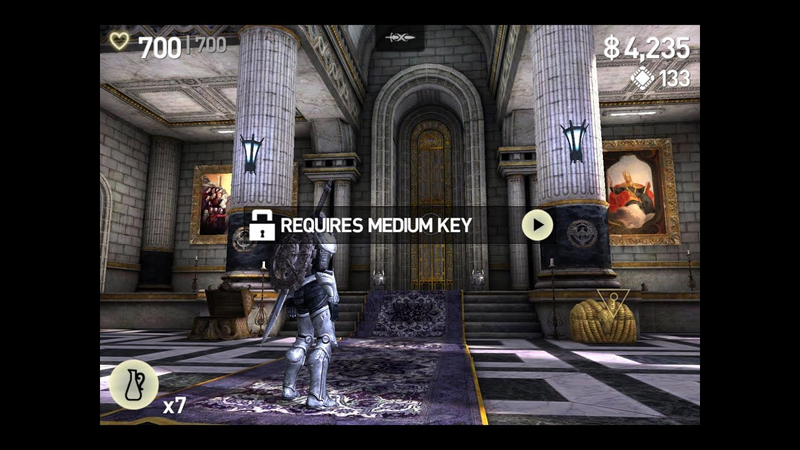
Monetizer: Infinity Blade III
Infinity Blade III serves as a notable case study in the integration of sophisticated free-to-play (F2P) monetization mechanics within a premium, paid-entry mobile game.
- Infinity Blade III utilizes a hybrid monetization model that combines a $7 upfront premium entry fee with an aggressive in-app purchase (IAP) ecosystem typical of free-to-play titles.
- The game employs a dual-hard-currency system using gold and chips, which are non-interchangeable and serve distinct functions like equipment acquisition and time-based crafting acceleration.
- Monetization is driven by a layered architecture featuring inventory stores, consumable items, time-based crafting mechanics, and randomized rewards through prize wheels and key-based chest unlocking.

News roundup: Opinions on GTA V and the rise of iOS 7
This industry analysis examines the shifting landscape of mobile monetization and platform adoption as of September 2013, contrasting the traditional console model with the prevailing free-to-play (F2P) paradigm.
- Top-grossing mobile titles like Candy Crush Saga achieve an average revenue per paying user of approximately $40 annually, matching the upfront retail cost of many premium console games.
- Mobile developers such as GungHo Online and Supercell are demonstrating that high-frequency monetization strategies often outperform the traditional one-time purchase model used by console releases like Grand Theft Auto V.
- Mobile gaming is increasingly adopting complex monetization mechanics, including dual hard currencies, randomized item drops, and time-gated progression, even within premium-priced titles like Infinity Blade III.

Mobile games industry news (w/e 19 July 2013)
The mobile gaming industry in mid-2013 is characterized by rapid growth in user acquisition and significant consolidation, particularly within Asian markets.
- Baidu’s $1.9 billion bid for 91 Wireless highlights intense competition among Chinese tech giants like Tencent and 360 to control Android distribution channels.
- The Korean messaging platform Kakao generated over $300 million in revenue during the first half of 2013 through its integrated games platform.
- Kabam reached a $700 million valuation following a private share placement, signaling strong investor confidence in the scalability of free-to-play business models.

Psychology & Perception: How Games Are Like Wine
Joseph Kim argues in this 2013 GameMakers essay that player enjoyment of a game is shaped not only by its actual qualities but by how the player perceives it, drawing an analogy to wine.
- A 2008 Cal Tech and Stanford Business School study demonstrated that higher price points can physically increase a consumer's enjoyment of a product by altering their perception of its quality.
- Game developers can influence player enjoyment by manipulating external perceptions through branding, high production values, and polished UI.
- Social proof, such as leveraging social recommendations and competitive rivalries, is a critical but often overlooked driver of player perception.