Infinity Blade
Game
Documents about Infinity Blade

PocketGamer.biz15 min
Monetizer: Batman: Arkham Origins
Batman: Arkham Origins, a free-to-play mobile brawler developed by Warner Bros., serves as a case study for integrating console-style production values with established mobile monetization mechanics.
- Batman: Arkham Origins employs a dual-currency model featuring upgrade points for character progression and WayneTech points for premium boosts, stamina, and cosmetics.
- The game utilizes tiered pricing bands in its store to incentivize larger real-money transactions by offering increased value at higher spending levels.
- The economic model creates a psychological distinction between currencies by presenting upgrade points as abundant, low-value assets and WayneTech points as scarce, premium resources.
PocketGamer.bizNov 2013
PocketGamer.biz12 min
Monetizer: Infinity Blade III
Infinity Blade III serves as a notable case study in the integration of sophisticated free-to-play (F2P) monetization mechanics within a premium, paid-entry mobile game.
- Infinity Blade III utilizes a hybrid monetization model that combines a $7 upfront premium entry fee with an aggressive in-app purchase (IAP) ecosystem typical of free-to-play titles.
- The game employs a dual-hard-currency system using gold and chips, which are non-interchangeable and serve distinct functions like equipment acquisition and time-based crafting acceleration.
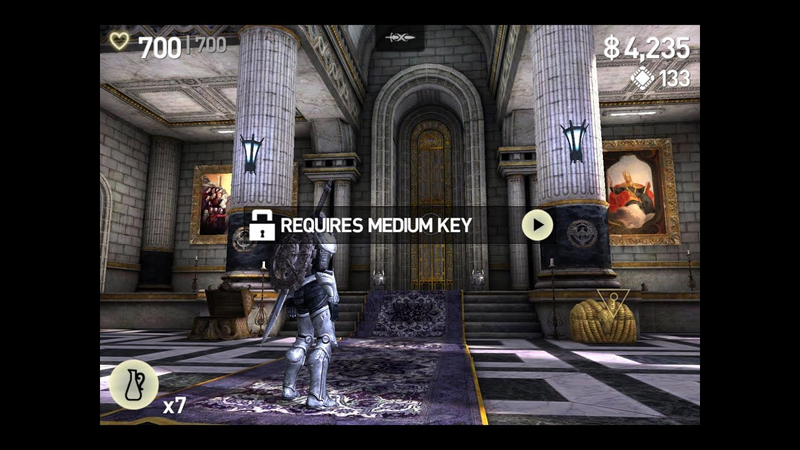
- Monetization is driven by a layered architecture featuring inventory stores, consumable items, time-based crafting mechanics, and randomized rewards through prize wheels and key-based chest unlocking.
PocketGamer.bizSep 2013

PocketGamer.biz11 min
News roundup: Opinions on GTA V and the rise of iOS 7
This industry analysis examines the shifting landscape of mobile monetization and platform adoption as of September 2013, contrasting the traditional console model with the prevailing free-to-play (F2P) paradigm.
- Top-grossing mobile titles like Candy Crush Saga achieve an average revenue per paying user of approximately $40 annually, matching the upfront retail cost of many premium console games.
- Mobile developers such as GungHo Online and Supercell are demonstrating that high-frequency monetization strategies often outperform the traditional one-time purchase model used by console releases like Grand Theft Auto V.
- Mobile gaming is increasingly adopting complex monetization mechanics, including dual hard currencies, randomized item drops, and time-gated progression, even within premium-priced titles like Infinity Blade III.
PocketGamer.bizSep 2013

PocketGamer.biz9 min
Mobile games industry news (w/e 19 July 2013)
The mobile gaming industry in mid-2013 is characterized by rapid growth in user acquisition and significant consolidation, particularly within Asian markets.
- Baidu’s $1.9 billion bid for 91 Wireless highlights intense competition among Chinese tech giants like Tencent and 360 to control Android distribution channels.
- The Korean messaging platform Kakao generated over $300 million in revenue during the first half of 2013 through its integrated games platform.
- Kabam reached a $700 million valuation following a private share placement, signaling strong investor confidence in the scalability of free-to-play business models.
PocketGamer.bizJul 2013