Loading the document
1 free read left. Create a free account for unlimited reading + AI research.
Create free accountArticle GameMakers
1 free read left. Create a free account for unlimited reading + AI research.
Create free accountArticleGameMakers
A study showed that altering perception of quality through price points can physically increase enjoyment. This mirrors findings in neuroscientific research on wine consumption.
Like a fine wine, a game's perceived value can enhance the actual experience.
Joseph Kim argues in this 2013 GameMakers essay that player enjoyment of a game is shaped not only by its actual qualities but by how the player perceives it, drawing an analogy to wine. He cites a January 2008 Caltech and Stanford Business School study in which participants drinking the same wine, labeled at $90 versus $10, reported greater enjoyment of the pricier version and showed higher pleasure responses on brain scans. From this he concludes that psychology and perception can alter a physical experience, and he hypothesizes that games work similarly: the better a user believes a game to be, the more pleasure they may derive from it.
Kim extends the idea with the example of early iPhone and iPad buyers who queued for hours or days, suggesting they may have convinced themselves to enjoy the products more. He then frames a thought experiment about how developers might deliberately shape perception of their games. The more obvious levers are brand (Warner Bros.' Injustice), production value (Infinity Blade), and polish or UI (CSR Racing).
The essay emphasizes five less obvious drivers: social proof, such as social recommendations in Candy Crush Saga and visible rivalries in WindRunner; price, as seen in Square Enix's mobile titles; pattern matching, where familiar mechanics in the first-time experience trigger "I've played 20 of these" abandonment while novelty, as in Limbo, creates positive surprise; waiting lists, popularized by Mailbox and adopted by Clinkle, which mimic nightclub-style scarcity; and exclusivity through invitation-only or screened launches, as with A Small World and Quibb.
The piece is an opinion-driven, mobile and free-to-play-focused commentary rather than empirical research, relying on a single external study and anecdotal examples. Kim credits DeNA's designers with unusually deep use of user psychology and closes by inviting readers to discuss what else could foster favorable perception of games.
Each row is a game or company this document names, each column a document, oldest first. A mark means that document names it. Select a row to see those documents.
GameMakers · 2026
University of Applied Sciences Upper Austria · 2026
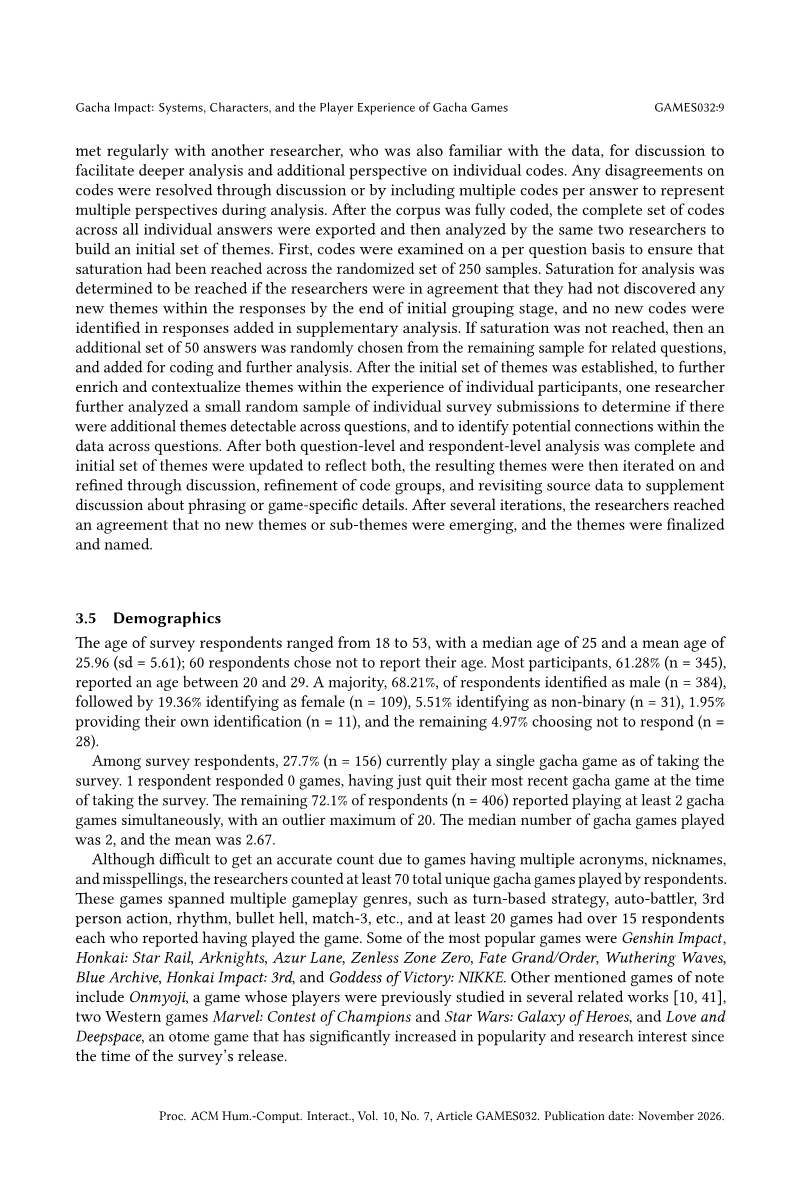
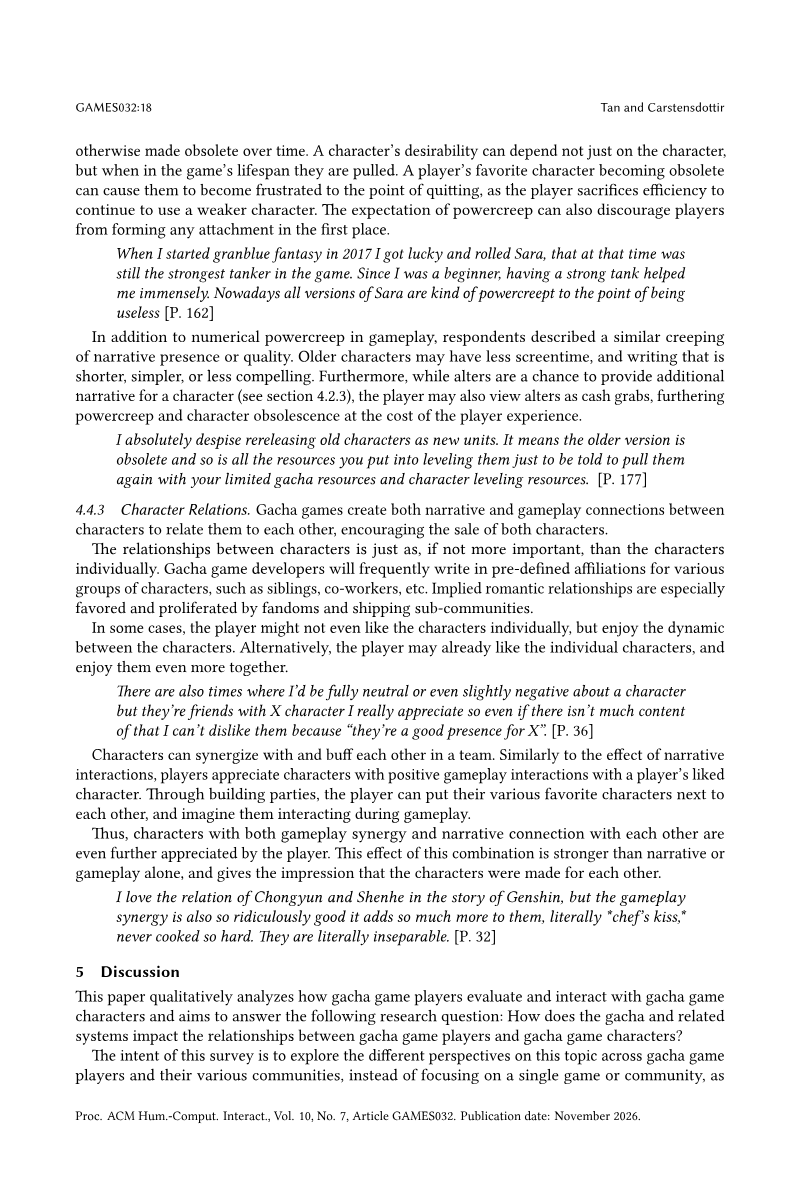
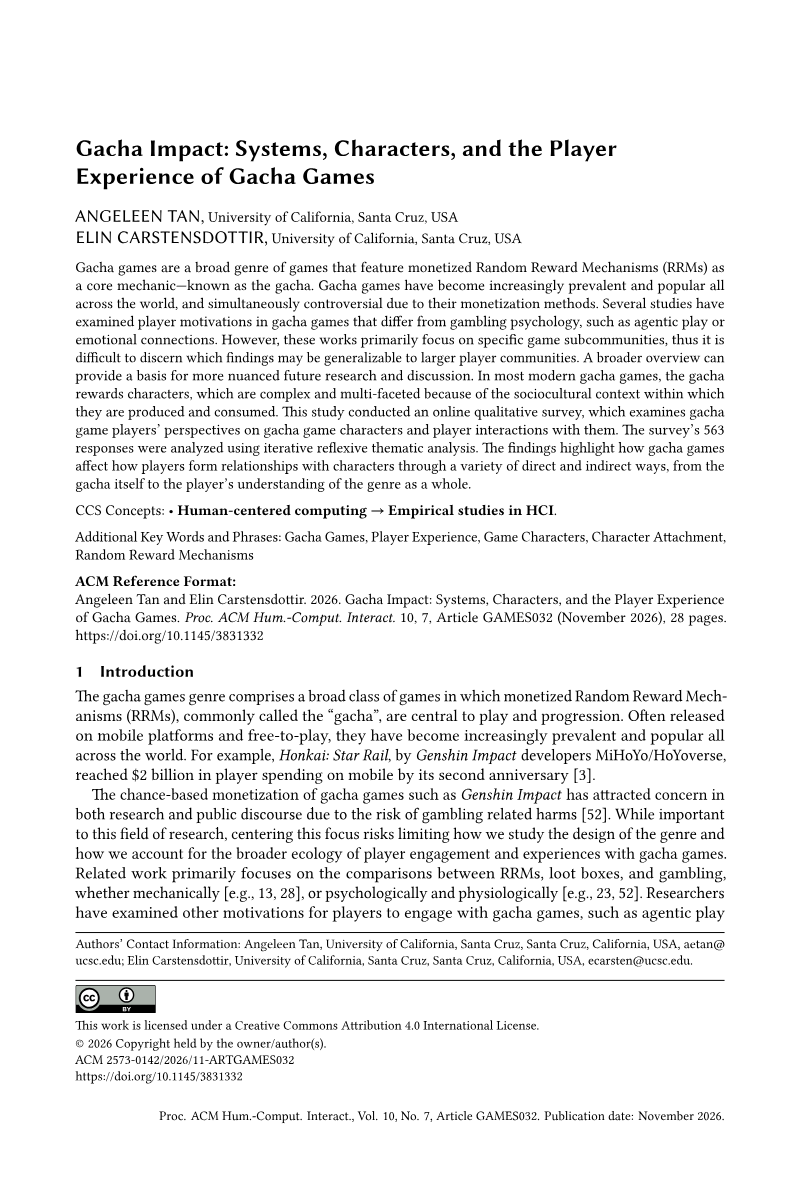
University of California Santa Cruz · 2026
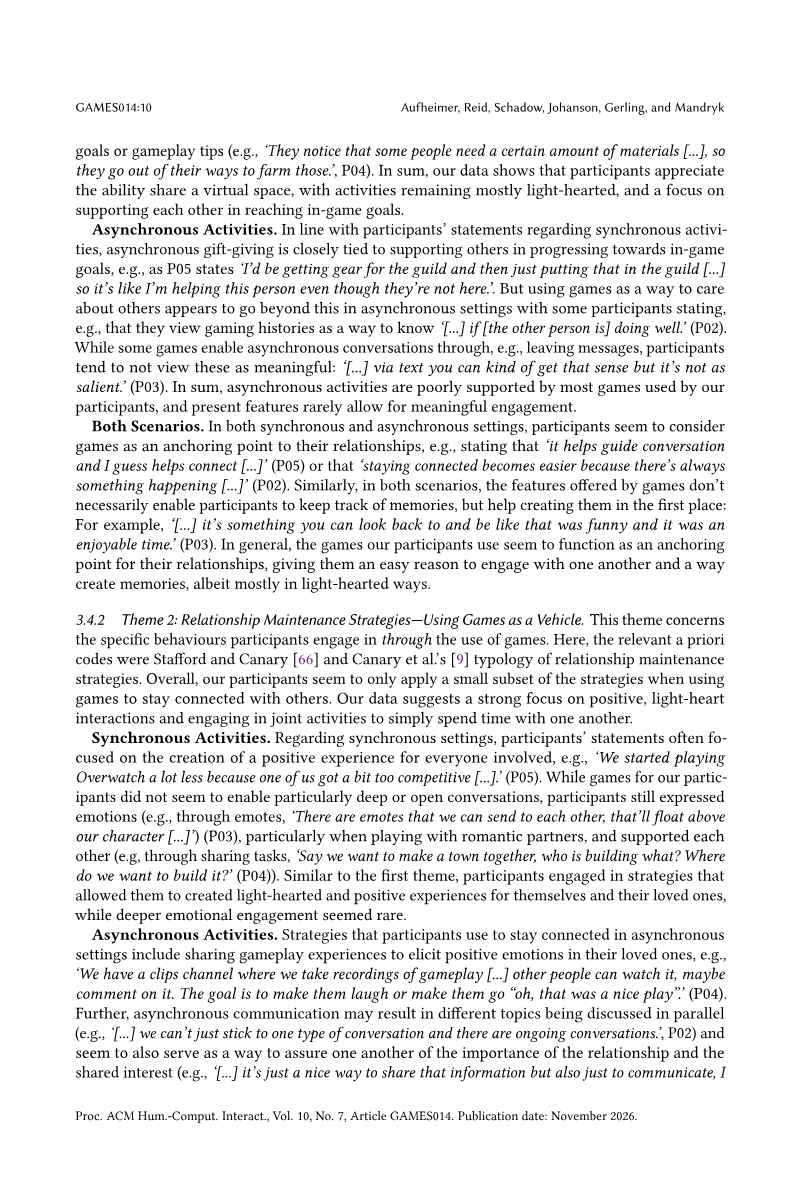
Karlsruhe Institute of Technology · 2026
University of Waterloo · 2026
Utrecht University · 2026
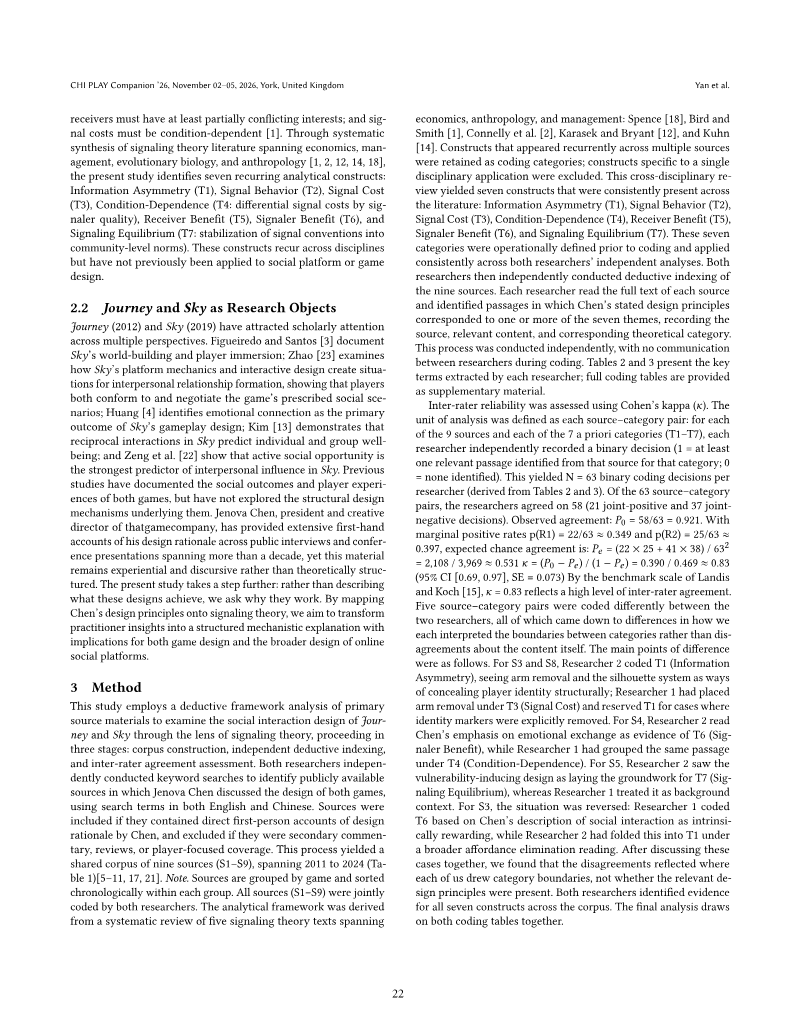
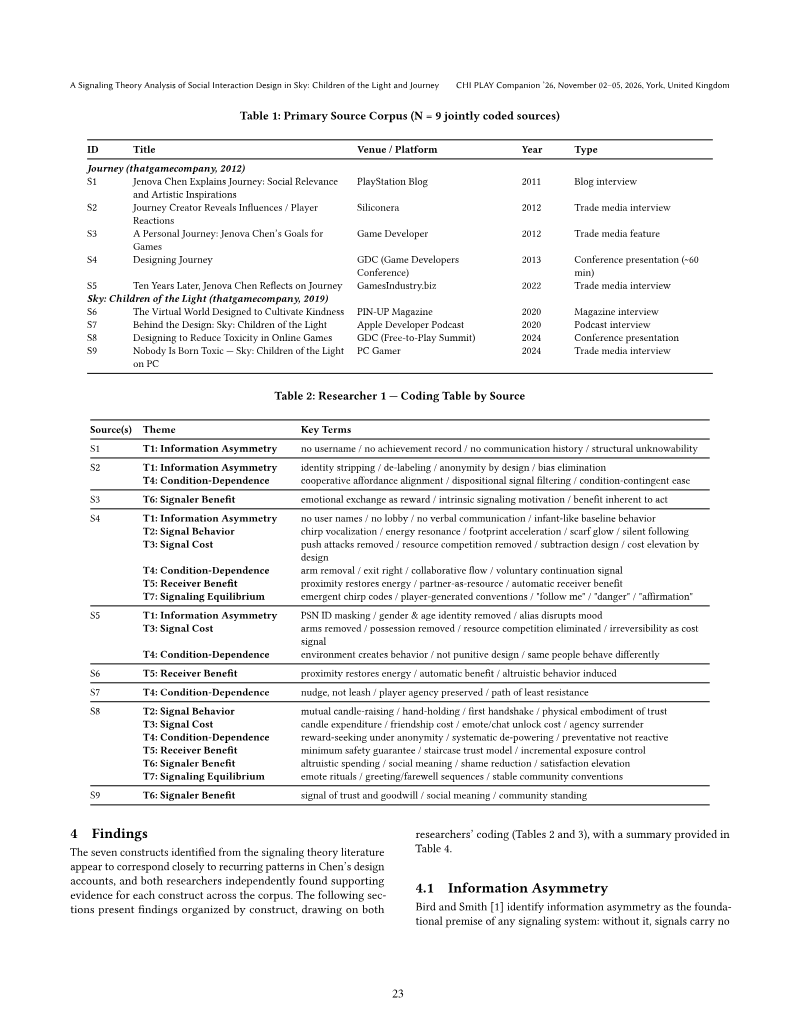
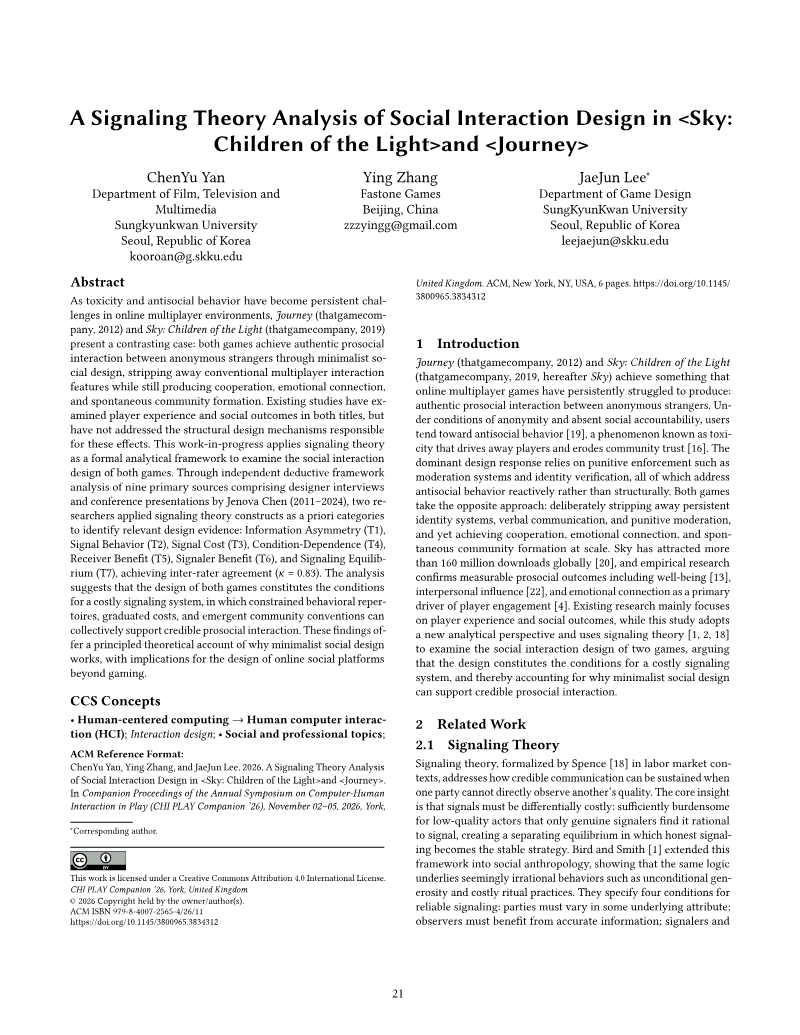
Sungkyunkwan University · 2026

PocketGamer.biz · 2026

Extra Credits · 2026
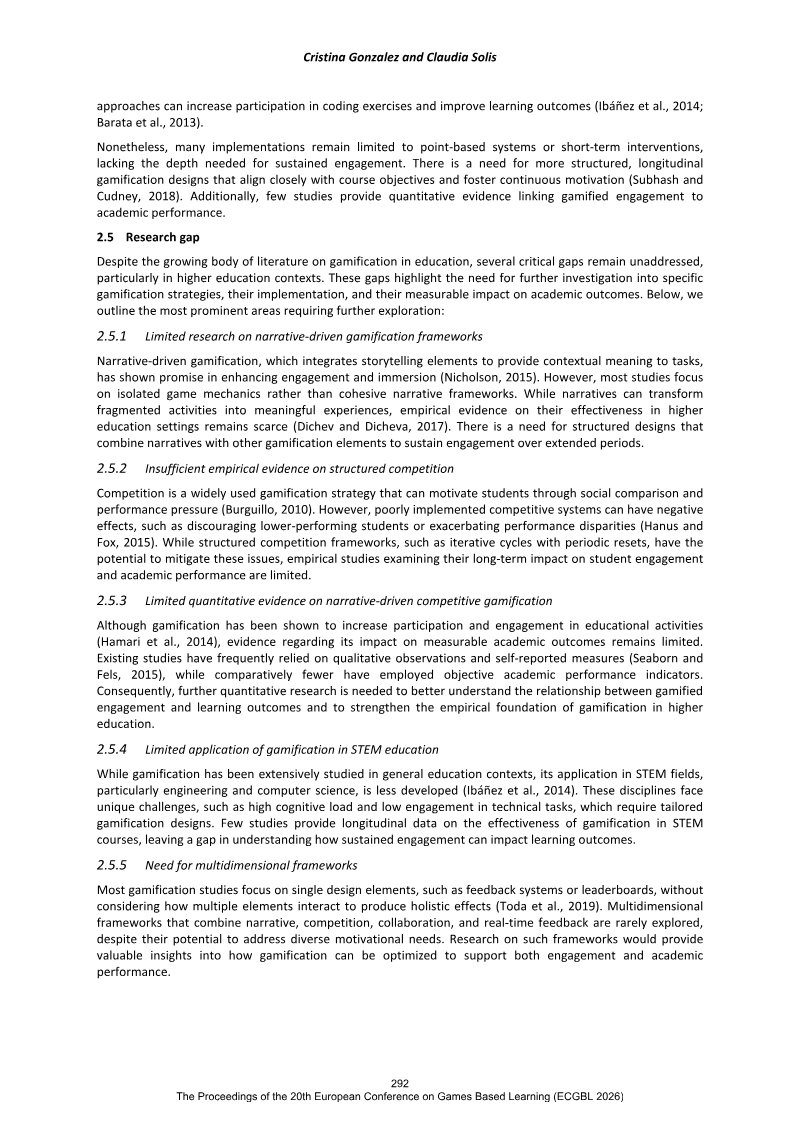
European Conference on Games Based Learning (ECGBL) · 2026
European Conference on Games Based Learning (ECGBL) · 2026
European Conference on Games Based Learning (ECGBL) · 2026



European Conference on Games Based Learning (ECGBL) · 2026