Golf
Game
Documents about Golf

Deconstructor of Fun at GDC
The provided text serves as an announcement for the Deconstructor of Fun team’s participation in the 2018 Game Developers Conference (GDC) in San Francisco.
- Adam Telfer and Anil Das-Gupta are hosting a live deconstruction session on March 21, 2018, at GDC, focusing on the mechanics of Golf Clash and Rules of Survival.
- Michail Katkoff is presenting a session on March 22, 2018, at GDC detailing five specific areas where successful product managers in free-to-play mobile games differ from their peers.
- A 'Mobile Masters Meet Up' is scheduled for March 19, 2018, at Topsy's Bar in San Francisco, co-presented by Gram Games, Mobile Free to Play, Deconstructor of Fun, and Mobile Dev Memo.
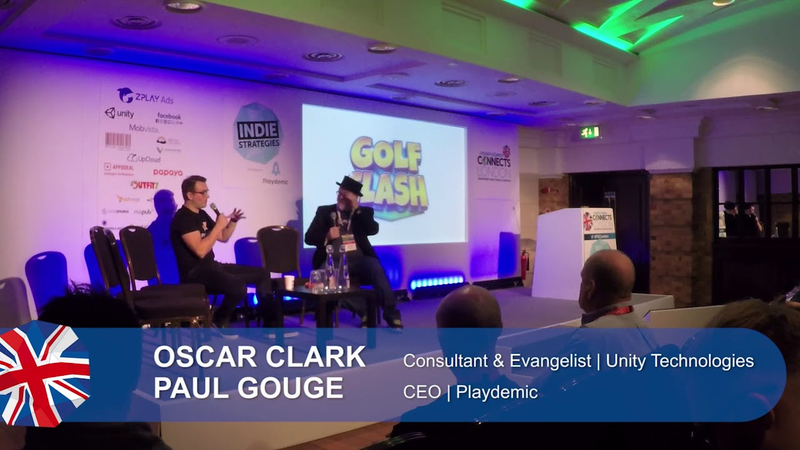
Golf Clash – The power of infectious gameplay
The evolution of mobile gaming from early experimental platforms to the current era of live-service dominance reflects a shift toward accessible, high-frequency engagement.
- Modern mobile success relies on the 'games as a service' model, which prioritizes long-term retention and persistent social ecosystems over static, one-time experiences.
- Developers can maximize engagement by transforming simple, three-minute gameplay loops into multi-layered experiences through asynchronous multiplayer, competitive tournaments, and frequent content updates.
- Post-launch product refinement should be driven by data-based analysis of player behavior rather than traditional, static design methods.

Golf Clash: A Case Study in Free-to-Play Monetization
Golf Clash, a mobile golf simulation game developed by Playdemic, serves as a primary example of successful free-to-play monetization through the strategic adaptation of established mechanics.
- Golf Clash monetizes through a 'pay-to-play' entry fee where players wager soft currency (gold) on matches, creating a direct incentive for players to upgrade their gear to avoid losing their entry stakes.
- The game successfully adapted the Clash Royale chest-and-card upgrade economy, but differentiated itself by gating match access with gold rather than just time-based chest unlocks.
- Playdemic introduced consumable golf balls with varying stats as a secondary monetization layer, allowing players to reduce risk and gain strategic advantages without creating a purely 'pay-to-win' dynamic.

Return To Adventure Mountain 2015
The year 2015 served as a period of significant professional transition and creative output for an independent game developer based in Phoenix, Arizona.
- In 2015, a Phoenix-based independent developer shifted to rapid prototyping of small-scale titles following the dissolution of a previous business partnership.
- The developer released a diverse portfolio of experimental games throughout the year, including Wizard Golf RPG, Rogue Drop, Drill Planet, and Ride Share Z.
- Wizard Golf RPG achieved international press coverage, though the developer reported that it failed to reach significant commercial success.

Com2uS USA's Don Lim talks about the Korean publisher's great success
Com2uS established itself as a mobile-first developer with a fifteen-year history, achieving significant growth in 2012 by transitioning its business model from paid applications to a free-to-play strategy.
- Com2uS achieved significant growth in 2012 by pivoting its business model from paid applications to a free-to-play strategy, anchored by the success of the social title Tiny Farm.
- The integration of KakaoTalk as a gaming platform was a critical driver for developer success in 2012, utilizing social features like friend invitations and gifting to boost virality and engagement.
- Widespread Android adoption in the Korean market during 2012 served as a foundational catalyst for the company's expansion by facilitating broader Google Play distribution and revenue.
Annual Report and Financial Statements 2020
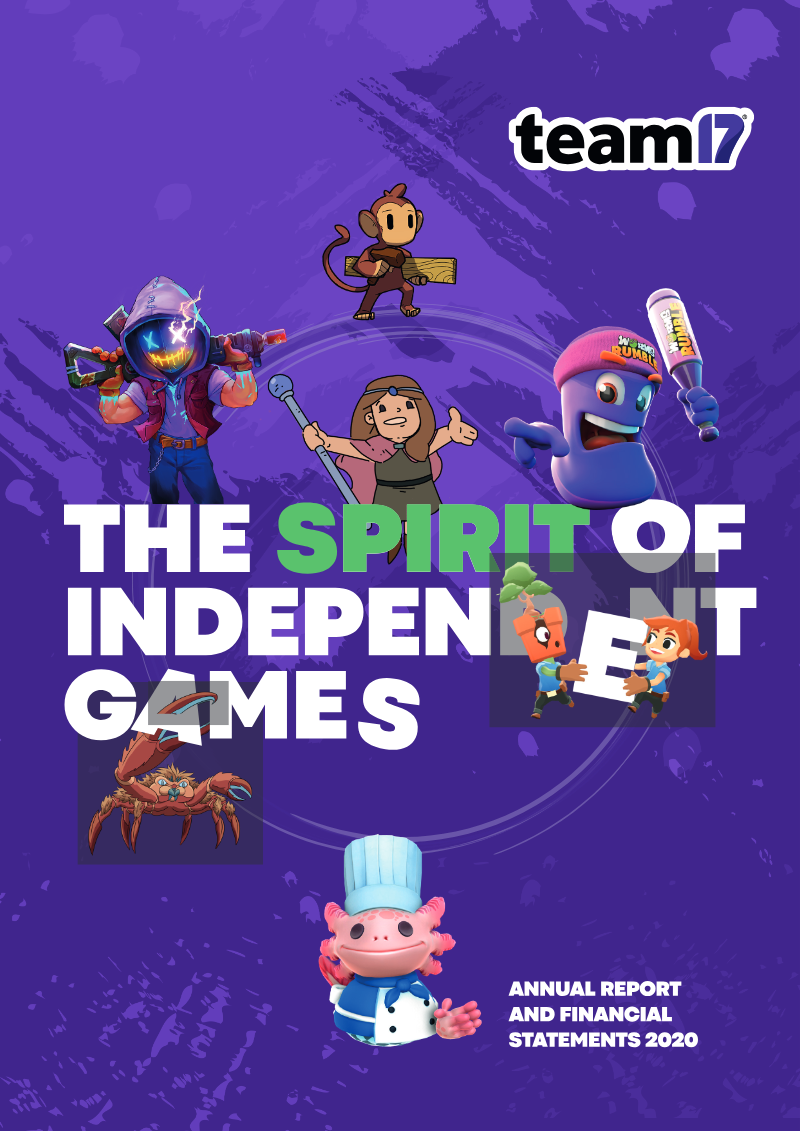
Team17 Group plc achieved record financial results in 2020, characterized by a 34% revenue increase to £83.0 million and a 36% rise in adjusted EBITDA to £30.1 million.
- Team17 achieved record 2020 financial results with revenue growing 34% to £83.0 million and adjusted EBITDA rising 36% to £30.1 million.
- The company’s business model relies heavily on a diverse back catalogue, which generated 78% of total revenue, alongside the launch of 10 new titles.
- Digital-first distribution accounts for 93% of total sales, supported by a portfolio of nearly 400 digital revenue lines.
Companies behind it

As the documents state it.