
Final Fantasy Tactics
GameBy Square Product Development Division 4 · Released Jun 20, 1997
Documents about Final Fantasy Tactics
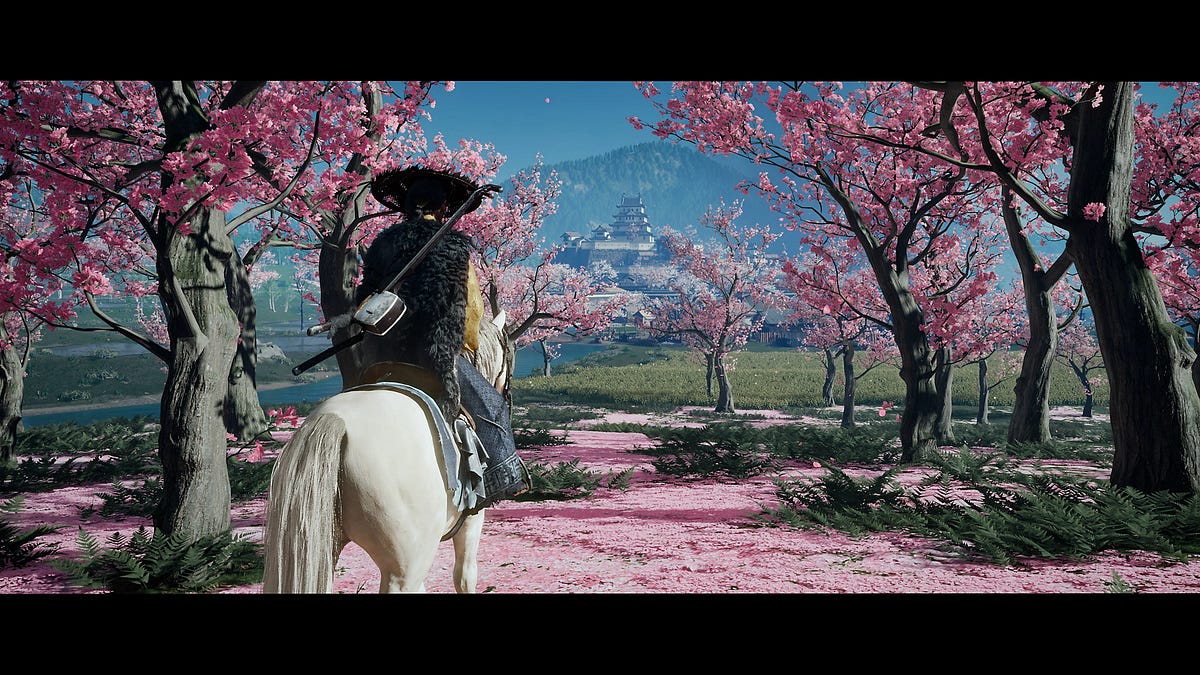
Ghost of Yotei Delivers Strong Opening: Europe
The release of Ghost of Yotei has achieved a strong commercial debut across Europe, securing the number two position in the regional sales charts for the week ending October 5, 2025.
- Ghost of Yotei debuted at No. 2 in the European GSD charts, with opening sales matching the performance of its 2020 predecessor, Ghost of Tsushima.
- EA Sports FC 26 maintained the No. 1 position in Europe for the third consecutive week, despite a 62% week-on-week decline in unit sales.
- Ghost of Yotei represents the strongest first-party PlayStation launch since Spider-Man 2 in October 2023.
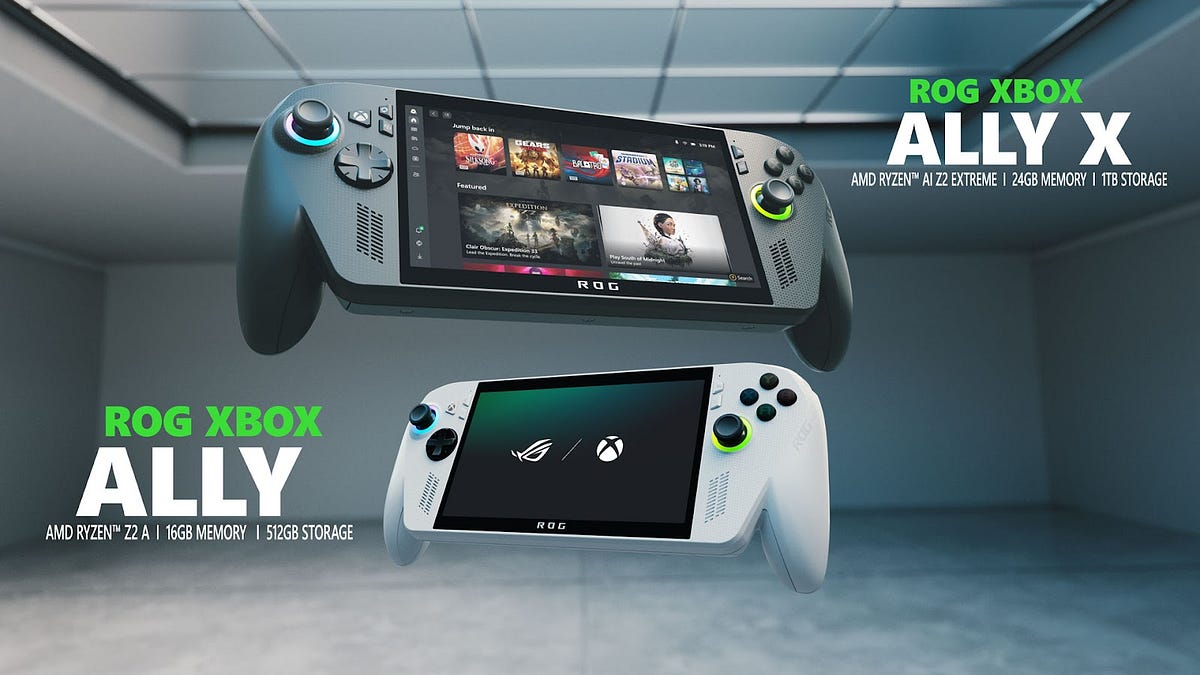
Summer Games Fest Doubles Down on AA, as Chaos Sweeps LA: 12/06/2025
The June 2025 industry landscape was defined by a stark contrast between the high-profile launch of the Nintendo Switch 2 and the concurrent Summer Game Fest (SGF) in Los Angeles, which took place against a backdrop of significant civil unrest.
- The Nintendo Switch 2 launched in June 2025 with 3.5 million units sold during its opening week.
- Summer Game Fest 2025 pivoted away from AAA spectacles to prioritize mid-sized, single-player AA-tier titles.
- Xbox entered the handheld market with the Windows-based ROG Xbox Ally and secured a new development partnership with Game Freak.
How the Switch 2 eShop Changes Discoverability
The primary focus of this analysis is the evolution of game discoverability on the Nintendo Switch 2 eShop, specifically examining how interface changes and algorithmic updates influence how players find and purchase titles.
- The Switch 2 eShop introduces a 'For You' section that uses personalized algorithms—factoring in user history, genre preferences, and social connections—to surface game recommendations.
- Nintendo continues to utilize a three-day revenue-based metric for its best-seller charts, which inherently favors higher-priced titles over lower-priced, discounted games.
- The Wish List page has been elevated to a primary navigation item, reflecting a strategic shift toward prioritizing user intent and long-term engagement.
Reverse-Engineering Graphical Innovation: An Introduction to Graphical Regimes
Arsenault and Côté's 2013 paper argues that graphical innovation in video games should be understood through two intertwined dimensions, functional and aesthetic, with technology serving as a facilitating agent rather than the sole cause of change.
- Arsenault and Côté (2013) argue that graphical innovation in video games rests on two intertwined dimensions, functional and aesthetic, with technology acting as a facilitator rather than the sole cause of change.
- The authors introduce the 'graphical regime,' defined as the junction between gameplay and visual representation that persists independently of hardware, and argue that hardware capability alone does not explain platform success or design trajectories.
- The degree of control a player holds over camera, framing, and depth is treated as a central analytical variable, and the creative process they call 'mise-en-image' describes how gameplay, vision, and graphical style are articulated together.
A New Angle on Parallel Languages: The Contribution of Visual Arts to a Vocabulary of Graphical Projection in Video Games
This article argues that the video game field has under-developed its vocabulary for graphical projection, relying on loose terms such as "top-down view" and "isometric graphics" where a more precise, art-historical terminology would serve analysis better.
- The paper argues that game studies relies on loose labels such as "top-down view" and "isometric graphics" and proposes art-historical terminology, classified by underlying projection principles rather than by technology, as a sturdier analytical framework.
- Perspective (rooted in Alberti's treatise) simulates human vision through foreshortening, whereas parallel projection preserves relationships between axes; pictorial projection splits into oblique forms (cavalier, cabinet) and axonometric forms (isometric, dimetric, trimetric).
- Dimetric rendering with its 2:1 pixel ratio is far more common in practice than true isometric projection, a point the author uses to show that the popular label often misdescribes what games actually display.
Companies behind it

As the documents state it.