Fallout: New Vegas
7 documents in the library are about Fallout: New Vegas, from writers such as Extra Credits, Video Games Industry Memo and Game Developer, the newest from 2026. Each has a summary and key insights with the page they come from.
In this first-person Western RPG, the player takes on the role of Courier 6, barely surviving after being robbed of their cargo, shot and put into a shallow grave by a New Vegas mob boss. The Courier sets out to track down their robbers and retrieve their cargo, and winds up getting tangled in the complex ideological and socioeconomic web of the many factions and settlements of post-nuclear Nevada.
- Released
- Oct 19, 2010
- Developer
- Obsidian Entertainment
- Publishers
- Bandai Namco Entertainment, 1C/Cenega, Bethesda Softworks
- Genres
- Shooter, Role-playing (RPG)
- Platforms
- PlayStation 3, PC (Microsoft Windows), Xbox 360
- Links
- Official site, Wikipedia
Game data from IGDB.com
Documents about Fallout: New Vegas

Report: Bethesda President Tells Obsidian Staff It Won't Lose 'Creative Identity' After Merge
Obsidian Entertainment is undergoing a significant organizational transition following its integration into the Bethesda corporate structure.
- Obsidian Entertainment is being merged into Bethesda as part of a broader restructuring by parent company Xbox.
- Bethesda president Jill Braff stated in an internal email that the merger is primarily a change in reporting structure and will not alter Obsidian's core creative identity.
- The merger follows a period of significant workforce reduction at Obsidian, which included the layoff of at least 52 employees in July 2026.

Ask George: December 2024
The December 2024 edition of the Video Games Industry Memo serves as a year-end personal reflection, shifting away from standard industry analysis to curate a list of cultural highlights.
- The December 2024 edition of the Video Games Industry Memo serves as a personal year-end reflection rather than a professional industry analysis.
- The report provides a subjective list of media highlights across six categories: fiction, non-fiction, film, television, music, and video games.
- Specific cultural recommendations include The Secret History (1992), Meet Me in the Bathroom (2017), Sing Sing (2023), Tigers Blood (2024), Industry (2020–2024), and Fallout: New Vegas (2010).

Ask George: September 2024
The September 2024 edition of the Video Games Industry Memo serves as a Q&A-style commentary, providing personal insights into the gaming habits of industry analyst George Osborn while touching upon broader sector trends.
- The esports sector is currently undergoing a critical evaluation to determine if the industry has moved past its peak growth phase.
- Regulatory scrutiny is intensifying regarding the intersection of loot box monetization mechanics and legal definitions of gambling.
- Player engagement trends favor titles that prioritize meaningful agency and world-building, exemplified by RPGs like Pentiment and Fallout: New Vegas.

Top Games in Live Streaming: April 2024
The live streaming landscape experienced a notable contraction in April 2024, with total viewership across the top 100 games declining by 11%, representing a loss of 178 million hours watched compared to the previous month.
- Total viewership across the top 100 streamed games fell by 11% in April 2024, representing a decline of 178 million hours watched compared to March.
- Rust surged into the top 10 games with 36 million hours watched, a 246% increase from March driven by a major game update and server wipe.
- The Fallout franchise experienced a significant viewership renaissance following the April 10th premiere of the Amazon TV series, with Fallout 4 reaching 4.9 million hours watched.
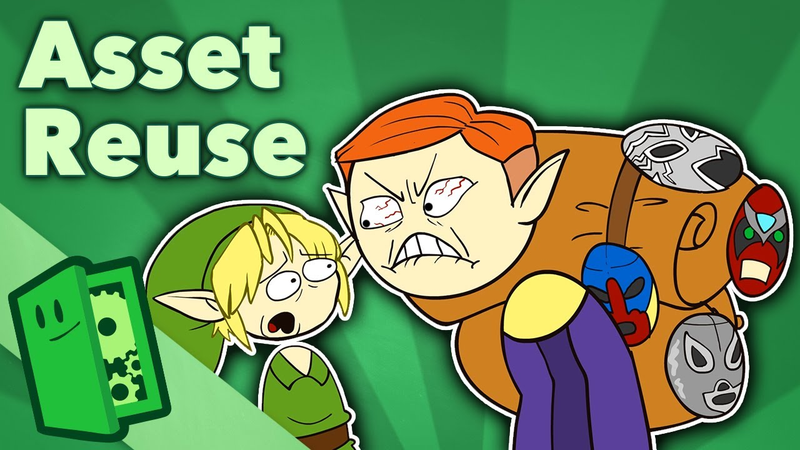
Asset Reuse - Working Smarter, Not Harder - Extra Credits
The practice of asset reuse in game development is often unfairly stigmatized as laziness or cost-cutting, when it is, in fact, a strategic design tool that allows developers to prioritize innovation and depth.
- Asset reuse is a strategic design tool that allows studios to shift finite resources away from redundant technical labor and toward core gameplay, narrative depth, and world-building.
- Reusing existing assets can enable rapid production cycles, such as the 16-month development timeline achieved for Dragon Age 2.
- Successful implementations like Fallout: New Vegas and The Legend of Zelda: Majora’s Mask demonstrate that reusing assets can facilitate superior role-playing depth and unique narrative experiences.
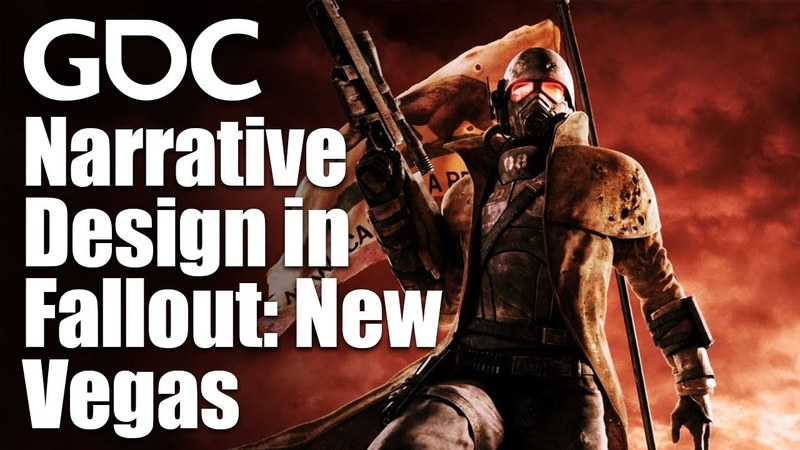
Choice Architecture, Player Expression, and Narrative Design in Fallout: New Vegas
Modern role-playing game design often struggles to reconcile linear cinematic storytelling with the need for authentic player agency.
- Modern RPG design suffers from 'choice conflict,' where gameplay mechanics force players into roles that contradict their intended character expression, undermining narrative weight.
- Narrative architecture should move away from binary moral extremes and high-stakes dilemmas in favor of tactical dialogue systems that offer clear forecasting and validated consequences.
- Developers should define specific, supported character archetypes to ensure that player choices are balanced with meaningful trade-offs rather than arbitrary win-loss outcomes.

Amnesia and Story Structure - Character Development in Fallout: New Vegas - Extra Credits
The use of amnesia as a narrative device in video games often serves as a shortcut to bypass the traditional three-act story structure.
- Amnesia is often used as a narrative shortcut to bypass the first act of a traditional three-act story structure, frequently resulting in protagonists that lack depth.
- Fallout: New Vegas relies on the amnesia trope to skip character history, creating a disconnect where the player inhabits a role with a pre-existing life that is never meaningfully explored.
- In contrast to New Vegas, Fallout 3 effectively utilizes a three-act structure by allowing players to experience the character’s formative years.