Disney Infinity
Game
Documents about Disney Infinity
Crossover Kingdom: Narration, Gamification, and the Platform Unconscious of Kingdom Hearts and Disney Parks
This analysis explores the "platform unconscious" within the Kingdom Hearts (KH) franchise, particularly focusing on the fan reception of the "Attraction Flow Attack" mechanic in Kingdom Hearts III.
- The paper argues that fan backlash against Kingdom Hearts III's Attraction Flow combat, which turns Disney theme park rides like Splash Mountain and the Mad Tea Party into weapons, reveals a 'platform unconscious': nonpublic conflicts between platforms and IP creators surfacing within the fictional worlds themselves.
- Using Fredric Jameson's political unconscious and James Malazita's platforms-as-sociotechnical-objects theory, the authors contend the Kingdom Hearts franchise requires interpretive tools beyond existing transmedia storytelling and media mix frameworks.
- The paper contrasts Arendelle (based on Frozen), which follows its source film through linear, cutscene-triggered routes resembling theme park paths and drew fan criticism for lacking originality, with Toy Box, which has an original arc integrating Toy Story characters and a repurposed, cancelled Final Fantasy XIII-Versus project.
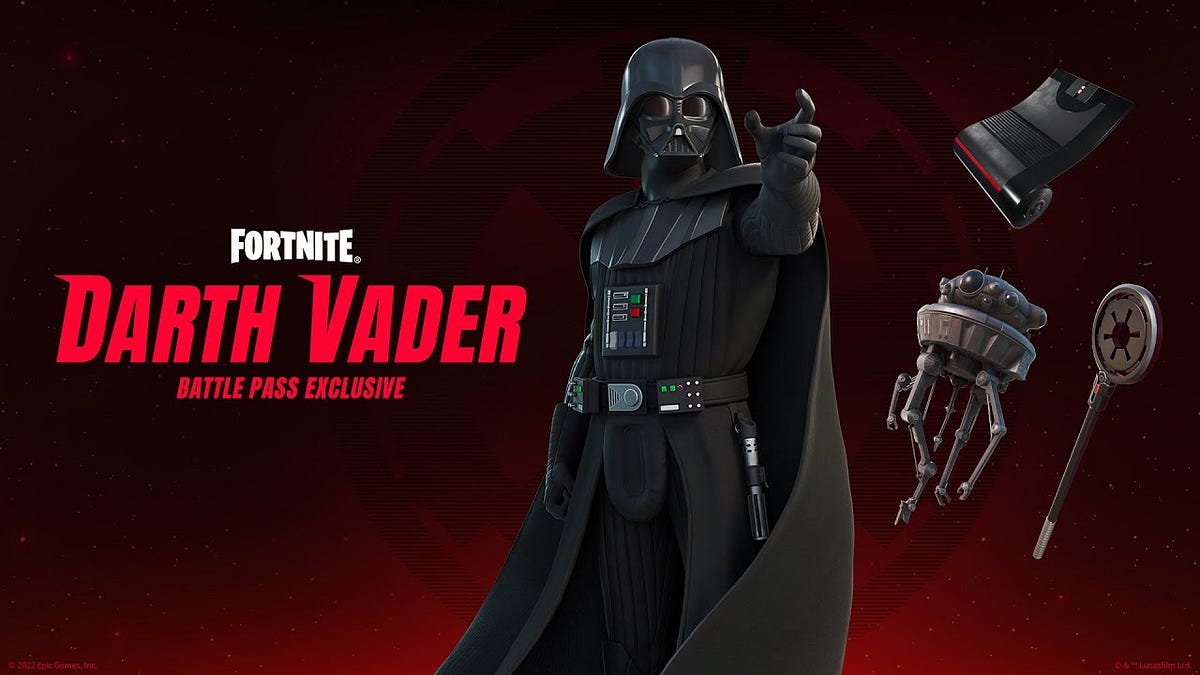
Investing in Influence: Video Games Industry Memo, 15/02/2024
This memo, published on February 15, 2024, analyzes Disney's $1.5 billion investment in Epic Games, positioning it as a strategic move to gain influence within the video games industry rather than a direct entry into game development.
- Major media and technology firms are shifting from internal development to an 'investing for influence' model to secure presence in digital ecosystems without the operational burden of managing game divisions.
- Disney’s $1.5 billion investment in Epic Games serves as a primary example of this strategy, allowing the company to gain creative influence over a virtual platform while outsourcing technical complexities.
- The industry is moving toward a model of minority stakes, similar to Tencent’s long-standing strategy, to capture audience engagement and foster connections within dominant 'walled garden' platforms.

Betting the Kingdom: Disney's $1.5 Billion Push into Gaming and the Future of Entertainment
The document analyzes significant strategic shifts within the entertainment and gaming industries, focusing on Disney's substantial investment in Epic Games and Microsoft's potential re-evaluation of its Xbox exclusivity strategy.
- Disney is investing $1.5 billion in Epic Games to build a persistent 'digital theme park' within Fortnite, marking a strategic shift from a licensing-only model to direct participation in interactive digital environments.
- Microsoft is considering porting major first-party titles like Starfield and Indiana Jones to PlayStation and Nintendo platforms to maximize returns on its ZeniMax and Activision Blizzard acquisitions, despite potential risks to the Xbox hardware ecosystem.
- Roblox reached a record $1.127 billion in quarterly bookings, demonstrating the financial viability of business models centered on user-generated content.
Controllers and the Magic Kingdom: Corporate Partnership, Synergy and the Limits of Cross-Promotion in Kingdom Hearts III (2019)
The Kingdom Hearts franchise serves as a critical case study for the complexities of trans-industrial collaboration, revealing the inherent friction between Square Enix’s expansive media-mix strategy and Disney’s rigid intellectual property management.
- The Kingdom Hearts franchise operates as a 'superfranchise' that remediates Disney and Square Enix intellectual properties, serving as a case study for the limits of corporate synergy in transmedia production.
- Disney’s internal video game strategy has been characterized by frequent restructuring, including the 2015 merger of its interactive media division into Consumer Products and the 2016 discontinuation of the Disney Infinity toy-to-life system.
- Creative control in the franchise is contested, with director Tetsuya Nomura navigating complex negotiations over character rights and noting that collaborating with creators of newer Disney films is more restrictive than working with older, established properties.
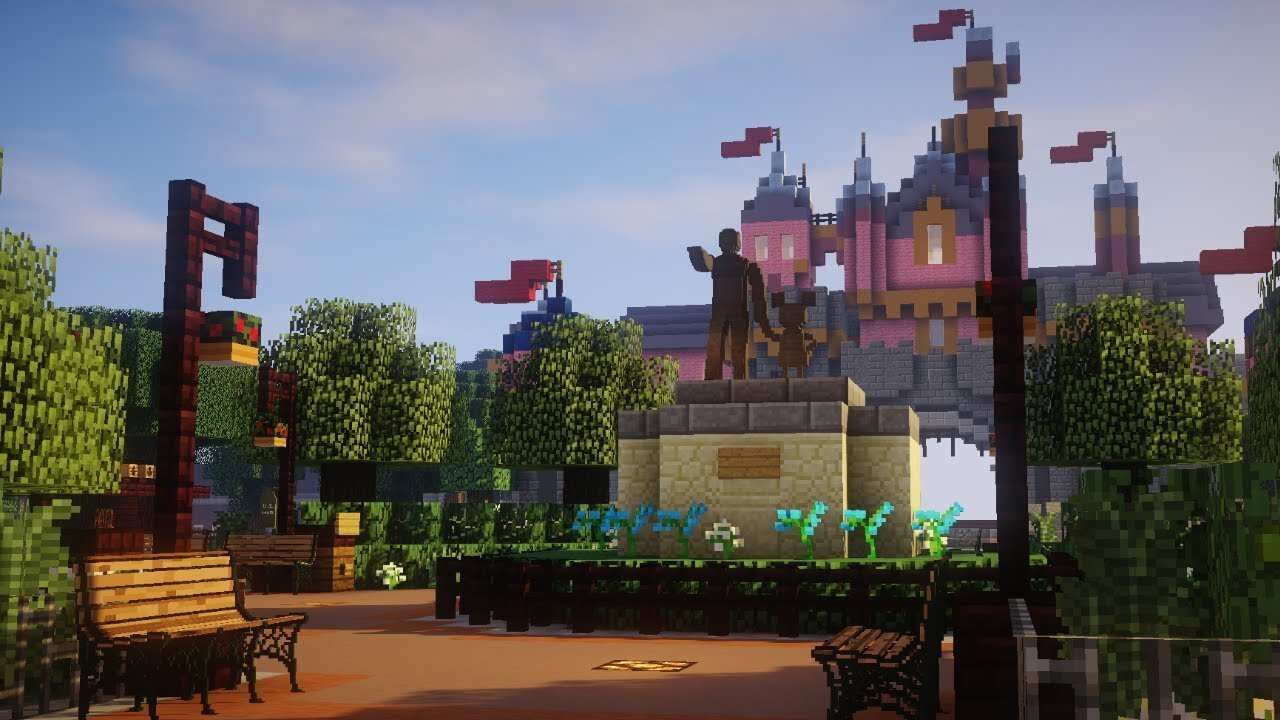
Digital Theme Park Platforms: The Most Important Media Businesses of the Future
Matthew Ball argues that games such as Minecraft, Fortnite, Roblox, GTA Online, and Pokémon Go function as digital equivalents of theme parks, and that they may become among the most important media businesses of the future.
- Digital theme park platforms like Minecraft, Fortnite, Roblox, and GTA Online have achieved unprecedented scale, each delivering 1.2–1.5 billion hours of playtime monthly across 75–120 million monthly active users.
- These platforms function as 'game engines' rather than traditional games, shifting the value proposition from developer-created content to user-generated experiences where players act as 'Imagineers' to build and share their own worlds.
- The digital theme park model offers significant advantages over physical counterparts, including 24/7 accessibility, global reach, immunity to physical constraints like COVID-19, and the ability to rapidly update or personalize content.
Zuck's Achilles Heel: Disney's Renewed Interest in Games and EA's Spending Spree
This June 2021 newsletter issue offers commentary on four developments in the games industry, framed around the argument that Big Tech and large publishers are consolidating leverage while consumers and developers push back.
- Electronic Arts spent $4.7 billion over a twelve-month period to acquire studios including Playdemic, Codemasters, and Glu Mobile to expand its mobile gaming footprint and gain leverage against platform holders like Apple.
- Disney has pivoted its interactive strategy to a licensing-heavy model, offloading the operational risks of game development by granting third-party developers like Ubisoft and Square Enix access to its franchise portfolio.
- Facebook’s attempt to integrate advertisements into its Oculus VR platform failed due to community backlash, forcing developers to withdraw from ad-testing programs and highlighting the incompatibility of current ad models with immersive environments.
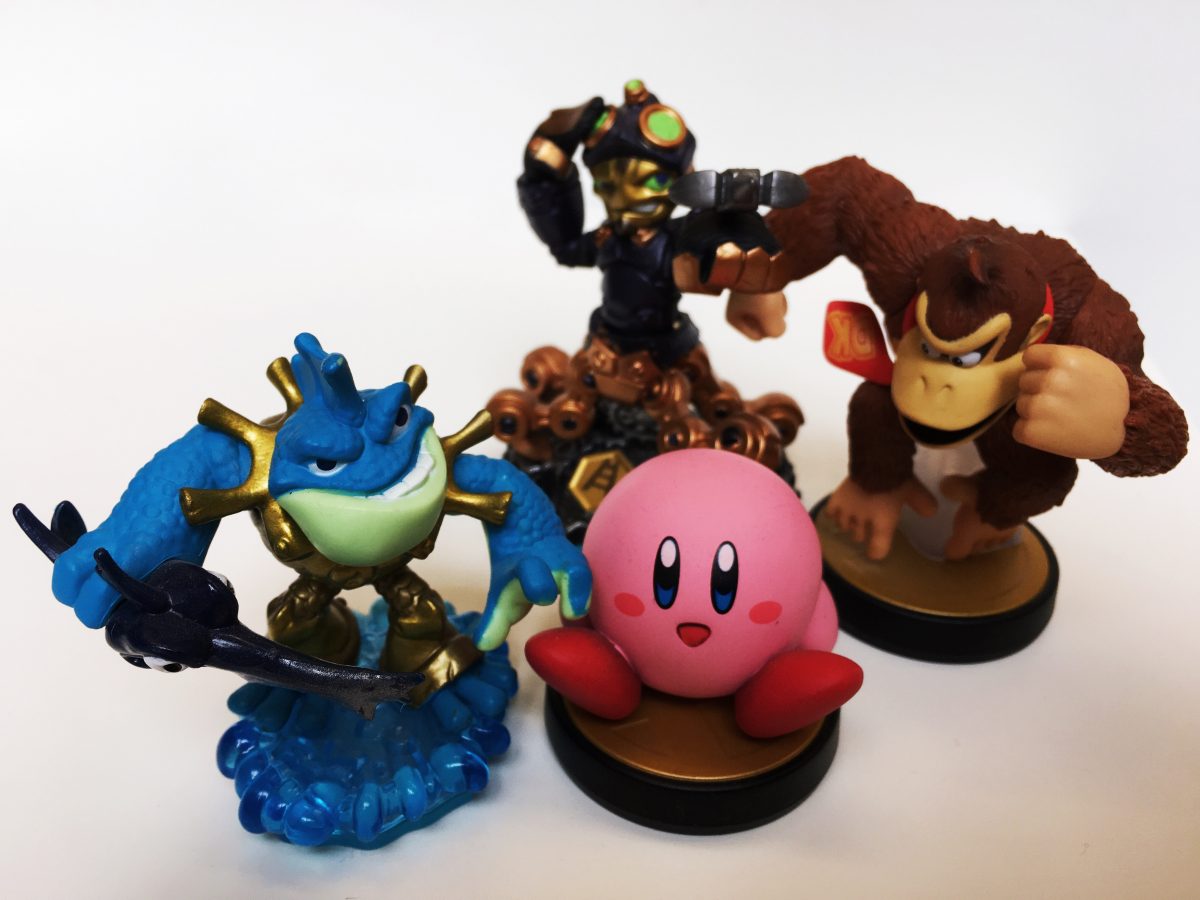
Toys-to-Life: Collectible Figures Take the Video Game World by Storm
The German toys-to-life segment, which pairs video games with physical collectible figurines, is expanding rapidly according to a December 2015 press release from the German Games Industry Association (BIU), using market data from GfK Entertainment.
- The German 'toys-to-life' market segment experienced a 45% growth in sales revenue within a single year, rising from 31 million euros in the first nine months of 2014 to 45 million euros during the same period in 2015.
- Total sales for the toys-to-life category in Germany reached 46.6 million euros in 2014, a figure that was nearly matched in just the first nine months of 2015.
- The toys-to-life market is highly seasonal, with more than one-third of annual turnover generated during the Christmas holiday period.
Companies behind it
As the documents state it.