1 free read left. Create a free account for unlimited reading + AI research.
Create free accountArticle DiGRA
1 free read left. Create a free account for unlimited reading + AI research.
Create free accountArticleDiGRA
The paper contends that Kingdom Hearts calls for hermeneutic tools beyond transmedia storytelling and media mix frameworks.
This analysis explores the "platform unconscious" within the Kingdom Hearts (KH) franchise, particularly focusing on the fan reception of the "Attraction Flow Attack" mechanic in Kingdom Hearts III. The central argument posits that negative fan reactions to these weaponized Disney theme park rides stem from underlying, non-public conflicts between platforms and creators over intellectual property (IP) control, which manifest in narrative and ludic worldbuilding. The study proposes a new hermeneutic approach, the "platform unconscious," to understand how these corporate struggles influence creative expression in platformized storytelling, moving beyond traditional frameworks like "transmedia storytelling" and "media mix."
The paper contrasts two distinct storytelling approaches within KH: Square Enix's anime-inspired JRPG model and Disney's storybook modernism, tracing their historical development and influence on game design. It examines two worlds in Kingdom Hearts III: Arendelle (from Frozen) and Toy Box (from Toy Story). Arendelle's linear, movie-replicating narrative, which fans criticized for its lack of originality, is presented as mirroring Disneyland's homogenized theme park experience. In contrast, Toy Box features an original narrative arc, developed through a collaborative "piecemeal trust-building exercise" with Pixar, which allowed for the re-introduction of Tetsuya Nomura's Final Fantasy XIII-Versus (Verum Rex) into the Pixar universe. This creative freedom and originality in Toy Box garnered significant fan praise, highlighting the impact of IP control dynamics on narrative quality and reception.
The analysis extends beyond Kingdom Hearts to Disney's broader strategy of platformized multiverse narratives, citing acquisitions like Marvel and LucasArts, and crossover properties such as Disney Infinity, Lorcana, and collaborations with Epic Games' Fortnite. The increasing use of Epic's Unreal Engine in both KHIII and over fifteen Disney Park attractions signifies a transition from "Hyperreality to Unreal Reality," demanding new hermeneutics and ethical considerations. The platform unconscious framework validates fan discourses that connect in-game narratives to behind-the-scenes struggles over IP, marketing, and technical design, suggesting a potential for aesthetic production and critical reception to resist emerging corporate control over creative works.
 Kingdom HeartsGame · Square Product Development Division 1 · 2002 · 50 documents
 Square EnixCompany · Japan · founded 2003 · 397 documents
 DisneyCompany · United States · founded 1988 · 381 documents
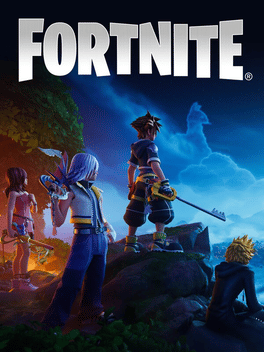 FortniteGame · Epic Games · 2020 · 1,133 documents
 Dragon QuestGame · Matrix Software · 2004 · 192 documents
 Epic GamesCompany · United States · founded 1991 · 977 documents
Each row is a game or company this document names, each column a document, oldest first. A mark means that document names it. Select a row to see those documents.
DiGRA · 2026
DiGRA · 2019
DiGRA · 2009
DiGRA · 2026
DiGRA · 2026
DiGRA · 2026
DiGRA · 2026
DiGRA · 2026
DiGRA · 2025
DiGRA · 2025
DiGRA · 2025
DiGRA · 2025
DiGRA · 2025





























